
Start with the essentials
Plan Spain at a glance
- First trip
- 7–10 days
- Best months
- Mar–May, Sep–Oct
- Main transport
- High-speed rail
- Car
- Best for rural routes
- Currency
- Euro
About Spain
Why visit Spain
Regional variety is Spain’s main strength. Architecture, food, languages, climate and daily pace change noticeably between central Spain, Catalonia, Andalusia, the Atlantic north and the islands.
The same country can support a museum-led city trip, a rail route through historic towns, a coastal break or a slower island holiday. The best choice depends on the season and how often you are willing to change bases.
Plan Spain by region
Spain is too varied for one rushed route. Madrid, Barcelona, Seville and Valencia connect well by high-speed rail, but Galicia, the Basque Country, the Balearic Islands and the Canary Islands work better as separate sections.
For a first visit, choose one main rail corridor or two neighbouring regions. This leaves time for neighbourhoods, historic sites, meals and day trips without turning every day into a long transfer.
Choose a part of the country
Choose a region
Aragón
Mountain landscapes, monasteries and historic towns.
View regionBalearic Islands
Beaches, coves and island bases with busy summer demand.
View regionBasque Country
Food cities, green hills and Atlantic coast.
View regionCanary Islands
Volcanic landscapes, beaches and mild weather throughout the year.
View regionCastile and León
Cathedral cities, castles and wide plateau landscapes.
View regionCastilla-La Mancha
Windmills, medieval towns and open countryside.
View regionGalicia
Atlantic coast, pilgrimage routes and seafood cities.
View regionValencian Community
Mediterranean beaches, markets and lively regional cities.
View regionGood places to start
Cities for a first trip
See all 36 cities and towns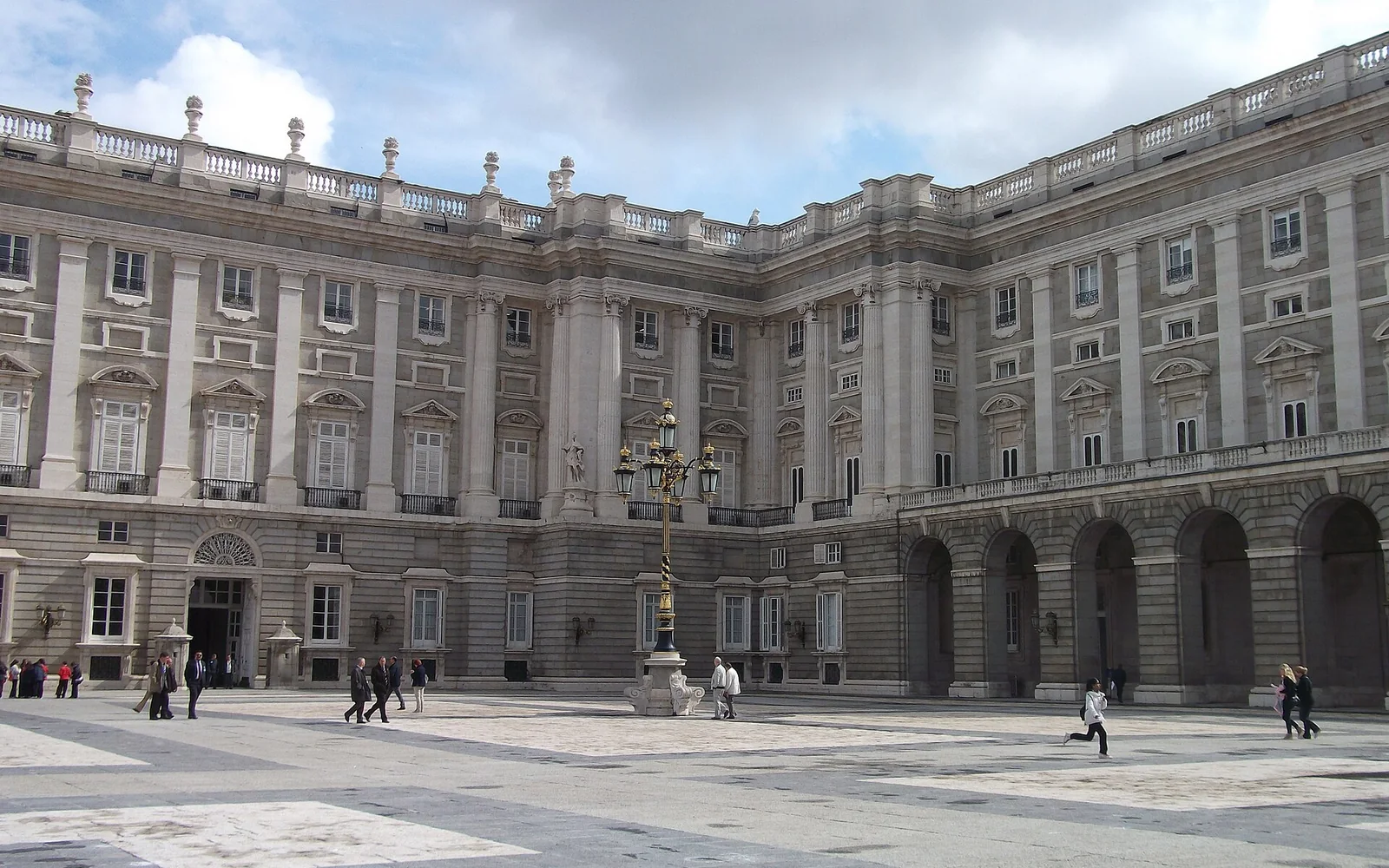
Madrid
A central base with major museums.
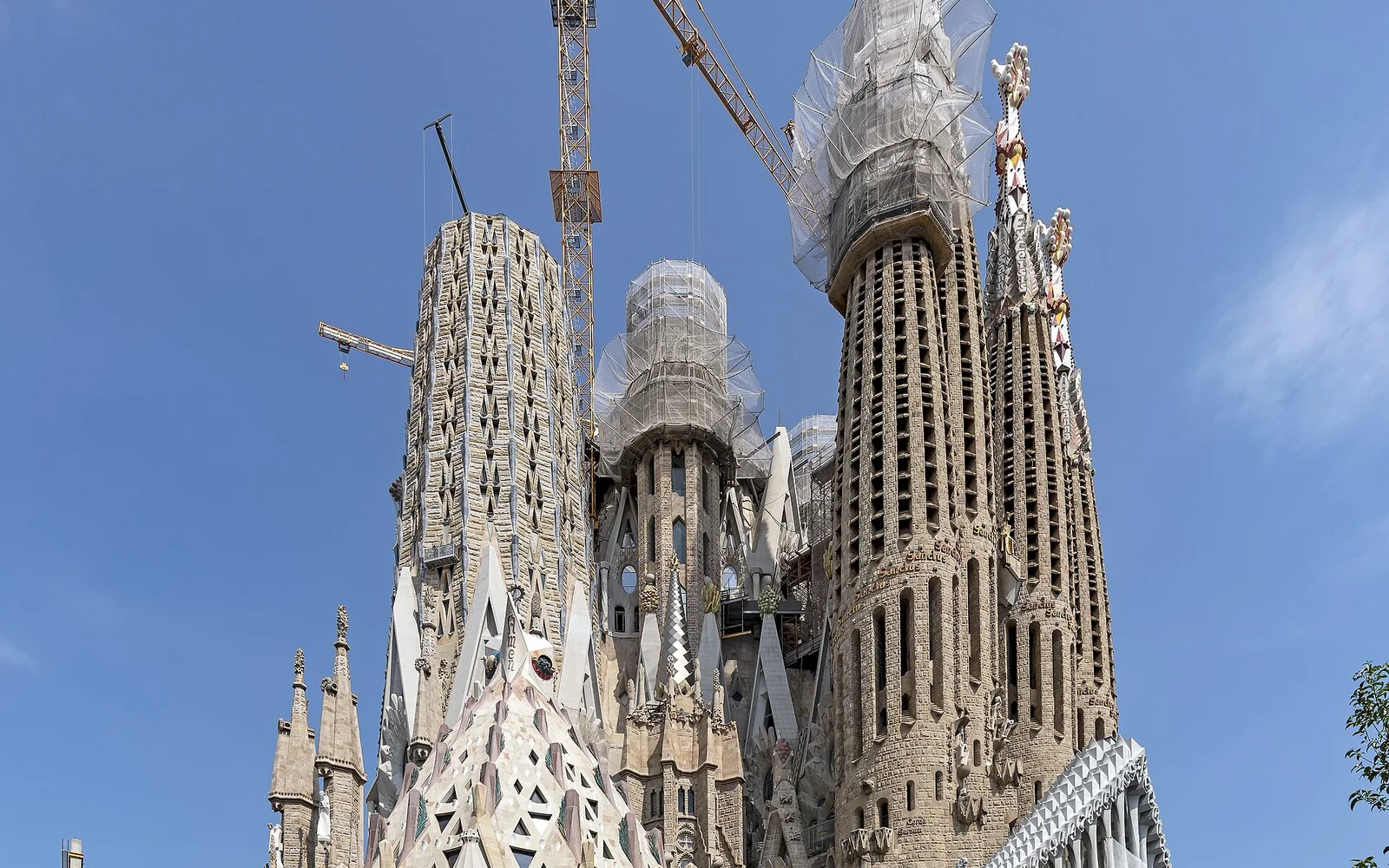
Barcelona
Architecture and timed-entry demand.
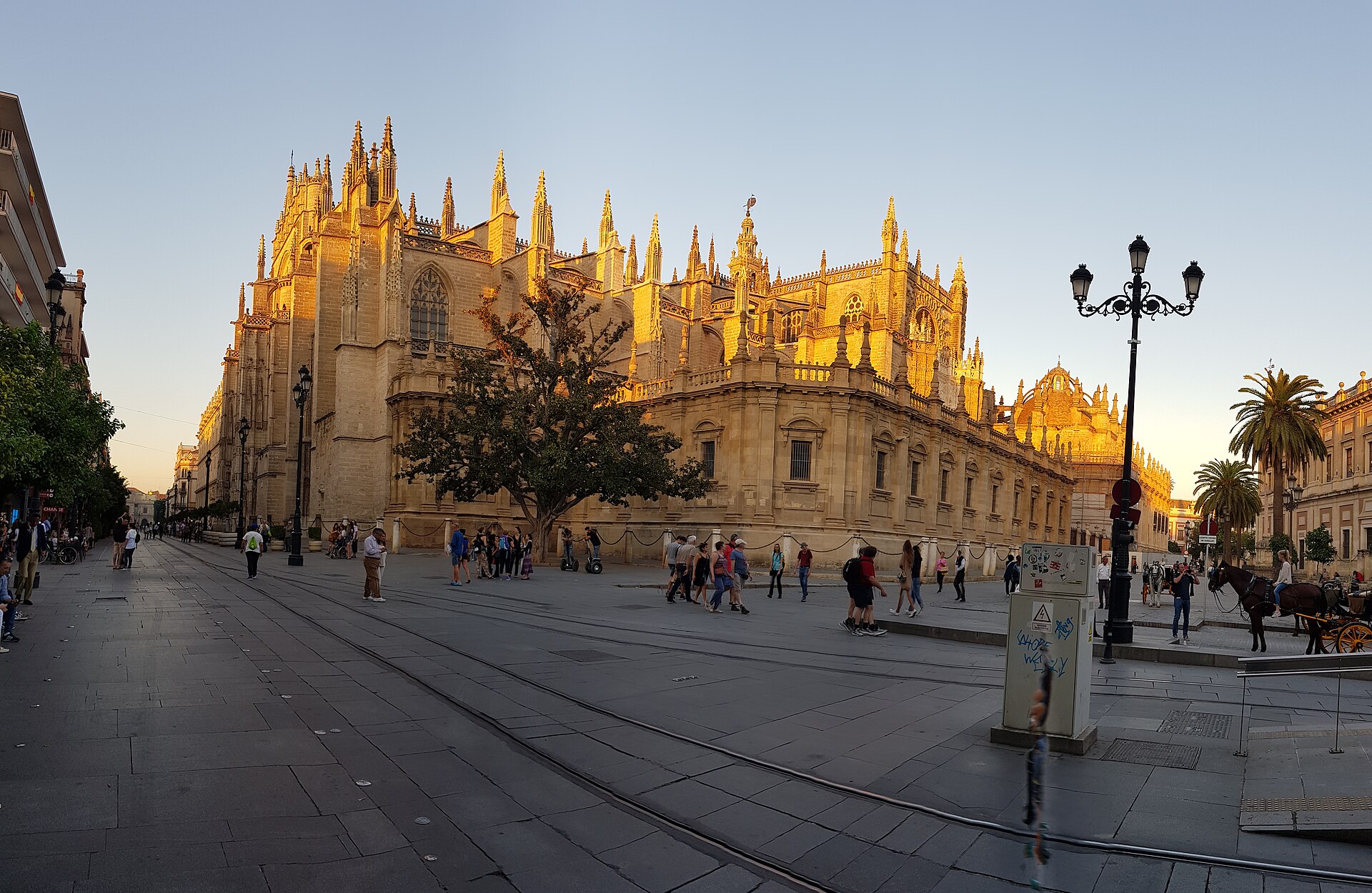
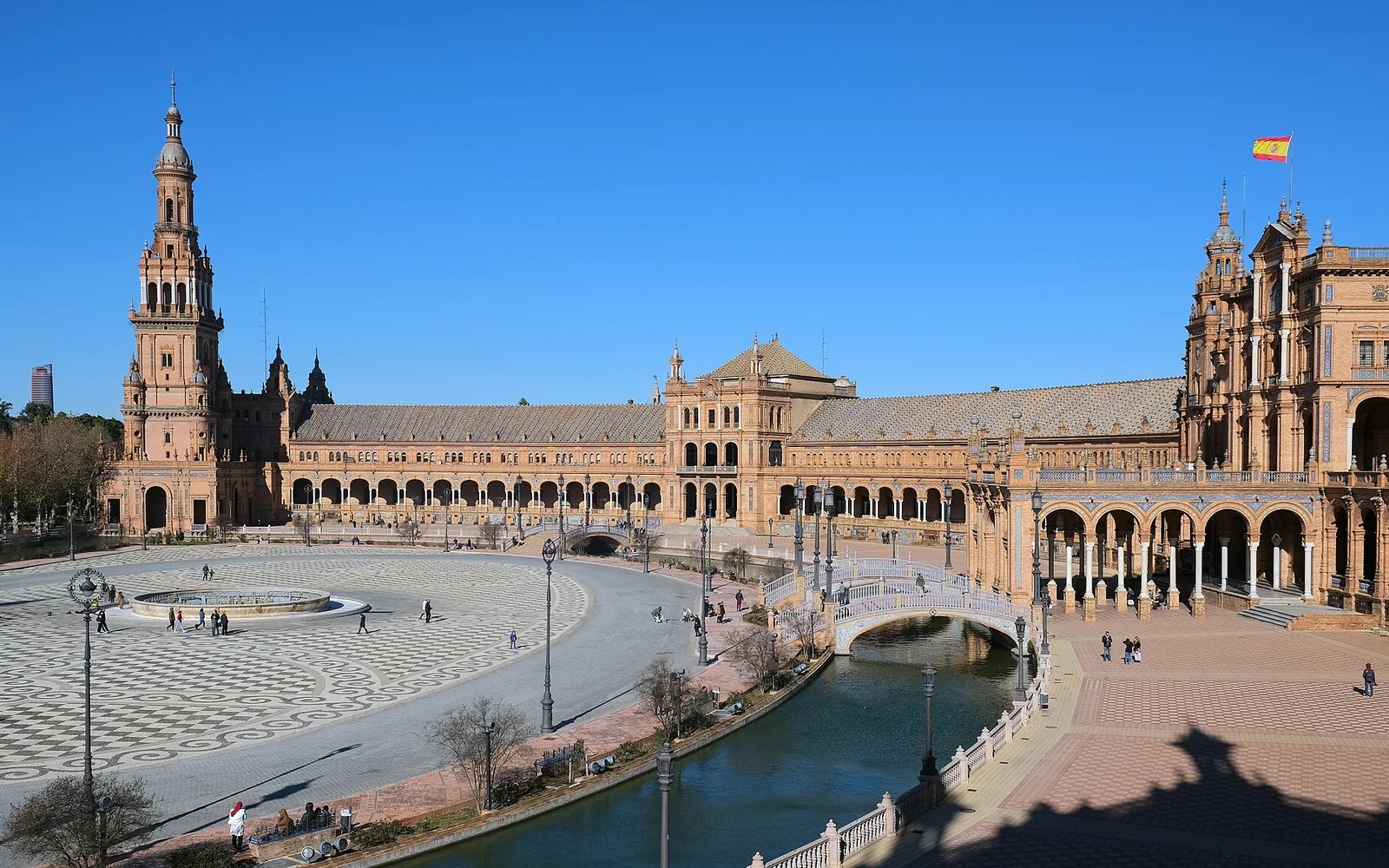
Seville
A strong heat-sensitive base.
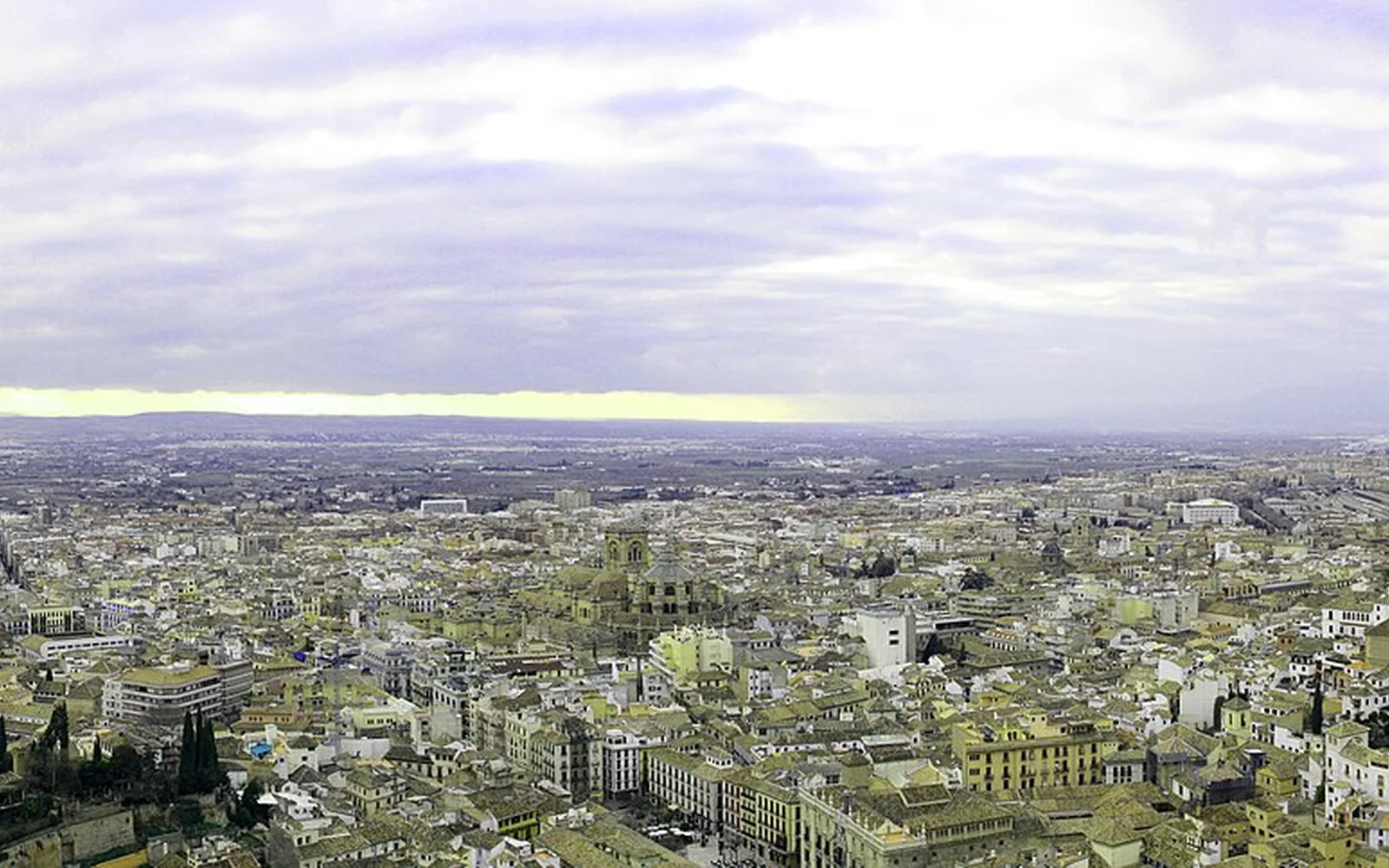
Granada
Plan around secured Alhambra entry.
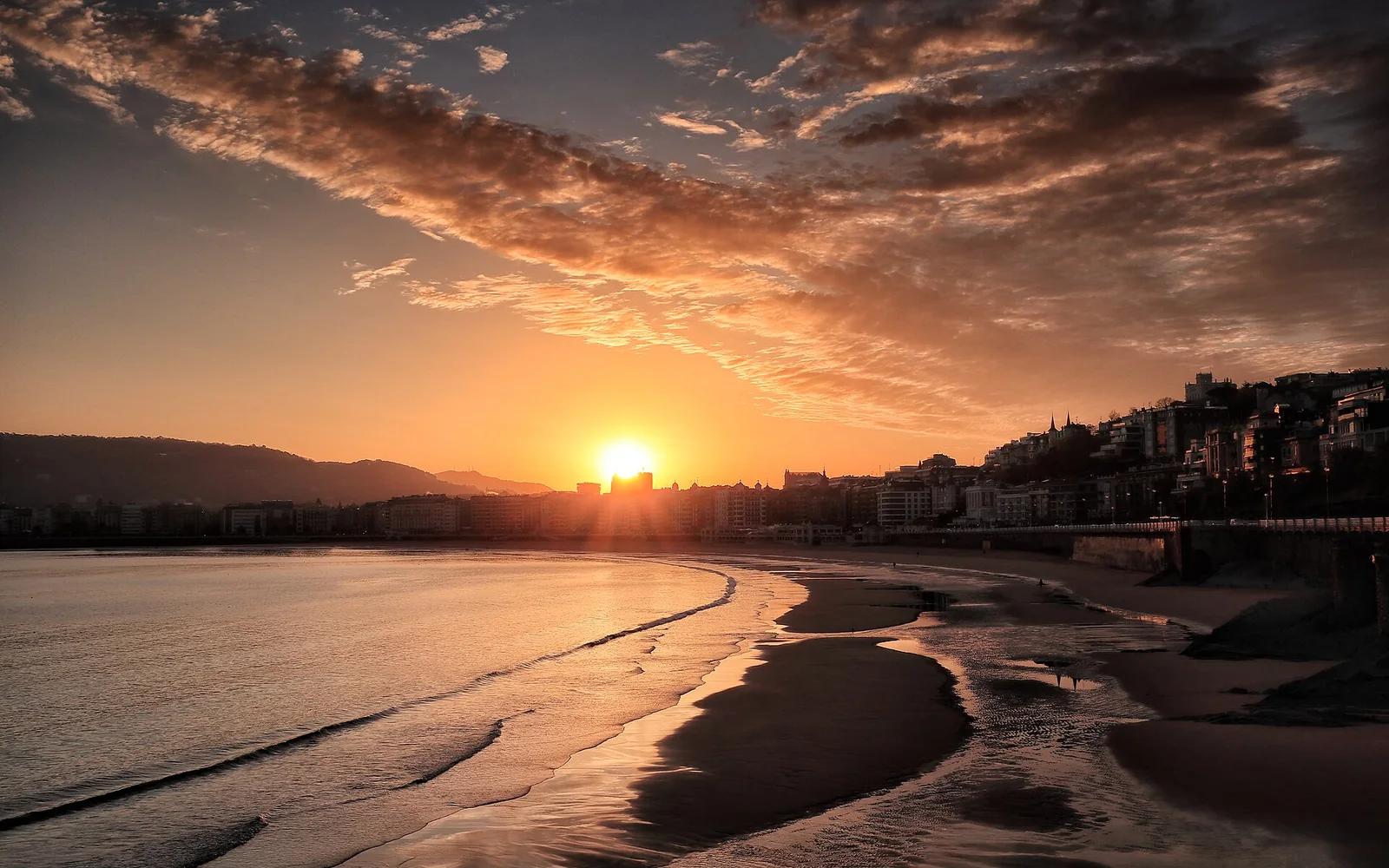
San Sebastián
A food and coast overnight.
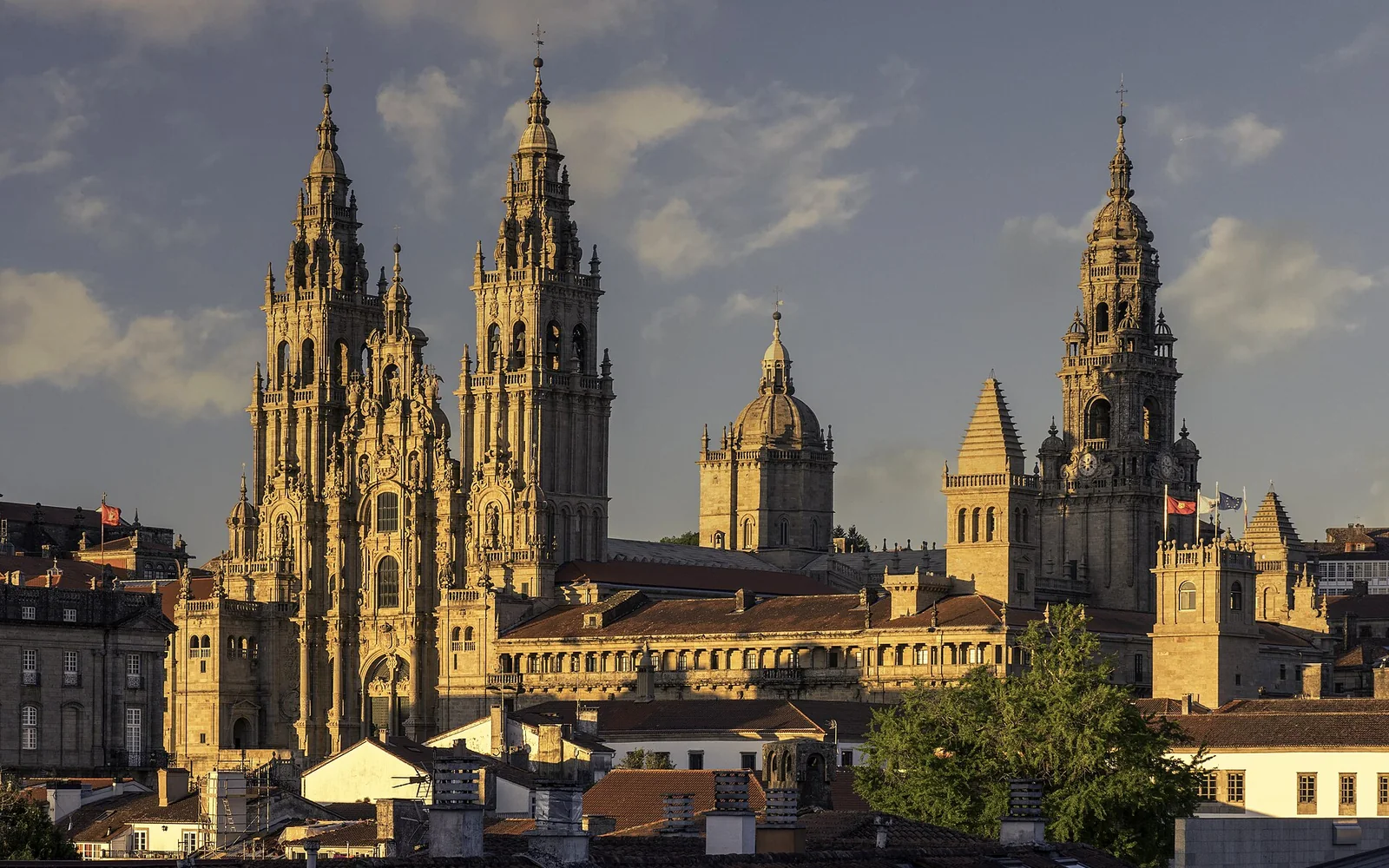
Santiago de Compostela
A separate north-west route.
Choose an island
Island guides
Canary Islands
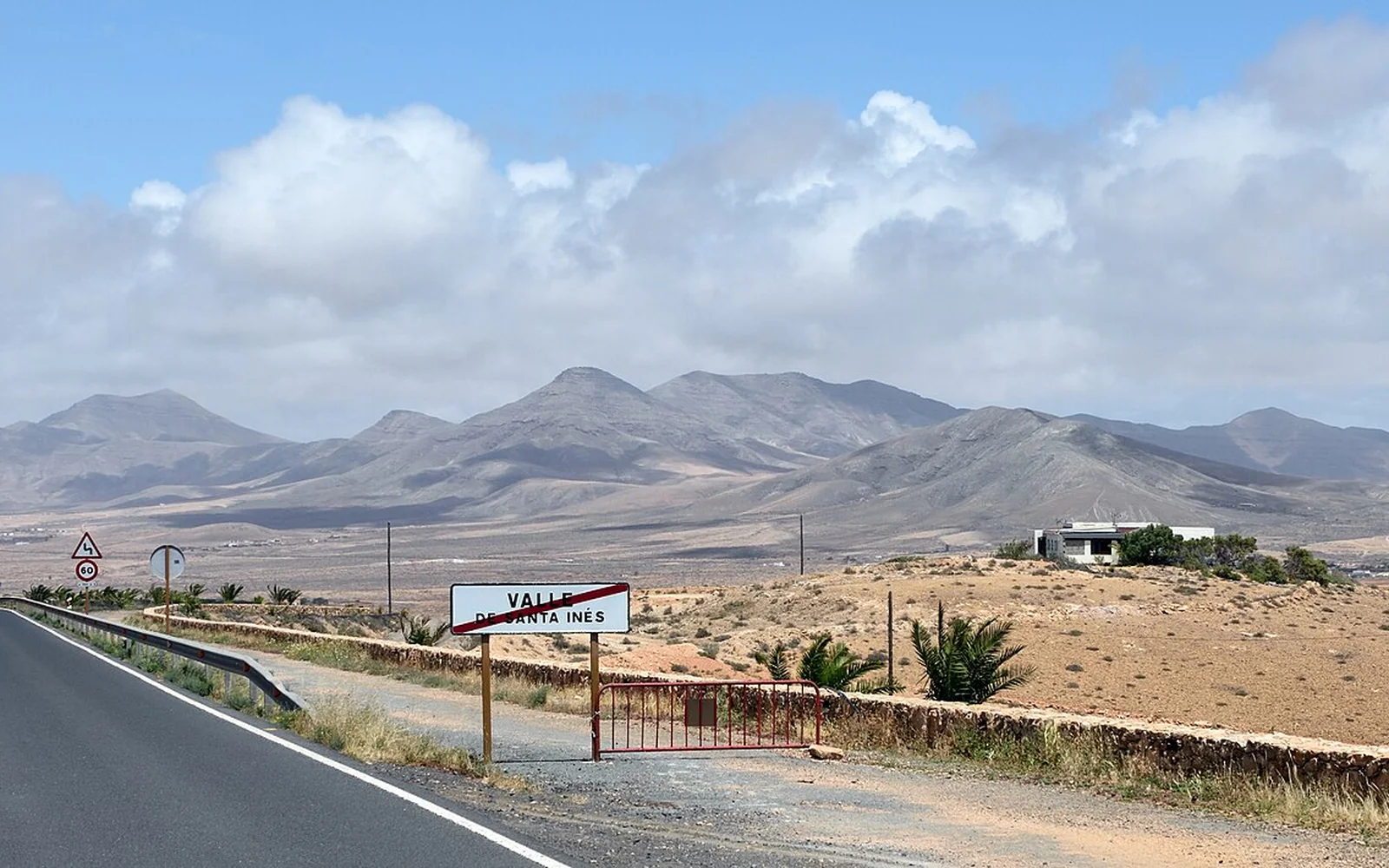
Fuerteventura
An arid Canary Island of long Atlantic beaches, volcanic hills, open roads and wind-shaped landscapes spread across large distances.
Open island guide
Gran Canaria
Gran Canaria ranges from Las Palmas city life and northern towns to high interior roads, southern resorts and the protected Maspalomas dune landscape.
Open island guide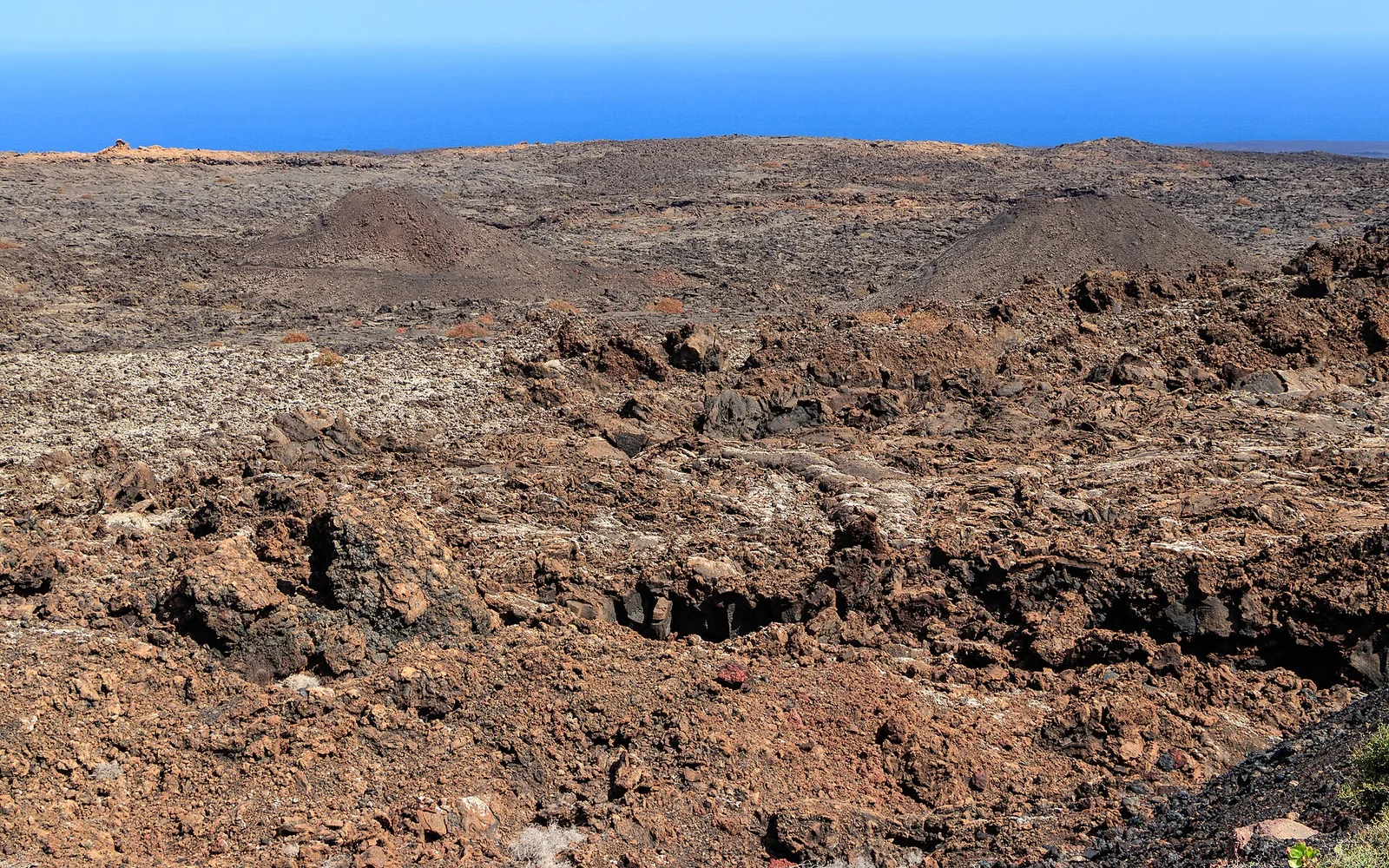
Lanzarote
Lanzarote’s lava fields, low white towns, designed cultural sites and sheltered beaches create a compact island with exposed weather and protected landscapes.
Open island guide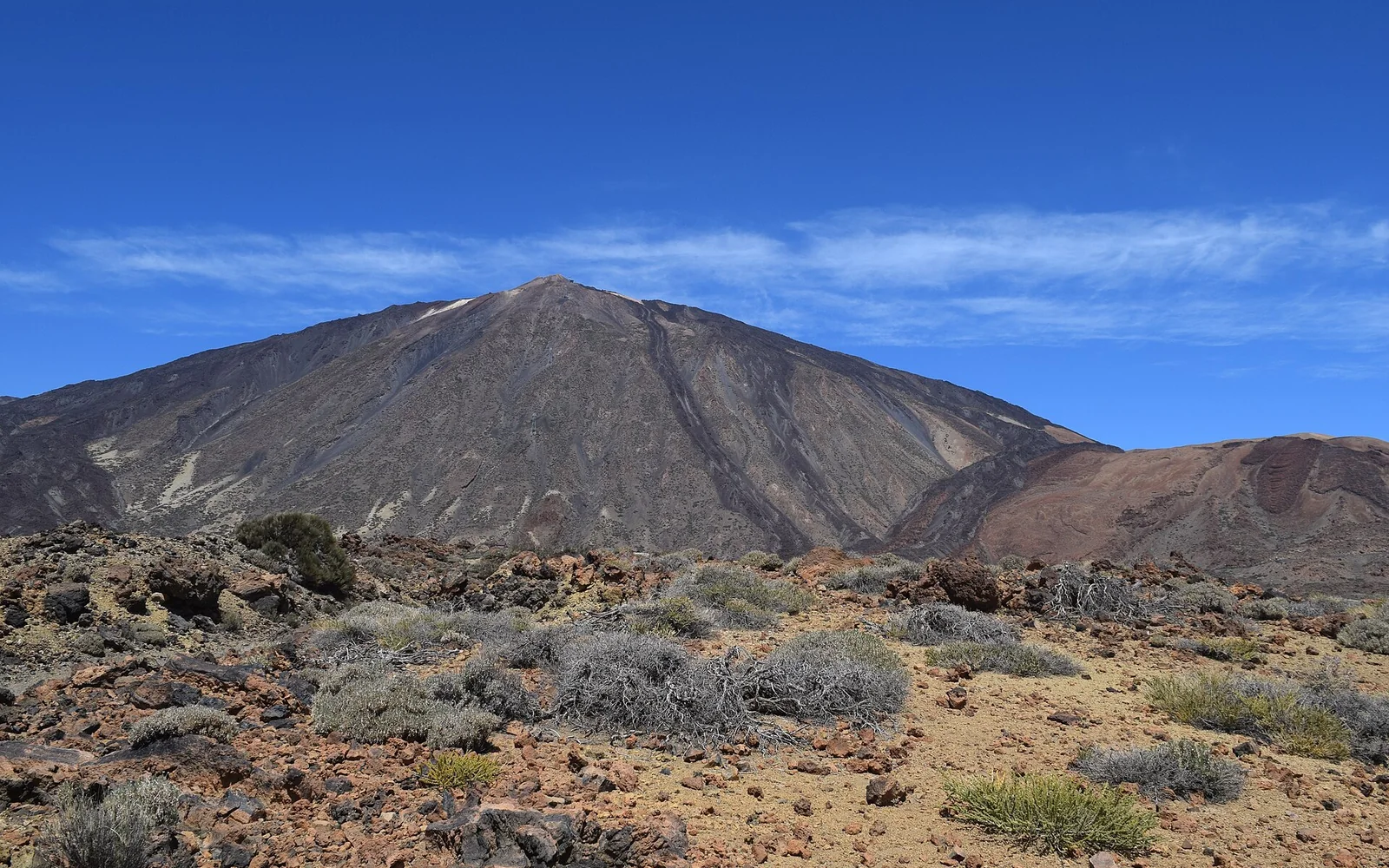
Tenerife
Tenerife combines volcanic highlands, green northern valleys, busy southern resorts and historic towns across an island with sharp climate differences.
Open island guideBalearic Islands
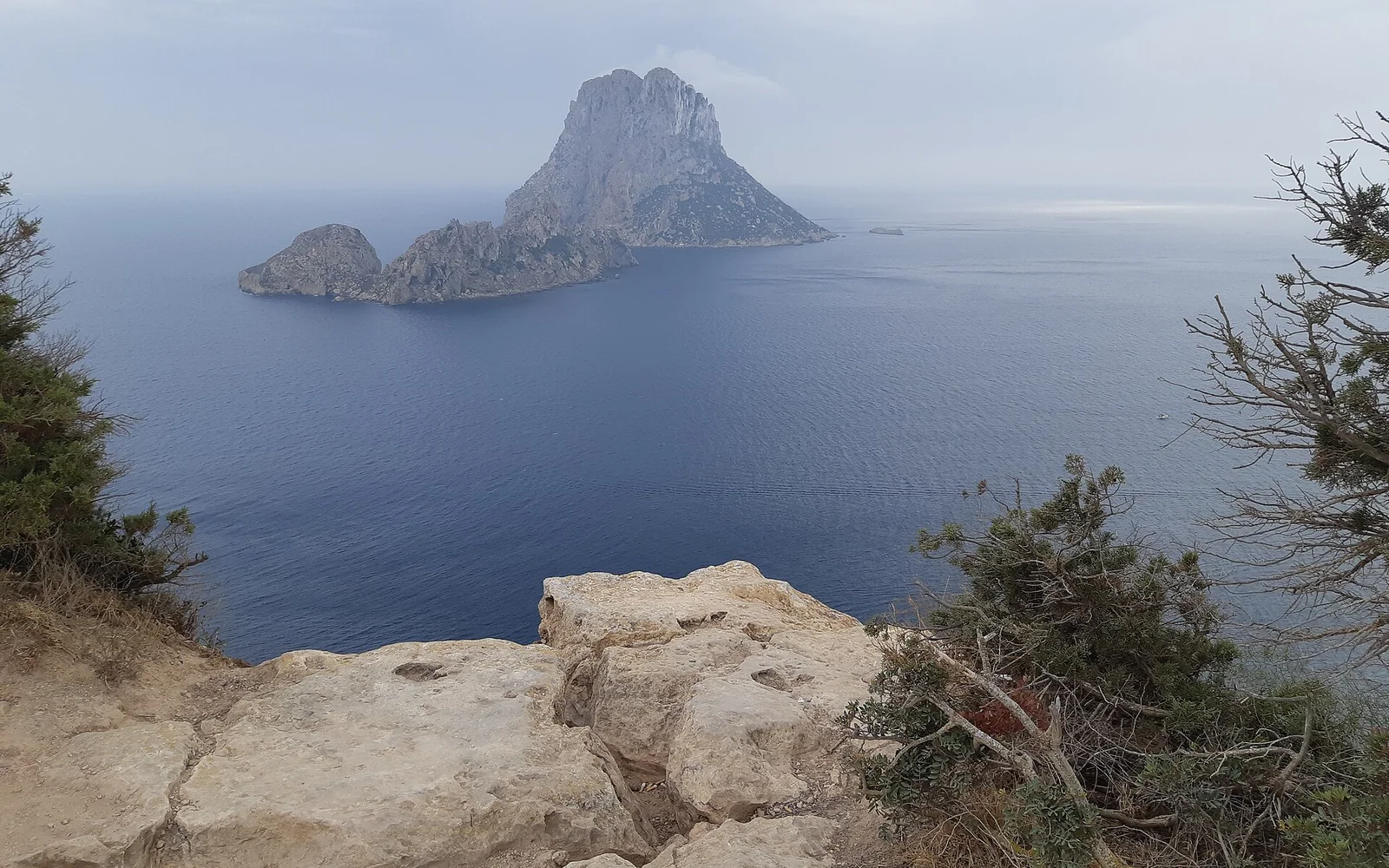
Ibiza
Ibiza combines famous nightlife with quiet northern coves, inland villages, family beaches and a fortified capital that deserves separate city time.
Open island guide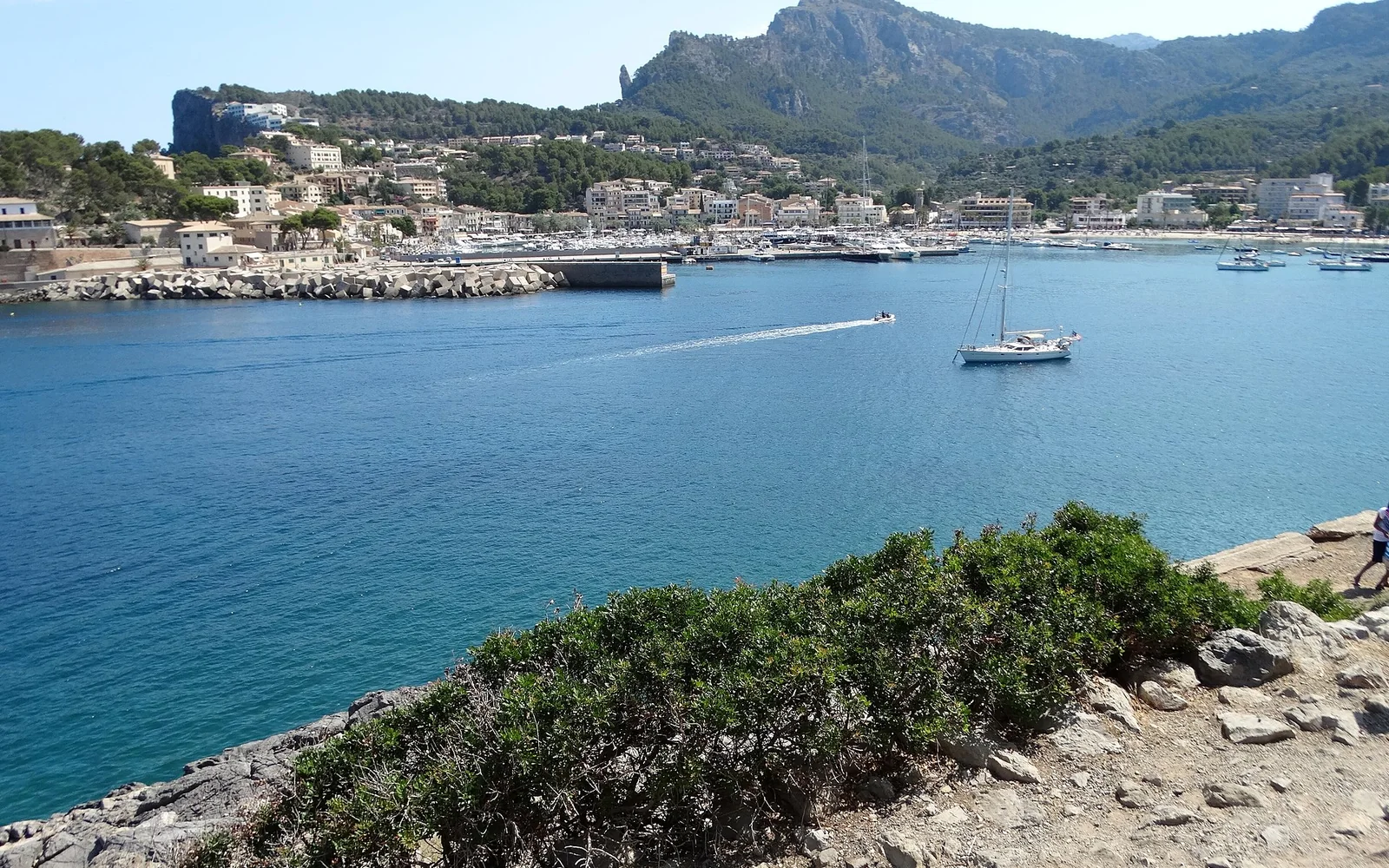
Mallorca
Mallorca is a large and varied island with a historic capital, mountain villages, family resorts, quiet inland towns and coves that require careful transport planning.
Open island guide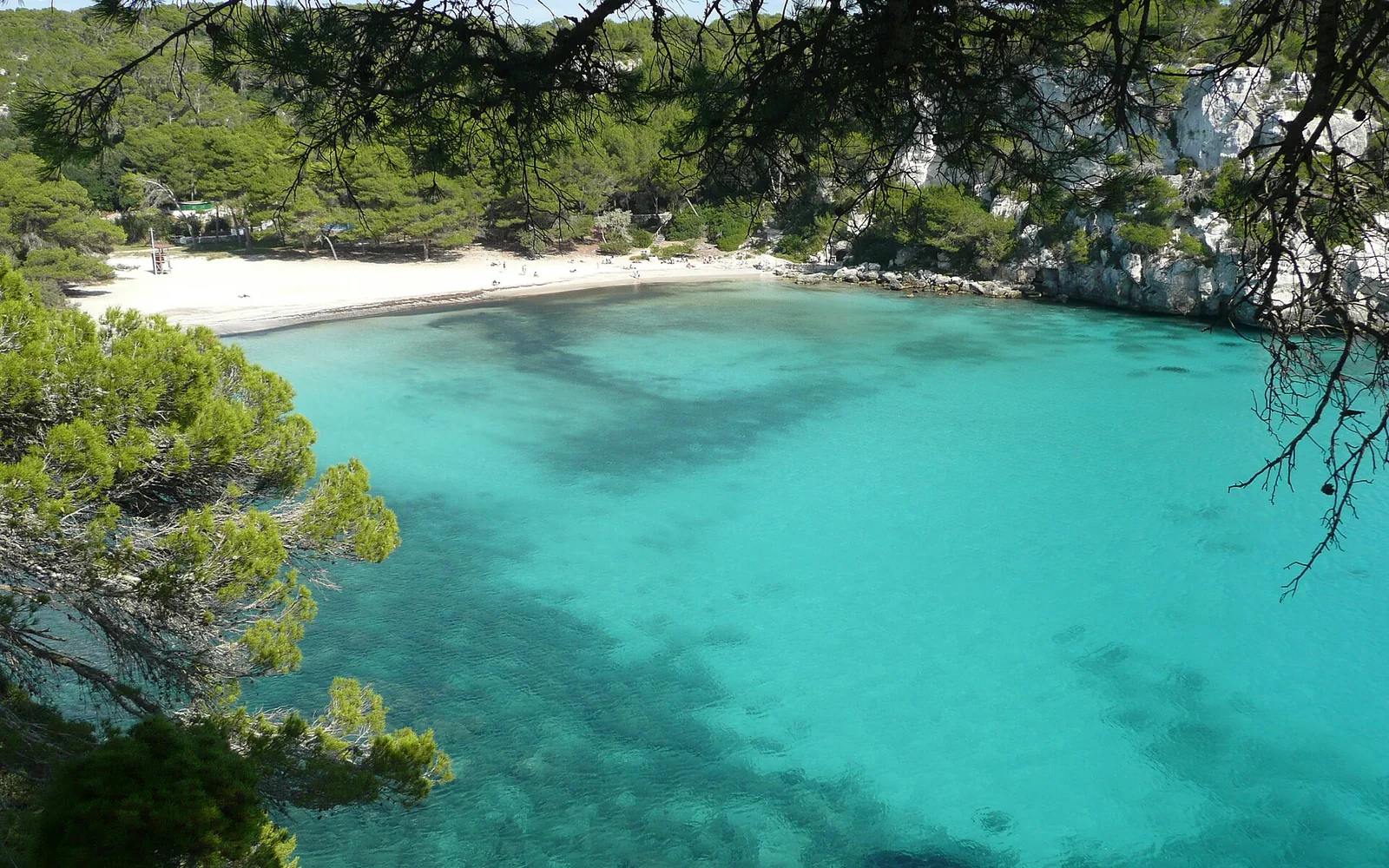
Menorca
A lower-key Balearic island of limestone coves, Maó and Ciutadella, prehistoric sites and the long-distance Camí de Cavalls.
Open island guideParks and natural areas
Nature destinations
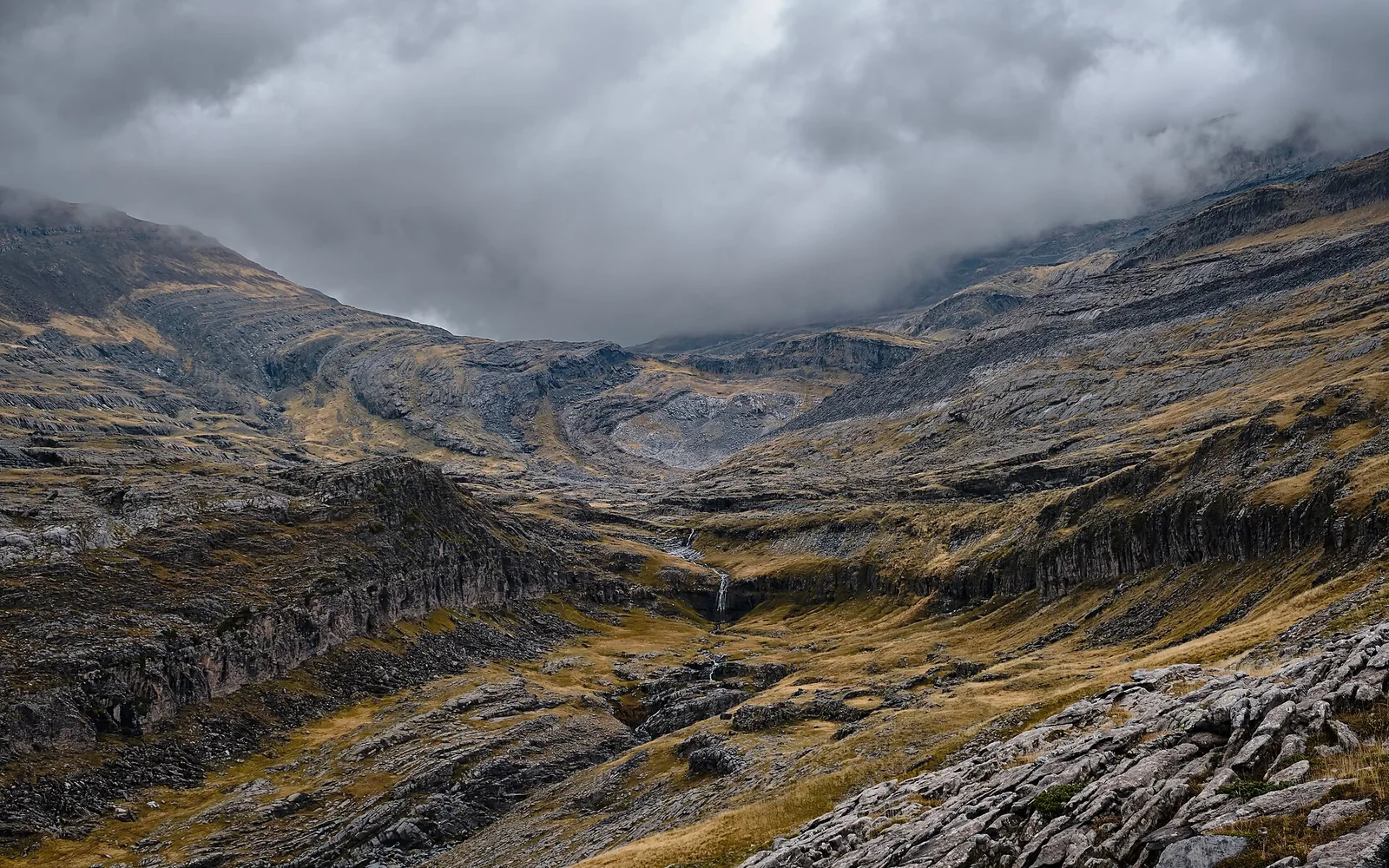
Ordesa y Monte Perdido National Park
A high-Pyrenees national park of limestone massifs, deep valleys and four distinct sectors with different access and route demands.
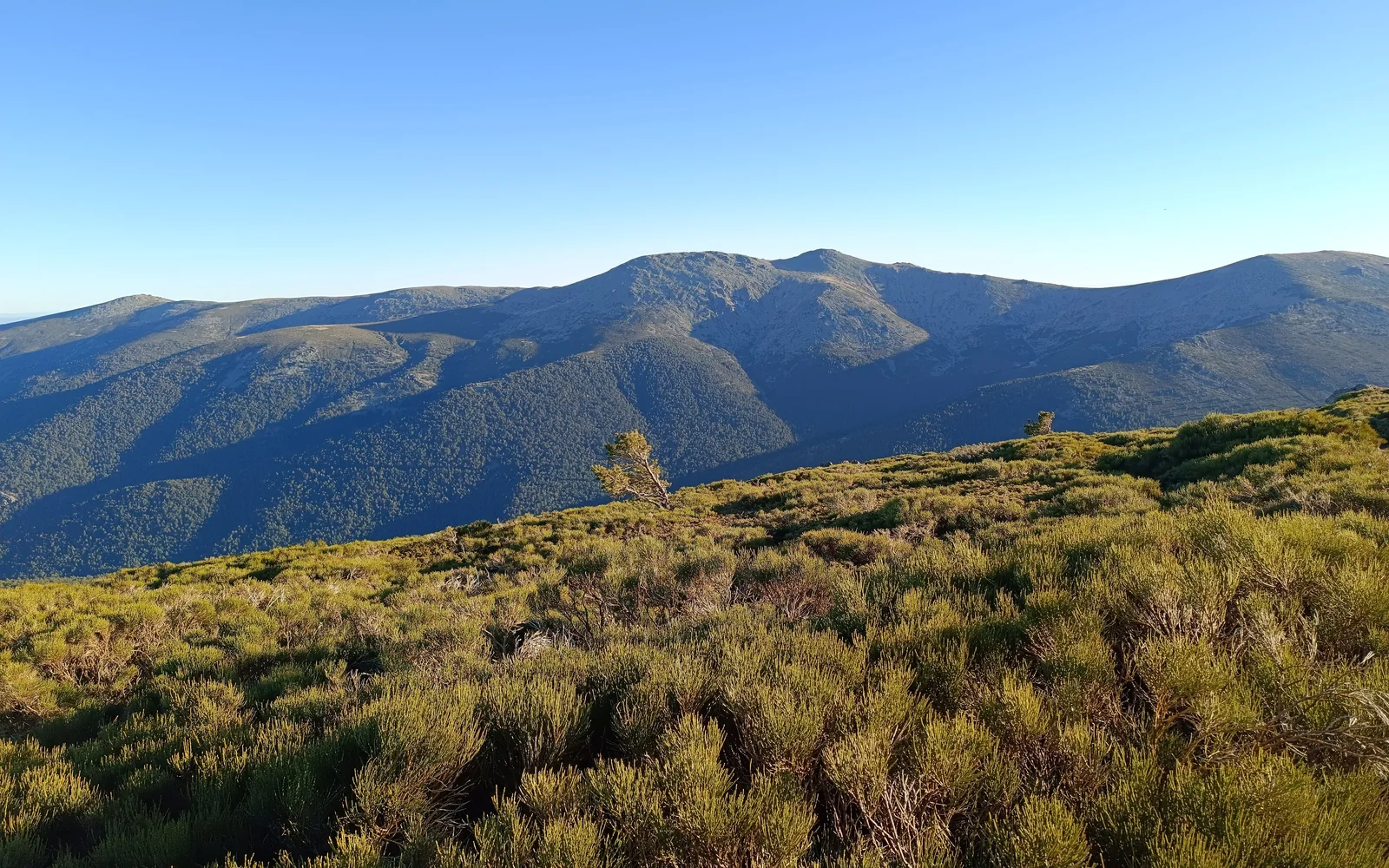
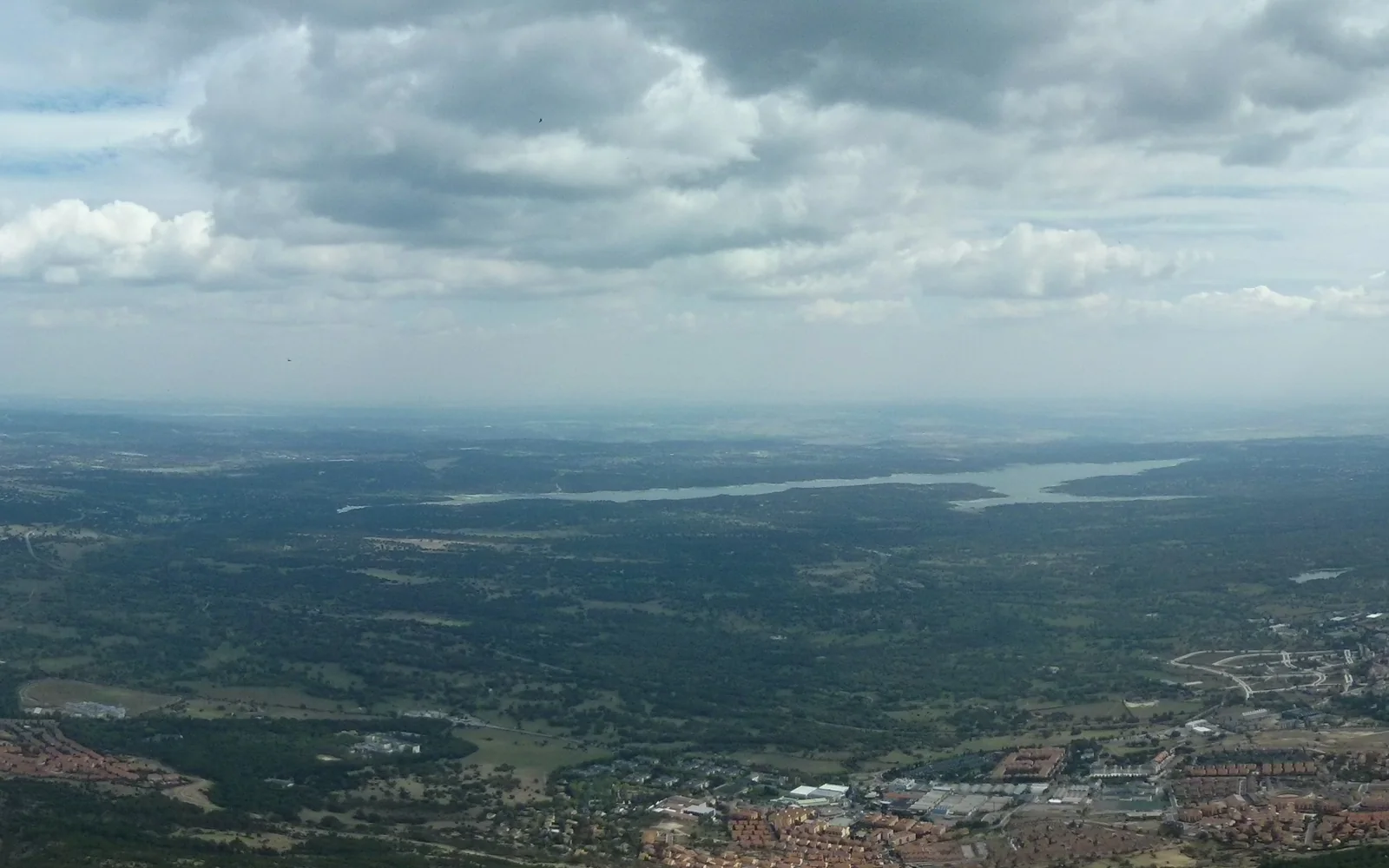
Sierra de Guadarrama National Park
High ridges, pine forests and granite landscapes spread across Madrid and Castile and León, with this guide focused on access from the Madrid side.
Find places by area
Browse places by region
Andalusia Cádiz, Córdoba, Granada, Marbella, Málaga, Ronda, Seville
Aragón Ordesa y Monte Perdido National Park, Zaragoza
Balearic Islands Ibiza, Ibiza Town, Mallorca, Menorca, Palma de Mallorca
Basque Country Bilbao, San Sebastián, Vitoria-Gasteiz
Canary Islands Fuerteventura, Gran Canaria, Lanzarote, Las Palmas de Gran Canaria, Santa Cruz de Tenerife, Tenerife
Catalonia Barcelona, Girona, Montserrat, Tarragona
Galicia A Coruña, Santiago de Compostela, Vigo
Madrid Region Alcalá de Henares, Aranjuez, Chinchón, Madrid, San Lorenzo de El Escorial, Sierra de Guadarrama National Park
Plan a day out
Day trips and experiences
Toledo from Madrid by train
A full Toledo day with a planned climb from the station, one main historic interior and enough time to descend for the reserved Madrid train.
Girona from Barcelona by train
A focused Girona day linking the Onyar, old quarter and cathedral area, with the city walls treated as an optional and physically demanding extension.
Córdoba from Seville by train
A Córdoba day centred on the Mosque-Cathedral, with a direct train, one coherent old-quarter route and a plan that respects summer heat.
Match the route to your time
Choose a trip length
Short trip
Choose one base such as Madrid, Barcelona or Seville and stay within its region. You will have time for the city and one well-connected day trip, but adding a distant second base will turn a short visit into a transfer-heavy route.
Two connected bases
Combine two connected bases, such as Madrid and Barcelona, or follow a compact Andalusian route through Seville, Córdoba and Granada. Reserve the longest train legs and major timed attractions first, then keep at least one unhurried day in each main city.
A focused multi-region route
Use three bases along one sensible corridor, or give two regions more depth. This is enough time for Madrid with Andalusia, Barcelona with Valencia, or a focused northern route. Add an island only when you are prepared to remove a mainland stop.
Ready-made routes
Suggested itineraries
Barcelona, Madrid, Seville and Granada in 11 days
An 11-day rail route through four distinct Spanish cities, with 10 hotel nights, three direct travel stages and major bookings given their own days.
- Main stops
- Barcelona, Madrid, Seville, Granada
- Transport
- Train
- Best suited to
- First-time rail travellers who want four contrasting Spanish cities and accept three hotel changes.
- Main trade-off
- The route has only one full Seville day, so Córdoba or a slower Andalusia stay requires extra nights.
Transport choices
Getting around Spain
High-speed rail is the simplest way to link Madrid with Barcelona, Valencia and the main Andalusian cities, while regional trains and coaches cover many shorter connections. Northern coasts, rural interiors and smaller towns may need slower services or a car. Flights and ferries make the Balearic and Canary Islands separate planning decisions, so include the airport or port transfer when comparing routes.
High-speed and long-distance rail
Use high-speed services for Madrid, Barcelona, Valencia, Córdoba, Seville, Málaga and Granada. Book long-distance trains for fixed travel days, then use local metro, suburban rail or buses within each city.
Regional trains and coaches
Regional rail and long-distance coaches reach many places outside the fastest corridors. Compare the full journey rather than distance alone, because a direct coach can be more useful than a rail route that requires changes.
Flights and ferries
Flights are normally the practical link to the Canary Islands. The Balearics can be reached by air or mainland ferry, while travel between islands may need another flight or sailing. Treat each island group as its own section.
Driving
A car is most useful for white villages, rural coastlines, mountain areas and routes with weak public transport. It is usually unnecessary in the centres of Madrid, Barcelona, Seville or Valencia. Check each city’s low-emission and parking rules before driving in, because restrictions are set locally and can differ considerably.
Month-by-month planning
When to visit
Choose Spain’s region before choosing the month, since Atlantic, Mediterranean, inland, mountain and island destinations follow different patterns.
Current planning ranges
Trip costs by base
These per-person planning ranges are not live quotes. Open the destination guide for assumptions, exclusions and sources.
Madrid
EUR 140 to 210- Accommodation
- €65 to €115
- Food
- €32 to €50
- Local transport
- €7 to €14
- Attractions and activities
- €18 to €38
Barcelona
EUR 150 to 220- Accommodation
- €70 to €120
- Food
- €34 to €52
- Local transport
- €7 to €14
- Attractions and activities
- €20 to €40
Plan fewer hotel changes
Where to base your trip
Before you travel
Practical facts
- Currency
- Euro
- Main transport
- Renfe and other rail operators
- Driving side
- Right
- Emergency number
- 112
- Main languages
- Spanish, with co-official regional languages
- Time zone
- Most of Spain uses Central European Time; the Canary Islands are one hour behind
- Plug type
- Type C and F
- EU status
- EU member
- Schengen status
- Schengen member
Avoid the common route problems
Planning checks
Reserve high-demand sights first
Buy Alhambra tickets through the official visitor system once your Granada dates are fixed, and check timed-entry availability for Barcelona landmarks before booking trains or hotels around them. Keep the named visitor’s identification available where the ticket conditions require it.
Plan around summer heat
Summer heat can make long afternoon sightseeing difficult in inland and southern cities. Schedule outdoor monuments and exposed walks earlier, leave room for a midday break, carry water, and check official weather warnings before day trips or drives.
Give islands enough time
The Balearic and Canary Islands are not quick additions to a mainland circuit. Count the journey to the airport or port, check-in time and the onward transfer to your accommodation before deciding whether the island stay is long enough.
Choose the places shown on the map
See Spain’s main travel bases
Loading the map…
Choose a group to compare the spread of six or fewer useful bases. Open a marker for its destination guide.
Choose between two places
A useful destination comparison
Lisbon or Barcelona for a city break?
Choose Lisbon for viewpoints, older neighbourhoods and a less scheduled stay. Choose Barcelona for modernist architecture, major art and stronger high-speed onward travel.
Cross-border planning
Countries to combine carefully
Portugal
A focused western Iberian route can connect Madrid or Galicia with Porto and Lisbon.
- Likely transport
- Bus, flight or selected rail corridor
- Minimum sensible time
- At least 14 days across both countries
- Main limitation
- The border link is the constraint, so choose it before fixing the city order.
France
Barcelona and south-west France can share a practical rail route.
- Likely transport
- International rail
- Minimum sensible time
- At least 10 days across both countries
- Main limitation
- Paris, Madrid and the Mediterranean coast do not all fit comfortably into one short trip.
Quick answers
Planning questions
How many cities fit into ten days?
Two regions or three connected bases are enough.
Can I tour without a car?
Yes for the main city corridors.
Is Madrid to Barcelona sensible?
Yes by high-speed rail if both cities receive several nights.
What is a sensible first route through Spain?
Madrid and Andalusia or Barcelona. Combine two regions or follow Andalusia.
What should I confirm before booking a trip to Spain?
Secure the Alhambra and highest-demand Barcelona entries. Adapt summer sightseeing to inland heat.
How this guide is checked
Sources and review
Reviewed 2 September 2026, next review due 1 March 2027. Transport, access, prices and seasonal services can change, so check the official source before booking.
- Spain tourism, Turespaña
- Renfe passenger information, Renfe
- Driving in Spanish cities, Dirección General de Tráfico
- Alhambra visitor FAQ, Patronato de la Alhambra y Generalife
Continue planning
More places in Spain
Browse the full destination list when the curated starting points do not match your route.