
Start with the essentials
Plan Germany at a glance
- First trip
- 10–14 days
- Best months
- May–Sep, plus December cities
- Main transport
- Intercity and regional rail
- Car
- Useful for selected scenic routes
- Currency
- Euro
About Germany
Why visit Germany
Germany offers large cities with distinct identities and regional landscapes close to useful rail corridors.
Long-distance trains make a city route possible, but disruption needs buffers. River valleys and Alpine areas work best from a steady base.
Plan Germany by region
Germany’s major cities, regional identities and landscapes need a route built around one rail corridor. Berlin and Saxony, Munich and Bavaria, or the Rhine and Moselle each form a coherent trip without crossing the entire country repeatedly.
Long-distance trains connect the main cities, while regional services reach smaller towns and landscape gateways. A car helps on selected scenic roads, but central Berlin, Munich, Hamburg, Cologne and Dresden work better without one.
Choose a part of the country
Choose a region
Baden-Württemberg
Heidelberg, Stuttgart and the Black Forest.
View regionGood places to start
Cities for a first trip
See all 22 cities and townsBerlin
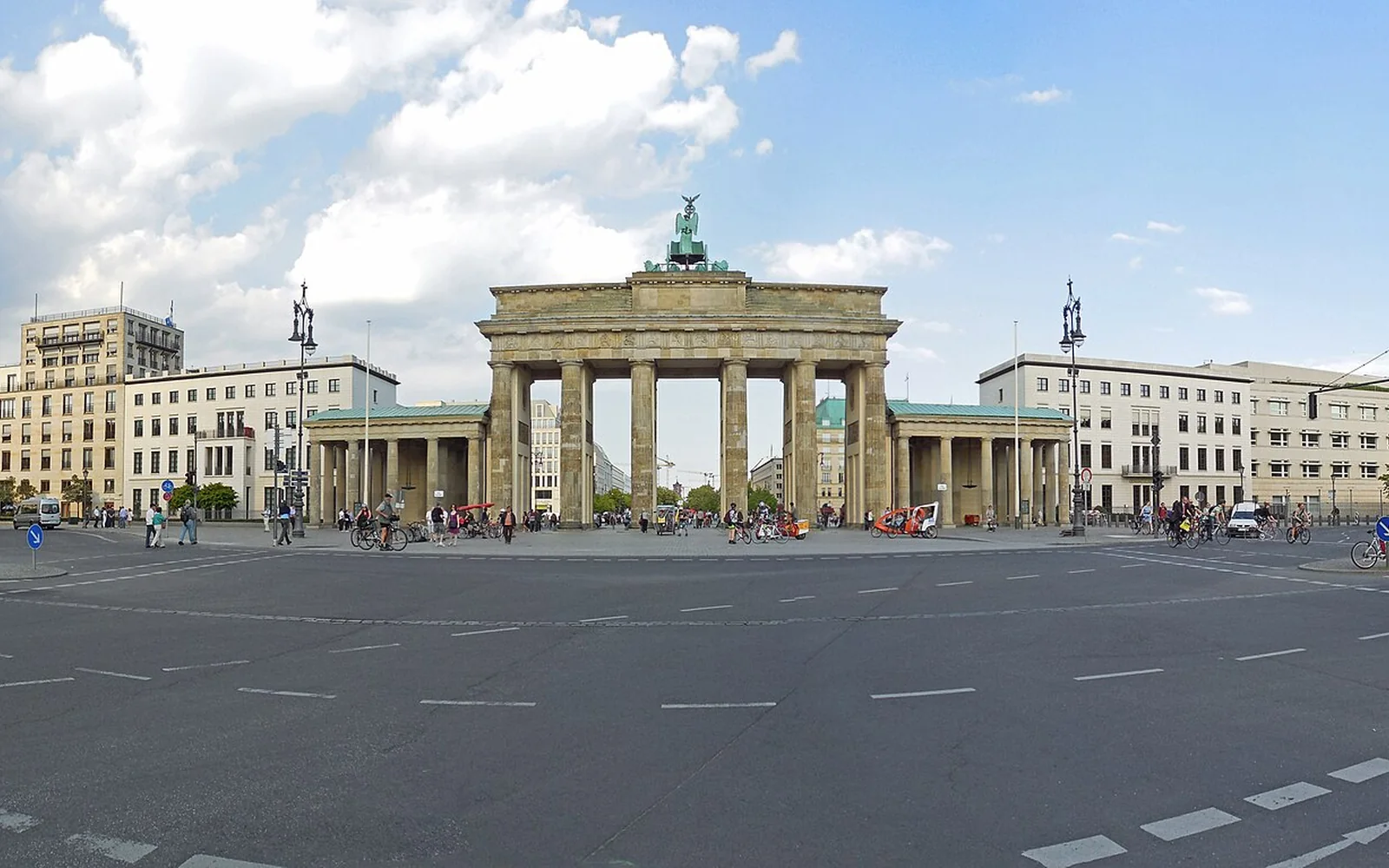
Berlin is a large, decentralised capital where museum districts, memorial sites, parks and neighbourhood centres sit across a wide transport network.
Best for: Culture, Museums, Food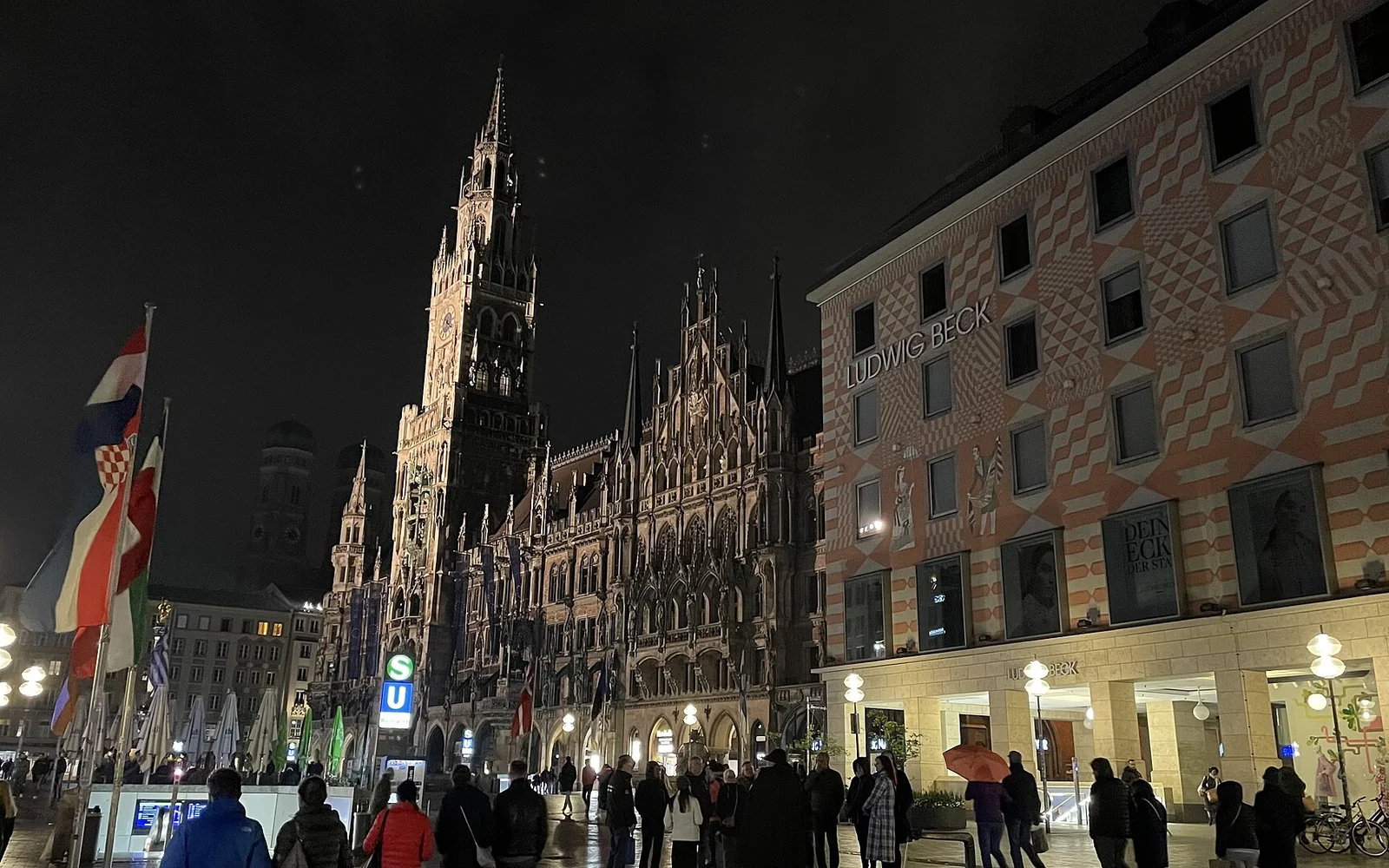
Munich
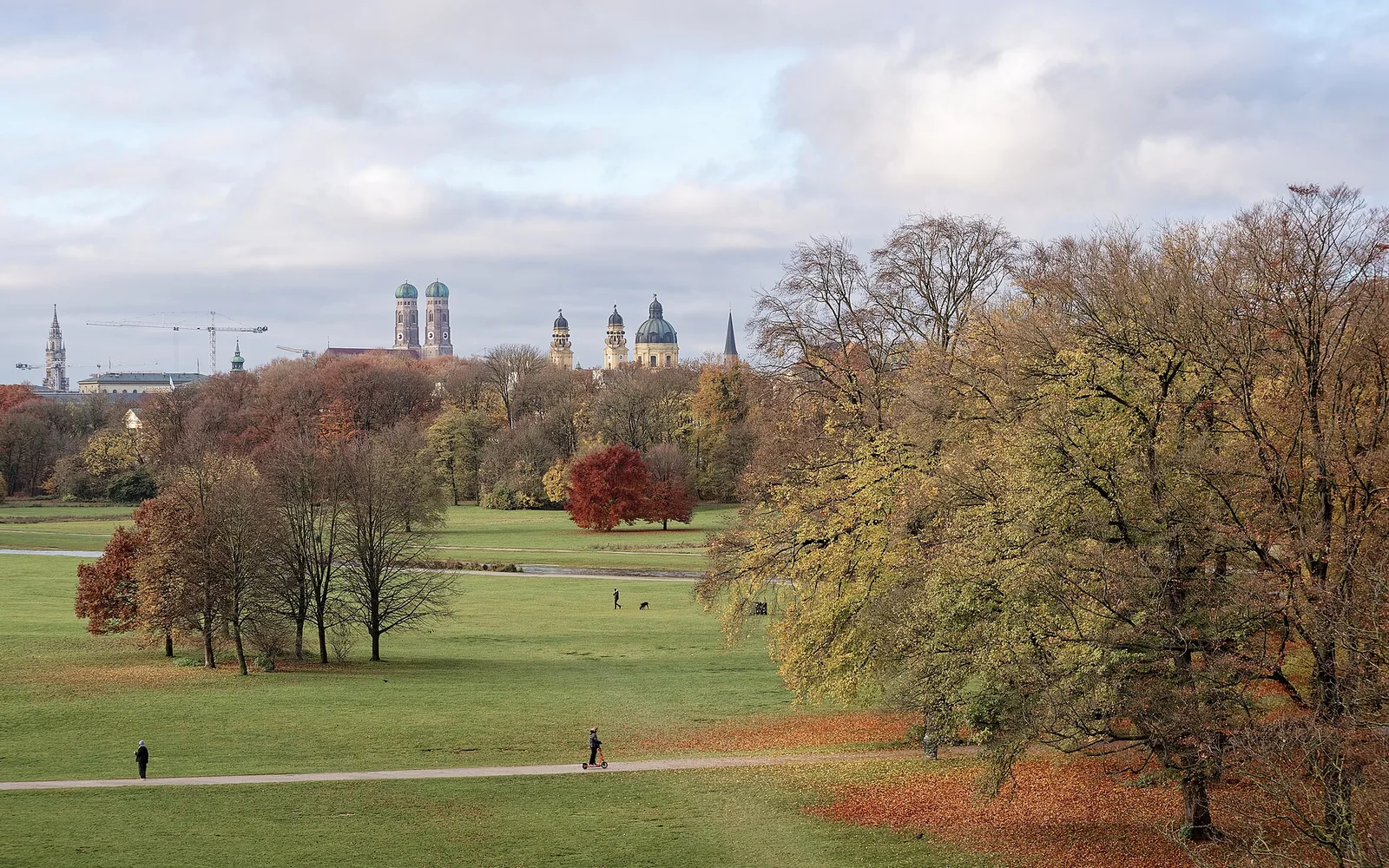
Munich pairs a compact old centre with major museums, large parks, distinctive neighbourhoods and strong rail links across Bavaria.
Best for: Culture, Museums, Food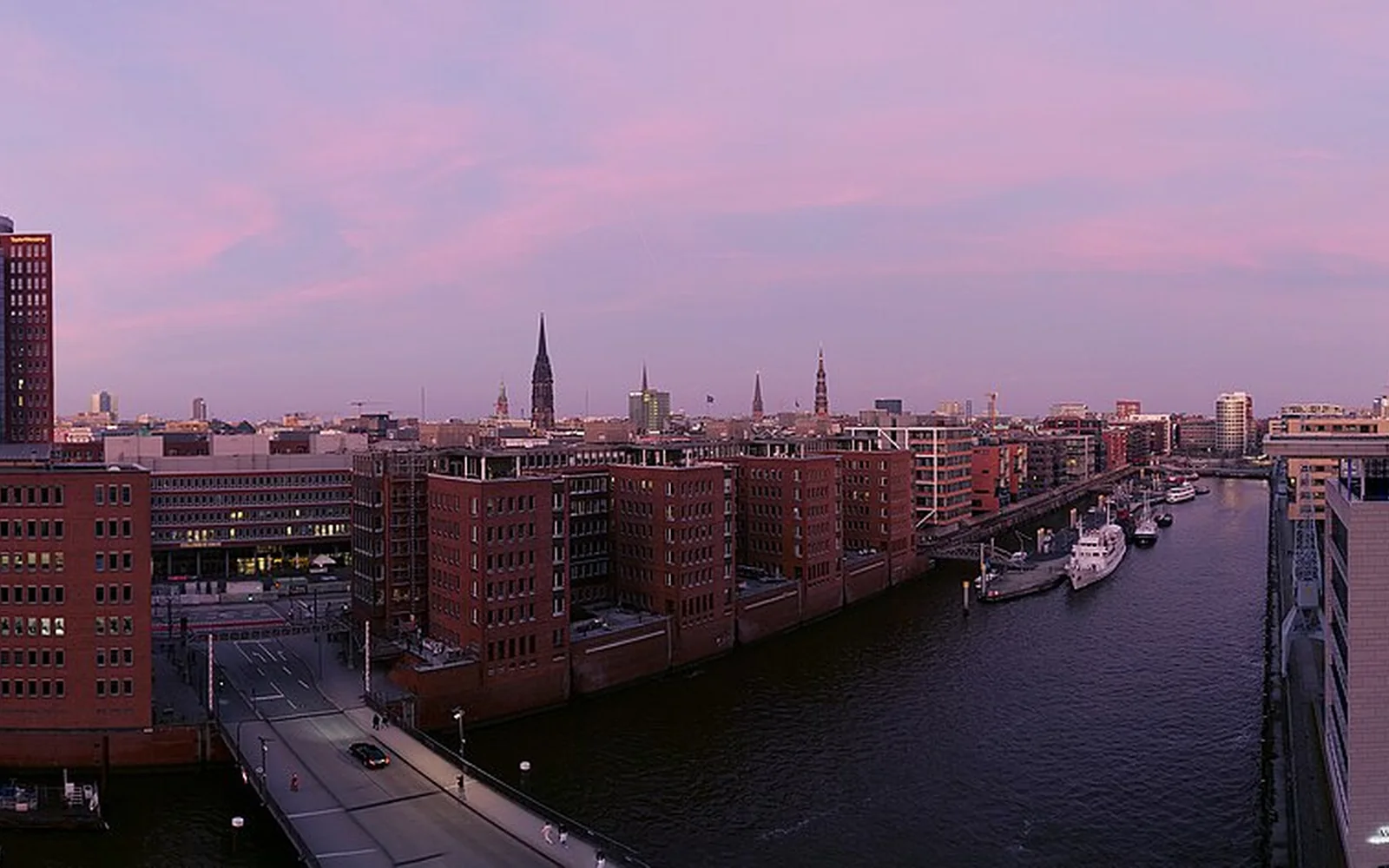
Hamburg
Hamburg is a northern port city shaped by the Elbe, Speicherstadt canals, harbour infrastructure, lakes and distinct neighbourhood centres.
Best for: Culture, Museums, Food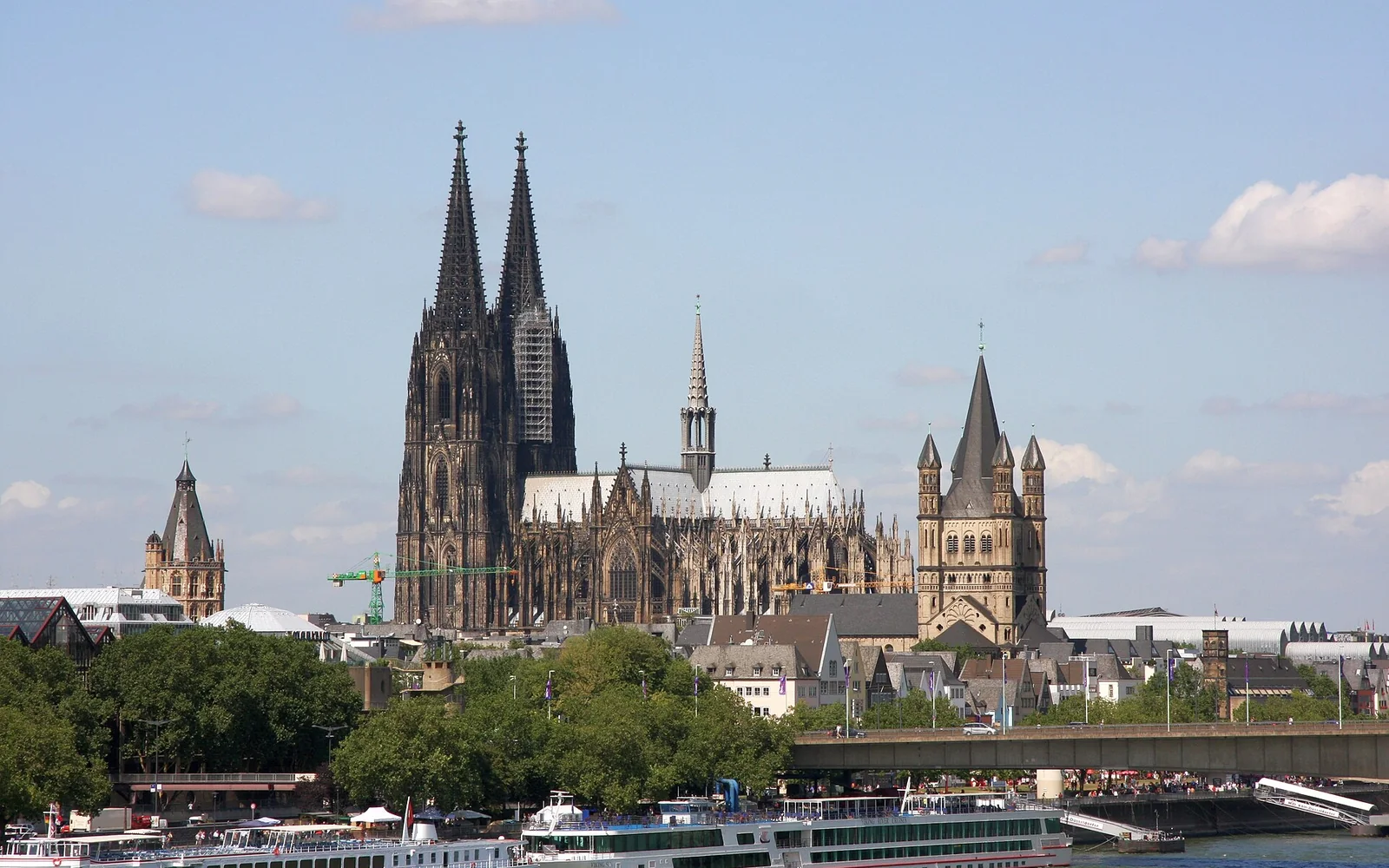
Cologne
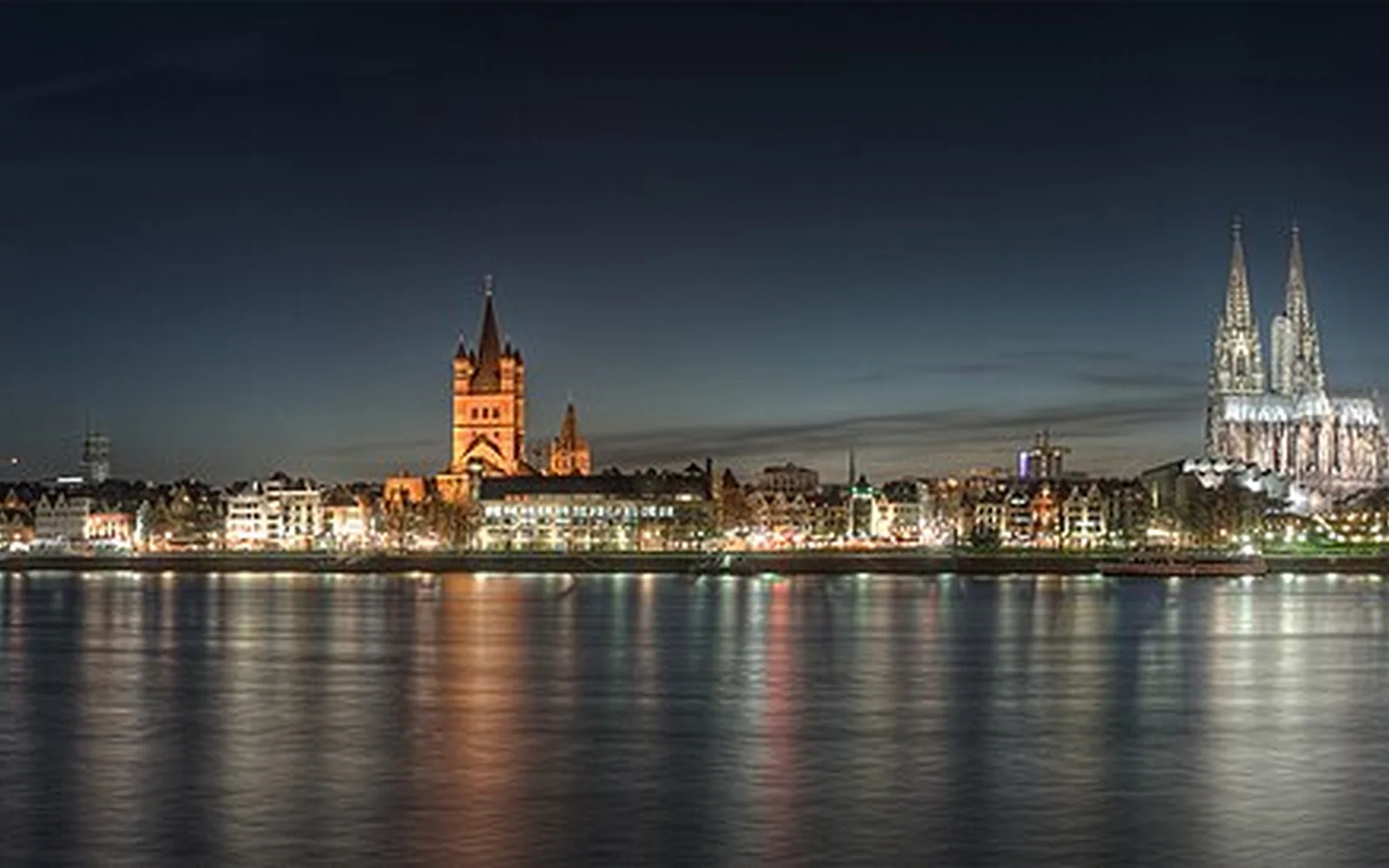
Cologne places its cathedral and main station together beside the Rhine, with major museums, Roman history and neighbourhood life extending outward.
Best for: Culture, Museums, Food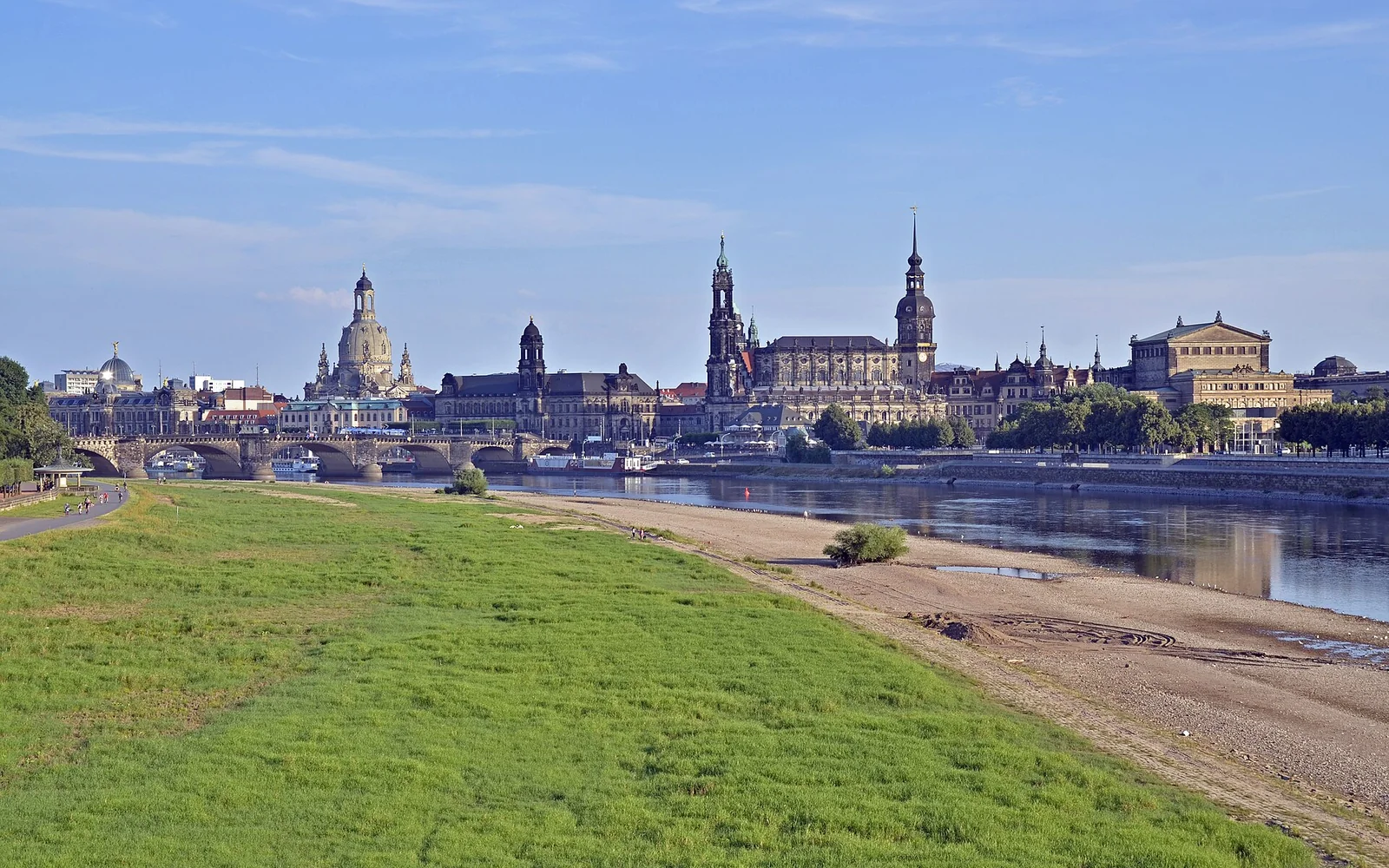
Dresden
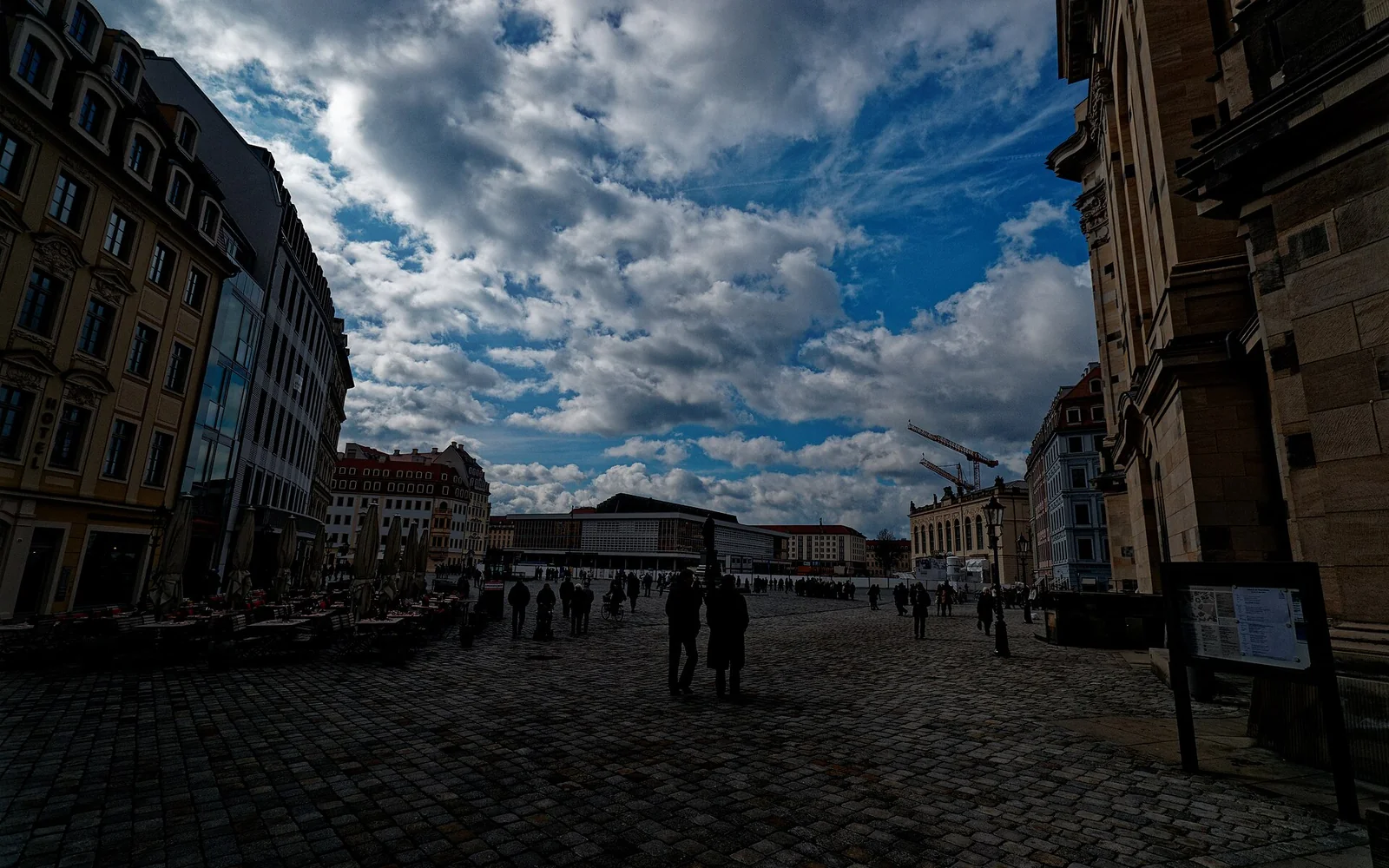
Dresden brings major art collections and reconstructed monuments together along the Elbe, with Neustadt and river landscapes beyond the old centre.
Best for: Culture, Museums, Food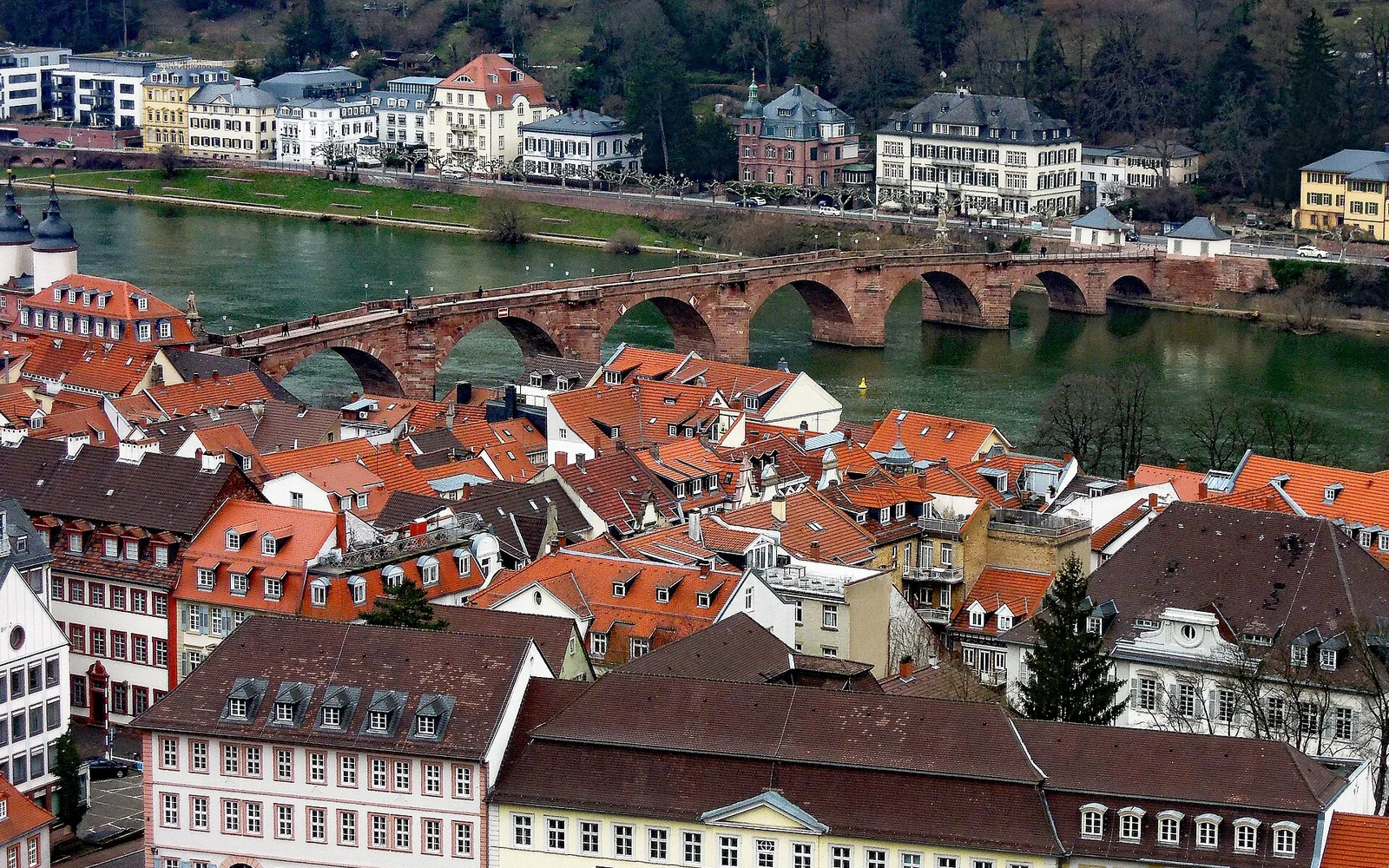
Heidelberg
Heidelberg is a university city on the Neckar, with a long old town beneath castle ruins and hillside viewpoints on both sides of the river.
Best for: Culture, Museums, FoodParks and natural areas
Nature destinations
Berchtesgaden and the Bavarian Alps
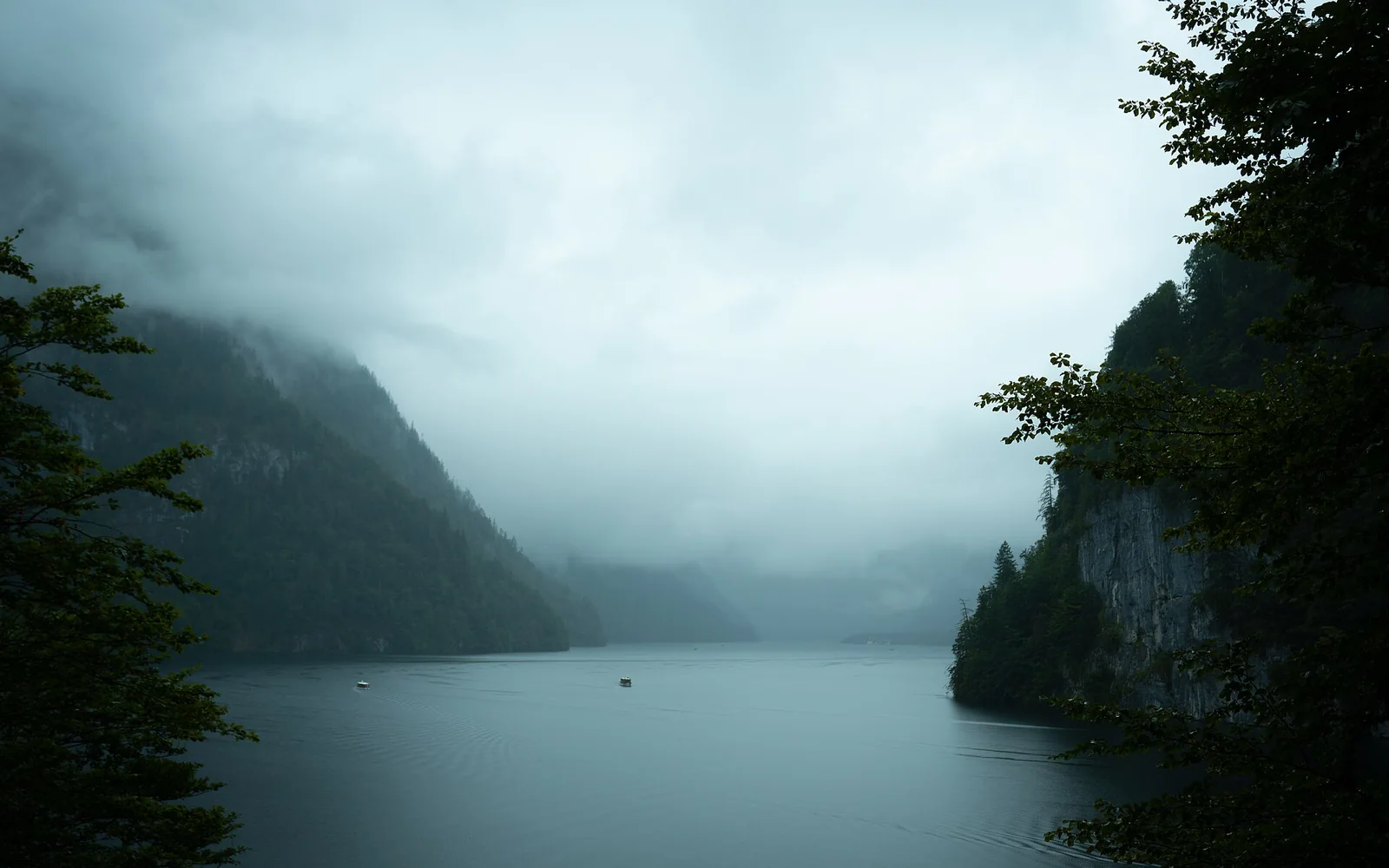
Berchtesgaden is a south-eastern Bavarian base for Königssee, the Watzmann landscape, Ramsau and Germany’s Alpine national park.
Lake Constance
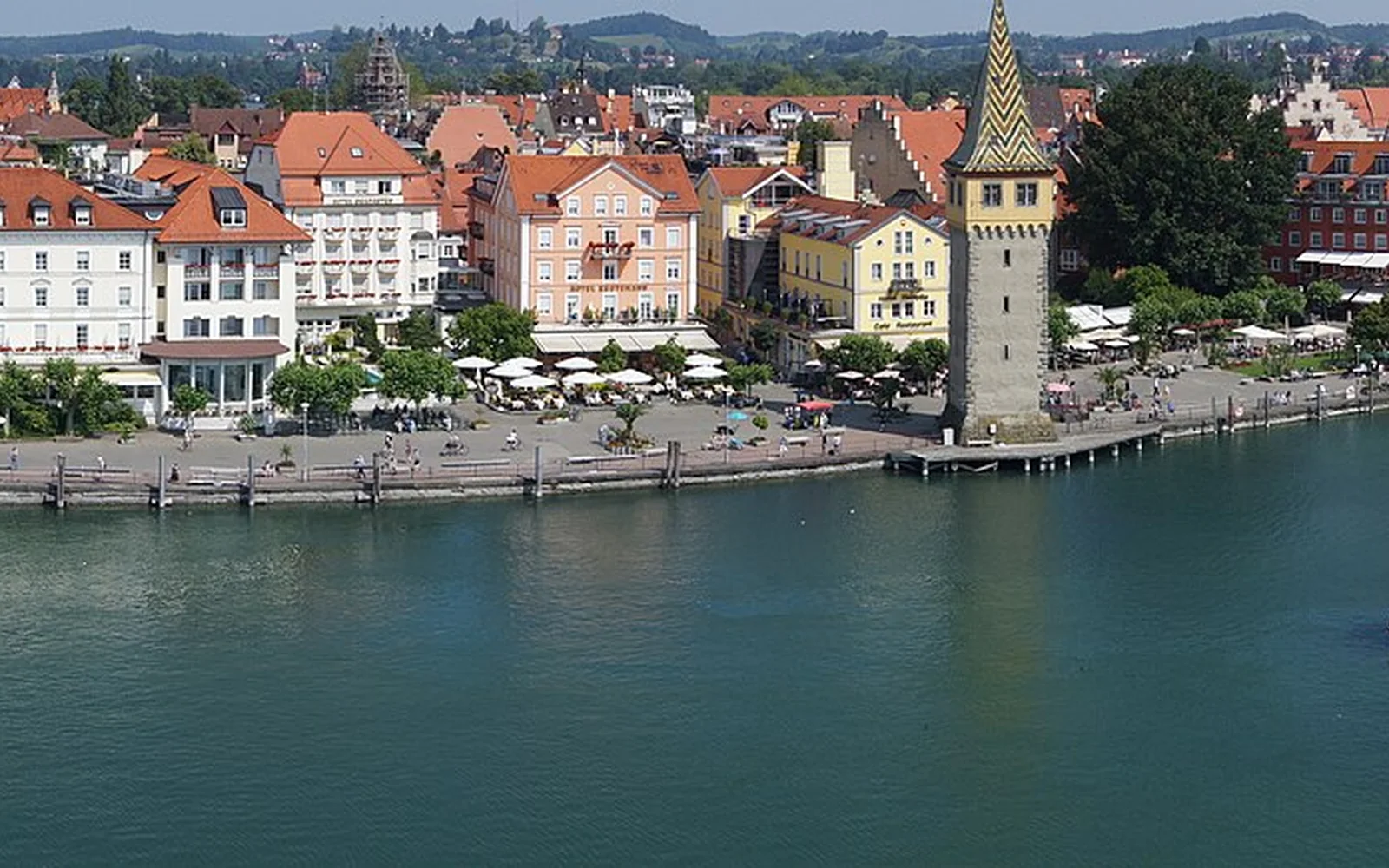
Lake Constance spans Germany, Austria and Switzerland, with the German shore running through Baden-Württemberg and Bavaria from Konstanz to Lindau.
Moselle Valley
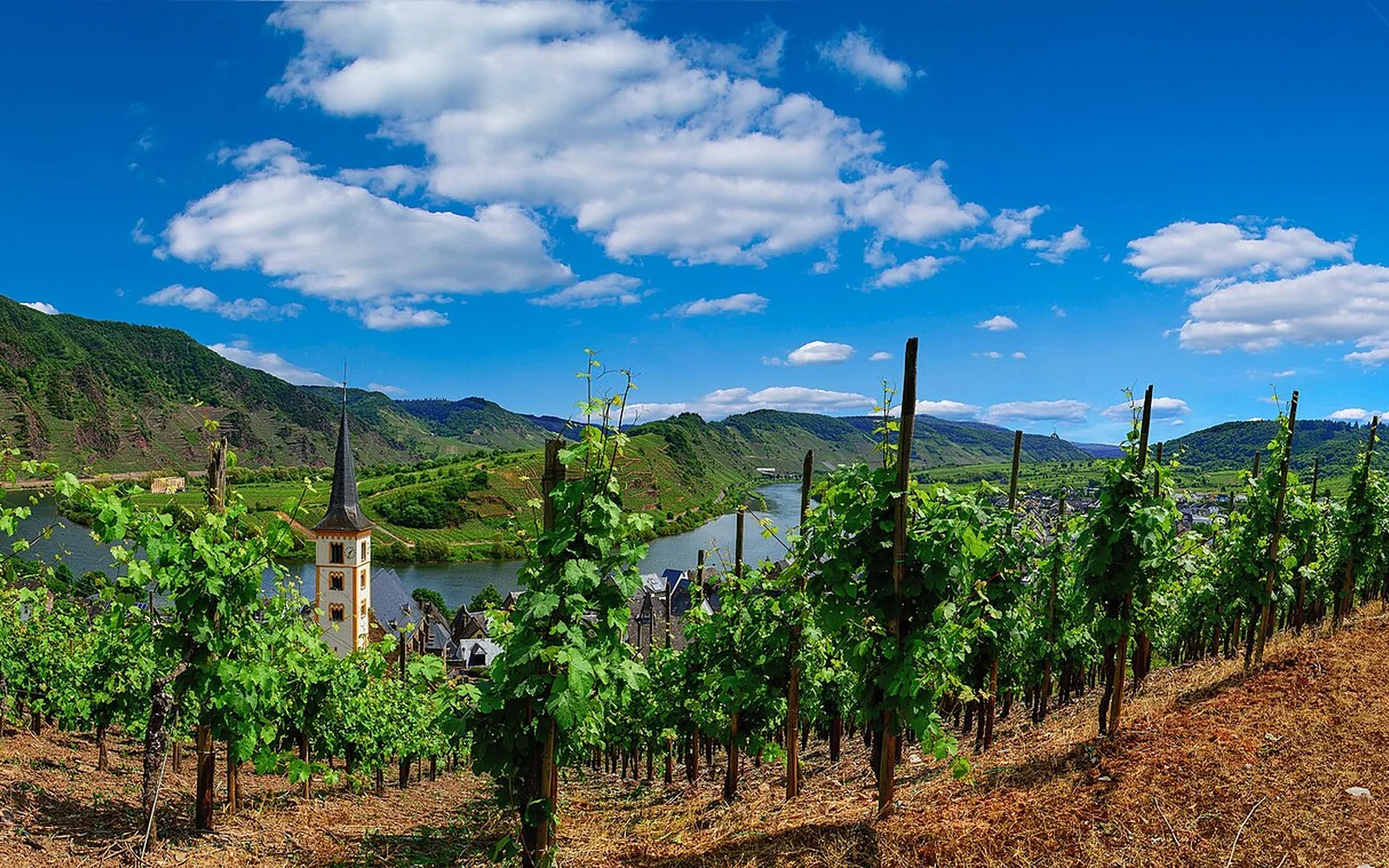
The German Moselle winds between Trier and Koblenz through steep vineyards, castle towns and long river bends, with rail serving only part of each bank.
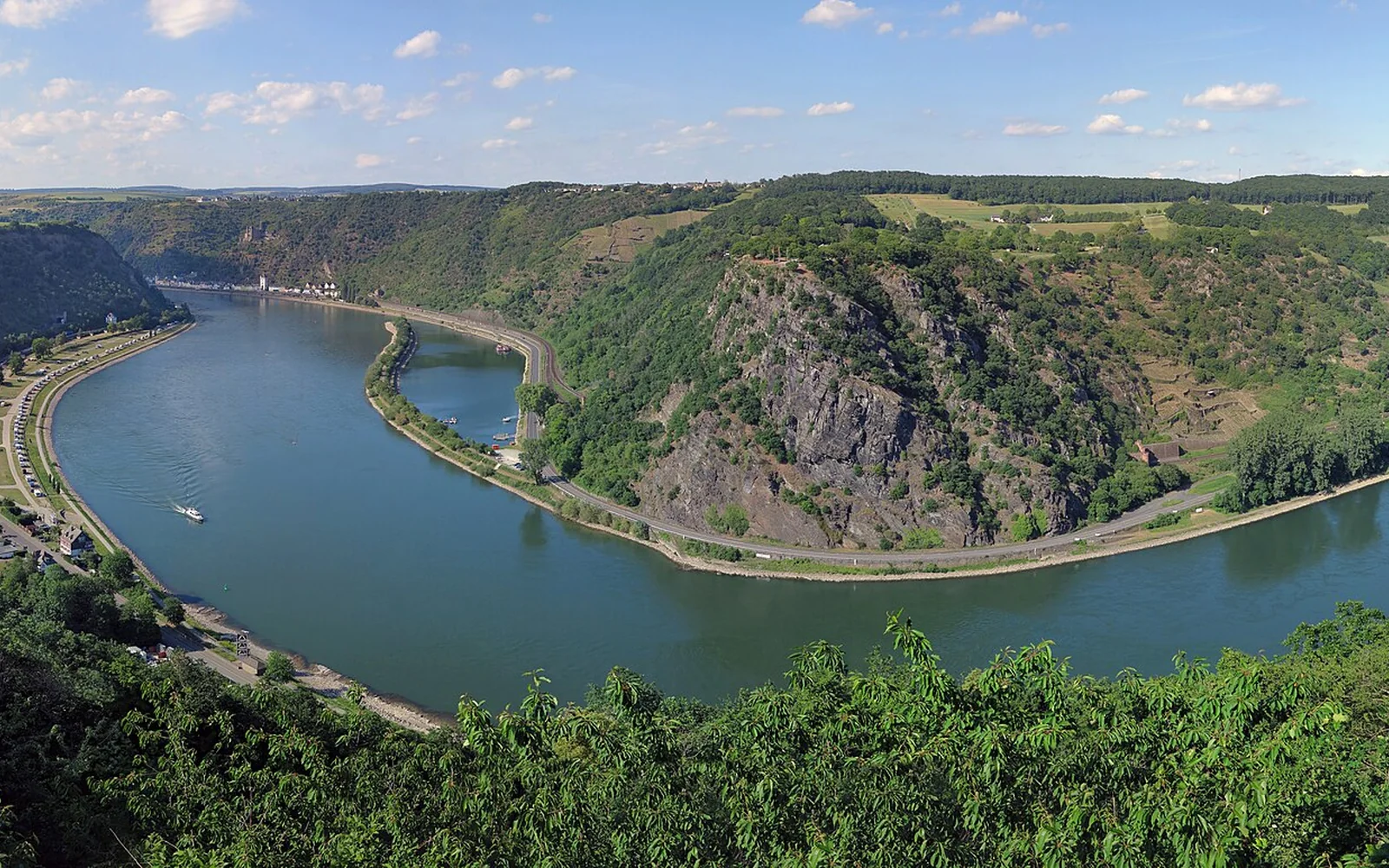
Rhine Valley
The Rhine Valley crosses several states, with the Upper Middle Rhine between Rüdesheim, Bacharach, St Goar and Koblenz forming the classic castle landscape.
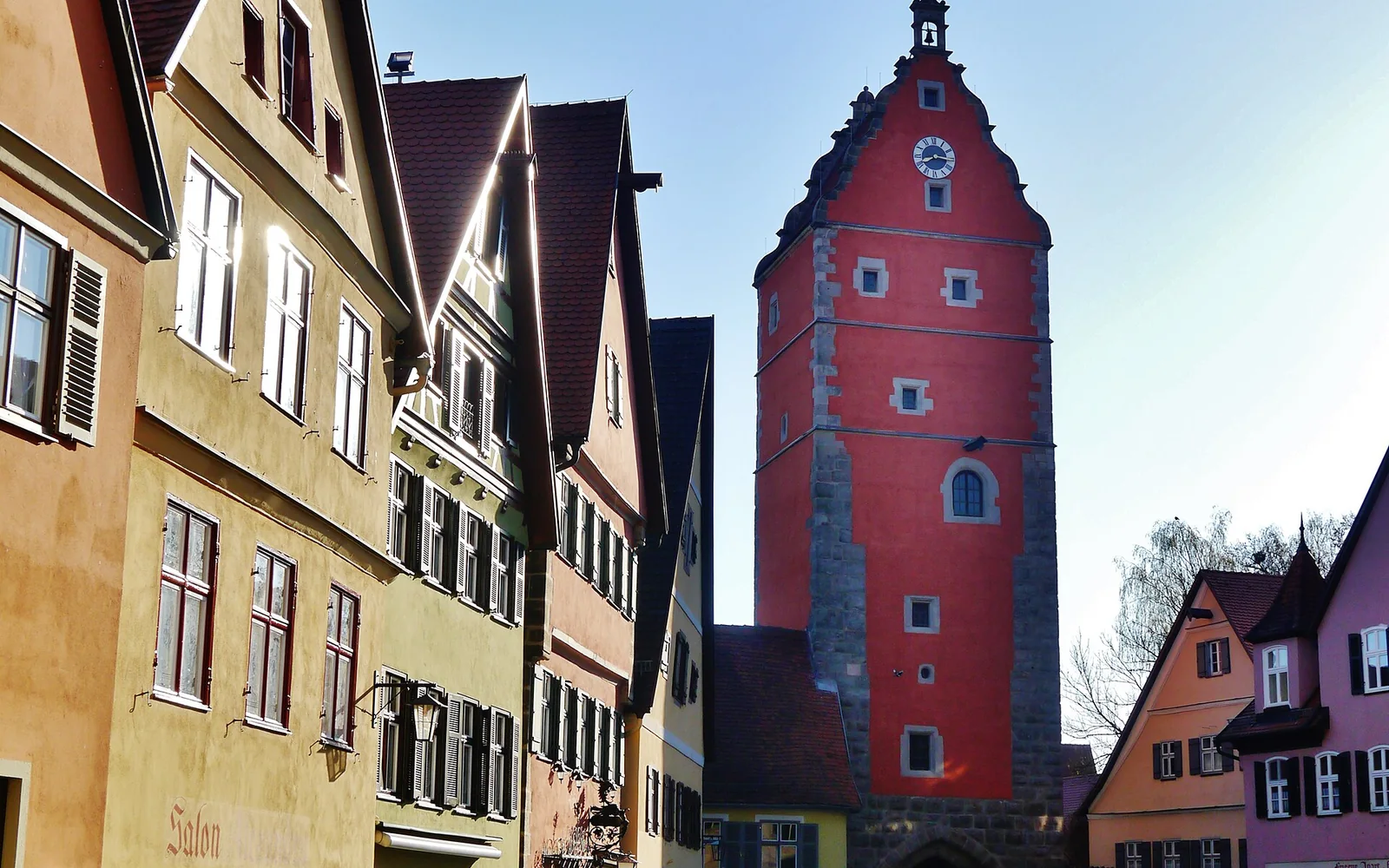
Romantic Road
The Romantic Road is a long touring route between Würzburg and Füssen, linking Franconian wine towns, walled centres, churches and Alpine foothills.
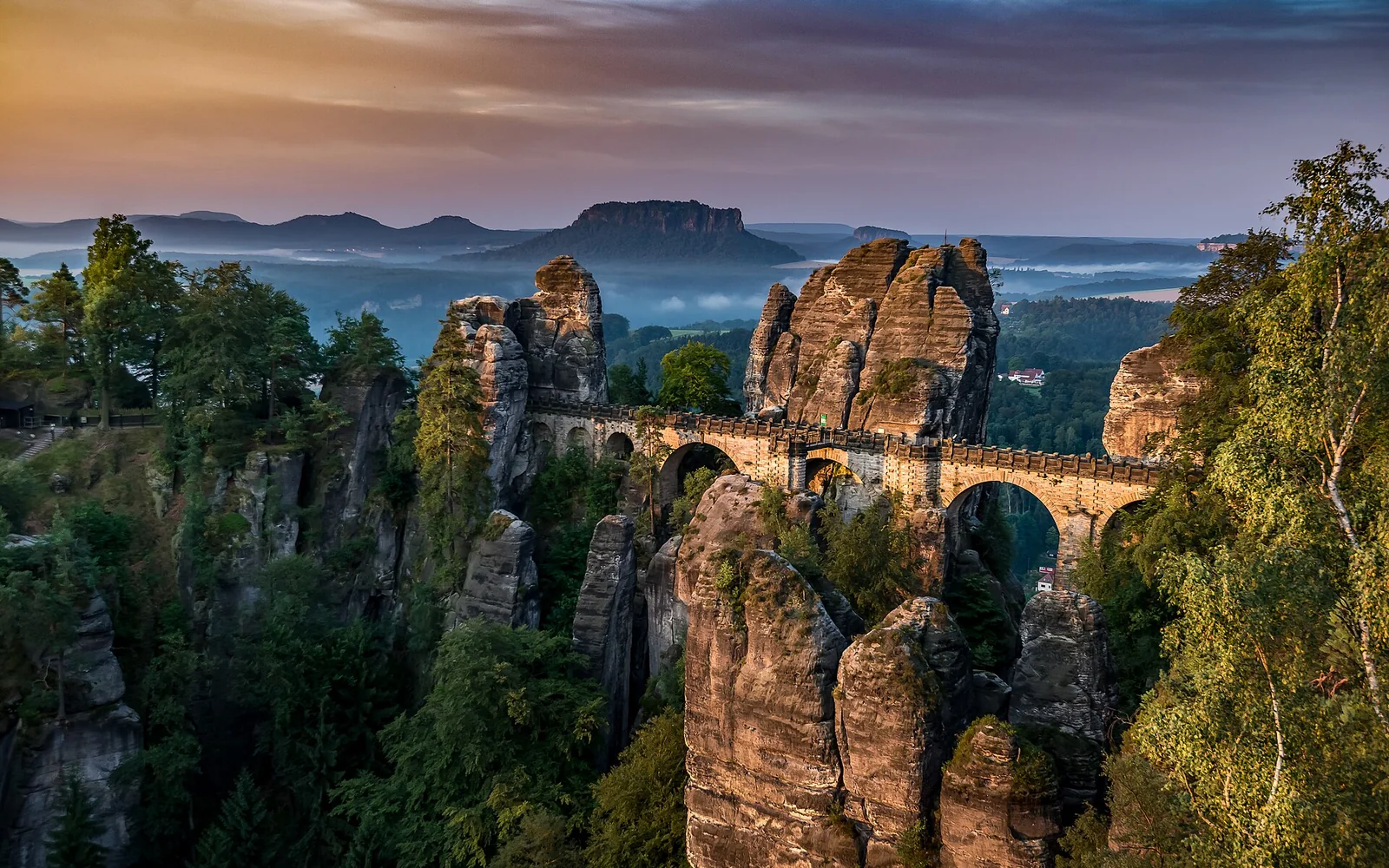
Saxon Switzerland National Park
Saxon Switzerland protects forested sandstone formations east of Dresden, with public transport reaching several Elbe-valley gateways and distinct trail areas.
Find places by area
Browse places by region
Baden-Württemberg Freiburg im Breisgau, Heidelberg, Stuttgart
Bavaria Bamberg, Berchtesgaden and the Bavarian Alps, Munich, Neuschwanstein Castle and Füssen, Nuremberg, Romantic Road, Rothenburg ob der Tauber, Würzburg
Brandenburg Potsdam
Hesse Frankfurt
North Rhine-Westphalia Aachen, Cologne, Düsseldorf
Rhineland-Palatinate Moselle Valley, Trier
Saxony Dresden, Leipzig, Saxon Switzerland National Park
Schleswig-Holstein Lübeck
Thuringia Weimar
Plan a day out
Day trips and experiences
Potsdam and Sanssouci day trip from Berlin
Plan one main palace, a sensible route through Sanssouci Park and a short section of central Potsdam.
Neuschwanstein day trip from Munich
A long rail-and-bus day built around an official castle tour, the steep approach and a dependable return from Füssen.
Match the route to your time
Choose a trip length
Two connected cities
Choose Berlin with Dresden or Munich with Nuremberg and give each city proper time. A nearby regional excursion can fit when the train is direct. Avoid adding Hamburg, the Rhine or the Alps to the same short route.
One city corridor and a region
Link three connected cities, then add the Rhine Valley, Black Forest, Saxon Switzerland or a Bavarian base. Use regional trains for the landscape days and keep at least three nights where weather affects the plan.
Two focused sections
Combine a northern and southern section with one protected long-distance travel day. Germany’s rail network supports the move, but a longer trip still benefits from four or fewer main bases rather than frequent hotel changes.
Ready-made routes
Suggested itineraries
Berlin, Dresden, Nuremberg and Munich in 10 days
A ten-day rail route linking four distinct German cities without reducing every stop to a single night.
- Main stops
- Berlin, Dresden, Nuremberg, Munich
- Transport
- Train
- Best suited to
- Rail travellers who want substantial city stays and a clear route from northern to southern Germany.
- Main trade-off
- Four hotel bases create three transfer days, so adding distant excursions makes the route too crowded.
Transport choices
Getting around Germany
ICE and Intercity trains connect Germany’s major cities, with advance fares often tied to a specific service. Regional Express, Regionalbahn and S-Bahn networks cover shorter journeys and landscape gateways. Local transport handles city travel. A car is useful for the Romantic Road and dispersed rural areas, but congestion, low-emission zones and parking make it unnecessary in most central stays. Recheck engineering work before long journeys.
Long-distance rail
Use ICE and Intercity services between major bases. Check whether the fare is train-specific and allow a sensible margin before a separate regional or international connection, particularly during engineering work.
Regional transport
RE, RB and S-Bahn trains link cities with surrounding towns and landscapes. Regional tickets may have service restrictions, so confirm the valid train types and passenger details before relying on one product.
City networks
Urban S-Bahn, U-Bahn, tram and bus systems make a car unnecessary in the main cities. Buy the ticket for the correct zones and group sightseeing by district to reduce repeated cross-city travel.
Driving
A car helps on the Romantic Road, village routes and selected rural valleys. Collect it only for that section. Check motorway traffic, local low-emission requirements and parking before entering a historic centre.
Month-by-month planning
When to visit
Germany’s best month depends on the region and trip, with different calendars for cities, coasts, wine areas and mountains.
Plan fewer hotel changes
Where to base your trip
Before you travel
Practical facts
- Currency
- Euro
- Main transport
- Deutsche Bahn and regional transport
- Driving side
- Right
- Emergency number
- 112
- Main languages
- German
- Time zone
- Central European Time, with summer time
- Plug type
- Type C and F
- EU status
- EU member
- Schengen status
- Schengen member
Avoid the common route problems
Planning checks
Do not treat the rail map as a short itinerary
Fast trains connect distant cities, but Berlin, Hamburg, Munich and the Rhine still belong to different route sections. Choose a corridor and spend time in its surrounding region instead of using every second day for a long move.
Read the fare conditions
Flexible, advance and regional tickets do not carry the same rules. Check the permitted service, named passengers and cancellation conditions before purchase, especially where an itinerary depends on one fixed long-distance train. Regional tickets can also have time restrictions.
Keep a landscape alternative
Mountain, forest and river days can change with weather, water levels or trail closures. Base the route in a town with a useful indoor or lower-level option and check the responsible operator for current access.
Compare city corridors and regional routes
See Germany’s main travel bases by route
Loading the map…
Choose a group to compare useful bases. The map does not confirm a live route or timetable.
Choose between two places
A useful destination comparison
Berlin or Amsterdam for a city break?
Choose Berlin for a larger, history-led city with varied districts. Choose Amsterdam for a compact canal city with major art museums and easy rail day trips.
Cross-border planning
Countries to combine carefully
Netherlands
The western German and Dutch city networks connect well by rail.
- Likely transport
- International rail
- Minimum sensible time
- At least 9 days across both countries
- Main limitation
- Protect time for delays and avoid adding distant Berlin to a short western route.
Austria
Bavaria and western Austria share practical Alpine rail corridors.
- Likely transport
- International rail
- Minimum sensible time
- At least 10 days across both countries
- Main limitation
- Mountain extensions need separate seasonal checks.
Belgium
Cologne and the Rhine can lead naturally into Brussels, Antwerp or Ghent.
- Likely transport
- International rail
- Minimum sensible time
- At least 8 days across both countries
- Main limitation
- Timetables may involve a change even when the map looks direct.
Quick answers
Planning questions
Can I plan Germany entirely by train?
Yes for a city-led route and many established regional bases.
How many cities fit into one week?
Two or three connected cities are enough.
When is a car useful?
A car helps with selected rural routes and is usually unnecessary in major cities.
What is a sensible first route through Germany?
Berlin plus two connected cities. Link three cities or two cities and one region.
What should I confirm before booking a trip to Germany?
Add rail buffers instead of assuming punctual connections. Check trade fairs and Oktoberfest before pricing rooms.
How this guide is checked
Sources and review
Reviewed 3 September 2026, next review due 3 March 2027. Transport, access, prices and seasonal services can change, so check the official source before booking.
- Germany travel planning, German National Tourist Board
- DB passenger information, Deutsche Bahn
- Official accessible travel guidance for Germany, German National Tourist Board
Continue planning
More places in Germany
Browse the full destination list when the curated starting points do not match your route.