Trier brings Roman monuments, medieval churches, an archaeological museum and Moselle wine country together in one of Germany’s oldest cities.
Build the first day around Roman Trier
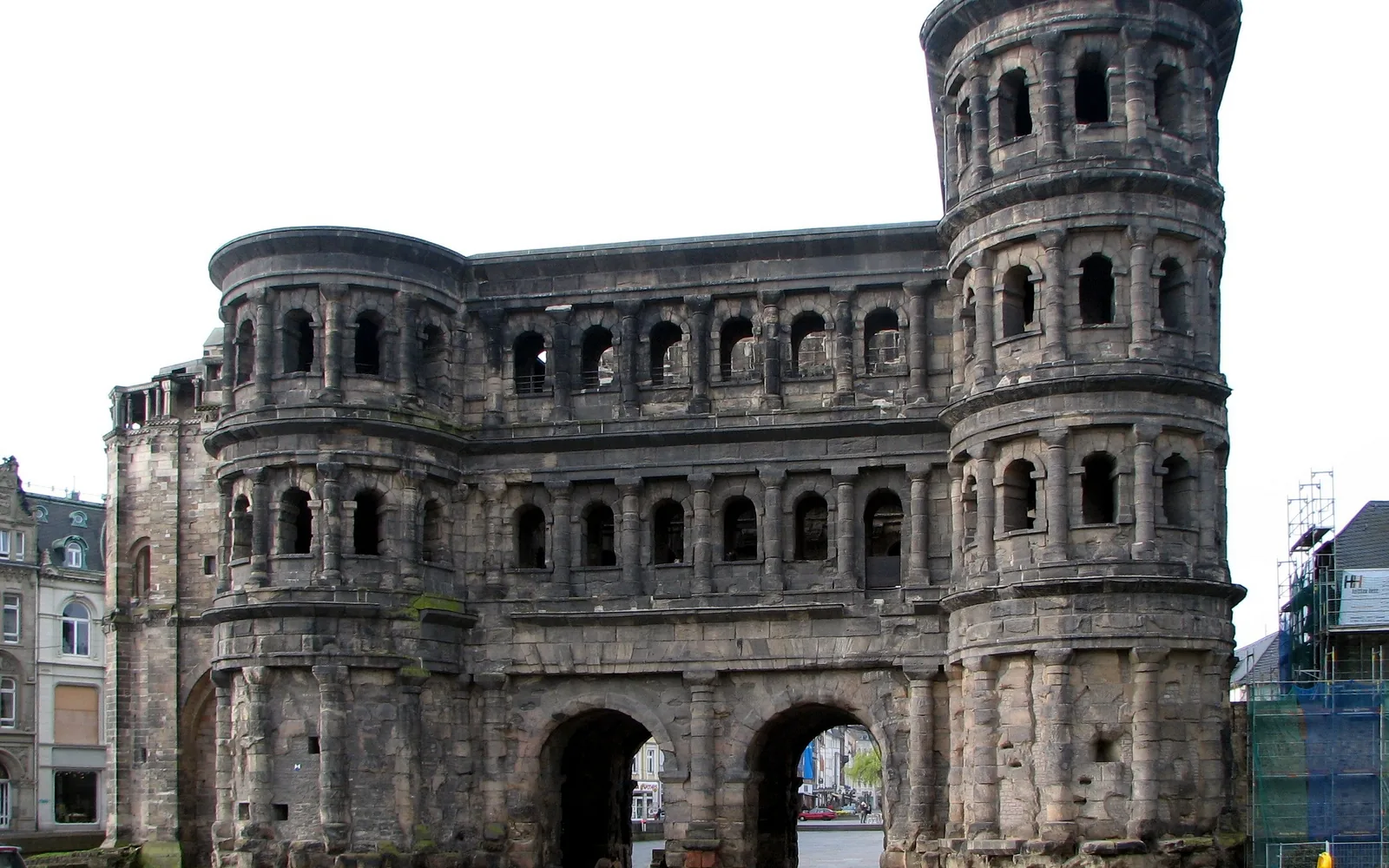
The Porta Nigra is the natural starting point, but Trier’s Roman story continues through the Imperial Baths, amphitheatre, bridge and other remains across the city. Choose a coherent route instead of treating every monument as a quick photograph.
The Rheinisches Landesmuseum gives the archaeological material more context and deserves a substantial visit. Check its opening day before pairing it with outdoor monuments.
Leave room for the cathedral quarter
St Peter’s Cathedral and the Church of Our Lady sit close together but represent later layers of the city. Religious services and events can alter access, so do not assume the two interiors follow the Roman-site timetable.
The main market and central streets connect this area with the Porta Nigra. A second day makes the route calmer and gives the city’s long history more sense than a single sequence of doorways.
Use Trier as a Moselle base carefully
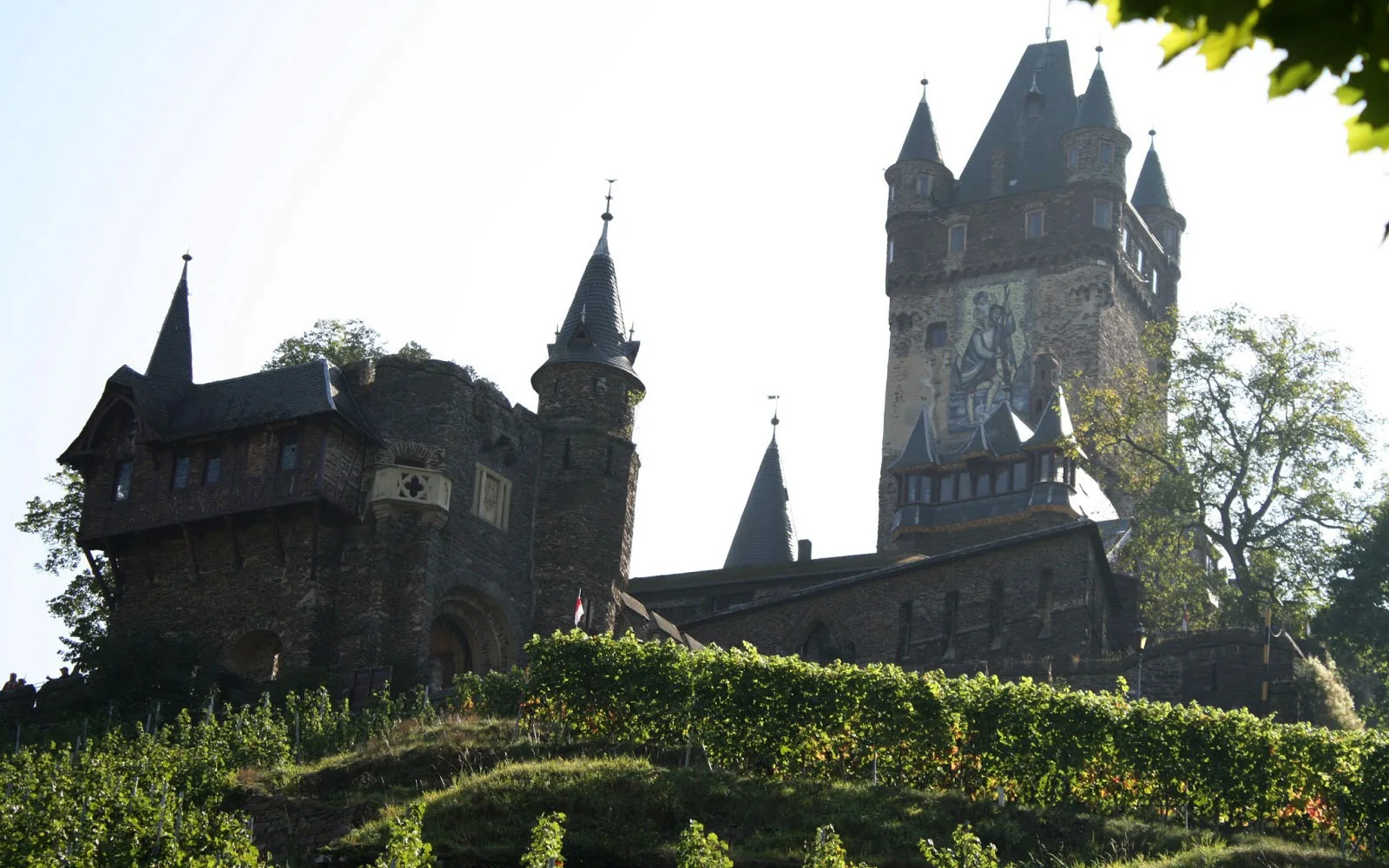
Trier is a practical historical anchor for the Moselle, but Cochem and other well-known river towns lie along different stretches and can involve longer journeys than expected. Pick one onward direction.
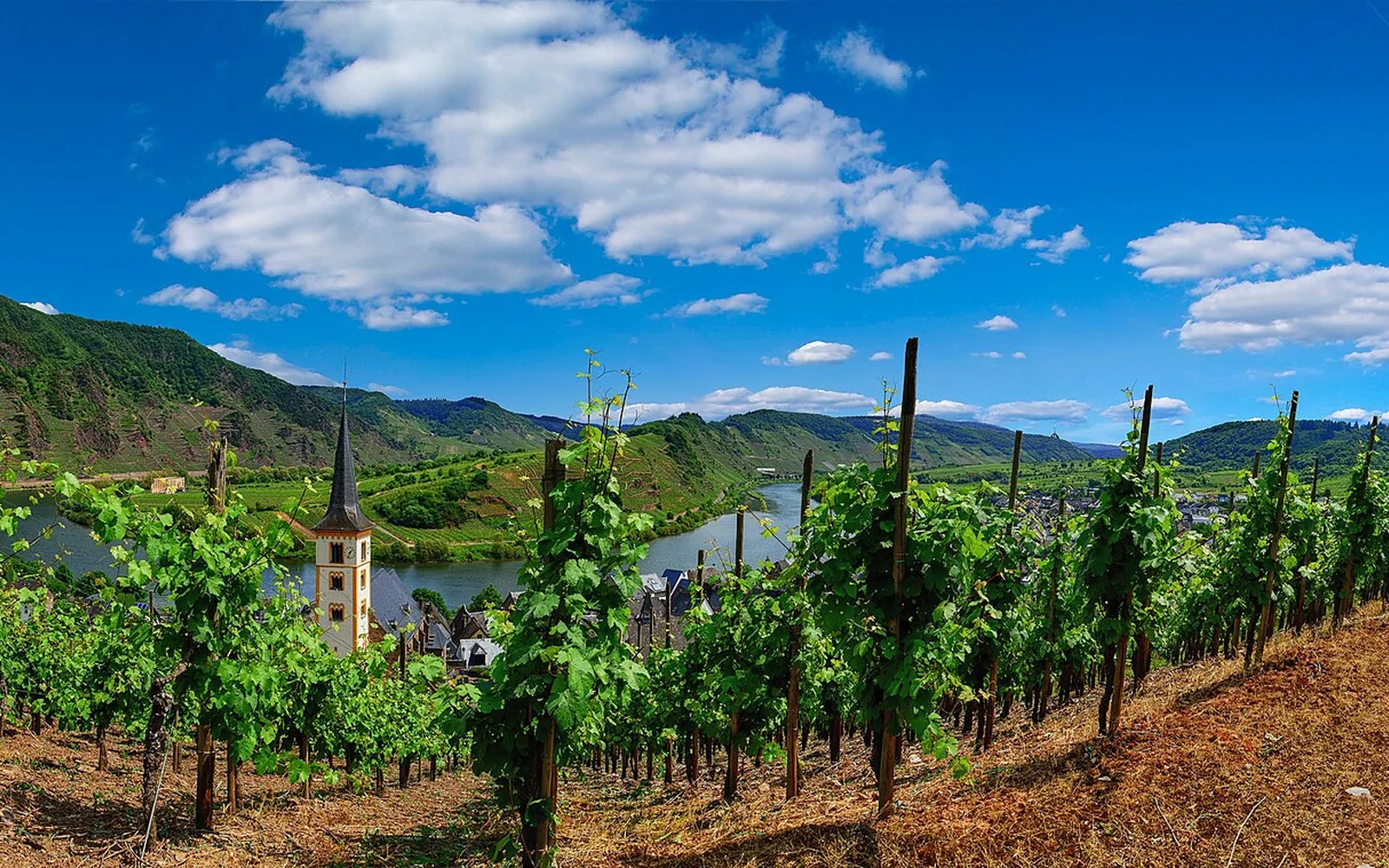
Regional trains and buses are useful, while vineyard visits and smaller villages need exact arrangements. Check the final return and keep any tasting compatible with the transport plan.
Timing and practical limits in Trier
Late spring and early autumn suit the mix of streets and archaeological sites. Summer can be hot and busy, while individual monuments follow different winter hours.
Continue along the Moselle
Trier visit questions
How long do I need in Trier?
Two days cover the principal Roman sites, cathedral quarter and one museum without rushing.
Can Trier be explored without a car?
Yes. The centre is walkable and buses reach outlying sites, while regional trains serve parts of the Moselle.
Is Trier a good base for the Moselle Valley?
Yes for the western end and selected rail routes. Other stretches may work better from their own town base.
Sources and updates
This guide was last reviewed on 3 September 2026. Transport, access and opening arrangements can change, so check the official source before travel.
- Germany travel planning, German National Tourist Board
- DB passenger information, Deutsche Bahn
- Official accessible travel guidance for Germany, German National Tourist Board
- Roman monuments of Trier World Heritage listing, UNESCO World Heritage Centre
Related places to consider
These guides can help you place Trier within a wider route.