
Start with the essentials
Plan Croatia at a glance
- First trip
- 8–10 days
- Best months
- May–Jun, Sep
- Main transport
- Intercity buses and ferries
- Car
- Useful inland, awkward in old towns
- Currency
- Euro
About Croatia
Why visit Croatia
Croatia combines walled towns, working ports, islands and mountain-backed national parks. The coast is long enough that a good itinerary needs a clear section.
Ferries make island travel appealing but seasonal. A summer route may need different ports, longer buses or fewer stops in spring and autumn.
Plan Croatia by region
Croatia is long enough that a first trip needs one coherent section. Split, an island and Dubrovnik form one route; Zagreb with Plitvice and the northern Adriatic forms another. Combining both in a week creates excessive road time.
Ferry ports and seasonal schedules shape island travel. Choose the island after checking the actual sailing from the previous base, then give it enough nights to justify the transfer and possible weather disruption.
Choose a part of the country
Choose a region
Zadar region
A base for islands and selected national parks.
View regionGood places to start
Cities for a first trip
See all 21 cities and towns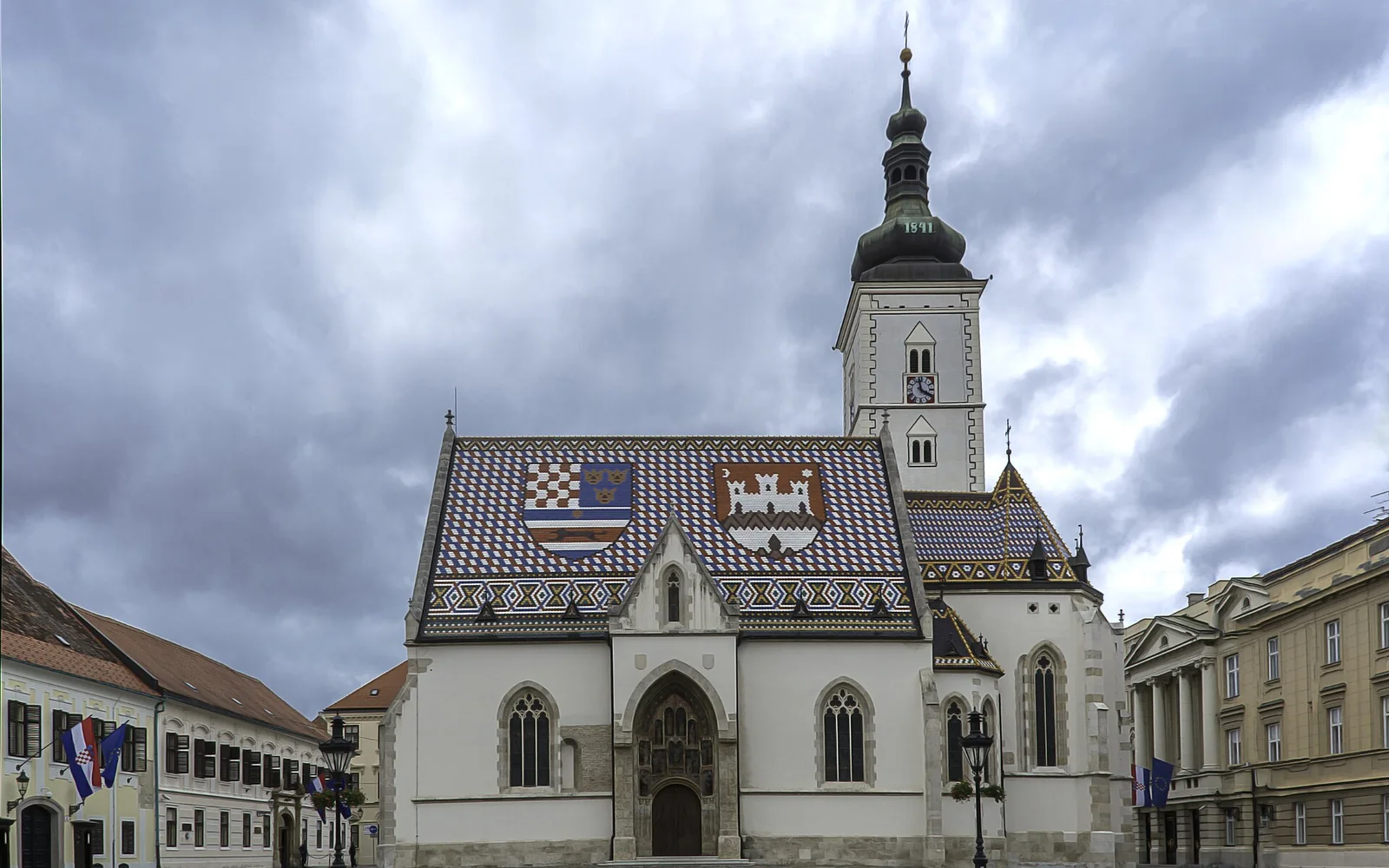
Zagreb
Zagreb is an easy-going Central European capital with hilltop historic streets, a green lower town, strong café culture and useful onward connections.
Best for: Culture, Museums, Food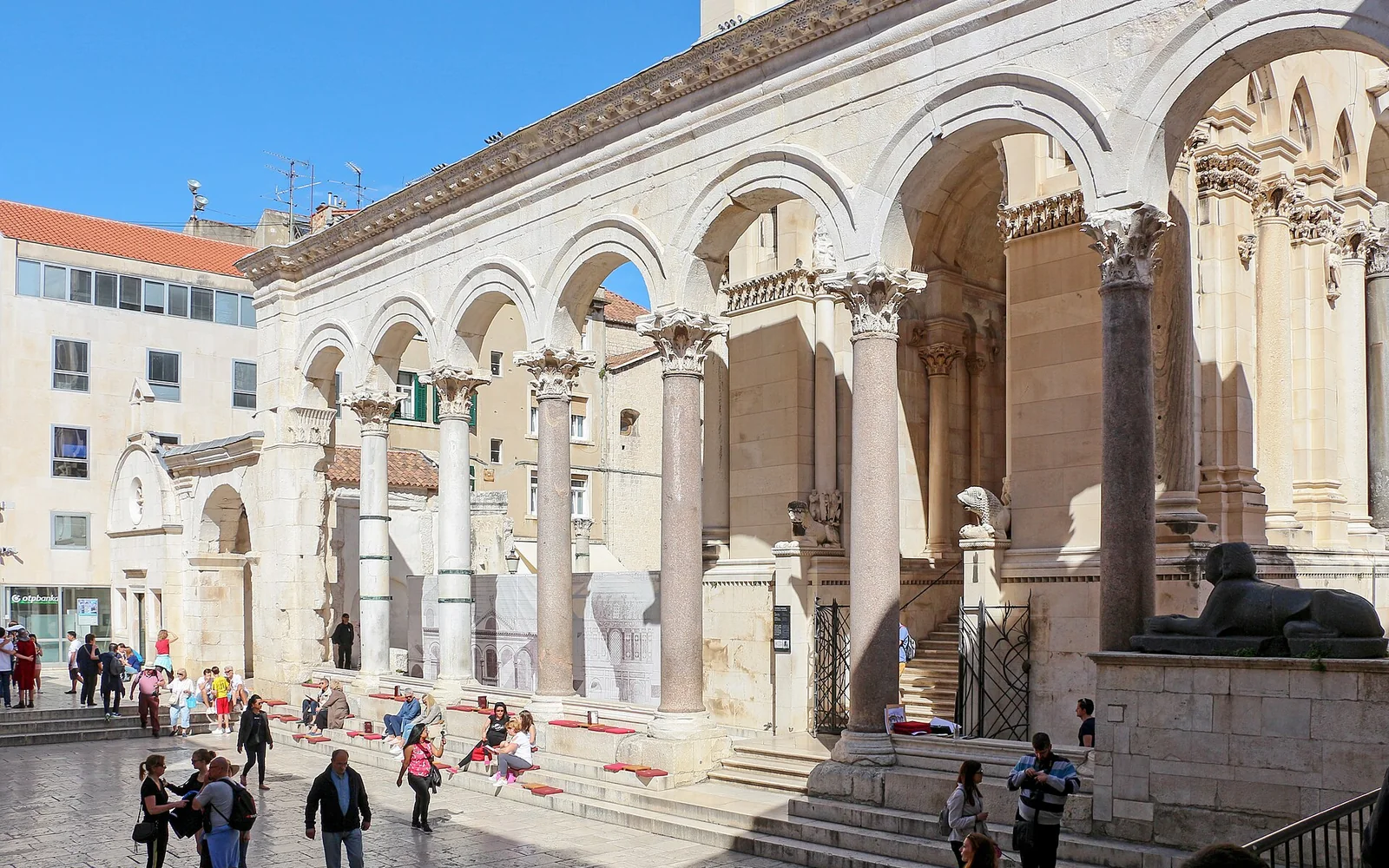
Split
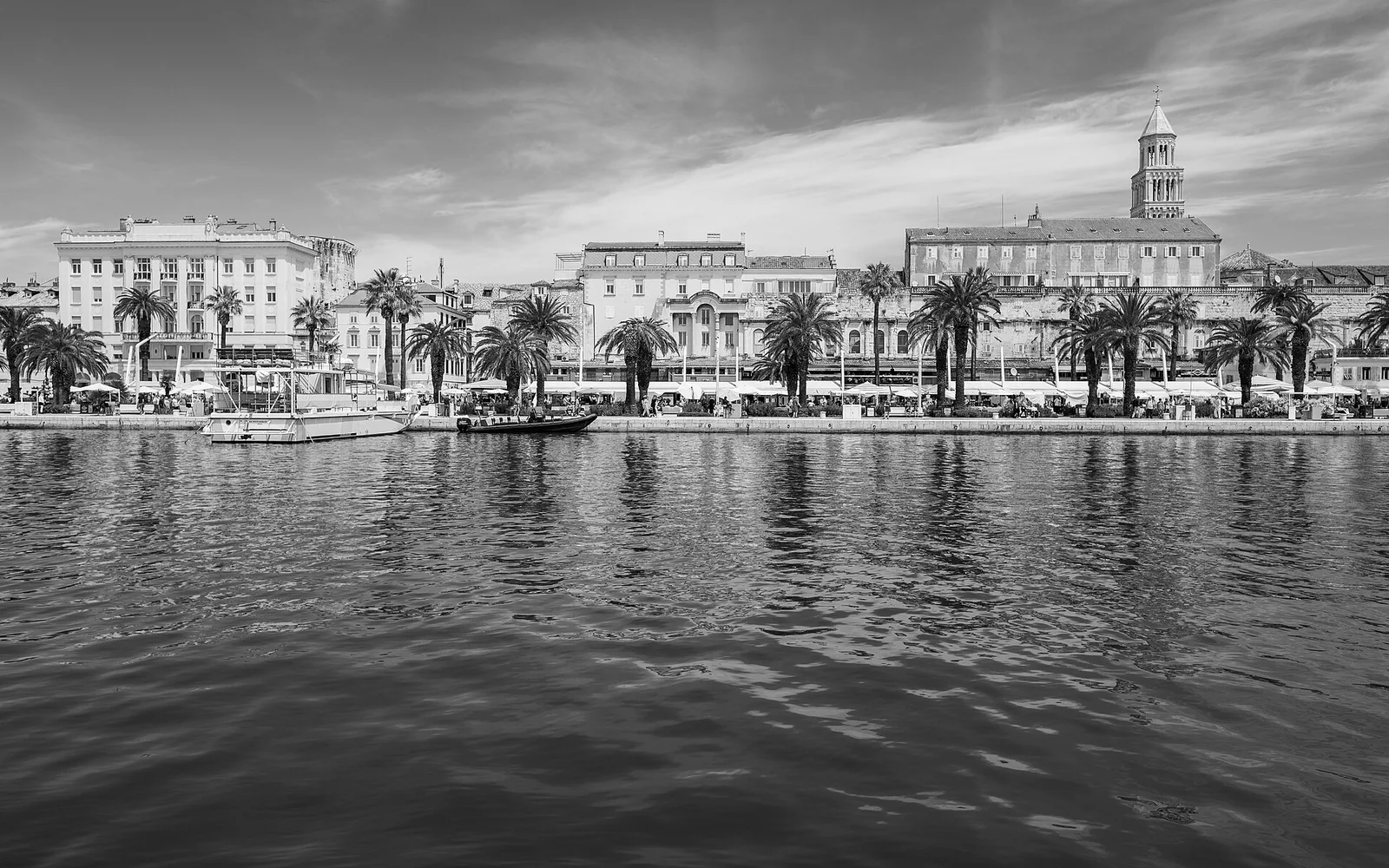
Split is a living city built through Diocletian’s Palace, with a busy waterfront, hillside walks and Croatia’s largest central Dalmatian ferry hub.
Best for: Culture, Museums, FoodDubrovnik
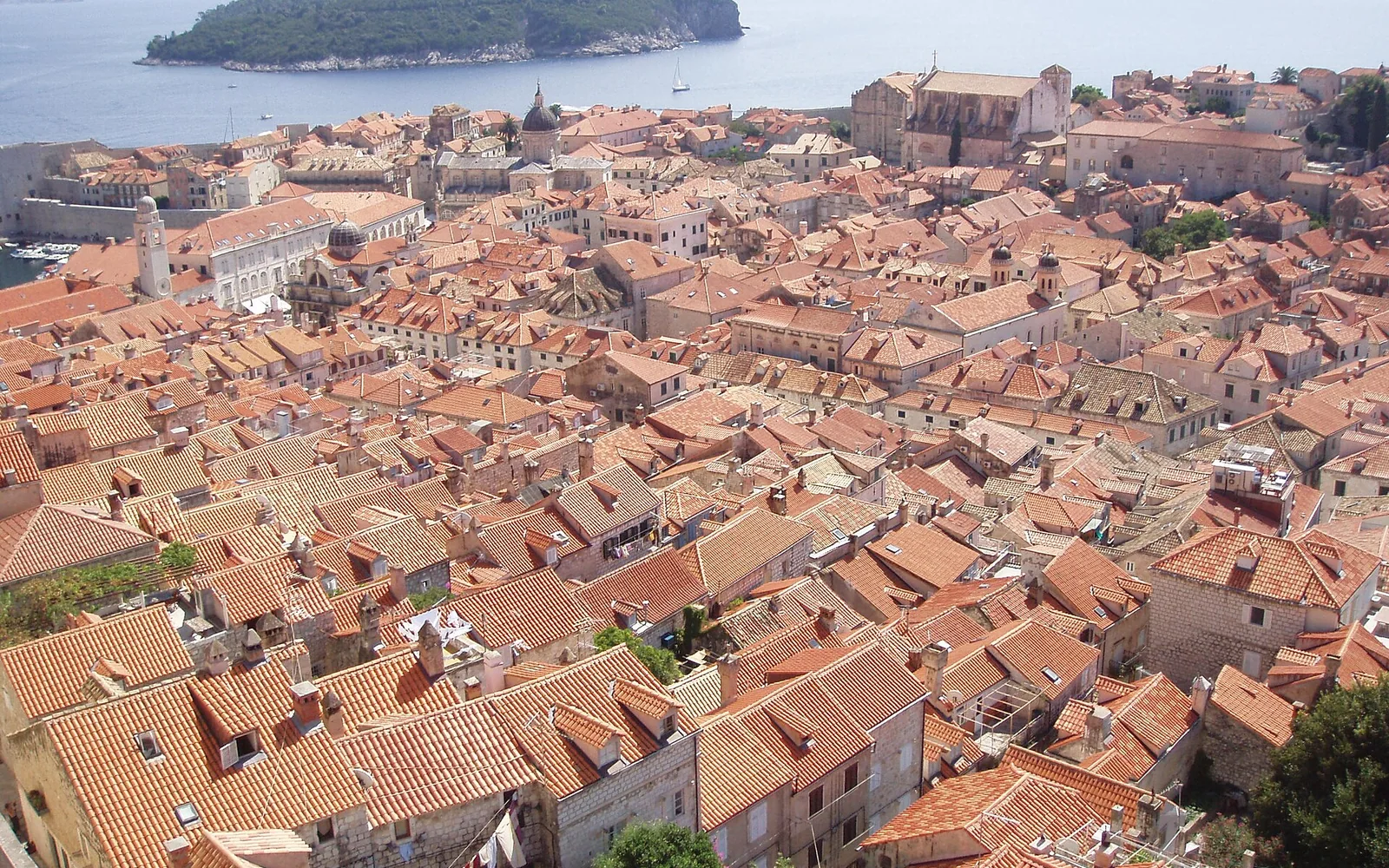
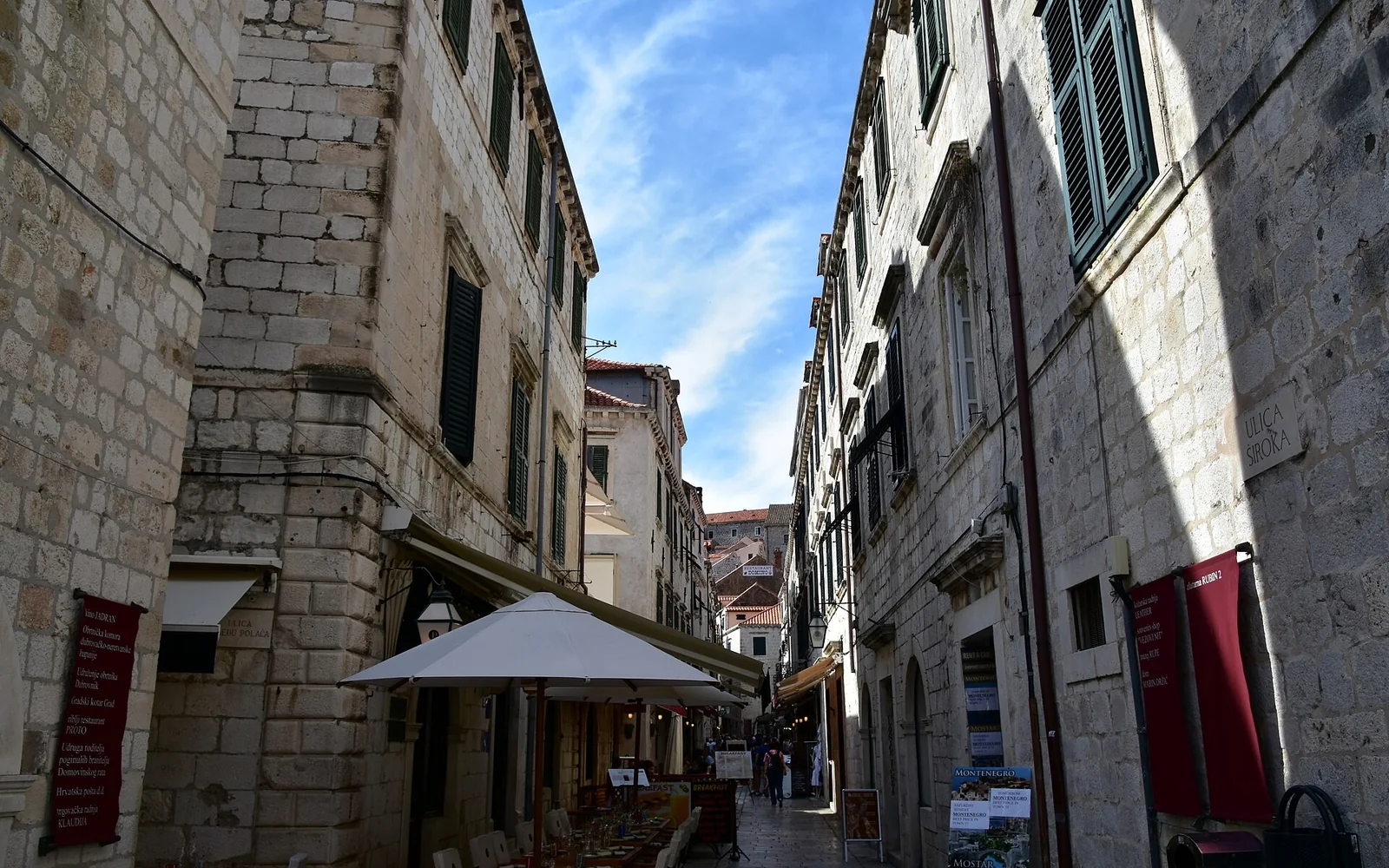
Dubrovnik combines a remarkably intact walled city with steep coastal neighbourhoods, clear Adriatic water and island routes from Gruž port.
Best for: Culture, Museums, Food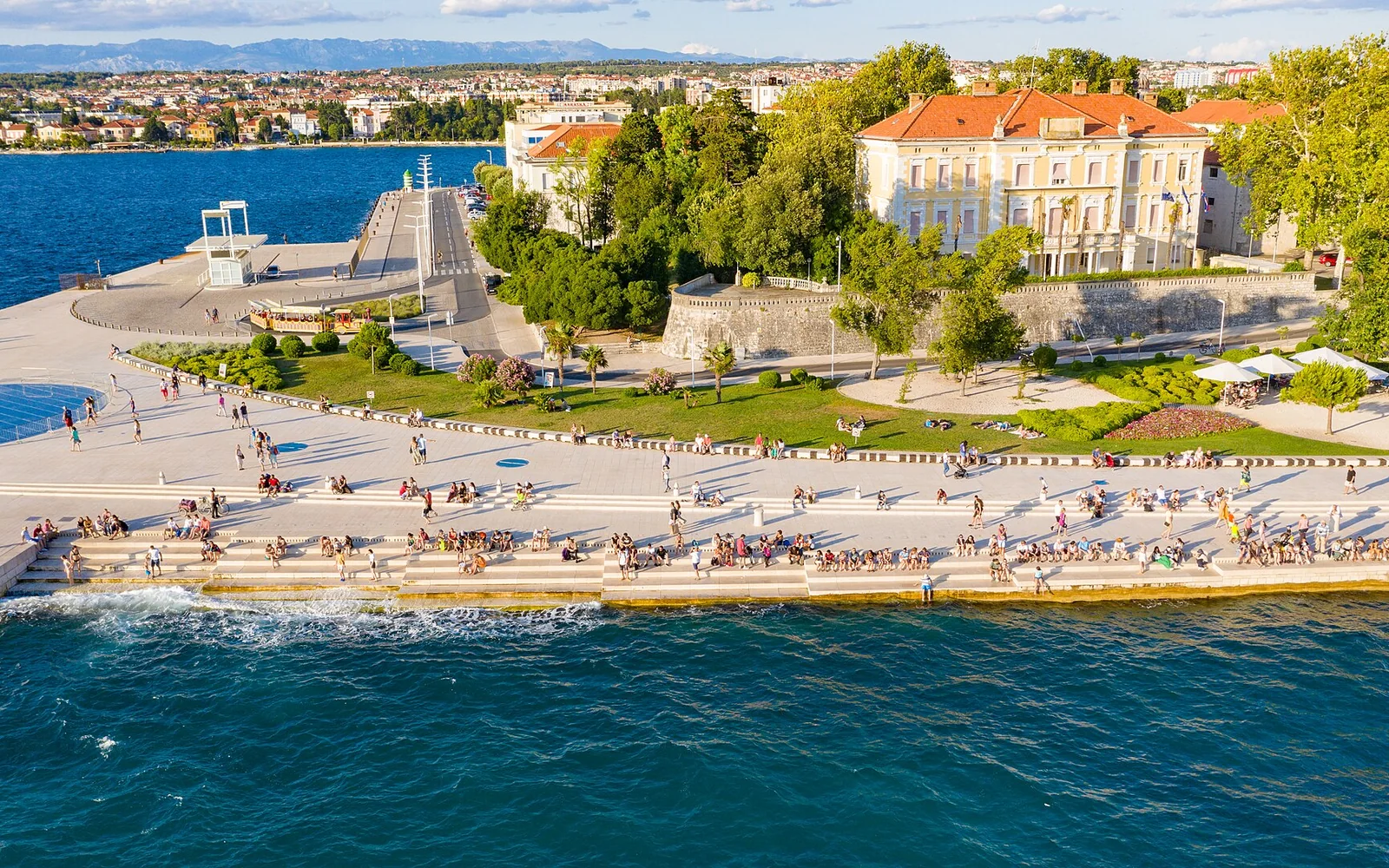
Zadar
Zadar pairs a compact Roman and medieval old town with a modern waterfront, lively markets and useful links across northern Dalmatia.
Best for: Culture, Museums, Food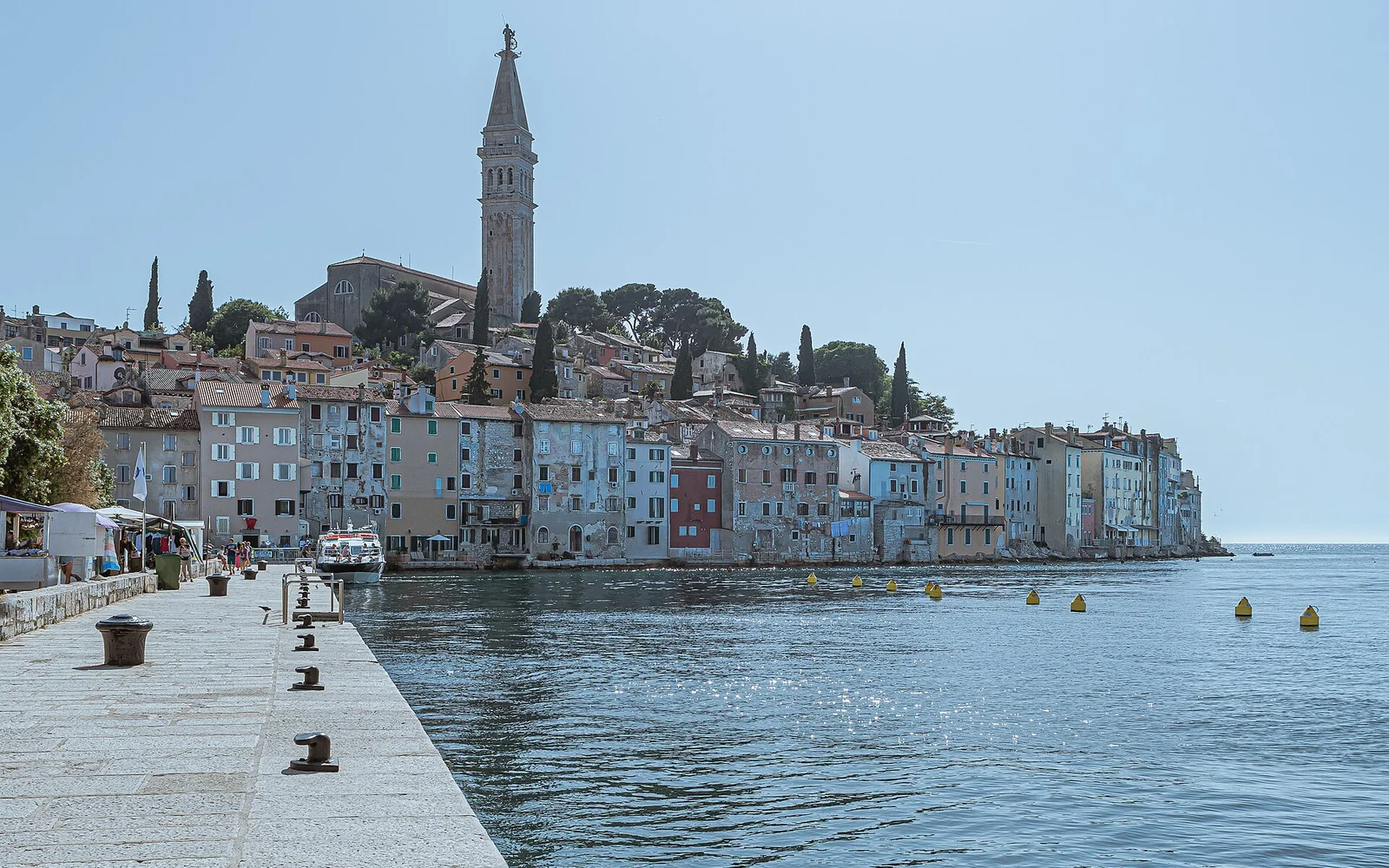
Rovinj
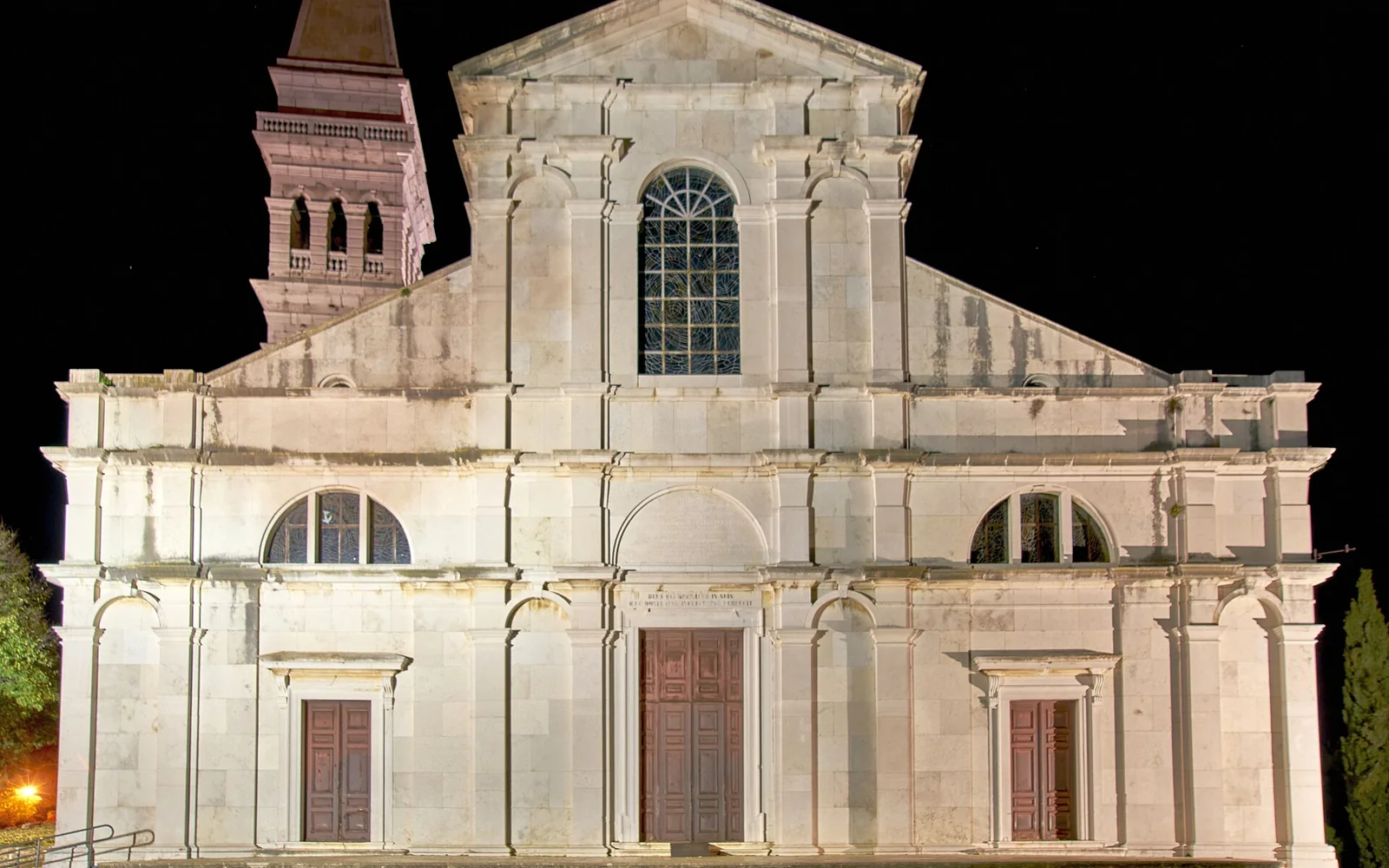
Rovinj rises from a working harbour into a compact hilltop old town, with pine-backed coast and cycling routes close to the centre.
Best for: Heritage, Walking, Local Travel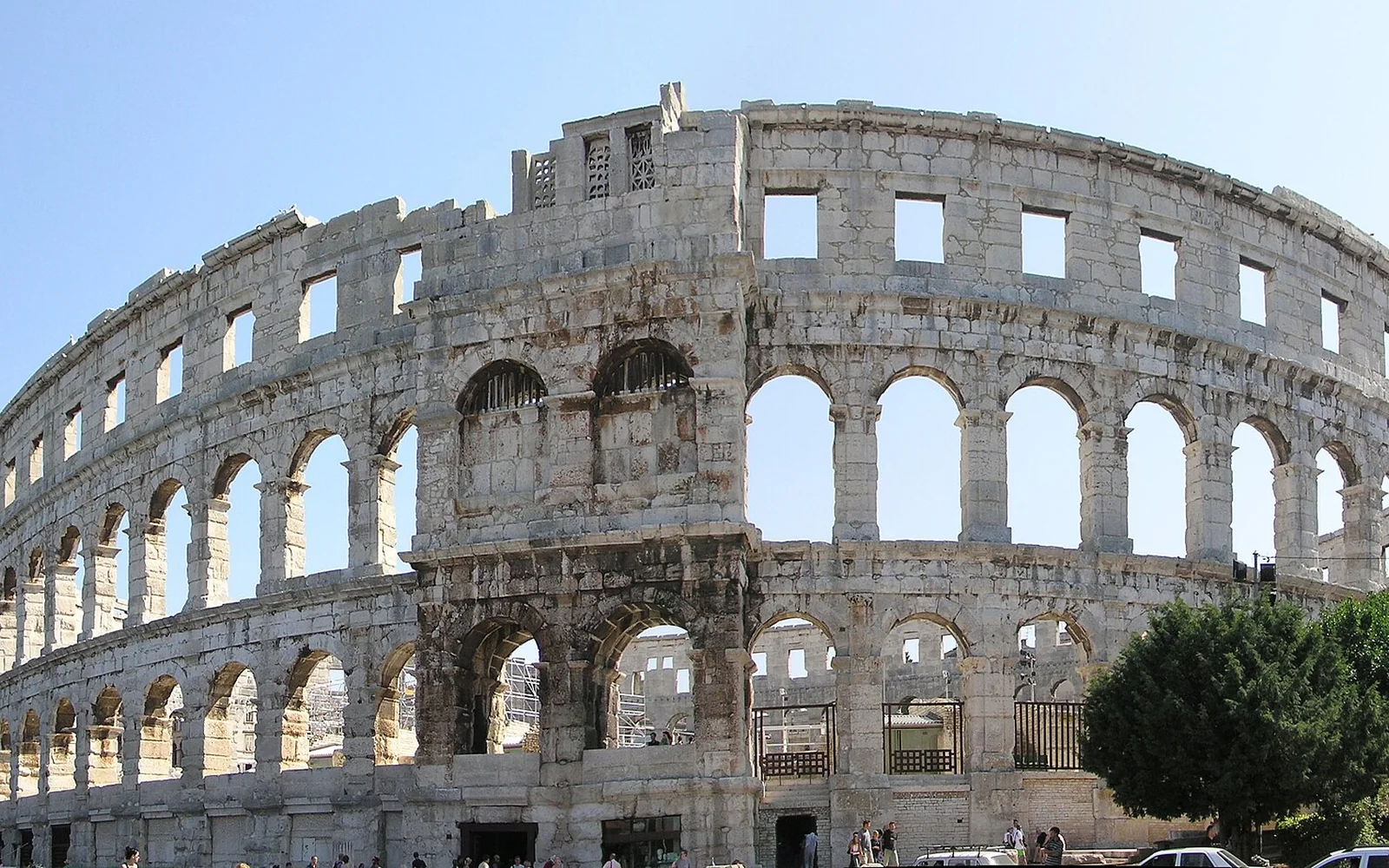
Pula
Pula combines one of the Adriatic’s most recognisable Roman amphitheatres with a working city centre, market and rugged southern Istrian coast.
Best for: Culture, Museums, FoodChoose an island
Island guides
Split region
Brač Island
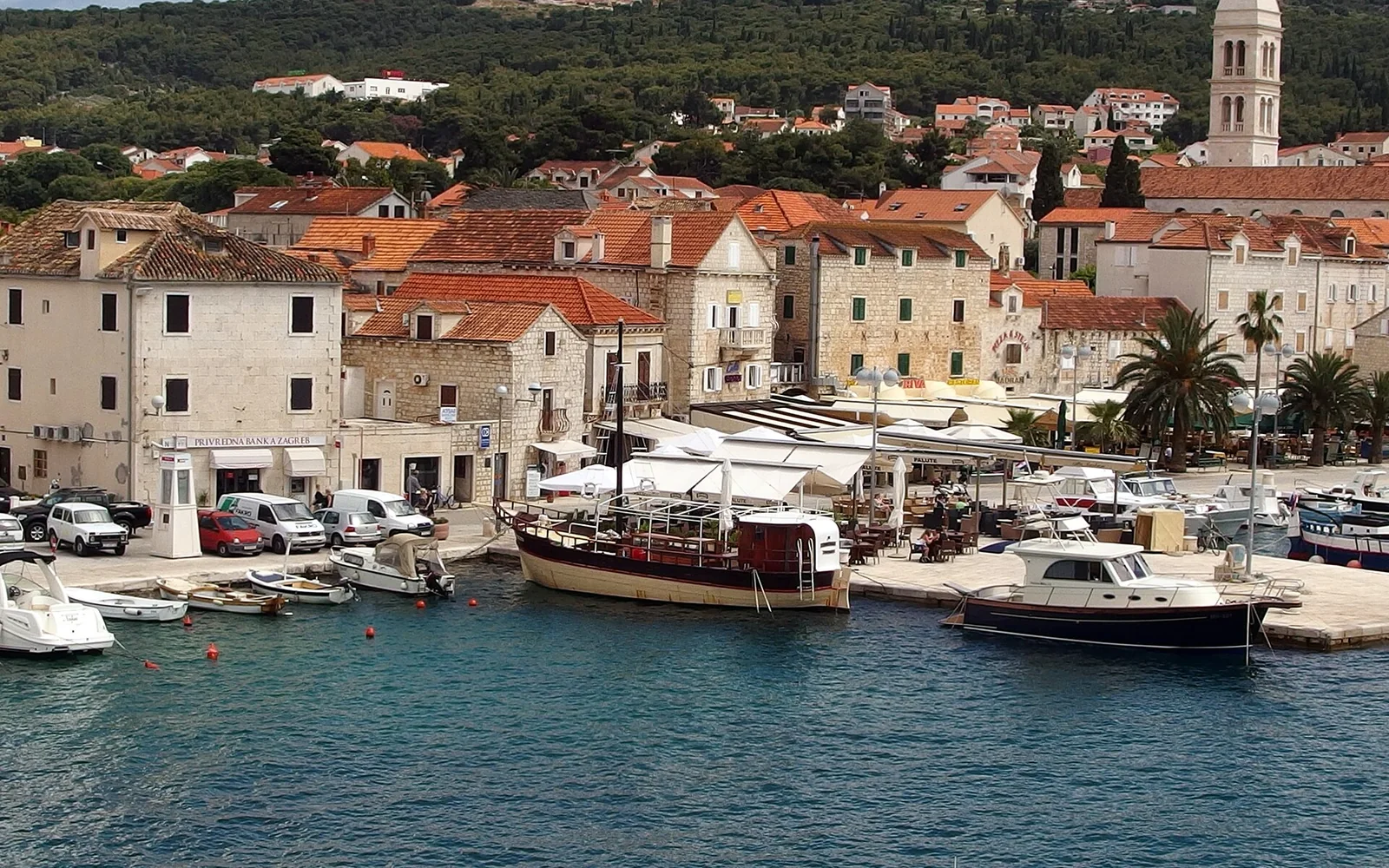
Brač combines the ferry town of Supetar, southern Bol, stone villages, high viewpoints and varied coves on an island large enough for several bases.
Open island guide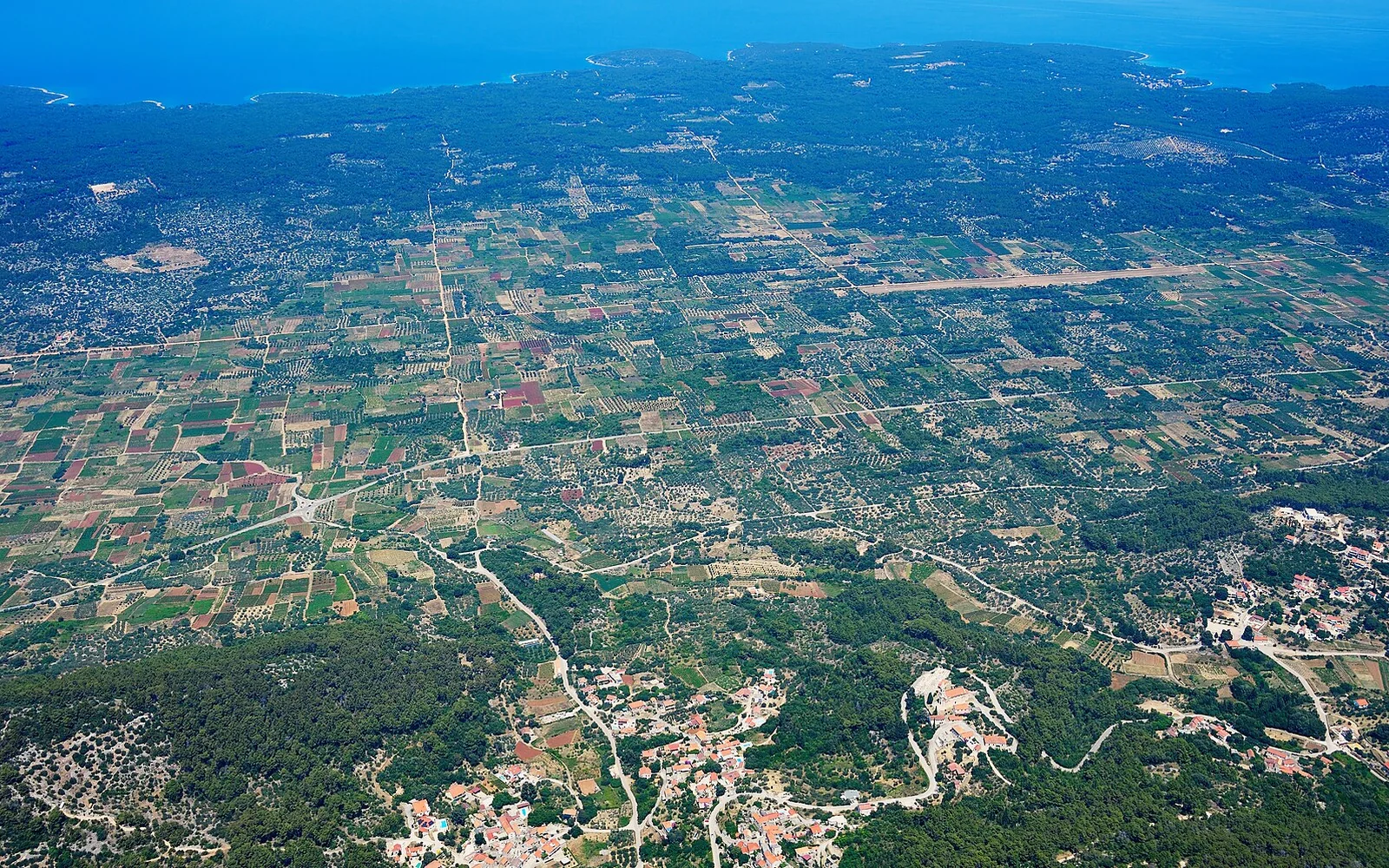
Hvar Island
Hvar is a long Dalmatian island with historic towns, quiet villages, coves, lavender country and several ports that serve different routes.
Open island guide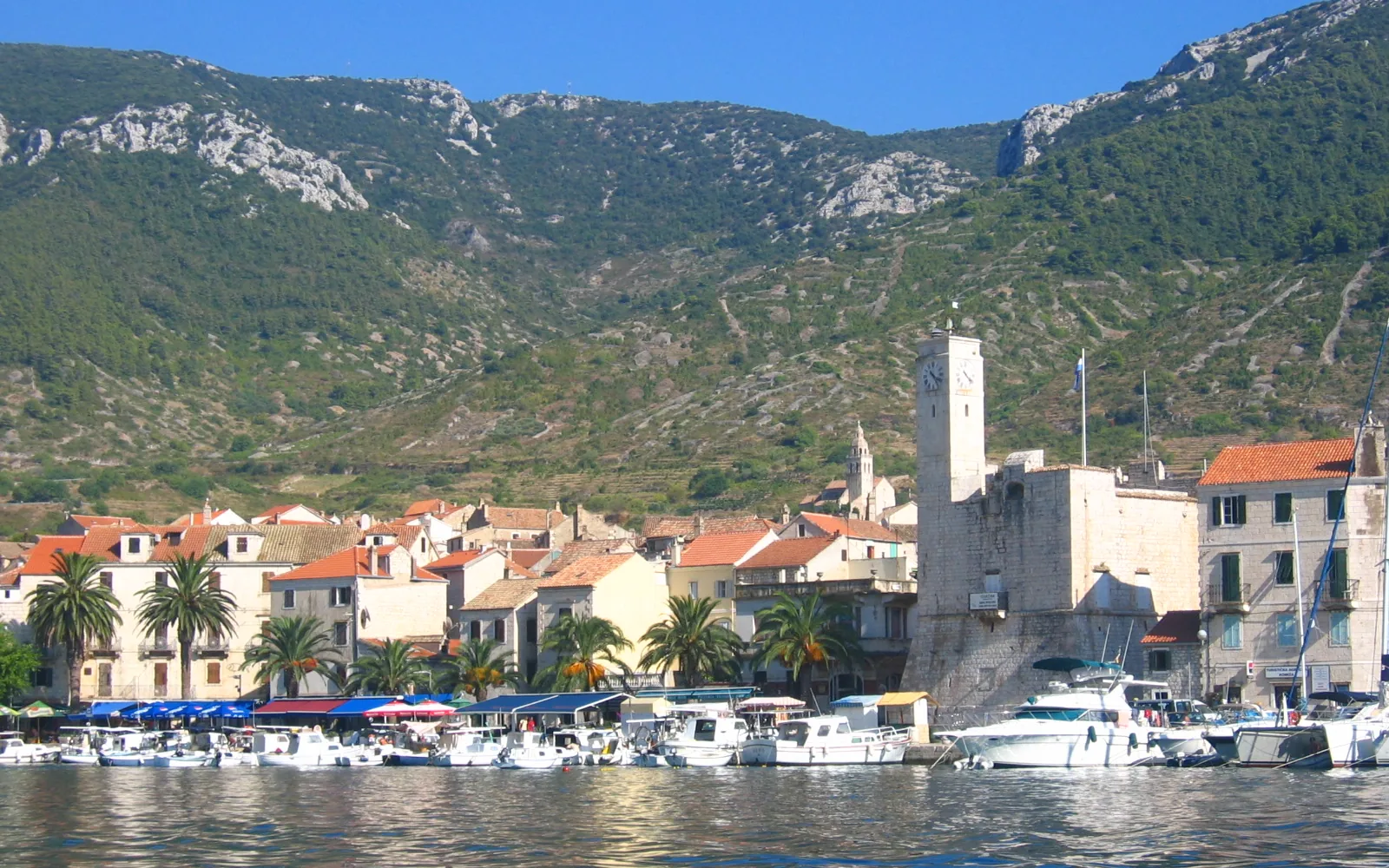
Vis Island
Vis is a comparatively remote central Dalmatian island with two principal bases, Vis Town and Komiža, plus beaches and military history spread along rural roads.
Open island guideKvarner
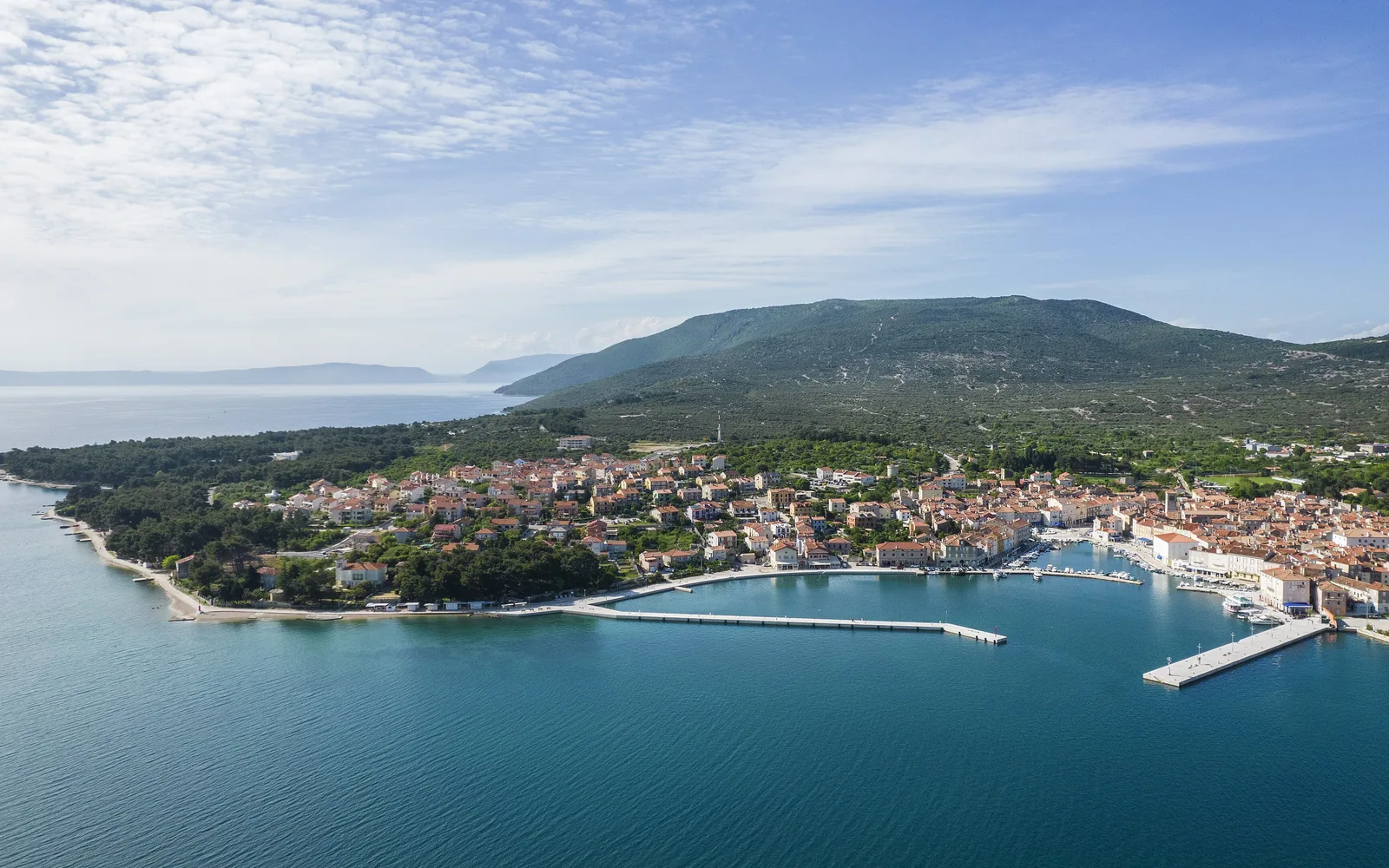
Cres Island
Cres is a long Kvarner island of harbour towns, hill villages, beaches and protected landscapes, with ferry ports at opposite ends of demanding roads.
Open island guide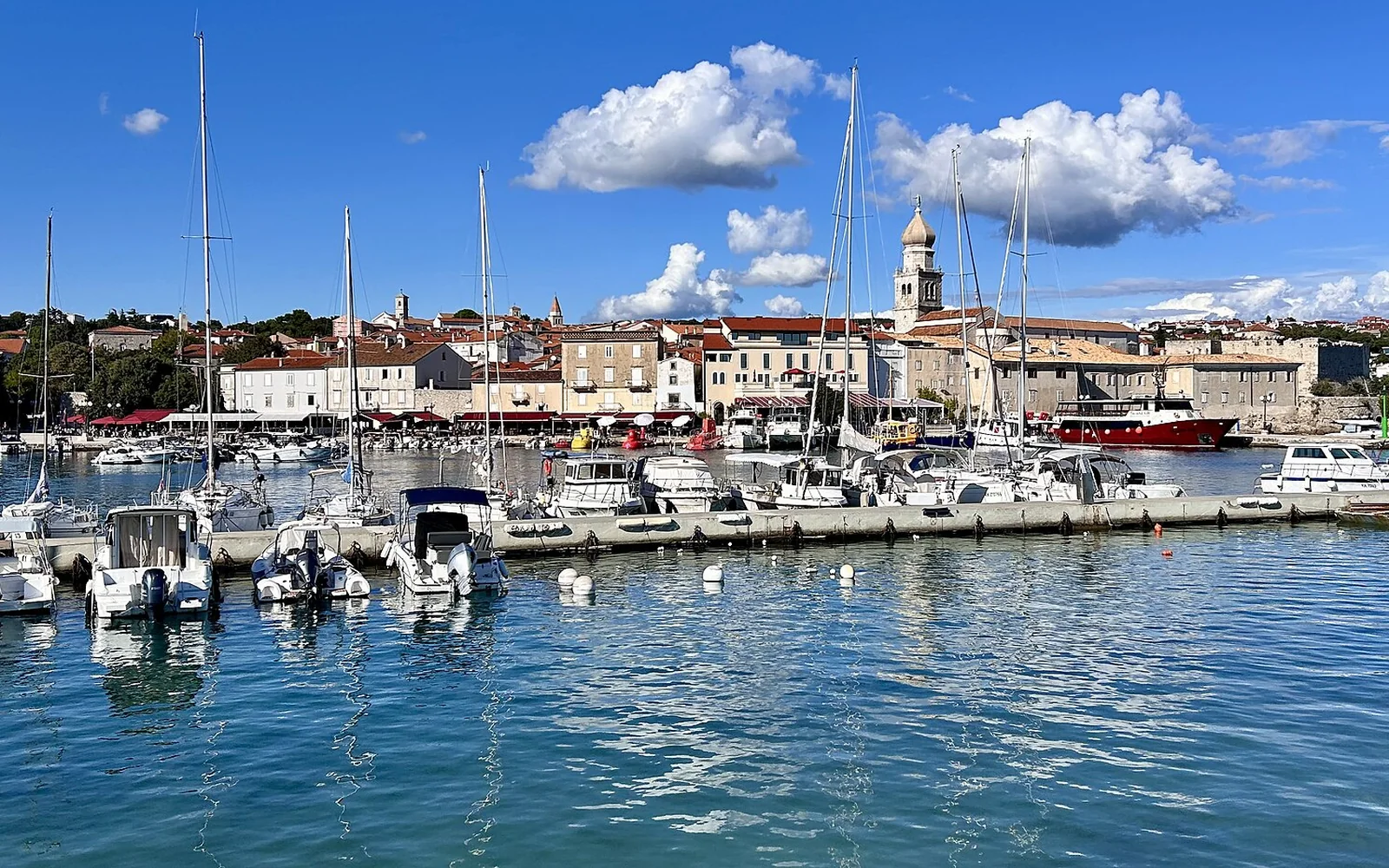
Krk Island
Bridge-linked Krk offers a walled main town, the stone village of Vrbnik, Baška’s bay and a varied interior close to Rijeka.
Open island guideDubrovnik region
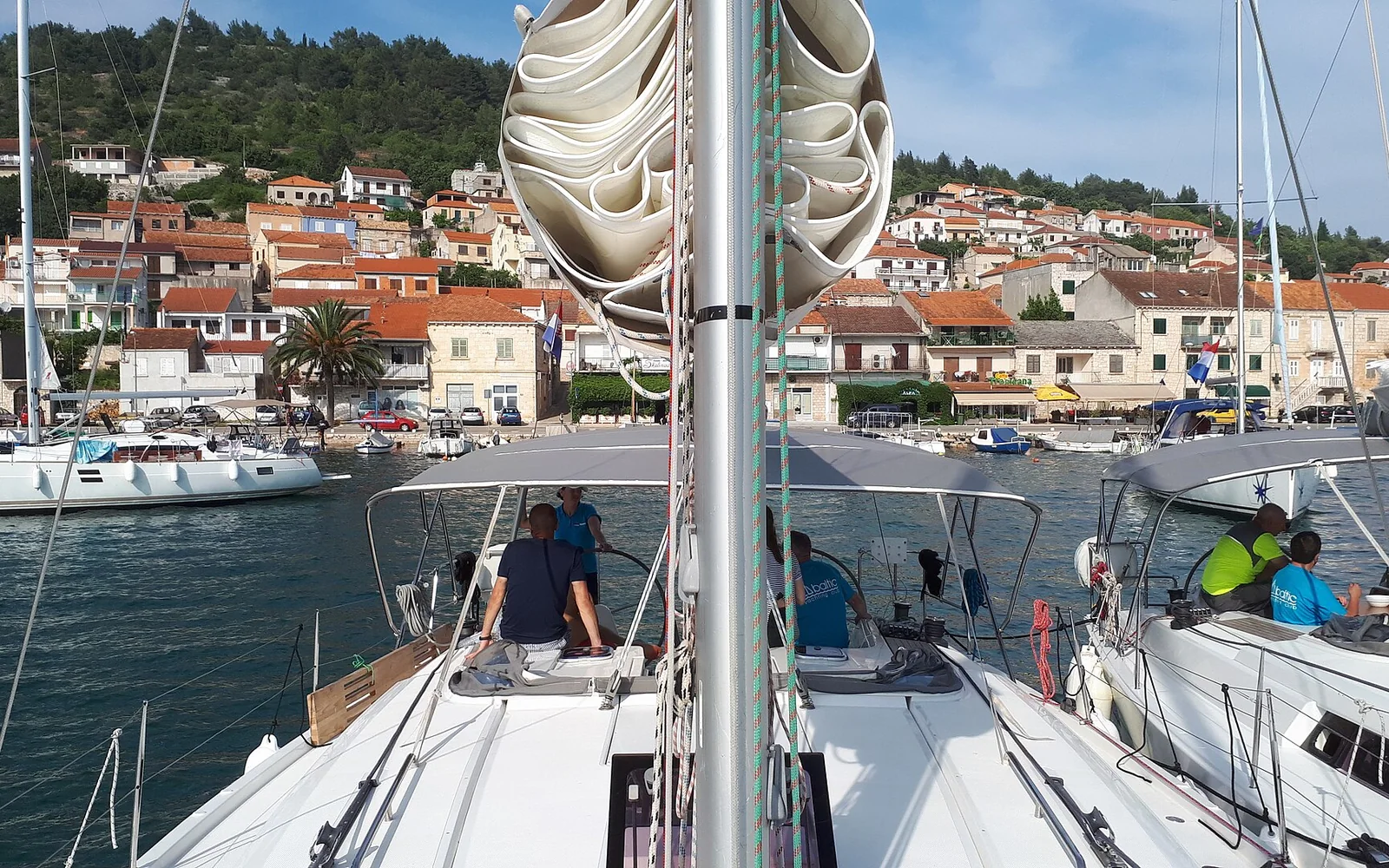
Korčula Island
Korčula is a long, wooded island with a walled eastern town, wine villages, sheltered coves and the western port of Vela Luka.
Open island guide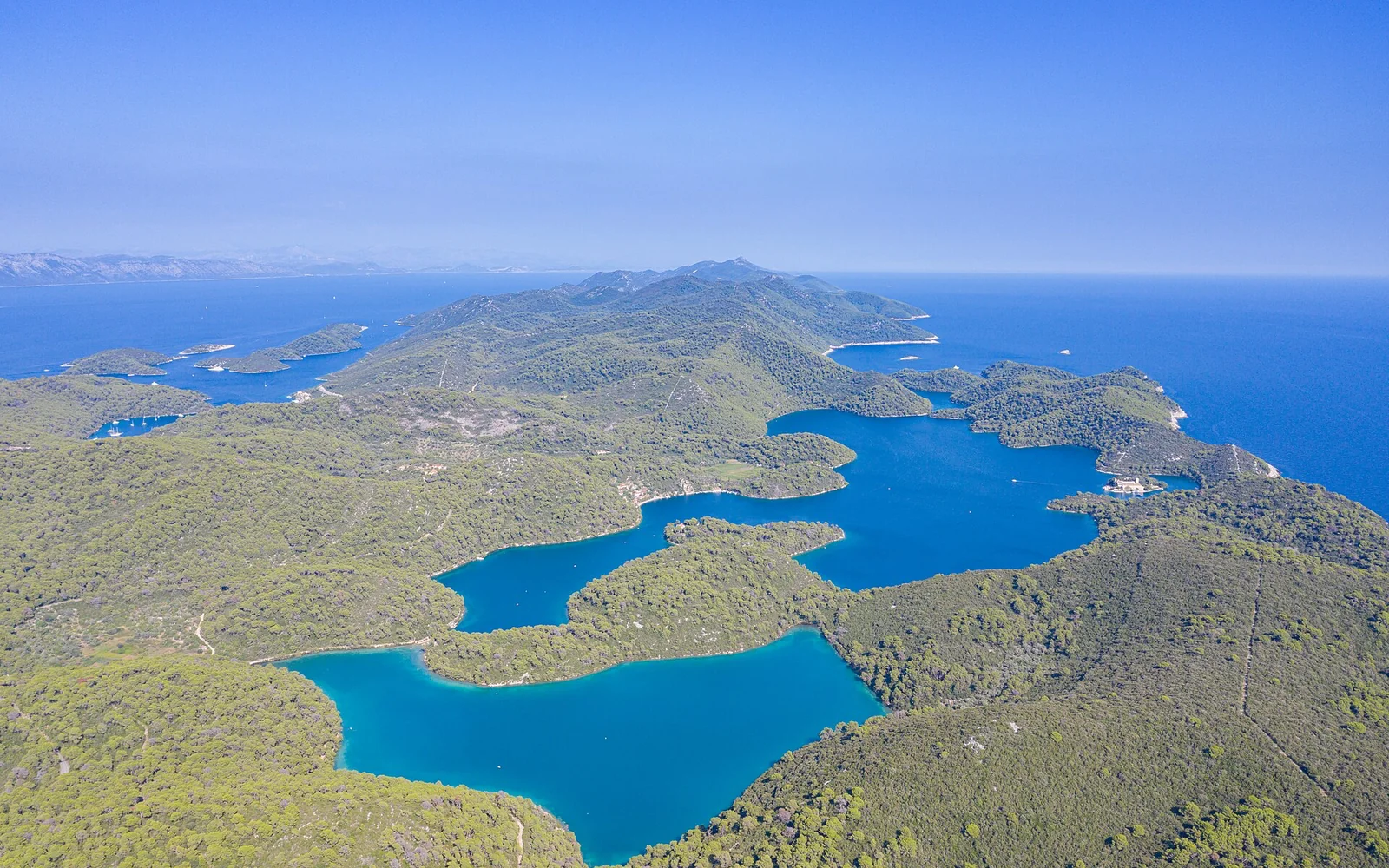
Mljet Island
Mljet is a long, wooded island where the national park covers the west, while ports, beaches and villages continue across the centre and east.
Open island guideParks and natural areas
Nature destinations
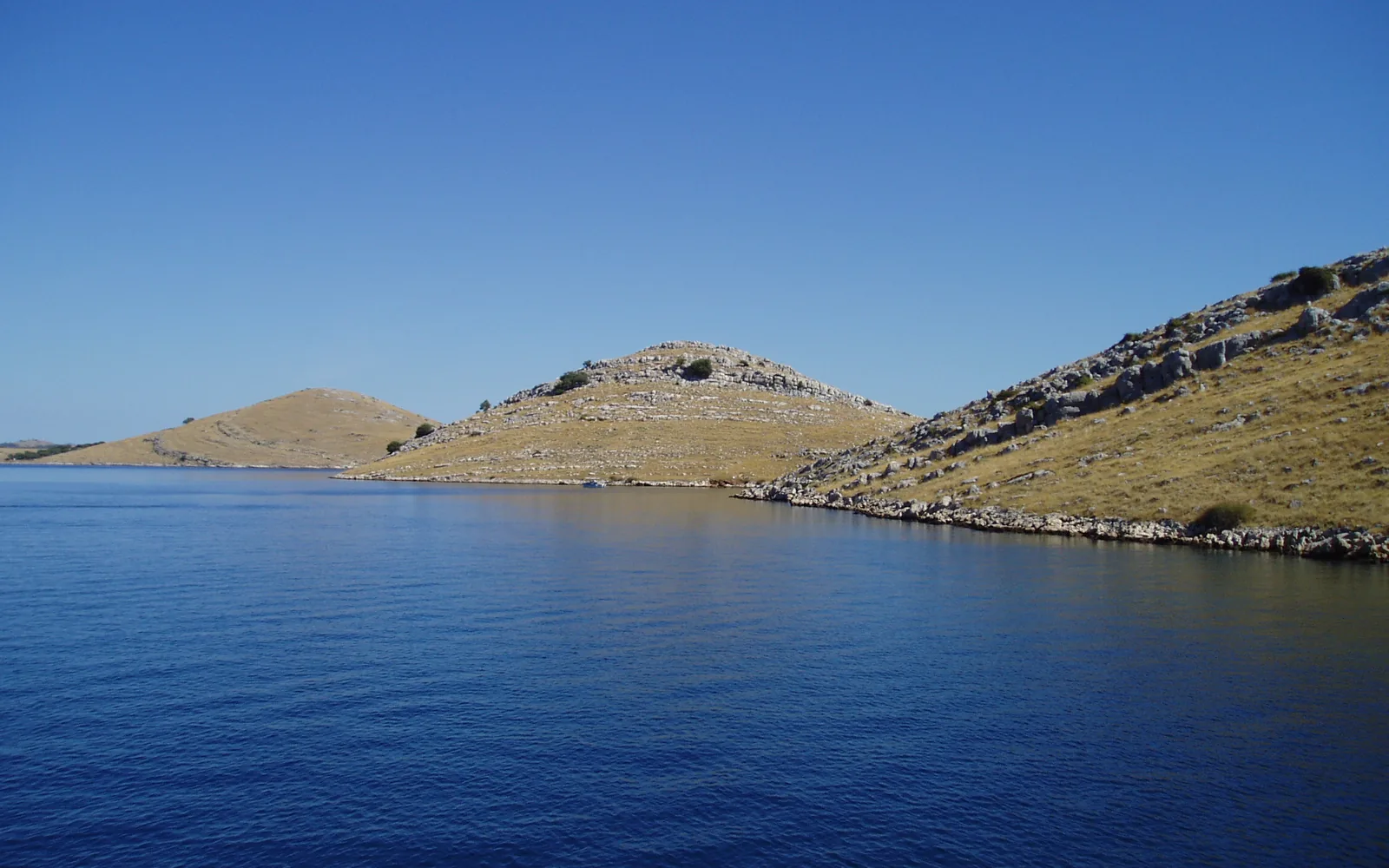
Kornati National Park
Kornati National Park protects a sparse Adriatic archipelago reached by boat, where navigation, landing rules and weather matter more than a checklist of islands.
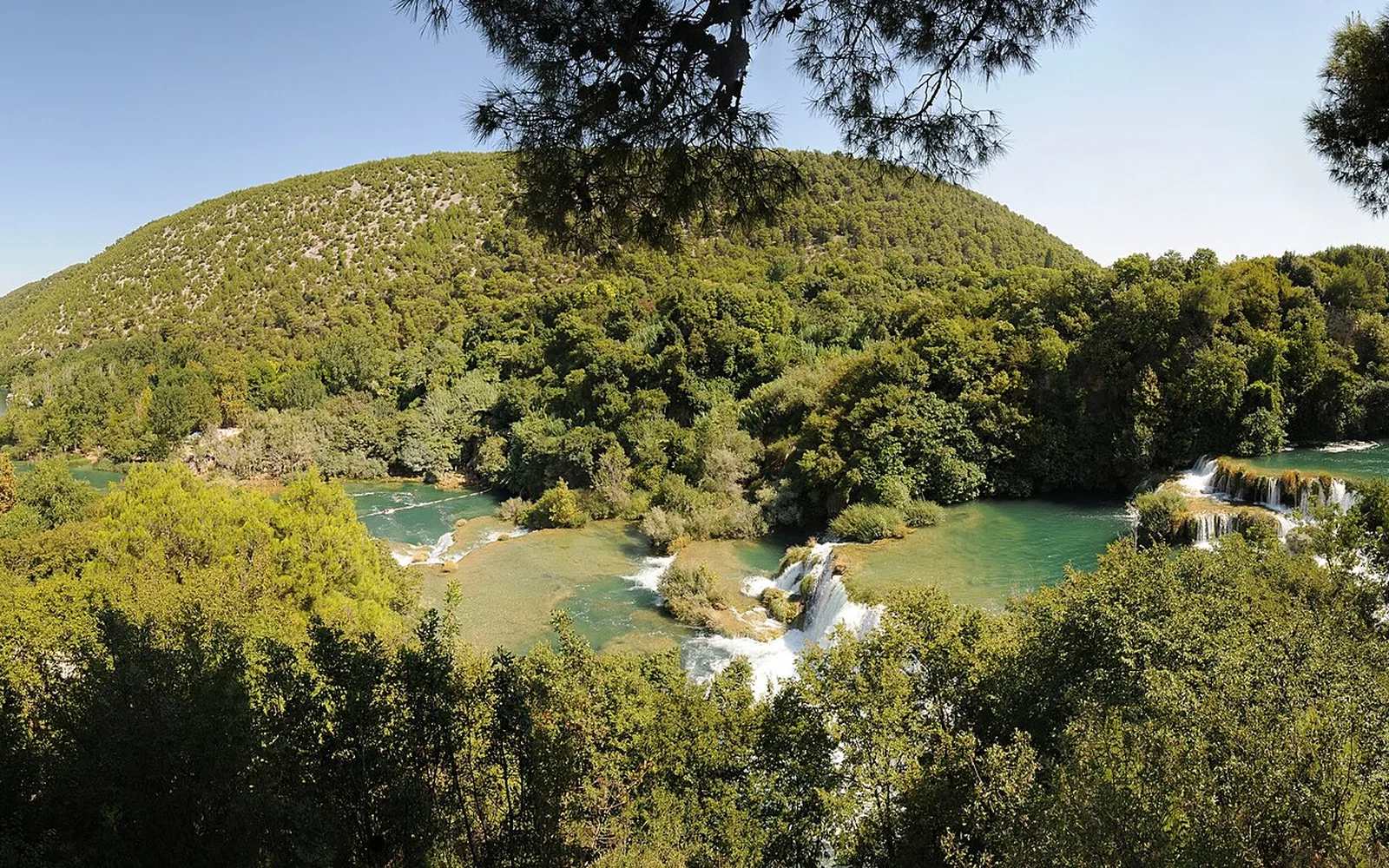
Krka National Park
Krka protects a long river landscape of waterfalls, gorges and historic sites, reached through several entrances that serve different parts of the park.
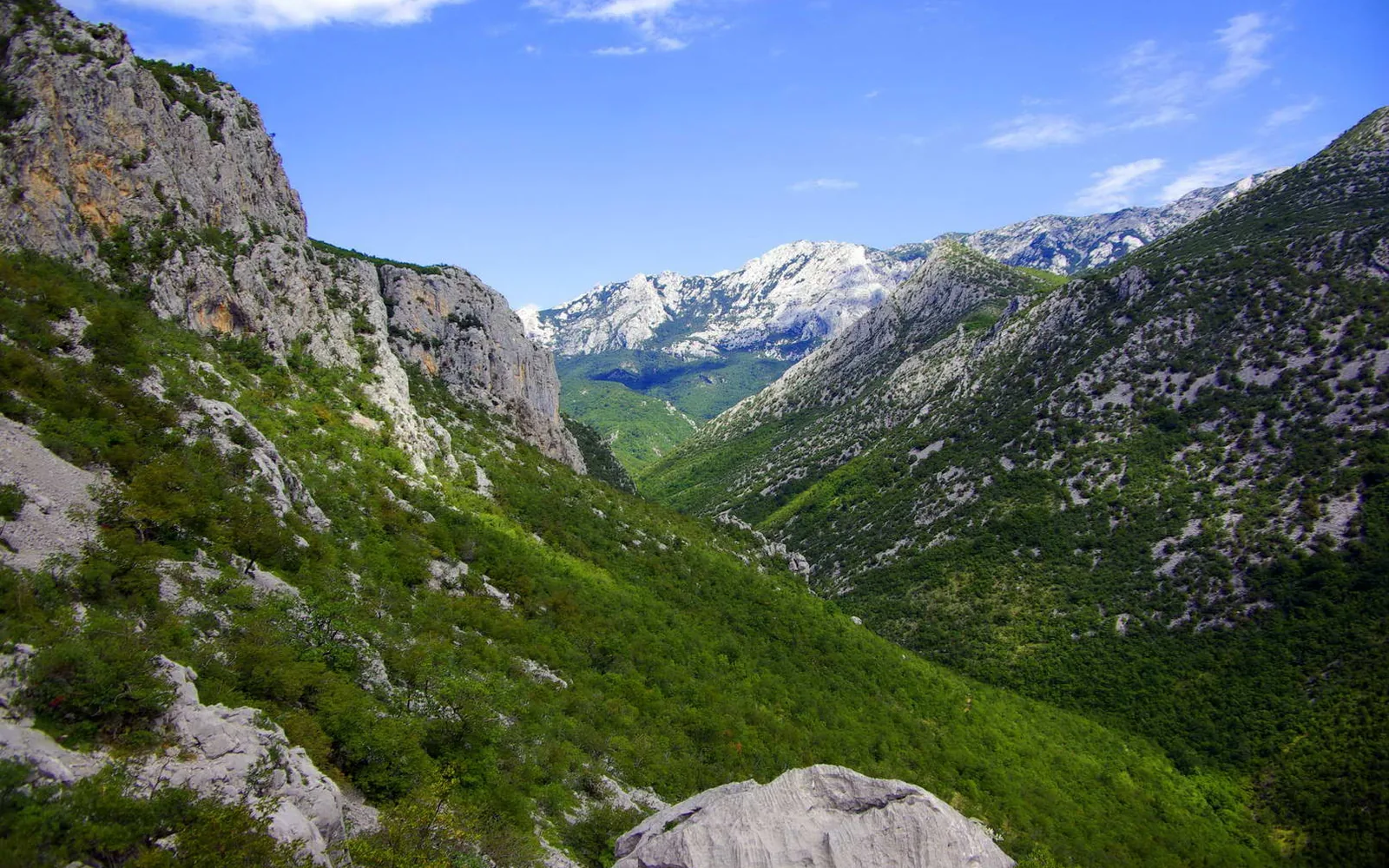
Paklenica National Park
Paklenica protects dramatic canyons and Velebit mountain routes above Starigrad, with walks ranging from lower-canyon paths to demanding high terrain.
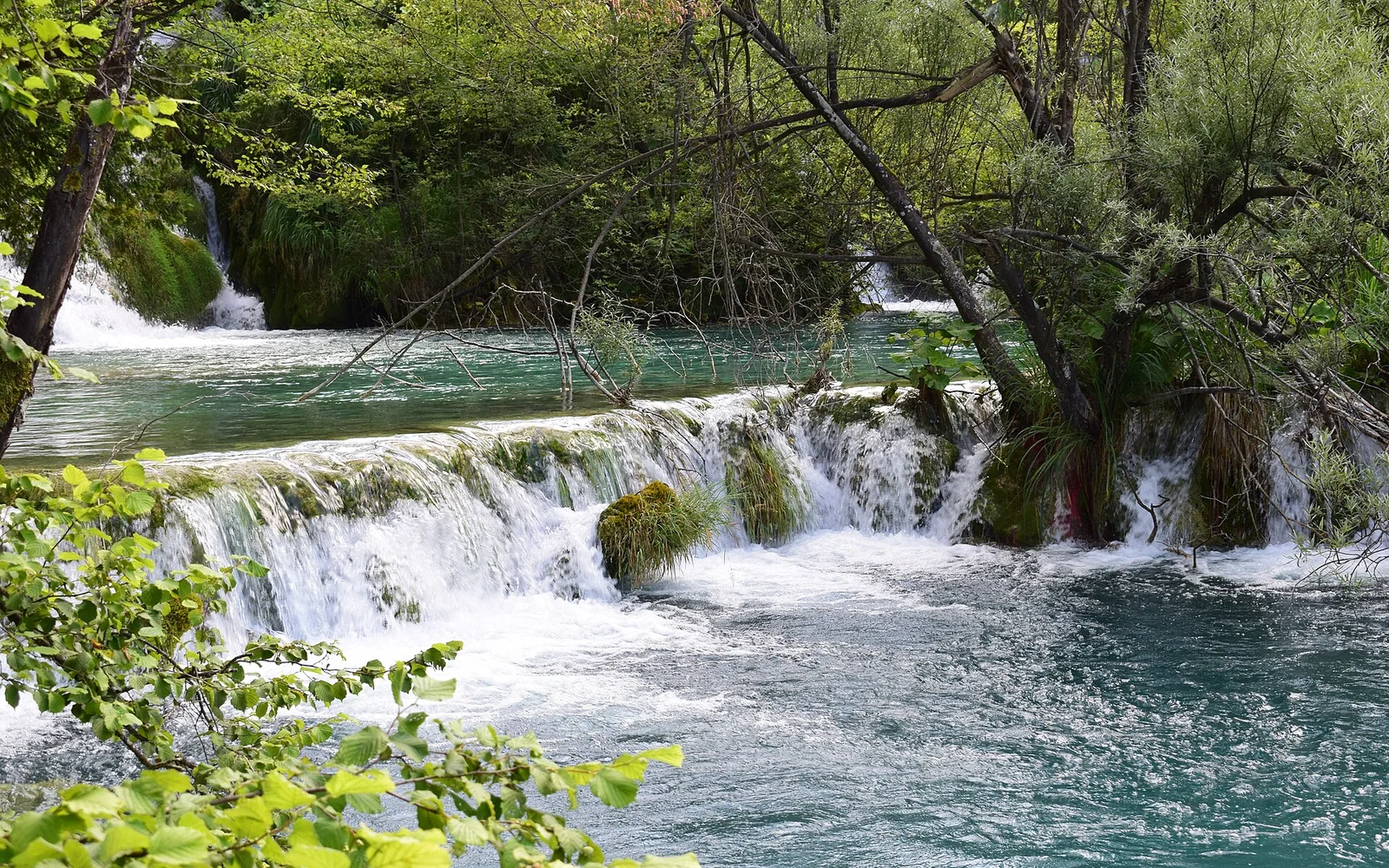
Plitvice Lakes National Park
Plitvice Lakes is a protected karst landscape of lakes, waterfalls and boardwalks visited through timed entrances and official walking programmes.
Find places by area
Browse places by region
Dubrovnik region Cavtat, Dubrovnik, Korčula Island, Korčula Town, Mljet Island
Kvarner Cres Island, Krk Island, Opatija, Rijeka
Lika-Karlovac Plitvice Lakes National Park, Slunj and Rastoke
Šibenik region Kornati National Park, Krka National Park, Šibenik
Slavonia Kopački Rit Nature Park, Osijek
Split region Bol, Brač Island, Hvar Island, Hvar Town, Makarska, Split, Trogir, Vis Island
Zadar region Paklenica National Park, Zadar
Plan a day out
Day trips and experiences
Trogir day trip from Split
Trogir’s cathedral, stone lanes, fortress and waterfront fit a half or full day when the coastal bus is planned carefully.
Cavtat day trip from Dubrovnik
Cavtat offers a calmer harbour, one wooded peninsula and small museums within an easy bus journey of Dubrovnik.
Match the route to your time
Choose a trip length
One city and its region
Base the trip in Split, Dubrovnik, Zagreb or Rovinj and explore the immediate region. A nearby island or national park can fit only when the dated transport works cleanly. Avoid crossing the whole country during a short stay.
Coast and one island
Link Split with one island and Dubrovnik, or choose Zadar with Šibenik and nearby parks. Confirm each ferry port before fixing accommodation. Two island changes usually add more luggage time than value on a first route.
Two connected regions
Combine Zagreb and Plitvice with a central Adriatic route, or explore Istria before moving south. Keep one protected transfer day between distant sections and resist adding Dubrovnik merely because it is the best-known coastal city.
Ready-made routes
Suggested itineraries
Croatia from Zagreb to Dubrovnik in 12 days
A twelve-day route through Zagreb, Plitvice Lakes, Split, Hvar and Dubrovnik, with the seasonal ferry legs treated honestly.
- Main stops
- Zagreb, Plitvice Lakes National Park, Split, Hvar Island, Dubrovnik
- Transport
- Coach, Ferry
- Best suited to
- Travellers who want one inland city, a national park, a historic coast and one island without driving the full route.
- Main trade-off
- The Hvar to Dubrovnik leg is seasonal, so the route needs a mainland version when the sailing does not operate.
Transport choices
Getting around Croatia
Intercity buses are often more useful than trains along the Adriatic, while Zagreb has stronger rail links to the north and interior. Jadrolinija and other operators run ferries and catamarans whose ports, frequency and reservation rules vary by route and season. A car helps in Istria and inland areas, but historic centres usually require parking outside. Summer traffic can lengthen even short road transfers.
Intercity buses
Use buses for many coastal journeys between Zagreb, Zadar, Split and Dubrovnik. Allow extra time during busy road periods and check the exact station because resort and old-town stops may sit outside the historic centre.
Ferries and catamarans
Search by departure port, arrival port and travel date. Some tickets secure a sailing while vehicle boarding rules can differ. Keep enough margin when connecting a ferry with a bus, flight or hotel change.
Rail
Rail is useful for selected inland and northern journeys but does not form a complete Adriatic backbone. Compare it with the direct bus before using a train simply because two places both have stations.
Driving
A car supports Istria, national parks and dispersed inland stops. It becomes inconvenient around walled centres and ferry queues. Book accommodation with a realistic parking plan and check whether the vehicle is actually useful on the chosen island.
Month-by-month planning
When to visit
Croatia’s best month depends on whether the trip prioritises islands, national parks, historic cities or a quieter mainland route.
Plan fewer hotel changes
Where to base your trip
Before you travel
Practical facts
- Currency
- Euro
- Main transport
- Bus and seasonal ferry
- Driving side
- Right
- Emergency number
- 112
- Main languages
- Croatian
- Time zone
- Central European Time, with summer time
- Plug type
- Type C and F
- EU status
- EU member
- Schengen status
- Schengen member
Avoid the common route problems
Planning checks
Confirm the exact ferry ports
An island name is not enough to plan the journey. Check the mainland port, island port, operator, sailing date and onward transfer to the accommodation. A route that appears direct in summer may require a change outside peak season.
Keep the route geographically coherent
Istria, Split and Dubrovnik belong to different practical sections. Choose two connected regions for a longer trip rather than adding every famous stop. Protect a full transfer day when a distant move cannot be avoided.
Reserve constrained summer stays
Old-town rooms, island accommodation, popular park entries and vehicle ferries can tighten in summer. Fix the hardest booking first, then leave ordinary city sightseeing flexible enough to absorb traffic or sea disruption. Shoulder-season dates need a fresh timetable check too.
Compare coast, islands and inland stops
See Croatia travel bases by route
Loading the map…
Choose a group to compare useful bases. The map does not confirm a live route or timetable.
Choose between two places
A useful destination comparison
Croatia or Greece for a coastal trip?
Choose Croatia for a more linear Adriatic route. Choose Greece for ancient sites and a wider choice of island or mainland journeys.
Cross-border planning
Countries to combine carefully
Slovenia
Ljubljana, the Karst and Istria can form one focused northern Adriatic route.
- Likely transport
- Bus, rail or car depending on the corridor
- Minimum sensible time
- At least 10 days across both countries
- Main limitation
- Do not add Dubrovnik to the same short overland route.
Italy
Trieste and Venice can connect with Istria or northern Croatian gateways.
- Likely transport
- Bus, rail and seasonal ferry options
- Minimum sensible time
- At least 10 days across both countries
- Main limitation
- Ferry routes and border connections change by season.
Quick answers
Planning questions
Do I need a car?
Not for a straightforward city and island route. A car helps in selected inland areas.
How many islands should I include?
One island is enough for an eight to ten-day first route.
Can I rely on ferries all year?
No. Many convenient visitor routes are seasonal.
What is a sensible first route through Croatia?
Split, one island and Dubrovnik. Combine a coast base with one island or inland stop.
What should I confirm before booking a trip to Croatia?
Confirm ferry ports, not only island names. Avoid combining Istria and Dubrovnik in a short trip.
How this guide is checked
Sources and review
Reviewed 3 September 2026, next review due 3 March 2027. Transport, access, prices and seasonal services can change, so check the official source before booking.
- Official Croatia travel planning, Croatian National Tourist Board
- Jadrolinija ferry information, Jadrolinija
- Croatian rail timetable, HŽ Passenger Transport
- Plitvice Lakes visitor information, Plitvice Lakes National Park
Continue planning
More places in Croatia
Browse the full destination list when the curated starting points do not match your route.