Zadar’s peninsula is compact, but its layers of Roman paving, medieval churches, city walls and waterfront installations reward a full day rather than a sunset stop. The city also works as a northern Dalmatian base when transport is chosen carefully.
Start with what makes Zadar distinct
Zadar’s peninsula is compact, but its layers of Roman paving, medieval churches, city walls and waterfront installations reward a full day rather than a sunset stop. The city also works as a northern Dalmatian base when transport is chosen carefully.
Stay two nights to see the centre at different times of day. Add another night for one island, national park or beach day, not for a string of rushed excursions.
Historic peninsula
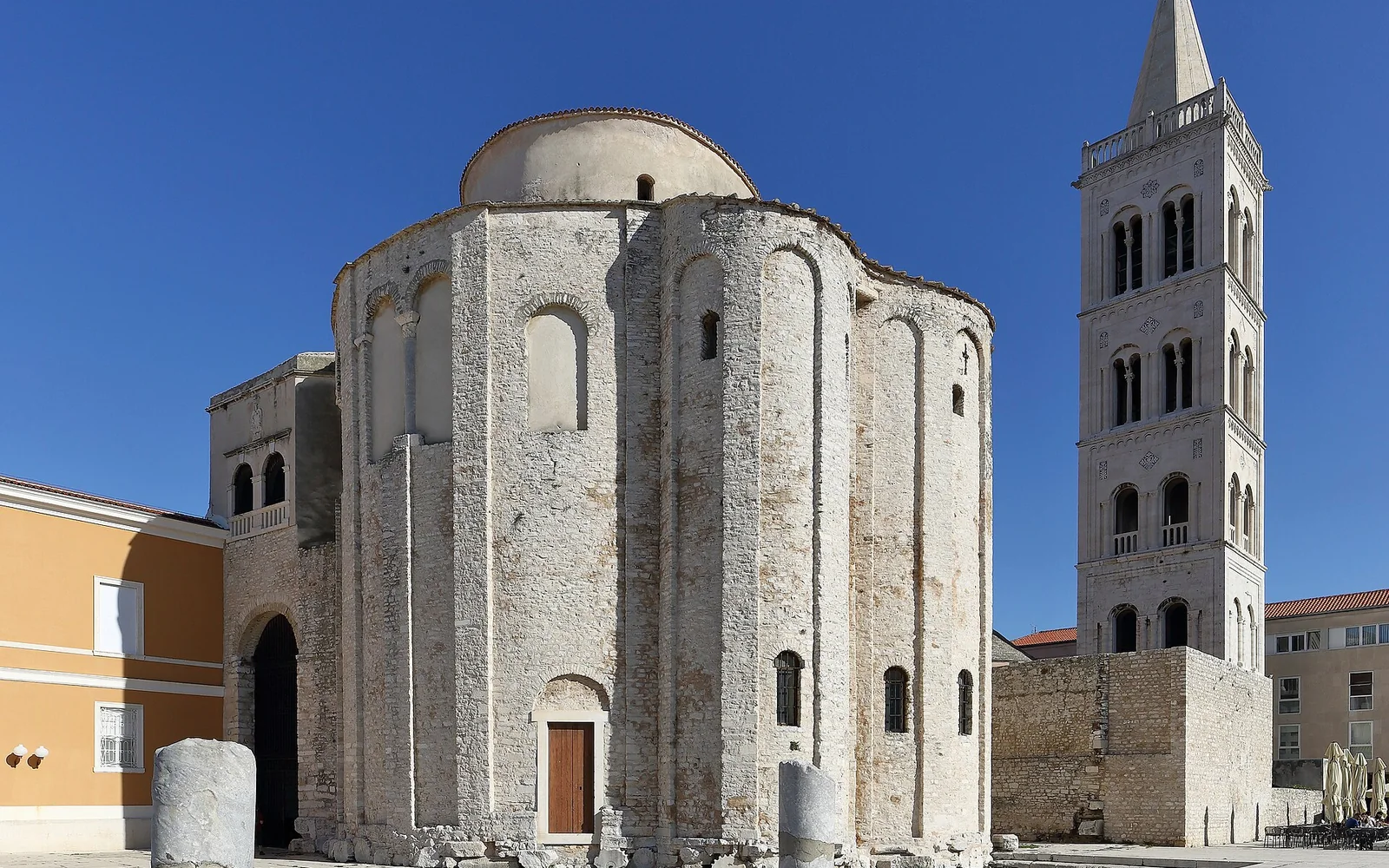
Begin around the Roman Forum, St Donatus and St Anastasia’s Cathedral, then work through side streets to the market and city gates. Check church and museum hours before relying on a late visit.
The waterfront
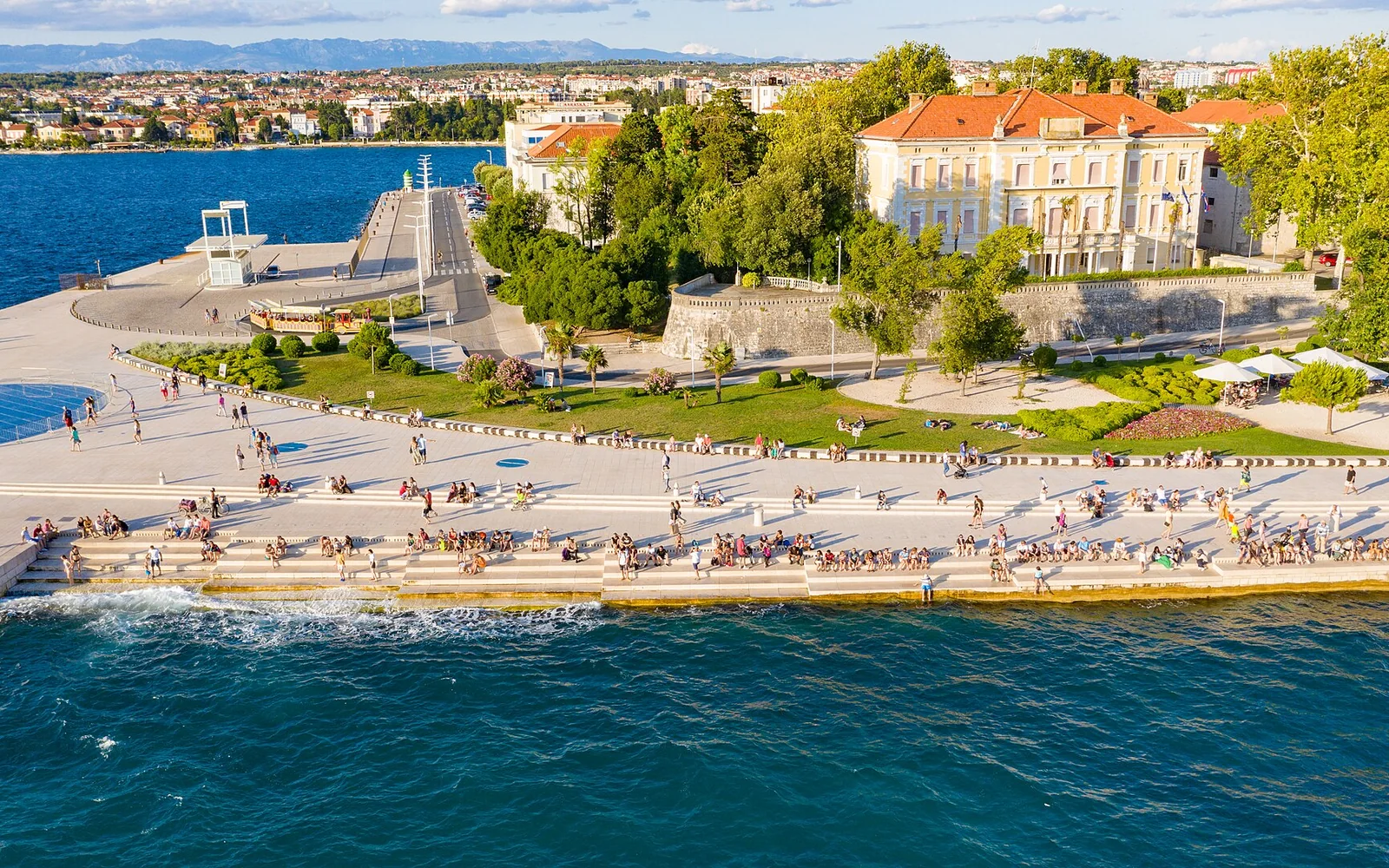
The Sea Organ and Greeting to the Sun draw crowds near sunset. Visit earlier for more space, then return for the evening if weather and time allow.
Beyond the old town
Residential Zadar, Kolovare and other coastal areas provide swimming and a broader view of the city. Beach surfaces and facilities vary, so use current local information.
Build a realistic visit to Zadar
Day 1: explore the forum, churches, market and city walls, then walk the waterfront before sunset.
Day 2: choose museums and a beach or neighbourhood walk, returning to the peninsula in the evening.
Day 3: take one well-planned regional trip or continue south to Šibenik.
Arrive and move around Zadar
Zadar Airport connects by road with the city. The intercity bus station lies southeast of the peninsula. Ferry services may use the city harbour or Gaženica terminal, so check the exact port before departure.
The peninsula is pedestrian-friendly. Local buses serve the main station, outer districts and beaches. A car is unnecessary in the centre and parking can be difficult in summer.
Food and local stops in Zadar
Look for grilled fish, cuttlefish dishes, pašticada and local cheeses, with maraschino connected to Zadar’s food history. The market area is best visited in the morning.
Choose the right conditions for Zadar
Late spring and early autumn suit city walks and sea time. Summer offers the widest regional transport but heavier crowds. Winter is calmer, with fewer marine services and changeable coastal weather.
The waterfront and many main streets are level, though polished stone, thresholds and steps affect historic sites. Use the modern bridges and paved routes where possible.
Do not assume every ferry leaves beside the old town. Plitvice is a long day when bus and entry times do not align. Keep one flexible plan for strong wind or rain.
Continue from Zadar
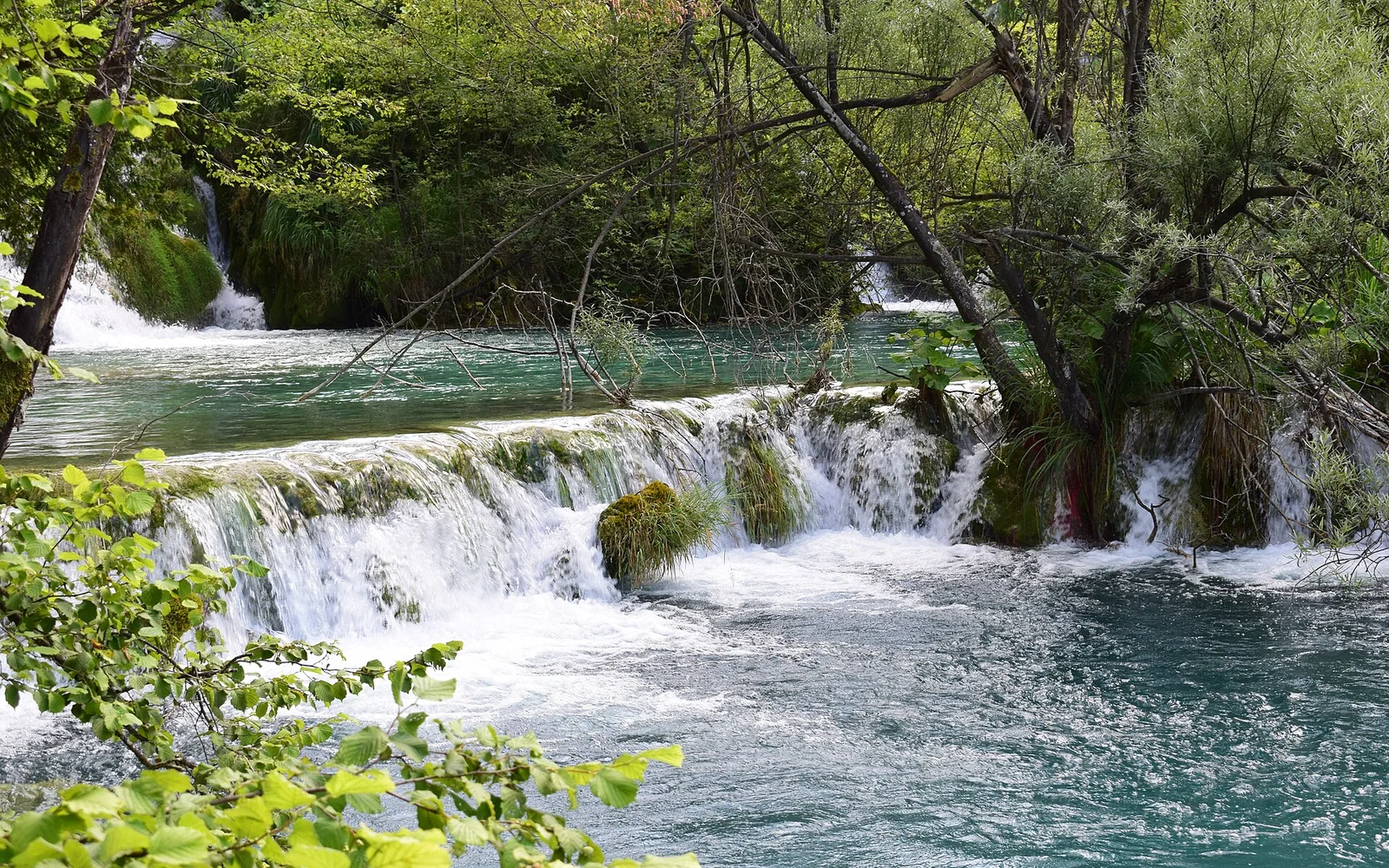
Plitvice Lakes lies inland, while Šibenik continues the coastal route south. Each has a full guide and should be planned as a separate destination rather than a casual add-on.
Continue planning
Questions about Zadar
Is one day enough for Zadar?
One day covers the main peninsula sights, but two days allow museums, neighbourhoods and the waterfront without rushing.
Where do ferries leave from in Zadar?
The terminal depends on the route. Some use the city harbour and others use Gaženica, so check the operator ticket.
Can I visit Plitvice from Zadar?
It can work with a suitable bus, tour or car plan, but the park entrance and timed ticket must align with transport.
Sources and updates
This guide was last reviewed on 3 September 2026. Transport, access and opening arrangements can change, so check the official source before travel.
- Official Croatia travel planning, Croatian National Tourist Board
- Croatian rail timetable, HŽ Passenger Transport
- Official Zadar visitor information, Zadar Tourist Board
- Zadar region visitor information, Zadar Region Tourist Board
Related places to consider
These guides can help you place Zadar within a wider route.