
Start with the essentials
Plan Italy at a glance
- First trip
- 10–14 days
- Best months
- Apr–Jun, Sep–Oct
- Main transport
- High-speed and regional rail
- Car
- Useful for selected rural regions
- Currency
- Euro
About Italy
Why visit Italy
Italy contains several complete trips rather than one national checklist. Rome, Venice, Naples, Sicily and the Dolomites need different plans.
Fast trains support the classic city route. Coastal villages, islands and rural stays need a closer look at the last connection.
Plan Italy by region
Rome, Florence, Venice, Bologna, Milan and Naples sit on useful rail corridors, but Italy’s coasts, islands, lakes and rural regions require separate choices. Three connected bases usually make a strong first route.
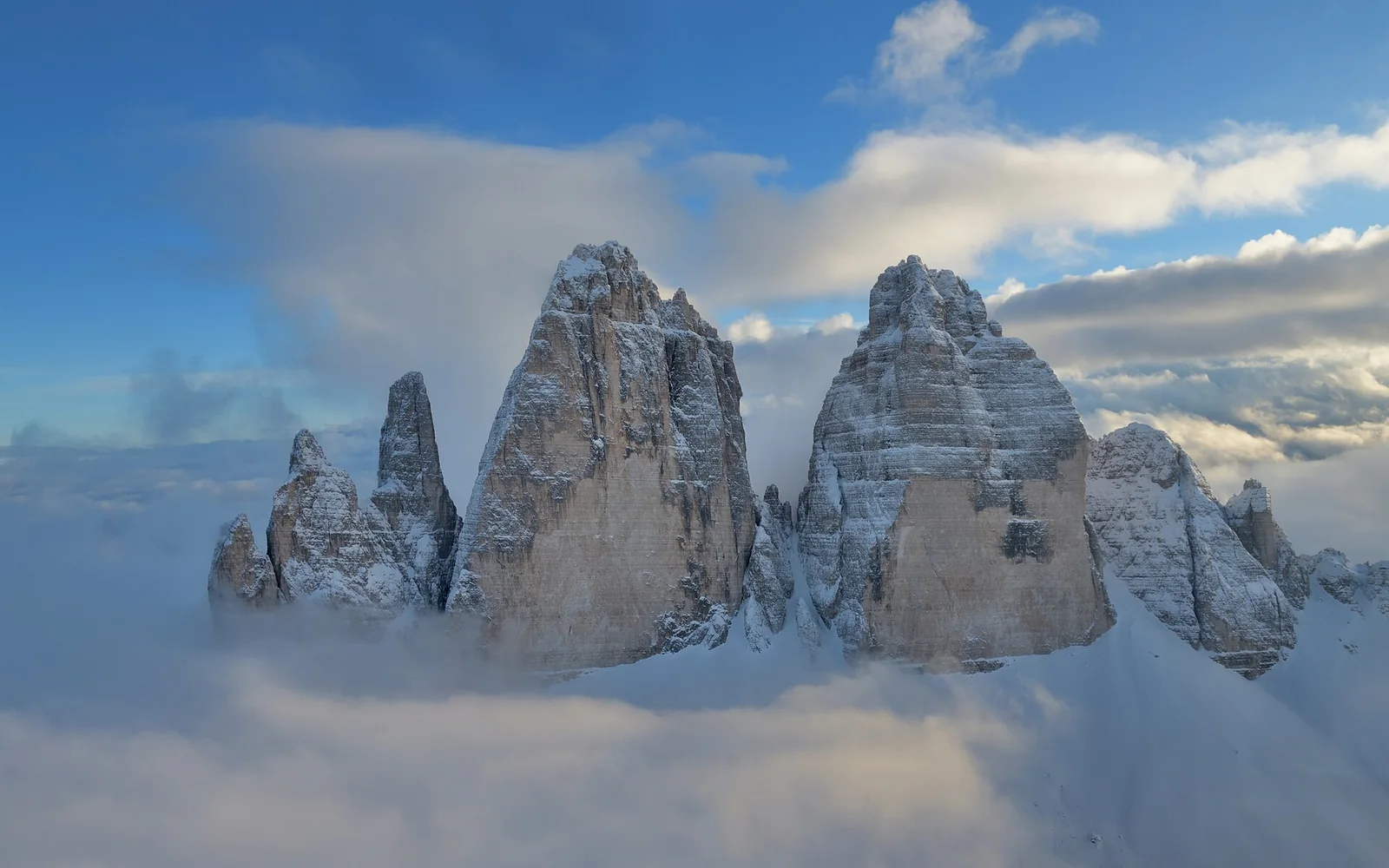
Sicily, Sardinia, Puglia and the Dolomites are substantial trips, not quick additions to the classic cities. Give one regional section enough nights and check its local trains, buses, ferries or driving conditions.
Choose a part of the country
Choose a region
Emilia-Romagna
Food cities on a useful rail corridor.
View regionGood places to start
Cities for a first trip
See all 20 cities and townsRome
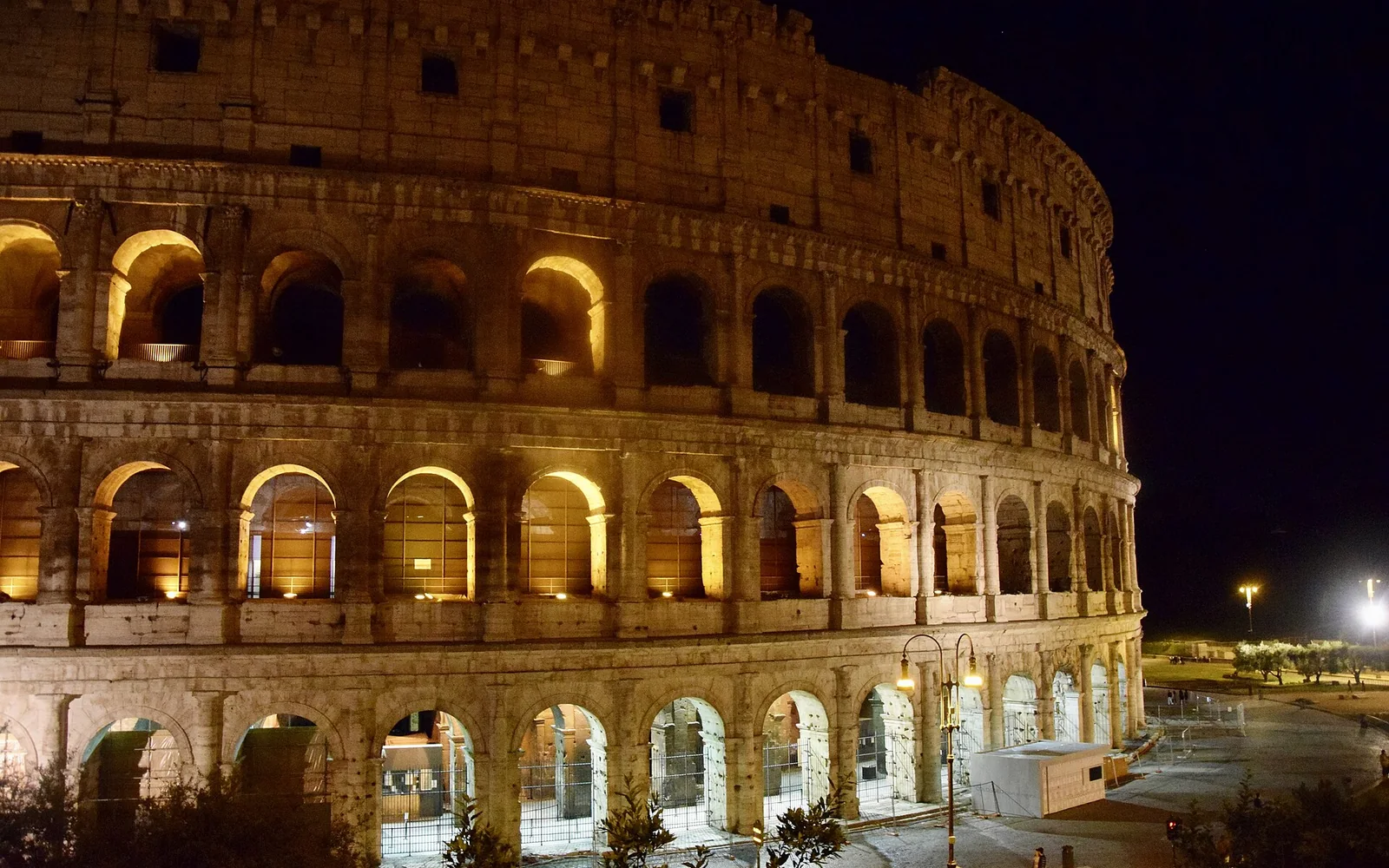
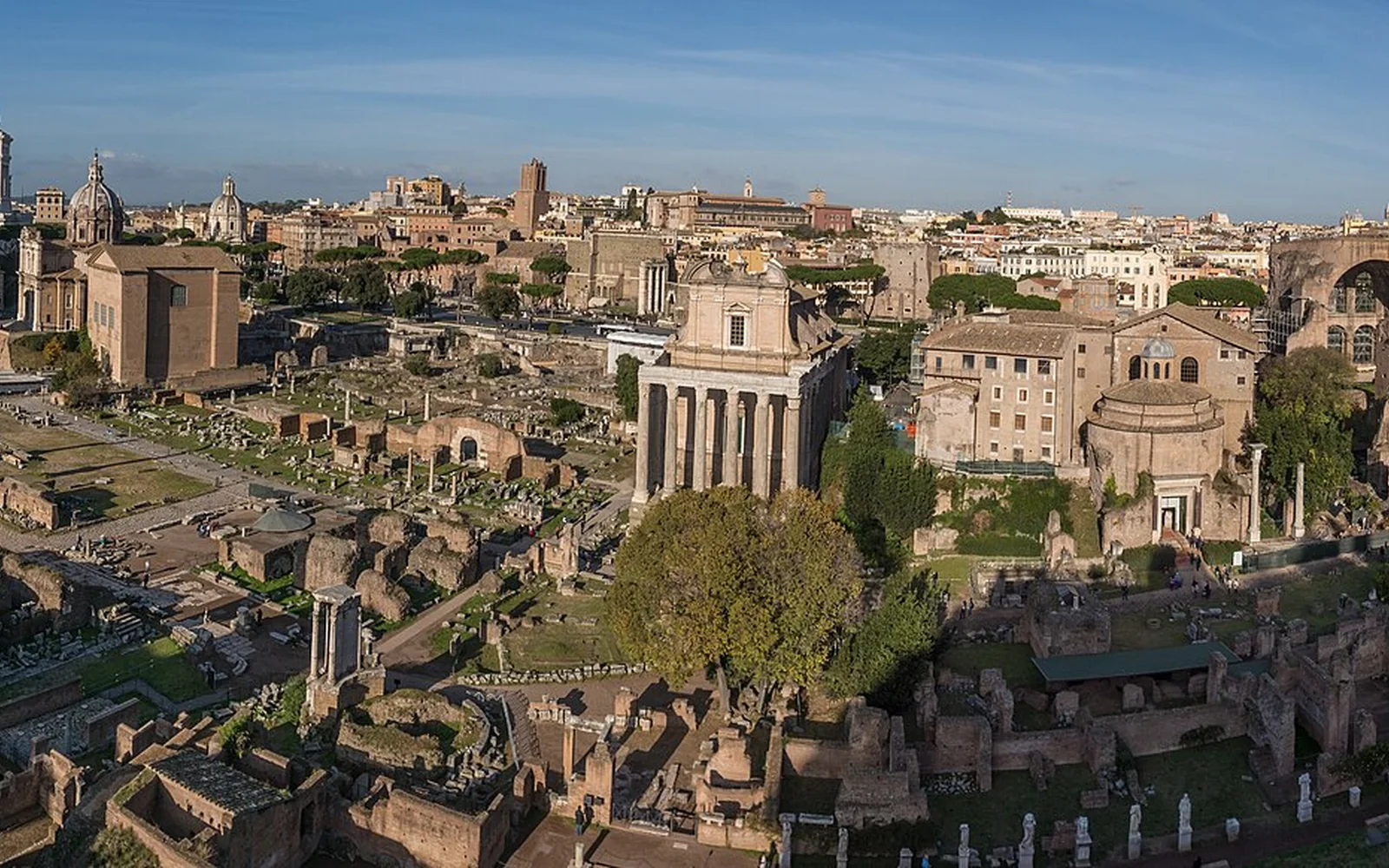
Rome combines major archaeological areas, Vatican collections, Baroque streets and lived-in neighbourhoods across a large, busy city.
Best for: Culture, Museums, Food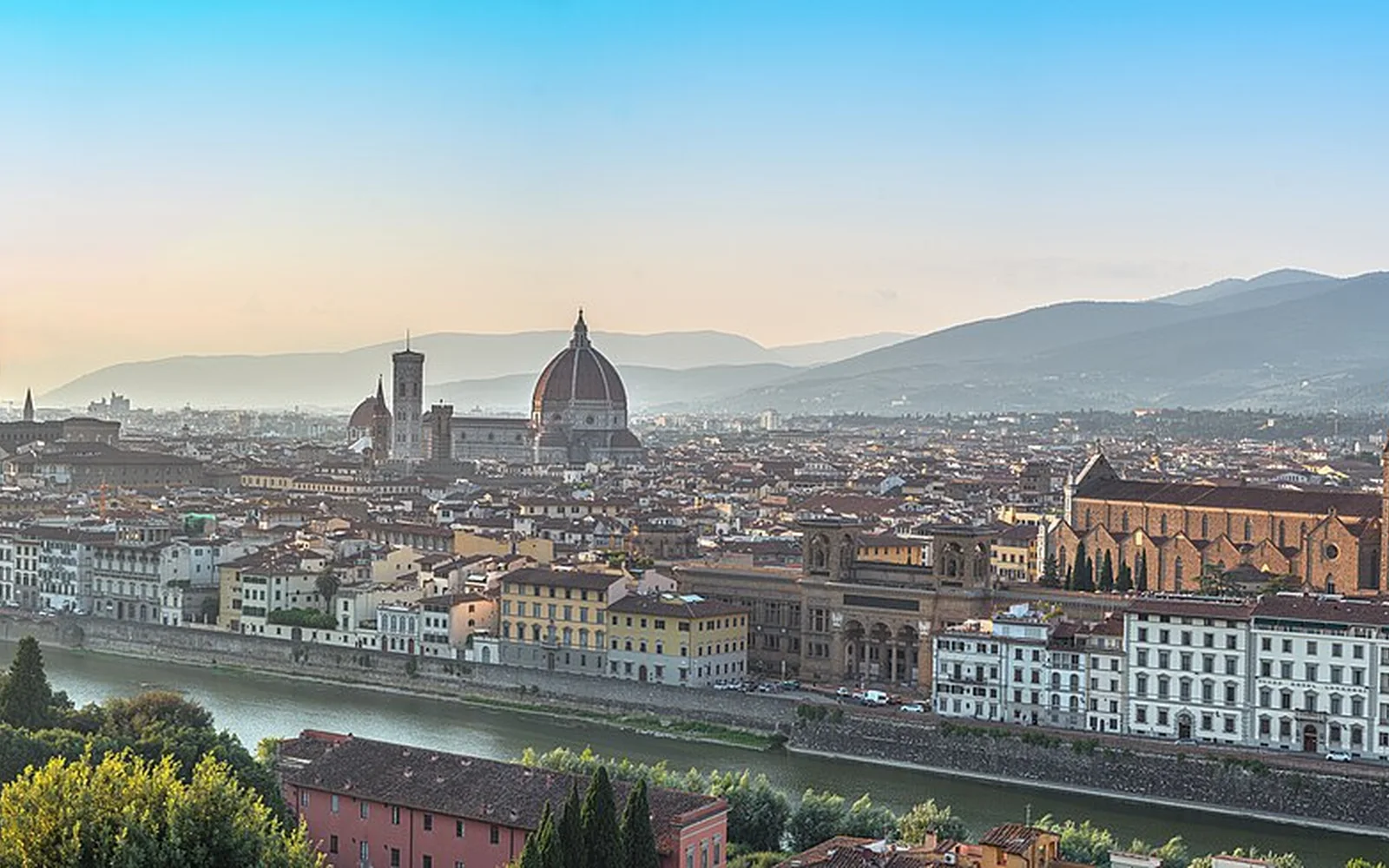
Florence
Florence concentrates Renaissance art, churches, palaces and river views in a compact centre that rewards careful museum planning.
Best for: Culture, Museums, Food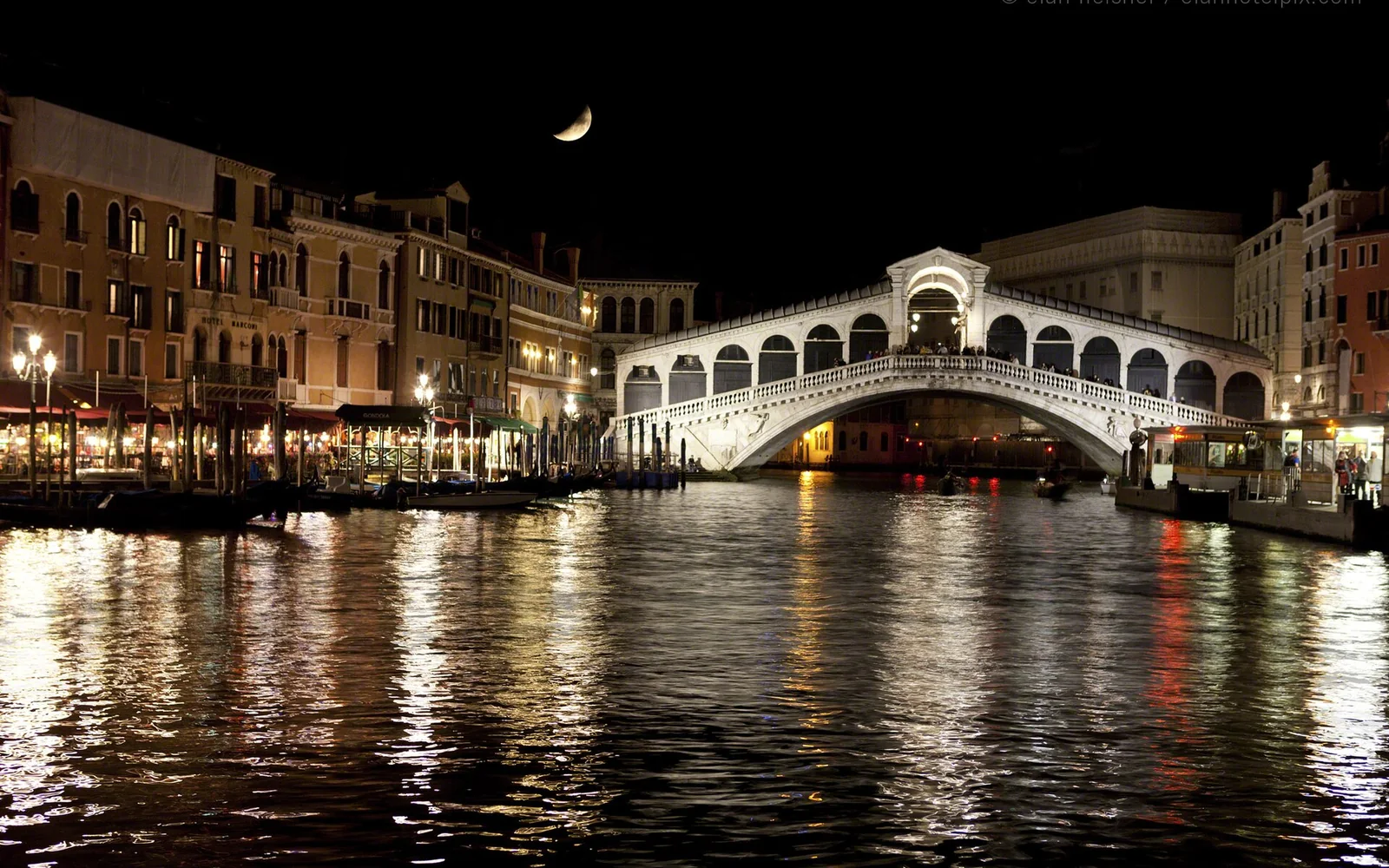
Venice
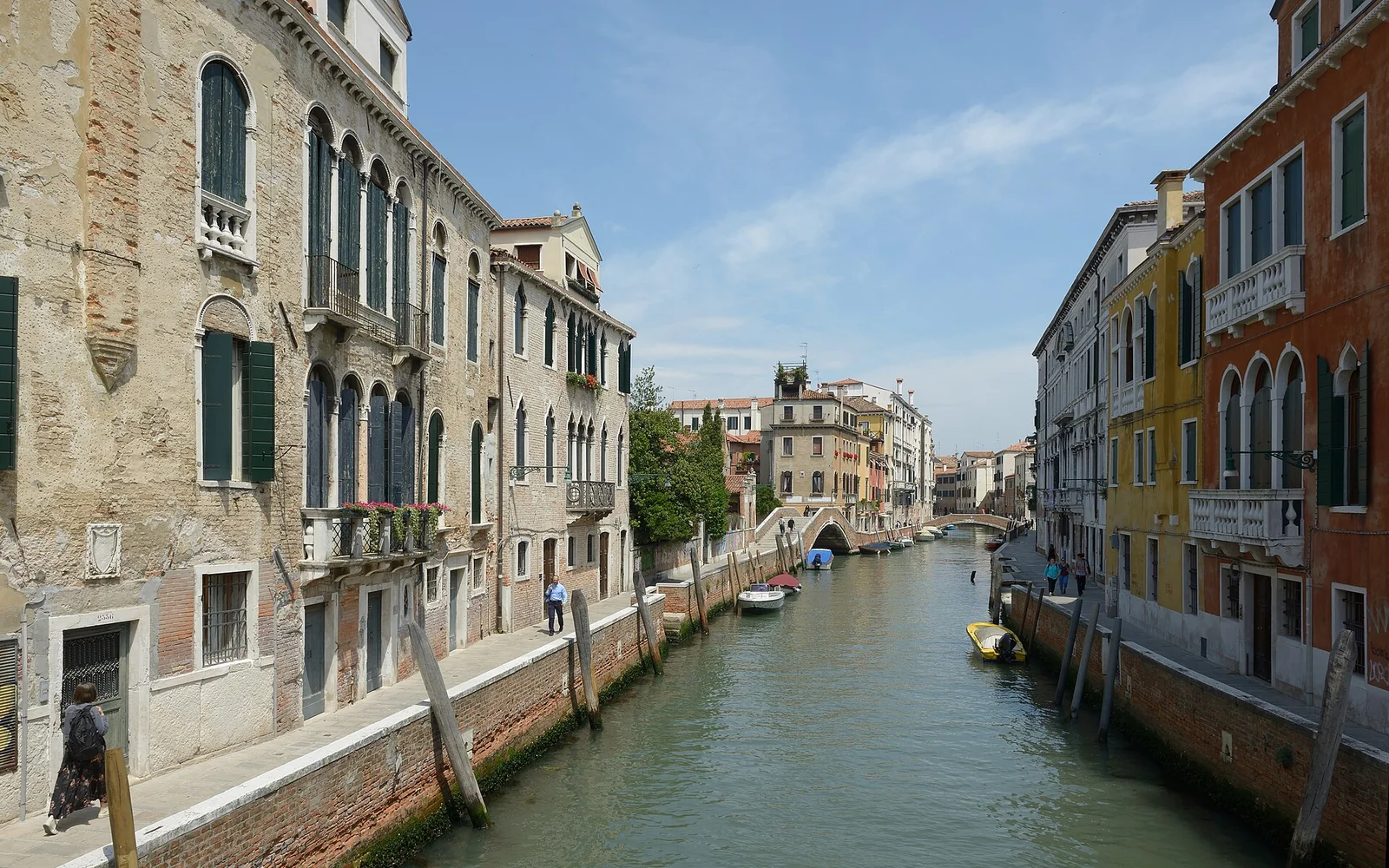
Venice is a walkable lagoon city of canals, islands and distinct districts where bridges and water transport shape every route.
Best for: Culture, Museums, Food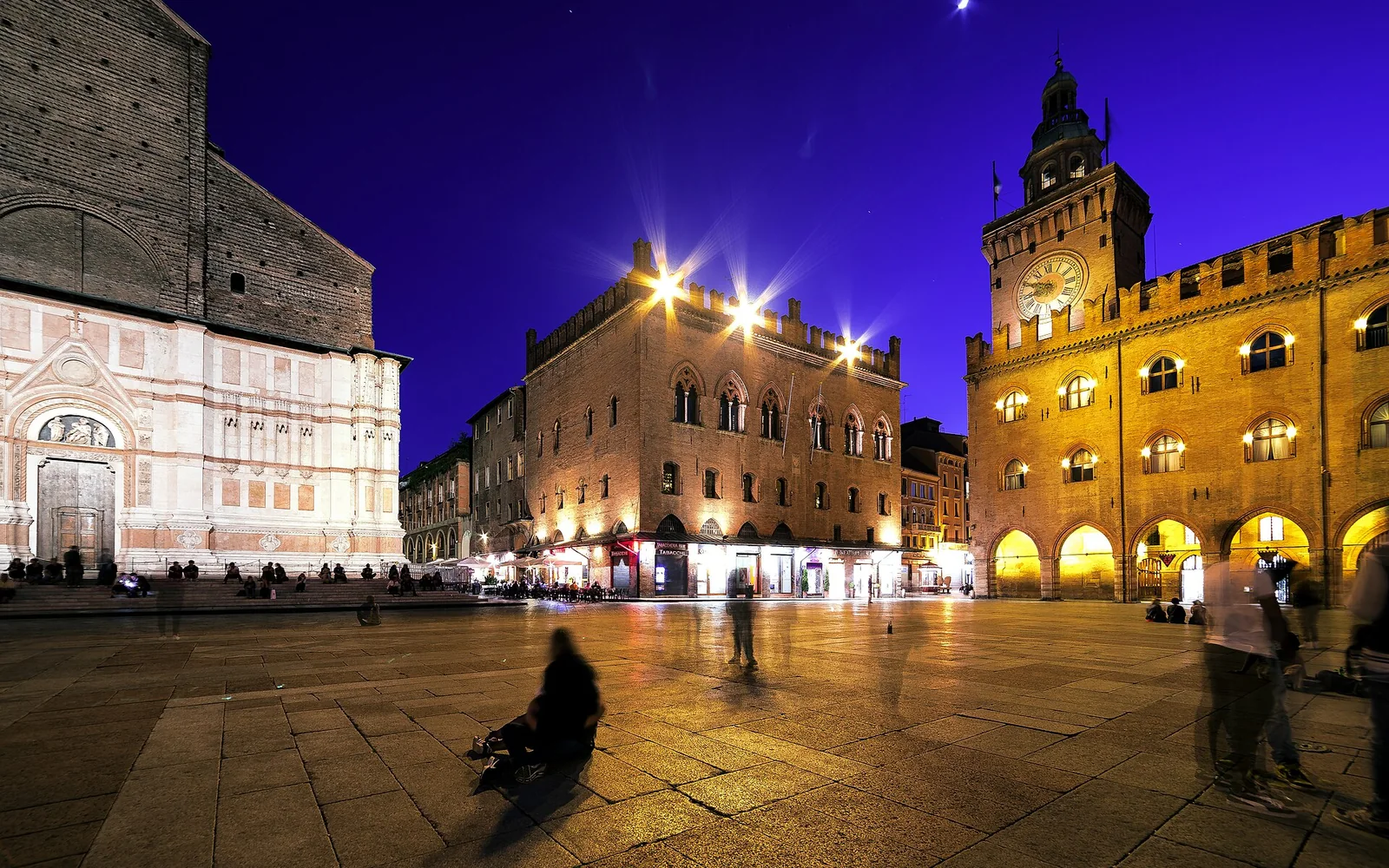
Bologna
Bologna combines medieval streets, long porticoes, a historic university and regional food within one of northern Italy’s strongest rail hubs.
Best for: Culture, Museums, Food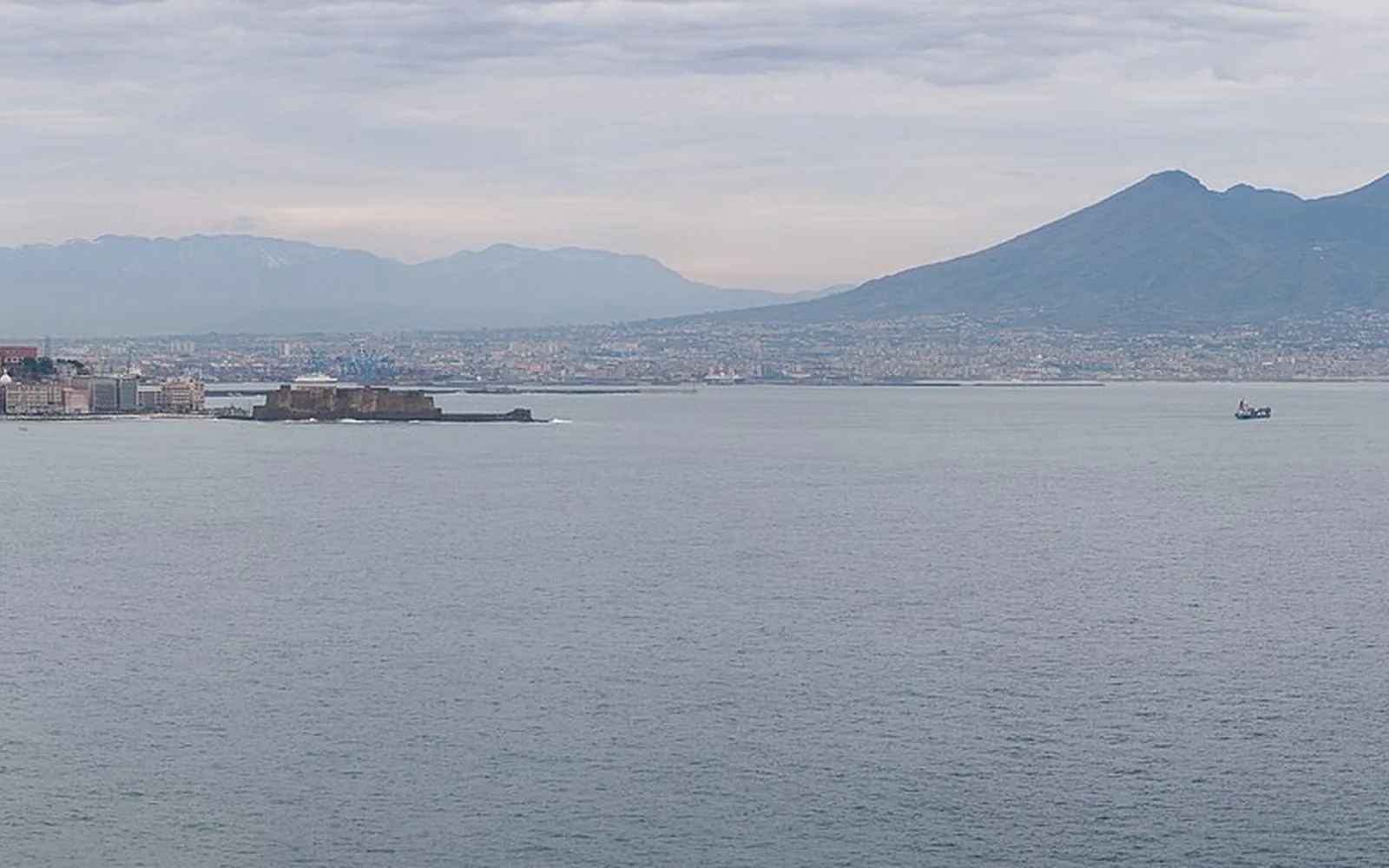
Naples
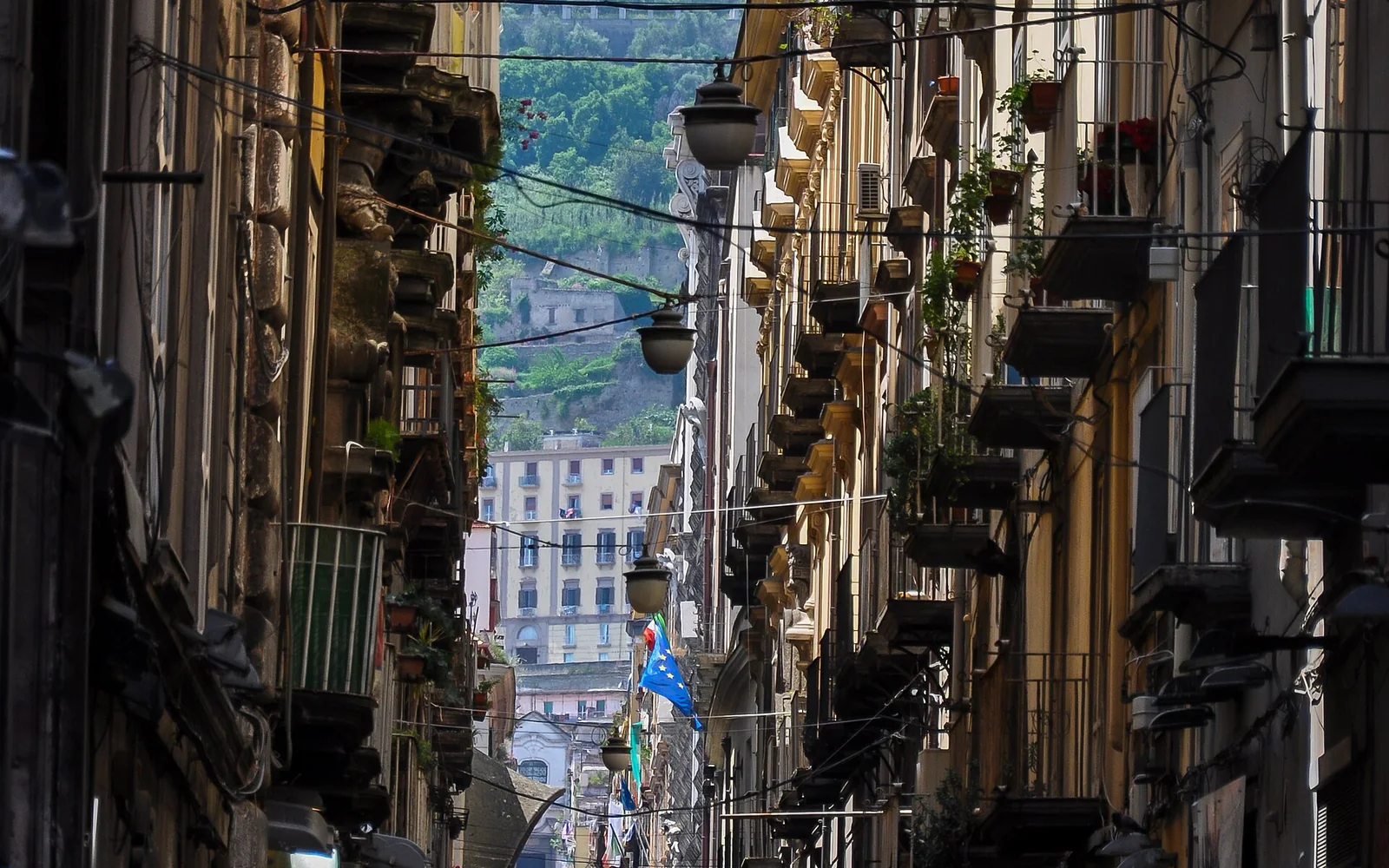
Naples is a dense southern city of historic streets, archaeology, food and bay views that also serves as Campania’s main transport hub.
Best for: Culture, Museums, Food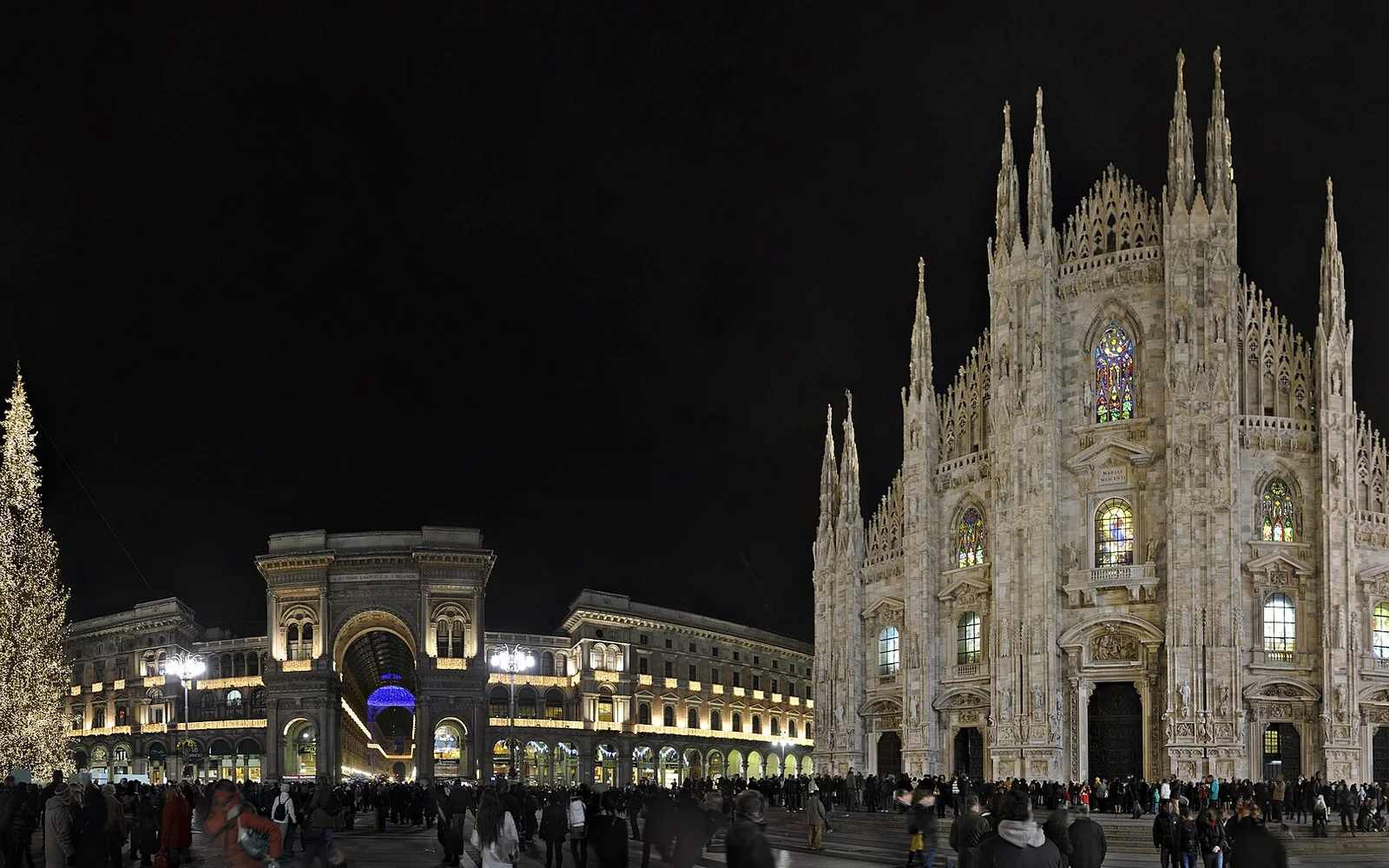
Milan
Milan mixes a monumental centre with design, art, business districts and neighbourhoods connected by a broad public transport network.
Best for: Culture, Museums, FoodChoose an island
Island guides
Campania
Capri
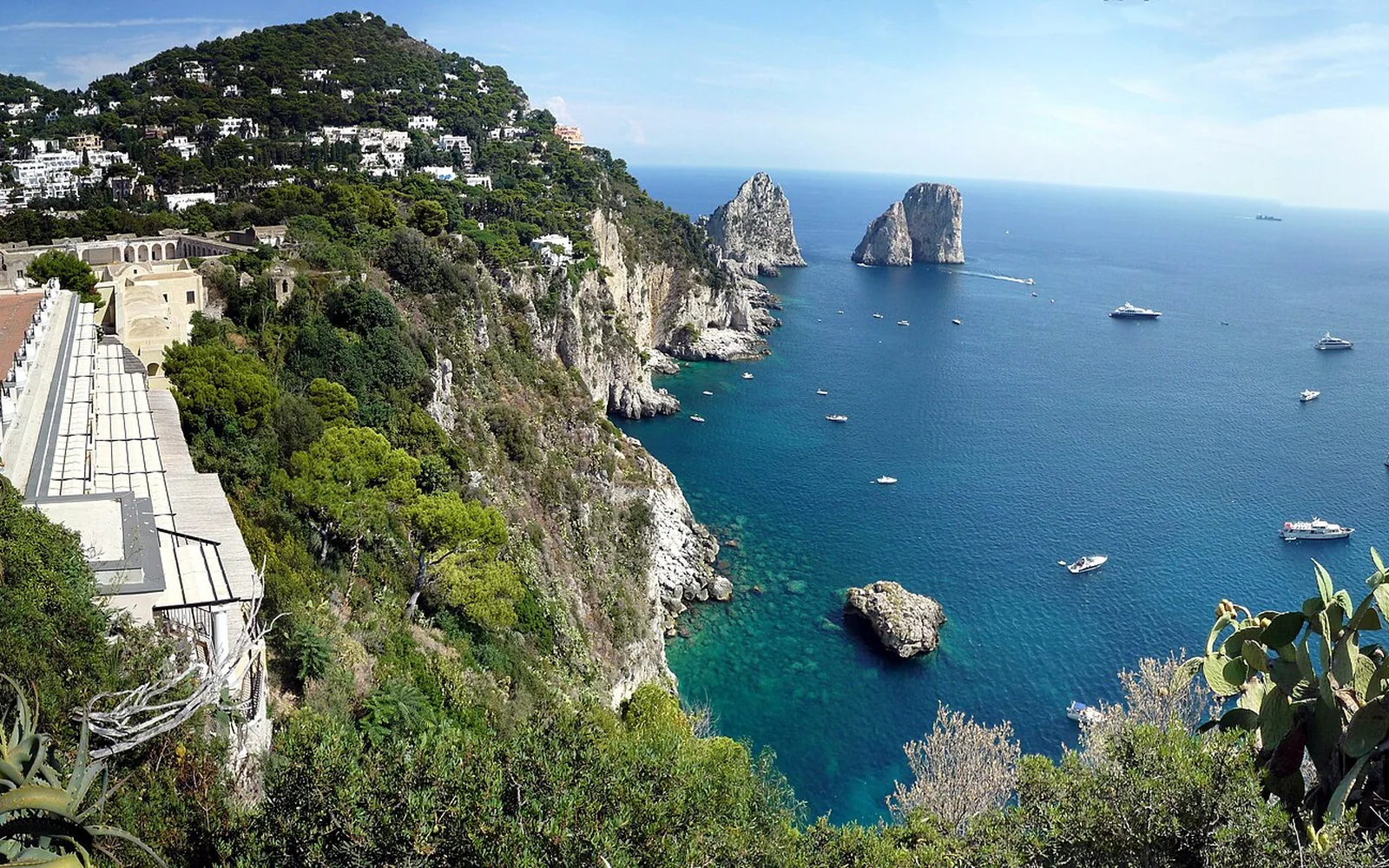
Capri is a steep, compact island with two main towns, small beaches, cliff paths and transport that becomes crowded around day-trip hours.
Open island guideItaly
Sardinia
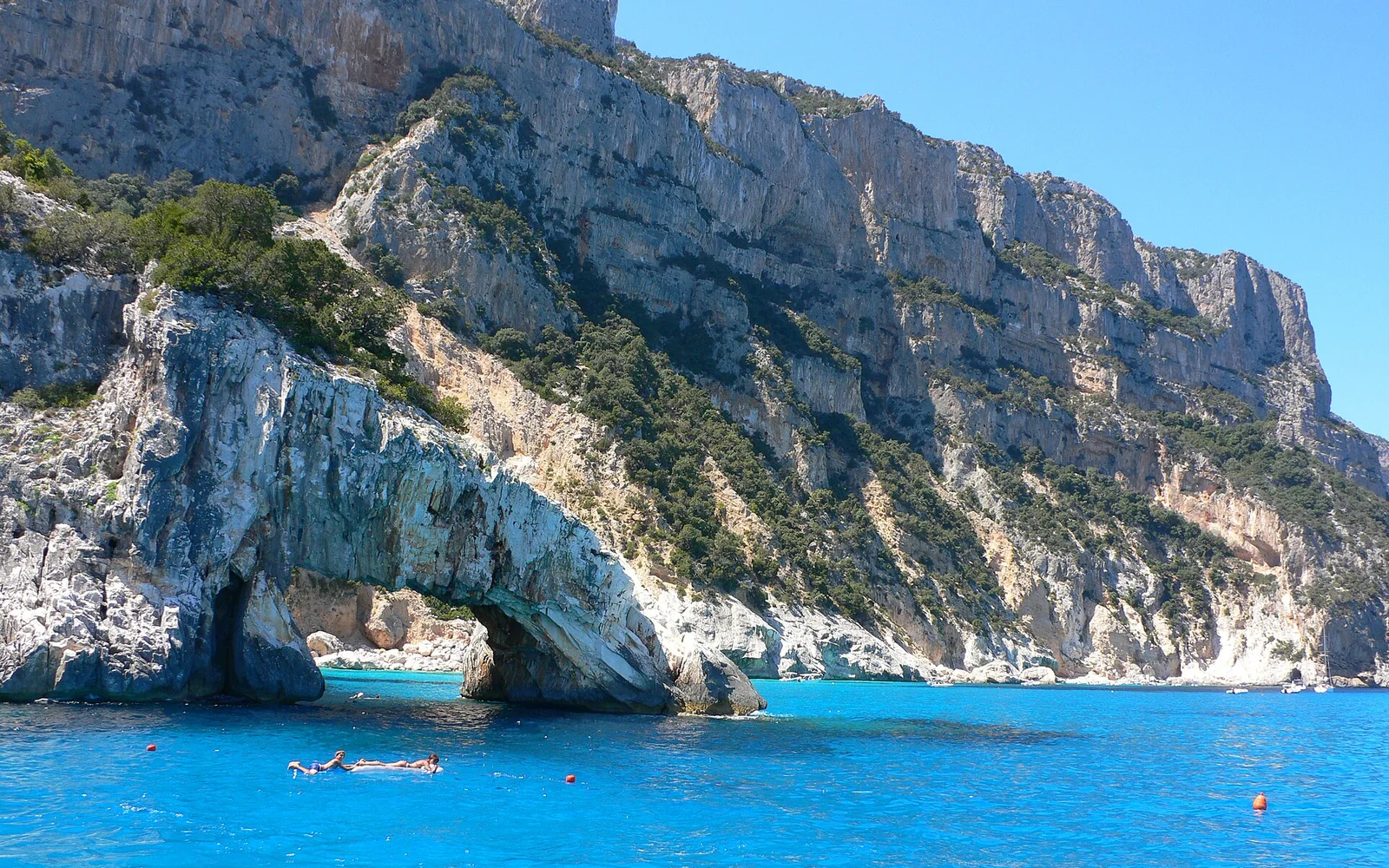
Sardinia is a large island of long coastlines, mountain interiors and archaeological sites where driving times make regional bases essential.
Open island guide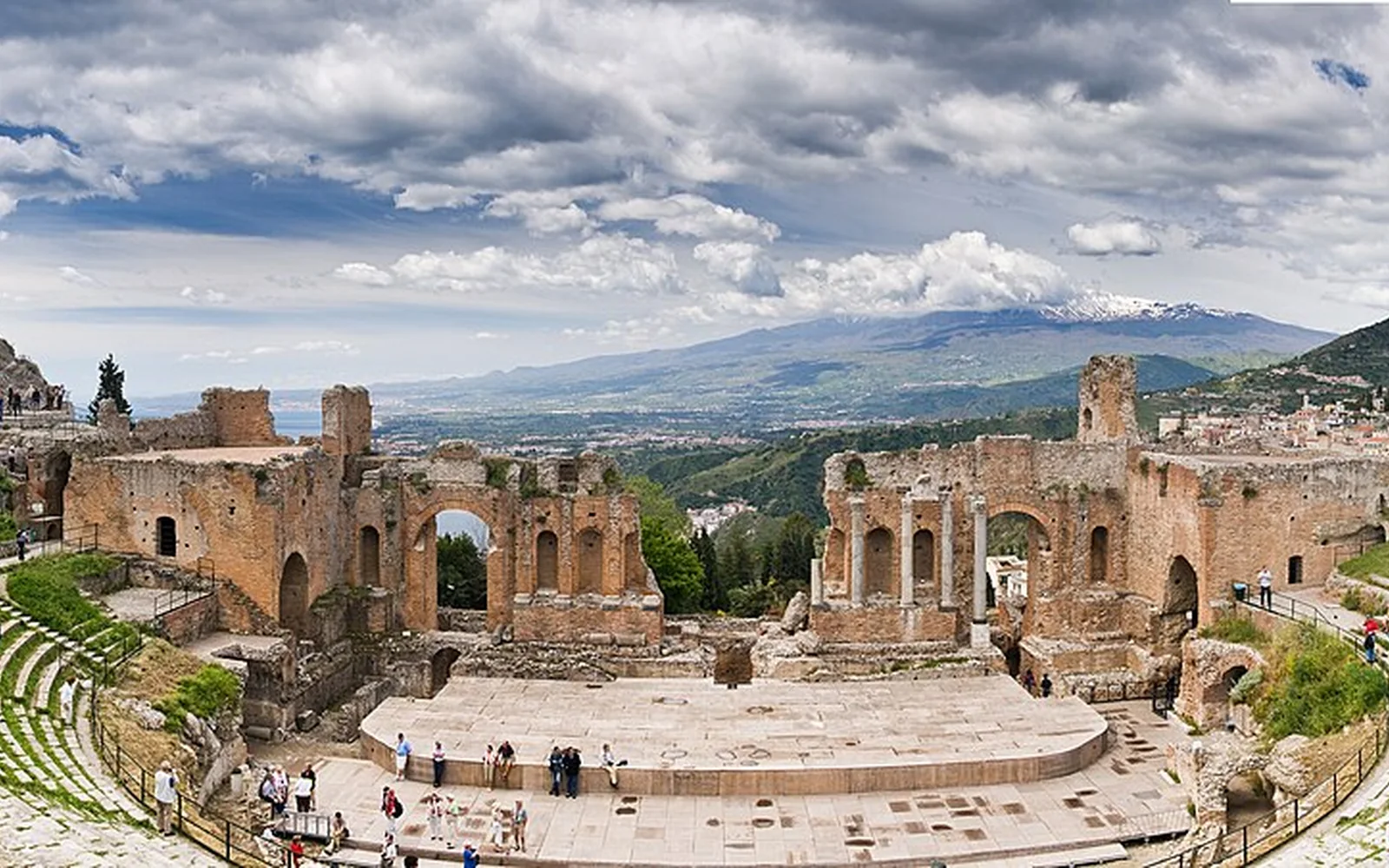
Sicily
Sicily is a large island of cities, archaeological sites, mountains and coasts where distances make two or three bases essential.
Open island guideParks and natural areas
Nature destinations
Find places by area
Browse places by region
Basilicata Matera
Liguria Genoa
Piedmont Turin
Plan a day out
Day trips and experiences
Tivoli from Rome with one main villa
A practical Tivoli day that treats Villa d’Este as the main visit and adds Hadrian’s Villa only with enough time and a clear local transfer.
Pompeii from Naples by Circumvesuviana
A full day at Pompeii with the correct rail stop, an official ticket, a selective site route and enough time for difficult ancient surfaces.
Bologna from Florence by train
A full Bologna day built around Piazza Maggiore, the historic porticoes and one carefully chosen interior, with the return train fixed first.
Match the route to your time
Choose a trip length
Two major city bases
Choose Rome with Florence, or Venice with Bologna and use high-speed rail for the main move. Add only one nearby excursion from each base. Naples and the Amalfi Coast need a separate southern route. Reserve the essential landmark first.
The classic three-city route
Link Rome, Florence and Venice, or replace one with Bologna or Naples. Keep three or four nights in each main base and reserve the most constrained museums or monuments before filling ordinary sightseeing days. Use direct trains between bases.
Cities and one regional section
Follow a rail corridor, then add Tuscany, the Dolomites, Puglia, Sicily or another focused region. A longer stay supports one substantial extension, not a collection of distant islands and coasts. Give the extension at least four nights.
Ready-made routes
Suggested itineraries
Rome, Florence and Venice in nine days
A nine-day rail route that gives Rome, Florence and Venice proper stays, with two manageable travel days and time protected for major sights.
- Main stops
- Rome, Florence, Venice
- Transport
- Train
- Best suited to
- First-time visitors who want three major Italian art cities without a rushed hotel change every other night.
- Main trade-off
- The route covers three demanding cities, so Bologna and other day trips require an extra night rather than another compressed day.
Transport choices
Getting around Italy
High-speed trains connect Rome, Florence, Bologna, Milan, Venice and Naples, while Intercity and regional services cover slower corridors. Local buses and ferries complete many coast and island journeys. Historic centres rarely need a car. A short rental helps with rural Tuscany, Puglia or mountain routes, but limited traffic zones and parking require advance planning. Island transfers need a separate timetable check.
High-speed rail
Use Frecciarossa or other high-speed services for the main city corridor. Compare the station, fare conditions and departure time before purchase, then leave enough margin before a separate regional connection.
Regional trains and buses
Regional services reach many towns and coast gateways but vary by area. Check digital or paper ticket rules and the final local bus before treating a small destination as a simple day trip.
Ferries
Sicily, Sardinia, Capri and smaller islands use different ports and operators. Confirm the exact sailing and onward transport, and keep a weather margin before an international flight or fixed long-distance train.
Driving
A car is useful for rural valleys, villages and selected coast sections. Avoid taking it into major historic centres. Check limited traffic zones, parking and accommodation access before choosing a city-edge rental.
Month-by-month planning
When to visit
Choose the month after choosing the region, since Italian art cities, Alpine routes, coasts and islands follow different seasons.
Plan fewer hotel changes
Where to base your trip
Before you travel
Practical facts
- Currency
- Euro
- Main transport
- Fast rail and regional transport
- Driving side
- Right
- Emergency number
- 112
- Main languages
- Italian, with recognised regional and minority languages
- Time zone
- Central European Time, with summer time
- Plug type
- Type C, F and L
- EU status
- EU member
- Schengen status
- Schengen member
Avoid the common route problems
Planning checks
Keep the first route connected
Rome, Florence and Venice work because rail links them cleanly. The Amalfi Coast, Sicily, Sardinia, Puglia and the Dolomites point elsewhere. Choose one extension rather than turning a longer trip into repeated cross-country moves. Allow the extension at least three nights.
Reserve only the constrained priorities
Major museums, archaeological sites and landmark interiors can use timed entry. Book the essential slot first, then leave meals, neighbourhoods and secondary churches flexible enough to handle queues, heat or transport changes. Avoid stacking timed entries across one city.
Respect local driving restrictions
Many historic centres use limited traffic zones that are not ordinary parking rules. Check the municipality and accommodation guidance before arrival, and collect a rental only when the rural section starts. Camera enforcement may apply without a visible barrier.
Compare city corridors and regional trips
See Italy travel bases by route
Loading the map…
Choose a group to compare useful bases. The map does not confirm a live route or timetable.
Choose between two places
A useful destination comparison
Rome or Paris for a first city break?
Choose Rome for ancient history, churches and street-level atmosphere. Choose Paris for large museum collections, district-based days and broader regional rail options.
Cross-border planning
Countries to combine carefully
Austria
Northern Italian cities and the Austrian Alps connect through established rail corridors.
- Likely transport
- International rail
- Minimum sensible time
- At least 10 days across both countries
- Main limitation
- Keep southern Italy for a separate trip.
Slovenia
Trieste, Ljubljana and the Karst form a compact cross-border section.
- Likely transport
- Bus, rail or car depending on the stops
- Minimum sensible time
- At least 9 days across both countries
- Main limitation
- The final local connection can be less frequent than the main international leg.
France
North-west Italy and the French Riviera can share one coastal route.
- Likely transport
- Regional and international rail
- Minimum sensible time
- At least 10 days across both countries
- Main limitation
- Do not treat Paris and Rome as part of the same short coastal plan.
Quick answers
Planning questions
How many cities fit into ten days?
Three well-connected cities are enough.
Do I need a car?
Not for the classic city route. Hire one only for a suitable rural section.
Should I book attractions?
Book high-demand places that control the day, then keep the rest flexible.
What is a sensible first route through Italy?
Rome, Florence and Venice. Link three classic cities or explore one region.
What should I confirm before booking a trip to Italy?
Reserve major museums and archaeological sites. Do not drive into restricted historic zones without checking rules.
How this guide is checked
Sources and review
Reviewed 3 September 2026, next review due 3 March 2027. Transport, access, prices and seasonal services can change, so check the official source before booking.
- Official Italian tourism information, Italian Ministry of Tourism
- Trenitalia passenger information, Trenitalia
- Italian cultural heritage information, Italian Ministry of Culture
Continue planning
More places in Italy
Browse the full destination list when the curated starting points do not match your route.