
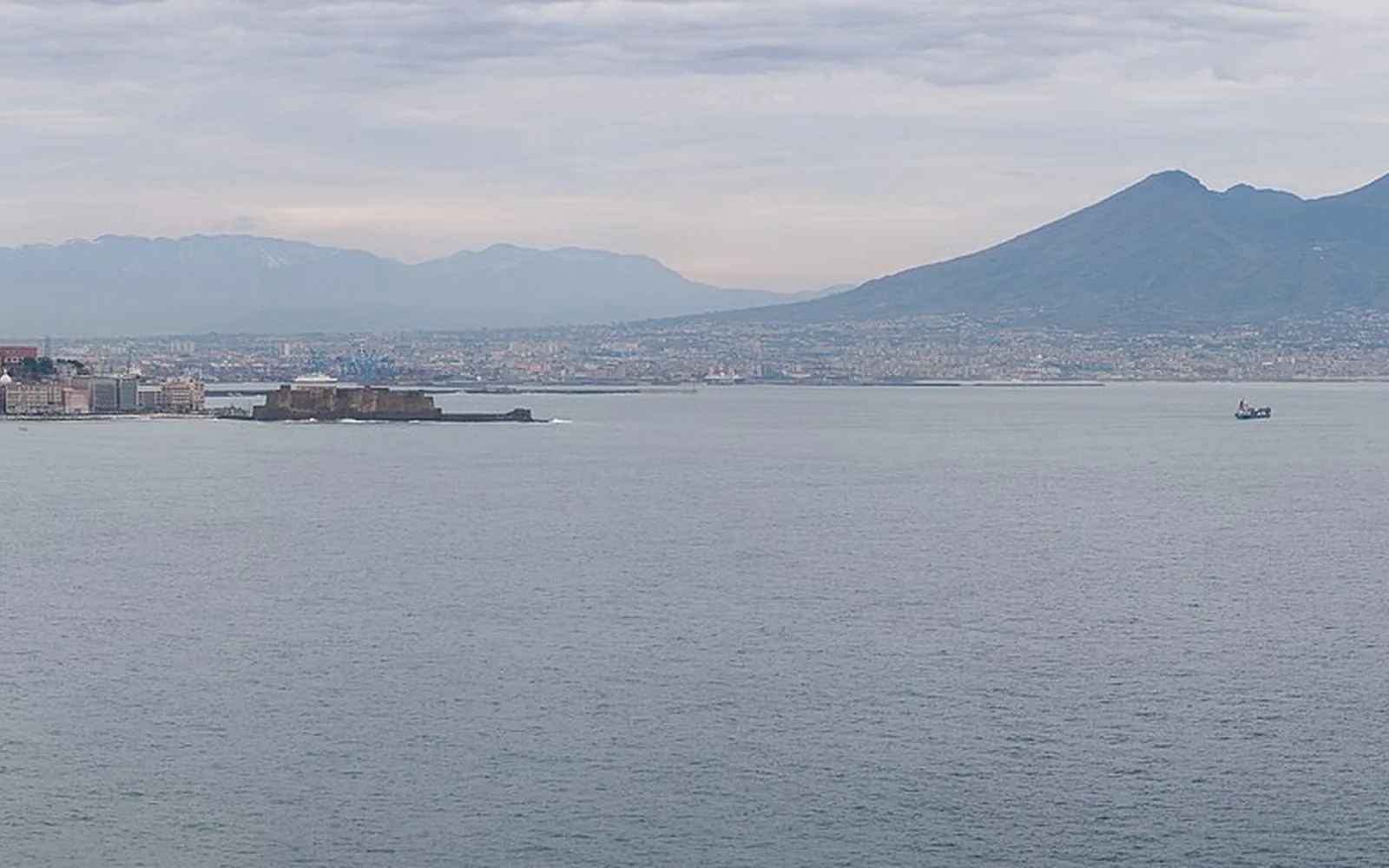
Naples is best understood through a few connected areas. Spaccanapoli and Via dei Tribunali cross the historic centre, the Archaeological Museum sits to the north, and Toledo, the Spanish Quarters, Chiaia and the waterfront extend the route west.
Give Naples time before leaving the city
Naples is best understood through a few connected areas. Spaccanapoli and Via dei Tribunali cross the historic centre, the Archaeological Museum sits to the north, and Toledo, the Spanish Quarters, Chiaia and the waterfront extend the route west.
Three days give the city its own place in a Campania trip. Pompeii, Capri and the Amalfi Coast should be treated as separate journeys rather than reasons to skip Naples itself.
Historic-centre streets
Walk the main east-west streets, then turn into selected churches, cloisters and craft lanes. The density is tiring, so avoid trying to enter every site.
Archaeology in context
The National Archaeological Museum helps explain finds from Pompeii and Herculaneum. Give it a focused half day before or after an archaeological-site visit.
Toledo and the waterfront
Via Toledo, the Spanish Quarters, Piazza del Plebiscito and the bay form a different route from the old centre. Use the funicular or metro for hill viewpoints.
Build a realistic visit to Naples
Day 1: explore Spaccanapoli, Via dei Tribunali and selected churches.
Day 2: visit the Archaeological Museum, Toledo and the Spanish Quarters.
Day 3: walk Chiaia and the waterfront, then use a funicular for a hill district.
Day 4: add a local neighbourhood, palace or underground visit rather than another long regional trip.
Arrive and move around Naples
Napoli Centrale and the connected Piazza Garibaldi area handle long-distance and local services. Ferries leave from several port points. Airport buses and taxis reach different parts of the city, so confirm the final stop.
Metro, funiculars, buses and walking cover the city. Stations can be deep, and steep streets separate the centre from hill districts. Keep valuables secure in busy transport areas and use licensed taxis.
Food and local stops in Naples
Pizza is central, but Naples also offers pasta, fried street food, seafood, pastries and strong coffee culture. Popular pizzerias can have long queues, so keep a second nearby option.
Choose the right conditions for Naples
Spring and autumn suit the city and regional connections. Summer is hot and busy at ferry points. Winter can be mild, with rain and reduced island or coast services.
Main squares and parts of the waterfront are manageable, while historic paving, crowded lanes and steep gradients vary. Metro lifts and accessible venue entrances should be checked for the exact route.
Naples traffic and street density slow movement. Do not place a flight, Pompeii visit and coast transfer on one day. Ferry times and sea conditions are date-sensitive.
Continue from Naples
Pompeii is a focused archaeological day. Sorrento and Capri work as separate bases or outings. The Amalfi Coast is more comfortable from Sorrento or Salerno than as repeated Naples day trips.
Explore the Bay of Naples
Naples travel questions
How many days do I need in Naples?
Three days cover the historic centre, archaeology museum and western districts. Add a fourth for a slower neighbourhood day before regional trips.
Is Naples a good base for Pompeii?
Yes. Local rail services connect the city and archaeological area, but check the line, station and current service before departure.
Should I stay in Naples or Sorrento?
Choose Naples for city life, museums and broader rail links. Choose Sorrento for peninsula, Capri and selected coast trips. Many routes benefit from both bases.
Sources and updates
This guide was last reviewed on 3 September 2026. Transport, access and opening arrangements can change, so check the official source before travel.
- Official Italian tourism information, Italian Ministry of Tourism
- Trenitalia passenger information, Trenitalia
- Official Campania travel information, Italian Ministry of Tourism
- Official Pompeii visiting information, Archaeological Park of Pompeii
- Italian cultural heritage information, Italian Ministry of Culture