
| Detail | Berlin | Amsterdam |
|---|---|---|
| Best fit | Modern history, broad culture and neighbourhood exploration | Canals, Dutch art and compact city sightseeing |
| Useful stay | Three to five days | Three to four days, plus time for a day trip |
| City scale | Large and dispersed across distinct districts | Compact centre with useful transport beyond it |
| Museum focus | History, archaeology, art and contemporary collections | Dutch masters, modern art and canal history |
| Local movement | Frequent use of rail, metro, tram and bus | Walking and tram, with cycle lanes requiring attention |
| Day trips | Potsdam is the strongest straightforward choice | Several historic Dutch cities are close by rail |
| Pace | More planning between widely separated areas | Shorter distances but heavy central visitor traffic |
| Combining both | Allow at least three nights before the international train | Allow at least three nights after the international train |
Berlin and Amsterdam both support culture-led breaks, but their scale changes the experience. Berlin needs deliberate travel between districts. Amsterdam places more of the first visit around a compact historic centre.
Two very different city shapes
Berlin is spread across several districts, with major sights separated by long urban journeys. Amsterdam is more compact, although canals, crowds and cycling traffic can make short map distances slower than expected.
Choose Berlin for a larger city that rewards neighbourhood exploration. Choose Amsterdam when a shorter central route and day trips by rail are more important.
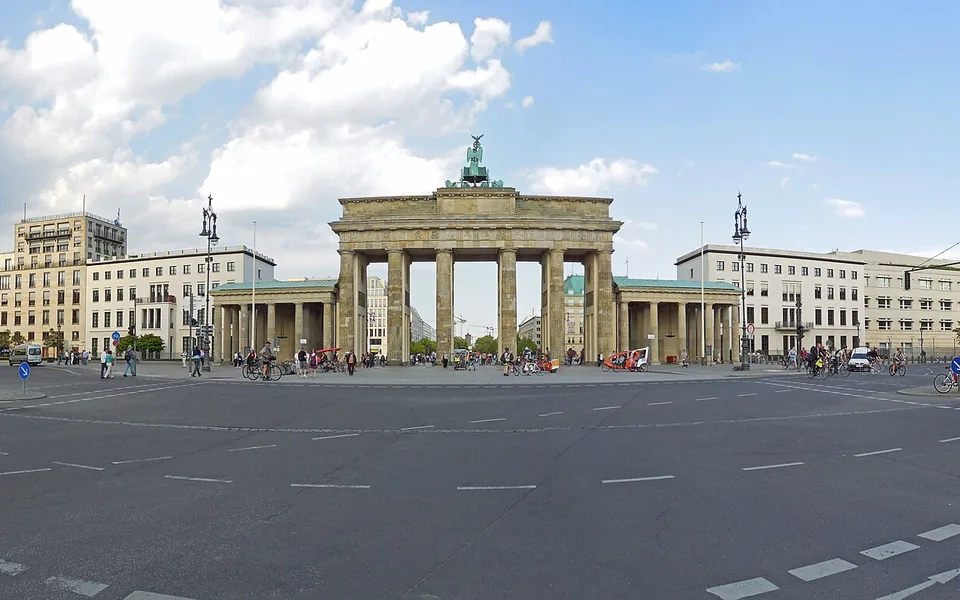
Museums, history and atmosphere
Berlin’s strongest visits often focus on twentieth-century history, Museum Island, contemporary culture or a single district. Its scale makes three or four full days useful.
Amsterdam combines major art museums, canal history and historic streets within a tighter area. Timed museum admission can determine the order of the day, so reserve the priority collection first.
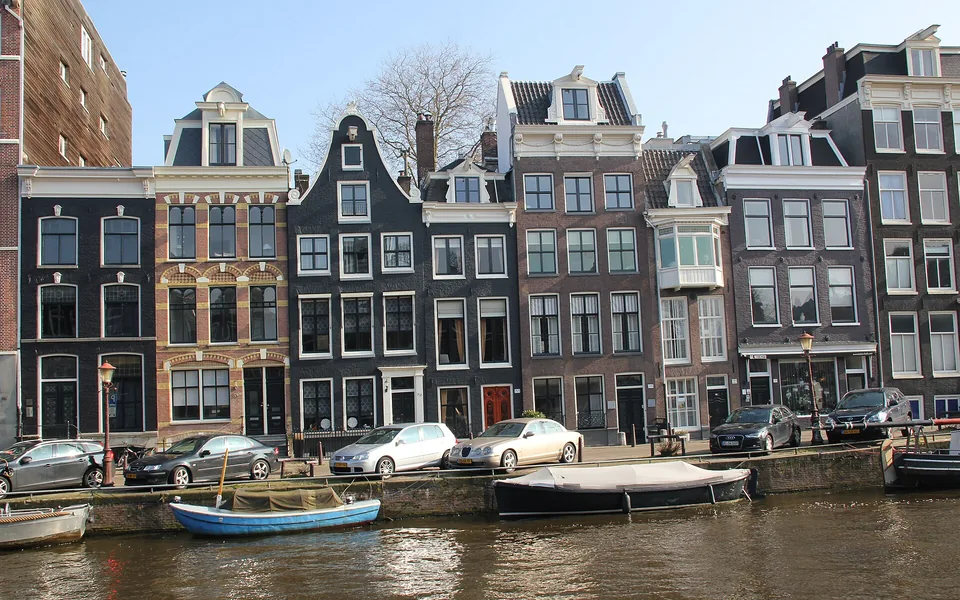
Walking and local transport
Berlin depends on U-Bahn, S-Bahn, tram and bus for efficient movement. Check the route before crossing the city and avoid grouping places only because they share a Berlin address.
Amsterdam supports more walking, but trams and metro help beyond the canal belt. Pedestrians must watch for cycle lanes, and visitors should cycle only when comfortable with local traffic patterns.
Day trips and the wider journey
Potsdam is Berlin’s clearest cultural day trip, built around Sanssouci and one part of the city centre. Dresden needs its own overnight or a deliberately long day rather than a casual addition.
Haarlem, Utrecht, Leiden and other Dutch cities are close enough for straightforward rail days from Amsterdam. Staying outside Amsterdam can also create a quieter base without losing rail access.
Which city should you choose?
Pick Berlin for modern history, broad museum choice, nightlife and the contrast between its neighbourhoods. Pick Amsterdam for canals, Dutch art and a compact city break with several easy rail extensions.
The cities are connected by international trains, but the journey takes a substantial part of a day. A combined trip works best when each city receives at least three nights.
Read the two city guides
Planning sources
Transport, visitor information and attraction details can change. Check the official pages before booking.
- DB passenger information Deutsche Bahn, checked 2 September 2026
- Official Berlin visitor information Berlin Tourismus, checked 29 August 2026
- Official Netherlands visitor information Netherlands Board of Tourism and Conventions, checked 2 September 2026
- Official Amsterdam visitor information Amsterdam and Partners, checked 29 August 2026
- NS passenger information Nederlandse Spoorwegen, checked 29 August 2026
- Rail travel in Germany German National Tourist Board, checked 3 September 2026
Comparison reviewed 3 September 2026.