
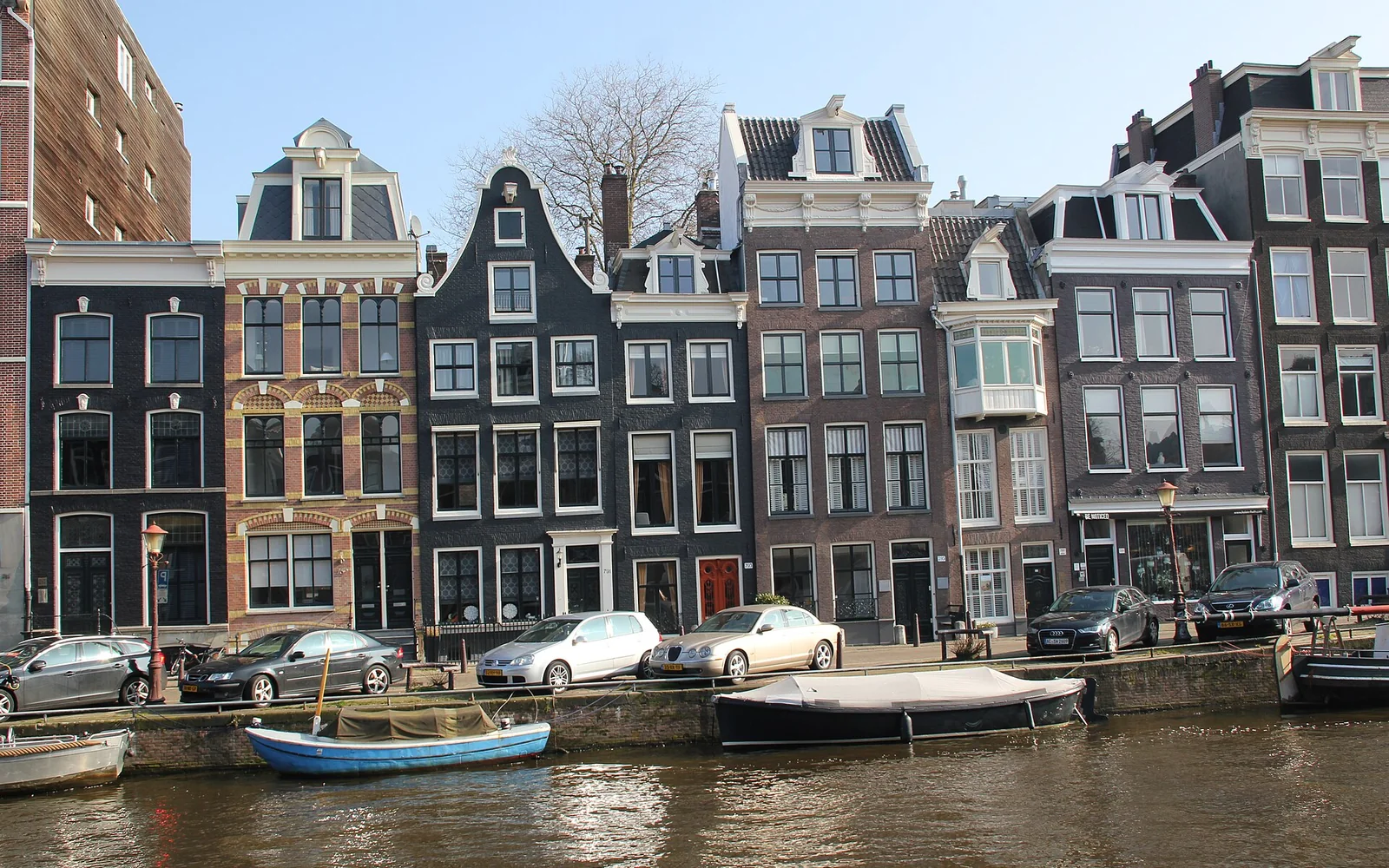
The seventeenth-century canal belt, Museumplein and the old centre form the main first-visit route. Jordaan, De Pijp, Oost, Noord and the western districts each add a different pace beyond the busiest streets.
Start with the main local route
The seventeenth-century canal belt, Museumplein and the old centre form the main first-visit route. Jordaan, De Pijp, Oost, Noord and the western districts each add a different pace beyond the busiest streets.
Amsterdam is compact on a map but crowded around major sights. Book fixed-entry museums first, group the day by district and walk or use public transport instead of treating every stop as a bicycle ride.
Build the day around one museum
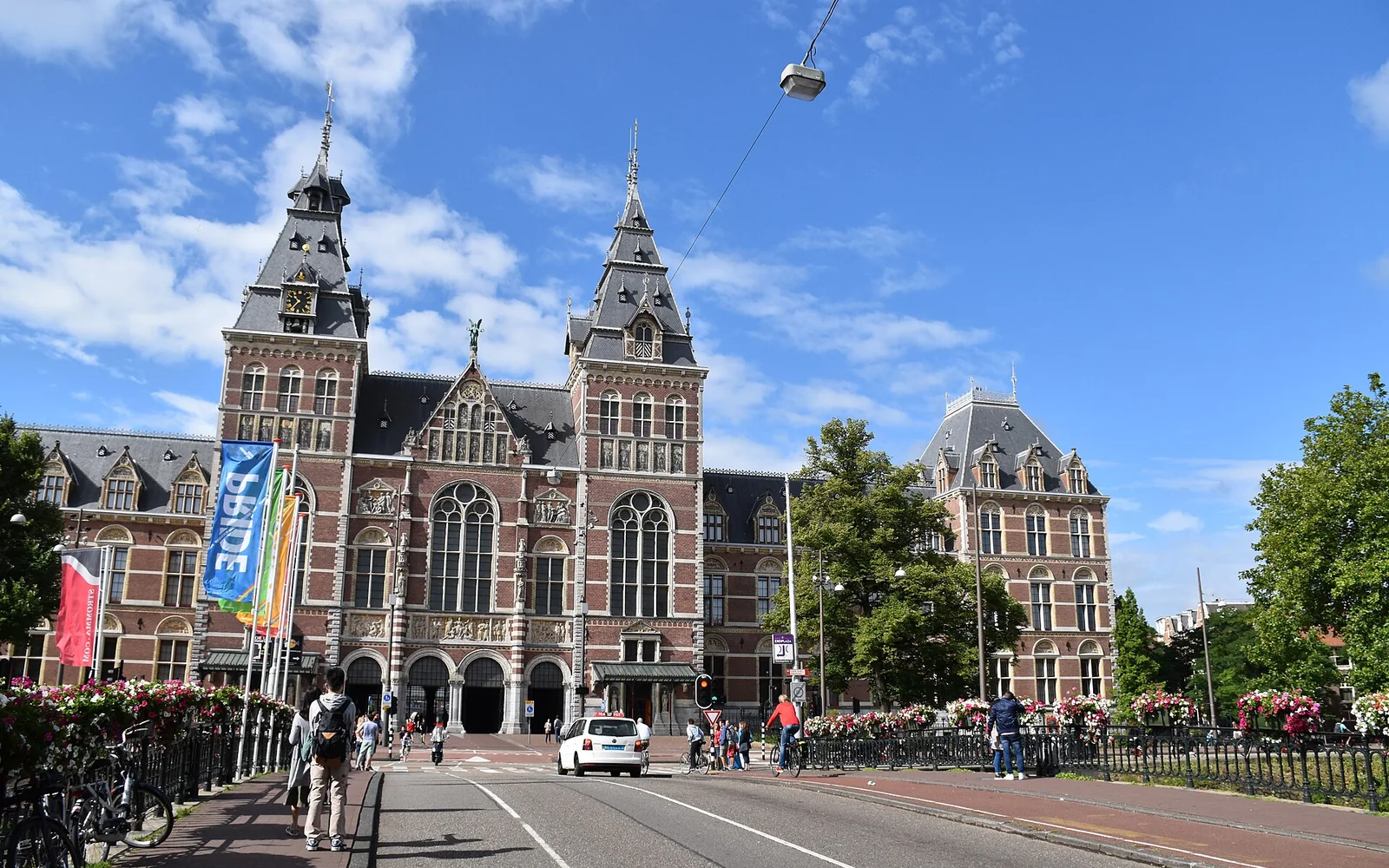
The Rijksmuseum, Van Gogh Museum and Anne Frank House each need enough time and separate booking checks. One major collection plus a nearby district makes a balanced day.
Walk the canal belt by section
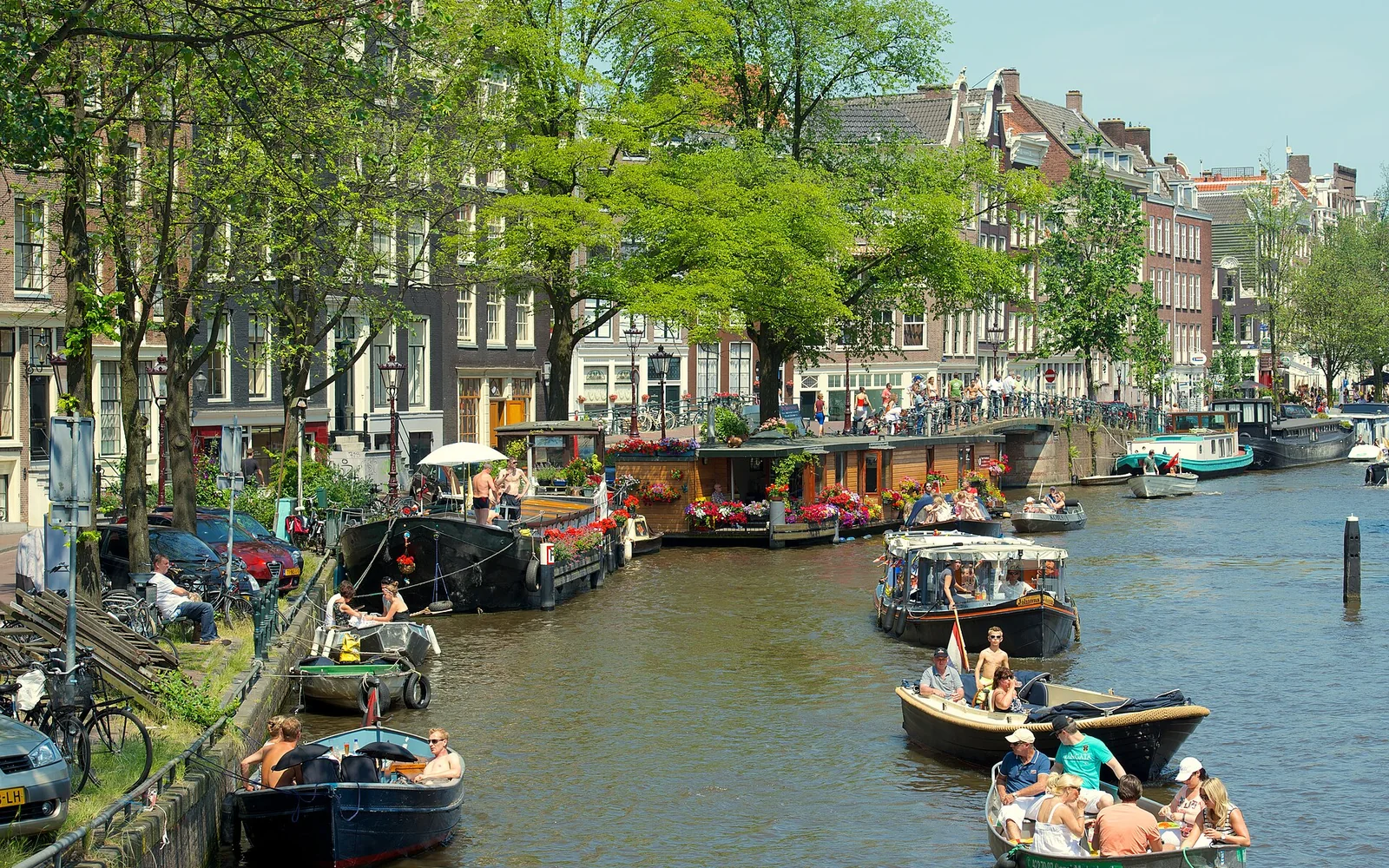
Choose a smaller loop around the western canals, Jordaan or the Amstel rather than following every canal in one long circuit.
Make room for lived-in neighbourhoods
Keep noise down, stay out of bicycle lanes and avoid photographing residents through windows or blocking narrow doorways.
Getting there
Schiphol has direct trains to Amsterdam Zuid, Centraal and other city stations. International trains arrive at Centraal or Zuid depending on the service. Check the exact station before choosing a hotel transfer.
Getting around
Trams, metros, buses, ferries and walking cover the city. Cycling is efficient for confident riders who understand signals, bicycle lanes and parking rules, but it is not required for a good visit.
Food to look for
Look beyond the most crowded centre for Indonesian rijsttafel, Surinamese cooking, brown cafés, bakeries, herring stalls and contemporary Dutch restaurants. Book small popular places.
When to visit
Spring brings flowers and strong demand. Summer stays light late and feels busy. September and October suit walking, while winter is quieter outside holidays with short daylight and rain.
Accessible travel
Modern museums and much of the transport network offer accessible facilities, while canal houses, bridges and old pavements can be difficult. Check the stated entrance and lift for each venue.
Practical limits
Museum tickets sell out, bicycle lanes are active traffic space, and central nightlife rules are enforced. Follow current City of Amsterdam and venue guidance.
Nearby places
Haarlem and Zaanse Schans fit focused trips. Utrecht, Leiden and The Hague are better treated as separate city days or onward bases.
Continue planning
- North Holland guide
- Haarlem travel guide
- Zaanse Schans guide
- Utrecht travel guide
- Netherlands travel guide
Questions about Amsterdam
How many days do I need in Amsterdam?
Three days cover the main canals, one or two major museums and several neighbourhoods. Four or five days allow a slower pace and smaller collections.
Do I need to cycle in Amsterdam?
No. Walking and public transport are easier for many visitors. Rent a bicycle only if you are comfortable in busy urban traffic.
Where should I stay in Amsterdam?
Choose a district with a direct tram, metro or train connection. Staying outside the busiest centre often gives better sleep without making the sights difficult to reach.
Daily planning ranges
Travel costs in Amsterdam
These planning ranges are per person, per day and assume two people sharing a room. They are not live quotes.
Standard daily breakdown
- Accommodation
- €110 to €195
- Food
- €42 to €65
- Local transport
- €10 to €20
- Activities
- €28 to €55
What the range assumes: Per person, per day, based on two people sharing a sensible double or twin room. The standard range allows for ordinary paid sightseeing, local transport and a mix of casual and mid-range meals.
Seasonal note: Spring weekends, major events and peak summer dates put heavy pressure on central rooms.
Not included: International travel, intercity travel, shopping, travel insurance and major special-event premiums are excluded.
Price basis 29 August 2026, reviewed 29 August 2026, next review due 28 February 2027.
Cost sources
Sources and updates
This guide was last reviewed on 3 September 2026. Transport, access and opening arrangements can change, so check the official source before travel.
- Official Netherlands visitor information, Netherlands Board of Tourism and Conventions
- Official Netherlands rail journey planner and service information, NS
- Official nationwide public transport journey planner, 9292
- Official Amsterdam visitor information, Amsterdam and Partners