
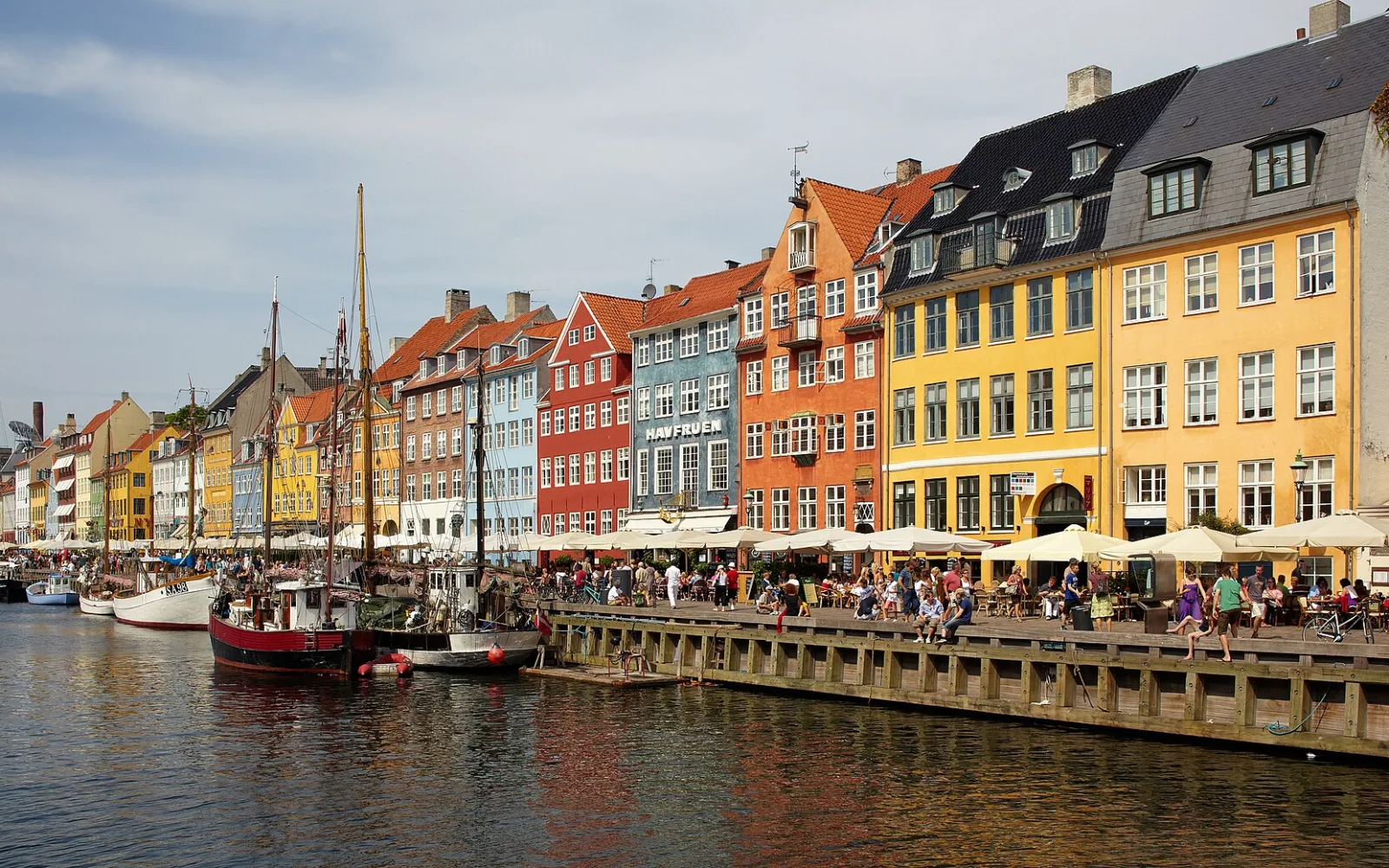
Start with the essentials
Plan Denmark at a glance
- Useful first trip
- 7 to 10 days
- Main transport
- Intercity rail, regional buses, ferries and cycling
- Best approach
- Choose one connected corridor
- Car use
- Useful mainly for rural and nature routes
- Ideal trip length
- 8 days
- Best months
- May, Jun, Aug, Sep
About Denmark
Why visit Denmark
Cycling cities, coastal towns, modern design and island landscapes give Denmark a relaxed but varied travel experience.
Denmark is easy to cross by rail, but its islands and coastal landscapes reward slower route choices. Copenhagen, Jutland, Funen, Bornholm and the smaller islands solve different trip needs.
Plan Denmark by region
Denmark is compact, but its bridges, ferries and island geography still reward a clear route. Copenhagen works well with North Zealand, while Jutland, Funen, Bornholm and the smaller islands each need their own time.
Ferry reservations, bridge crossings, school holidays and coastal wind matter more than the country’s short map distances suggest.
Choose a part of the country
Choose a region
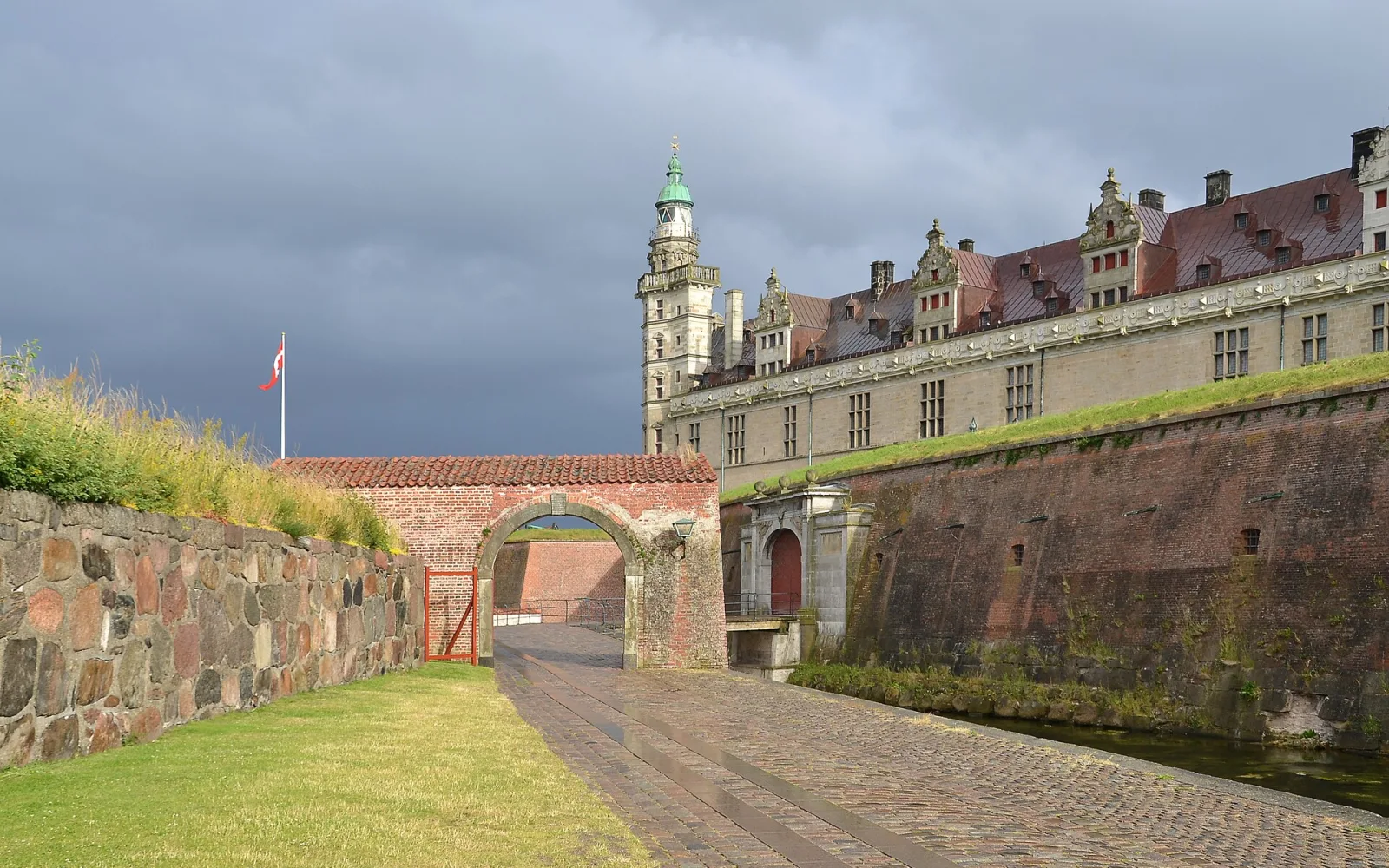
Copenhagen and North Zealand
Use Copenhagen for urban days, then follow the coast for royal sites, modern art and Helsingør rather than treating the whole region as the capital.
View region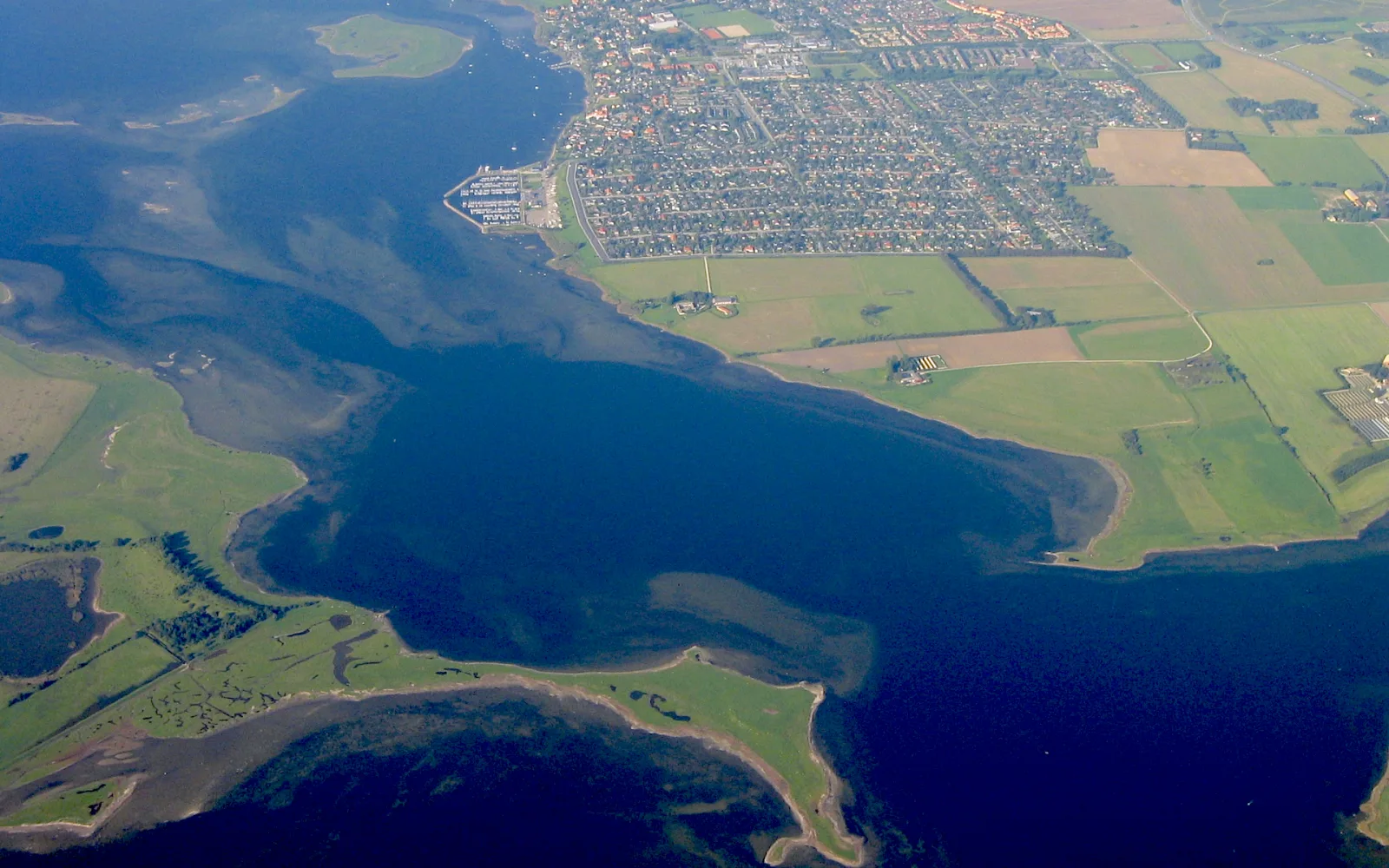
Zealand and Møn
Connect Roskilde’s history with South Zealand and Møn’s cliffs only when the route allows for slower rural transport.
View region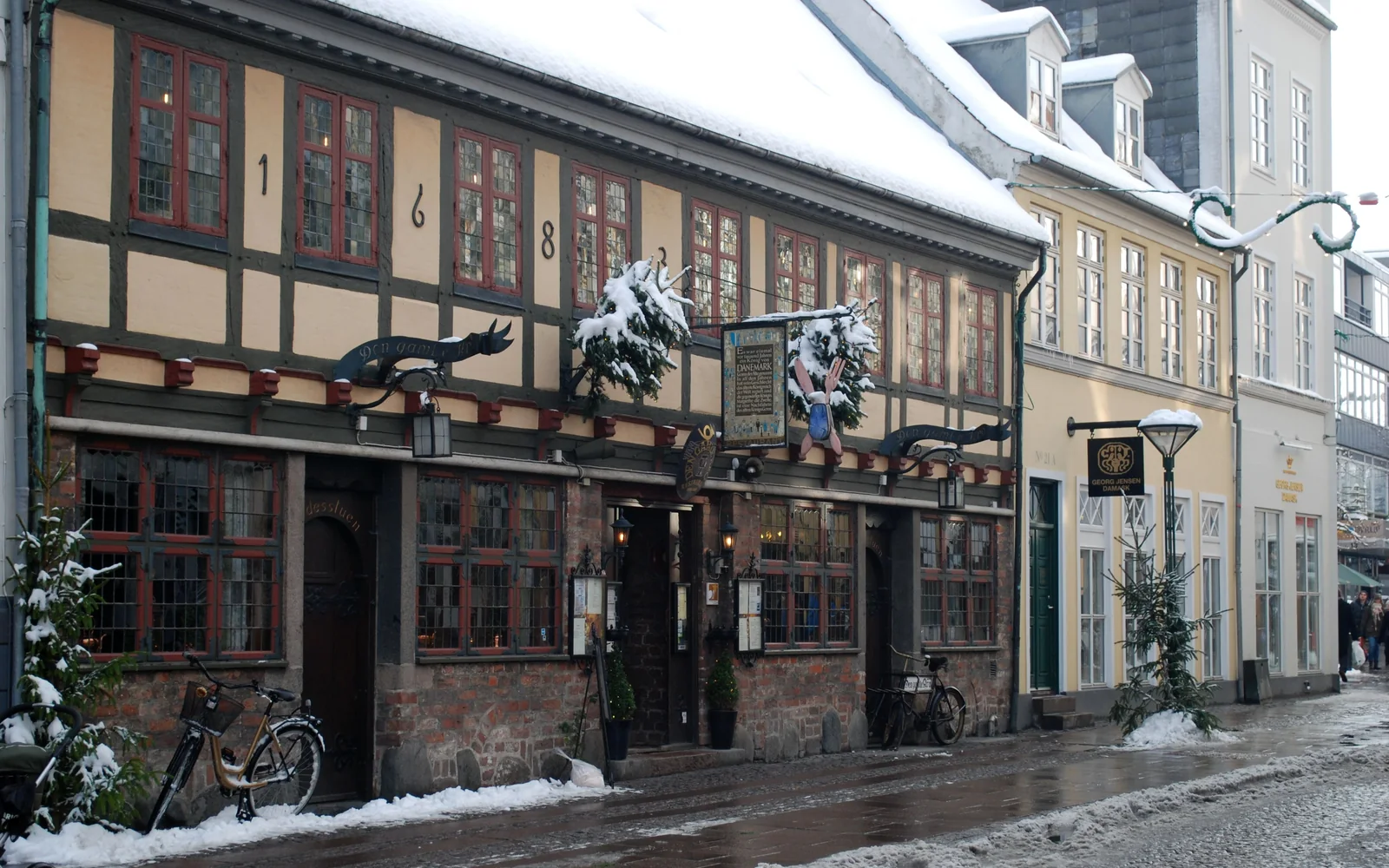
Funen and Islands
Use Odense as the rail anchor, then decide whether castles, coast or a smaller island deserves the additional transfer time.
View regionJutland
Jutland ranges from Aarhus and family attractions to North Sea nature, so choose a north, west or east route rather than crossing the peninsula repeatedly.
View regionGood places to start
Cities for a first trip
See all 12 cities and towns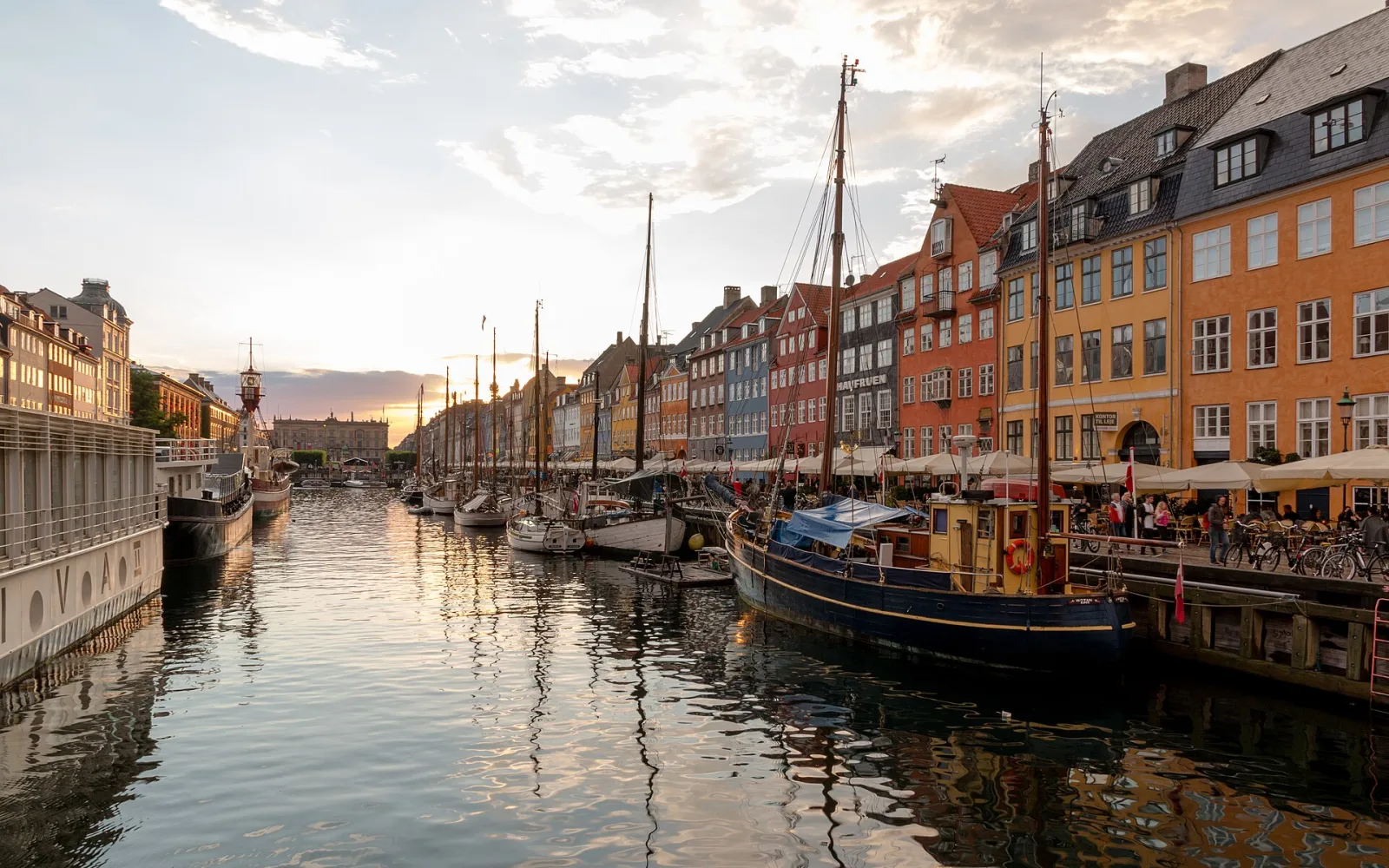
Copenhagen
Build the visit around neighbourhoods, harbour crossings, major museums and booked restaurants instead of repeating the same central walking loop.
Best for: Culture, Food, Museums Suggested time: 3 to 4 days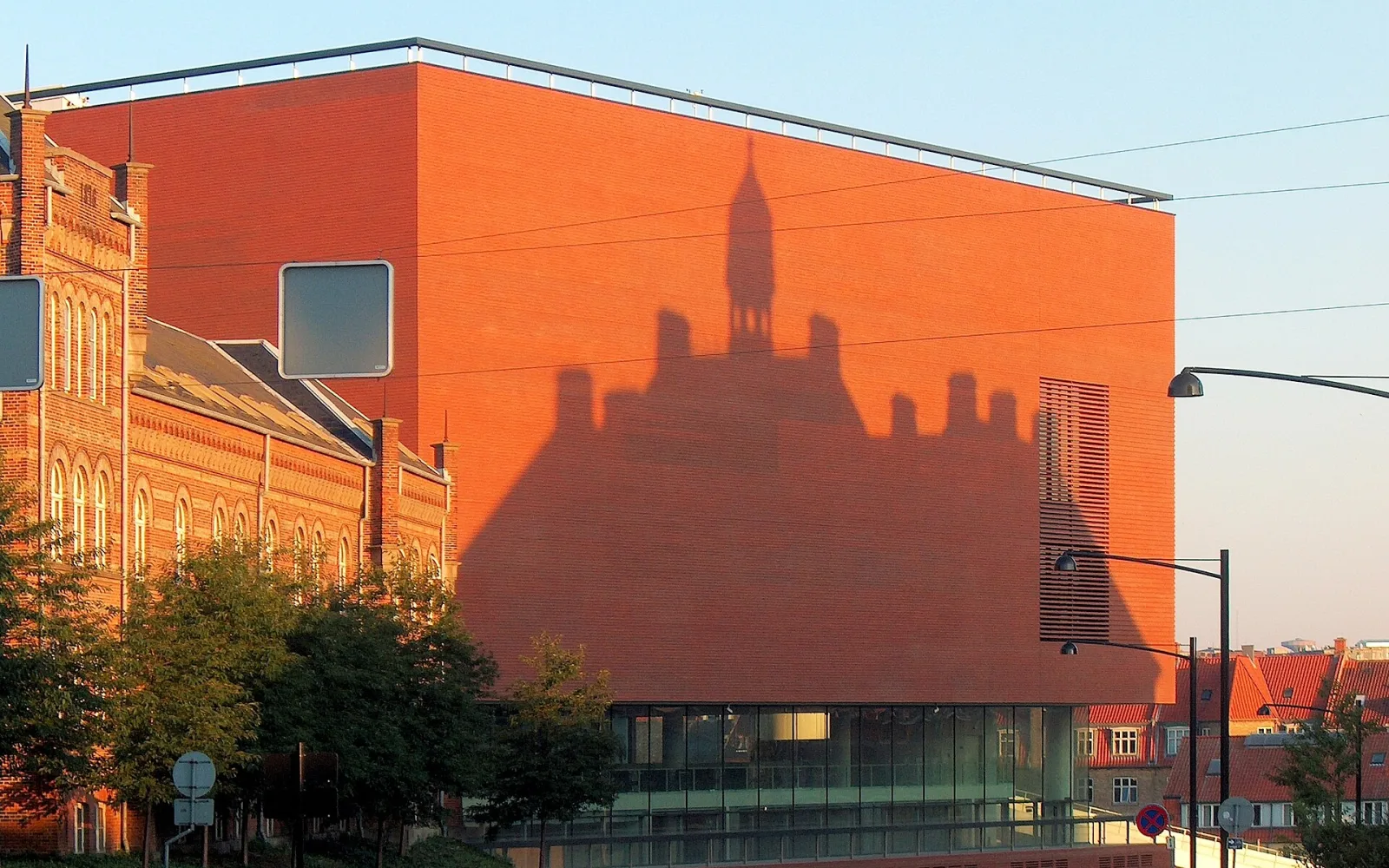
Aarhus
Aarhus combines major art, an open-air history museum, waterfront architecture and a compact food scene without functioning as a smaller Copenhagen.
Best for: Culture, Food, Museums Suggested time: 2 to 3 days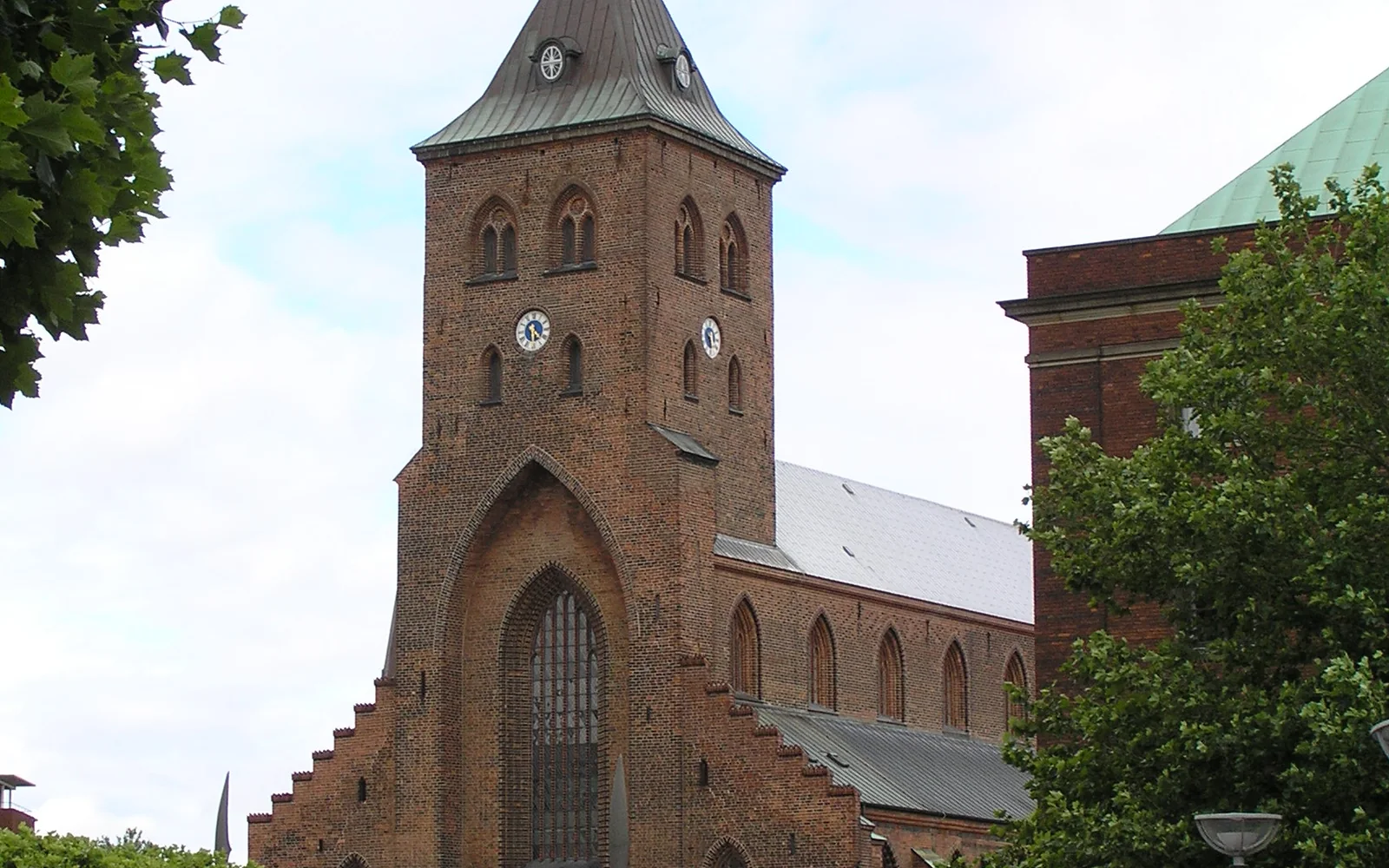
Odense
Odense works as a compact cultural city and Funen rail base, with Hans Christian Andersen sites balanced by contemporary neighbourhoods and day trips.
Best for: Culture, Food, Museums Suggested time: 2 to 3 days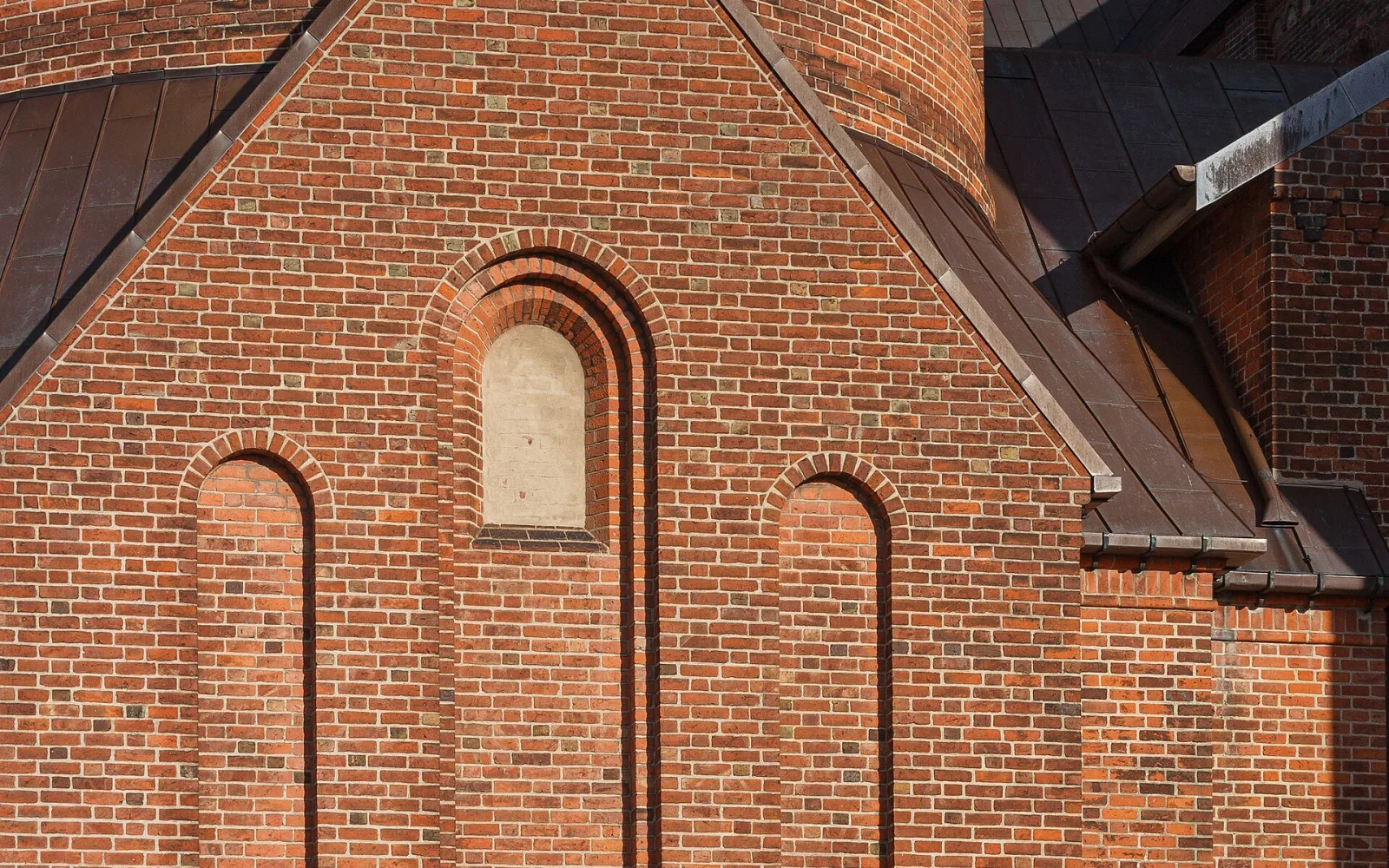
Roskilde
Roskilde is a cathedral and Viking-ship city on a fjord, with enough museum depth to justify more than a quick station turnaround.
Best for: Culture, Food, Museums Suggested time: 1 day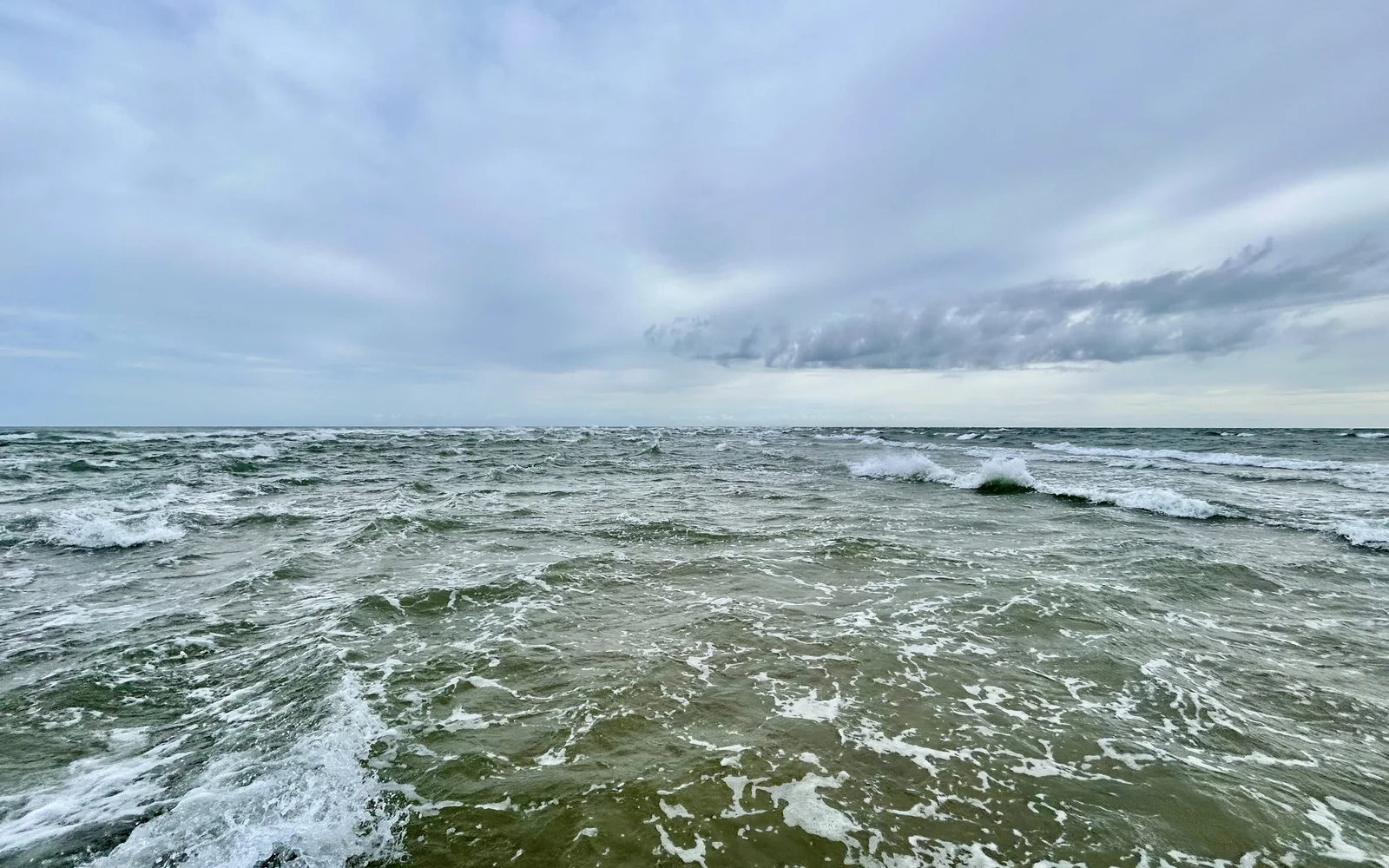
Skagen
Skagen is an exposed northern base for artists’ history, dunes and the meeting seas, with distances that make a bicycle or local transport plan important.
Best for: Heritage, Local Travel, Walking Suggested time: 1 to 2 days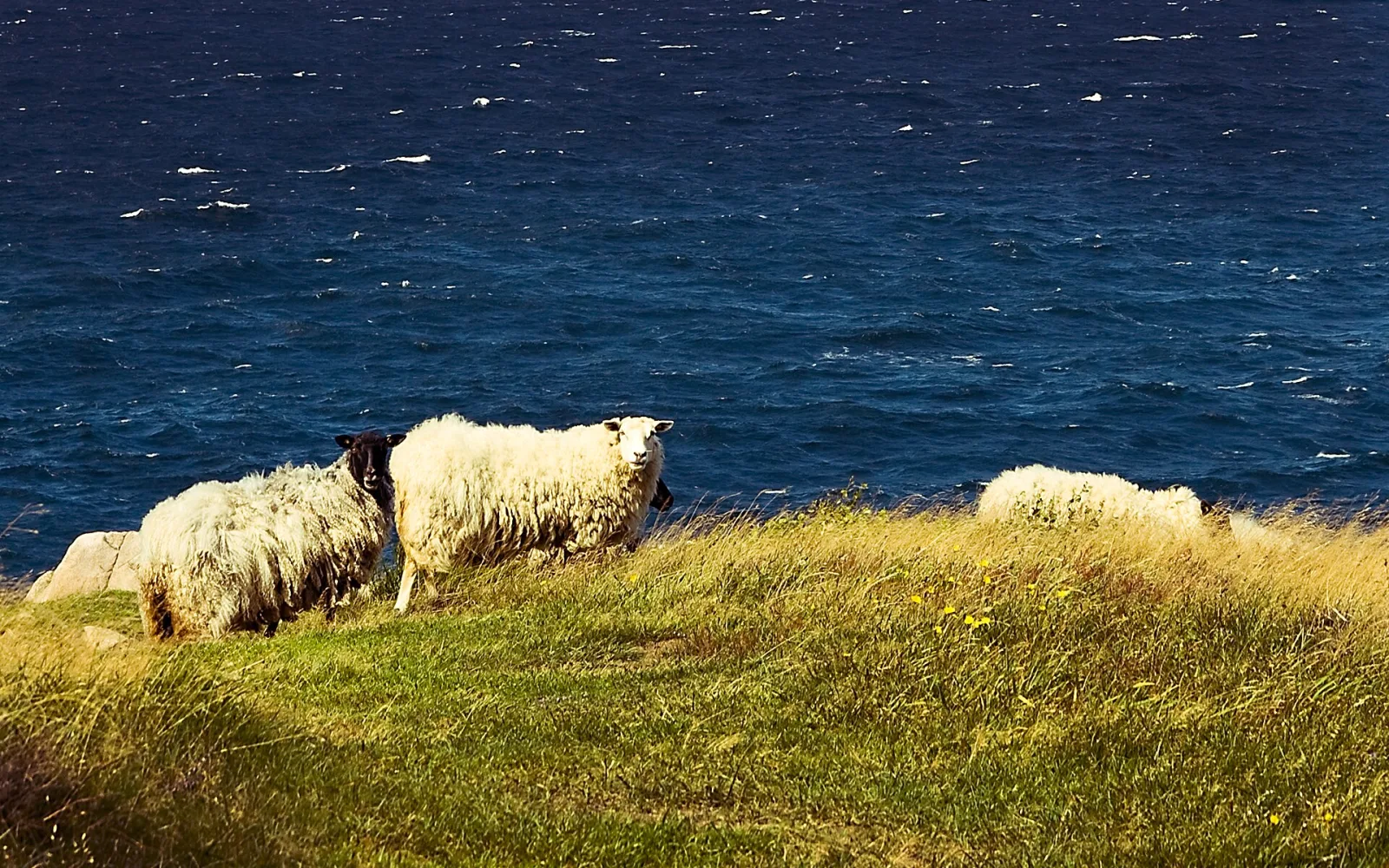
Bornholm Island
Bornholm is a multi-day Baltic island with cliffs, round churches, beaches and food traditions; Rønne is an arrival point, not a required thin guide.
Best for: Coast, Islands, Nature Suggested time: 4 to 5 daysChoose an island
Island guides
Funen and Islands
Ærø Island
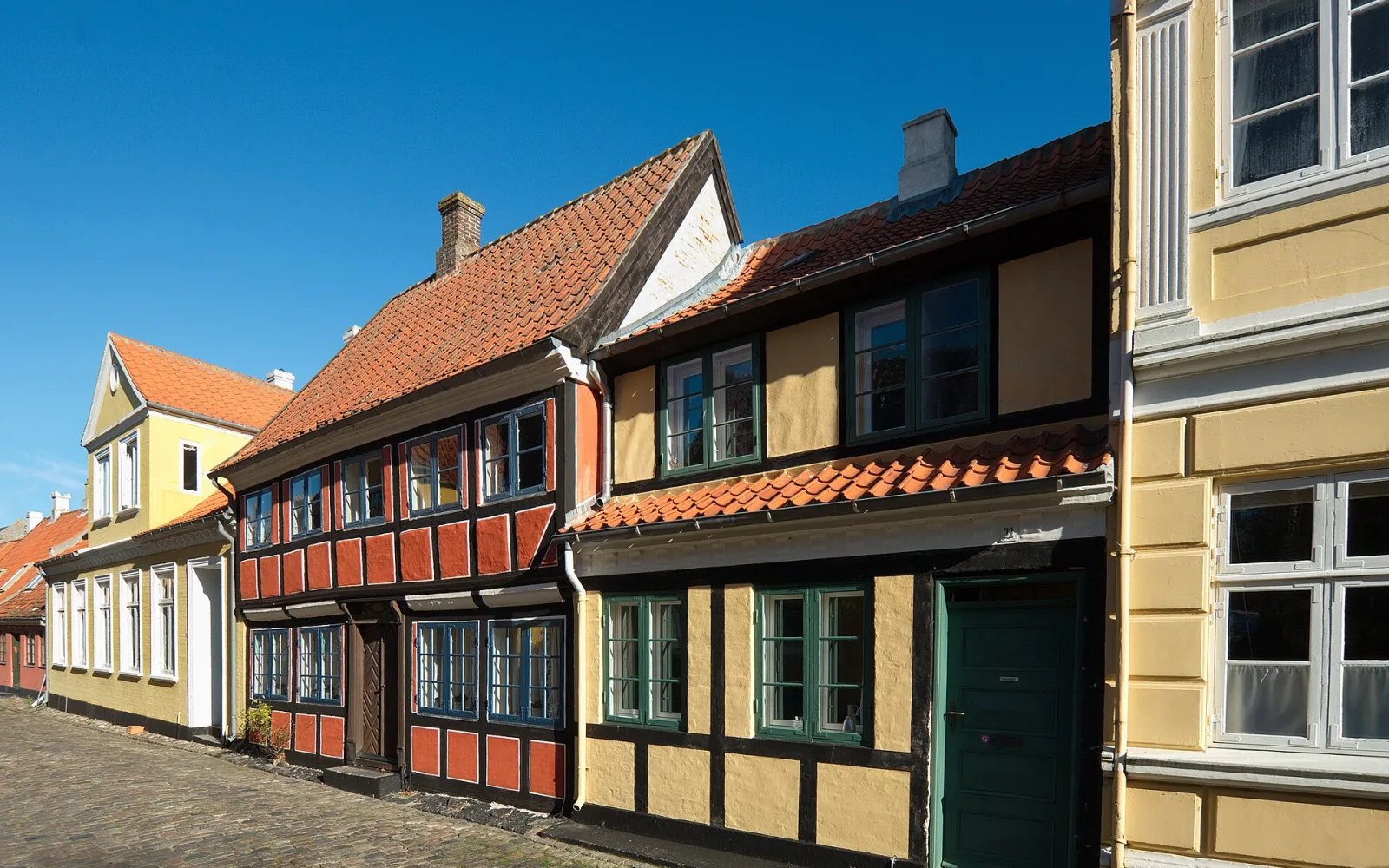
Ærø needs an island stay built around ferry ports, small towns, cycling and the limits of carrying luggage between connections.
Open island guideDenmark
Bornholm Island
Bornholm is a multi-day Baltic island with cliffs, round churches, beaches and food traditions; Rønne is an arrival point, not a required thin guide.
Open island guideZealand and Møn
Møn Island
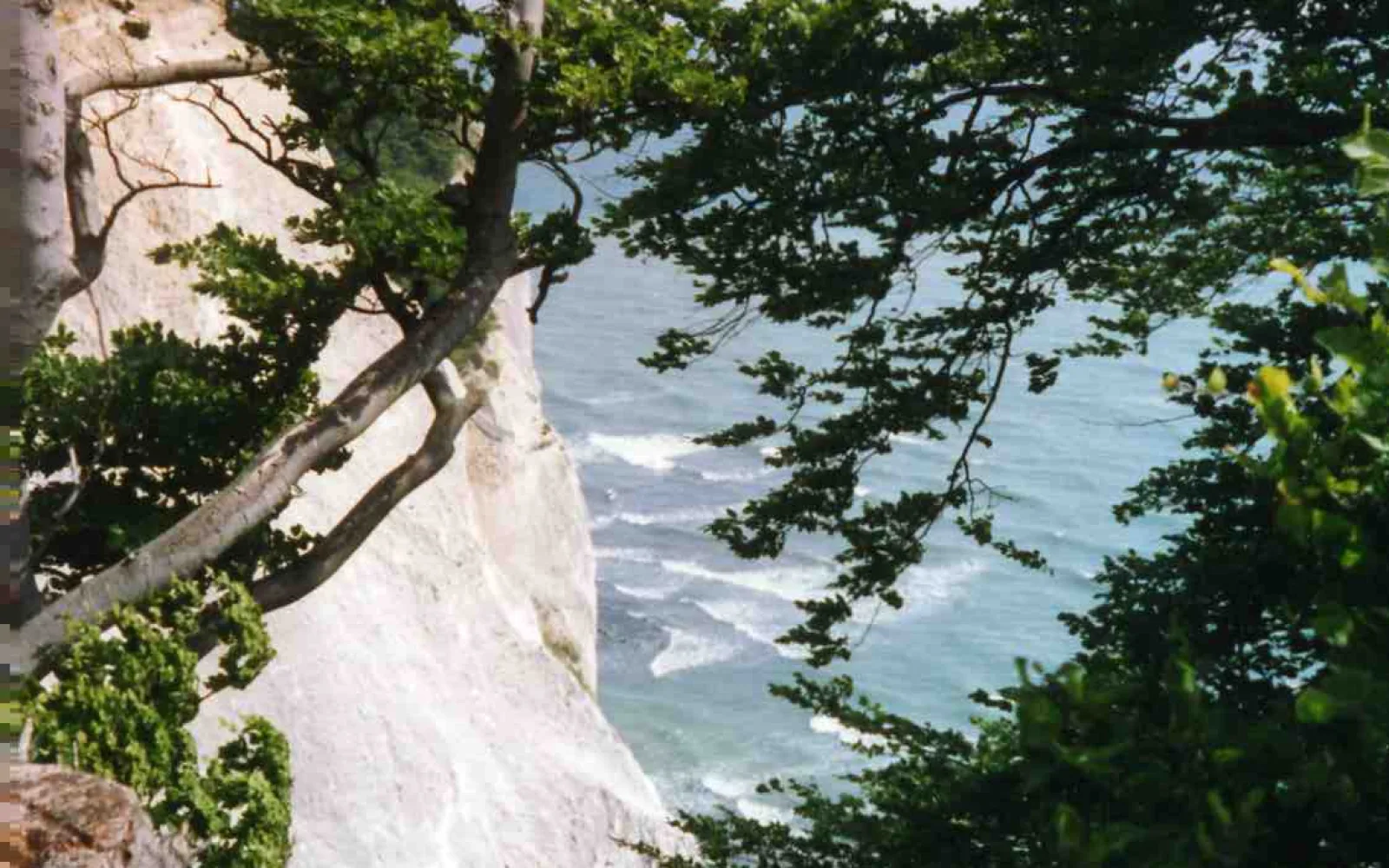
Møn owns the island-planning decision: cliff access, dark skies, villages and rural transport, with Møns Klint covered as its most demanding stop.
Open island guideParks and natural areas
Nature destinations
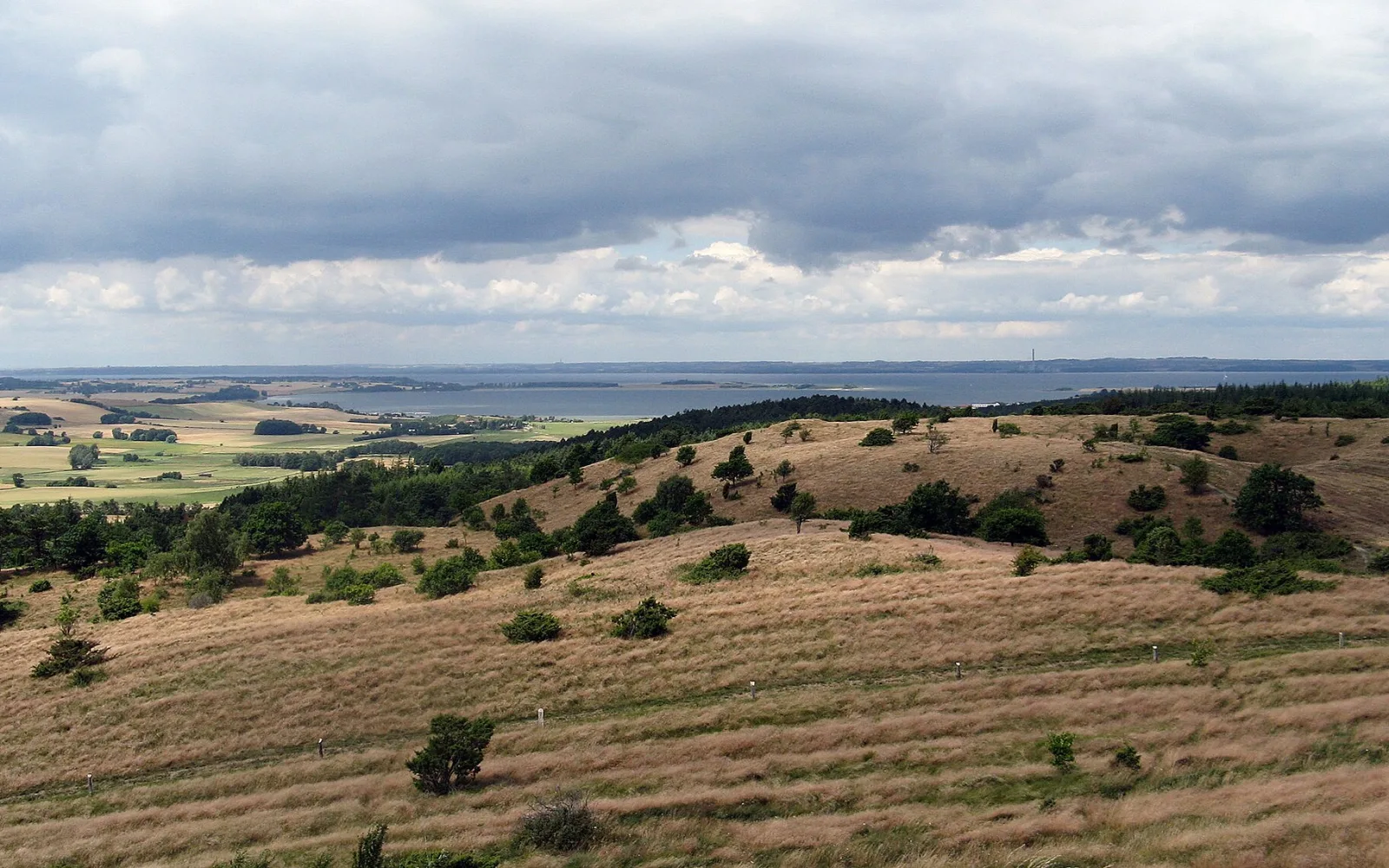
Mols Bjerge National Park
Mols Bjerge offers glacial hills, coastal views and archaeological traces close to Aarhus, but trailheads and bus links need exact selection.
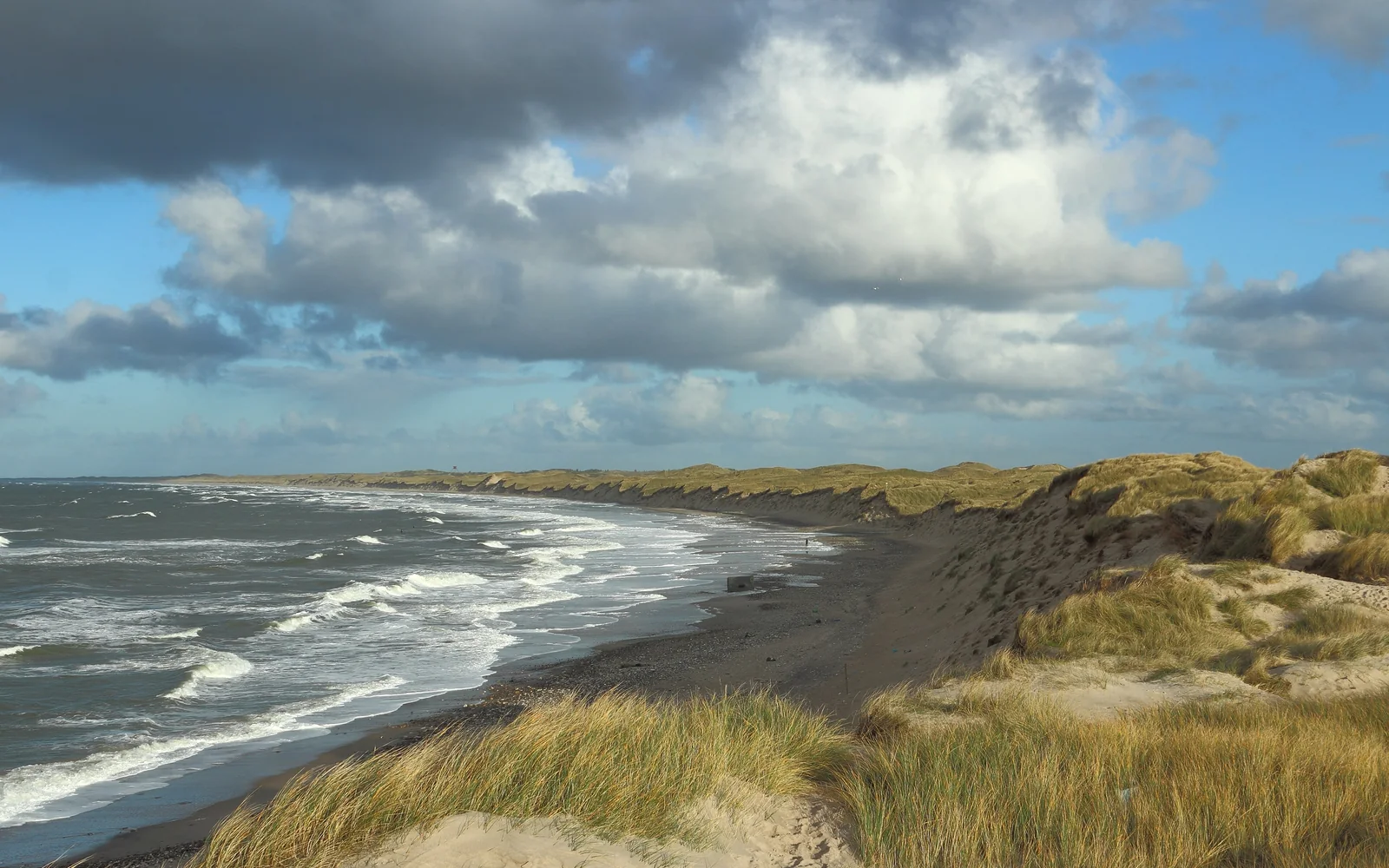
National Park Thy
National Park Thy protects dunes, heath, lakes and a wind-exposed North Sea coast best explored through one chosen gateway and trail.
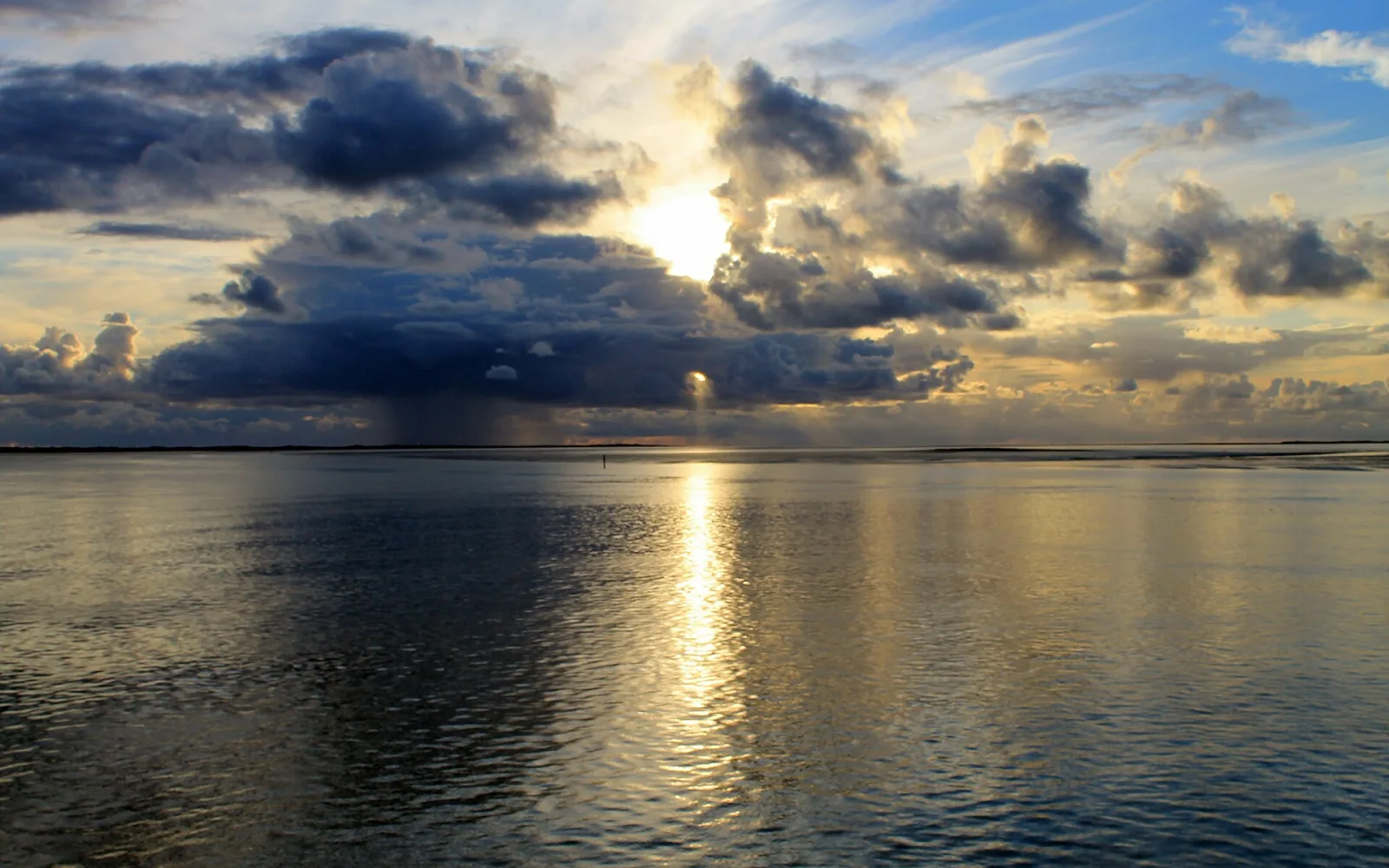
Wadden Sea National Park
Plan the Danish Wadden Sea around tides, birdlife, licensed or guided activities and safe mainland or island gateways, not as an unguided beach walk.
Find places by area
Browse places by region
Copenhagen and North Zealand Copenhagen, Helsingør, Hillerød, Louisiana Museum of Modern Art
Funen and Islands Egeskov Castle, Odense, Svendborg, Ærø Island
Jutland Aalborg, Aarhus, Billund, Jelling, Mols Bjerge National Park, National Park Thy, Ribe, Skagen, Wadden Sea National Park
Zealand and Møn Møn Island, Roskilde, Stevns Klint
Plan a day out
Day trips and experiences
Roskilde from Copenhagen by train
Roskilde works as a full rail day from Copenhagen when the cathedral, Viking ships and fjord are visited in that order.
Kronborg and Helsingør from Copenhagen
A direct coast train makes Helsingør practical from Copenhagen, with Kronborg and the old harbour forming the core of the day.
Møns Klint from Copenhagen
Møns Klint is a long, weather-sensitive outing from Copenhagen and works best with a booked road transfer or car.
Wadden Sea from Ribe
A Wadden Sea day from Ribe must follow the tide, protected-area rules and a confirmed operator meeting point.
Match the route to your time
Choose a trip length
One focused area
Use one main base and add only destinations with reliable local connections.
A first regional route
Link two compatible bases and protect the day that carries the longest transfer.
Cities and one landscape
Add an island, coast, lake or northern section without shortening every city stay.
Ready-made routes
Suggested itineraries
Copenhagen, Roskilde and Helsingør by rail
Seven days link Copenhagen, Roskilde and Helsingør by frequent rail while preserving a full day for each historic city.
- Main stops
- Copenhagen, Roskilde, Helsingør
- Transport
- Train
- Best suited to
- First-time visitors who want Danish city culture and heritage without hiring a car.
- Main trade-off
- Using one Copenhagen base is simple, but the two final Helsingør nights give the north coast more breathing room.
Aarhus and the Jutland coast
This eight-day Jutland route combines Aarhus museums, a selected Mols Bjerge trail and the historic west-coast base of Ribe.
- Main stops
- Aarhus, Mols Bjerge National Park, Ribe
- Transport
- Bus, Train
- Best suited to
- Travellers comfortable mixing rail with one carefully planned rural park transfer.
- Main trade-off
- Mols Bjerge is much easier with a car or booked transfer than with an ambitious bus itinerary.
Funen and Ærø slow route
Six days pair Odense culture with a two-port Ærø stay, giving the island enough time to justify its ferry connections.
- Main stops
- Odense, Ærø Island
- Transport
- Ferry
- Best suited to
- Slow travellers, cyclists and couples who prefer one mainland city and one small island.
- Main trade-off
- The ferry schedule fixes the island days and leaves little room for late changes.
Copenhagen and Bornholm without rushing
Seven days combine three Copenhagen nights with three on Bornholm, using the rail and fast ferry corridor through Ystad.
- Main stops
- Copenhagen, Bornholm Island
- Transport
- Ferry
- Best suited to
- Visitors who want a major Nordic city and a Baltic island without flying between them.
- Main trade-off
- The cross-border rail and ferry day needs a protected connection and cannot carry a full sightseeing plan.
Transport choices
Getting around Denmark
Intercity rail, regional buses, ferries and cycling.
Between main cities
Use the principal rail corridor where it protects useful time in each base.
Islands and coast
Match every ferry or boat to its quay, check-in requirement and final return.
Rural and nature routes
Compare regional transport with selective driving rather than assuming one mode suits the whole country.
Month-by-month planning
When to visit
Denmark is visitable year-round, but daylight, coastal wind, island capacity and school holidays change the practical route each month.
Plan fewer hotel changes
Where to base your trip
Copenhagen
Build the visit around neighbourhoods, harbour crossings, major museums and booked restaurants instead of repeating the same central walking loop.
Suggested stay: 3 to 4 days.Aarhus
Aarhus combines major art, an open-air history museum, waterfront architecture and a compact food scene without functioning as a smaller Copenhagen.
Suggested stay: 2 to 3 days.Odense
Odense works as a compact cultural city and Funen rail base, with Hans Christian Andersen sites balanced by contemporary neighbourhoods and day trips.
Suggested stay: 2 to 3 days.Aalborg
Aalborg is a northern city base for architecture, waterfront culture and onward travel, not simply a transport pause before Skagen.
Suggested stay: 1 to 2 days.Before you travel
Practical facts
- Currency
- DKK
- Languages
- Danish; German is protected as a minority language in Southern Jutland
- Time zone
- Central European Time, with summer time
- Plug type
- Type C, E, F and K
- Guide reviewed
- 3 September 2026
Avoid the common route problems
Planning checks
Fix the least frequent connection first
Ferry reservations, bridge crossings, school holidays and coastal wind matter more than the country’s short map distances suggest.
Leave one part of the route flexible
Weather, engineering work or a changed sailing should not break every later booking.
Compare cities, islands and Jutland
Main travel bases in Denmark
Loading the map…
Use the map to compare locations. It does not confirm a live route or timetable.
Choose between two places
A useful destination comparison
Bornholm vs Ærø
Bornholm rewards a longer and more varied island route, while Ærø suits a shorter stay where slow travel is the point.
Cross-border planning
Countries to combine carefully
Germany
Hamburg connects naturally with Copenhagen or Jutland on a longer rail route.
- Likely transport
- International rail
- Minimum sensible time
- At least 10 days across both countries
- Main limitation
- Engineering work can change the fastest rail path, so check the dated journey before booking.
Quick answers
Planning questions
How much time is useful for Denmark?
Seven days supports one focused corridor. Ten to fourteen days allows a second region without turning every day into a transfer.
Can I travel around Denmark without a car?
Intercity rail, regional buses, ferries and cycling. A car is mainly useful for rural, coastal or nature routes beyond the principal network.
How should I choose the season?
Choose dates for the exact regions and activities in the route, then check current daylight, weather and seasonal services.
How this guide is checked
Sources and review
Reviewed 3 September 2026, next review due 3 March 2027. Transport, access, prices and seasonal services can change, so check the official source before booking.
- Destinations in Denmark, VisitDenmark
- Explore Denmark by train, DSB
- Denmark in the European Union, European Union
- Copenhagen visitor information, Visit Copenhagen
- North Zealand destinations, Visit North Zealand
- Travel in Denmark, DSB
- Journey Planner, Rejseplanen
Continue planning
More places in Denmark
Browse the full destination list when the curated starting points do not match your route.