
| Detail | Austria | Slovenia |
|---|---|---|
| Best fit | Rail travellers balancing major cities and Alpine regions | Travellers seeking compact nature-led routes |
| Useful trip length | Seven to ten days for three main bases | Six to nine days for a capital, Alps and another region |
| City depth | Vienna, Salzburg, Graz and Innsbruck support separate stays | Ljubljana is the main urban base, with smaller towns elsewhere |
| Public transport | Strong intercity rail with regional buses for valleys | Rail and bus work together, often through Ljubljana |
| Car usefulness | Helpful for remote valleys but unnecessary on the core city route | Helpful for dispersed countryside, though the main visitor route works without one |
| Landscape range | Large Alpine regions, lakes, valleys and eastern lowlands | Julian Alps, lakes, caves, vineyards and a short Adriatic coast |
| Seasonal difference | Strong winter city and resort choices | Best mixed outdoor range from late spring to early autumn |
| Typical transfers | Longer rail corridors between substantial city and mountain bases | Shorter journeys, often connected through Ljubljana |
Austria and Slovenia both combine cities with Alpine landscapes, but they reward different itineraries. Austria has greater urban depth and longer rail corridors. Slovenia is smaller and places its capital, lakes, valleys and coast closer together.
Two different trip shapes
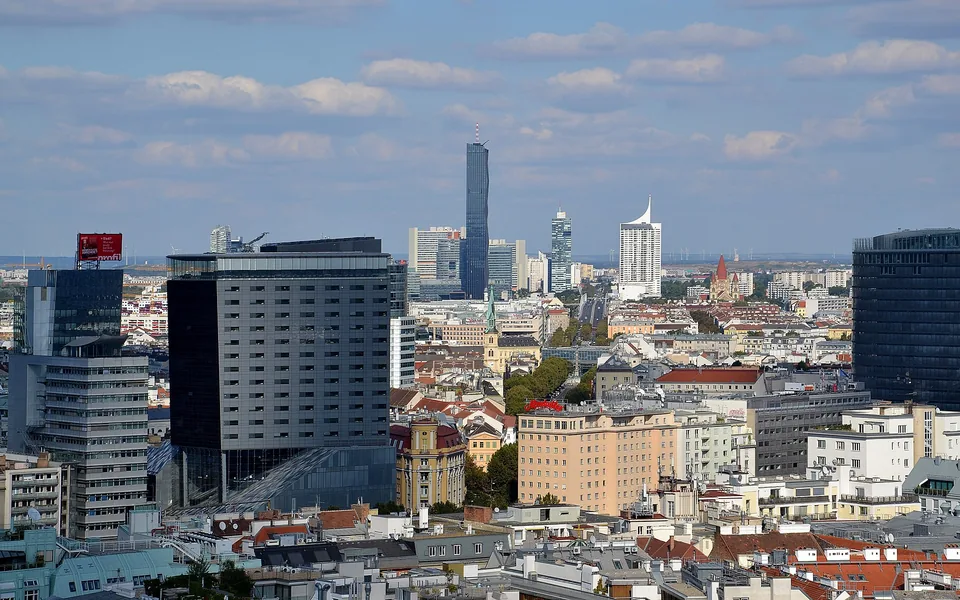
Austria supports a longer rail journey through several substantial cities and Alpine regions. Slovenia compresses a capital, lakes, caves, mountains and a short coast into much shorter distances.
Austria suits travellers who want major museums and established rail corridors. Slovenia suits a smaller-scale trip where outdoor conditions influence more of the itinerary.
Time and pace
Seven to ten days can link Vienna, Salzburg and Innsbruck without treating the transfers as lost days. Adding a lake region needs a named base and at least two nights.
Six to nine days can cover Ljubljana, Bled or Bohinj and one other region in Slovenia. A route that includes both the Alps and coast still needs a realistic transfer day.
Transport choices
Austria’s intercity rail makes the main urban route straightforward. Regional buses, branch lines and weather-dependent lifts take over in lake and mountain areas.
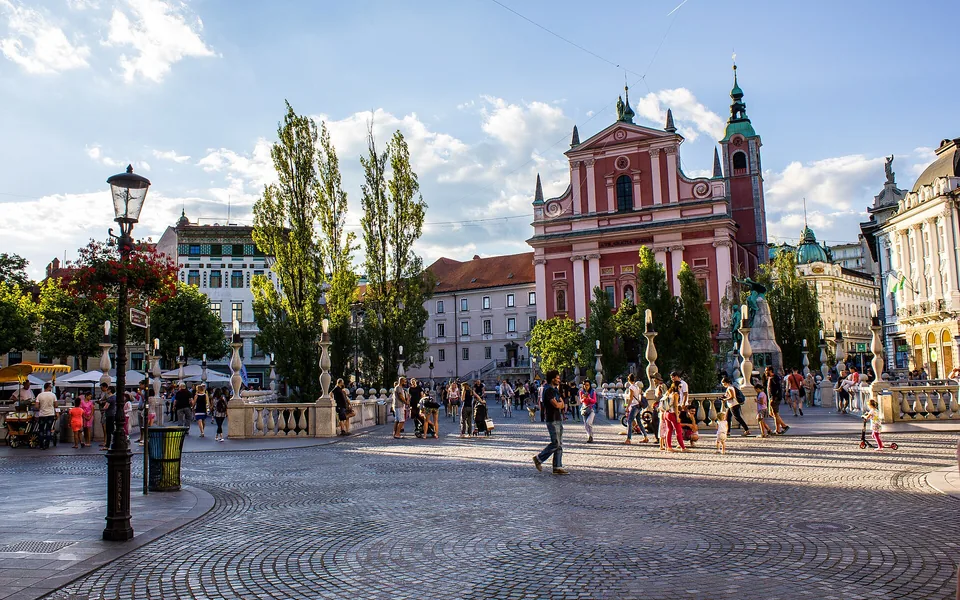
Slovenia combines rail and bus, with Ljubljana acting as the main hub. A car helps with dispersed rural places, but it is not necessary for Ljubljana, Bled, Bohinj and Piran when current connections align.
Season and outdoor plans
Both countries need altitude-specific planning. Summer opens the widest hiking range, while late spring and September are usually easier for a mixed city and lower-mountain route.
Winter works well in Austrian cities and established resorts. Slovenia can combine Ljubljana with snow or spa plans, but high trails and some local services are more limited.
Choosing Austria or Slovenia
Choose Austria for a rail-first journey with larger cities, imperial collections and several distinct Alpine regions. Choose Slovenia for shorter travel days and a closer sequence of lakes, valleys and the Adriatic coast.
They also combine naturally. Rail links run between the countries, but a two-country trip needs enough time to avoid reducing Slovenia to one Ljubljana night.
Compare the country routes
Planning sources
Transport, visitor information and attraction details can change. Check the official pages before booking.
- Official Slovenia travel information Slovenian Tourist Board, checked 2 September 2026
- Official Austria travel information Austrian National Tourist Office, checked 2 September 2026
- Austrian rail timetable and service updates ÖBB, checked 2 September 2026
- Slovenian passenger rail information Slovenian Railways, checked 3 September 2026
- Austria climate information GeoSphere Austria, checked 3 September 2026
Comparison reviewed 4 September 2026.