
Start with the essentials
Plan Netherlands at a glance
- First trip
- 6–9 days
- Best months
- Apr–Jun, Sep
- Main transport
- Train, tram and bicycle
- Car
- Better outside major cities
- Currency
- Euro
About Netherlands
Why visit Netherlands
The Netherlands supports an easy rail route through cities with very different character.
Cycling, flower season, islands and national parks add practical constraints. Wind, weather and ferry times matter.
Plan Netherlands by region
Amsterdam is the usual starting point, but Utrecht, Rotterdam, The Hague, Leiden and Haarlem are easy to combine by rail. The north, Zeeland, Limburg and the Wadden Islands need a more deliberate regional plan.
Frequent trains reduce the need to change hotels for every city. Cycling works best when the route, weather and bicycle rules suit the trip, rather than as an automatic choice for every visitor.
Choose a part of the country
Choose a region
Gelderland
National park and inland nature.
View regionGood places to start
Cities for a first trip
See all 14 cities and townsAmsterdam
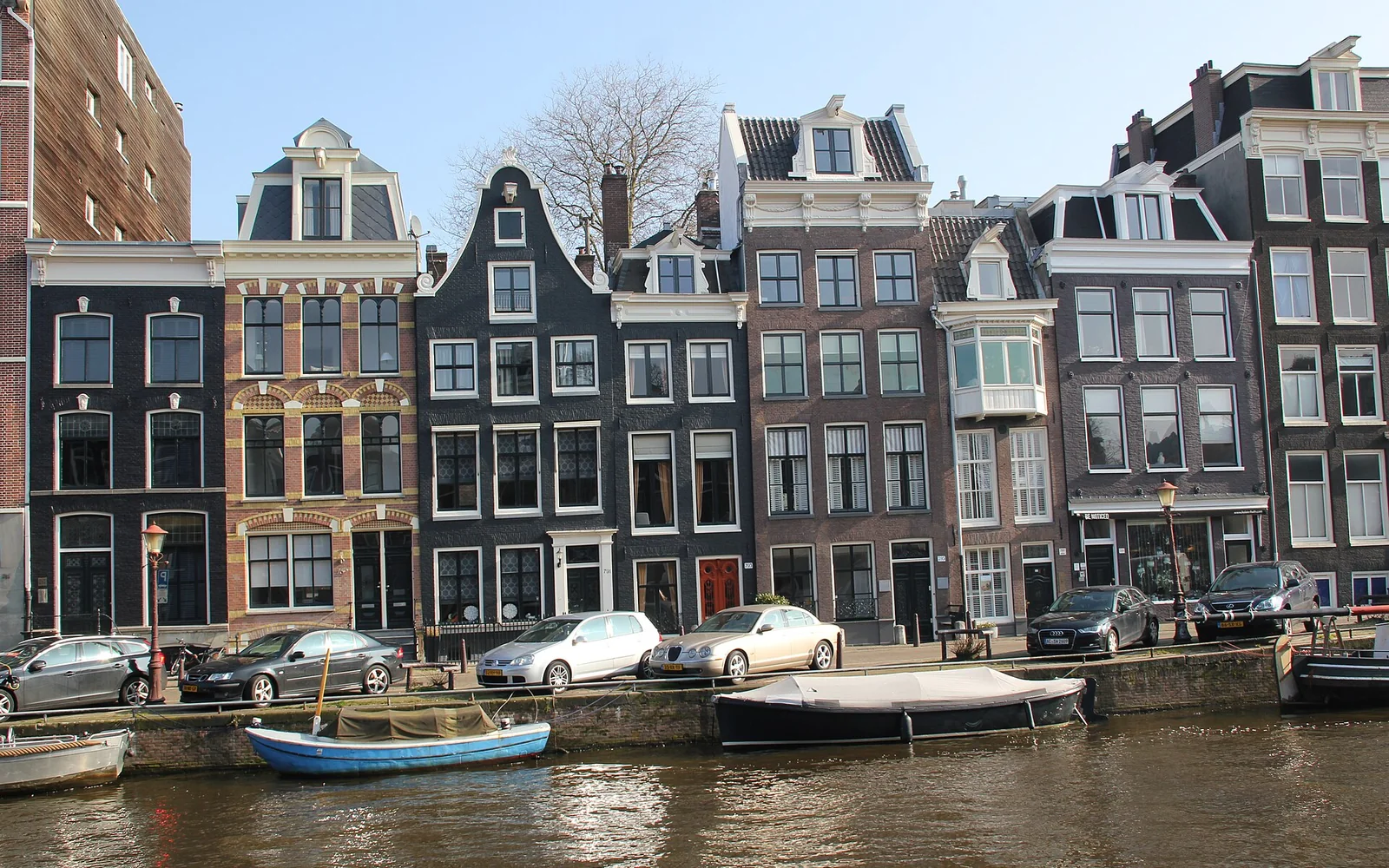
Amsterdam pairs major art museums and a compact canal centre with distinct neighbourhoods, but popular sights need timed bookings and considerate visitor behaviour.
Best for: Art, Canals, ArchitectureRotterdam
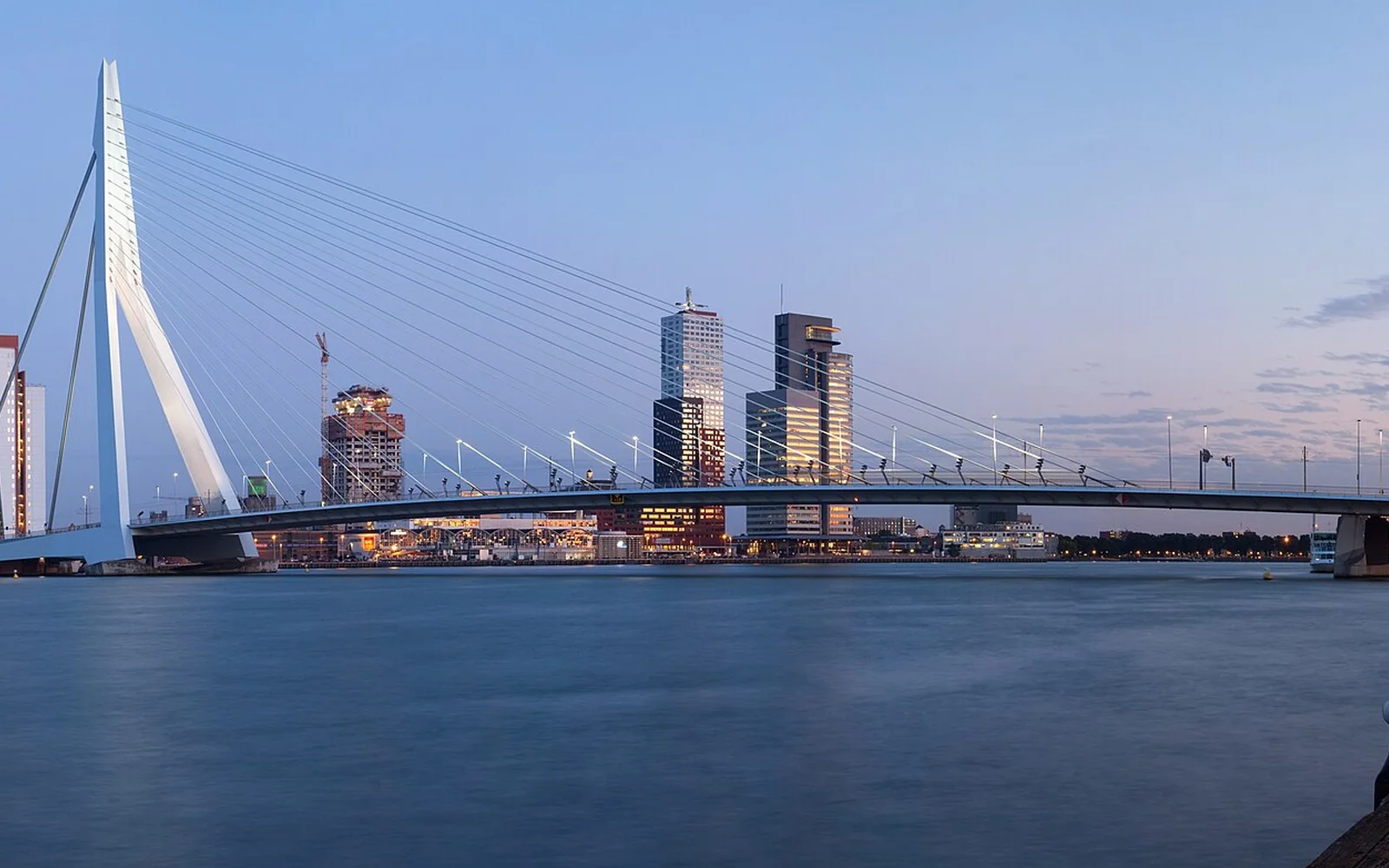
Rotterdam is a working port city shaped by post-war rebuilding, bold architecture and river districts spread across both sides of the Nieuwe Maas.
Best for: Modern Architecture, Design, Harbour History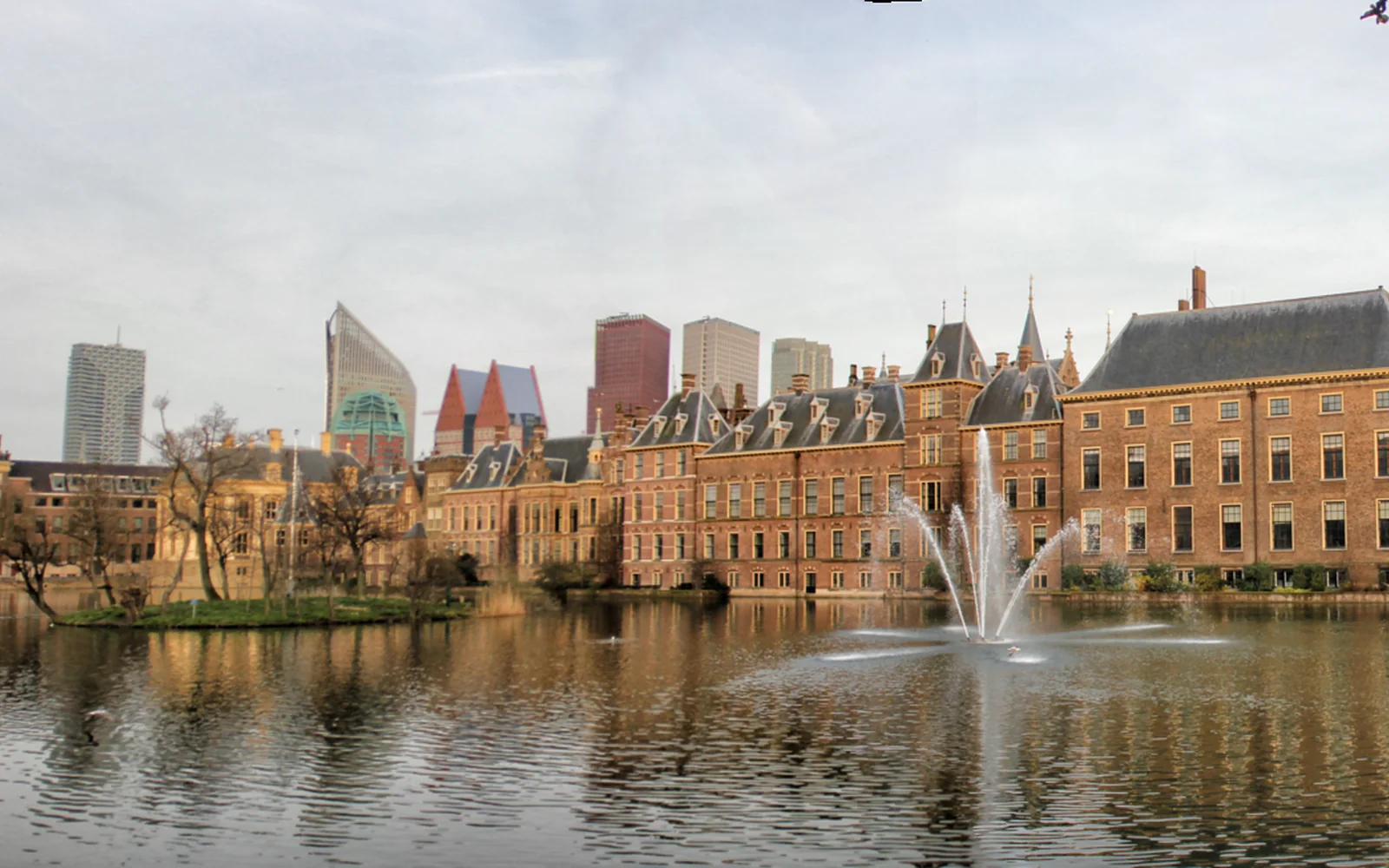
The Hague
The Hague combines the Dutch seat of government, major art collections and international institutions with a long North Sea coast at Scheveningen.
Best for: Art, Political History, International Institutions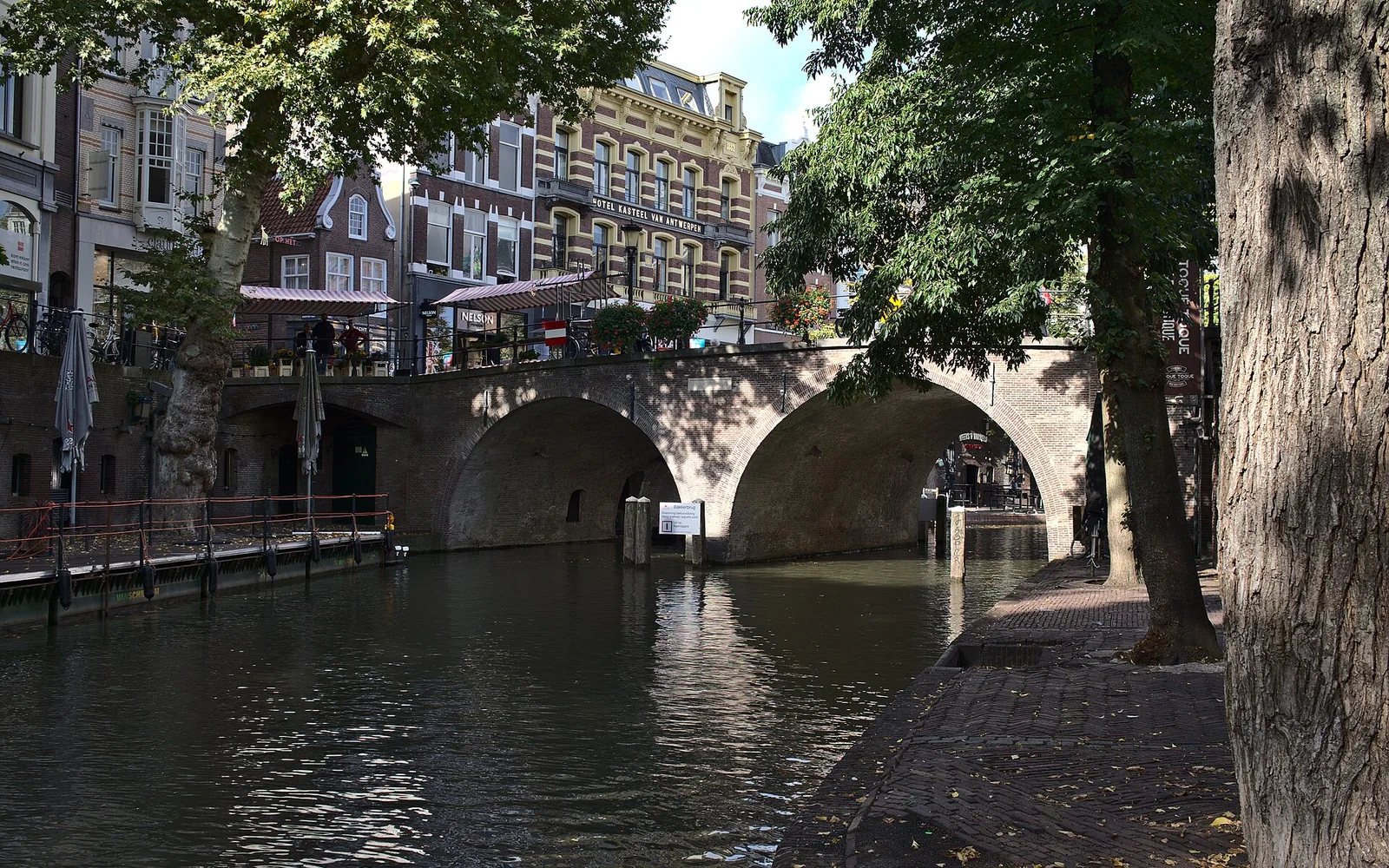
Utrecht
Utrecht is a central rail hub with a compact medieval core, distinctive canal wharves and enough museums and neighbourhoods for more than a transfer stop.
Best for: Canals, Medieval Streets, Museums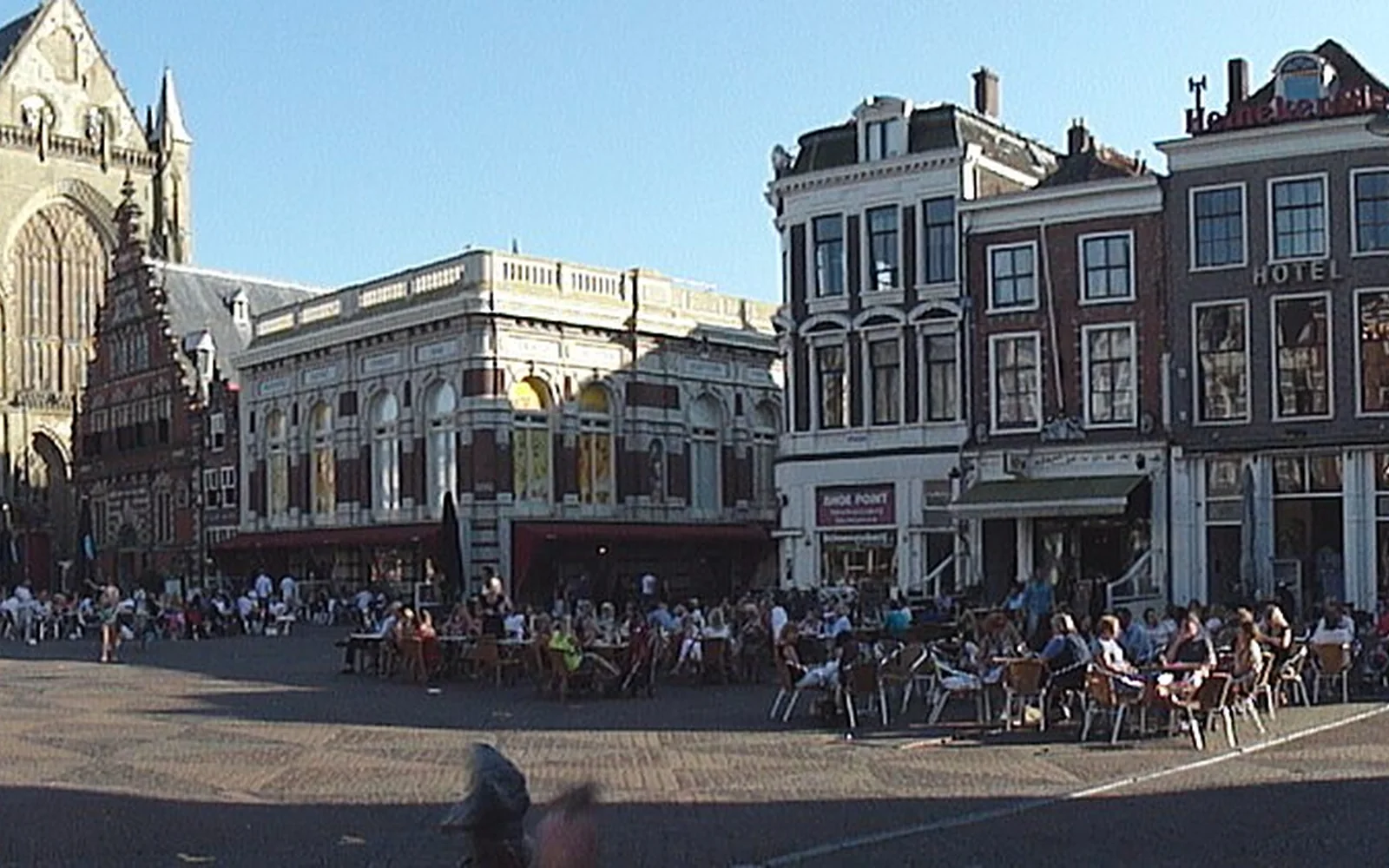
Haarlem
Haarlem is a historic city west of Amsterdam with strong art museums, a walkable centre and useful access to dunes, beaches and the spring bulb region.
Best for: Art, Historic Streets, MarketsMaastricht
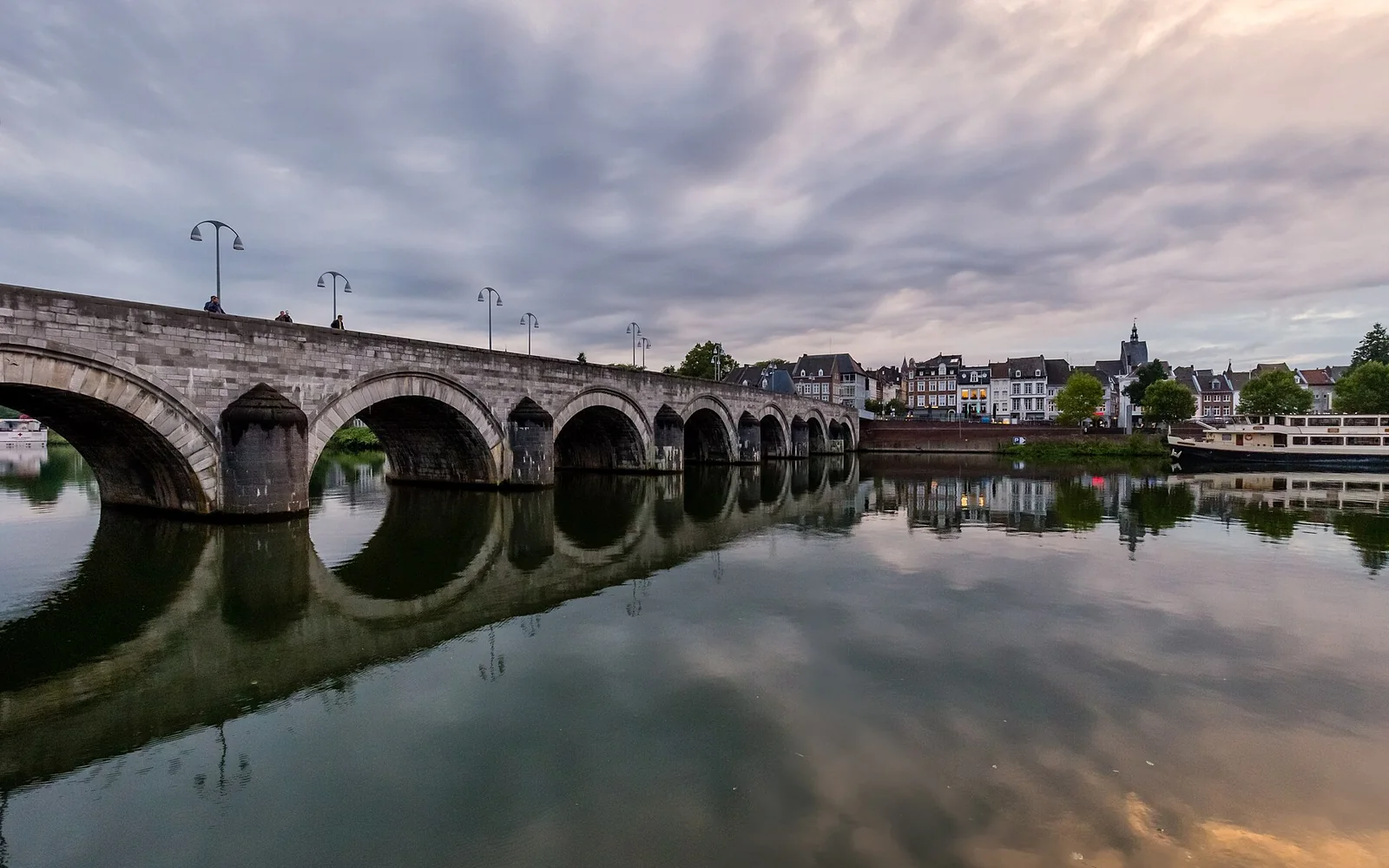
Maastricht is a southern river city of Roman and medieval layers, lively squares and distinct quarters, with a food culture and terrain unlike the western cities.
Best for: Historic Streets, Food, ChurchesChoose an island
Island guides
Wadden Islands
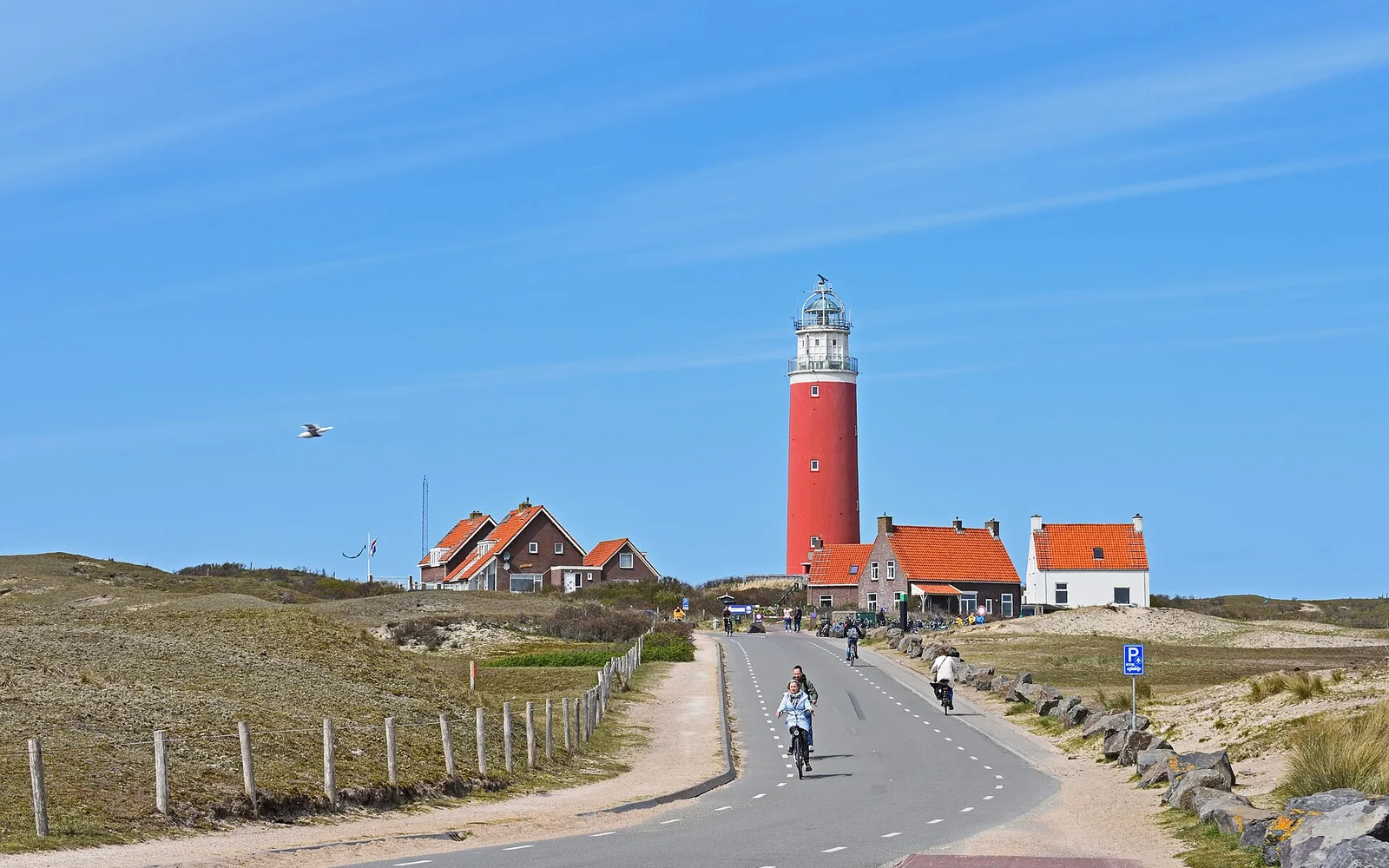
Texel
Texel is the largest Dutch Wadden Island, with seven villages, long cycling routes, broad beaches and protected dune and tidal landscapes.
Open island guideParks and natural areas
Nature destinations

De Hoge Veluwe National Park
De Hoge Veluwe combines heath, woodland, sand, cycling and the Kröller-Müller Museum inside a ticketed national park with several separate entrances.
Find places by area
Browse places by region
Friesland Leeuwarden
Gelderland De Hoge Veluwe National Park
Groningen Groningen city
Limburg Maastricht
North Holland Amsterdam, Haarlem, Zaanse Schans
Overijssel Giethoorn
South Holland Delft, Keukenhof and Lisse, Kinderdijk, Leiden, Rotterdam, The Hague
Wadden Islands Texel
Zeeland Middelburg
Plan a day out
Day trips and experiences
Delft day trip from Amsterdam
Travel from Amsterdam to Delft by train for canals, Vermeer connections and a compact old centre, with time for one detailed visit.
Haarlem day trip from Amsterdam
Use Haarlem for a relaxed rail day from Amsterdam, combining the historic centre with one museum and, in good conditions, a longer local walk.
Match the route to your time
Choose a trip length
Amsterdam with one other city
Give Amsterdam two or three full days, then choose Utrecht, Haarlem, Leiden or Rotterdam. A central base and short rail excursion work better than trying to collect several cities in a single day. Reserve the busiest museum first.
Randstad and a quieter region
Combine Amsterdam with Rotterdam or The Hague, then add a smaller city or landscape such as Delft, Kinderdijk or Hoge Veluwe. Two bases are enough for a varied first route. Use trains for the city section.
Cities, coast and the north
Link the main western cities with Texel or another Wadden Island, then continue to Friesland, Groningen or Limburg. Keep weather-sensitive island and cycling days flexible within the longer route. Give the island section several nights.
Ready-made routes
Suggested itineraries
Four Dutch cities by train
Spend eight days in Amsterdam, The Hague, Rotterdam and Utrecht using four rail-linked bases and a measured museum schedule.
- Main stops
- Amsterdam, The Hague, Rotterdam, Utrecht
- Transport
- Train
- Best suited to
- First-time visitors who want several Dutch cities without driving
- Main trade-off
- Four bases give each city an evening but require light luggage and regular check-ins
Transport choices
Getting around Netherlands
Intercity and local trains connect the main Dutch cities, with trams, metros and buses completing urban journeys. Contactless check-in is widely available, but each traveller needs a suitable payment method and must check out correctly. Bicycles add local freedom when weather and confidence allow. Driving is more useful in rural regions than in Amsterdam, Rotterdam or Utrecht. Engineering work can shift an otherwise simple connection.
Trains
Use the national journey planner for current services, engineering work and platform details. Frequent trains make day trips practical, although a disrupted corridor can affect several cities at once.
Local public transport
Trams, metros and buses handle the final part of many journeys. Check in and out with the same card or ticket, and confirm local night service before a late return.
Cycling
Rent a bicycle for a route that matches your experience and the weather. Learn the local lane and parking rules, use lights when required, and avoid treating busy city cycling as a casual sightseeing activity.
Driving
A car helps with rural Zeeland, national parks and dispersed villages. City parking is costly and unnecessary for most central stays, so collect a car only for the part of the route that needs it.
Month-by-month planning
When to visit
Choose dates for Dutch cities, flower season, cycling and the coast by weighing daylight, weather, demand and the purpose of the trip.
Current planning ranges
Trip costs by base
These per-person planning ranges are not live quotes. Open the destination guide for assumptions, exclusions and sources.
Amsterdam
EUR 200 to 310- Accommodation
- €110 to €195
- Food
- €42 to €65
- Local transport
- €10 to €20
- Attractions and activities
- €28 to €55
Rotterdam
EUR 165 to 245- Accommodation
- €80 to €145
- Food
- €36 to €55
- Local transport
- €9 to €18
- Attractions and activities
- €22 to €45
Plan fewer hotel changes
Where to base your trip
Before you travel
Practical facts
- Currency
- Euro
- Main transport
- NS rail and local public transport
- Driving side
- Right
- Emergency number
- 112
- Main languages
- Dutch; West Frisian is also official in Fryslân
- Time zone
- European Netherlands uses Central European Time; Caribbean Netherlands differs
- Plug type
- Type C and F in the European Netherlands
- EU status
- EU member
- Schengen status
- European Netherlands is in Schengen
Avoid the common route problems
Planning checks
Book scarce Amsterdam stays early
Central rooms and major attractions can sell out on busy dates. Reserve the fixed priorities first, then keep nearby cities such as Haarlem, Utrecht or Leiden as genuine bases rather than last-minute overflow. Compare the full evening journey before choosing one.
Check seasonal landscapes
Tulip fields, gardens and island conditions are seasonal, not permanent features. Confirm opening dates, bloom information and ferry schedules before building a journey around a photograph or a general month label. Weather shifts the useful window each year.
Use fewer bases than the map suggests
Short rail distances make several cities look like separate overnight stops. One well-connected base often covers two or three of them, leaving more time for neighbourhoods, museums and evening meals. Check the last direct train before deciding.
Compare rail cities with coast and countryside
See the Netherlands’ main travel bases
Loading the map…
Choose a group to compare city routes, historic places and landscapes.
Choose between two places
A useful destination comparison
Berlin or Amsterdam for a city break?
Choose Berlin for a larger, history-led city with varied districts. Choose Amsterdam for a compact canal city with major art museums and easy rail day trips.
Cross-border planning
Countries to combine carefully
Belgium
Amsterdam, Rotterdam or Utrecht can link easily with Antwerp, Ghent and Brussels.
- Likely transport
- International rail
- Minimum sensible time
- At least 9 days across both countries
- Main limitation
- Too many one-night city stops weaken the trip.
Germany
The eastern Netherlands connects well with western German cities and the Rhine corridor.
- Likely transport
- International rail
- Minimum sensible time
- At least 9 days across both countries
- Main limitation
- Longer German extensions need delay buffers and more nights.
Quick answers
Planning questions
Can I tour without a car?
Yes. Rail and local transport cover the main city route.
Where should I stay outside Amsterdam?
Utrecht is central, Rotterdam suits South Holland and Maastricht suits the south.
When is tulip season?
Spring is the broad season, but flowering depends on weather.
What is a sensible first route through the Netherlands?
Amsterdam, Utrecht and Rotterdam. Link three city bases without a car.
What should I confirm before booking a trip to the Netherlands?
Book museums that control the day. Treat tulip flowering as weather-dependent.
How this guide is checked
Sources and review
Reviewed 3 September 2026, next review due 3 March 2027. Transport, access, prices and seasonal services can change, so check the official source before booking.
- Official Netherlands visitor information, Netherlands Board of Tourism and Conventions
- Official Netherlands rail journey planner and service information, NS
- Official nationwide public transport journey planner, 9292
Continue planning
More places in Netherlands
Browse the full destination list when the curated starting points do not match your route.