
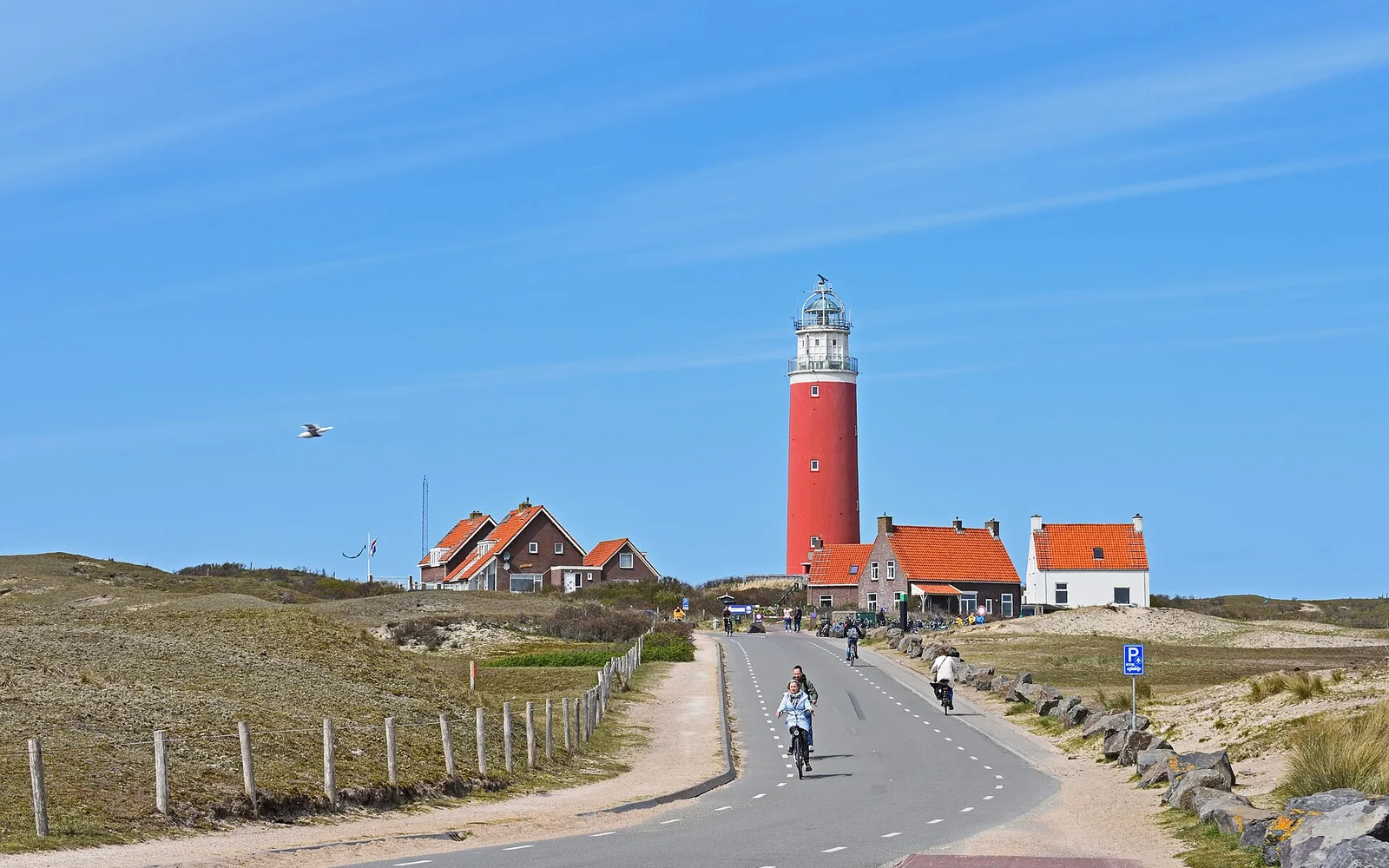
The ferry arrives at the southern end, while Den Burg, De Koog, De Cocksdorp, the lighthouse and De Slufter spread across a substantial island. Choose a base for the route, not only for the prettiest photograph.
Start with the main local route
The ferry arrives at the southern end, while Den Burg, De Koog, De Cocksdorp, the lighthouse and De Slufter spread across a substantial island. Choose a base for the route, not only for the prettiest photograph.
Cycling is practical but distances and wind are real. An e-bike helps some visitors, while buses, taxis and a car support longer or mobility-limited routes.
Begin with the ferry chain
Plan the train to Den Helder, transfer to the ferry and onward island transport as one journey.
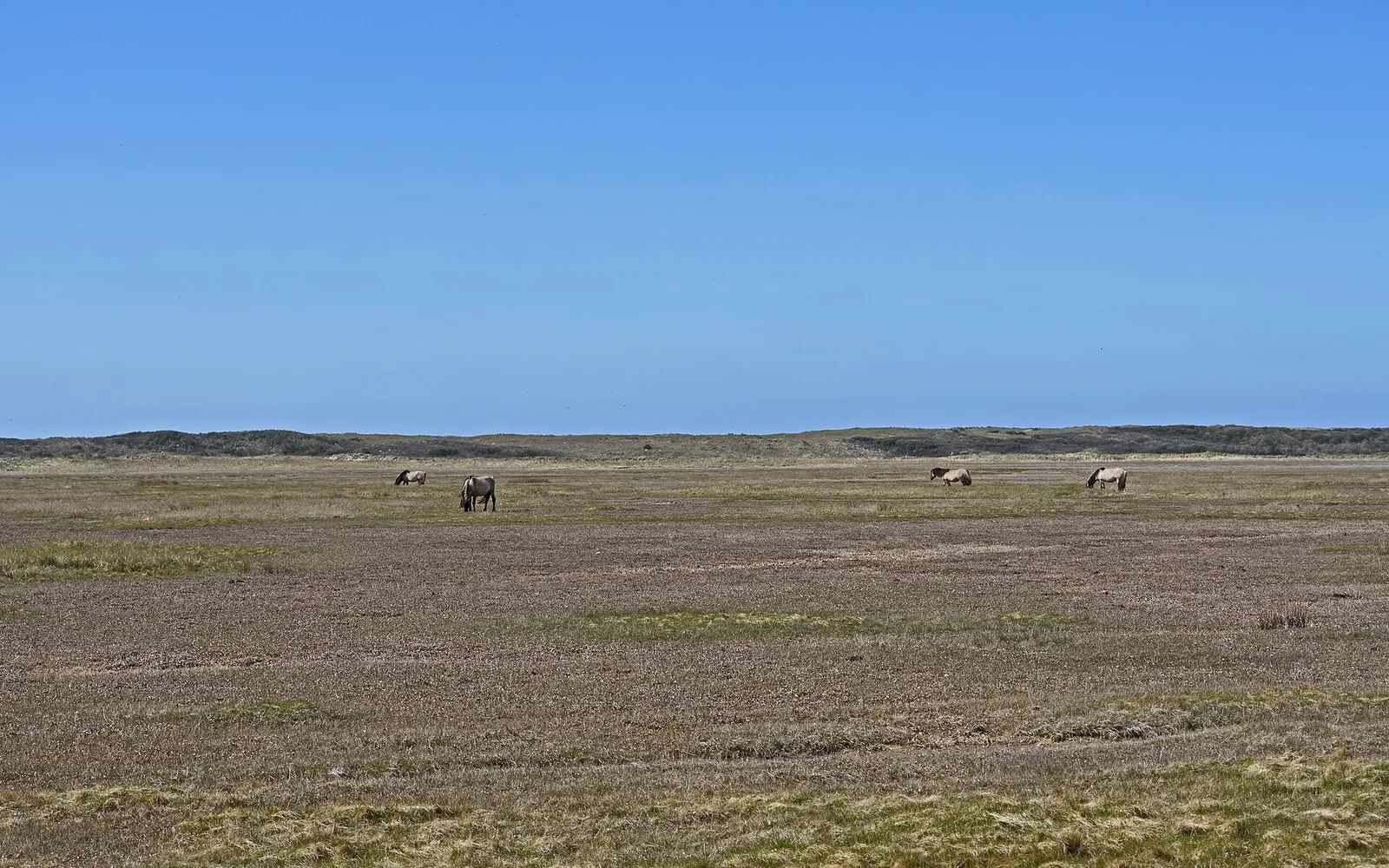
Give De Slufter time
The tidal landscape changes with weather and water, and marked access protects sensitive habitats.
Cycle by distance, not ambition
A strong headwind can turn a simple return ride into the hardest part of the day.
Getting there
The ferry departs from Den Helder. Foot passengers connect from the rail station by local bus, while vehicles join a separate boarding flow. Check the current operator process.
Getting around
Bicycles, e-bikes, local buses, taxis and cars cover the island. Reserve specialist cycles in busy periods and carry a lock, lights and weather layer.
Food to look for
Look for Texel lamb, seafood, cheese, beer and farm products. Villages differ in evening choice, and rural kitchens may close earlier outside summer.
When to visit
Late spring and summer have the fullest services. Autumn suits birds and quieter routes, while winter brings strong wind, limited daylight and reduced openings.
Accessible travel
The ferry and main visitor facilities publish accessible options. Dune paths, beach sand and birdwatching points vary, so use route-specific information.
Practical limits
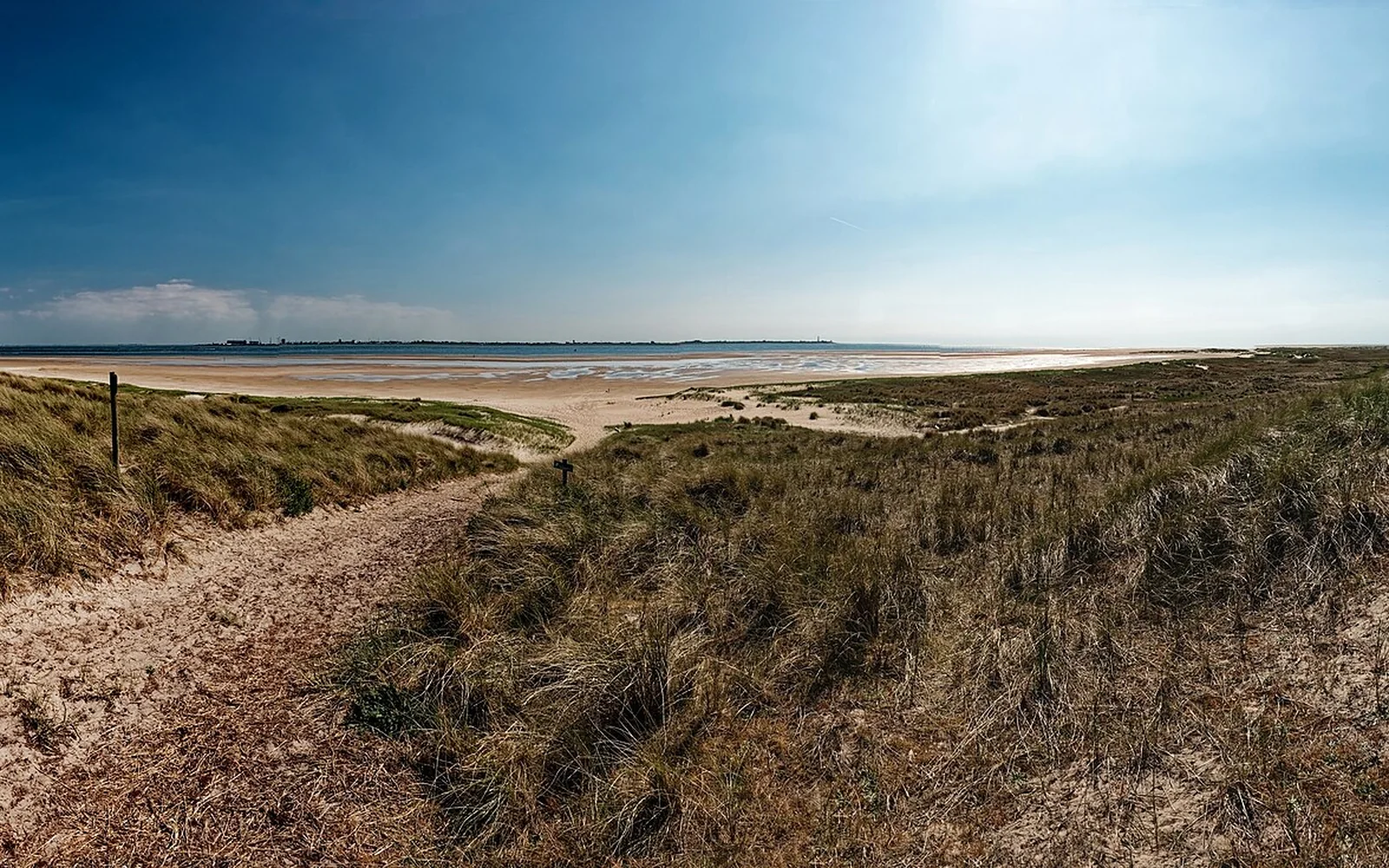
Nature zones close during nesting or high water, and beach conditions change. Stay on marked routes and do not assume every bicycle path is suitable in severe wind.
Nearby places
Den Helder is the mainland gateway. Other Wadden Islands require different ports or limited seasonal connections and should be planned separately.
Continue planning
Questions about Texel
How many days do I need on Texel?
Three days cover one village base, De Slufter and the northern coast. Four to six days allow slower cycling and weather flexibility.
Can I visit Texel without a car?
Yes. Foot passengers can combine the ferry with buses, bicycles and taxis on the island.
Is Texel easy to cycle?
The route network is strong, but distance and wind matter. Choose a bicycle that suits your fitness and daily plan.
Sources and updates
This guide was last reviewed on 3 September 2026. Transport, access and opening arrangements can change, so check the official source before travel.
- Official Netherlands visitor information, Netherlands Board of Tourism and Conventions
- Official Netherlands rail journey planner and service information, NS
- Official nationwide public transport journey planner, 9292
- Official Wadden Islands visitor information, Visit Wadden
- Official Texel visitor information, VVV Texel