
Start with the essentials
Plan Greece at a glance
- First trip
- 10–14 days
- Best months
- Apr–Jun, Sep–Oct
- Main transport
- Flights, ferries and buses
- Car
- Useful on the mainland and larger islands
- Currency
- Euro
About Greece
Why visit Greece
Greece combines archaeological sites, cities, mountains and island groups with very different transport patterns.
Ferry frequency, wind, heat and reduced winter operation can change both route order and the number of bases.
Plan Greece by region
Greece needs an early choice between a mainland route and an island section. Athens with Delphi, Meteora or the Peloponnese forms one trip, while the Cyclades, Ionian Islands, Crete and Dodecanese use different ports and flight links.
One or two well-connected islands are enough for a first itinerary. Ferry frequency, wind and port transfers shape the route, so choose islands by actual connections rather than assembling a list of famous names.
Choose a part of the country
Choose a region

Peloponnese
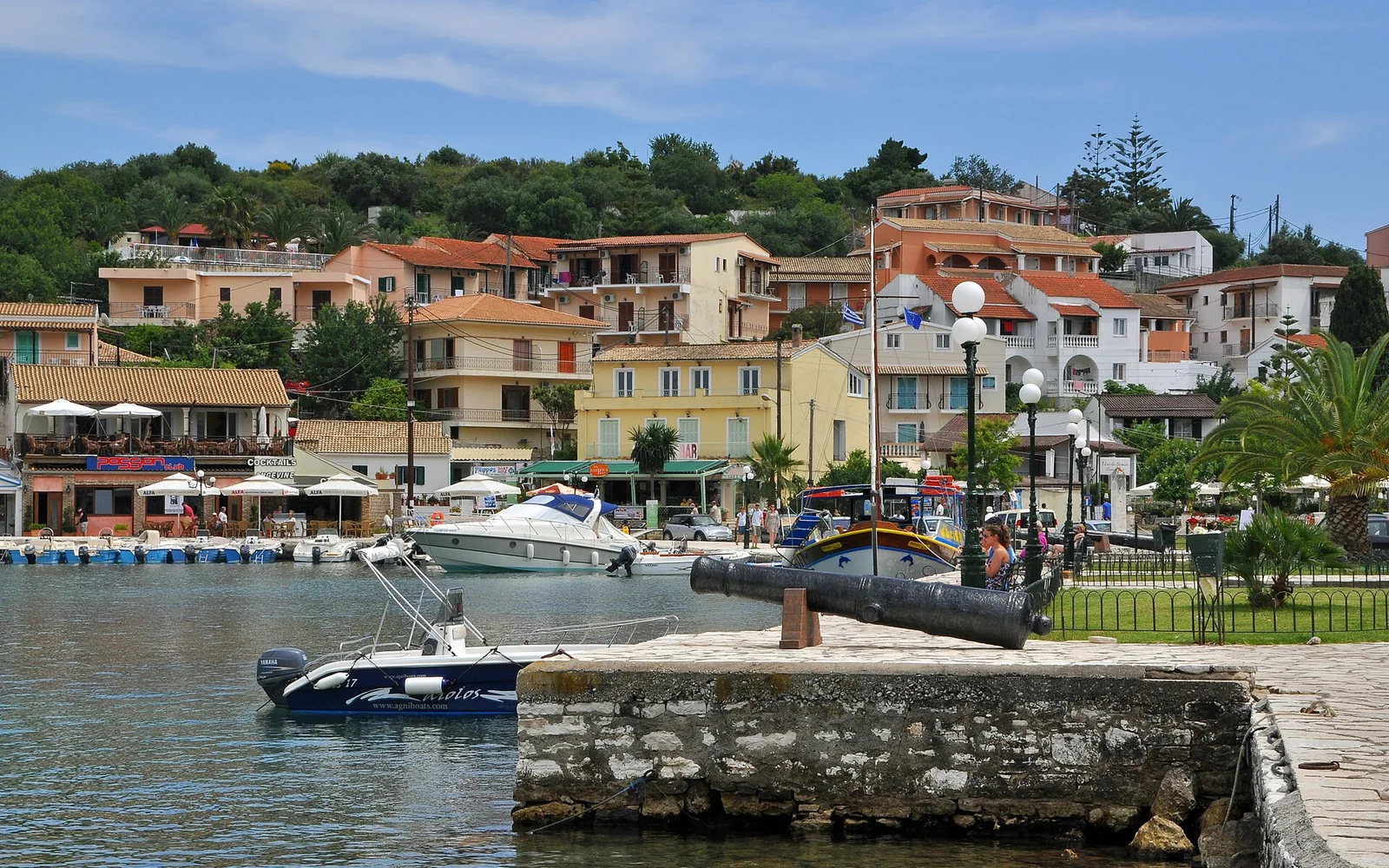
A mainland circuit that often suits a car.
View regionGood places to start
Cities for a first trip
See all 10 cities and townsAthens
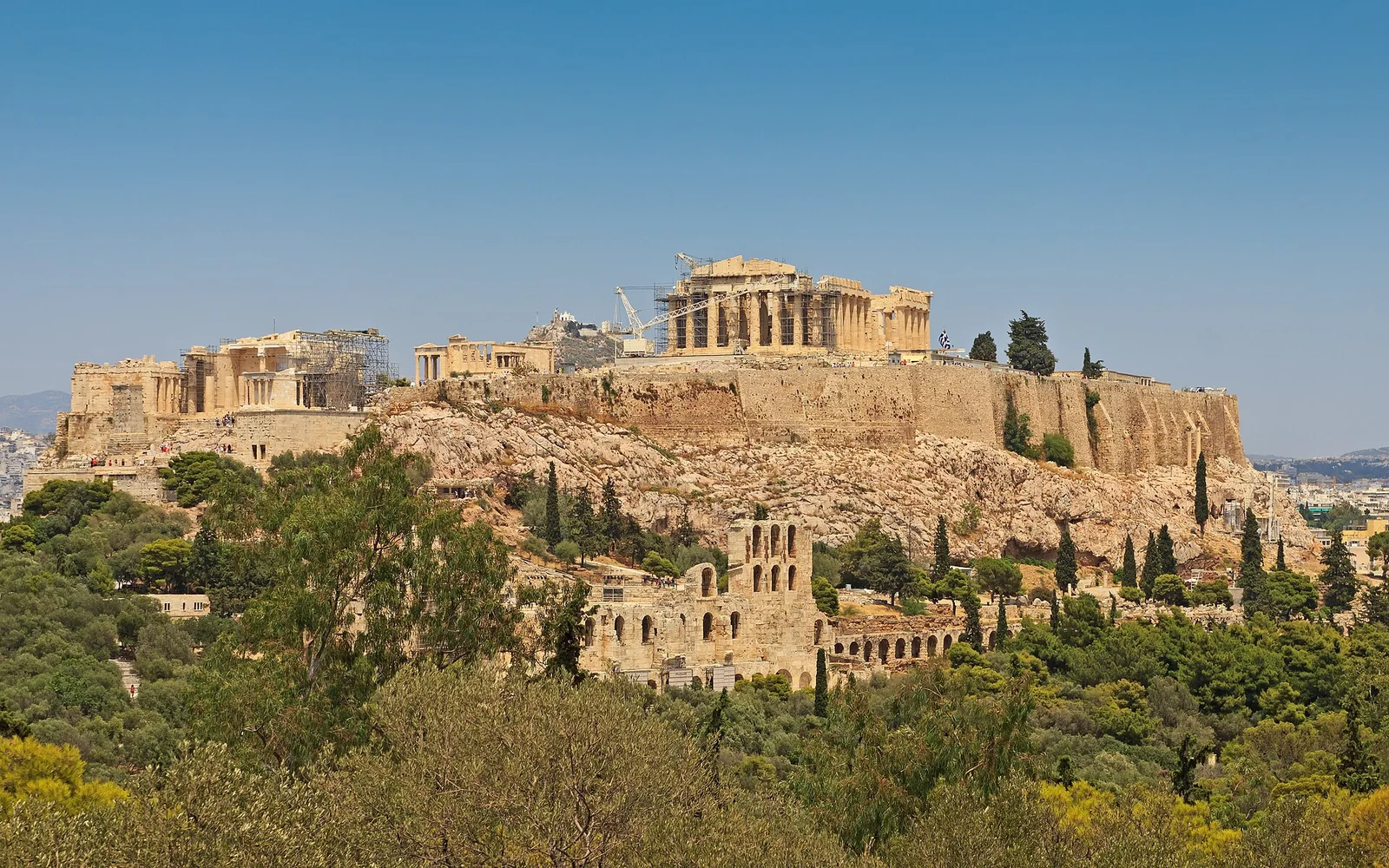
Athens layers the Acropolis and ancient Agora into a busy modern city whose neighbourhoods, markets and museums reward at least three full days.
Best for: Culture, Museums, Food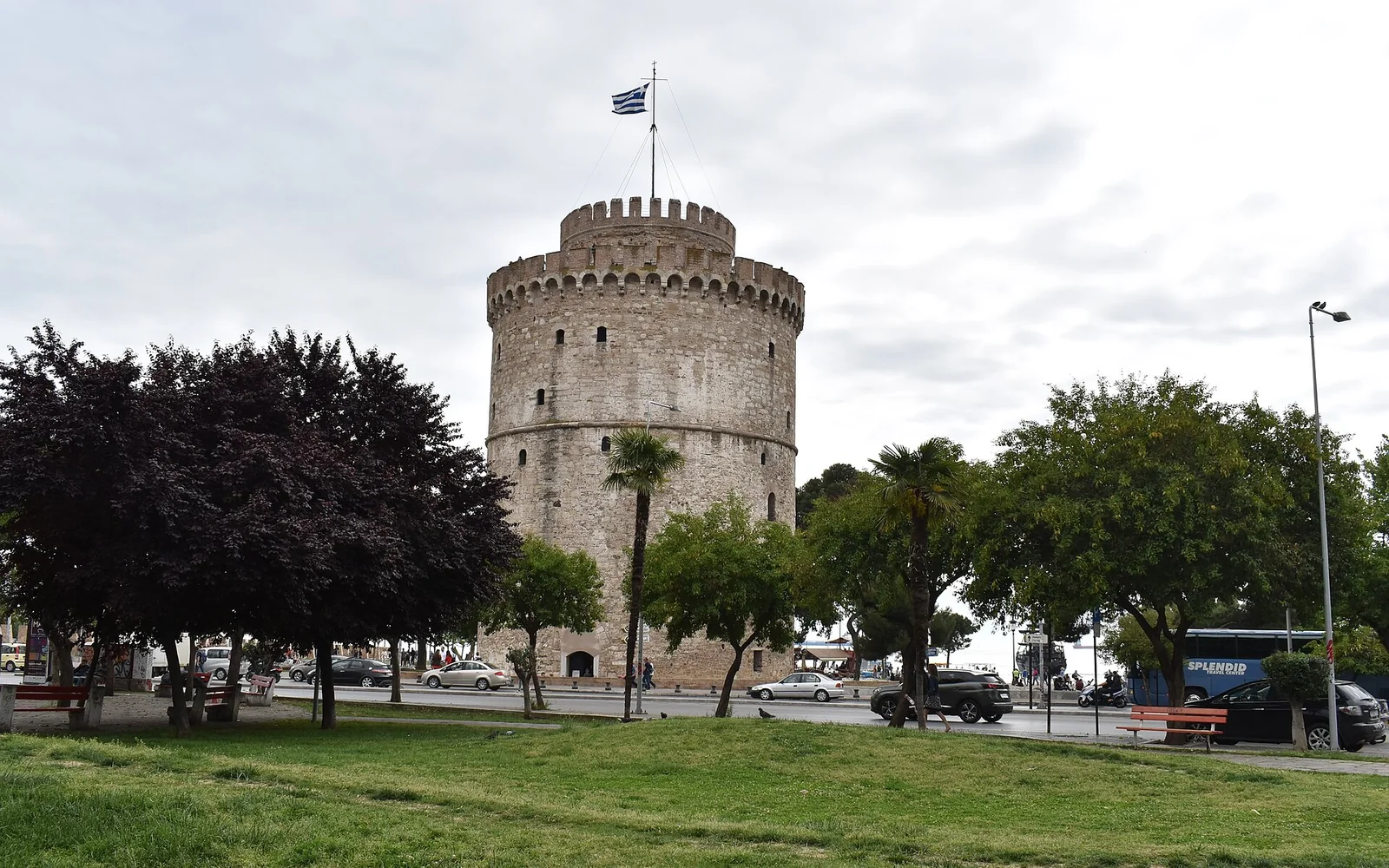
Thessaloniki
Thessaloniki is a compact northern city of Byzantine churches, Ottoman traces, markets, food streets and a long waterfront below Ano Poli.
Best for: Culture, Museums, Food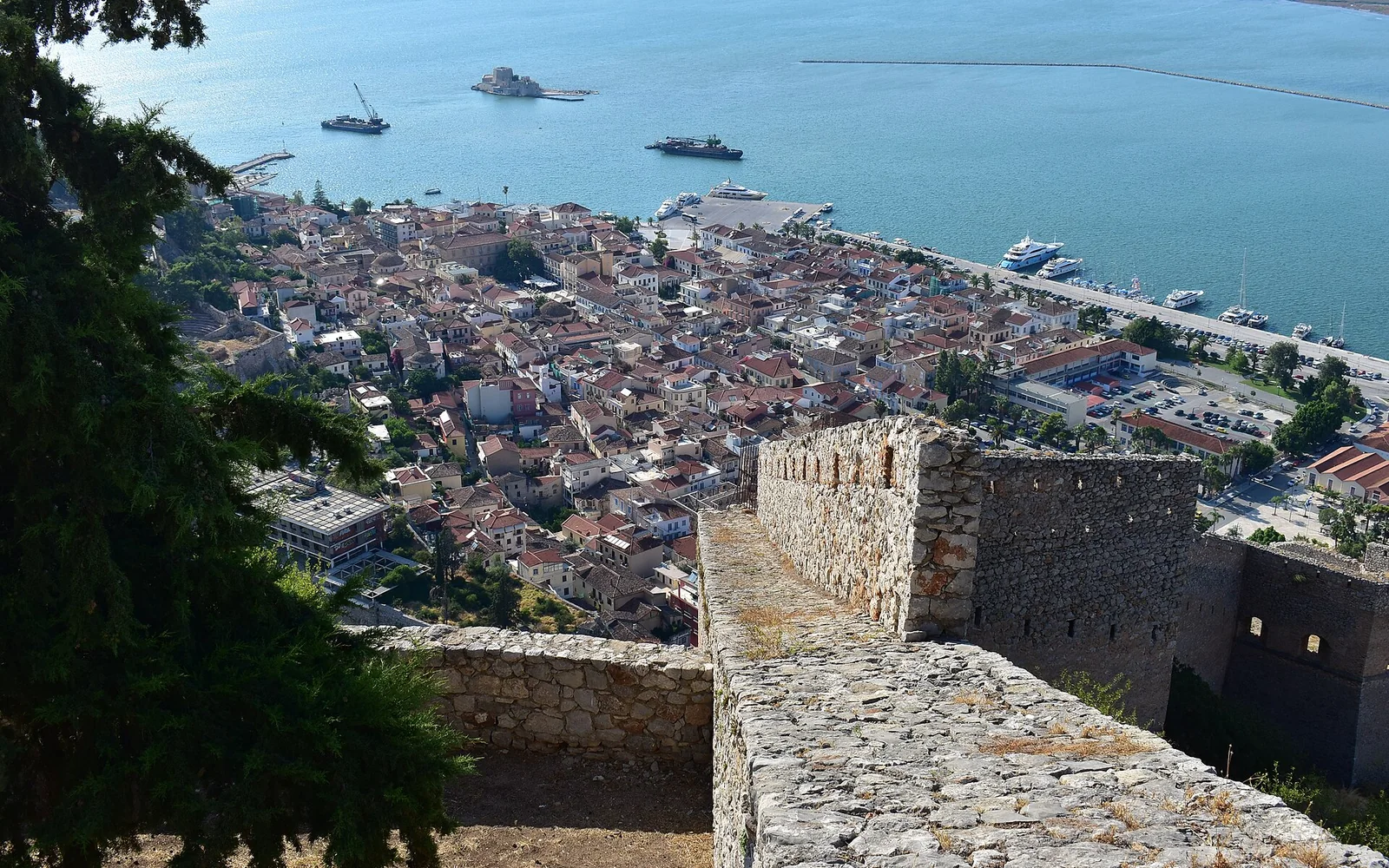
Nafplio
Nafplio is a harbour city of neoclassical streets and Venetian fortifications, well placed for Mycenae, Epidaurus and the Argolid coast.
Best for: Culture, Museums, Food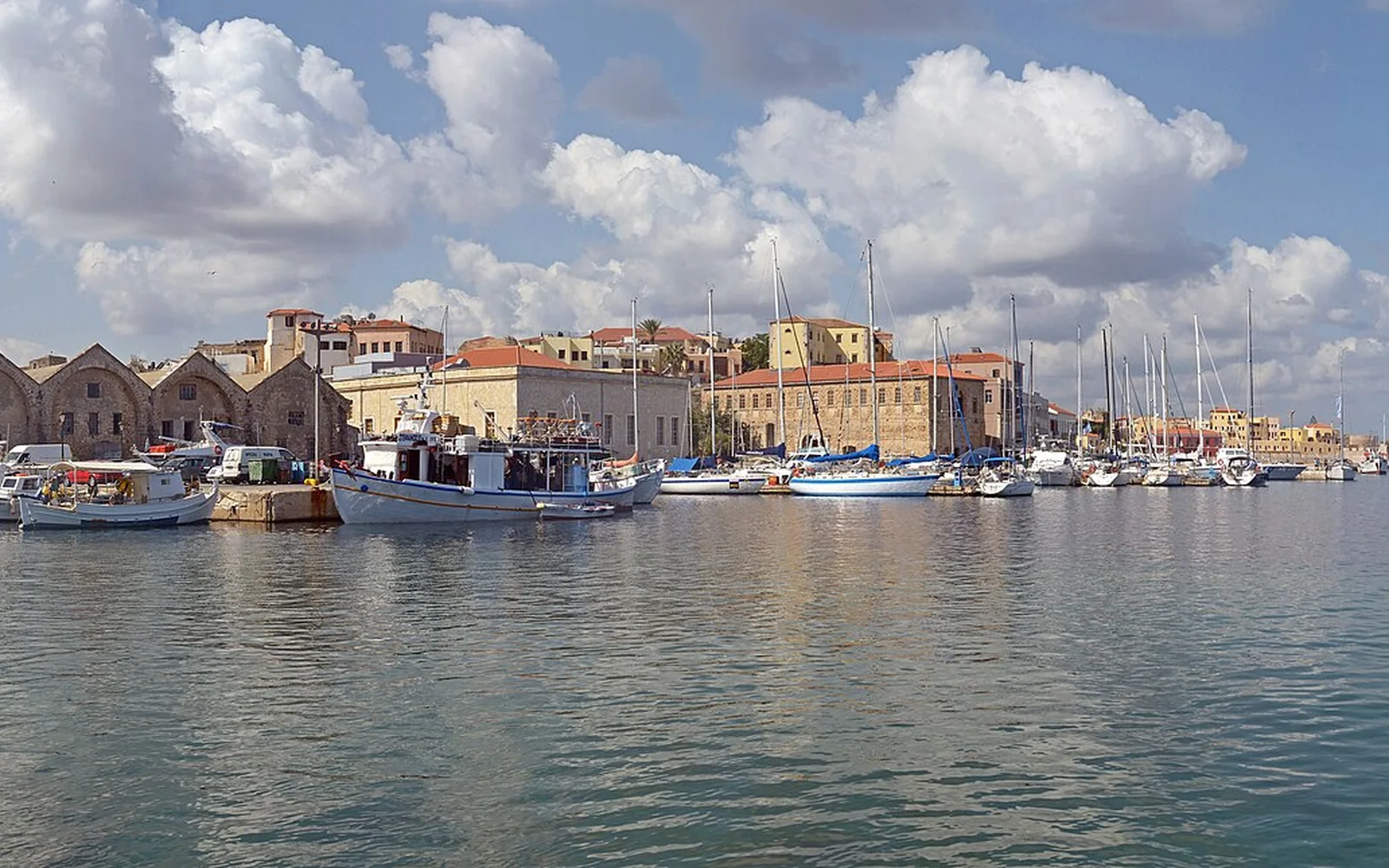
Chania
Chania’s Venetian harbour and old town form a compact city break, while the wider stay depends on well-planned western Crete day trips.
Best for: Culture, Museums, Food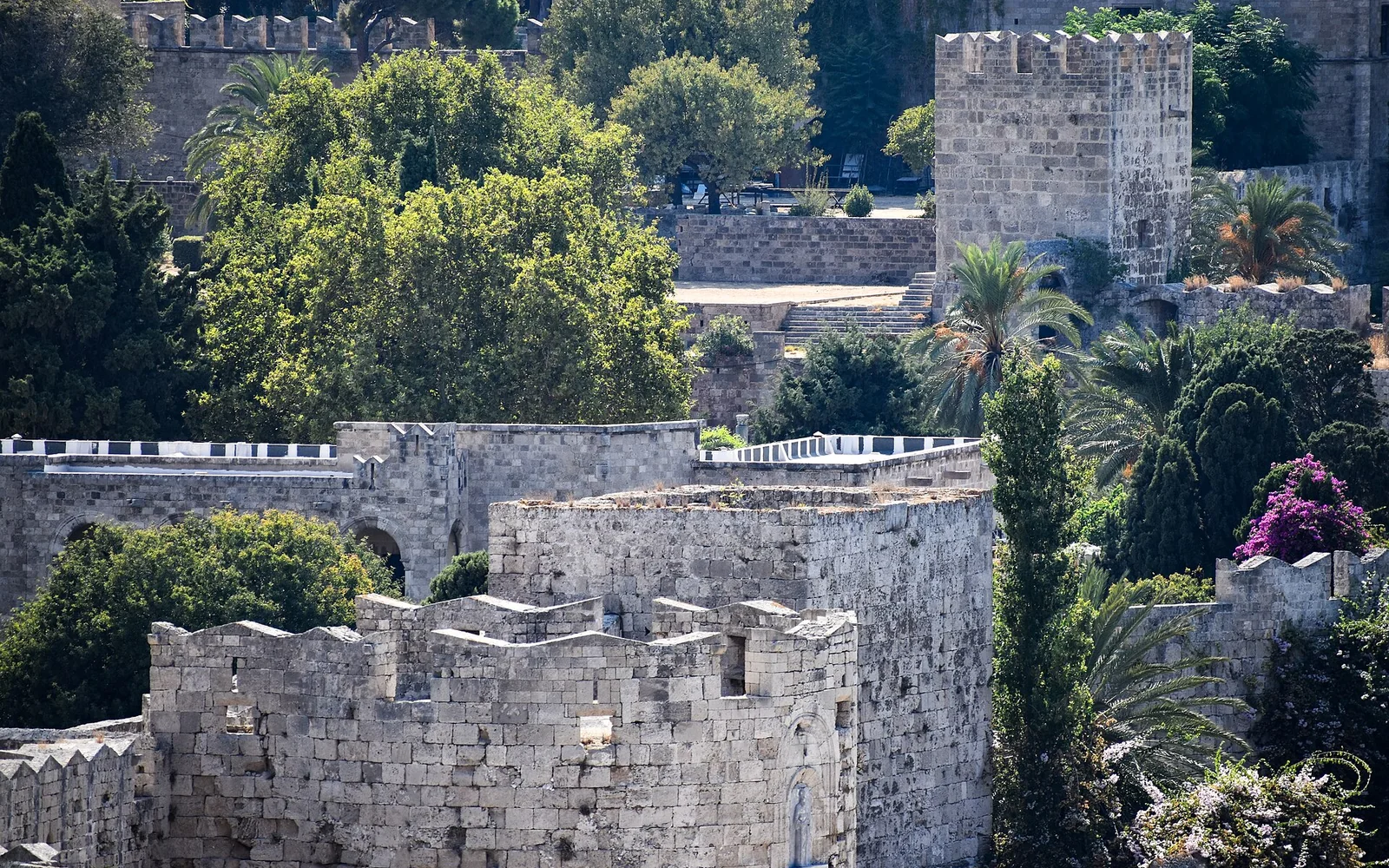
Rhodes Town
Rhodes Town combines a walled medieval city, Mandraki harbour and a modern northern district that makes a strong two or three-day base.
Best for: Culture, Museums, Food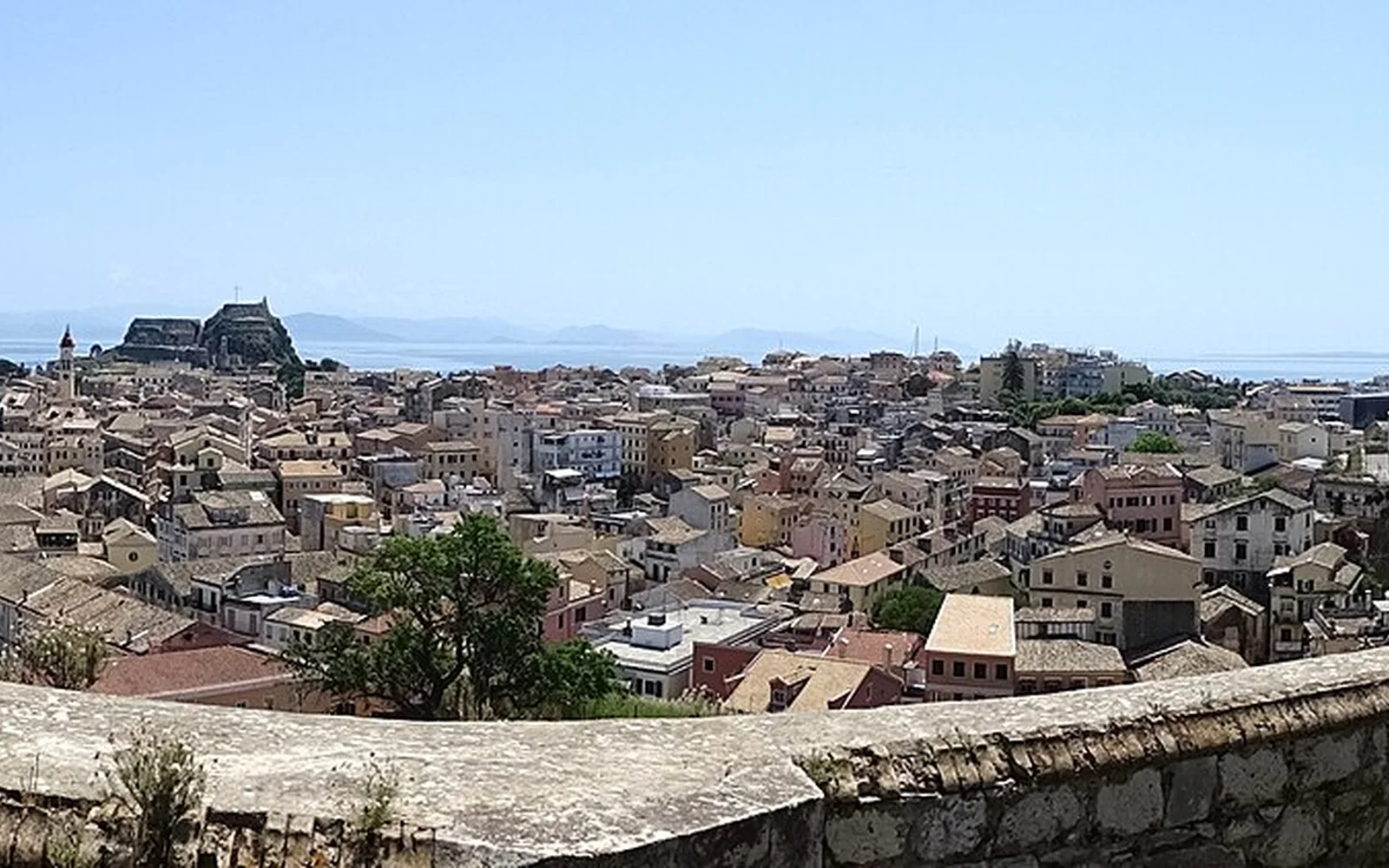
Corfu Town
Corfu Town packs fortresses, arcades, museums and tall old-town lanes into a walkable UNESCO-listed centre beside the island’s main gateways.
Best for: Culture, Museums, FoodChoose an island
Island guides
Ionian Islands
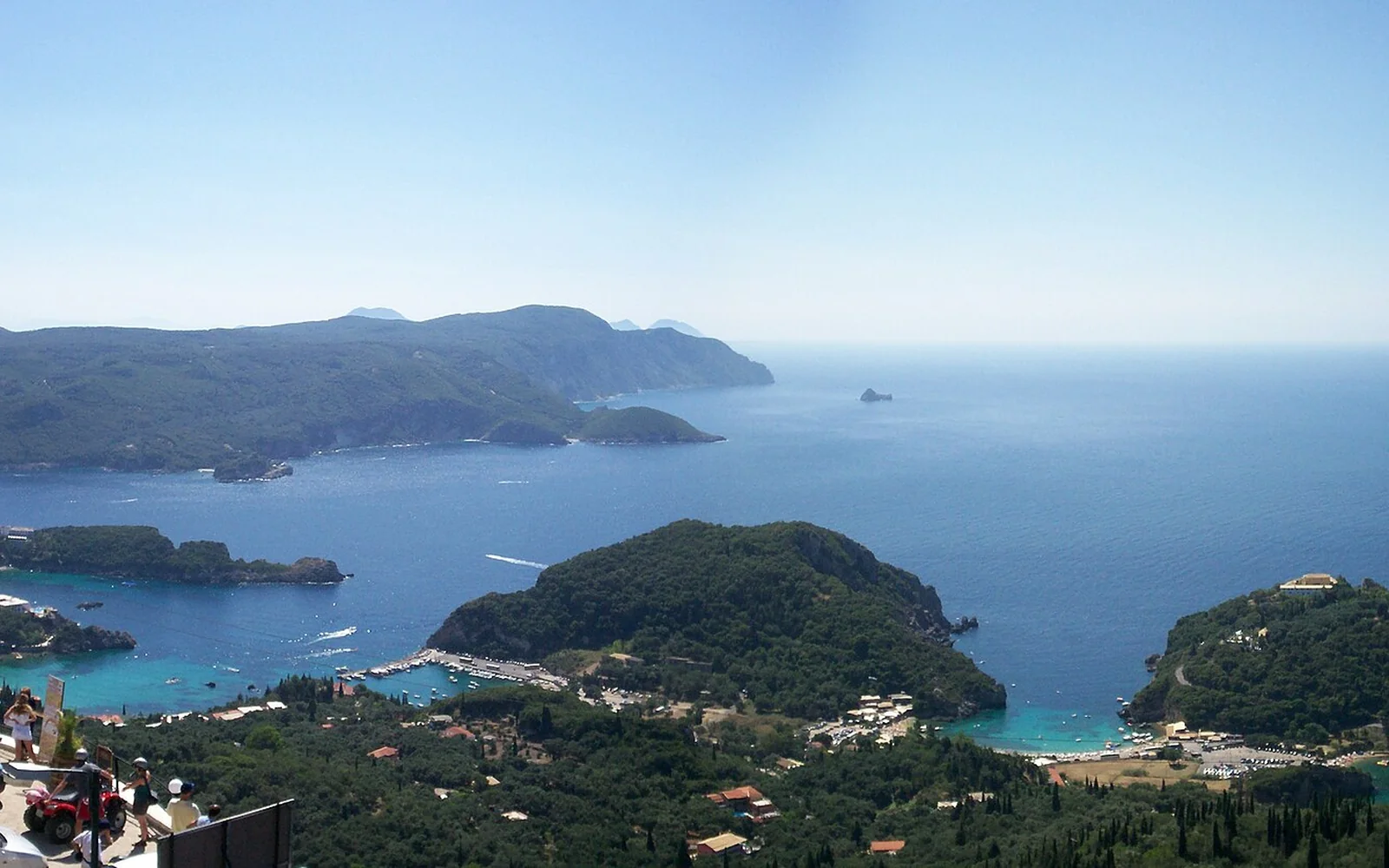
Corfu Island
Corfu combines a UNESCO-listed old town with a long green island of coves, hill villages and narrow roads that reward more than one base.
Open island guide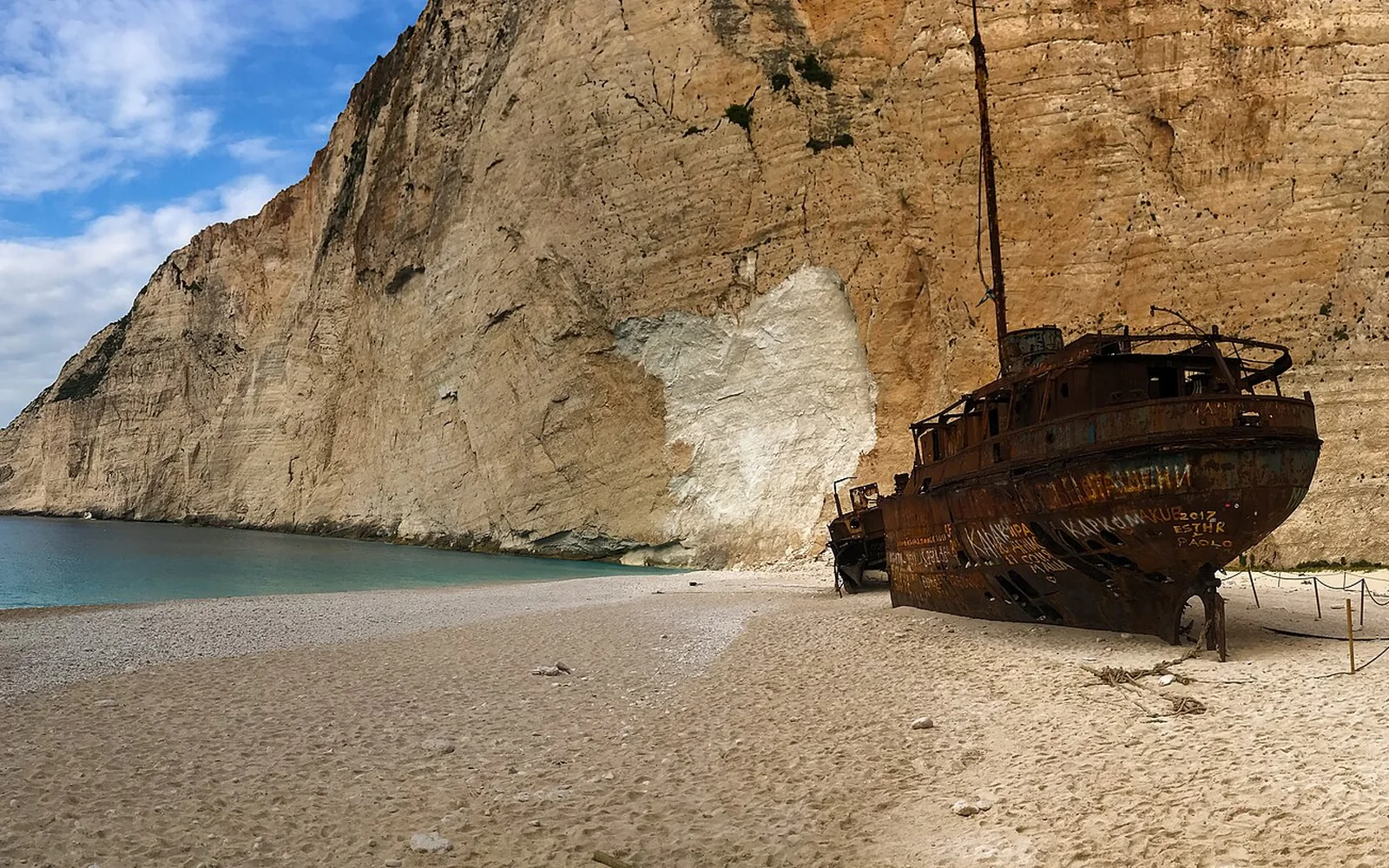
Zakynthos
Zakynthos combines high limestone cliffs, Blue Caves, busy beach districts and protected turtle habitat, with access shaped by sea and conservation rules.
Open island guideGreece
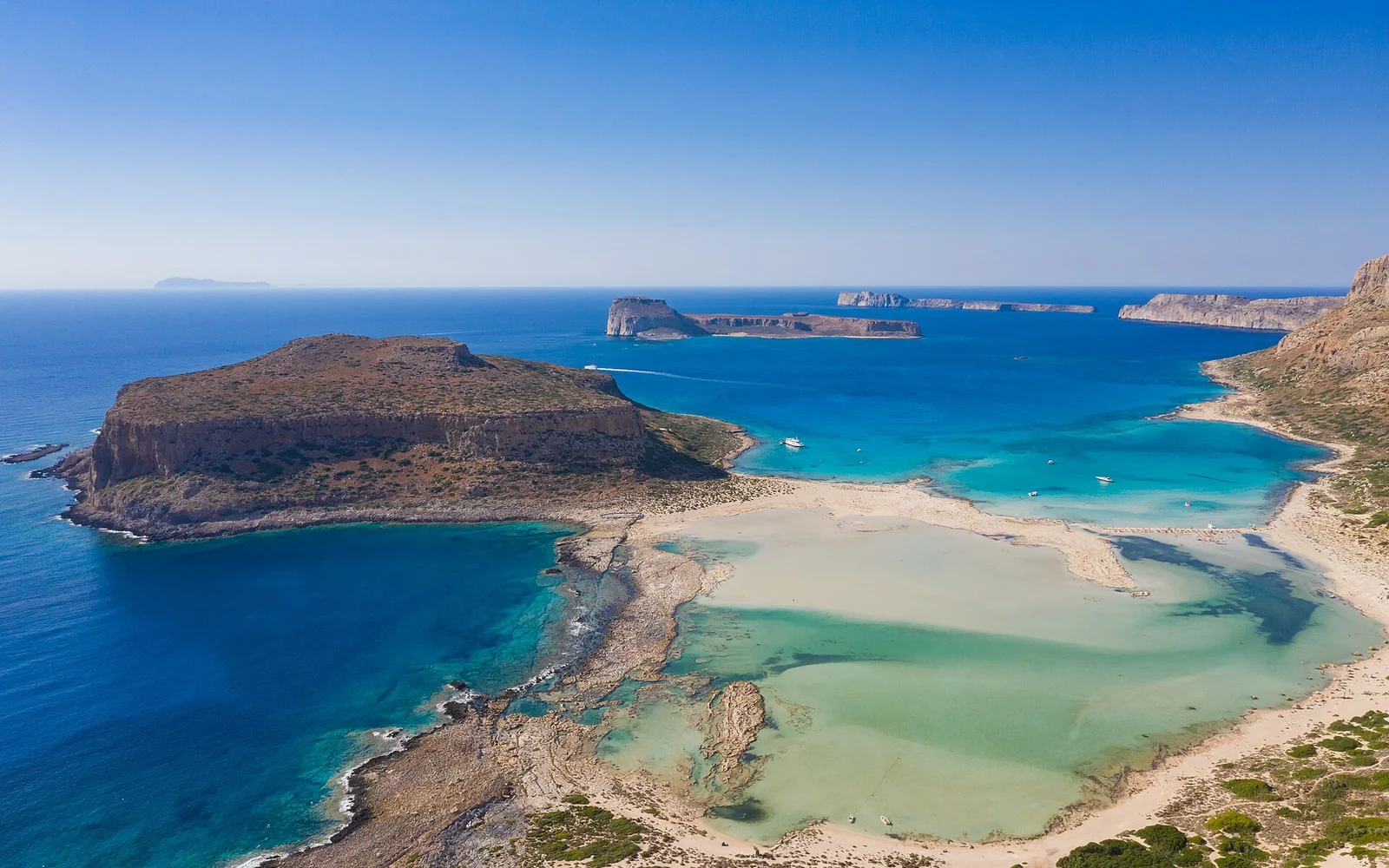
Crete
Crete is Greece’s largest island, with long east-west distances, distinct city bases, Minoan sites, mountain interiors and two different coasts.
Open island guideDodecanese

Kos
Kos combines a bicycle-friendly capital, ancient sites, long beaches and mountain villages on an island with useful air and ferry links.
Open island guide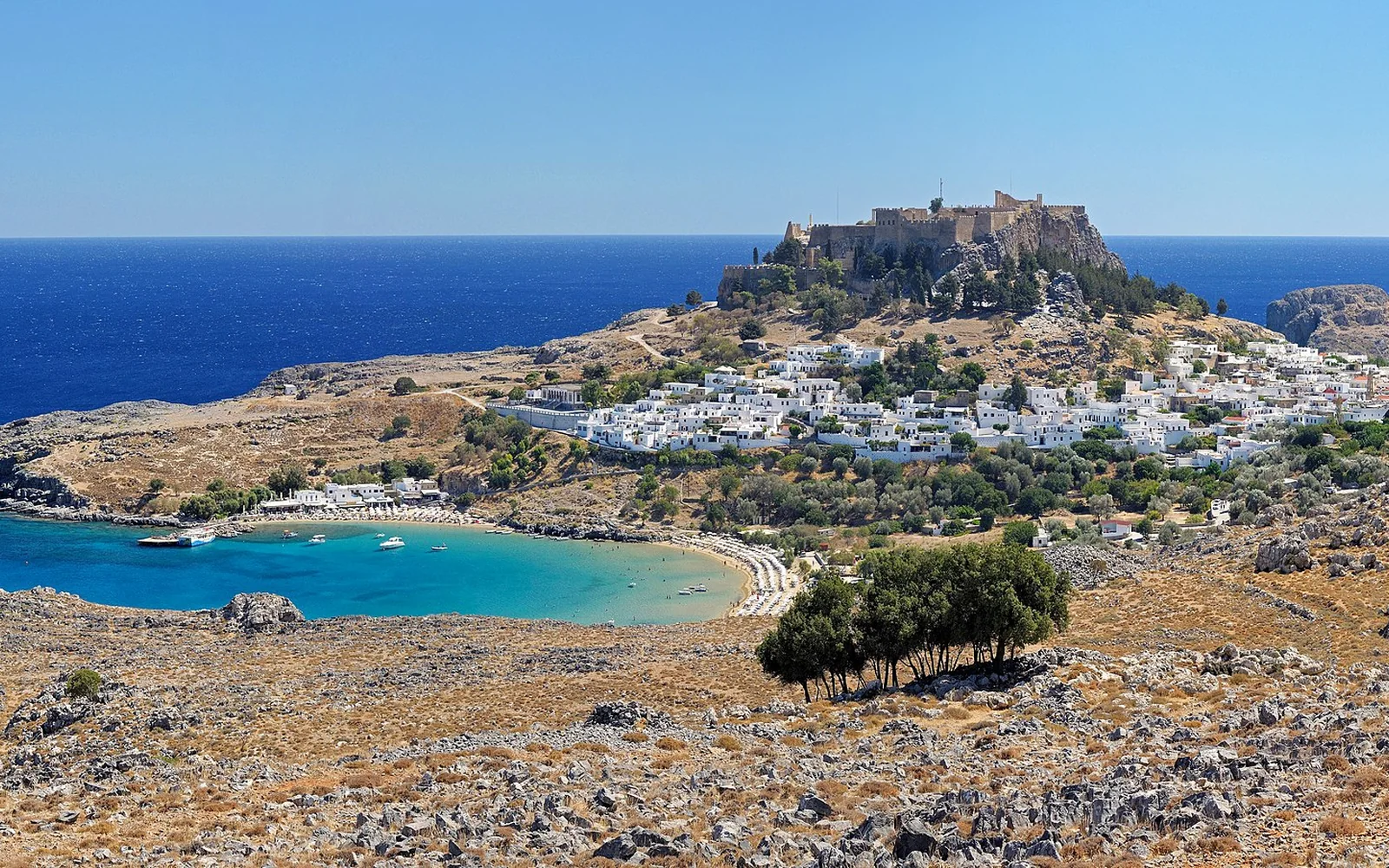
Rhodes Island
Rhodes is a large Dodecanese island where medieval Rhodes Town, Lindos, eastern beaches and the quieter interior need several distinct days.
Open island guideCyclades
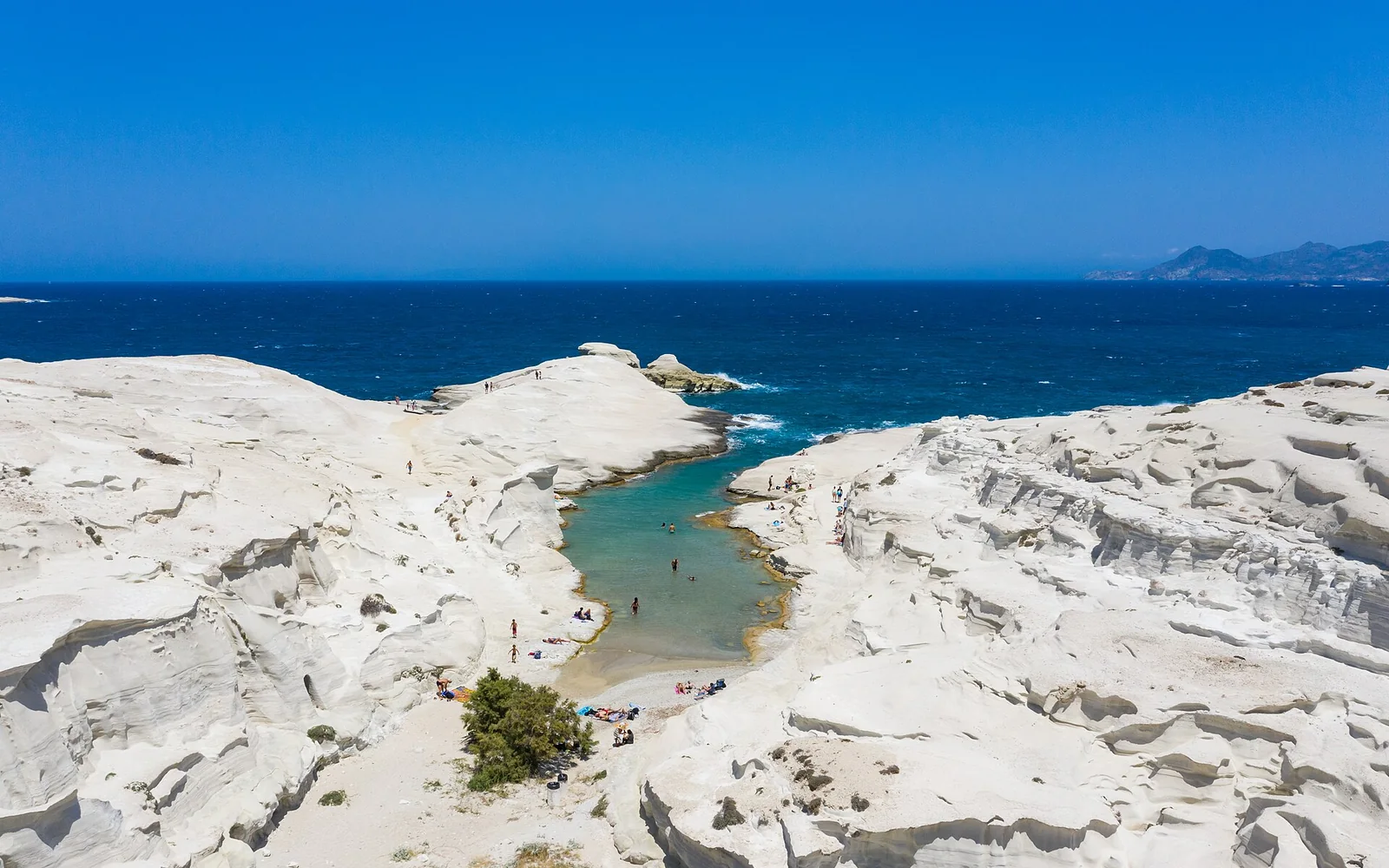
Milos
Milos is a volcanic western Cyclades island where pale coves, mining landscapes, fishing settlements and dispersed beaches need a transport plan.
Open island guide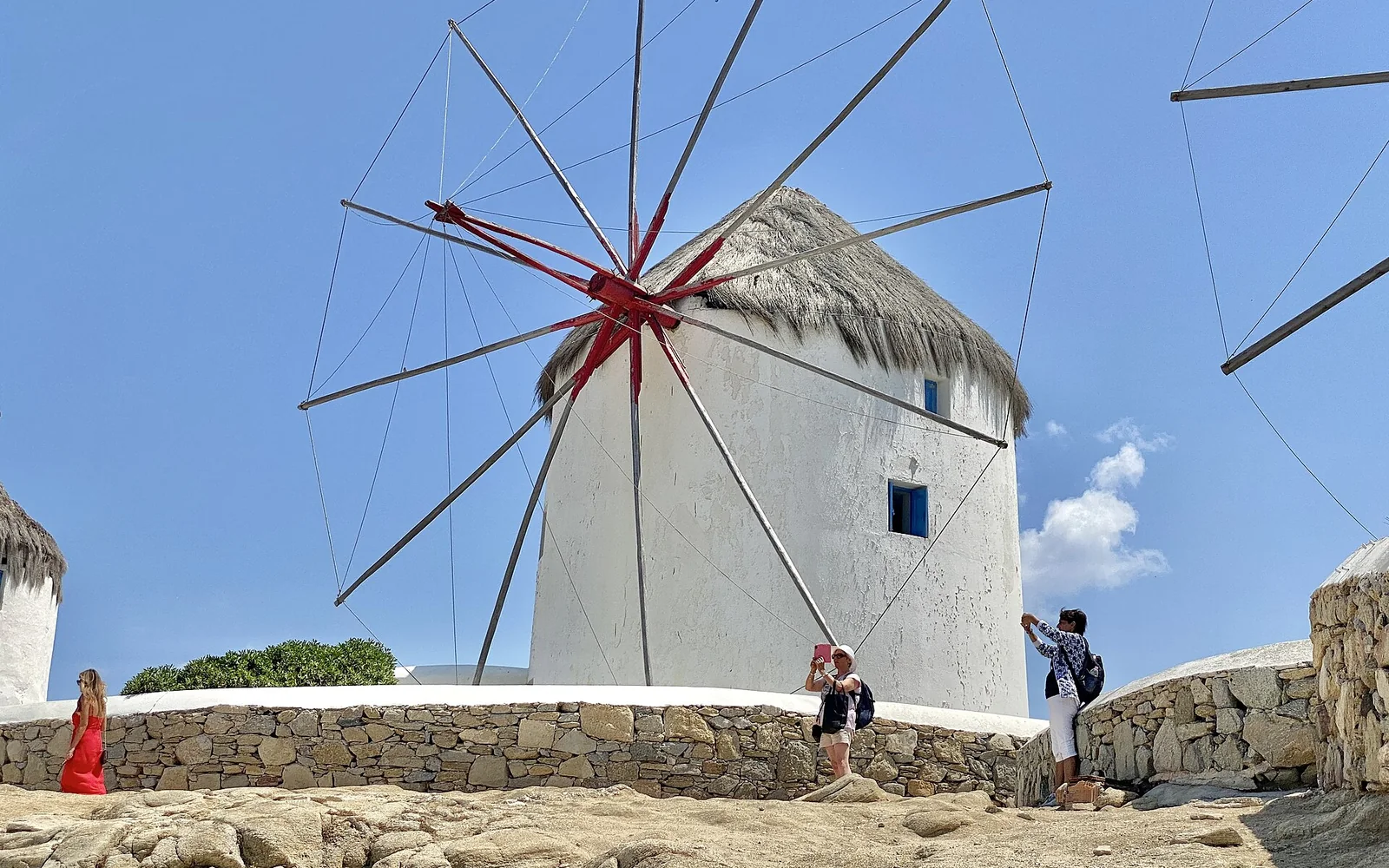
Mykonos
Mykonos pairs the tight white lanes of Chora with exposed beaches and the Delos boat route, but transport and costs need early decisions.
Open island guide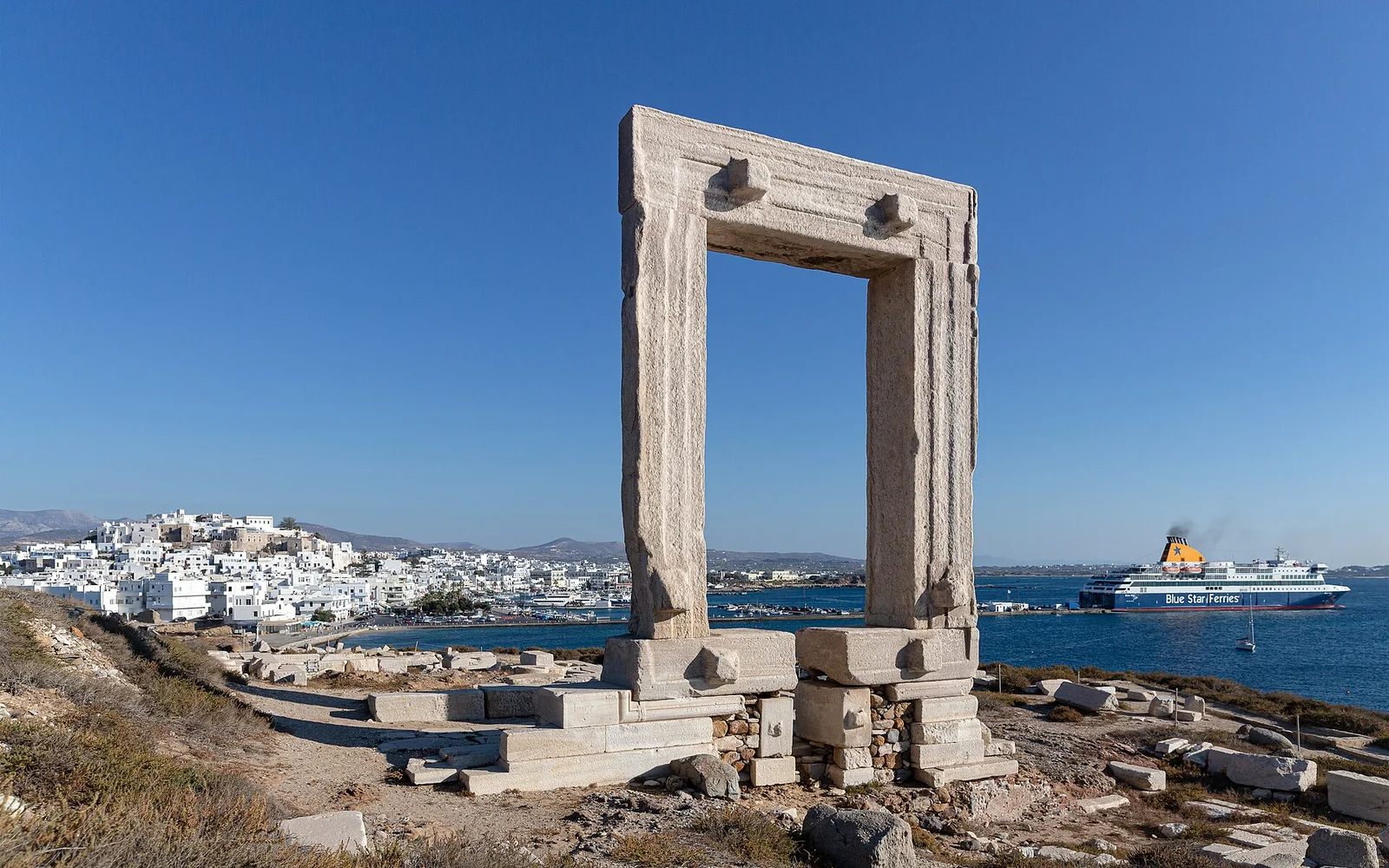
Naxos
Naxos is the largest Cyclades island, pairing Chora and long western beaches with fertile valleys, mountain villages and inland walking routes.
Open island guide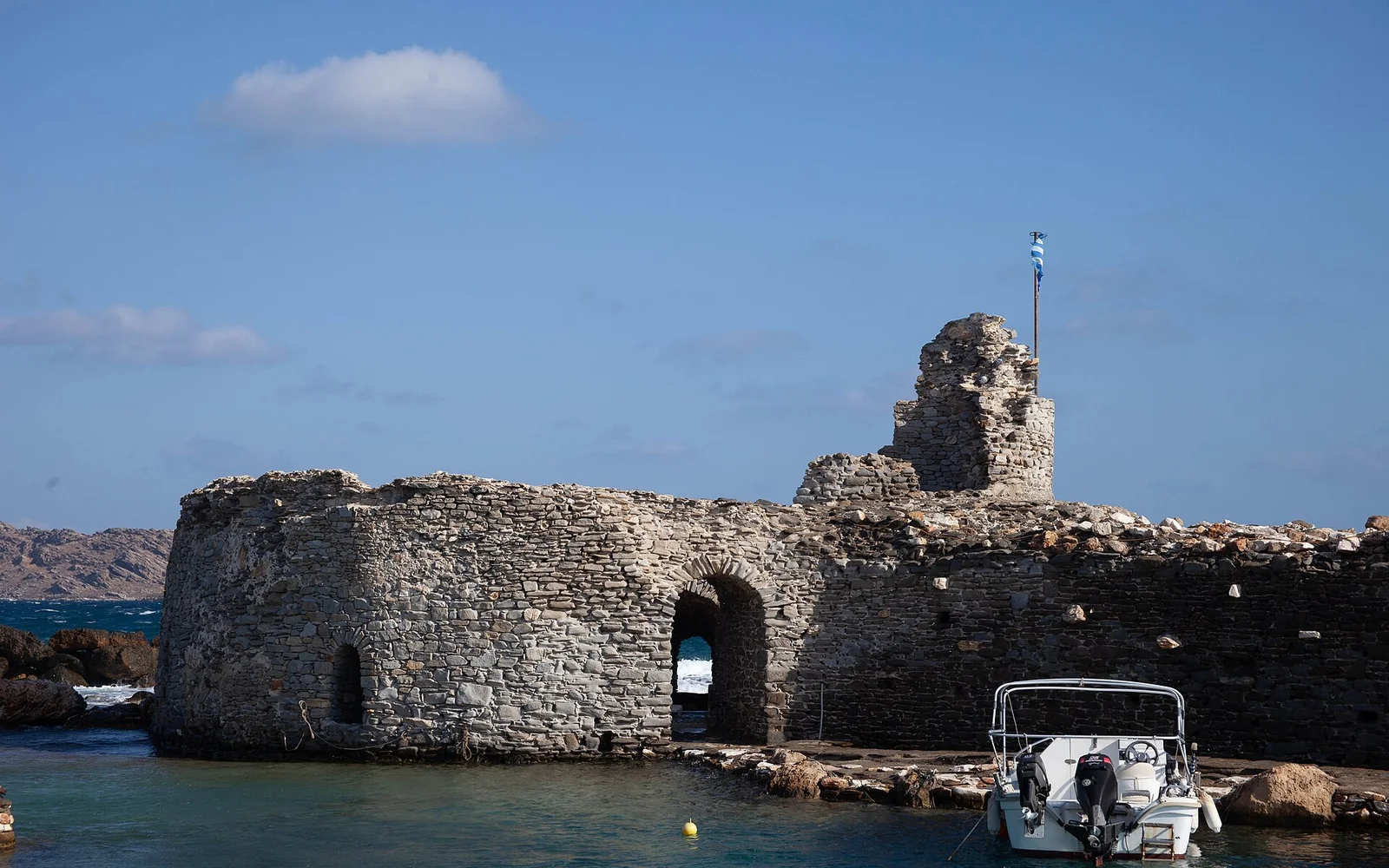
Paros
Paros combines the ferry hub of Parikia, the harbour town of Naoussa, inland Lefkes and beaches spread around a compact but varied island.
Open island guide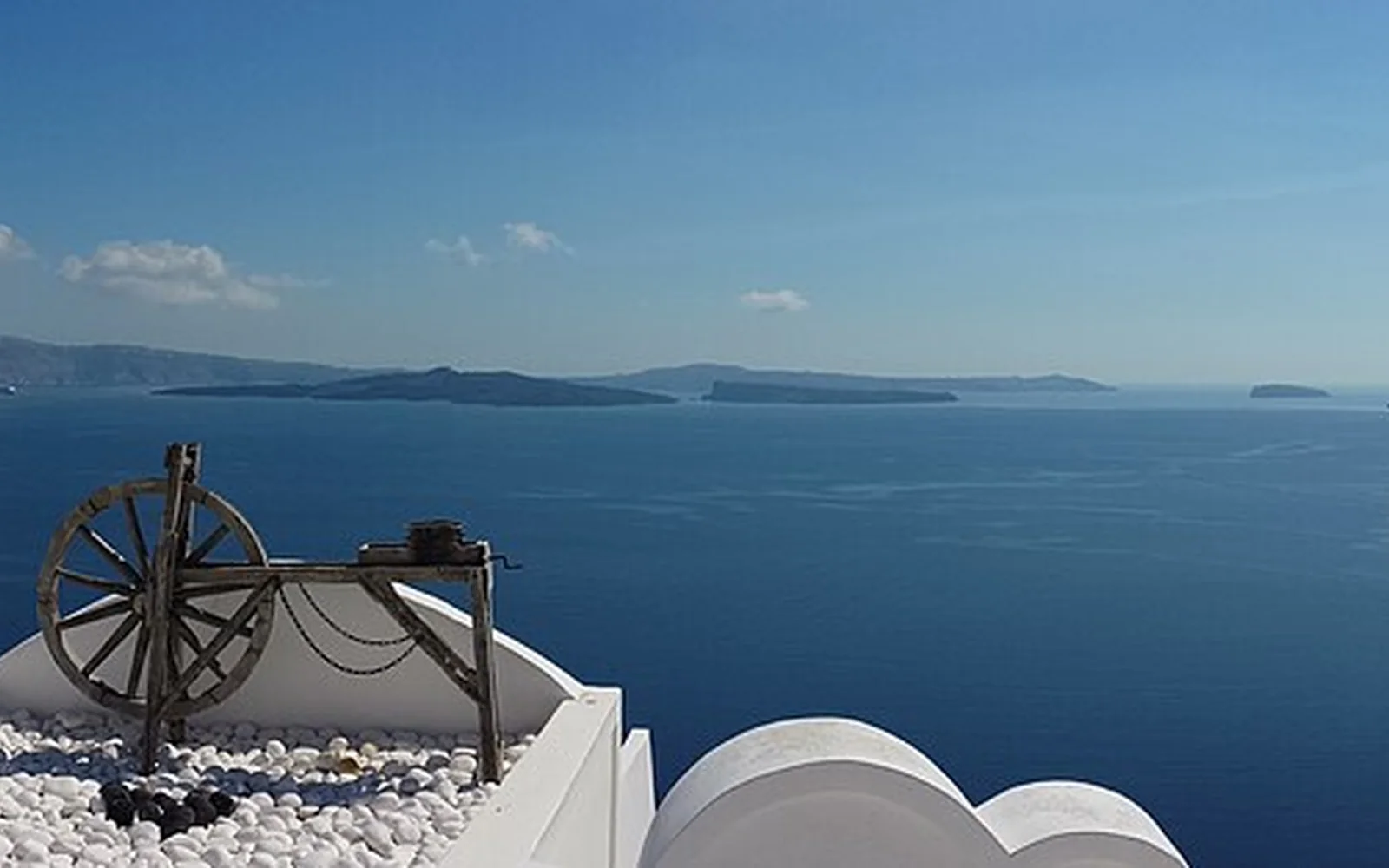
Santorini
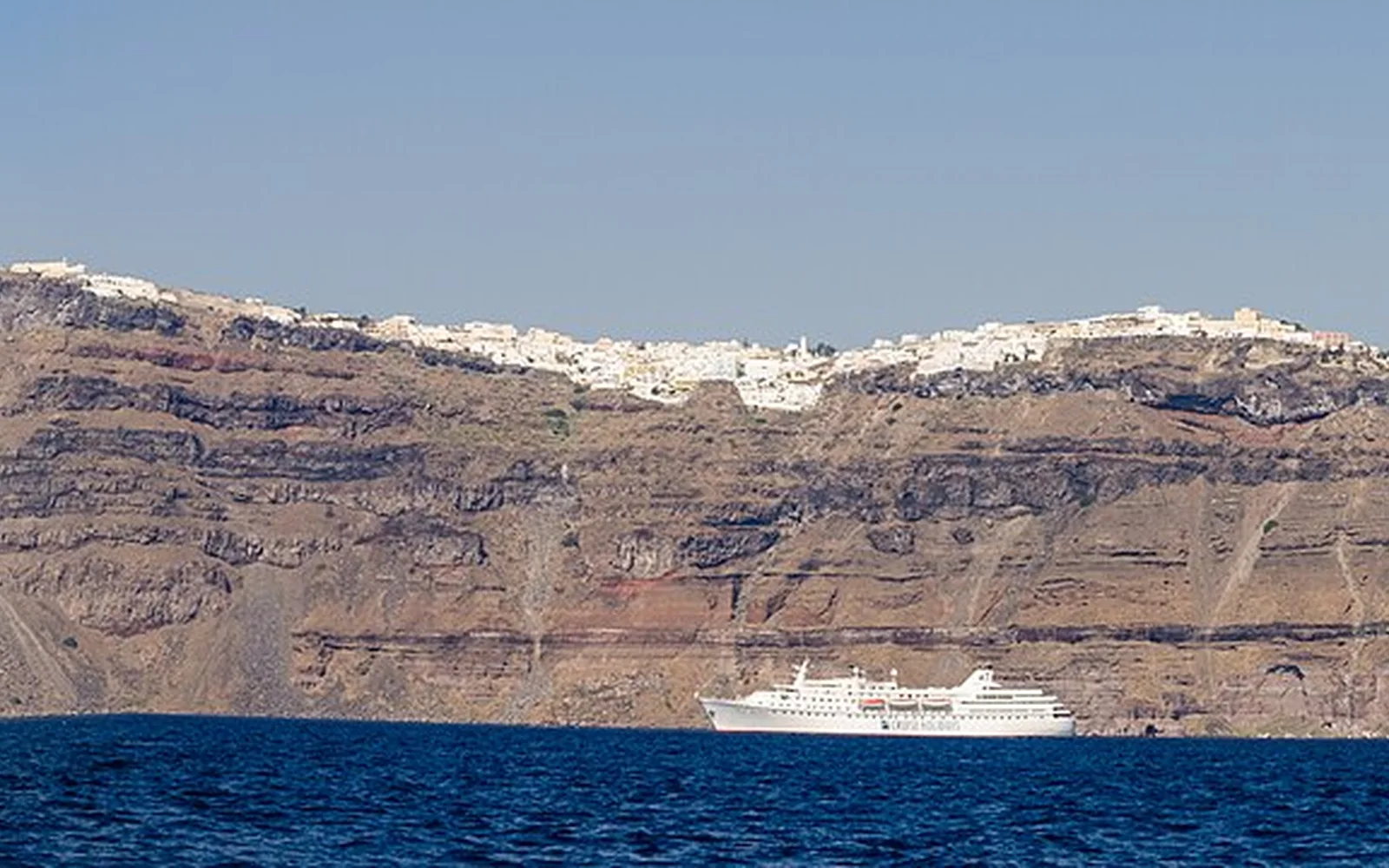
Santorini is a volcanic island where caldera villages, Akrotiri, inland settlements and dark-sand beaches need a route beyond one sunset viewpoint.
Open island guideFind places by area
Browse places by region
Attica Athens
Central Greece Delphi
Central Macedonia Thessaloniki
Dodecanese Kos, Lindos, Rhodes Island, Rhodes Town
Ionian Islands Corfu Island, Corfu Town, Zakynthos
Peloponnese Ancient Olympia, Epidaurus, Mycenae, Nafplio
Thessaly Meteora
Plan a day out
Day trips and experiences
Delphi from Athens by coach or car
A focused full day covering Delphi’s hillside sanctuary and archaeological museum, with a confirmed return to Athens.
Match the route to your time
Choose a trip length
Athens and one extension
Give Athens three days, then add Delphi, Nafplio or one nearby island with a direct connection. Meteora or a distant island group needs more travel time and should replace, not supplement, the simpler extension. Count the port transfer.
Mainland and one island section
Combine Athens with Delphi or the Peloponnese, then choose one island group. Use no more than two islands and keep a weather margin before the flight home. Crete works better as one substantial base section.
A slower regional route
Build a detailed mainland journey or combine Athens with one full island group and Crete. Protect long ferry and road days, and avoid using the extra week to connect islands that lack a practical through route.
Ready-made routes
Suggested itineraries
Athens, Naxos and Santorini in 10 days
A ten-day Greece route with three useful bases, two ferry days and enough time to experience each stop without constant hotel changes.
- Main stops
- Athens, Naxos, Santorini
- Transport
- Ferry
- Best suited to
- First-time Greece visitors who want ancient Athens and two contrasting Cycladic island stays.
- Main trade-off
- Two ferry transfers make the route vulnerable to wind and leave no safe connection to a separate Athens flight on the final day.
Transport choices
Getting around Greece
Domestic flights, ferries, intercity buses and a limited rail network divide the transport work. Athens has useful metro and suburban rail connections, while mainland archaeological routes often rely on buses or a car. Island travel depends on the port and season. Larger islands such as Crete need their own local bus or driving plan rather than being treated as a single stop.
Ferries
Search the exact ports and date before choosing islands. High-speed and conventional services have different weather tolerance, luggage arrangements and prices. Leave a buffer before any fixed international flight.
Flights
Domestic flights are useful for Crete, Rhodes, Corfu and other distant islands. Include airport transfers and check-in time when comparing them with a ferry, and avoid a tight separate-ticket connection.
Buses and rail
KTEL bus companies serve many mainland and island routes, while rail covers selected corridors. Operators are regional, so confirm the correct company, station and dated return for each leg.
Driving
A car helps in the Peloponnese, northern mainland and larger islands. It is unnecessary in central Athens and awkward in some historic centres. Allow for mountain roads, heat and limited parking near popular beaches.
Month-by-month planning
When to visit
Choose the month by region and trip style, since Athens, the mountains and the island groups do not share one dependable season.
Plan fewer hotel changes
Where to base your trip
Athens
Best for a first cultural stay.
Naxos
Best for a slower Cyclades base.
Thessaloniki
Best for northern Greece.
Before you travel
Practical facts
- Currency
- Euro
- Main transport
- Ferry, domestic flight and regional bus
- Driving side
- Right
- Emergency number
- 112
- Main languages
- Greek
- Time zone
- Eastern European Time, with summer time
- Plug type
- Type C and F
- EU status
- EU member
- Schengen status
- Schengen member
Avoid the common route problems
Planning checks
Choose islands by connections
Nearby dots on a map do not guarantee a direct ferry. Check the actual sailing day, port and onward route before booking accommodation. Use one island group and keep the last night near a dependable departure point.
Plan exposed sites around heat
Ancient sites and island walks can offer little shade. Start early, carry water and check official heat or closure guidance. Leave the hottest part of the day for a museum, meal or rest rather than another exposed monument.
Protect the journey home
Wind and operational changes can delay ferries. Return to Athens or the international departure island with a sensible margin, especially when the flight is on a separate booking that offers no protection. Avoid the final ferry on a critical connection day.
Compare mainland and island routes
See Greece travel bases by route
Loading the map…
Choose a group to compare useful bases. The map does not confirm a live route or timetable.
Choose between two places
A useful destination comparison
Croatia or Greece for a coastal trip?
Choose Croatia for a more linear Adriatic route. Choose Greece for ancient sites and a wider choice of island or mainland journeys.
Cross-border planning
Countries to combine carefully
Italy
Italy and Greece can support a longer culture and coast trip with a planned flight or Adriatic crossing.
- Likely transport
- Flight or long-distance ferry
- Minimum sensible time
- At least 14 days across both countries
- Main limitation
- The transfer consumes a substantial part of a day and ferry schedules are seasonal.
Quick answers
Planning questions
How many islands fit into ten days?
One or two well-connected islands are enough.
Should I fly or take a ferry?
Compare the complete journey, not only time in the air or at sea.
Is Greece only a summer destination?
No. Cities and mainland culture work beyond summer, while island services reduce.
What is a sensible first route through Greece?
Athens plus one island group or mainland region. Combine Athens with one island or mainland region.
What should I confirm before booking a trip to Greece?
Protect the return before an international flight. Do not assume different island groups connect directly.
How this guide is checked
Sources and review
Reviewed 3 September 2026, next review due 3 March 2027. Transport, access, prices and seasonal services can change, so check the official source before booking.
- Official Greece travel planning, Greek National Tourism Organisation
- Official Greek islands visitor information, Greek National Tourism Organisation
- Official Greek rail journey planner and service updates, Hellenic Train
- Official accessible Athens routes and visitor guide, City of Athens
Continue planning
More places in Greece
Browse the full destination list when the curated starting points do not match your route.