
Greece has no single ideal month for every journey. Spring and early autumn suit many mixed routes, while high summer needs a heat-aware plan and winter works best around cities, mainland heritage and year-round communities.
Match the season to the part of Greece
Athens, Thessaloniki and major mainland sites remain viable across much of the year, although winter rain and summer heat change the daily timetable. Mountain regions have colder conditions and can require winter driving or route checks.
Crete, the Cyclades, the Dodecanese and the Ionian Islands have different wind, rainfall and transport patterns. Treat the chosen island group as its own journey rather than applying one national weather assumption.
Use spring for heritage and longer walking days
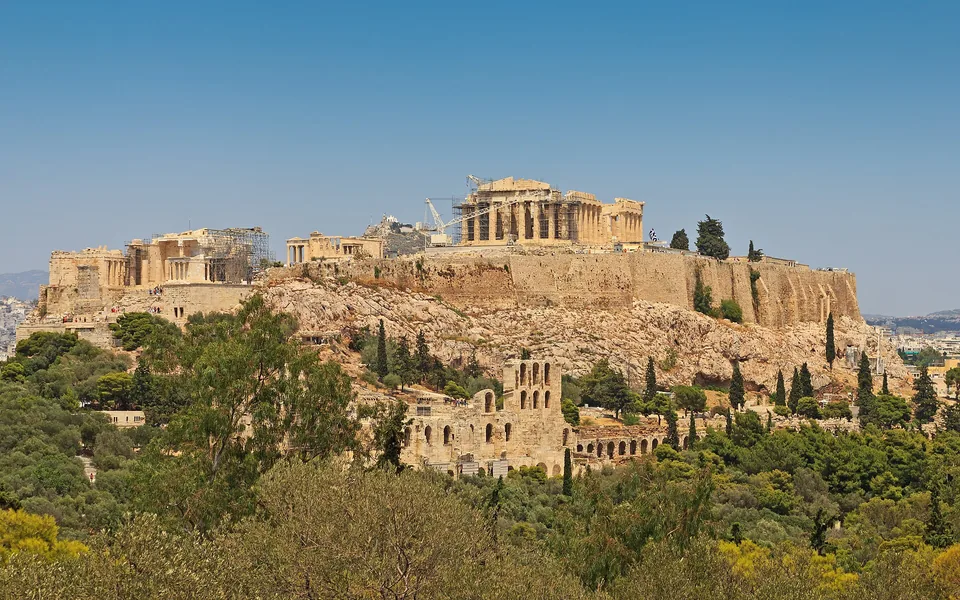
April and May are useful for archaeological sites, city walking and island routes that do not depend on the fullest summer network. Conditions can still change quickly, so exposed walks and sea crossings need a current forecast.
Greek Orthodox Easter moves between years and can strongly affect transport, accommodation and local opening patterns. Check the actual date and local arrangements instead of treating April as a uniform quiet period.
Build summer days around heat and disruption risk
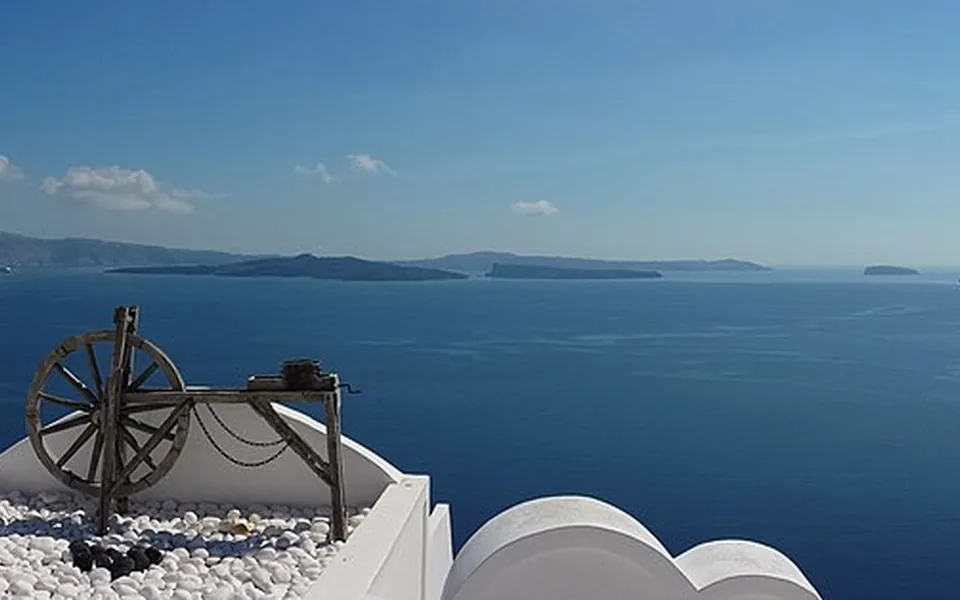
June brings long days and broad transport choice, but exposed ruins can already be very hot. July and August require early outdoor visits, shaded midday plans and close attention to heat and wildfire instructions.
Aegean wind can disrupt ferries even in otherwise clear weather. Avoid separate fixed tickets immediately after an island crossing, and keep official operator messages available throughout the route.
Keep autumn routes flexible as services reduce
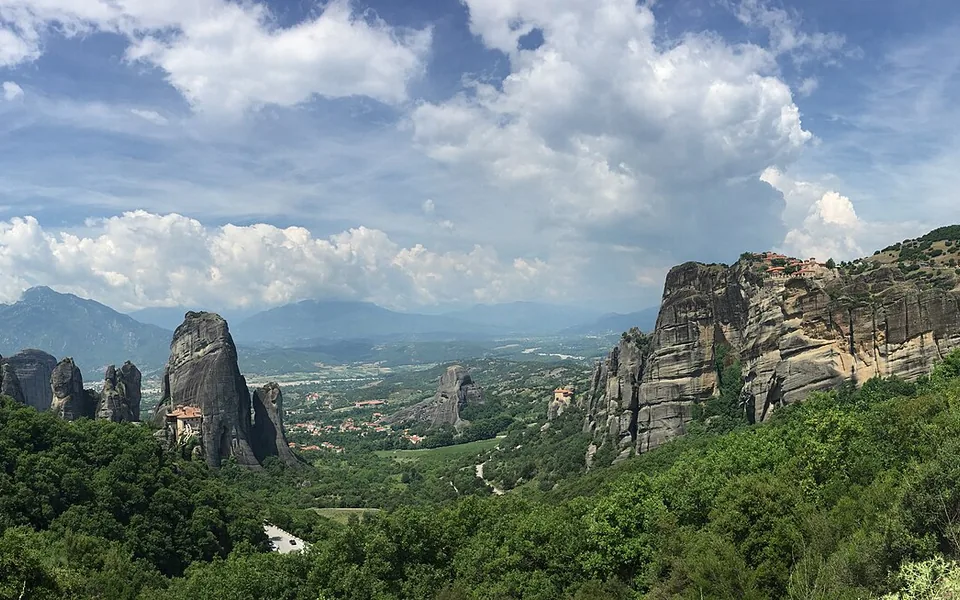
September often supports both island time and mainland sightseeing, though heat and wind remain possible. October can work well in Athens, Crete and larger islands when every ferry and seasonal activity is checked for the date.
The transition does not happen everywhere at once. A permanent island town may remain active while a resort area nearby becomes very quiet, so the base matters as much as the month.
Plan winter around year-round places
From November to March, use cities and mainland heritage as the core of the trip. Shorter site hours, rain and snow at elevation make a compact route more dependable than a long sequence of remote stops.
Island travel is still possible on selected routes, but sparse connections and closed seasonal businesses change the experience. Confirm accommodation, local transport and the return before choosing a winter island base.
Turn the seasonal choice into a Greece route
Month-by-month guide
| Month | Good for | Main limitations | Crowds | Transport or access |
|---|---|---|---|---|
| January | Athens, Thessaloniki and major mainland museums. | Rain, short daylight and snow in mountain areas can disrupt road plans. | Visitor pressure is generally low outside holiday weekends. | Island links continue selectively, but many seasonal businesses remain closed. |
| February | City culture, mainland archaeology and quieter historic centres. | Conditions can be cold and unsettled, especially inland and at elevation. | Most places remain calm, with local peaks around carnival events. | Build island plans only around confirmed transport and accommodation. |
| March | Athens, the Peloponnese and lower-level walking as spring begins. | Sea conditions stay cool and wind can affect exposed island routes. | Demand starts to rise around weekends and school holidays. | More visitor services reopen, though the summer network is not yet in place. |
| April | Mainland heritage, spring landscapes and islands with year-round communities. | Weather remains changeable and Greek Orthodox Easter dates alter local patterns. | Easter can bring concentrated demand on ferries, flights and family destinations. | Confirm holiday transport and individual archaeological-site hours. |
| May | Cyclades routes, outdoor heritage and walking before the strongest heat. | Sea temperatures and evening conditions can still feel cool early in the month. | Popular islands become busy without reaching the main summer peak. | Ferry choice widens, but every island connection still needs a dated check. |
| June | Island stays, beaches and long days across the mainland. | Heat builds quickly at exposed ruins and on treeless paths. | Demand becomes high on major island routes and in famous coastal bases. | Reserve key sailings and keep midday outdoor plans short during hot periods. |
| July | Beach-focused stays where shade, water and local transport are planned. | Heatwaves, wildfire danger and strong winds can affect several regions at once. | Athens monuments and leading islands experience sustained summer pressure. | Follow official warnings and leave generous margins around ferries and flights. |
| August | Long island evenings and trips built around one settled coastal base. | Heat, wildfire conditions and Aegean wind can force major daily changes. | Domestic holidays and international travel create the busiest period in many resorts. | Book essential transport early and avoid fragile multi-island sequences. |
| September | Warm-water island trips, Athens and heritage routes with more flexible days. | Hot spells and strong wind remain possible despite the changing season. | Pressure usually eases gradually after the first part of the month. | Ferry networks remain useful, but later dates need closer checking. |
| October | Athens, Crete, the Peloponnese and selected islands with permanent communities. | Rain and wind become more likely, while daylight shortens. | Major sites are quieter, though warm weekends can still draw visitors. | Seasonal sailings and visitor businesses begin to reduce their schedules. |
| November | Museum-led city breaks and road-accessible mainland heritage. | Wet weather, short days and mountain conditions limit ambitious outdoor routes. | Cities are generally manageable outside events and public holidays. | Use year-round bases and verify every island stay before committing. |
| December | Athens, Thessaloniki and winter towns with a specific local programme. | Holiday closures, rain and snow at elevation require flexible plans. | Christmas and New Year create short bursts of domestic demand. | Confirm festive timetables and archaeological-site closures for exact dates. |