
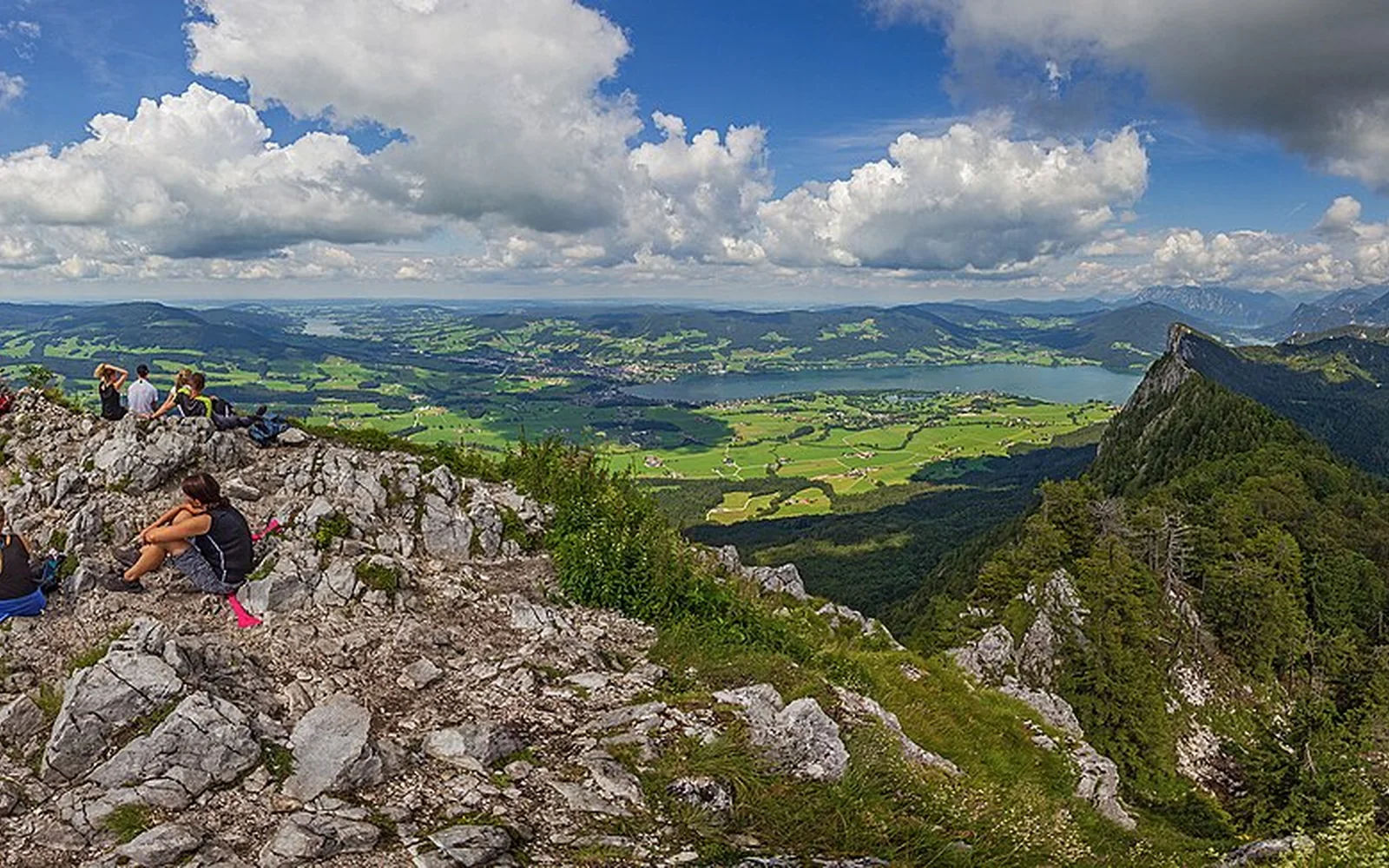
Start with the essentials
Plan Austria at a glance
- First trip
- 7–9 days
- Best months
- May–Oct, plus winter resorts
- Main transport
- Intercity rail
- Car
- Useful in dispersed valleys
- Currency
- Euro
About Austria
Why visit Austria
Austria makes it unusually easy to combine major cultural cities with a slower lake or mountain stay. Vienna, Salzburg, Innsbruck and Graz are useful bases in their own right.
The season changes the practical trip. Summer hiking, lake swimming, winter resorts and December city visits use different operating calendars.
Plan Austria by region
Austria works best as a rail route between Vienna, Salzburg, Graz or Innsbruck, followed by one slower lake or mountain stay. The main cities are well connected, but the final journey into an Alpine valley often depends on a regional bus, shuttle or cableway timetable.
Choose the landscape section by season. Lake districts, high roads, hiking bases, ski areas and Christmas-market cities do not share the same operating calendar, so a route that works in July may need a different shape in December or April.
Choose a part of the country
Choose a region
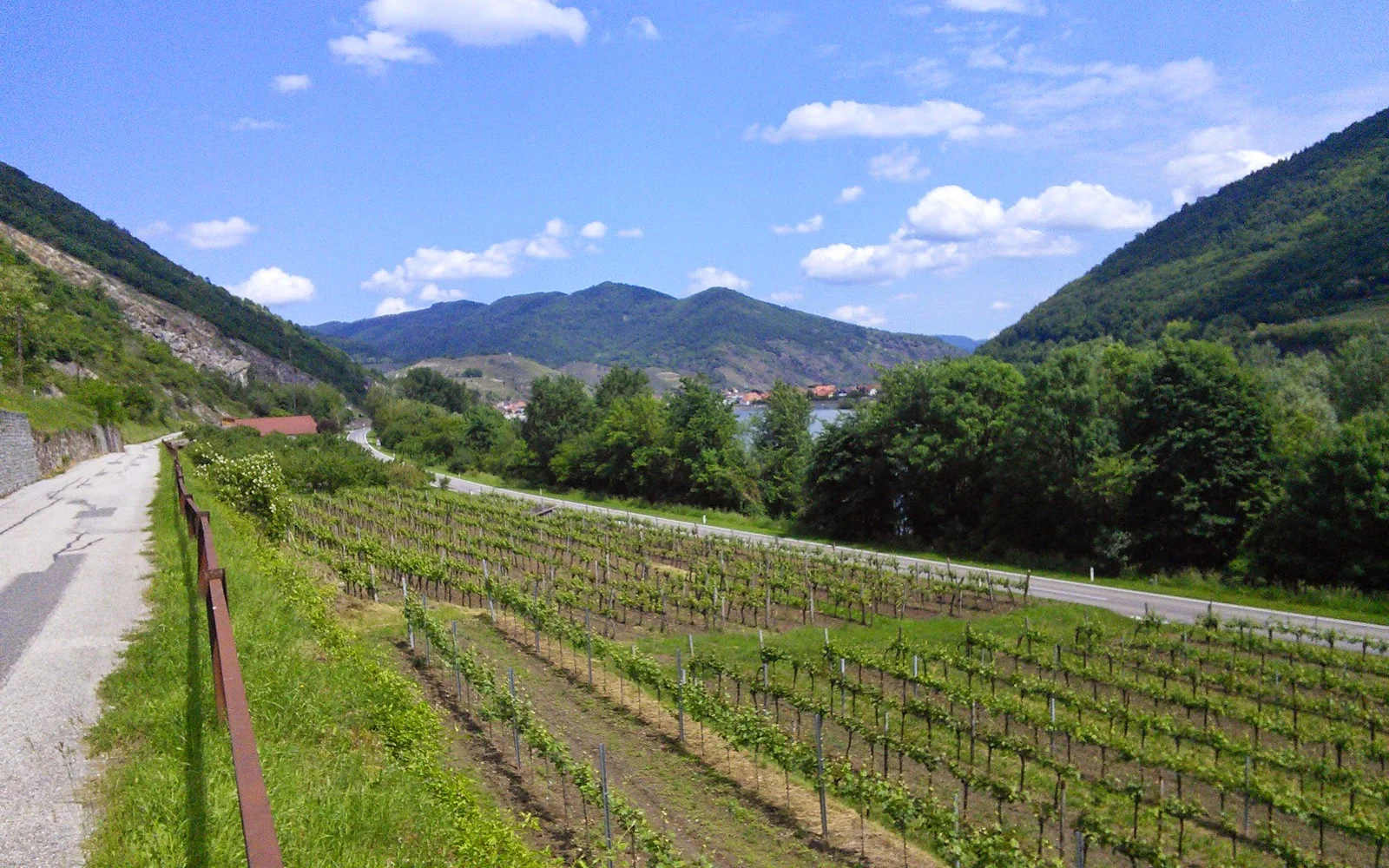
Styria
Graz, food regions and eastern Alpine landscapes.
View regionGood places to start
Cities for a first trip
See all 18 cities and towns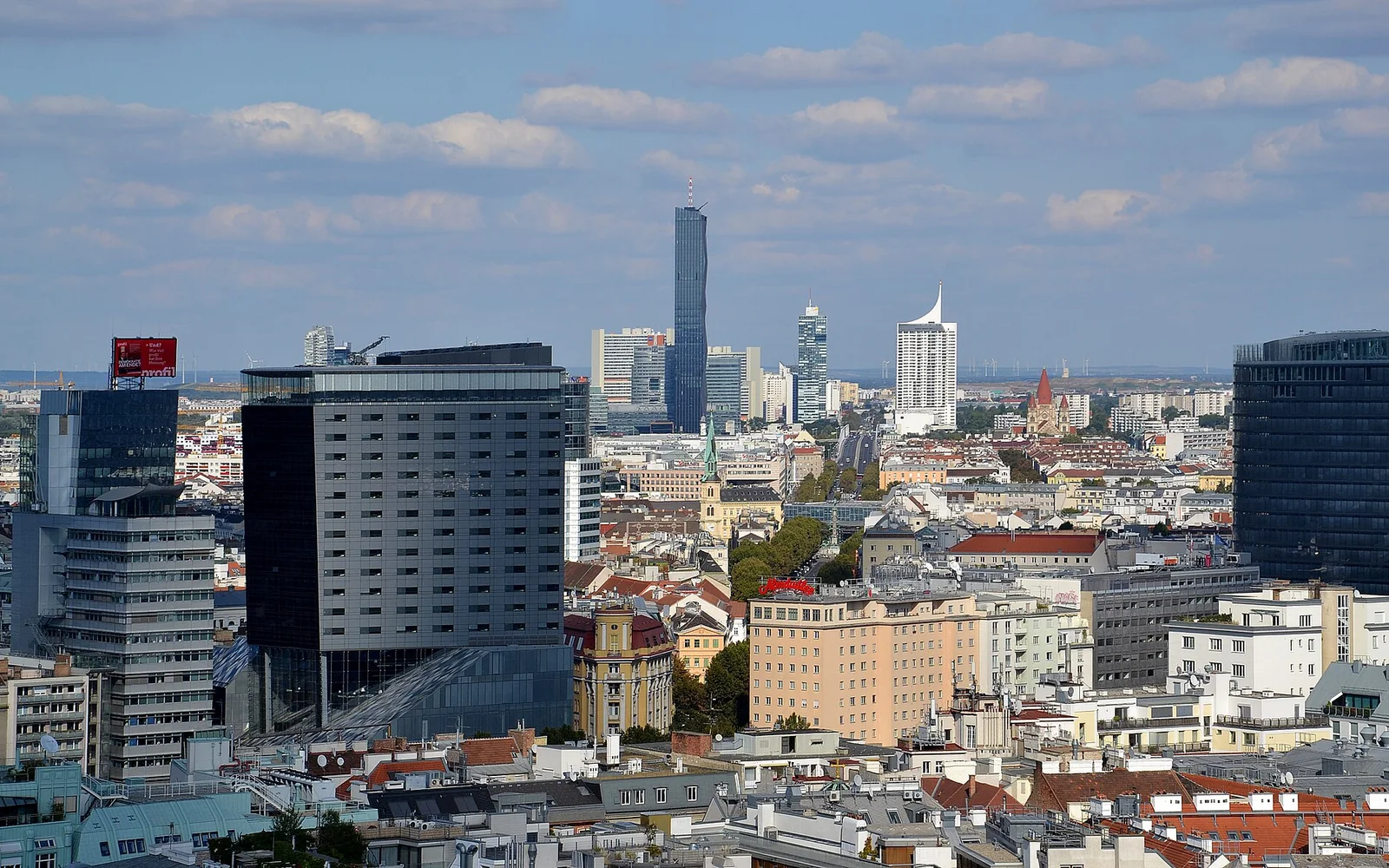
Vienna
Vienna combines a large imperial centre, museum districts and lived-in neighbourhoods within an extensive public transport network.
Best for: Culture, Museums, Food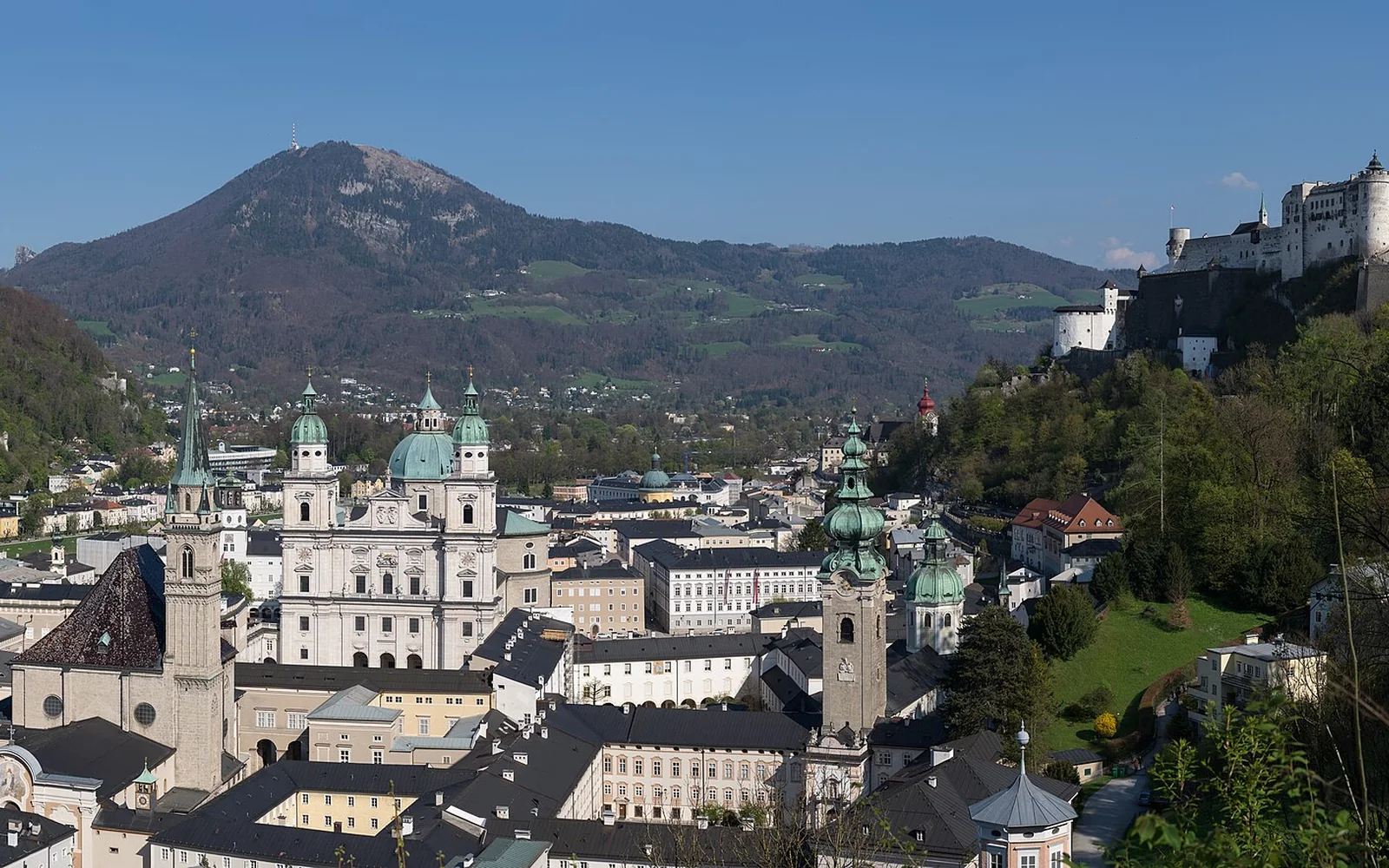
Salzburg
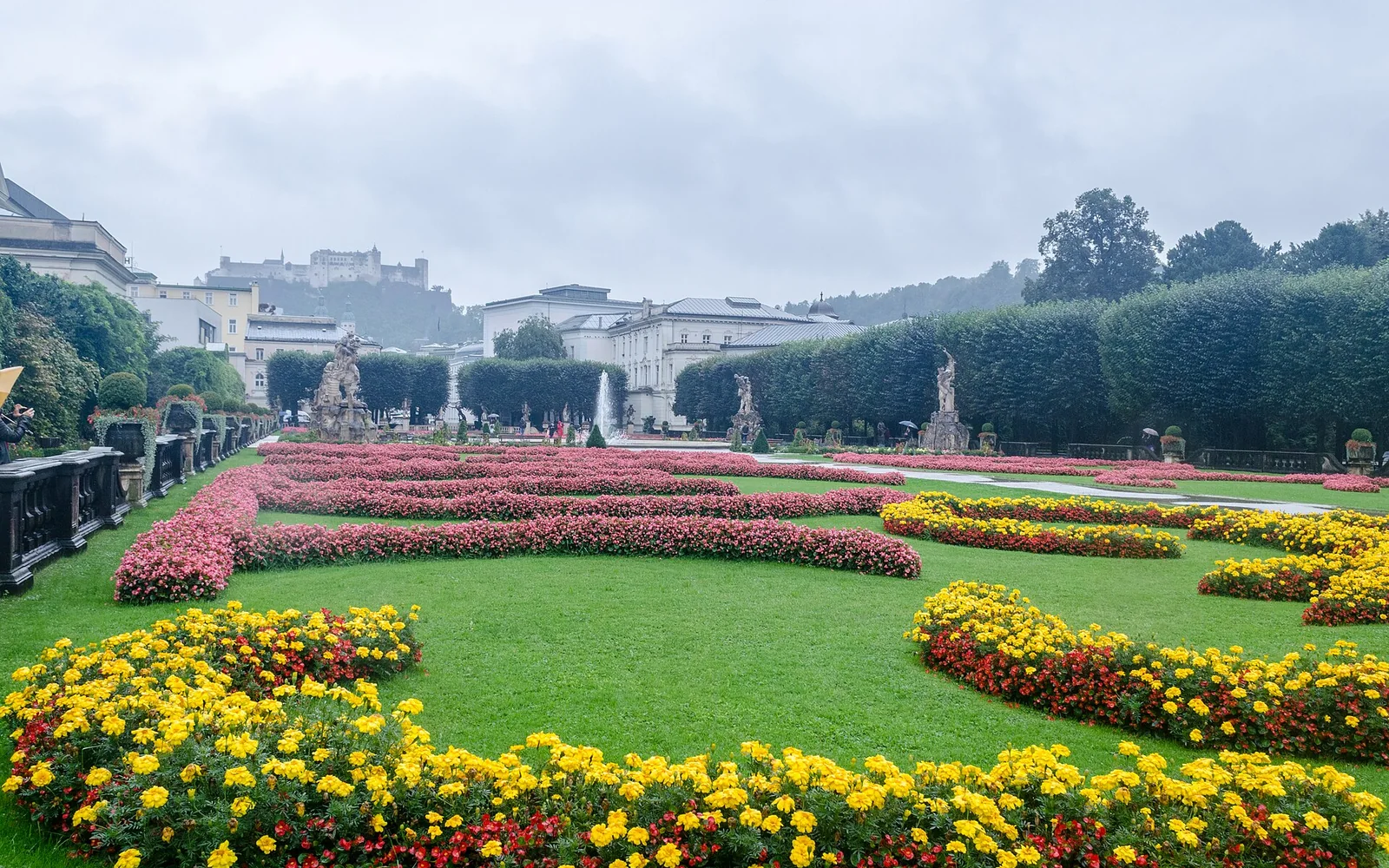
Salzburg is a compact baroque city split by the Salzach, with the old town below Hohensalzburg Fortress and Mirabell on the opposite bank.
Best for: Culture, Museums, Food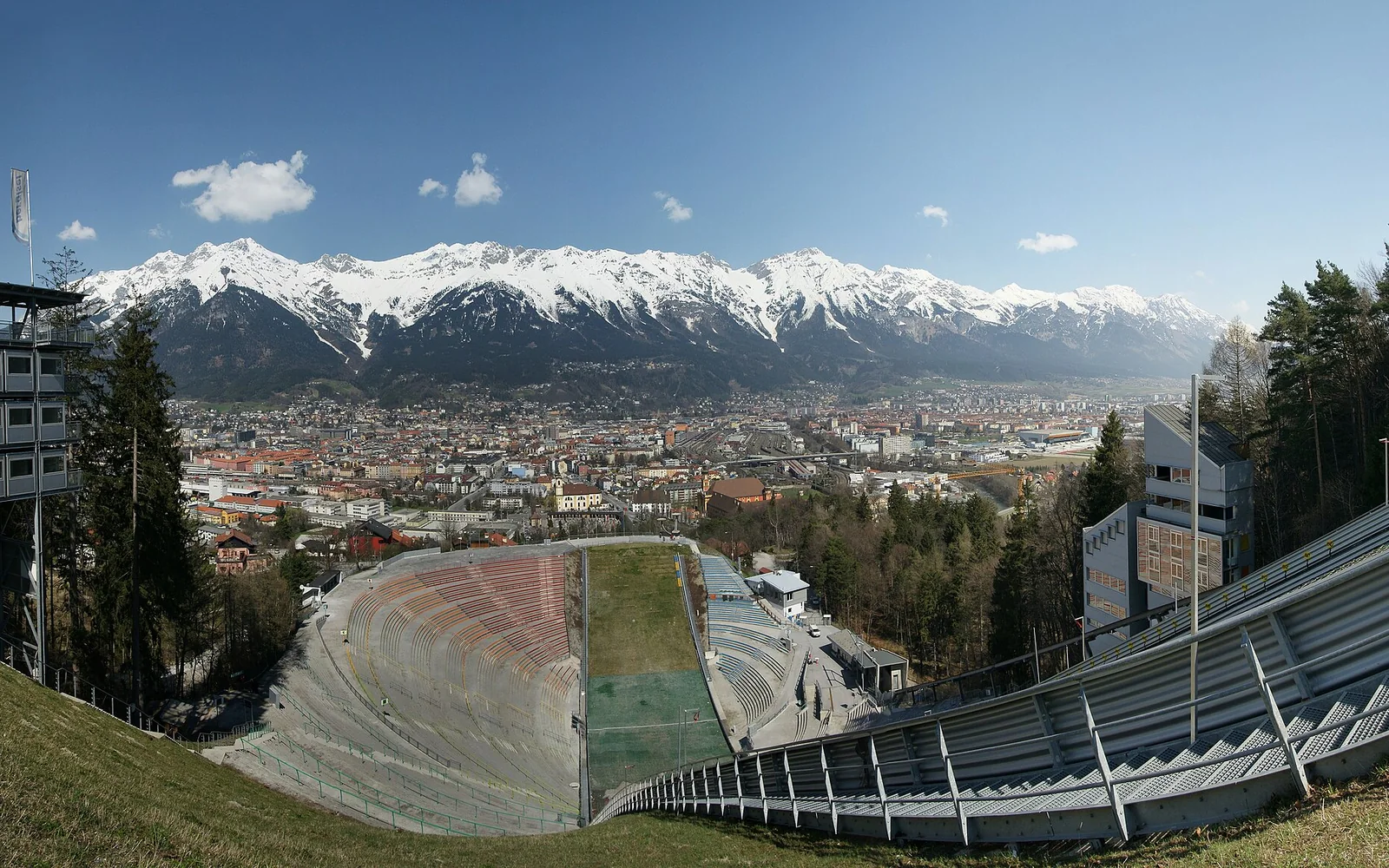
Innsbruck
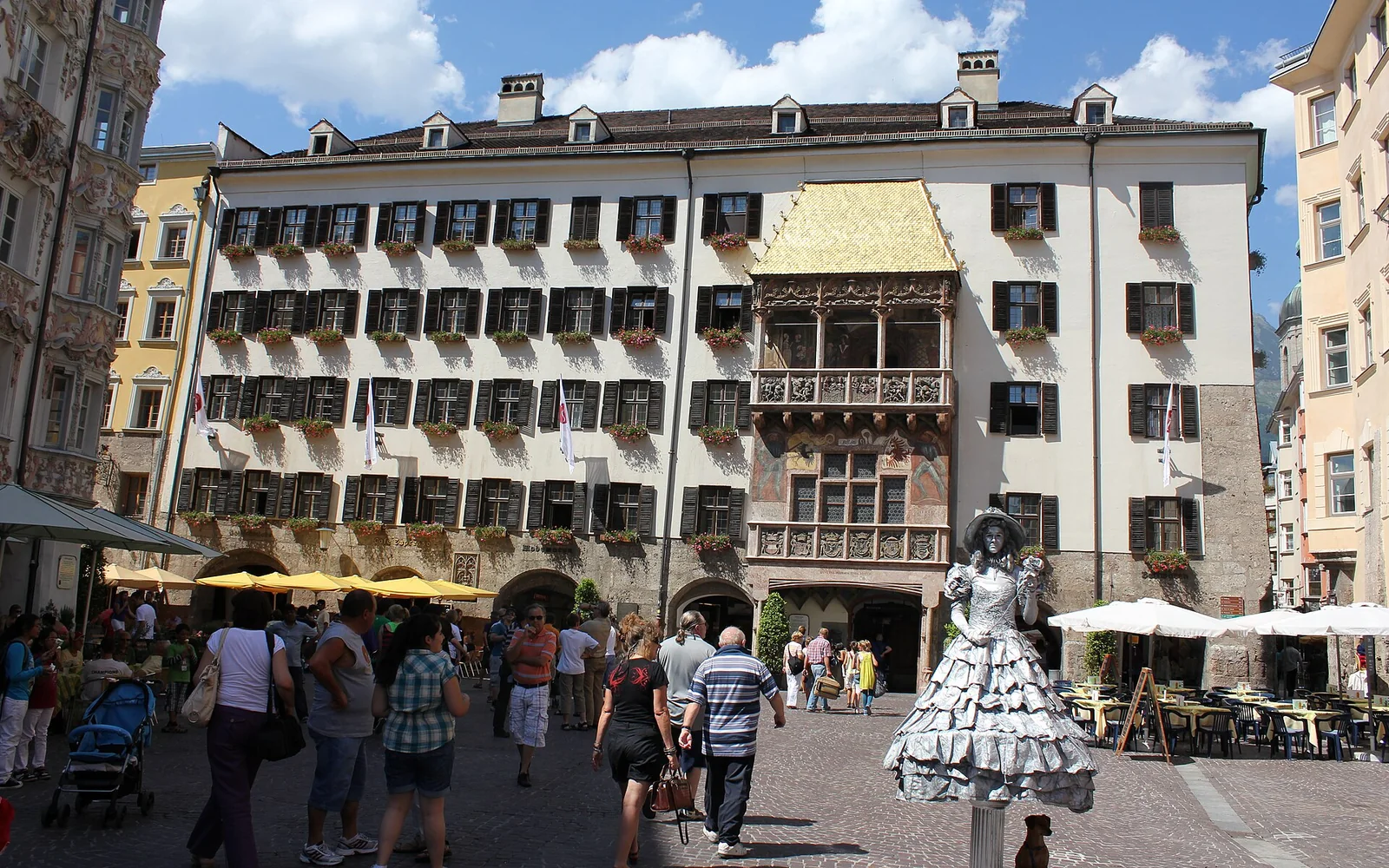
Innsbruck is a working Tyrolean city in the Inn valley, with an old town below steep mountains and public transport to several outdoor areas.
Best for: Culture, Museums, Food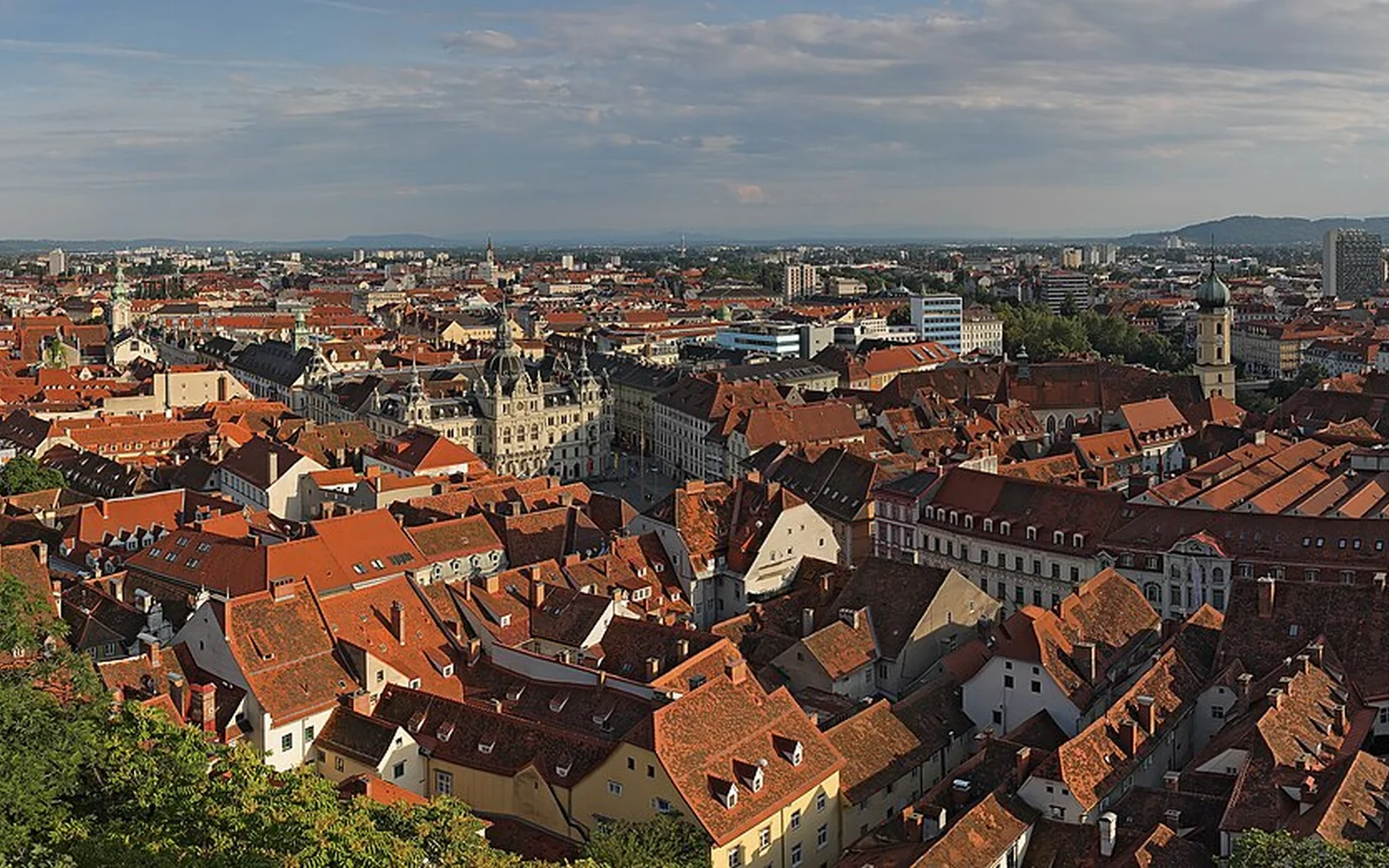
Graz
Graz combines a protected historic centre, the Schlossberg and a lively university city with strong food and design scenes.
Best for: Culture, Museums, Food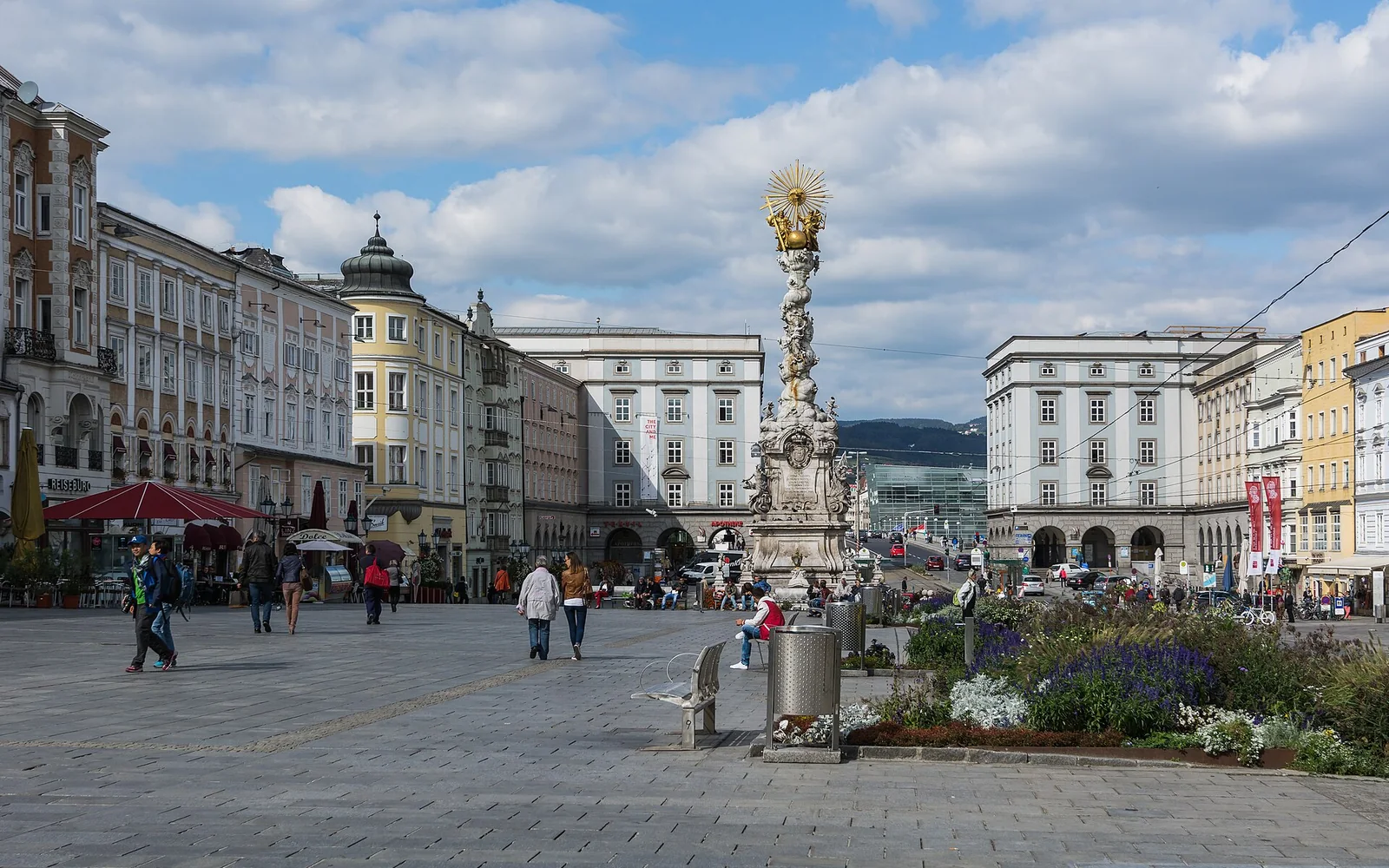
Linz
Linz is an Upper Austrian Danube city where a large historic square sits close to contemporary museums and industrial heritage.
Best for: Culture, Museums, Food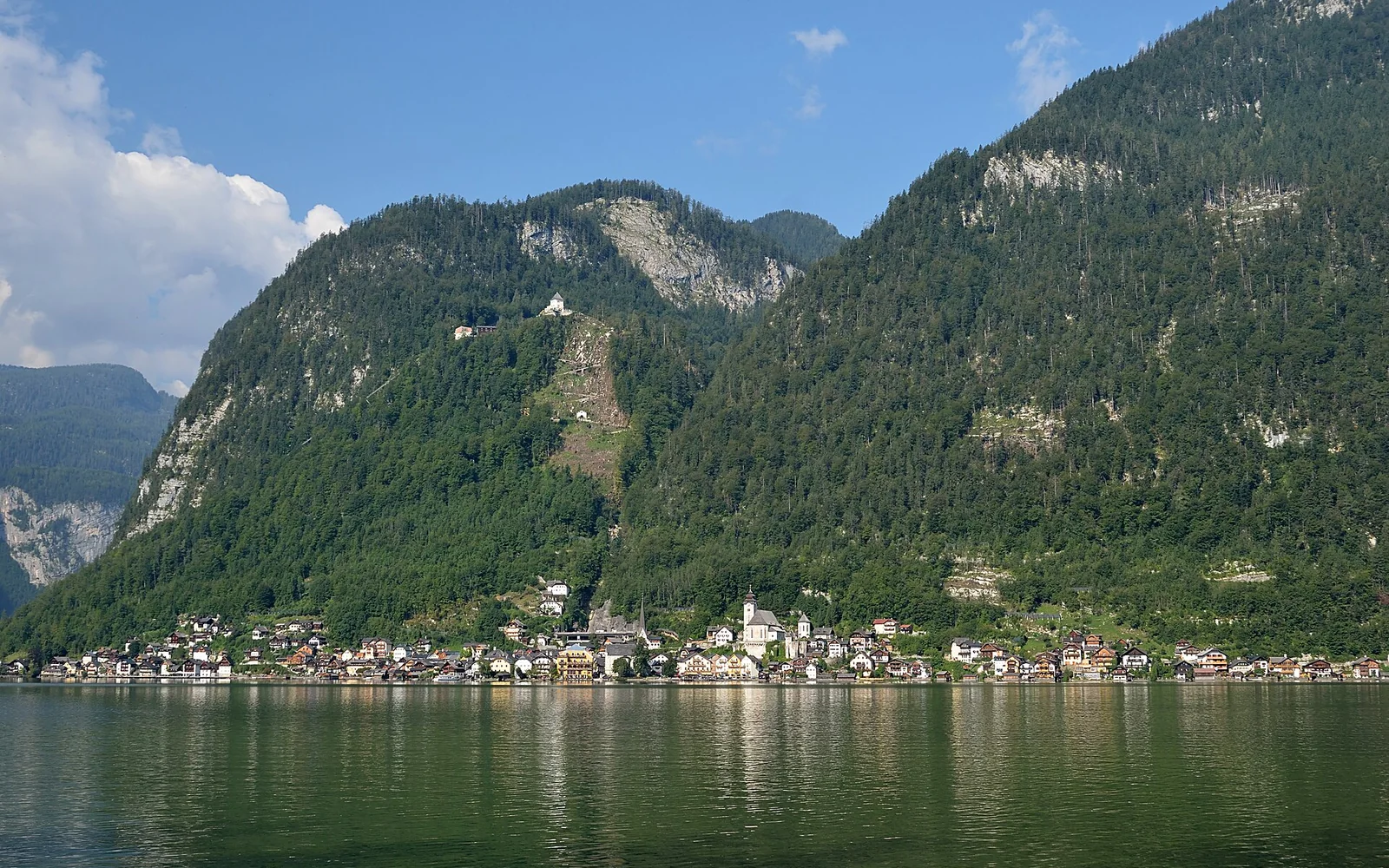
Hallstatt
Hallstatt is a small lakeside village with steep lanes, limited road space and a railway station across the water.
Best for: Heritage, Walking, Local TravelParks and natural areas
Nature destinations
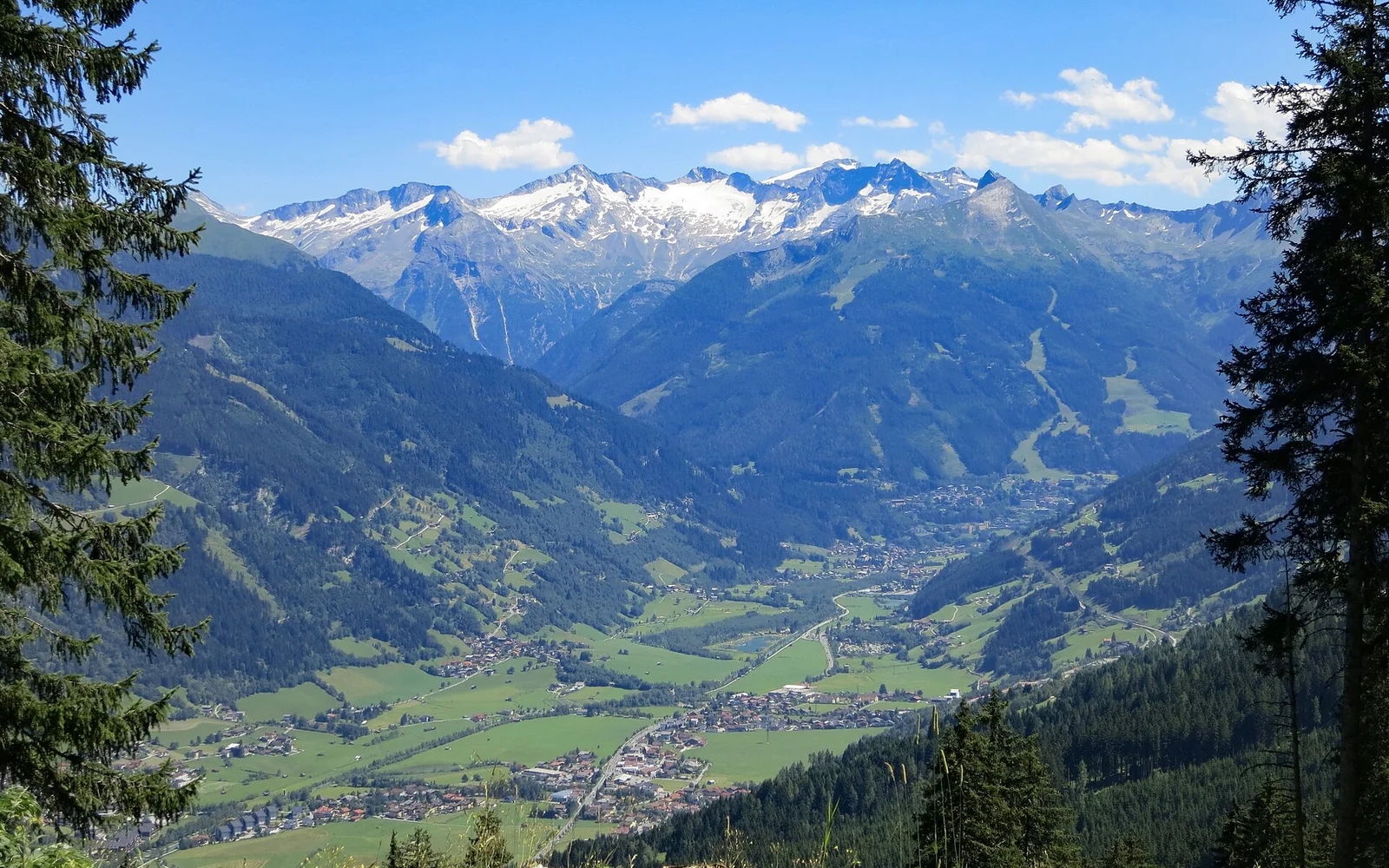
Gastein Valley
The Gastein Valley contains Dorfgastein, Bad Hofgastein and Bad Gastein along a rail-served Alpine corridor.
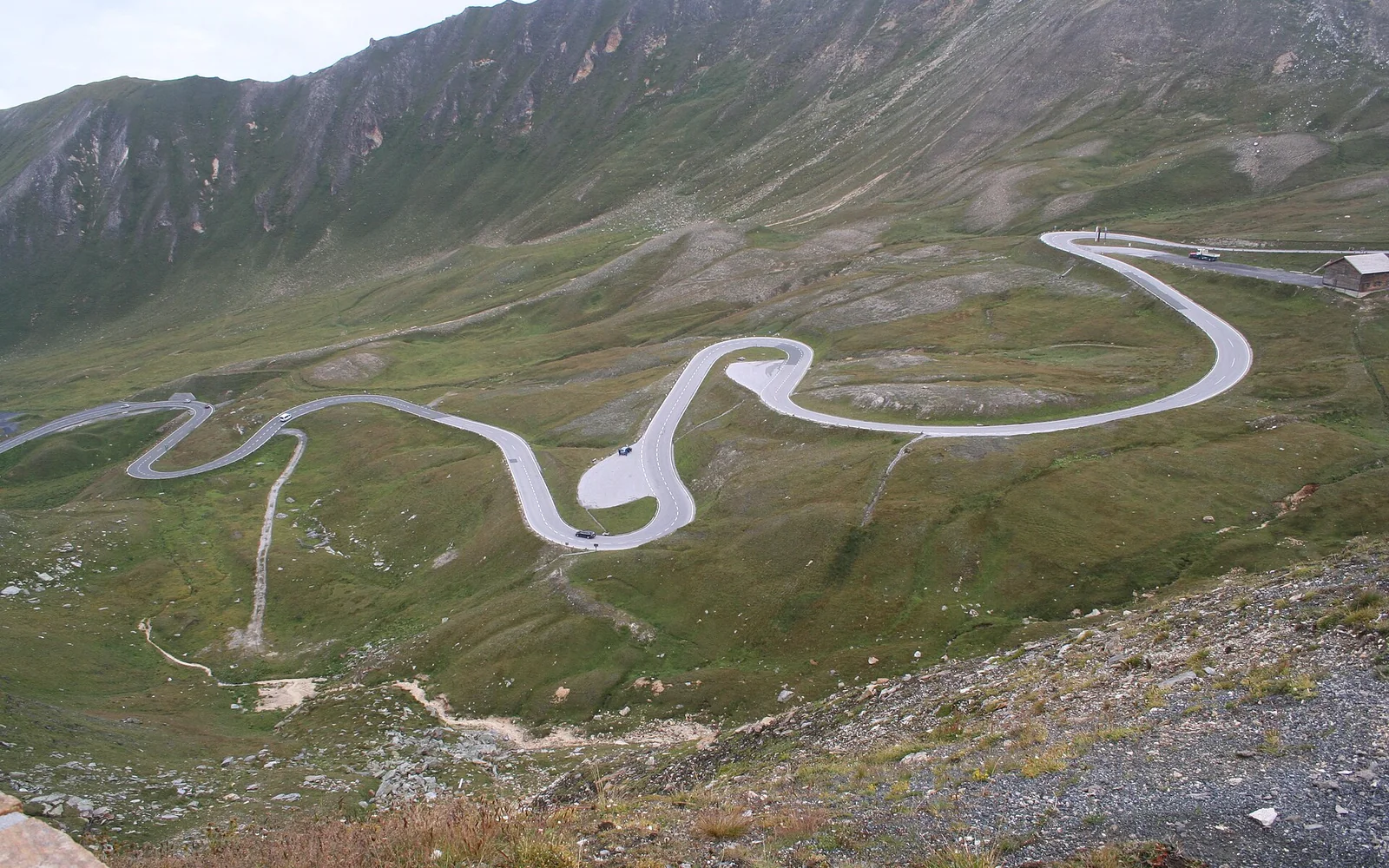
Grossglockner High Alpine Road
The Grossglockner High Alpine Road is a seasonal toll road between Fusch in Salzburg and Heiligenblut in Carinthia.
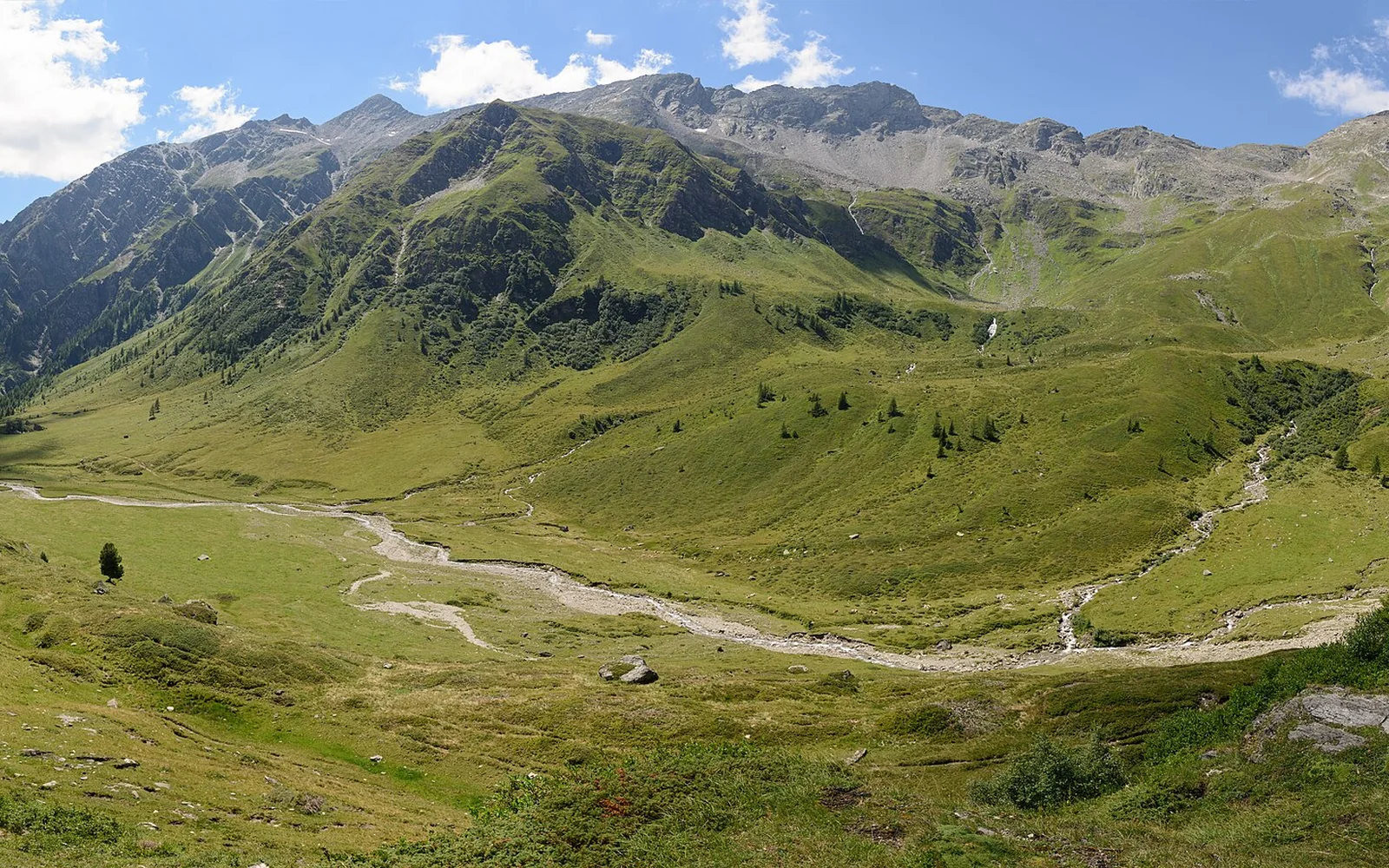
Hohe Tauern National Park
Hohe Tauern National Park spans Salzburg, Tyrol and Carinthia across a vast high-Alpine protected landscape.
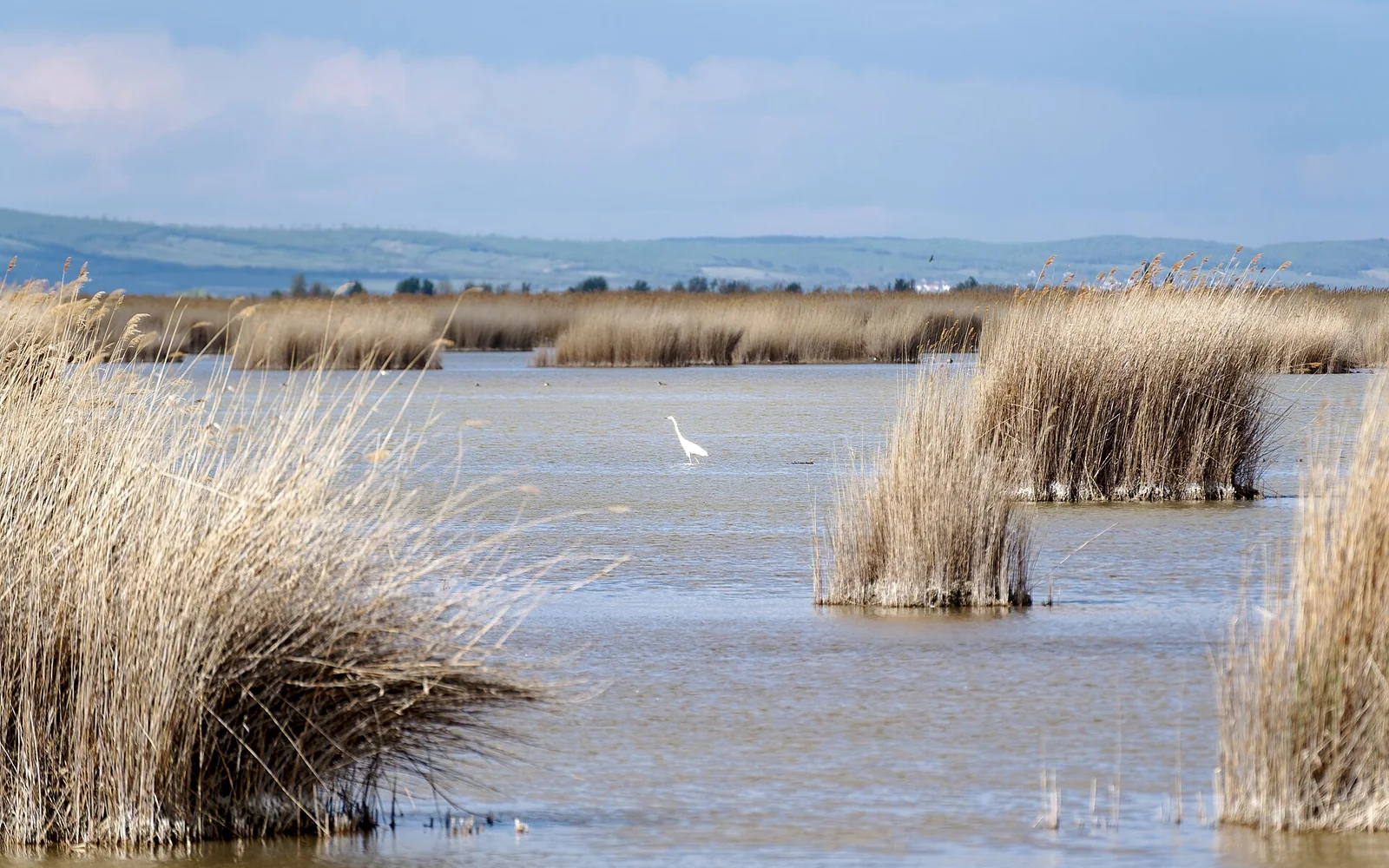
Lake Neusiedl
Lake Neusiedl is a shallow cross-border steppe lake surrounded by reeds, vineyards, cycling routes and distinct shore towns.
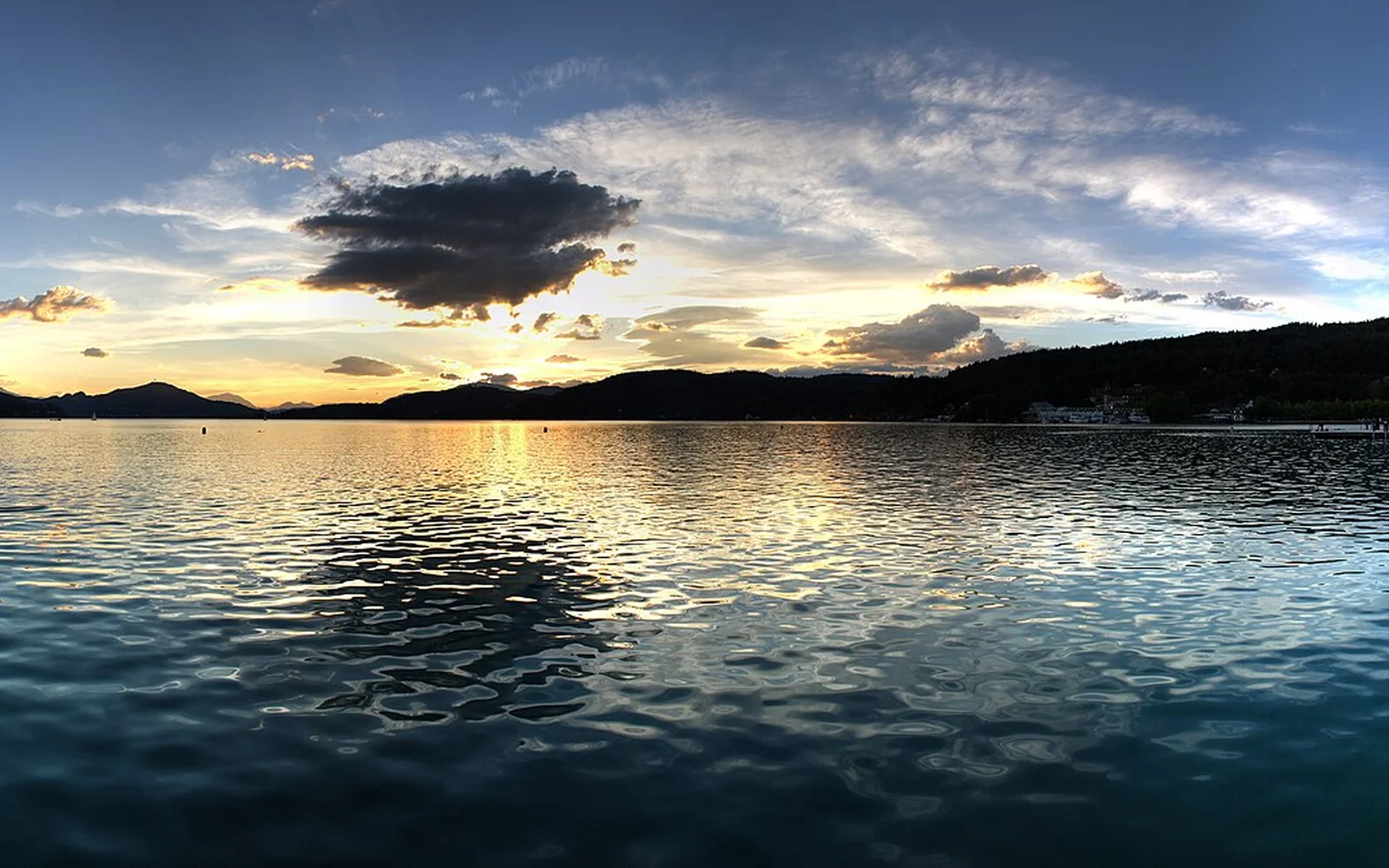
Lake Wörthersee
Lake Wörthersee stretches between Klagenfurt and Velden, with resort towns, public lidos and wooded shores connected by rail and road.
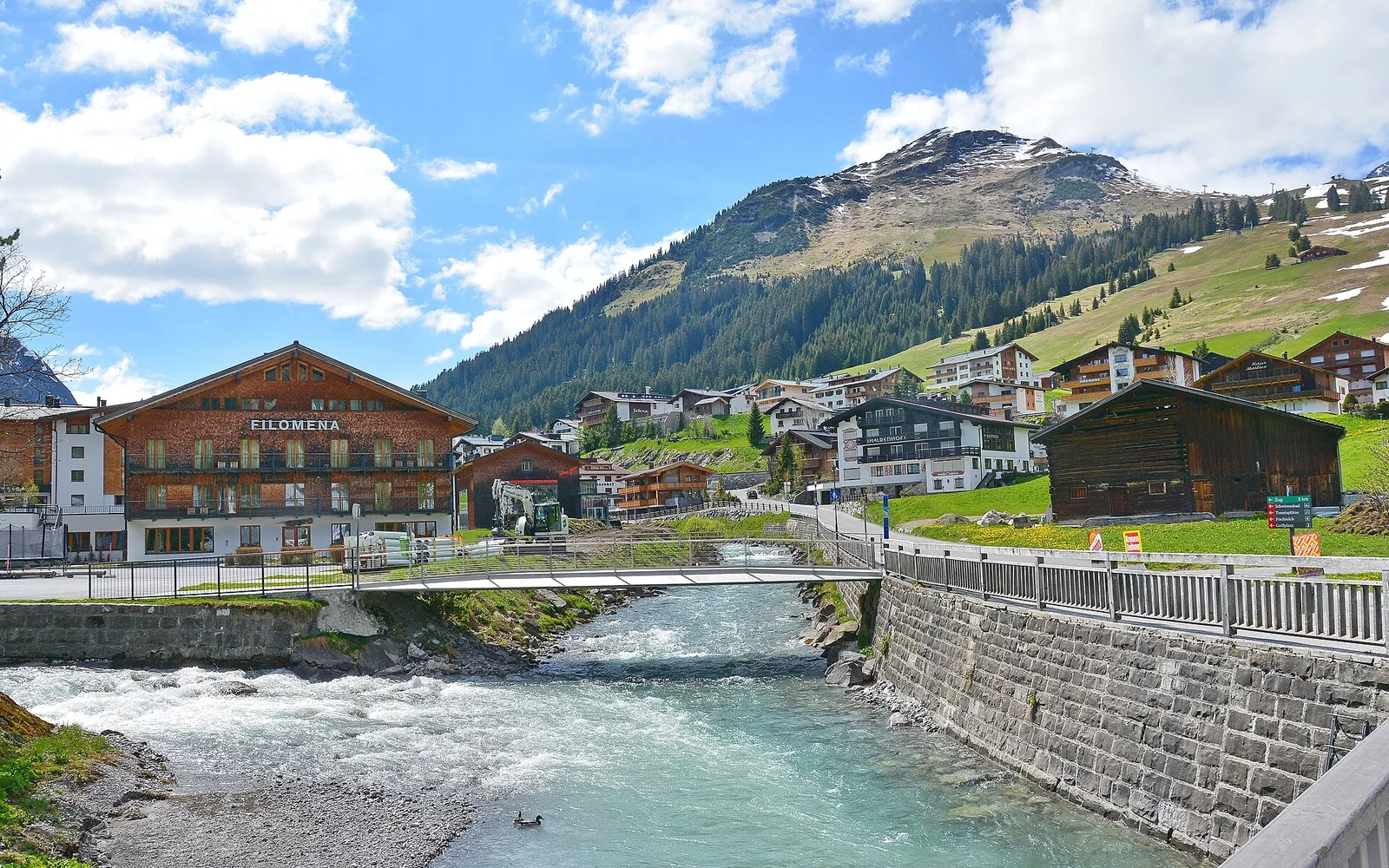
Lech Zürs am Arlberg
Lech and Zürs are high Arlberg villages in Vorarlberg, reached by road and bus rather than a village railway station.
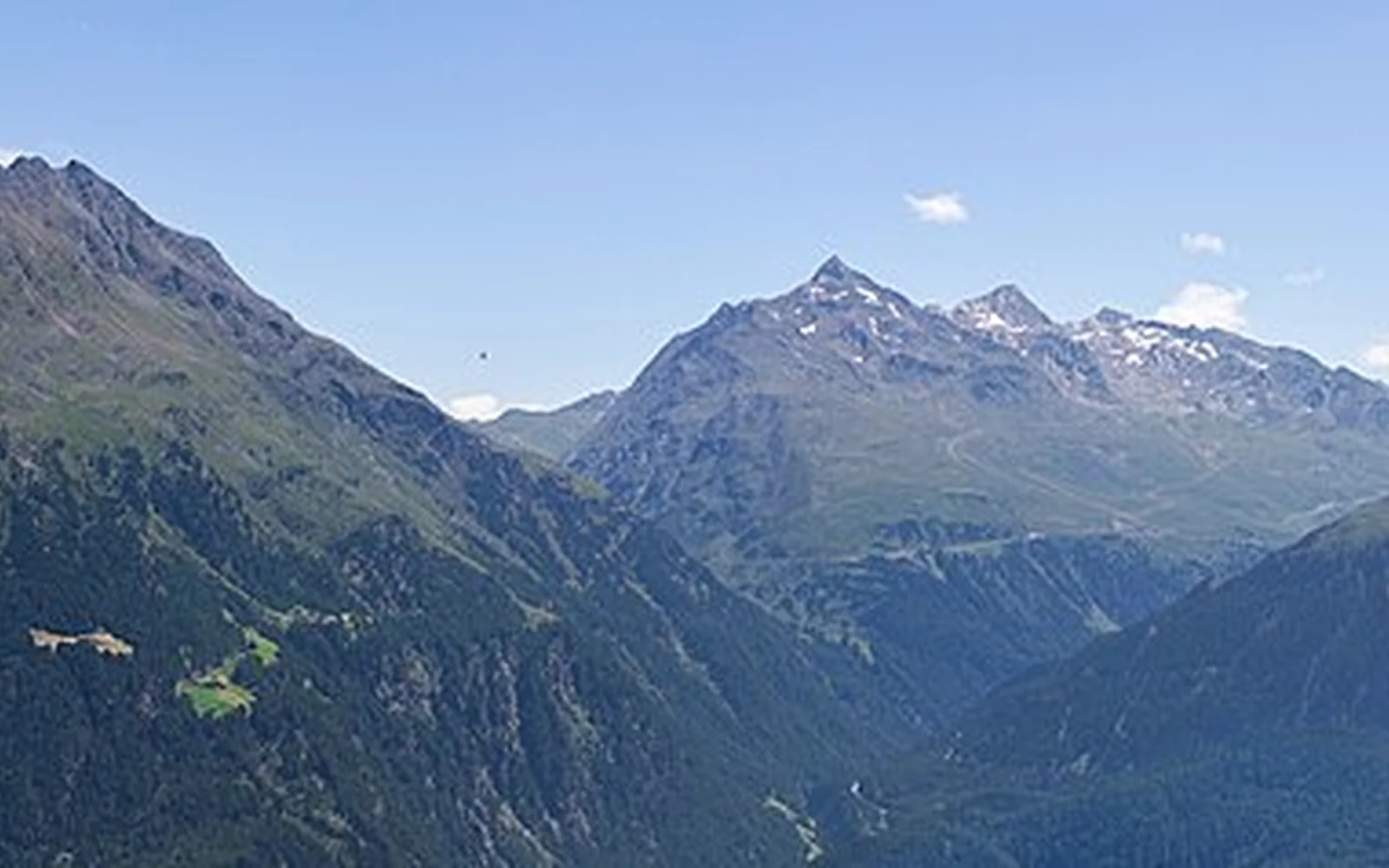
Ötztal
Ötztal is a long side valley running south from the Inn railway to Sölden, Obergurgl and high Alpine terrain.
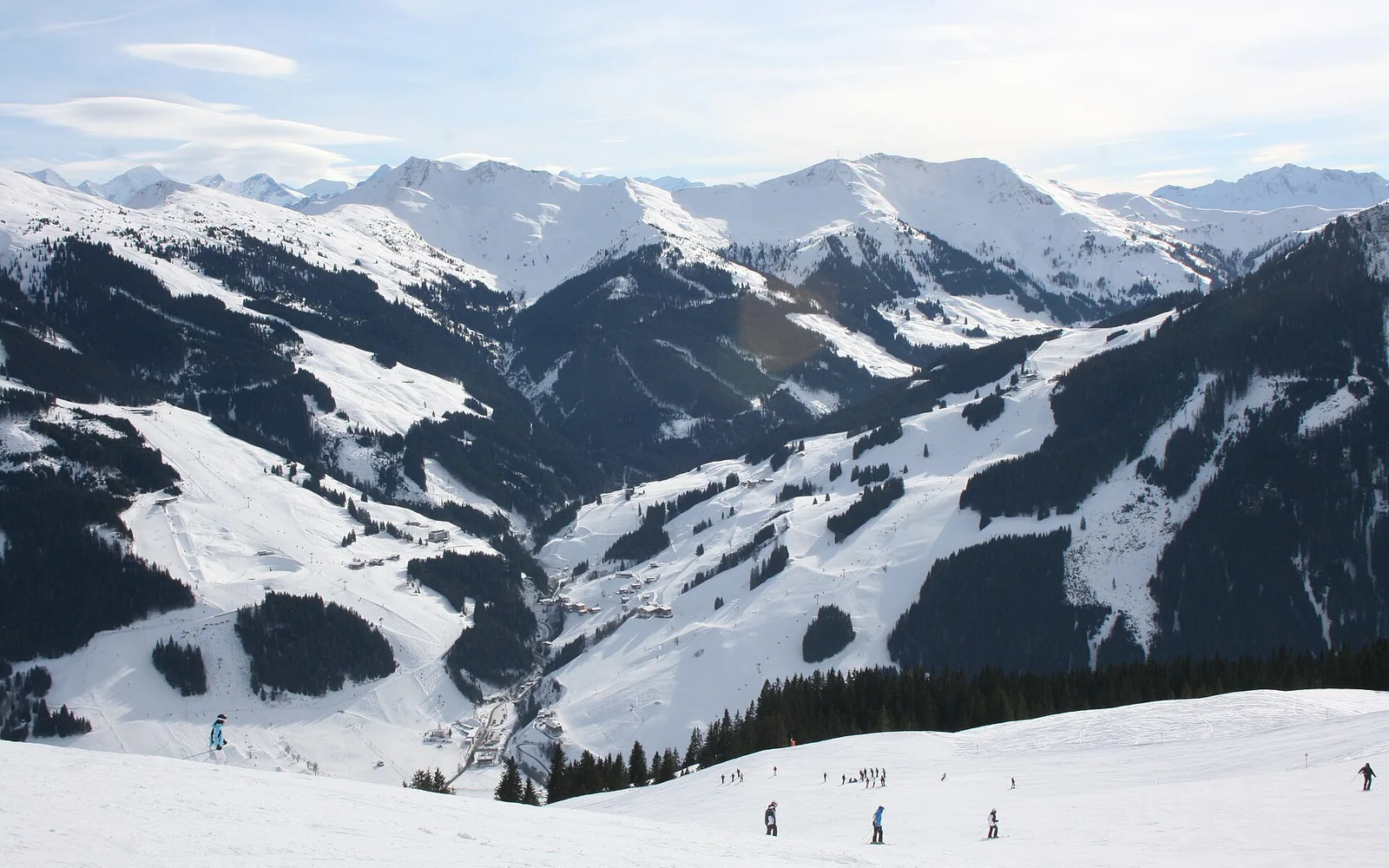
Saalbach Hinterglemm
Saalbach and Hinterglemm form a long resort valley west of the Zell am See rail corridor, with multiple lift areas and village centres.
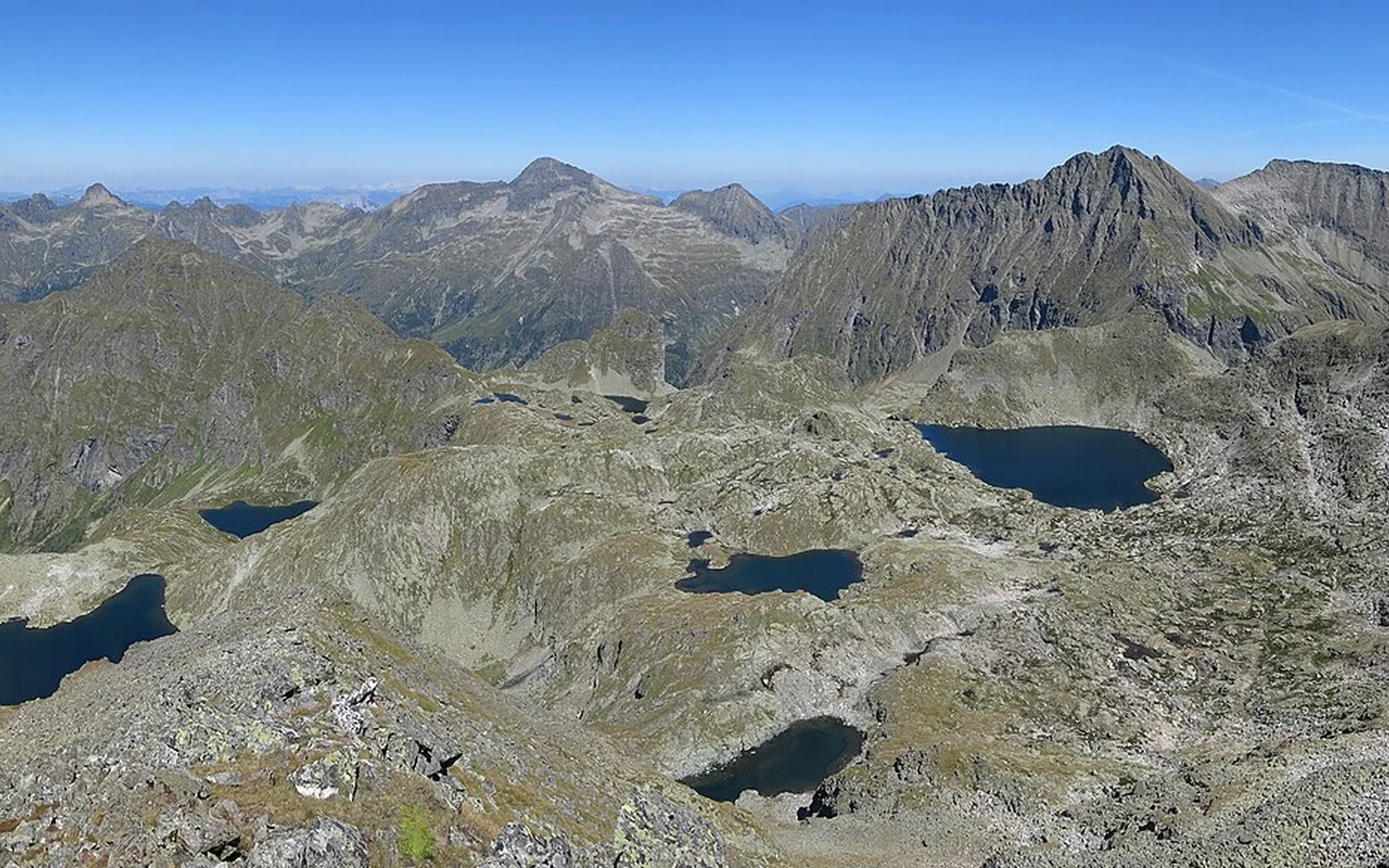
Schladming-Dachstein
Schladming is a rail-linked Styrian town below several mountain areas, while Dachstein high-mountain access uses a separate road and cableway plan.
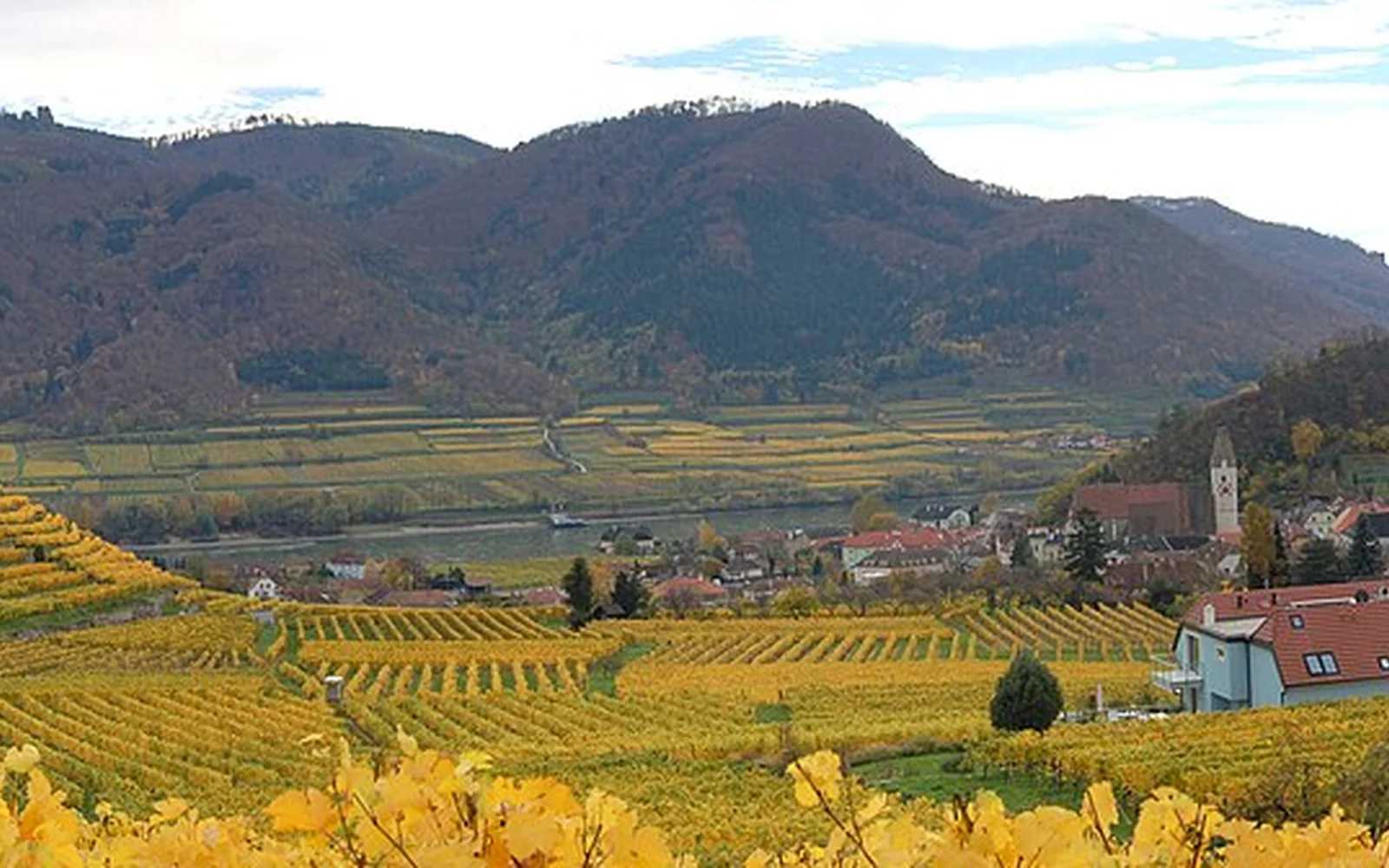
Wachau Valley
The Wachau follows the Danube between Melk and Krems through vineyard terraces, small towns and major monastic sites.
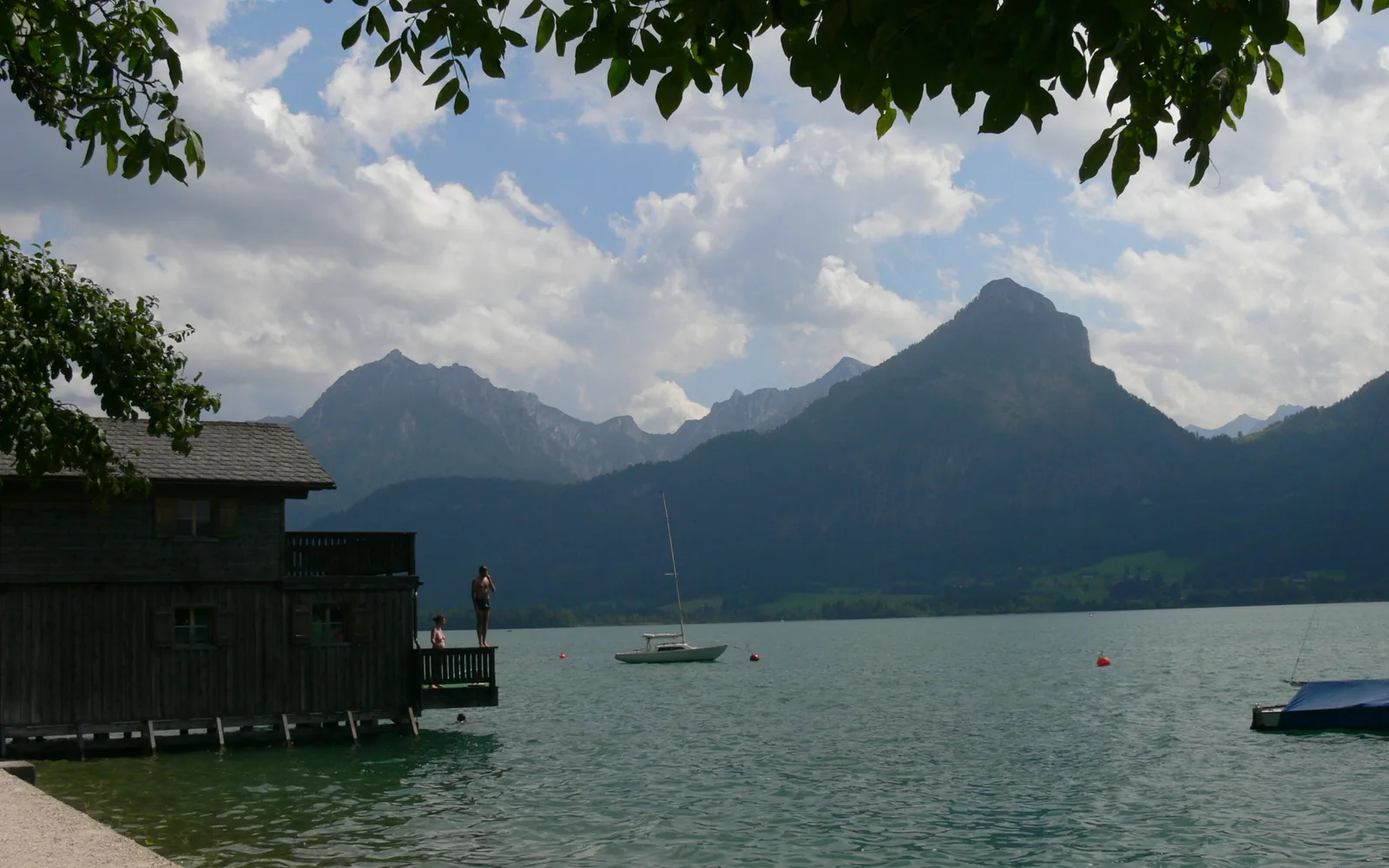
Wolfgangsee
Wolfgangsee links St Wolfgang, St Gilgen and Strobl around a clear Alpine lake, with boats and buses forming different seasonal routes along its shores.
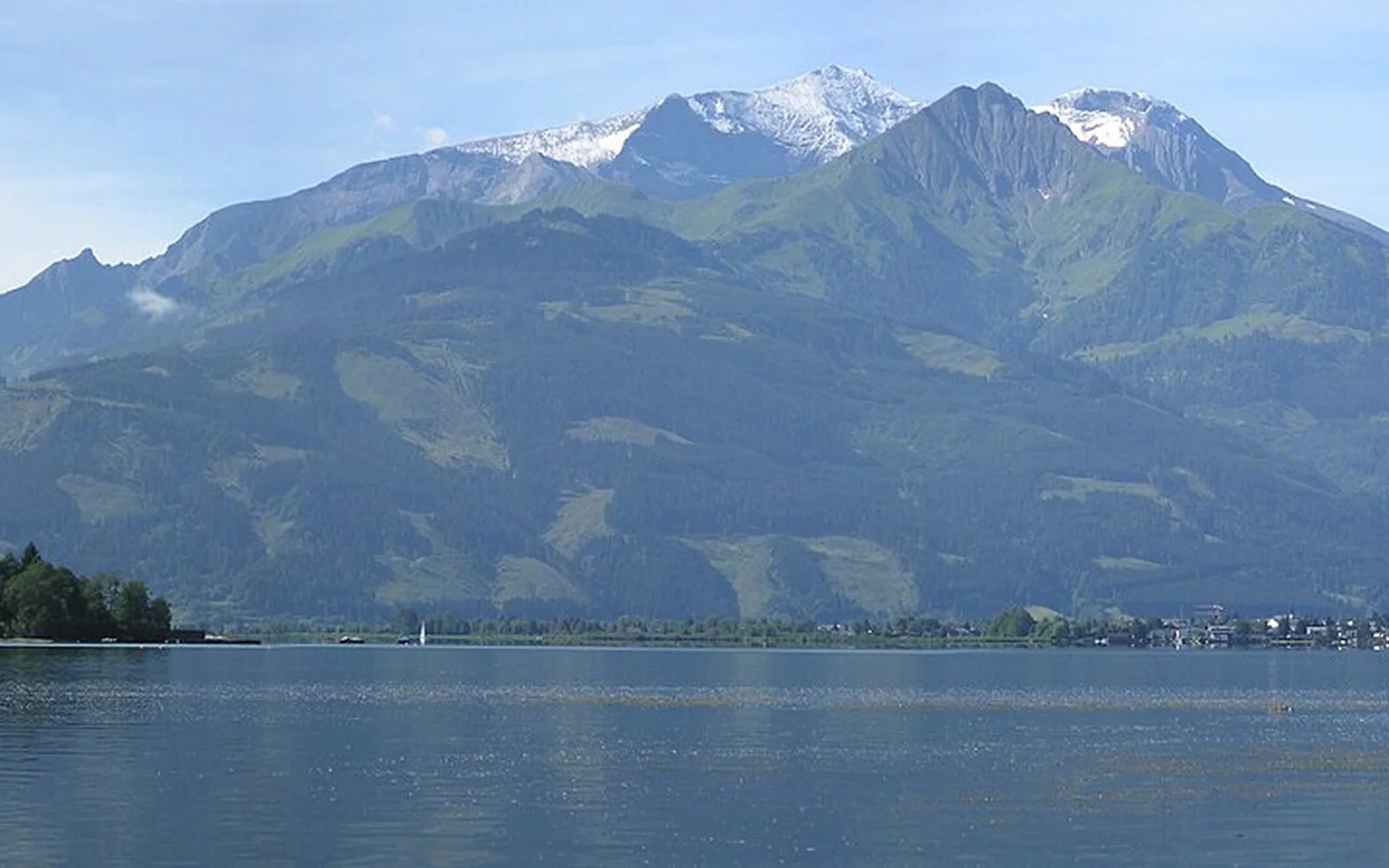
Zell am See-Kaprun
Zell am See provides a rail-linked lakeside town, while Kaprun sits south of the lake near separate mountain and reservoir access.
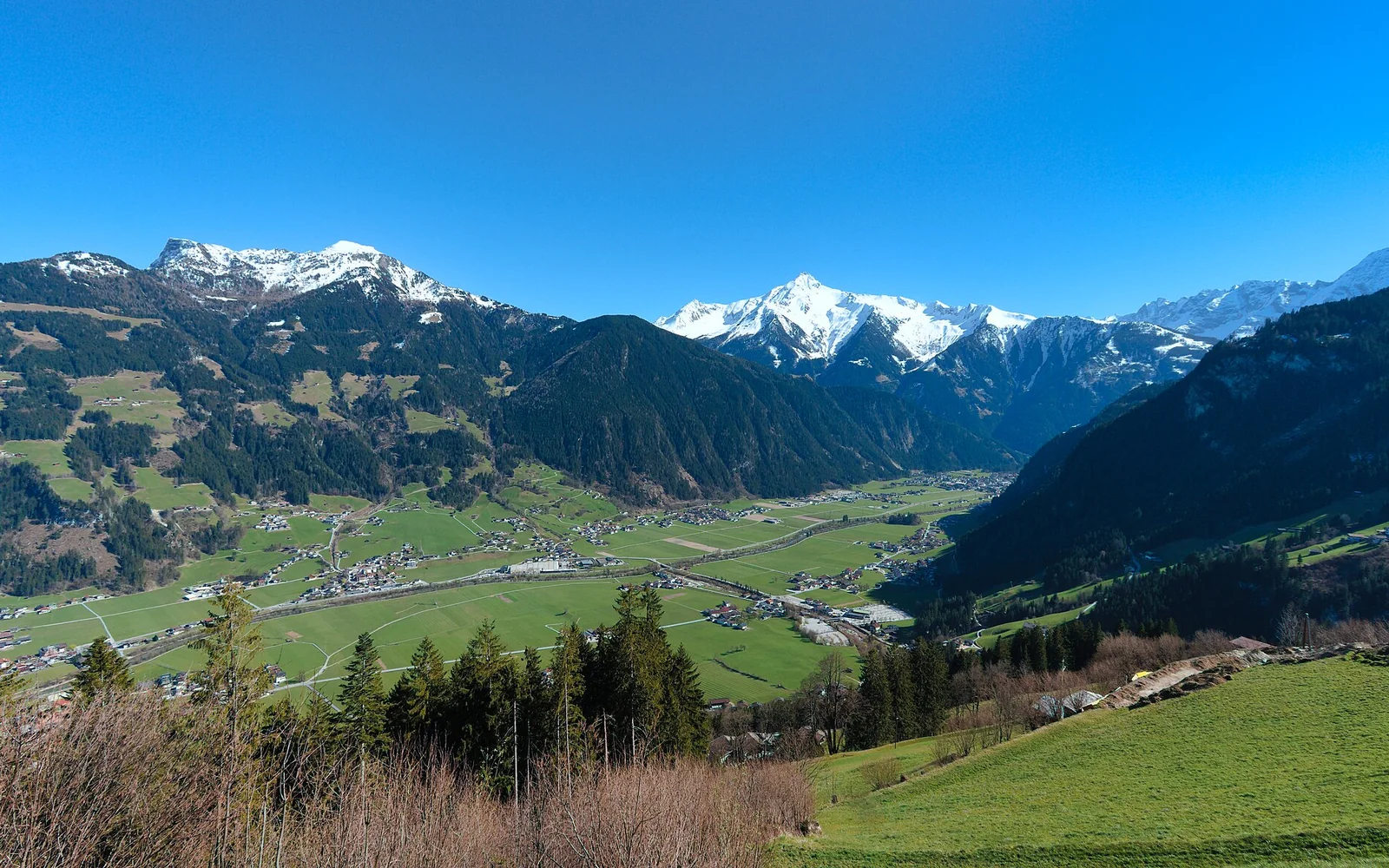
Zillertal
Zillertal is a long Tyrolean valley of towns and mountain areas connected to the Inn valley by a local railway.
Find places by area
Browse places by region
Burgenland Eisenstadt, Lake Neusiedl
Carinthia Klagenfurt, Lake Wörthersee, Villach
Lower Austria Dürnstein, Krems an der Donau, Melk, Wachau Valley
SalzburgerLand Bad Gastein, Gastein Valley, Saalbach Hinterglemm, Salzburg, Werfen and Eisriesenwelt, Zell am See-Kaprun
Salzkammergut Bad Ischl, Hallstatt, Wolfgangsee
Styria Graz, Schladming-Dachstein
Tyrol Innsbruck, Kitzbühel, Seefeld, St Anton am Arlberg, Zillertal, Ötztal
Upper Austria Linz, Mauthausen Memorial
Vorarlberg Bregenz, Lech Zürs am Arlberg
Plan a day out
Day trips and experiences
Melk Abbey day trip from Vienna
A focused day in Melk combines the abbey, its seasonal gardens and a short walk through the Danube-side town.
Salzkammergut day trip from Salzburg
Choose one lake town, then build the day around its transport, weather and immediate surroundings.
Match the route to your time
Choose a trip length
One city and a nearby excursion
Base the trip in Vienna or Salzburg and add one straightforward rail excursion. Melk and the Wachau fit Vienna, while the Salzkammergut suits Salzburg. A second distant city would consume too much of a short visit in station transfers and hotel changes.
Two cities and one landscape
Link Vienna and Salzburg by rail, then choose one lake district or Alpine base. This gives each city proper time and leaves room for weather changes. Innsbruck can replace the lake stay when mountain access is the main purpose of the trip.
A focused cross-country route
Travel from Vienna through Salzburg to Innsbruck or Graz, adding one carefully selected valley. Keep at least three nights in the mountain section because weather and seasonal transport can alter outdoor plans. Avoid collecting several resort towns with one-night stays.
Ready-made routes
Suggested itineraries
Vienna, Salzburg and the Alps in 10 days
A ten-day rail route through Vienna, Salzburg, one well-chosen Salzkammergut base and Innsbruck.
- Main stops
- Vienna, Salzburg, Salzkammergut, Innsbruck
- Transport
- Train
- Best suited to
- Rail travellers who want two major cities, one lake-region base and an Alpine finish.
- Main trade-off
- The Salzkammergut is a region, so the route fails if its two nights are booked without choosing a practical base.
Transport choices
Getting around Austria
ÖBB intercity trains provide the simplest backbone between Vienna, Linz, Salzburg, Graz and Innsbruck. Regional trains and Postbus services continue into many valleys, but the last connection may be infrequent. Lake boats, mountain roads, cableways and hotel shuttles follow separate seasonal timetables. A car helps with dispersed rural stops, although parking adds little in the main cities. Mountain transfers still need a weather check.
Intercity rail
Use Railjet and other long-distance services for the principal city corridor. Check the dated ÖBB journey before booking accommodation, especially where engineering work or a tight regional connection affects the final arrival.
Regional links
Regional trains, Postbus services and local guest-card transport reach many lakes and resorts. Confirm the final evening connection and the stop nearest the accommodation rather than assuming every valley has an all-day city-style service.
Mountain transport
Cableways, lake boats and high mountain roads can be seasonal or weather dependent. Treat them as planned activities, not guaranteed public transport, and keep a lower-level alternative for days when access is suspended.
Driving
A car is useful for linked villages, scenic roads and accommodation away from transport corridors. It is unnecessary in Vienna, Salzburg and most central city stays. Check motorway vignette, toll, winter-equipment and parking requirements for the exact route and season.
Month-by-month planning
When to visit
Austria changes sharply with altitude, so the right month depends on whether the trip is built around cities, lakes, hiking or snow.
Plan fewer hotel changes
Where to base your trip
Before you travel
Practical facts
- Currency
- Euro
- Main transport
- ÖBB rail and regional transport
- Driving side
- Right
- Emergency number
- 112
- Main languages
- German
- Time zone
- Central European Time, with summer time
- Plug type
- Type C and F
- EU status
- EU member
- Schengen status
- Schengen member
Avoid the common route problems
Planning checks
Check the mountain calendar
Cableways, lake boats, high roads and resort buses can close between seasons even when hotels remain open. Check each operator for the exact travel week and do not build a day around a connection shown only on a general destination page.
Choose a practical lake base
Hallstatt is one stop within a much larger lake region. Salzburg, Bad Ischl, St Wolfgang and other bases may provide easier transport or longer stays. Compare the onward connection and evening options before choosing a village for its photograph alone.
Book around major events
Festival dates, December markets and peak ski weeks can tighten accommodation and rail availability in Vienna, Salzburg and resort areas. Fix the most constrained nights first, then build flexible city and landscape days around them.
Compare city and landscape bases
See Austria travel bases by route
Loading the map…
Choose a group to compare useful bases. The map does not confirm a live route or timetable.
Choose between two places
A useful destination comparison
Austria or Slovenia for an Alpine trip?
Choose Austria for larger cities and a rail-led route. Choose Slovenia for compact distances and a trip centred more closely on lakes, mountains and coast.
Cross-border planning
Countries to combine carefully
Germany
Munich and southern Germany connect naturally with Salzburg or Innsbruck.
- Likely transport
- International rail
- Minimum sensible time
- At least 10 days across both countries
- Main limitation
- Keep Berlin or northern Germany out of a short Alpine route.
Slovenia
Ljubljana and northern Slovenia can follow Graz, Vienna or a southern Austrian base.
- Likely transport
- Rail or bus, with selective driving
- Minimum sensible time
- At least 9 days across both countries
- Main limitation
- Cross-border frequency varies by corridor and season.
Italy
The Brenner corridor makes northern Italy a realistic continuation from Innsbruck.
- Likely transport
- International rail
- Minimum sensible time
- At least 10 days across both countries
- Main limitation
- Rome and southern Italy turn this into a much longer route.
Quick answers
Planning questions
Can I travel around Austria without a car?
Yes for the main cities and many established resort bases. A car helps in dispersed lake and rural areas.
How many days suit a first trip?
Seven to nine days allow two cities and one slower regional base.
When should I check mountain transport?
Check before booking accommodation because cableways, pass roads and seasonal buses use different calendars.
What is a sensible first route through Austria?
Vienna, Salzburg and one Alpine base. Combine two cities with one lake or mountain base.
What should I confirm before booking a trip to Austria?
Confirm cableway, mountain road and lake boat dates for the exact week. Do not treat Hallstatt as the only possible lake base.
How this guide is checked
Sources and review
Reviewed 3 September 2026, next review due 3 March 2027. Transport, access, prices and seasonal services can change, so check the official source before booking.
- Official Austria travel information, Austrian National Tourist Office
- Austrian rail timetable and service updates, ÖBB
- Hohe Tauern National Park visitor information, Hohe Tauern National Park
- Grossglockner High Alpine Road visitor information, Grossglockner High Alpine Road
Continue planning
More places in Austria
Browse the full destination list when the curated starting points do not match your route.