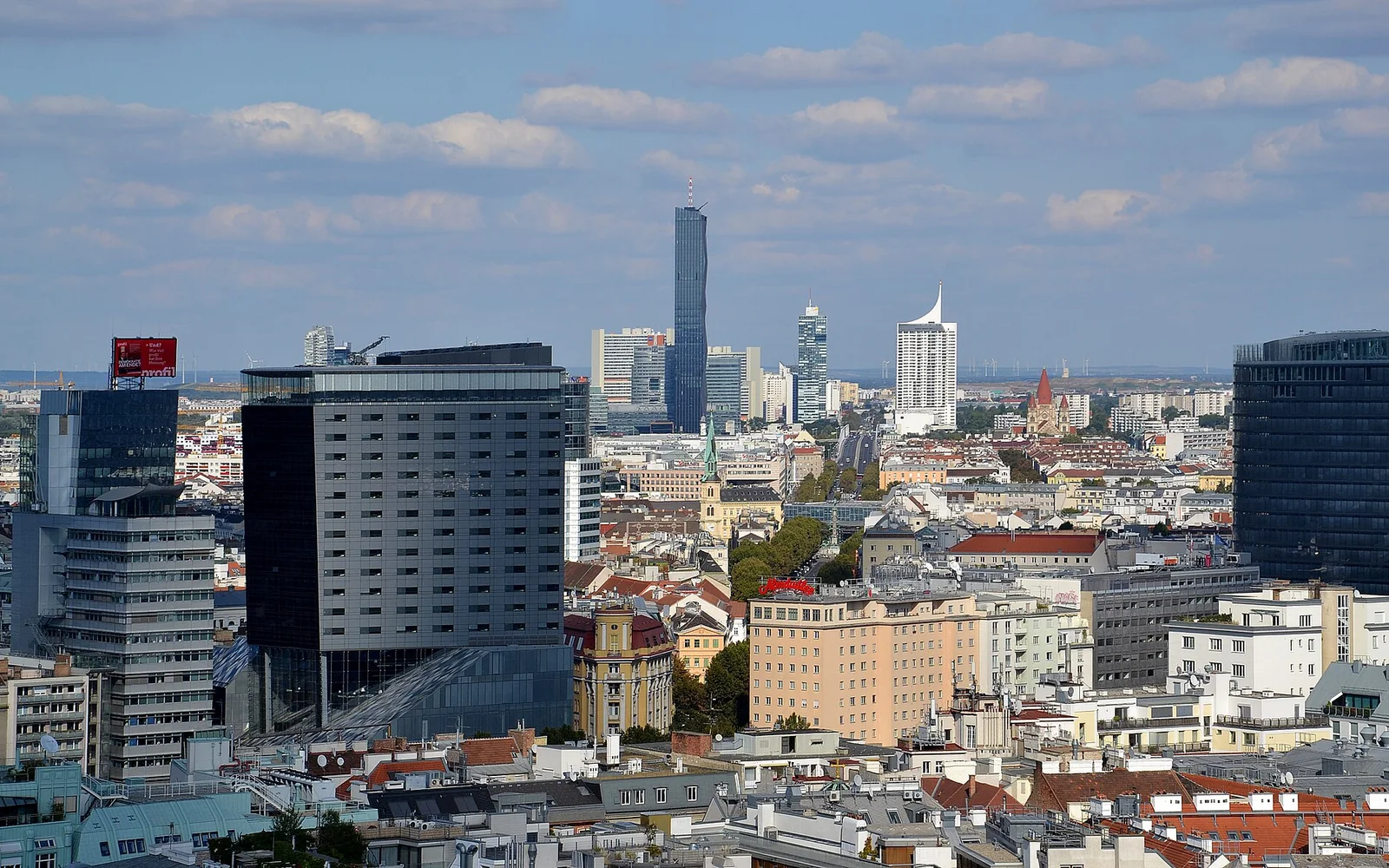
Vienna rewards a district-based plan. The Innere Stadt holds St Stephen’s Cathedral and major imperial sights, while the Ringstrasse, MuseumsQuartier, Belvedere and Schönbrunn sit on different routes.
Start with what makes Vienna distinct
Vienna rewards a district-based plan. The Innere Stadt holds St Stephen’s Cathedral and major imperial sights, while the Ringstrasse, MuseumsQuartier, Belvedere and Schönbrunn sit on different routes.
Three full days cover the centre, one palace and a focused museum day. Add time for neighbourhood markets, the Danube, wine taverns or a day trip instead of stacking several large collections together.
Historic centre and Ringstrasse
Walk the centre early, then use trams or short U-Bahn rides for the Ringstrasse institutions. Cathedral, palace and museum admission arrangements should be checked separately.
Palaces and museums
Schönbrunn lies west of the centre, Belvedere to the south and the main art museums around the Ring. Give each area its own half day.
Neighbourhood Vienna
Naschmarkt, Neubau, Leopoldstadt and the Danube show a wider city. Choose one according to food, parks or evening plans.
Build a realistic visit to Vienna
Day 1: explore the Innere Stadt and one Ringstrasse section.
Day 2: visit Schönbrunn and spend the evening in a western district.
Day 3: choose Belvedere, MuseumsQuartier or the Kunsthistorisches Museum, then walk a nearby neighbourhood.
Day 4: add the Danube, Prater or a booked day trip.
Arrive and move around Vienna
Vienna Hauptbahnhof and Wien Meidling handle many long-distance trains. Airport rail and bus services use different terminals and fares, so choose the connection that suits the accommodation rather than a brand name.
U-Bahn, trams and buses cover the city. Validate or activate the correct ticket and check service notices. Central walking distances are longer than they appear on a landmark map.
Food and local stops in Vienna
Viennese cooking includes schnitzel, goulash, dumplings and pastries, but the city also has strong Central European and international food. Traditional coffeehouses can be busy at central locations.
Choose the right conditions for Vienna
Spring and autumn suit long walks. Summer can be hot, while winter brings Christmas-market crowds and short daylight. Museum and concert seasons vary.
Many stations and major sights provide step-free routes, but historic entrances and older trams vary. Check the city and venue accessibility pages for the exact route.
Popular palace time slots and performances can sell out. Avoid planning Schönbrunn, the old centre and several major museums in one day.
Continue from Vienna
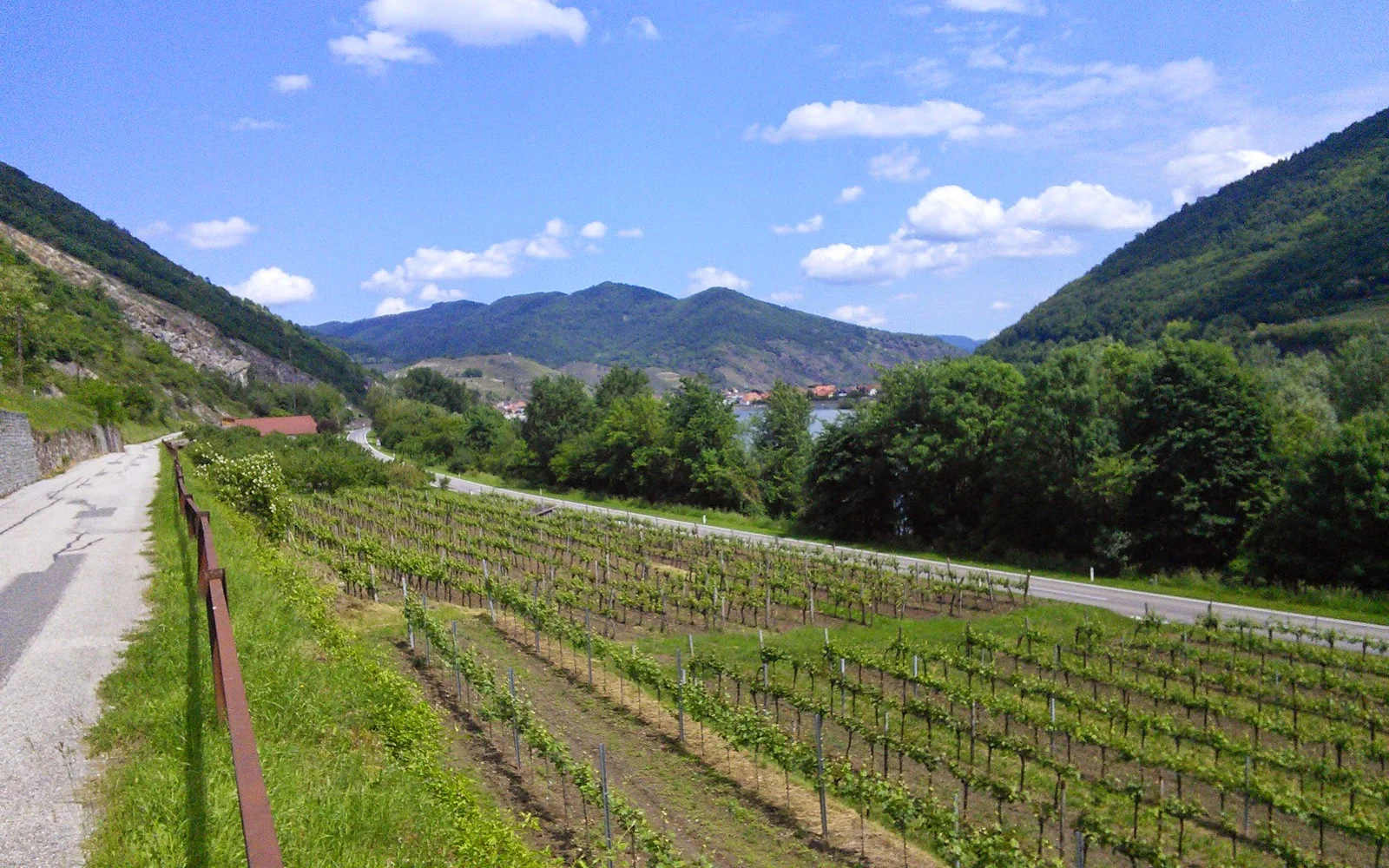
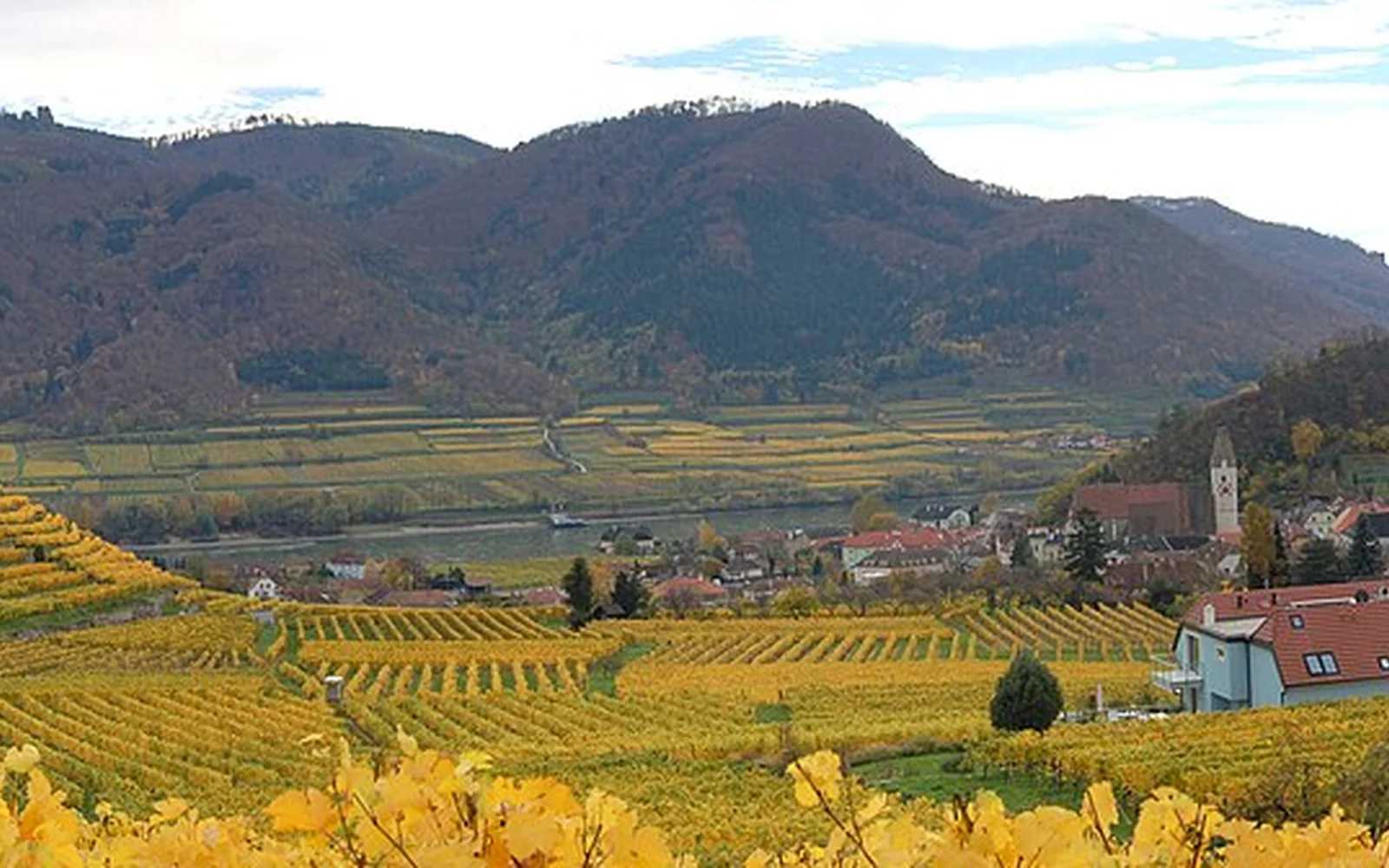
The Wachau and Eisenstadt are practical separate trips. Salzburg is a longer onward stay, not a relaxed Vienna day trip.
Continue planning
Questions about Vienna
How many days do I need in Vienna?
Three full days cover the centre, one palace and selected museums. Four or five days allow neighbourhoods and a day trip.
Do I need a car in Vienna?
No. Public transport is extensive, and parking is controlled. A car is usually a burden for a city-only stay.
Where should I stay for a first visit?
Choose an inner district or a nearby neighbourhood with a direct U-Bahn or tram connection to the centre.
Daily planning ranges
Travel costs in Vienna
These planning ranges are per person, per day and assume two people sharing a room. They are not live quotes.
Standard daily breakdown
- Accommodation
- €75 to €130
- Food
- €34 to €52
- Local transport
- €8 to €16
- Activities
- €22 to €45
What the range assumes: Per person, per day, based on two people sharing a sensible double or twin room. The standard range allows for ordinary paid sightseeing, local transport and a mix of casual and mid-range meals.
Seasonal note: December and major congress dates can raise hotel rates, even though winter daily costs vary widely.
Not included: International travel, intercity travel, shopping, travel insurance and major special-event premiums are excluded.
Price basis 29 August 2026, reviewed 29 August 2026, next review due 28 February 2027.
Cost sources
- Vienna public transport tickets, Wiener Linien
- Vienna cost of living, Numbeo
Sources and updates
This guide was last reviewed on 3 September 2026. Transport, access and opening arrangements can change, so check the official source before travel.
- Official Austria travel information, Austrian National Tourist Office
- Austrian rail timetable and service updates, ÖBB
- Official Vienna visitor information, Vienna Tourist Board
Related places to consider
These guides can help you place Vienna within a wider route.