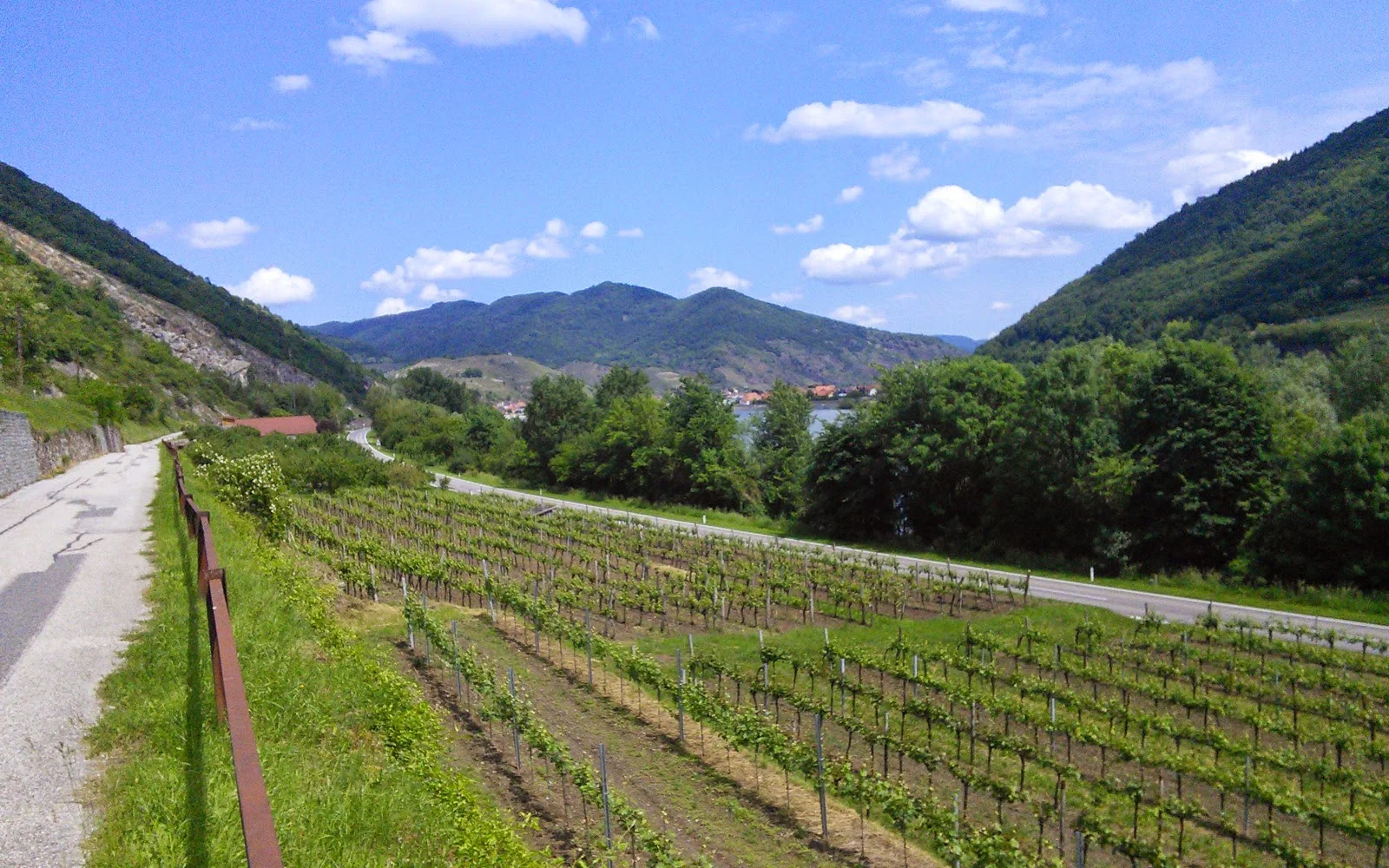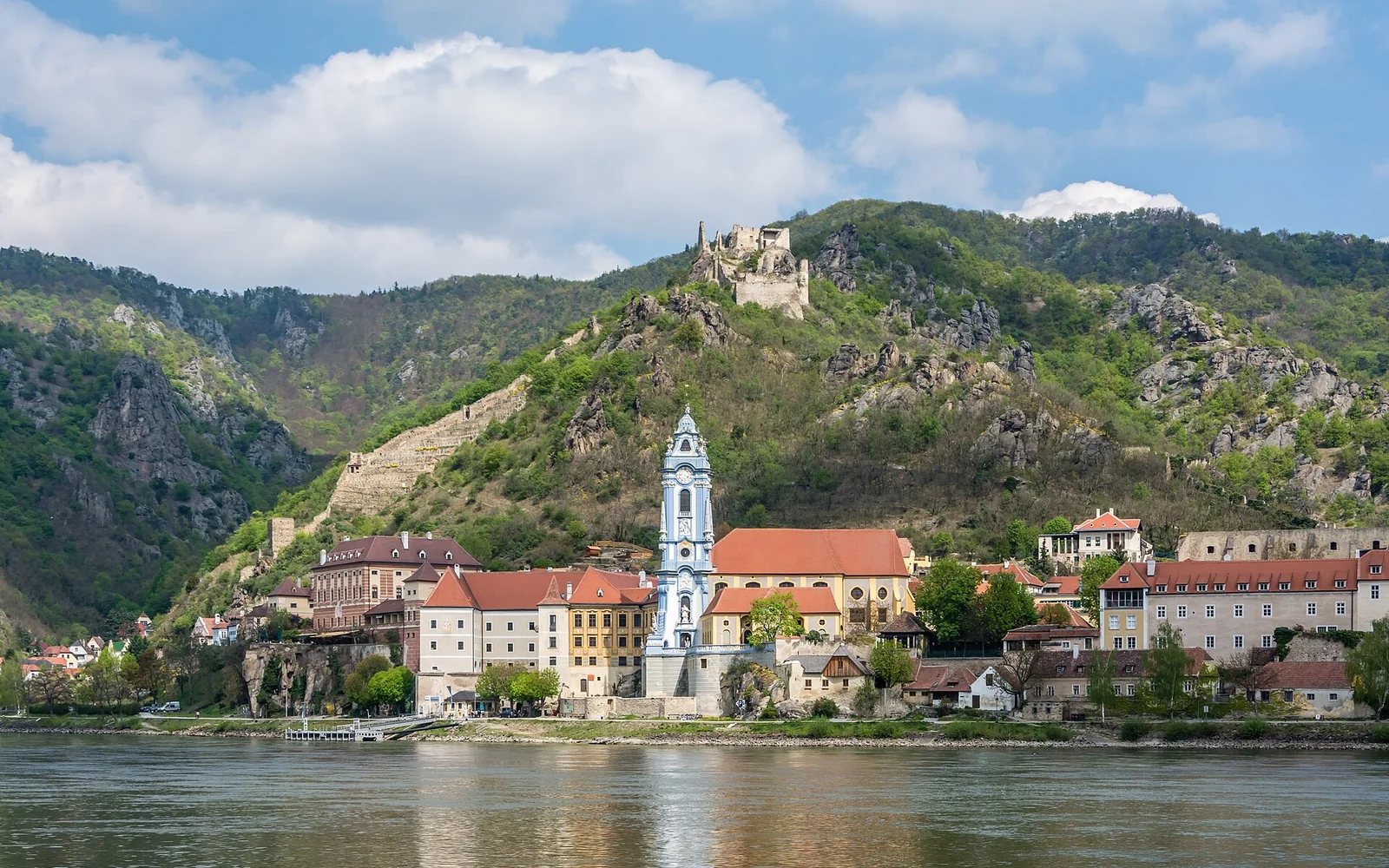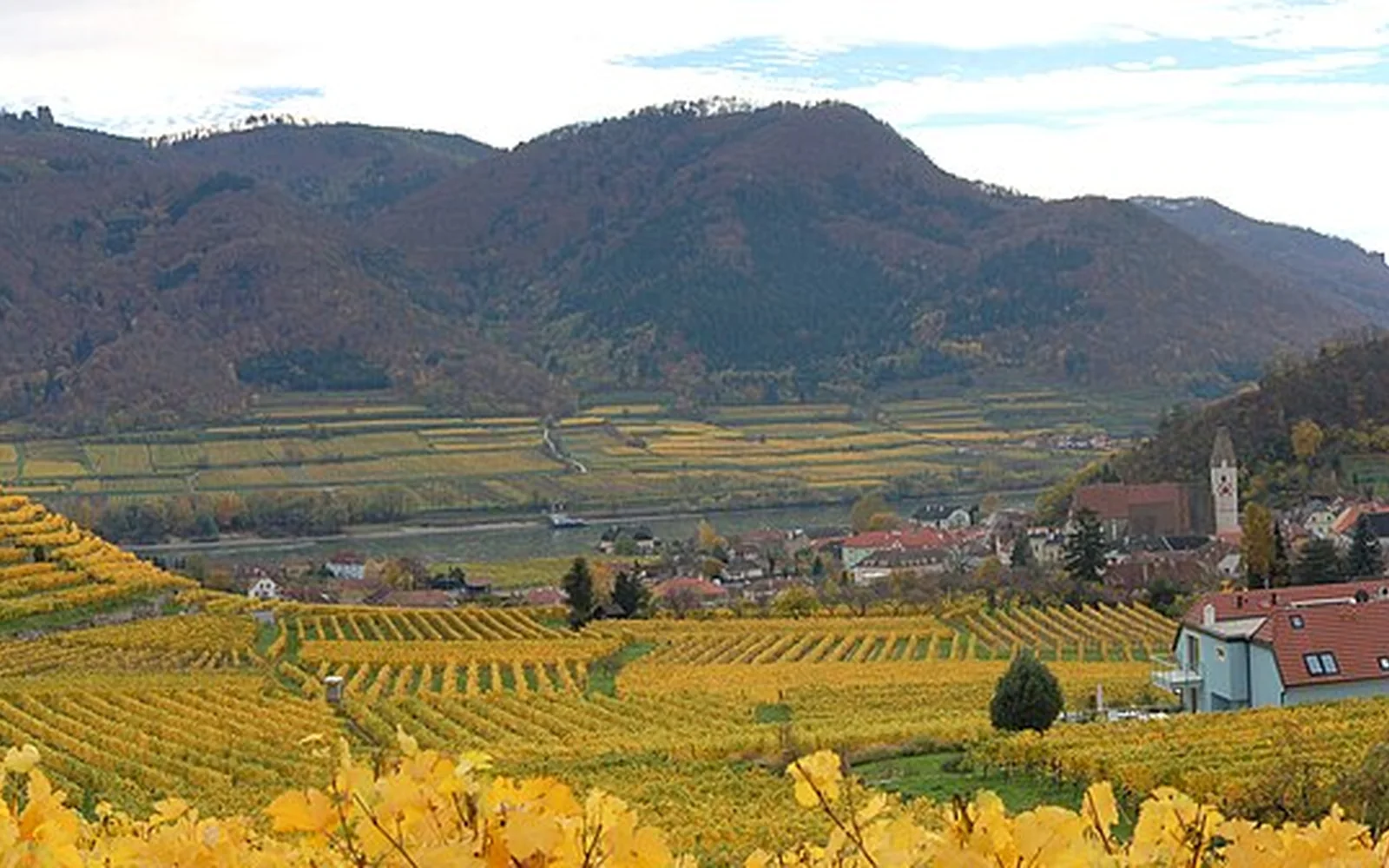
The Wachau is a complete river region, more than Dürnstein and Melk. Krems is the eastern gateway, small wine villages fill the north bank, and Melk anchors the western end.
Start with what makes Wachau Valley distinct
The Wachau is a complete river region, more than Dürnstein and Melk. Krems is the eastern gateway, small wine villages fill the north bank, and Melk anchors the western end.
A car-free trip works with rail at the edges and local buses or seasonal boats through the valley. Build the day around one transport direction and a small number of stops.
Danube towns
Krems offers the widest services, Dürnstein a compact historic stop, and Melk the major abbey. Smaller villages suit food and wine with reservations.
Cycling
The Danube paths are popular, but heat, wind, ferry links and mixed-use sections still affect the route. Reserve bicycles in busy periods.
Wine visits in Wachau Valley
Book tastings and use a sober driver, bicycle plan within safe limits or local transport. Seasonal tavern openings vary.
Build a realistic visit to Wachau Valley
Day 1: arrive in Krems and explore the eastern valley.
Day 2: visit Dürnstein and one nearby village.
Day 3: continue towards Melk by a confirmed boat, bus or cycle route.
Day 4: visit Melk Abbey before onward travel.
Arrive and move around Wachau Valley
Rail reaches Krems from Vienna and Melk on the main western corridor. The central river section uses buses, boats, bicycles or road transport.
Combine regional buses with walking, cycling and seasonal boats. Confirm whether the intended service carries bicycles.
Food and local stops in Wachau Valley
Apricots, regional wines, river fish and Austrian inn cooking are associated with the Wachau. Harvest and weekend periods can be busy.
Choose the right conditions for Wachau Valley
Spring blossom and autumn harvest are popular. Summer supports boats and cycling but can be hot. Winter is quiet with reduced visitor services.
River promenades may be level, while vineyard paths, castle ruins and cobbled lanes are steep. Boat boarding and station access vary.
Boat timetables are seasonal, and river conditions can affect operation. Do not assume every winery or tavern opens daily.
Continue from Wachau Valley
Vienna is the main eastern gateway. Melk and Dürnstein have their own town guides for more detailed planning.
Continue planning
Questions about Wachau Valley
Can I visit the Wachau without a car?
Yes. Use rail to Krems or Melk, then regional buses, seasonal boats or bicycles.
Is the Wachau a day trip from Vienna?
Yes for one or two stops. An overnight stay allows a calmer route and better use of seasonal transport.
Which direction should I travel?
Either works. Choose according to the live boat or bus timetable and onward rail plans.
Sources and updates
This guide was last reviewed on 3 September 2026. Transport, access and opening arrangements can change, so check the official source before travel.
- Official Austria travel information, Austrian National Tourist Office
- Austrian rail timetable and service updates, ÖBB
- Official Wachau visitor information, Donau Niederösterreich Tourism
- Official Lower Austria visitor information, Lower Austria Tourism
Related places to consider
These guides can help you place Wachau Valley within a wider route.