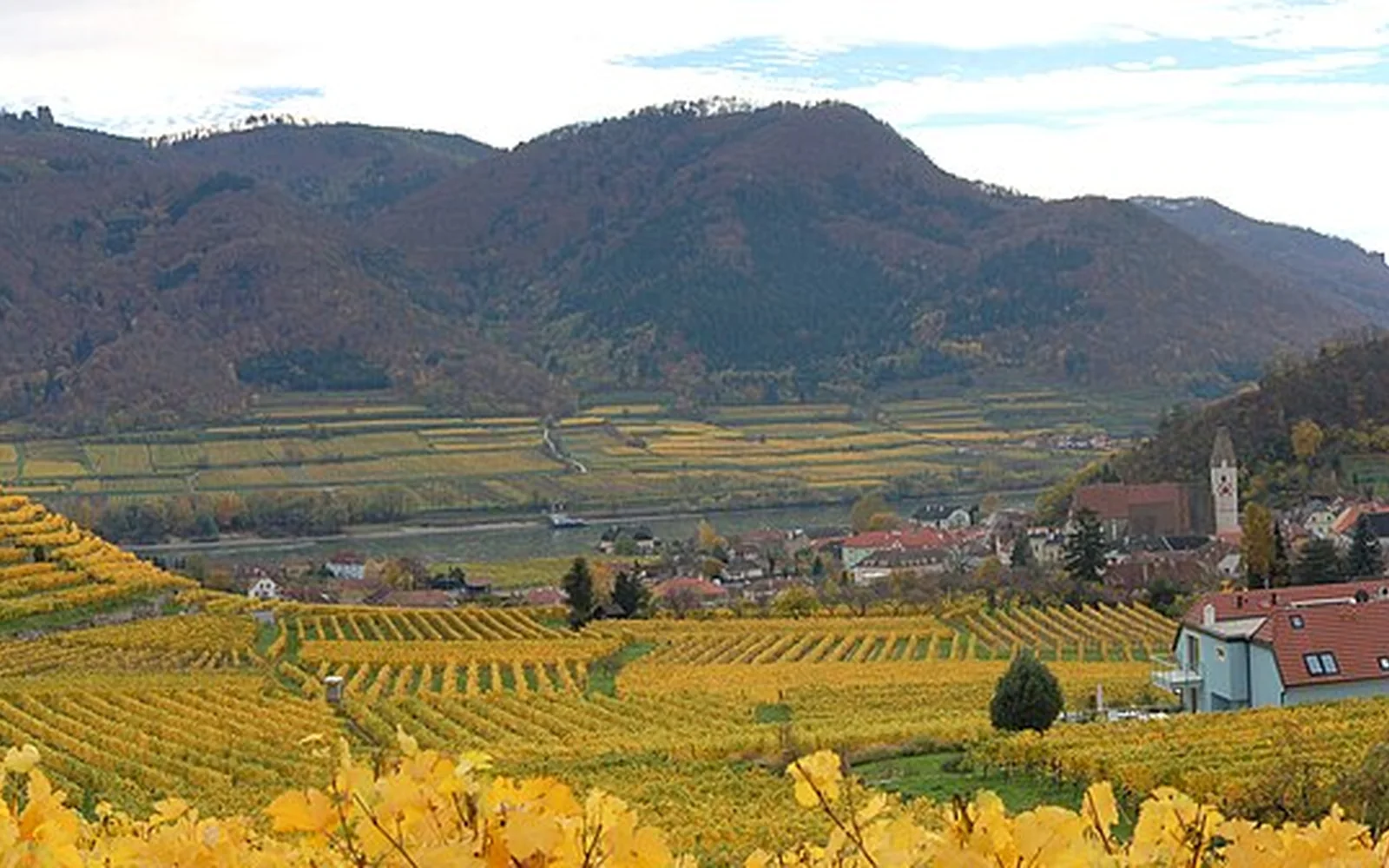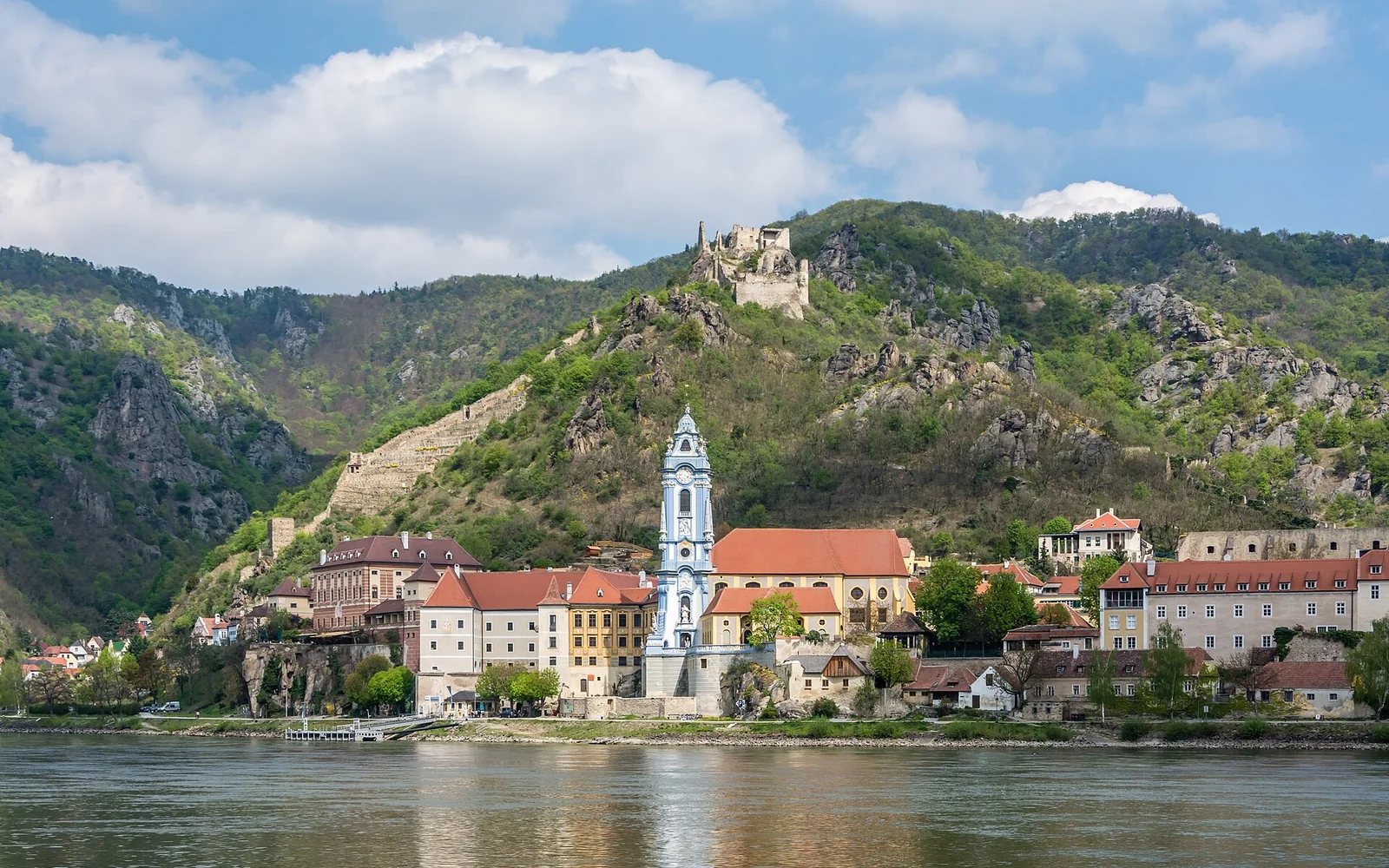
Dürnstein’s centre is small and can be crowded during boat and coach arrivals. The abbey area, riverfront and lanes are best explored slowly rather than used only as a photograph stop.
Start with what makes Dürnstein distinct
Dürnstein’s centre is small and can be crowded during boat and coach arrivals. The abbey area, riverfront and lanes are best explored slowly rather than used only as a photograph stop.
The castle ruins require a steep, exposed climb. Heat, loose surfaces and footwear matter, and the route is not suitable for every visitor.
Old town and abbey
Walk the main lane, river access and abbey exterior, checking current church and visitor opening.
Castle ruins
Take water, use secure footwear and avoid the climb in unsafe heat, ice or storms. Views are not guaranteed in poor weather.
Wine and villages
Book tastings and do not combine drinking with driving. Nearby villages offer alternatives to the busiest centre.
Build a realistic visit to Dürnstein
Morning: arrive before peak river traffic and explore the old town.
Midday: visit the abbey area and eat locally.
Afternoon: climb to the ruins if conditions and ability suit, or walk a lower vineyard route.
Arrive and move around Dürnstein
Dürnstein has no main railway station. Regional buses, seasonal boats, bicycles and road transport connect it with Krems and Melk.
Walk within town. Use the Wachau bus or seasonal boat for onward travel, and confirm whether bicycles are carried.
Food and local stops in Dürnstein
Wachau apricots, wines and Austrian inn dishes feature locally. Seasonal taverns may open only on selected dates.
Choose the right conditions for Dürnstein
Spring and autumn are popular for vineyards and walking. Summer can be hot on the castle path. Winter brings reduced services.
The old town has cobbles and some gradients. The castle ruins are reached by a steep, uneven footpath and are not accessible.
Crowds arrive in waves. Boat service is seasonal, and a tasting requires a safe transport plan.
Continue from Dürnstein
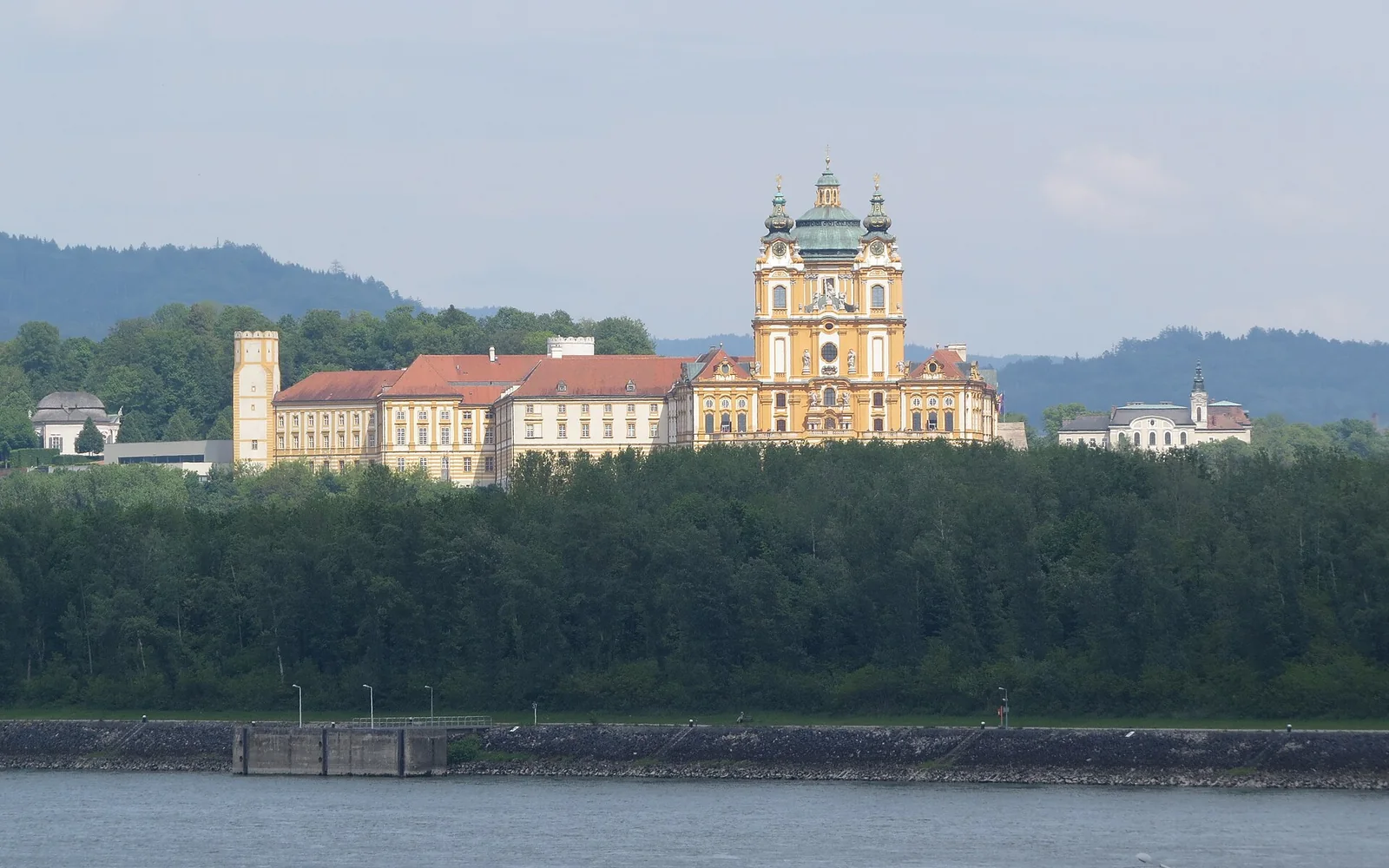
Krems is the practical eastern transport base. Melk anchors the western Wachau with its abbey.
Continue planning
Questions about Dürnstein
Does Dürnstein have a train station?
No main rail station serves the town. Use buses, seasonal boats, bicycles or road transport from Krems or Melk.
Is the castle walk difficult?
It is short but steep, uneven and exposed to heat. Secure footwear and suitable conditions are important.
How long should I stay?
A full day covers the town, abbey area and castle path without rushing.
Sources and updates
This guide was last reviewed on 3 September 2026. Transport, access and opening arrangements can change, so check the official source before travel.
- Official Austria travel information, Austrian National Tourist Office
- Austrian rail timetable and service updates, ÖBB
- Official Wachau visitor information, Donau Niederösterreich Tourism
- Official Dürnstein visitor information, Dürnstein Tourism
- Official Lower Austria visitor information, Lower Austria Tourism
Related places to consider
These guides can help you place Dürnstein within a wider route.