
Start with the essentials
Plan France at a glance
- First trip
- 10–14 days
- Best months
- Apr–Jun, Sep–Oct
- Main transport
- High-speed and regional rail
- Car
- Useful for selected rural regions
- Currency
- Euro
About France
Why visit France
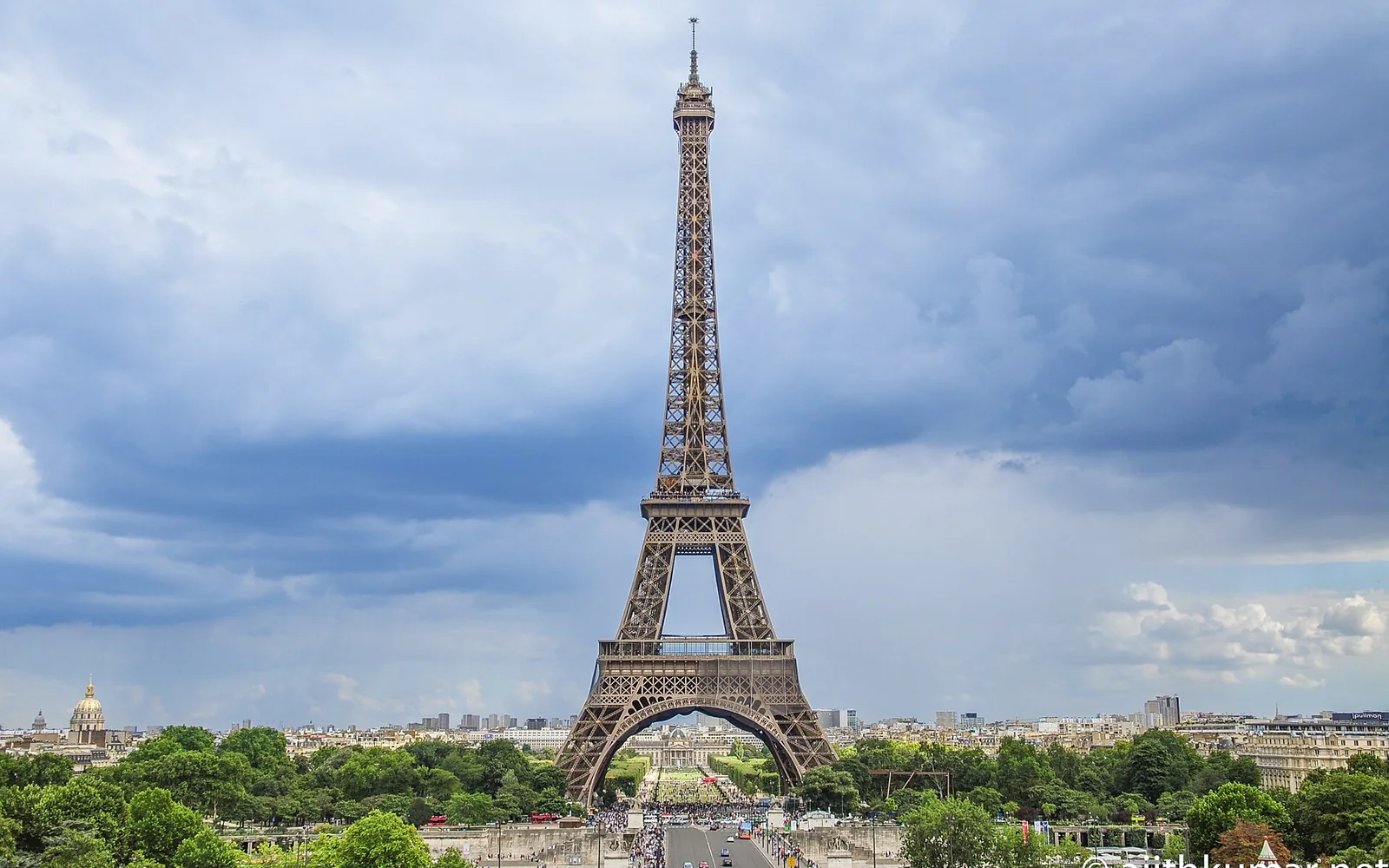
France supports many different trips, but its scale punishes a checklist route. Paris, Provence, the Atlantic, the Alps, Alsace and the Mediterranean each need different bases.
High-speed rail makes selected long journeys easy. It does not solve rural transfers or time lost crossing the country too often.
Plan France by region
France is too large for a first trip built from scattered highlights. Paris and one or two connected regions create a stronger route than combining the Riviera, Normandy, Bordeaux and the Alps in quick succession.
TGV services connect major cities, while regional TER networks and local buses handle the final stage. A rural stay may need a car, but many city and corridor routes work better without one.
Choose a part of the country
Choose a region
Île-de-France
Paris sits within a wider capital region of royal estates, forests, new towns and busy suburban rail routes.
View region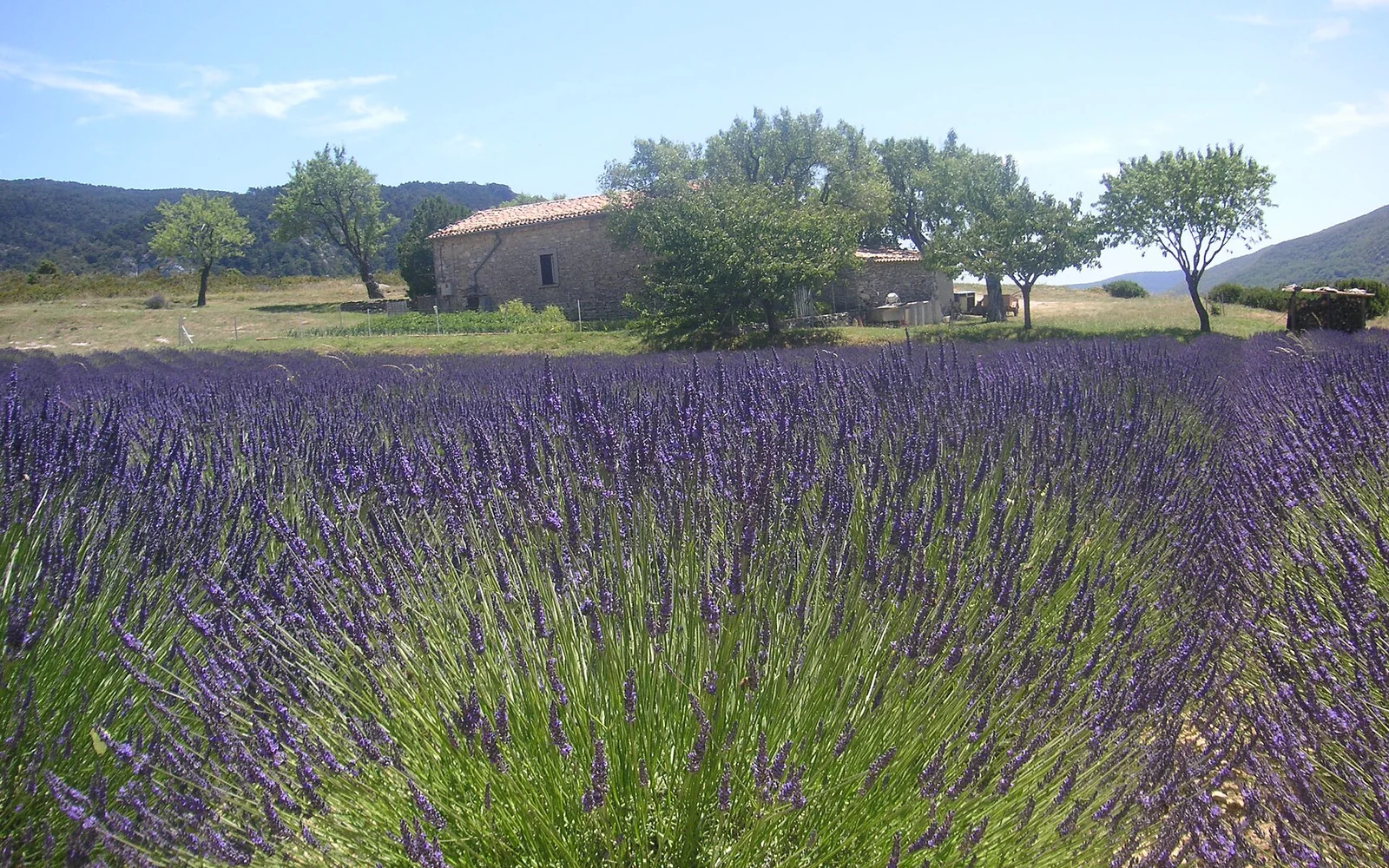
Provence-Alpes-Côte d’Azur
Mediterranean cities, inland Provence, the Riviera and Alpine districts share one large region with very different travel patterns.
View region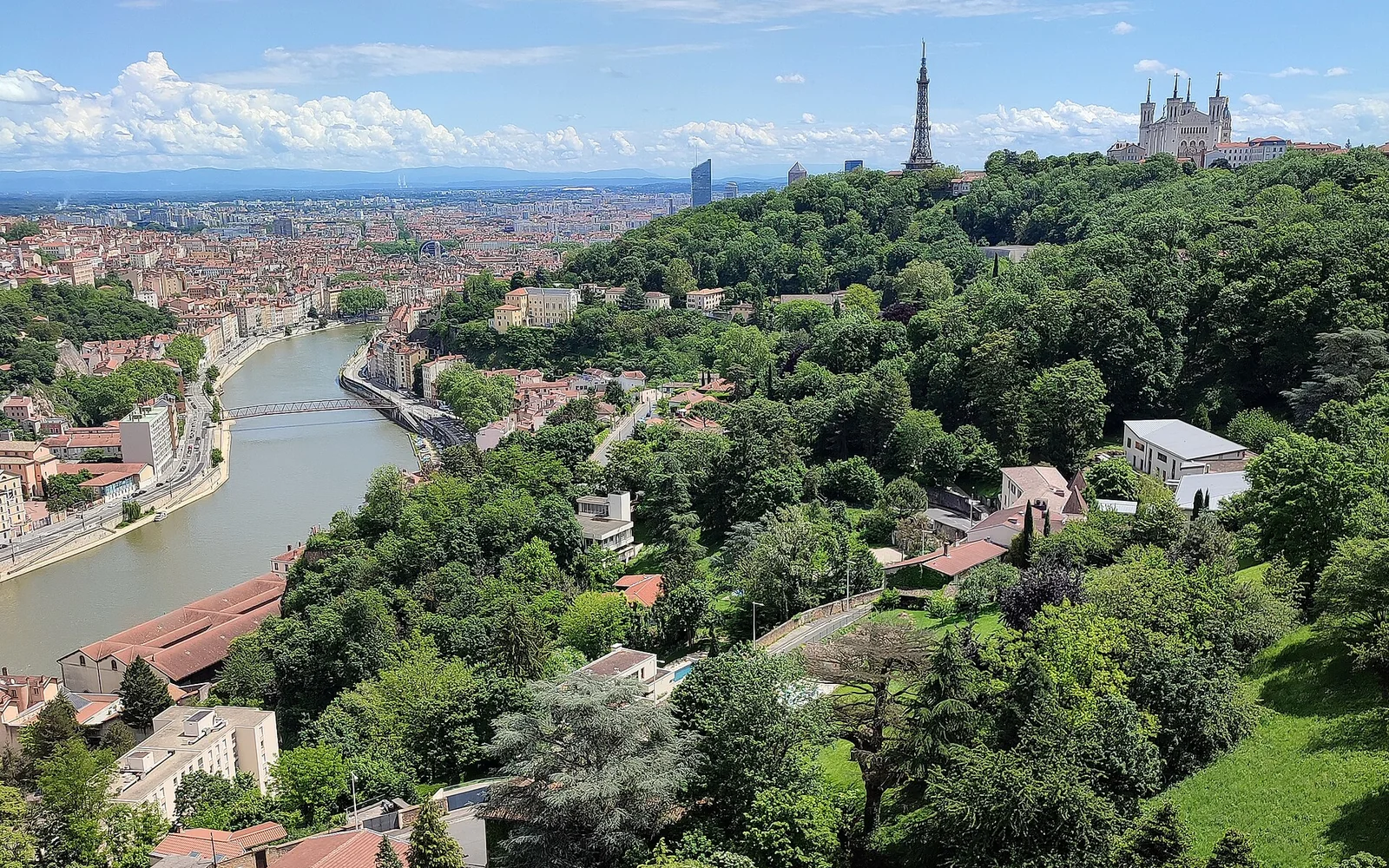
Auvergne-Rhône-Alpes
Lyon, Alpine lakes, Mont Blanc valleys and volcanic landscapes make this one of France’s most varied regions.
View regionNouvelle-Aquitaine
Bordeaux anchors a vast south-western region of vineyards, Atlantic coast, historic towns and inland countryside.
View regionGrand Est
Alsatian cities, Champagne vineyards, war history and cross-border rail routes shape France’s north-east.
View regionCentre-Val de Loire
The central Loire region combines château country, river landscapes and rail-linked cities around Tours, Blois and Orléans.
View regionOccitanie
Toulouse anchors a broad southern region reaching the Pyrenees, Mediterranean coast and historic inland towns.
View regionBrittany
Granite coasts, walled towns, islands and a strong regional identity shape France’s north-western peninsula.
View regionNormandy
Normandy stretches from Seine towns to chalk cliffs, landing beaches and Mont-Saint-Michel, with major sites spread across a broad coast.
View regionCorsica
Corsica is a mountainous Mediterranean island where narrow roads, several ports and airports, seasonal services and long coastlines make the choice of bases essential.
View regionGood places to start
Cities for a first trip
See all 37 cities and townsParis
Paris rewards an area-by-area plan, with major museums, river walks and neighbourhood streets spread across both banks of the Seine.
Lyon
Lyon spreads around the Rhône and Saône, with Roman hills, Renaissance streets, food markets and modern districts linked by strong public transport.
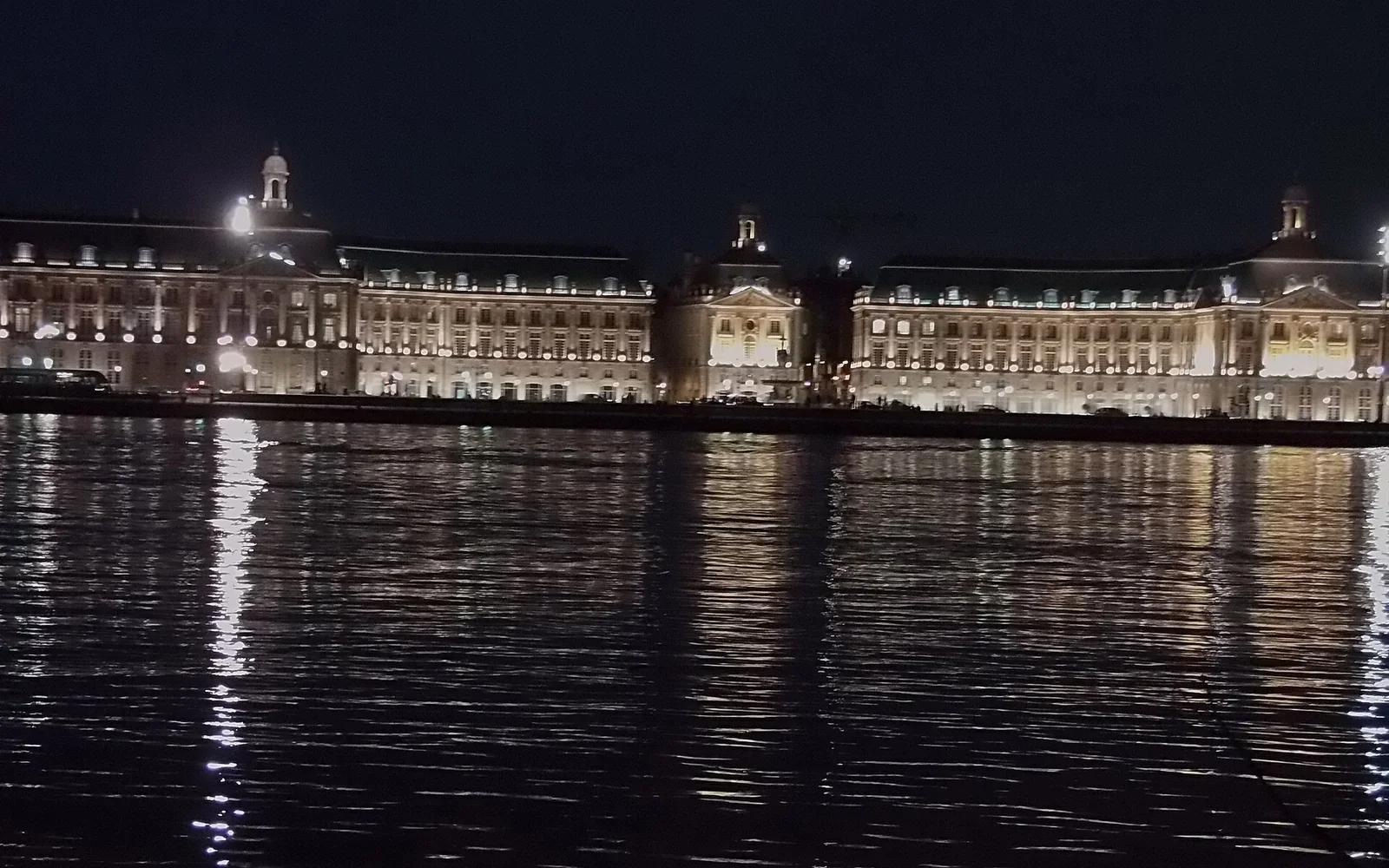
Bordeaux
Bordeaux pairs an elegant stone centre and broad riverfront with a working metropolitan region shaped by wine, trade and modern tram travel.
Strasbourg
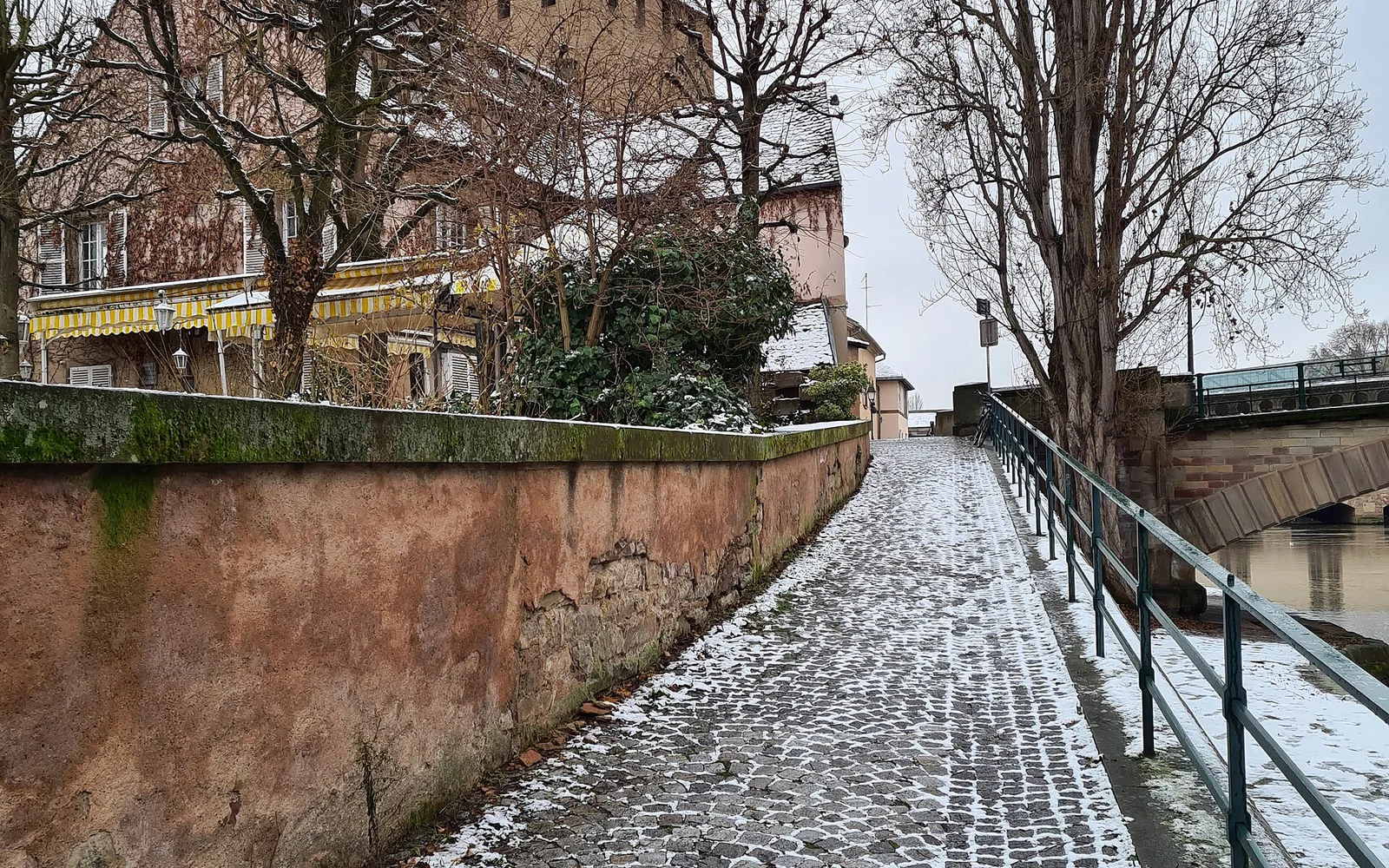
Strasbourg combines a medieval and imperial centre with European institutions, Rhine-side cycling and strong rail links across Alsace.
Nice
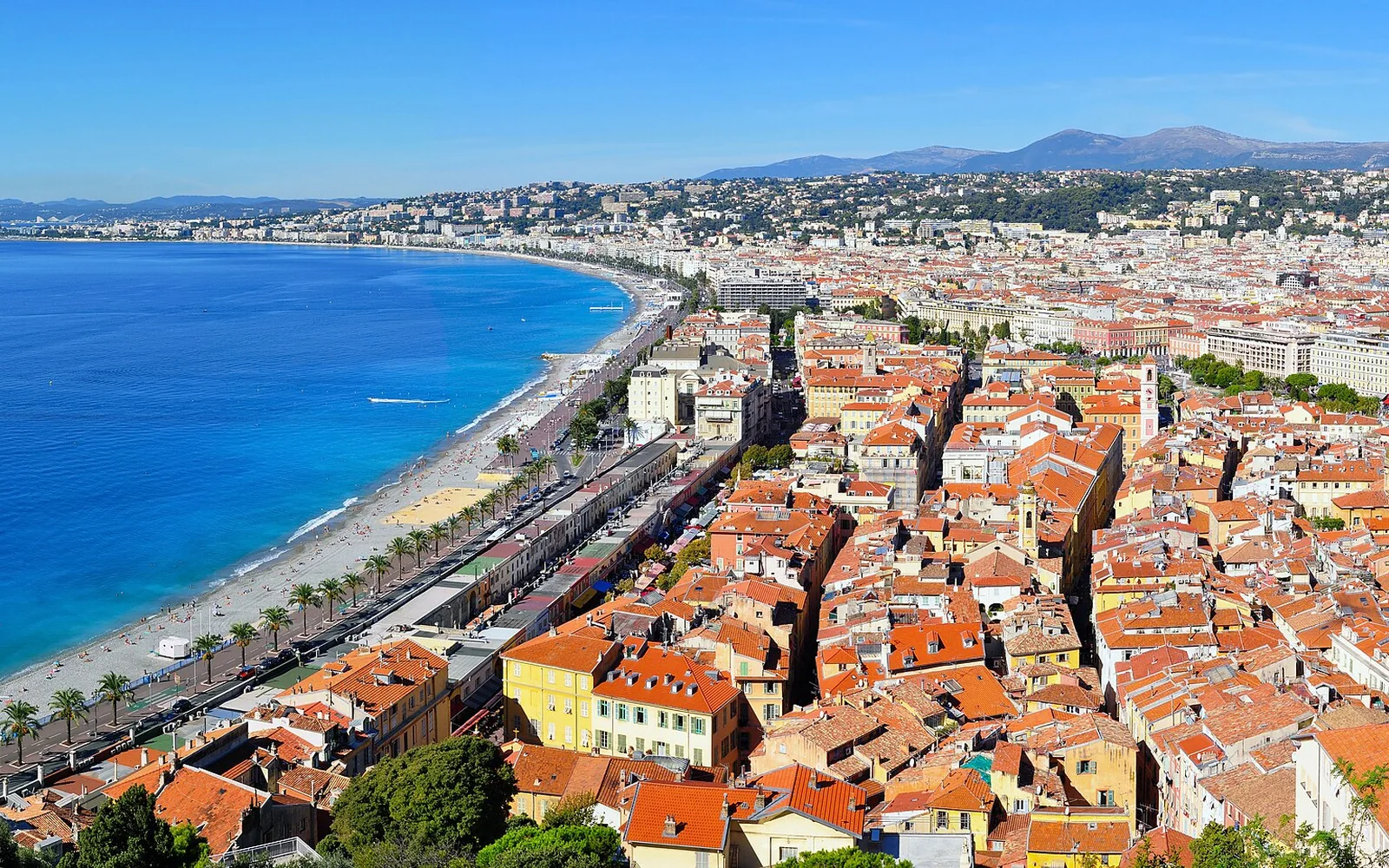
Nice combines a dense old town, a long Mediterranean waterfront and useful rail links along the French Riviera.
Avignon
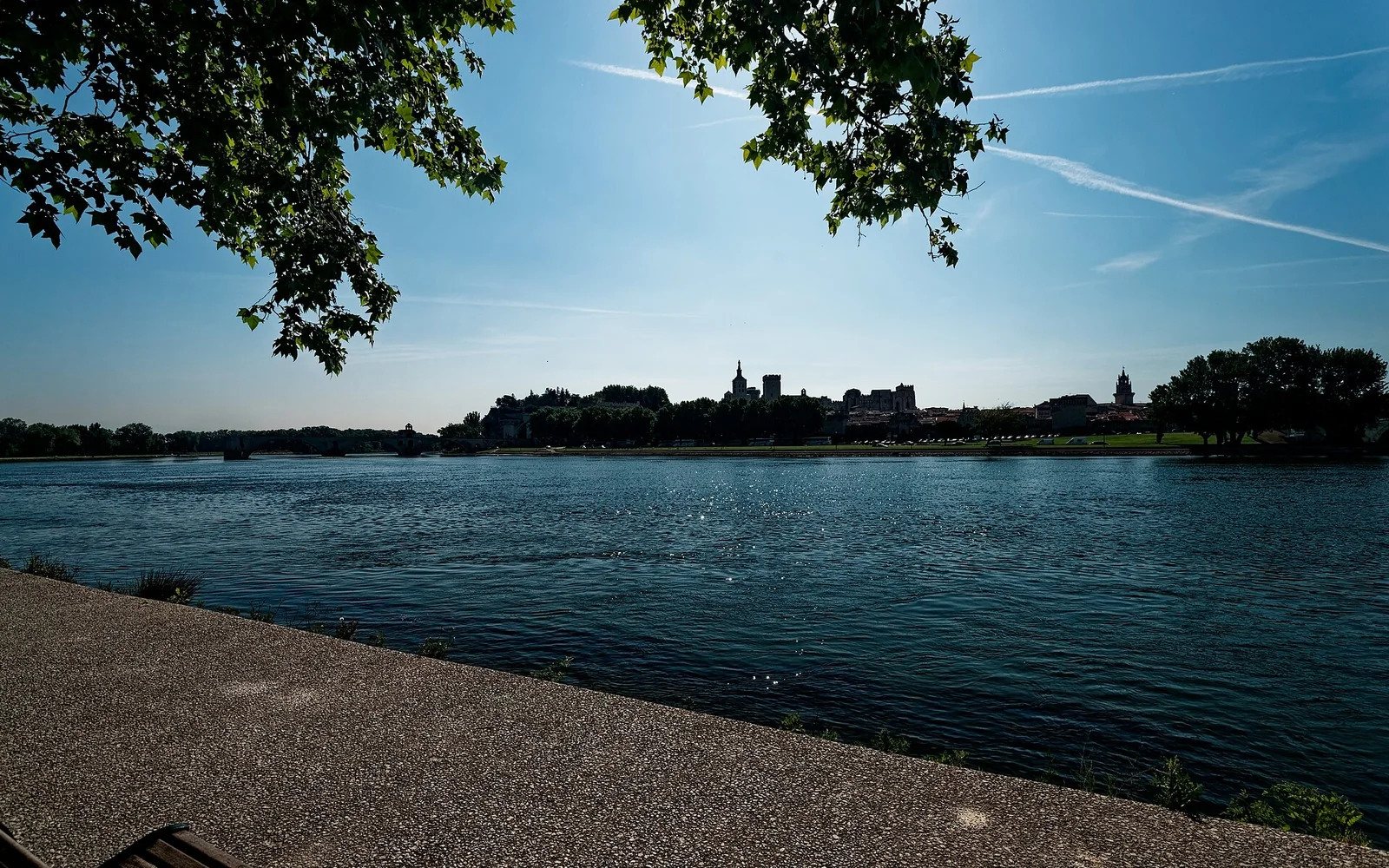
Avignon is a walled Rhône city of papal monuments, shaded squares and strong rail links into western Provence.
Choose an island
Island guides
France
Corsica
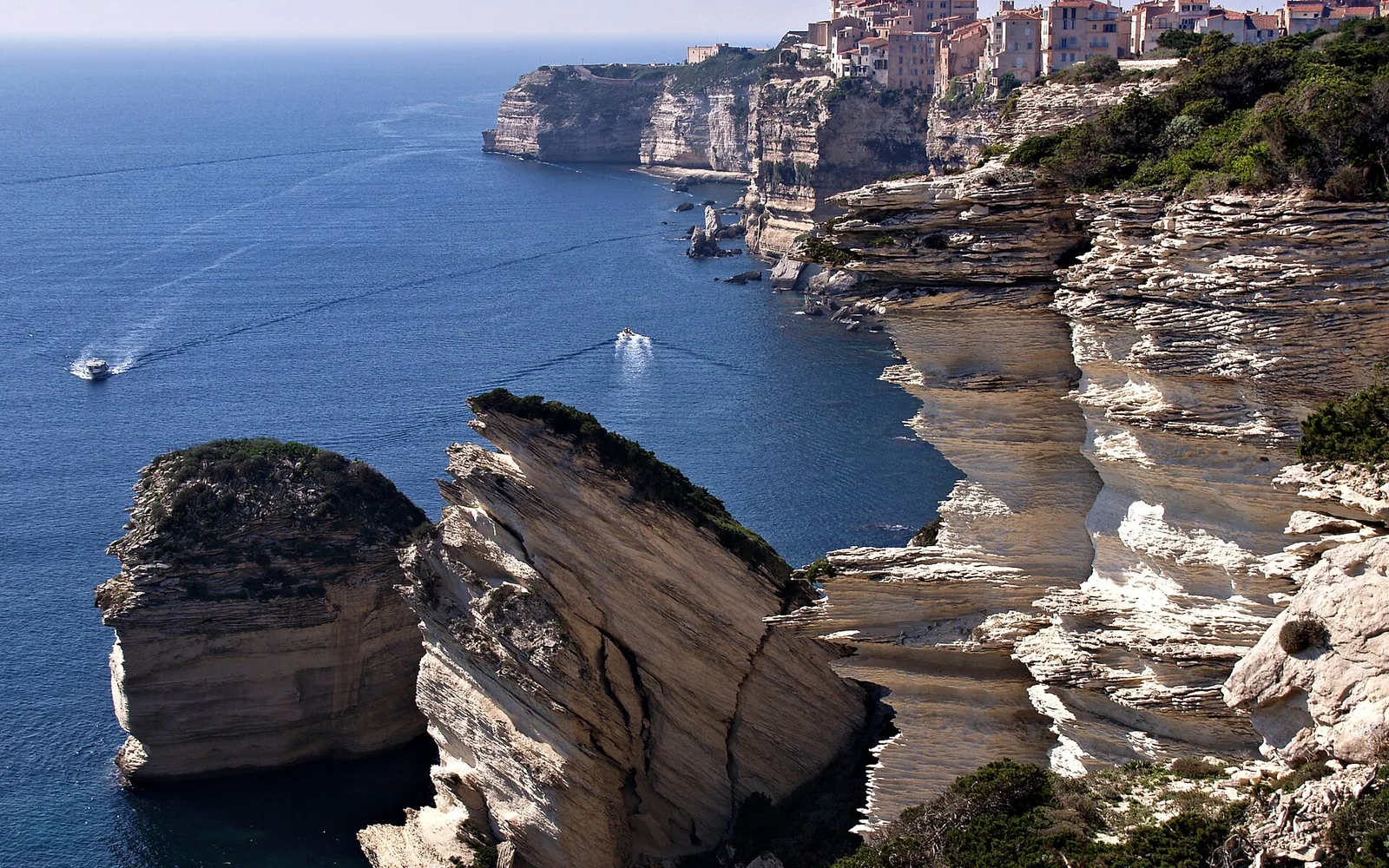
Corsica is a mountainous Mediterranean island where narrow roads, several ports and airports, seasonal services and long coastlines make the choice of bases essential.
Open island guideFind places by area
Browse places by region
Alsace Colmar, Mulhouse, Strasbourg
Auvergne-Rhône-Alpes Annecy, Chamonix-Mont-Blanc, Clermont-Ferrand, Lyon
Brittany Quimper, Rennes, Saint-Malo
Île-de-France Fontainebleau, Paris, Versailles
Normandy Bayeux, D-Day Landing Beaches, Mont-Saint-Michel, Rouen
Nouvelle-Aquitaine Arcachon Bay, Bordeaux, Saint-Émilion
Occitanie Carcassonne, Montpellier, Toulouse
Provence Aix-en-Provence, Avignon, Marseille
Plan a day out
Day trips and experiences
Versailles from Paris by train
A full Versailles day shaped by timed Palace entry, the correct Paris rail route and a realistic choice between the gardens and Trianon estate.
Èze Village from Nice
A full or substantial half day in hilltop Èze, with the direct village bus separated clearly from the coastal railway station.
Match the route to your time
Choose a trip length
Paris and one nearby region
Give Paris four full days, then add Versailles, Reims, Normandy or the Loire corridor according to the transport. Choose one extension and check its regional connections rather than turning every non-Paris day into a long return journey.
Paris and two connected bases
Link Paris with Lyon and Provence, or Bordeaux with the Atlantic southwest. High-speed rail handles the main move, while regional days need separate planning. Keep at least three nights in each major base. Avoid crossing France twice.
A focused multi-region route
Build a north-to-south or east-to-west corridor with three or four bases. Corsica, the Alps and remote rural sections deserve their own time. Do not use a longer trip as permission to cross the country every second day.
Ready-made routes
Suggested itineraries
Paris, Lyon, Provence and Nice in 12 days
A 12-day one-way rail route with 11 hotel nights, four contrasting bases and enough time to avoid treating southern France as a transfer corridor.
- Main stops
- Paris, Lyon, Provence, Nice
- Transport
- Train
- Best suited to
- First-time rail travellers who want Paris, Lyon, a defined Provence base and the Riviera in one directional route.
- Main trade-off
- Four bases require three hotel changes, and the short Provence stay cannot support a broad village circuit.
Transport choices
Getting around France
TGV INOUI, OUIGO and Intercités link many major cities, while each region manages its own TER trains and coaches. Book constrained high-speed journeys after the route is fixed and use the regional planner for local days. Urban transport removes the need for a car in Paris and other large cities. Rural wine, village and mountain routes may justify a short rental.
High-speed and intercity rail
Use long-distance trains for moves such as Paris to Lyon, Bordeaux, Strasbourg, Marseille or Avignon. Ticket conditions and release dates vary, so compare the exact service before committing to a fixed itinerary.
Regional trains and coaches
TER networks connect smaller cities and towns, with each region setting its own service and fare rules. Check the dated regional journey and final return rather than assuming a national high-speed ticket covers the whole day.
City transport
Large cities have their own metro, tram or bus systems. Build days by neighbourhood and keep station changes in mind, particularly in Paris where long-distance trains use several separate terminals.
Driving
A car helps in selected rural wine areas, village routes and mountain sections. Collect it after the city stay, return it before the next major centre, and account for tolls, low-emission rules and parking.
Month-by-month planning
When to visit
Choose the month by region, since Paris, the Atlantic coast, Mediterranean France and the Alps follow different weather and demand patterns.
Current planning ranges
Trip costs by base
These per-person planning ranges are not live quotes. Open the destination guide for assumptions, exclusions and sources.
Paris
EUR 200 to 310- Accommodation
- €105 to €190
- Food
- €42 to €65
- Local transport
- €10 to €20
- Attractions and activities
- €28 to €55
Nice
EUR 185 to 280- Accommodation
- €95 to €170
- Food
- €38 to €58
- Local transport
- €7 to €16
- Attractions and activities
- €25 to €50
Plan fewer hotel changes
Where to base your trip
Before you travel
Practical facts
- Currency
- Euro
- Main transport
- TGV, Intercités and regional rail
- Driving side
- Right
- Emergency number
- 112
- Main languages
- French
- Time zone
- Metropolitan France uses Central European Time; overseas areas differ
- Plug type
- Type C and E
- EU status
- EU member
- Schengen status
- Metropolitan France is in Schengen; overseas rules differ
Avoid the common route problems
Planning checks
Choose a corridor, not a wish list
Paris, Provence, the Riviera, Bordeaux, Normandy and the Alps point in different directions. Select one or two connected regions around the available time and leave distant places for another trip instead of losing days to cross-country transfers.
Check the exact rail product
TGV, OUIGO, Intercités and TER services have different reservation and ticket conditions. Confirm the train, station and fare rules for each journey, especially when a regional connection follows a fixed long-distance arrival. Leave a margin when changing stations in Paris.
Reserve the day’s scarce entry
Major museums, monuments and seasonal events can control a sightseeing day. Book the least flexible priority first, then organise nearby streets and secondary sights around it without repeating the same cross-city journey. Check closures before fixing the surrounding route.
Compare major routes before choosing regions
See France’s main travel bases
Loading the map…
Choose a group to compare six useful bases without turning France into one rushed circuit.
Choose between two places
A useful destination comparison
Rome or Paris for a first city break?
Choose Rome for ancient history, churches and street-level atmosphere. Choose Paris for large museum collections, district-based days and broader regional rail options.
Cross-border planning
Countries to combine carefully
Belgium
Paris and the Belgian art cities make a compact rail-led combination.
- Likely transport
- International rail
- Minimum sensible time
- At least 8 days across both countries
- Main limitation
- Give both capitals and one Belgian overnight base enough time.
Spain
South-west France can lead into northern Spain, while Paris has direct rail links to Barcelona.
- Likely transport
- International rail
- Minimum sensible time
- At least 12 days across both countries
- Main limitation
- Crossing both countries broadly requires more time than one fast rail leg suggests.
Italy
The Riviera and north-west Italy can work as one coastal section.
- Likely transport
- Rail along the coast
- Minimum sensible time
- At least 10 days across both countries
- Main limitation
- Regional coastal trains are slower than high-speed city links.
Quick answers
Planning questions
How much of France fits into one trip?
Paris and one region fit comfortably into eight to ten days.
Is France easy without a car?
Yes for major cities. Some rural and mountain routes may justify a car.
Should I buy rail tickets early?
Advance booking can reduce fares on popular long-distance trains.
What is a sensible first route through France?
Paris plus one coherent region. Combine Paris with one connected region.
What should I confirm before booking a trip to France?
Do not cross France repeatedly in a short route. Check rail engineering and station changes.
How this guide is checked
Sources and review
Reviewed 2 September 2026, next review due 2 March 2027. Transport, access, prices and seasonal services can change, so check the official source before booking.
- Official France visitor information, Atout France
- Official French rail journey planner, SNCF Connect
- Official accessible travel guidance for France, Atout France
Continue planning
More places in France
Browse the full destination list when the curated starting points do not match your route.