
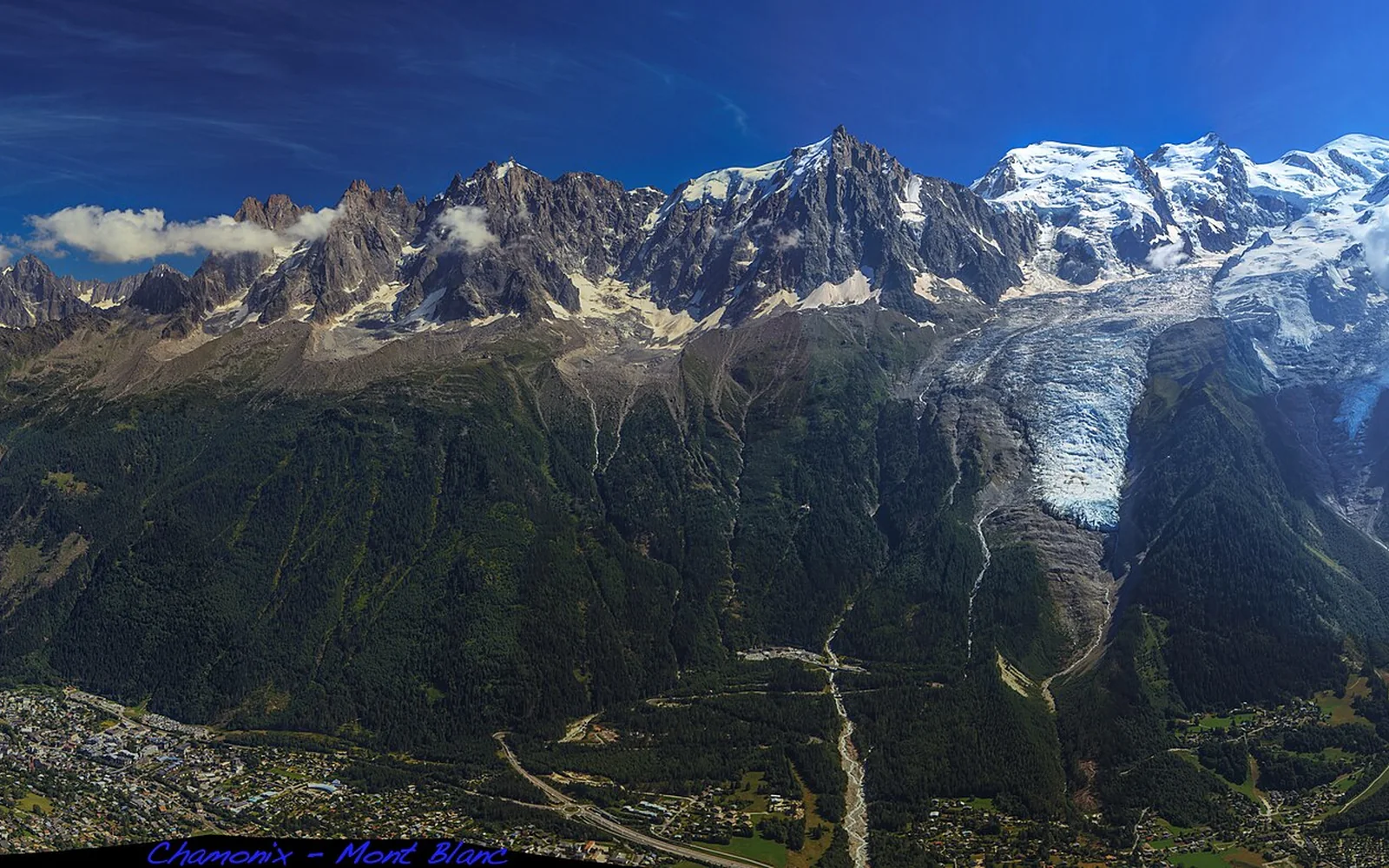
Chamonix town is one part of a valley that includes Les Houches, Argentière, Le Tour and other settlements. The main attractions rise in different directions, and their lifts do not form one continuous sightseeing circuit.
Build a trip with weather alternatives. Aiguille du Midi, Mer de Glace and valley walks each need separate time, and high-altitude visits may not suit every traveller.
Choose one mountain objective
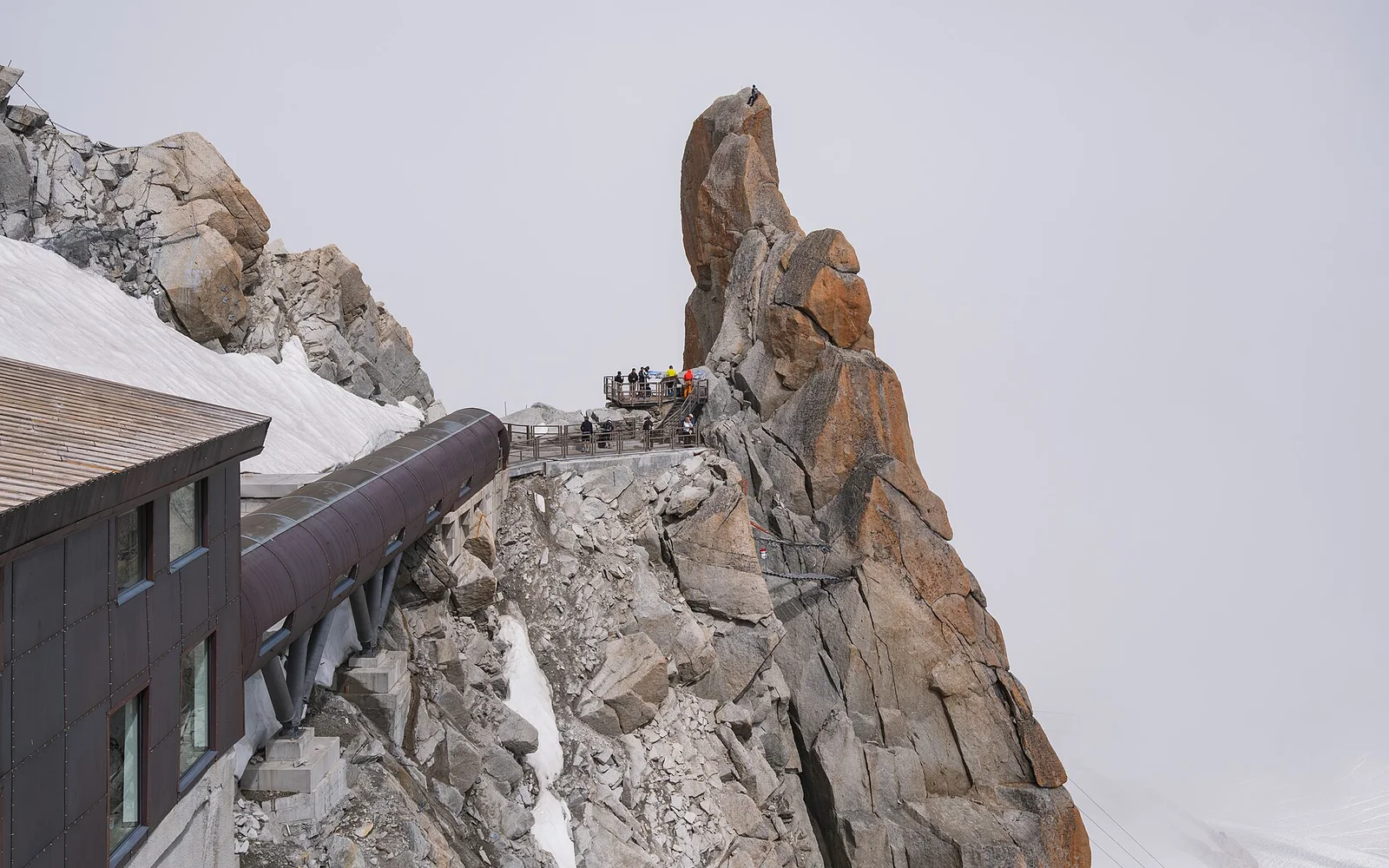
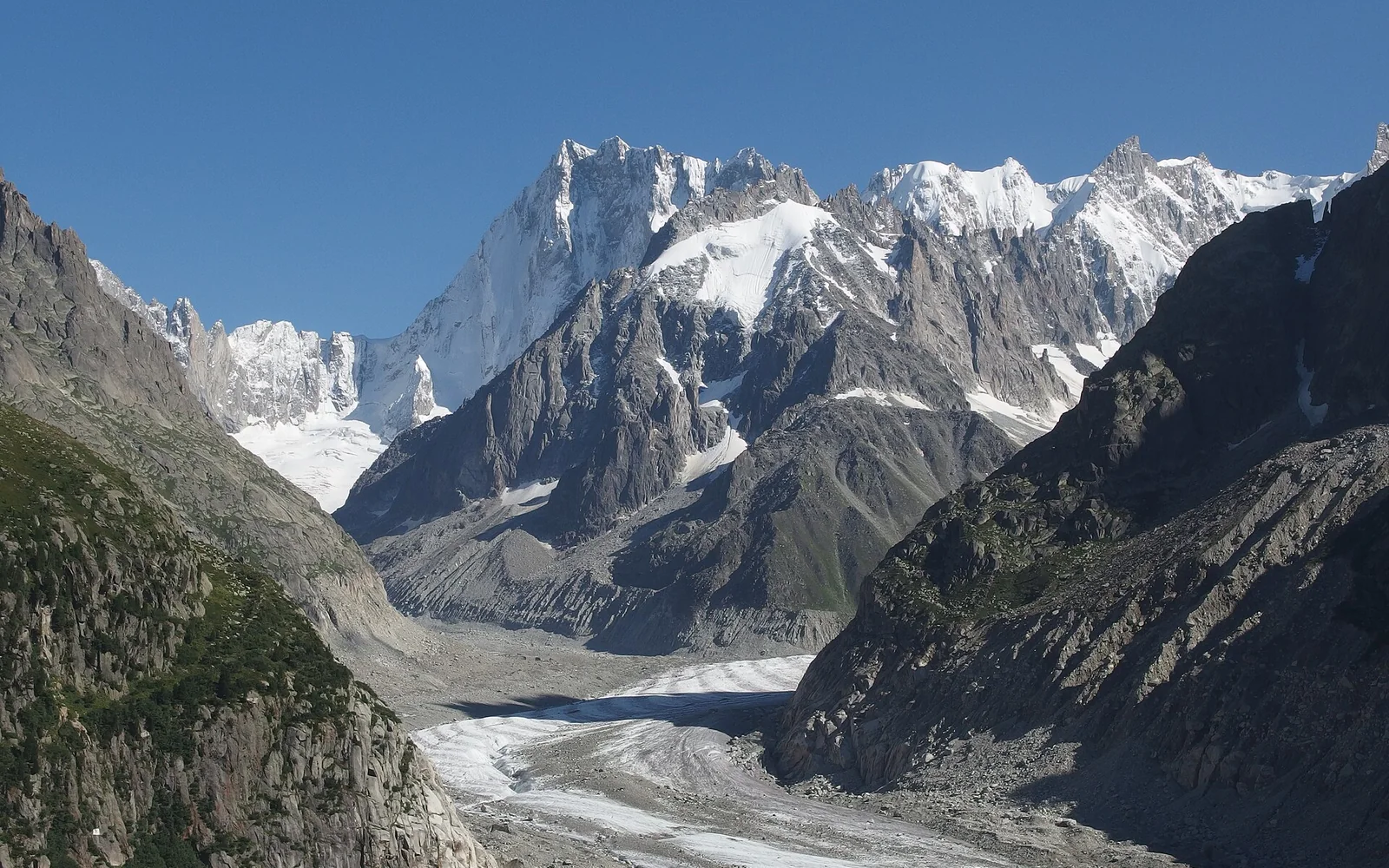
Aiguille du Midi is a high-altitude cable-car visit, while Mer de Glace uses a different railway and access route. Avoid tying both to a short arrival day.
Use the valley as a network
Local trains and buses connect several bases, but frequencies and inclusions vary by season and accommodation scheme.
Let conditions lead
Wind, cloud, avalanche risk, trail work and lift maintenance can close routes. Keep a valley walk, museum or town day ready.
A practical itinerary
- Day 1: explore Chamonix town and a low valley walk.
- Day 2: use one major lift or railway if conditions are suitable.
- Day 3: visit another valley area or follow a signed lower route.
- Days 4 to 5: keep space for weather changes, guided activity or rest.
Getting there
Chamonix is reached by regional rail and coach routes through France or Switzerland. Transfers from Geneva cross an international border, and tickets or airport services should be checked for the exact stop.
Getting around
Valley trains, buses and walking routes reduce the need for a car. Service patterns change by season, and mountain lifts have separate tickets and operating calendars.
Food to look for
Savoyard food includes cheese dishes, charcuterie and hearty mountain cooking. Chamonix also has broad international dining, though busy weeks require reservations.
When to visit
Summer and winter are the main activity seasons. Spring and autumn can have extensive lift maintenance and uncertain trail conditions. Snow and storms remain possible outside expected periods.
Accessible travel
The tourist office publishes adapted tourism information for the valley. Individual lifts, viewing areas and transport have their own conditions, and altitude can pose health limits even where step-free access exists.
Practical limits
Mountain access is never guaranteed. Check official lift, weather and safety information on the day, carry suitable clothing and do not present a high-altitude viewpoint as a routine city attraction.
Nearby places
Annecy offers a lower-altitude lake stay. Courmayeur lies in Italy through the Mont Blanc corridor, but cross-border transport and tunnel conditions need separate checks.
Places to add to your map
- Chamonix centre: Main valley town and transport hub.
- Aiguille du Midi: High-altitude cable-car destination.
- Montenvers: Rail approach toward Mer de Glace.
Open the route planner to place these stops in a wider France trip.
Continue planning
Questions about Chamonix-Mont-Blanc
How long should I stay in Chamonix?
Three days provide one or two mountain opportunities with limited flexibility. Four or five days are safer when weather matters.
Do I need a car in the Chamonix valley?
Not necessarily. Local trains and buses connect the main settlements, but choose accommodation near the services needed.
Can everyone visit Aiguille du Midi?
No. High altitude and rapid ascent can be unsuitable for some visitors, and weather can close the lift. Read current operator guidance and seek medical advice when relevant.
Sources and updates
This guide was last reviewed on 28 August 2026. Transport, access and opening arrangements can change, so check the official source before travel.
- Official French rail journey planner, SNCF Connect
- Official accessible travel guidance for France, Atout France
- Official Chamonix visitor and accessibility information, Chamonix-Mont-Blanc Tourist Office