
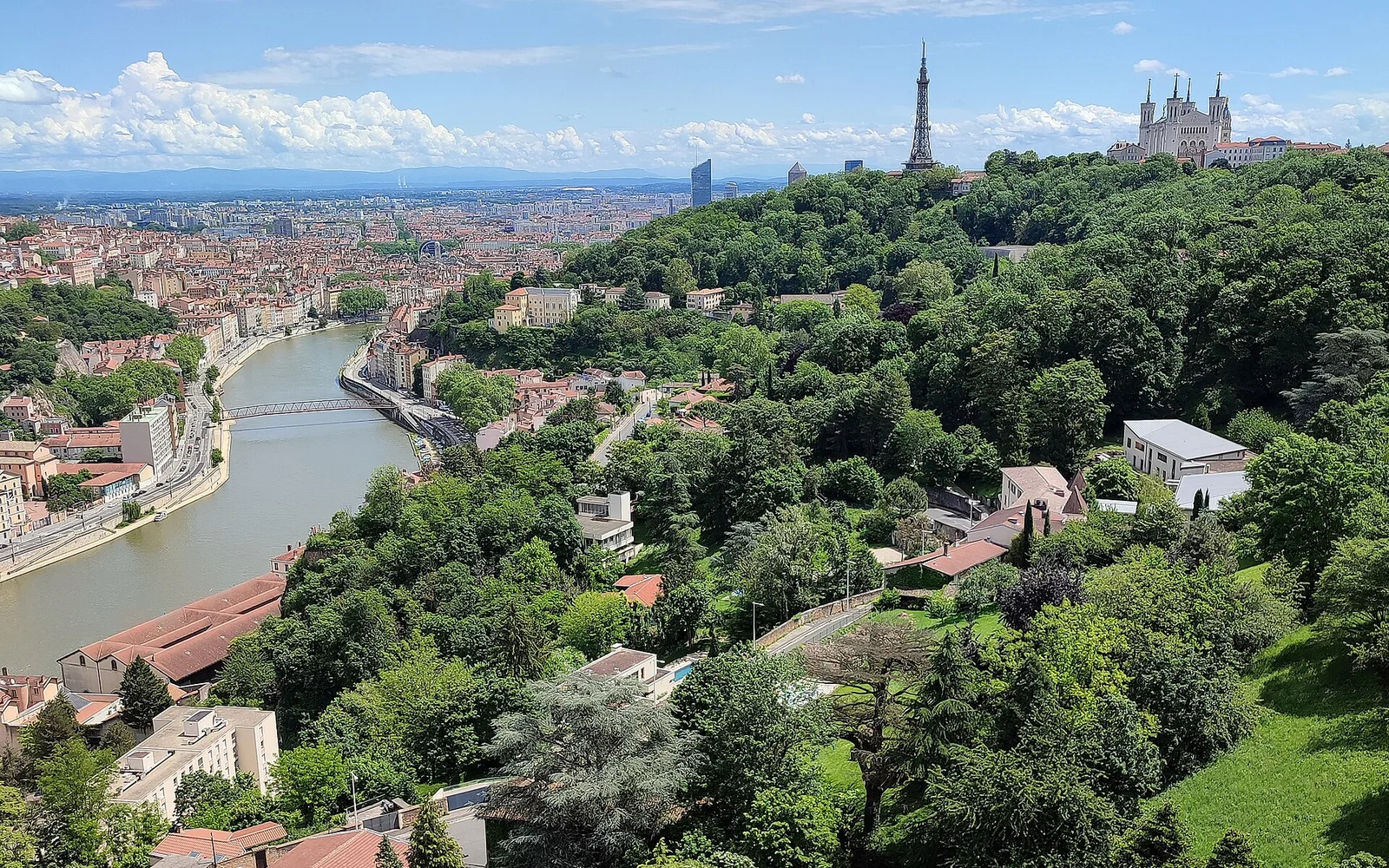
Lyon is best understood through its districts. Vieux Lyon and Fourvière explain the historic city, Presqu’île forms the central spine, and Croix-Rousse reflects the silk-working past.
Two full days cover the main areas. A third allows the Confluence district, a deeper museum visit or a slower market and food day.
Start between the two rivers
Walk Presqu’île from Place Bellecour toward the slopes, then use river crossings to understand how the centre fits together.
Climb with the funicular
Fourvière sits well above Vieux Lyon. The funicular avoids a steep ascent, though current access and lift details should be checked.
Eat by neighbourhood
Traditional bouchons are part of the city’s food culture, but markets, bakeries and newer restaurants make the picture broader. Reserve only the meals that matter most.
A practical itinerary
- Day 1: explore Presqu’île and the riverbanks.
- Day 2: visit Fourvière and Vieux Lyon, then continue to a museum or Croix-Rousse.
- Day 3: add Les Halles, Confluence or a slower neighbourhood route.
Getting there
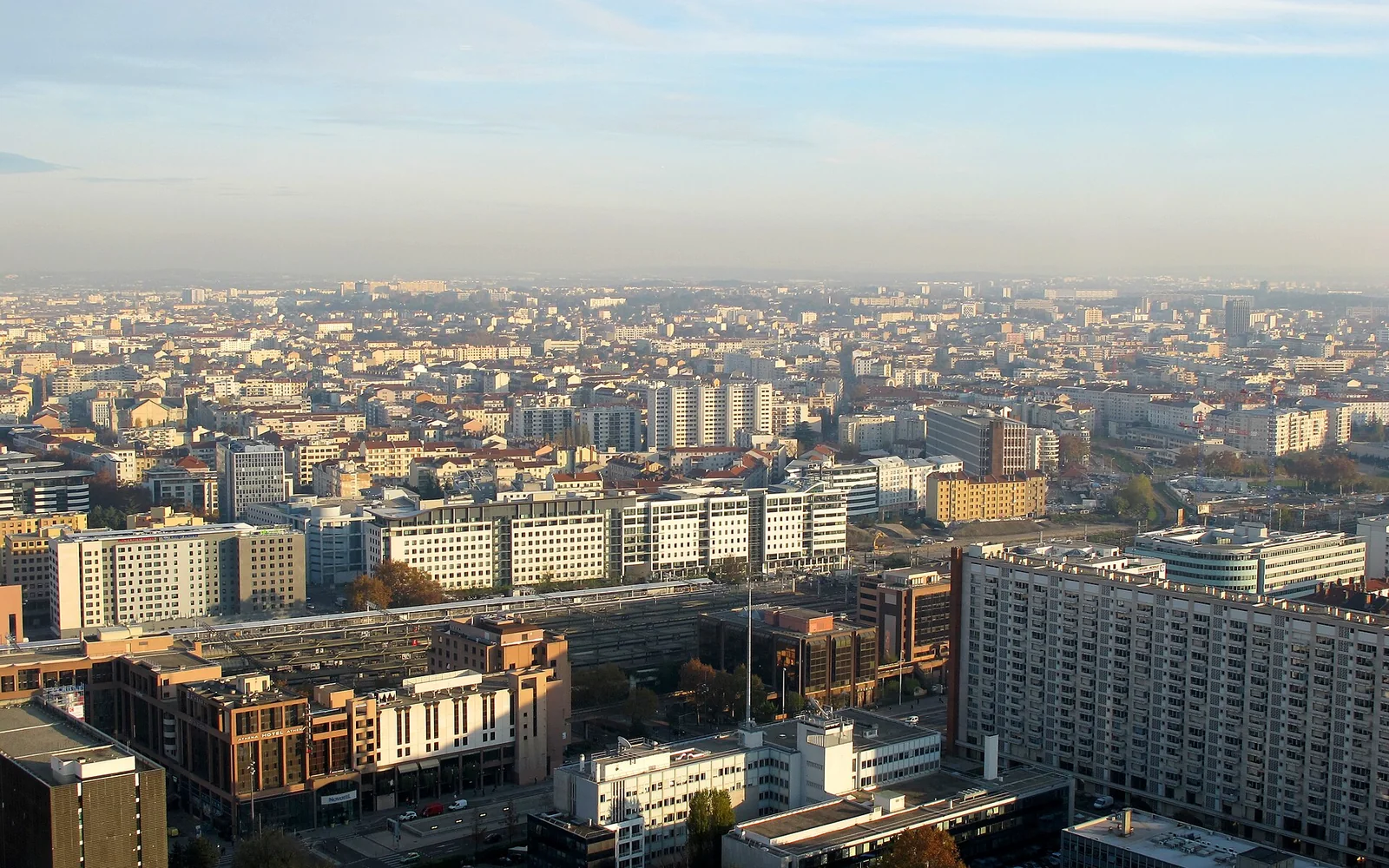
Lyon Part-Dieu is the main long-distance station. Perrache serves additional routes on the southern Presqu’île. Airport rail and coach options use different city stops, so match the arrival to the accommodation.
Getting around
Metro, tram, bus and funicular services cover the main districts. Central routes also work on foot, but hills separate Fourvière and Croix-Rousse from the rivers.
Food to look for
Lyon’s table includes quenelles, charcuterie, cheese, praline sweets and dishes associated with bouchons. Market halls and neighbourhood shops provide a useful alternative to fixed restaurant lists.
When to visit
Spring and autumn suit walking. Summer can be hot, while winter brings shorter days and important event periods. Check the city calendar because large festivals change demand.
Accessible travel
The tourist office publishes tested wheelchair routes for Presqu’île, Perrache-Confluence and Vieux Lyon with Fourvière. Use those current routes because slopes, cobbles and traboule access vary.
Practical limits
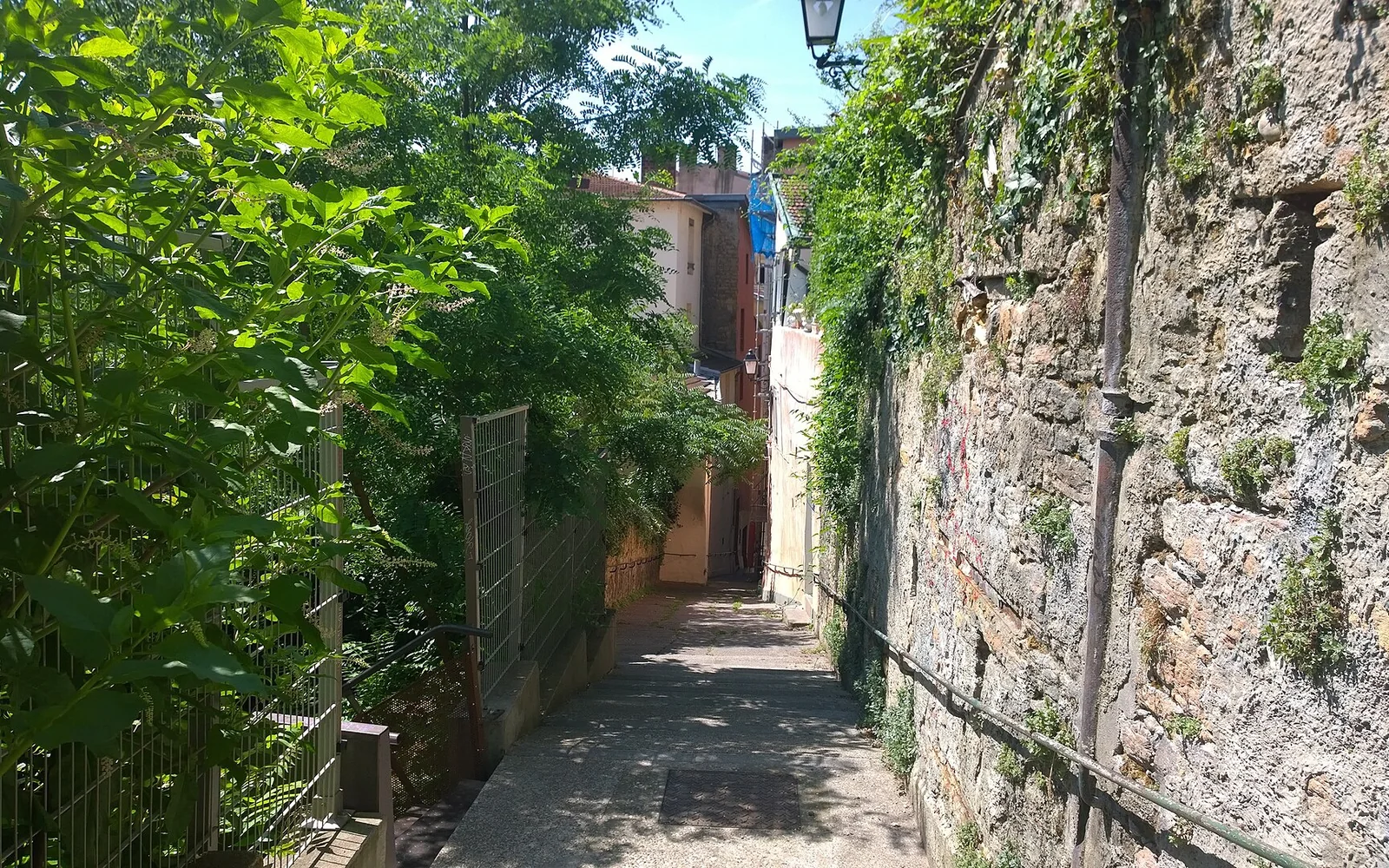
Some traboules are residential passages and may be closed. Do not assume every historic courtyard is public, and keep noise low where access is permitted.
Nearby places
Annecy and Chamonix lead toward the Alps but suit overnight stays. Beaujolais and Pérouges need separate local transport planning.
Places to add to your map
- Place Bellecour: Central Presqu’île orientation point.
- Fourvière: Hill above Vieux Lyon.
- Croix-Rousse: Northern hill district linked to silk history.
Open the route planner to place these stops in a wider France trip.
Continue planning
Questions about Lyon
How many days are enough for Lyon?
Two full days cover the main historic districts. Three days allow more time for food, museums and Confluence or Croix-Rousse.
Where should I stay in Lyon without a car?
Presqu’île is central, Part-Dieu is practical for trains, and areas near a metro line provide easy links. Match the base to arrival station and hill access.
Are Lyon’s traboules always open?
No. Many passages are private or subject to access agreements. Follow official routes, respect closures and remember that residents use these buildings.
Sources and updates
This guide was last reviewed on 28 August 2026. Transport, access and opening arrangements can change, so check the official source before travel.
- Official French rail journey planner, SNCF Connect
- Official accessible travel guidance for France, Atout France
- Official Lyon visitor information, ONLYLYON Tourism and Conventions