
Start with the essentials
Plan Poland at a glance
- Useful first trip
- 7 to 10 days
- Main transport
- A large rail network links major cities; lakes, forests and mountains often require buses or a car.
- Best approach
- Choose one connected region
- Car use
- Most useful for selected rural and nature routes
- Ideal trip length
- 8 days
- Best months
- Apr, May, Jun, Sep, Oct
About Poland
Why visit Poland
Restored historic cities, castles, mountain regions and the Baltic coast make Poland well suited to longer rail journeys.
Its regional cities deserve separate stays, while protected landscapes and sensitive historical visits require their own access decisions.
Plan Poland by region
Poland is large enough to reward a regional plan. Fast trains link the principal cities, while the Baltic coast, Masurian lakes, eastern forests and southern mountains need separate decisions about season, local transport and overnight bases.
Long distances, mountain weather and advance tickets for major museums can constrain an overfilled itinerary.
Choose a part of the country
Choose a region
Lesser Poland
Kraków, Wieliczka, Oświęcim, mountain gateways and spa landscapes concentrated in Poland’s southeast.
View region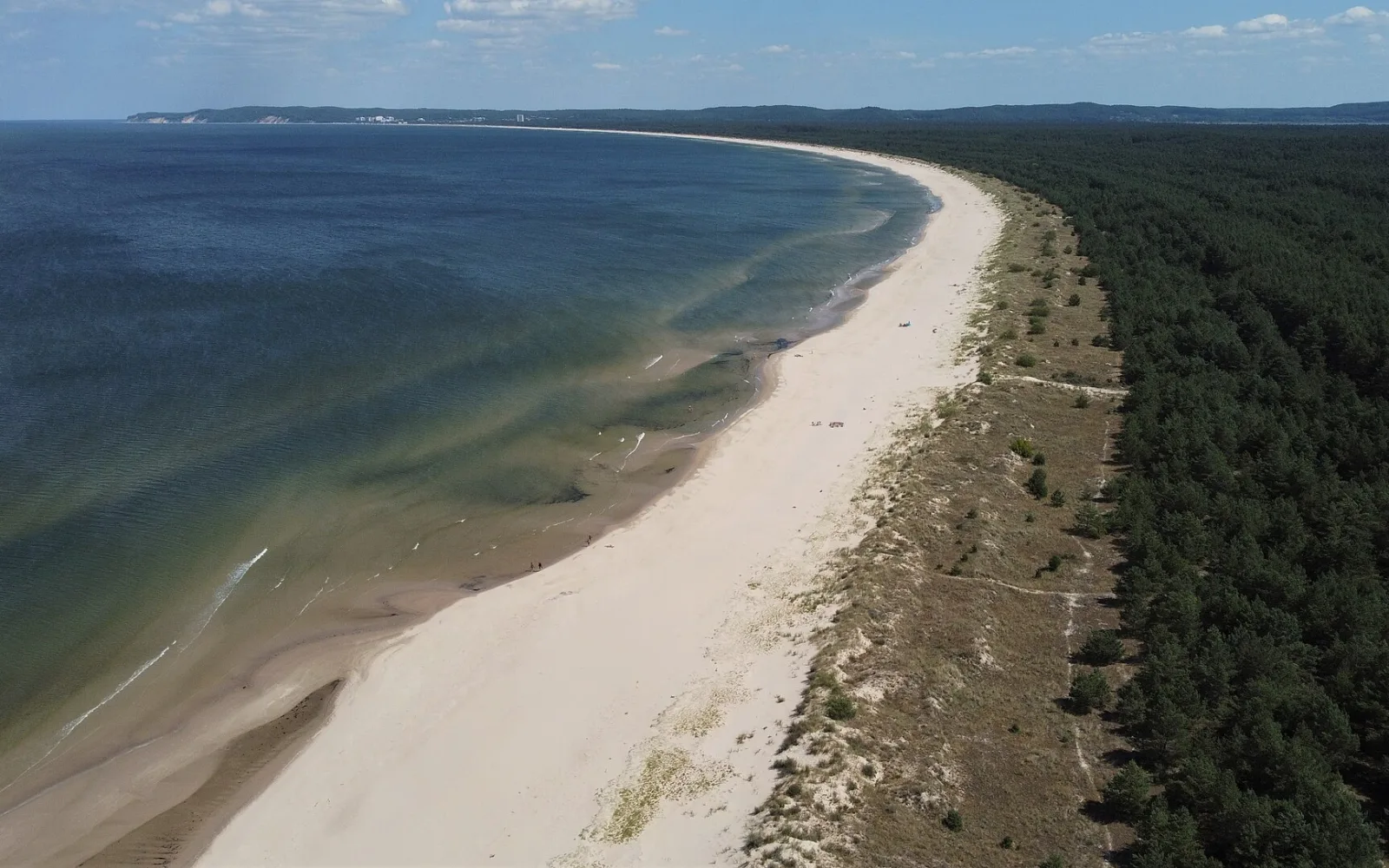
Baltic Coast and Pomerania
Gdańsk’s history, Tricity beaches, Malbork and a long coast of dunes and resorts.
View region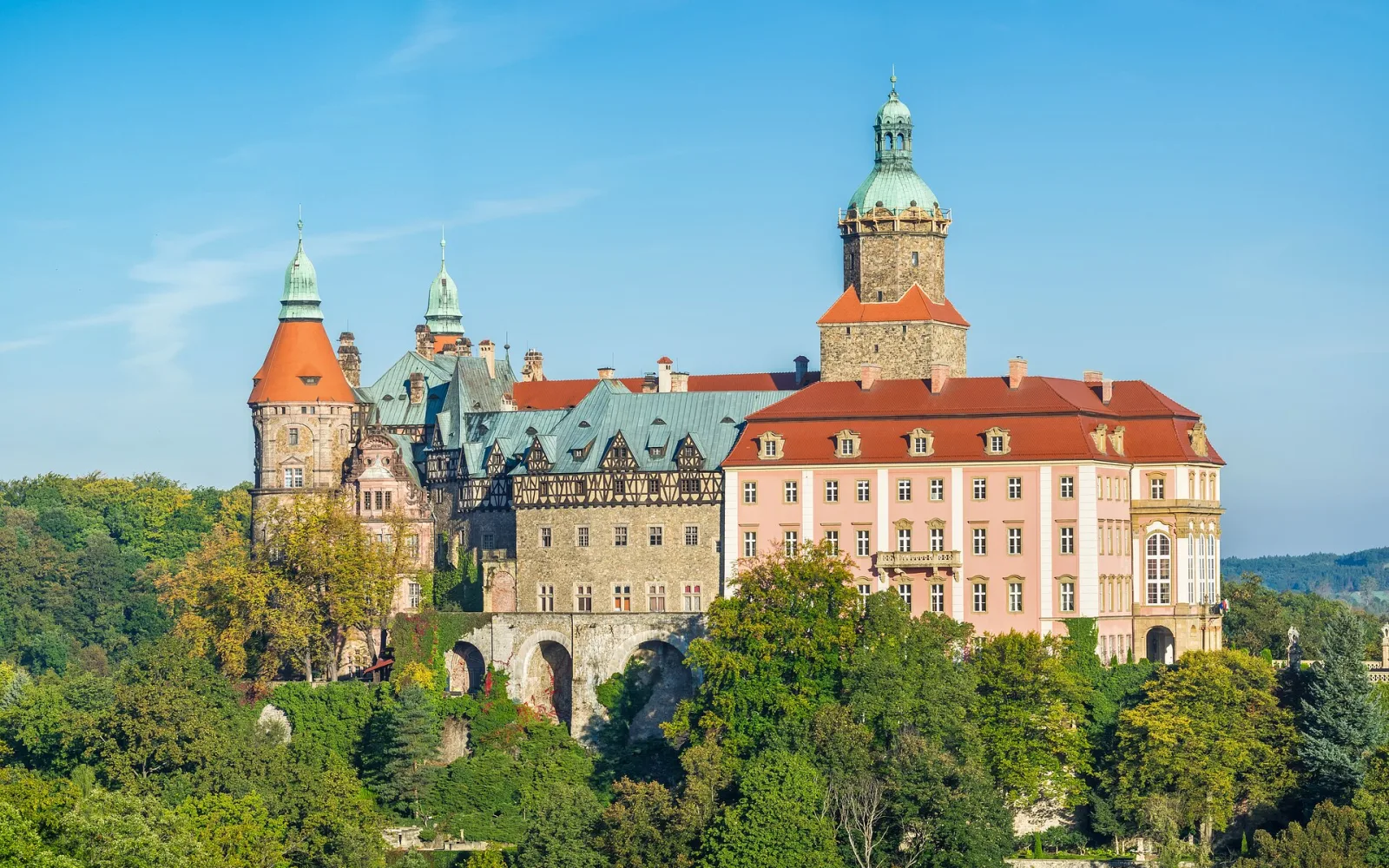
Lower Silesia
Wrocław, spa towns, castles and the Karkonosze form a varied southwest region with good rail gateways.
View regionMasurian Lake District
A dispersed northeast region of large lakes, sailing towns, forests and long rural road links.
View regionBiałowieża Forest
A transboundary primeval-forest landscape where Białowieża village provides access to museums, trails and tightly protected zones.
View regionBieszczady National Park
Bieszczady National Park is a remote Carpathian landscape of open high ridges, forest and long approaches, best planned around one trailhead and local base.
View regionGood places to start
Cities for a first trip
See all 12 cities and towns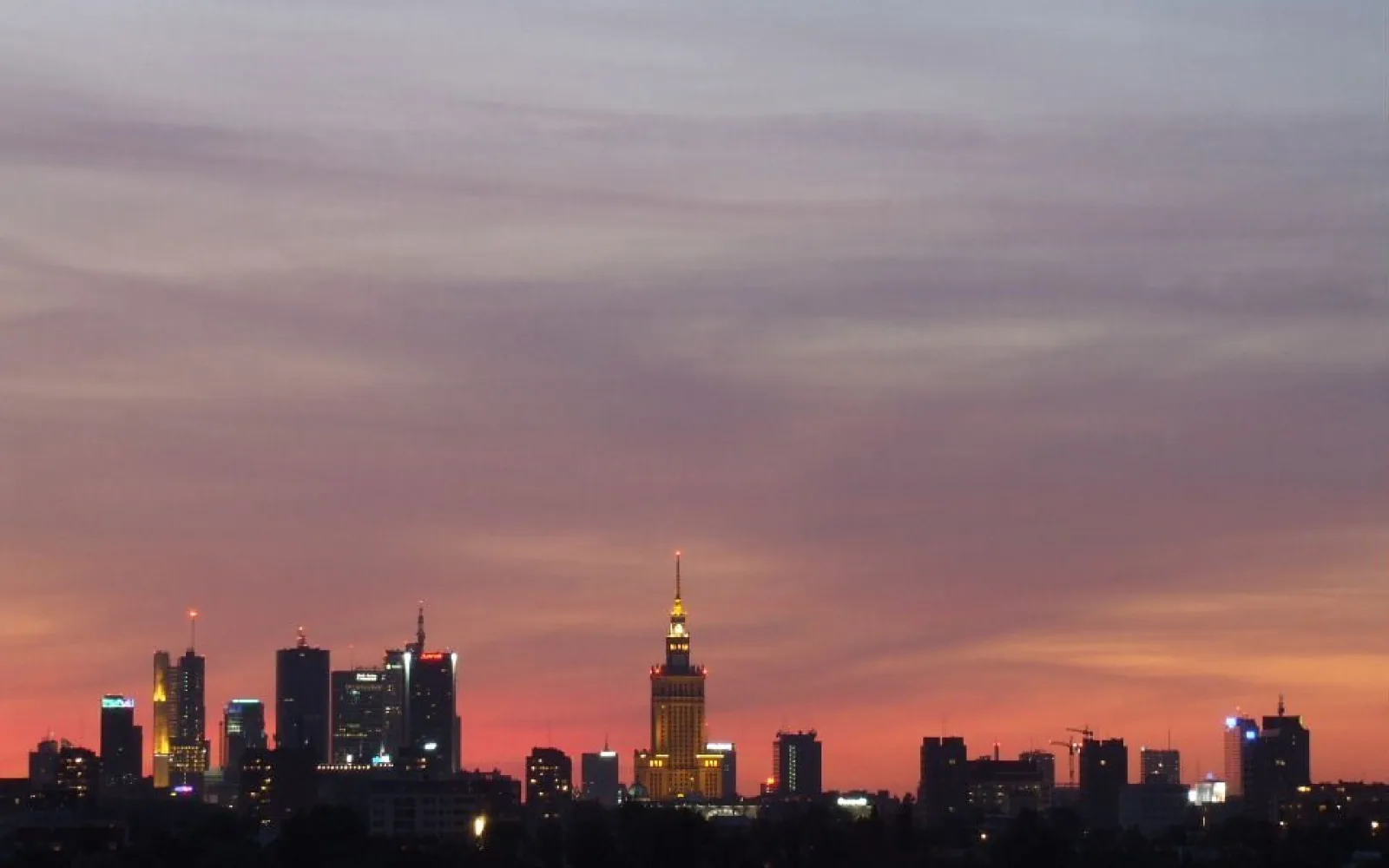
Warsaw
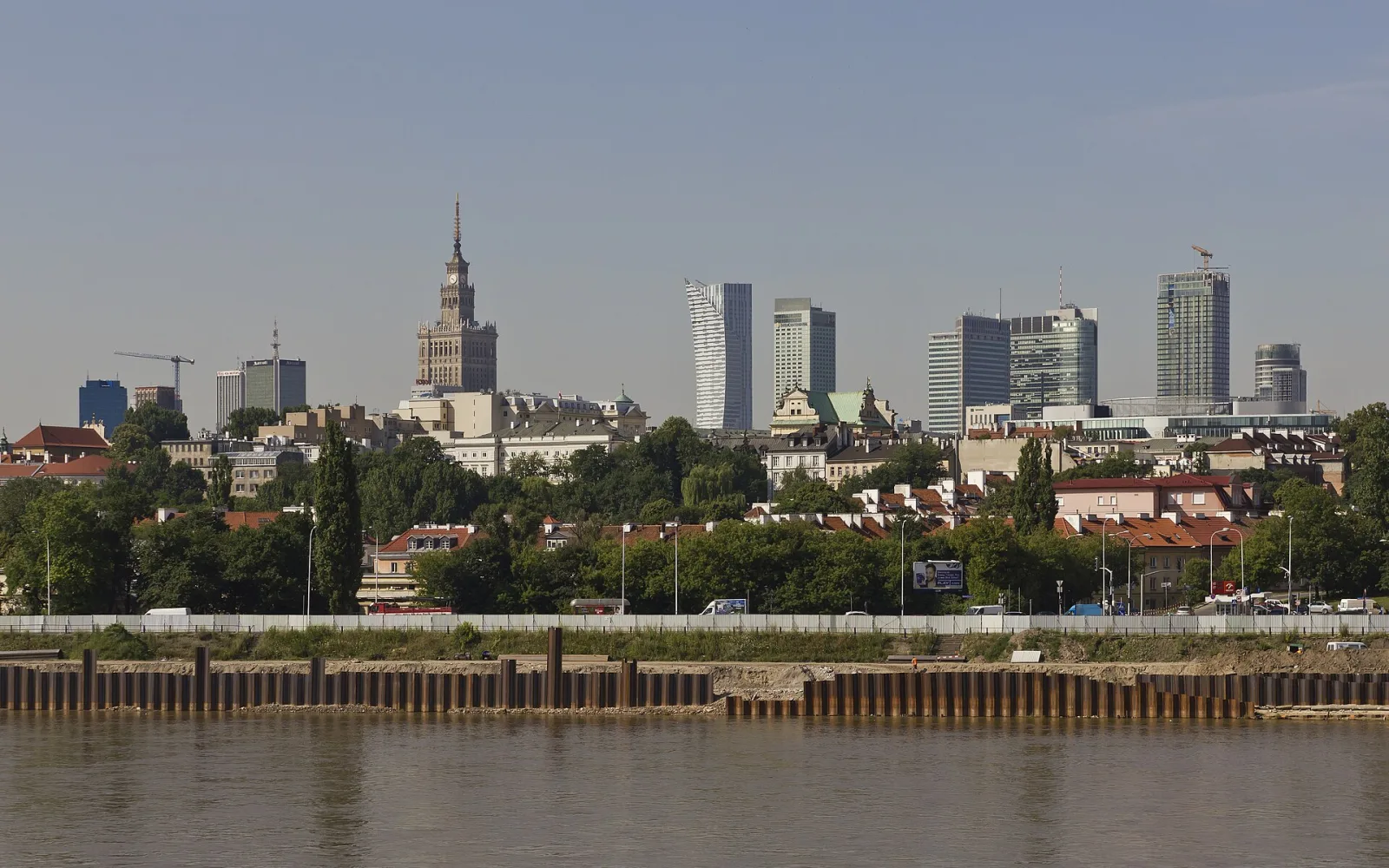
A large, rebuilt capital whose old town, riverfront and substantial museums require more than a brief transit stop.
Best for: Culture, Food, Museums Suggested time: 4 to 5 days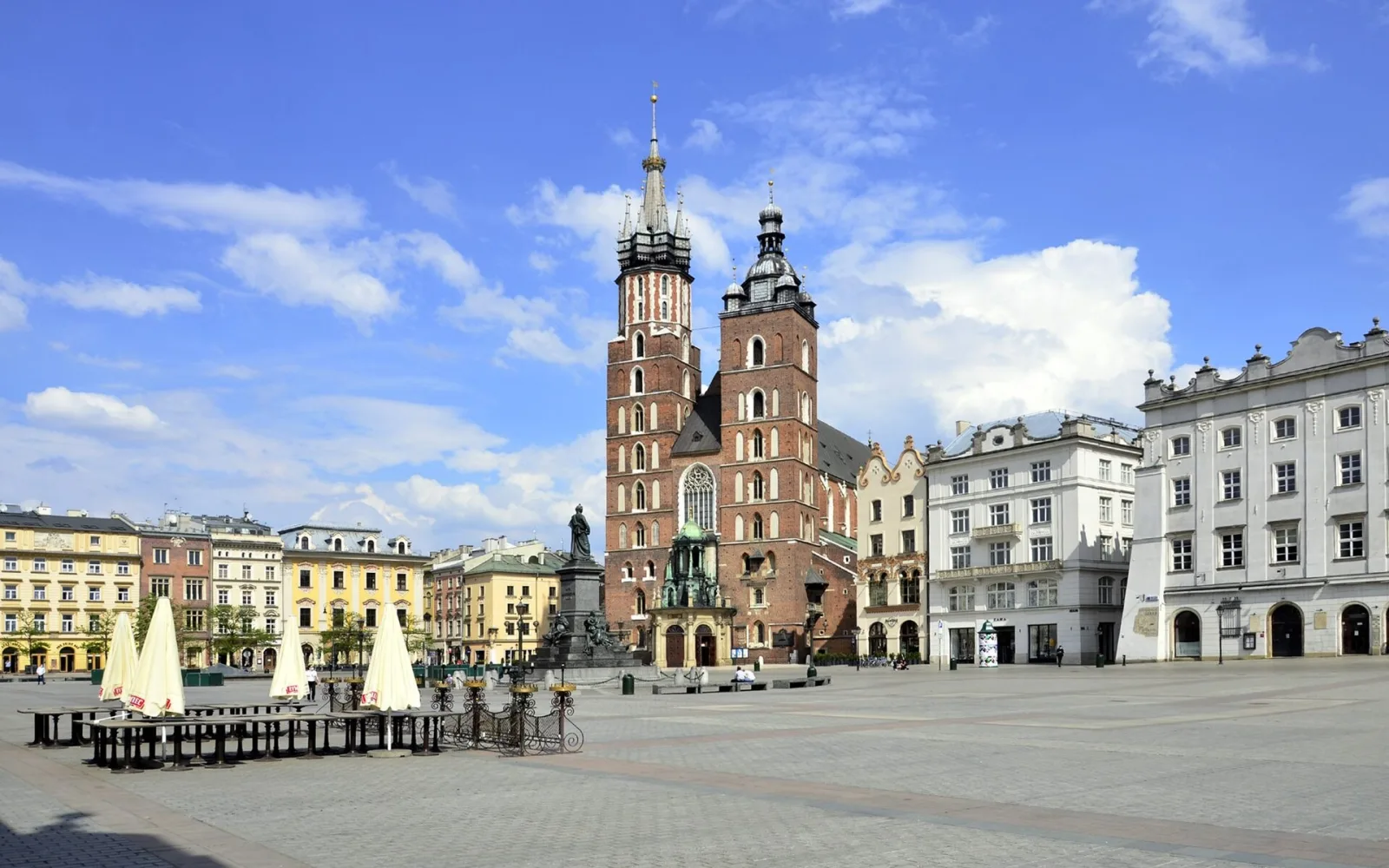
Kraków
Poland’s best-known historic city, with a dense old town, Wawel, Kazimierz and strong regional day-trip demand.
Best for: Culture, Food, Museums Suggested time: 4 to 6 days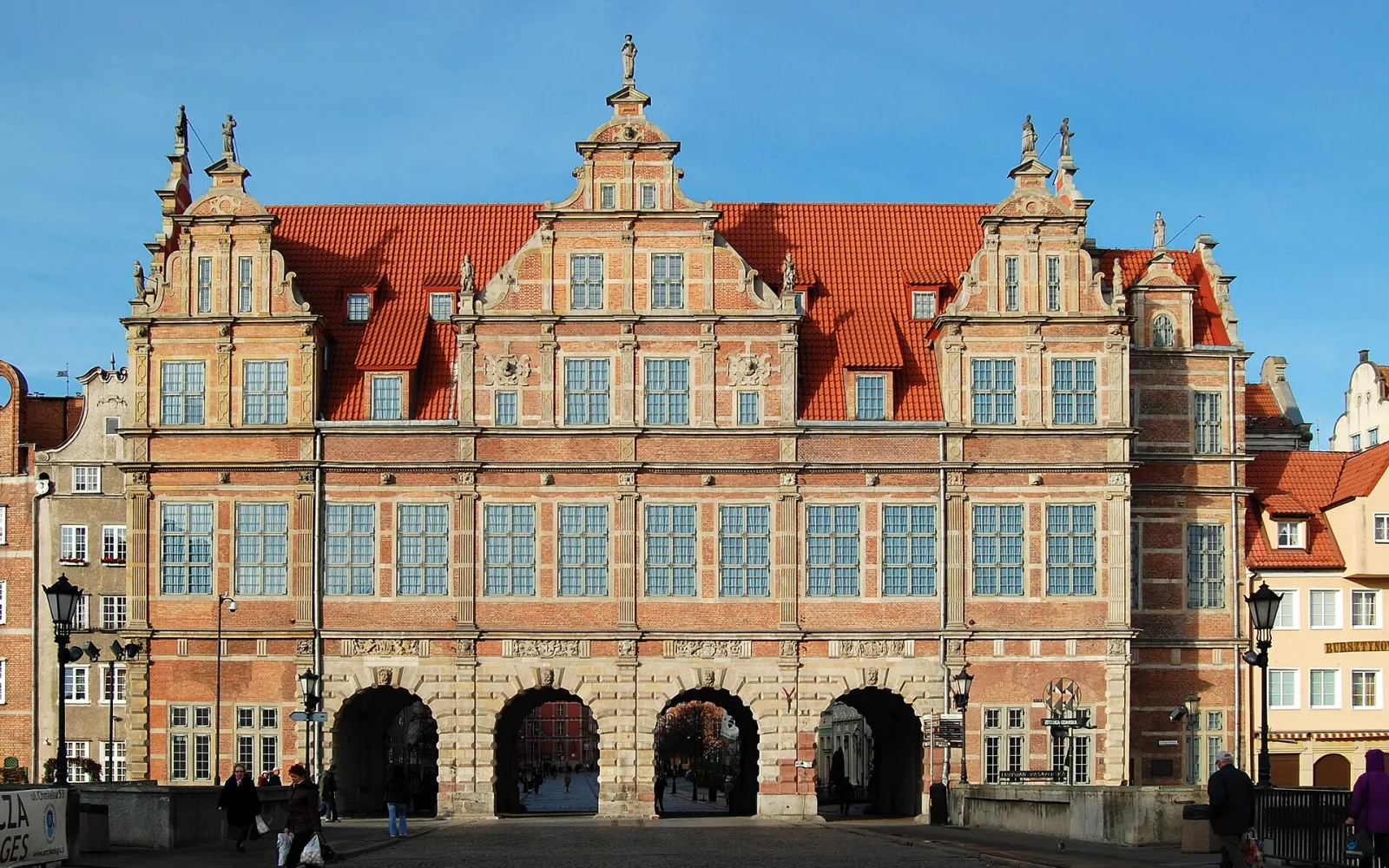
Gdańsk
A major Baltic city whose reconstructed Main Town, shipyard history and waterfront support a substantial stay.
Best for: Culture, Food, Museums Suggested time: 4 to 5 days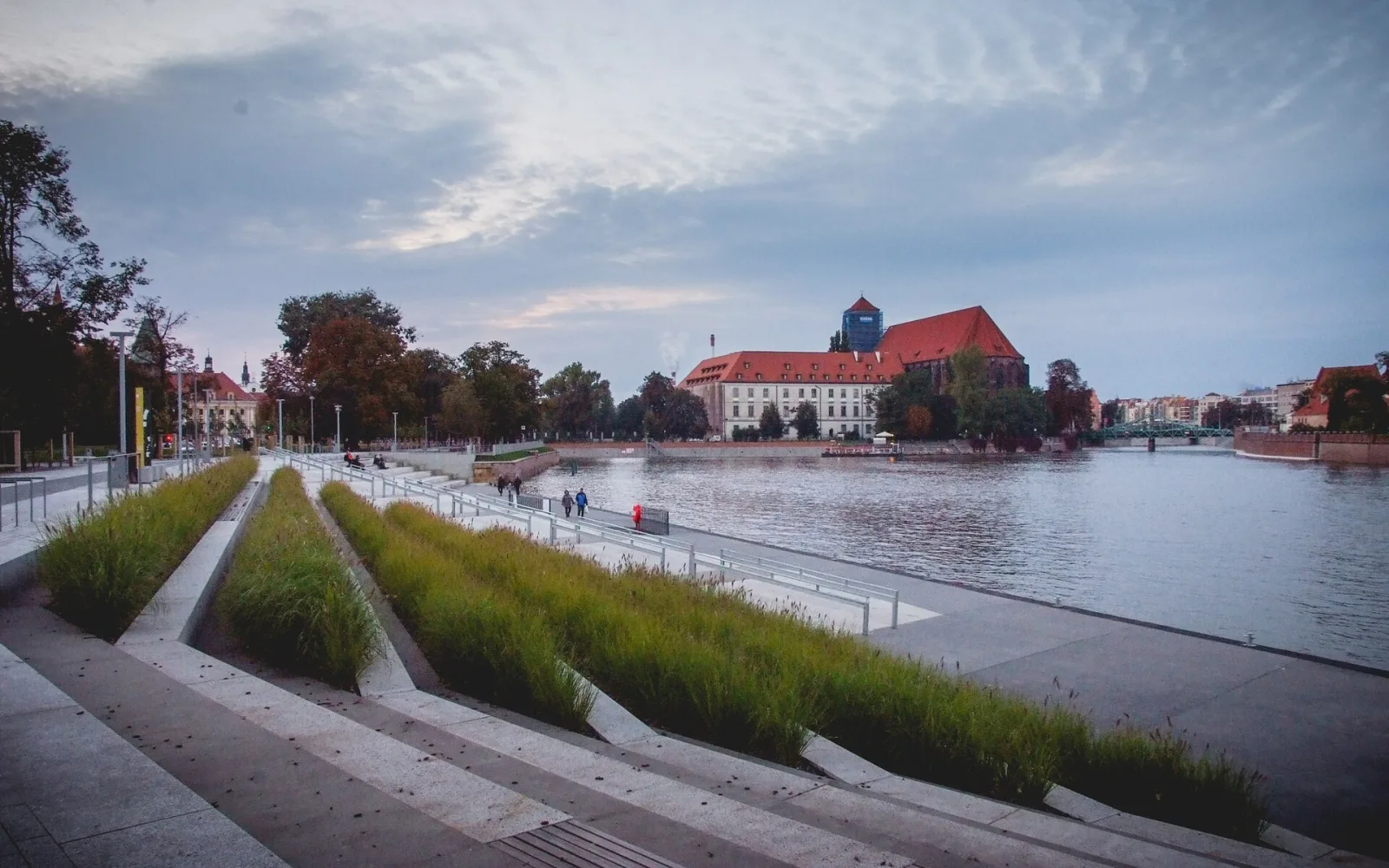
Wrocław
A large, lively city of bridges, islands, a colourful market square and strong cultural institutions.
Best for: Culture, Food, Museums Suggested time: 4 to 5 days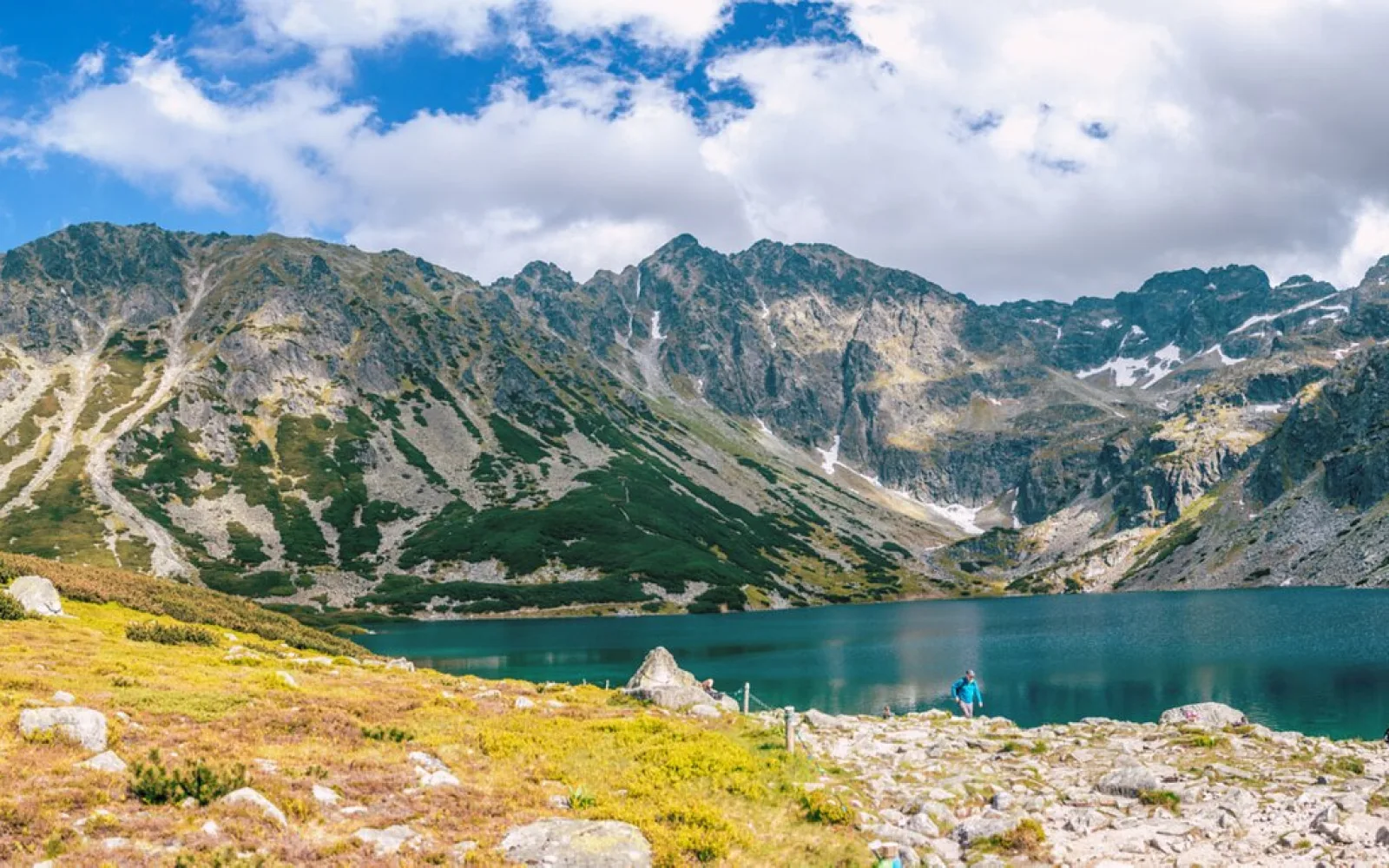
Tatra Mountains
Poland’s highest mountains, protected by Tatra National Park and served through specific trailheads around Zakopane.
Best for: Mountains, Walking, Nature Suggested time: 4 to 7 days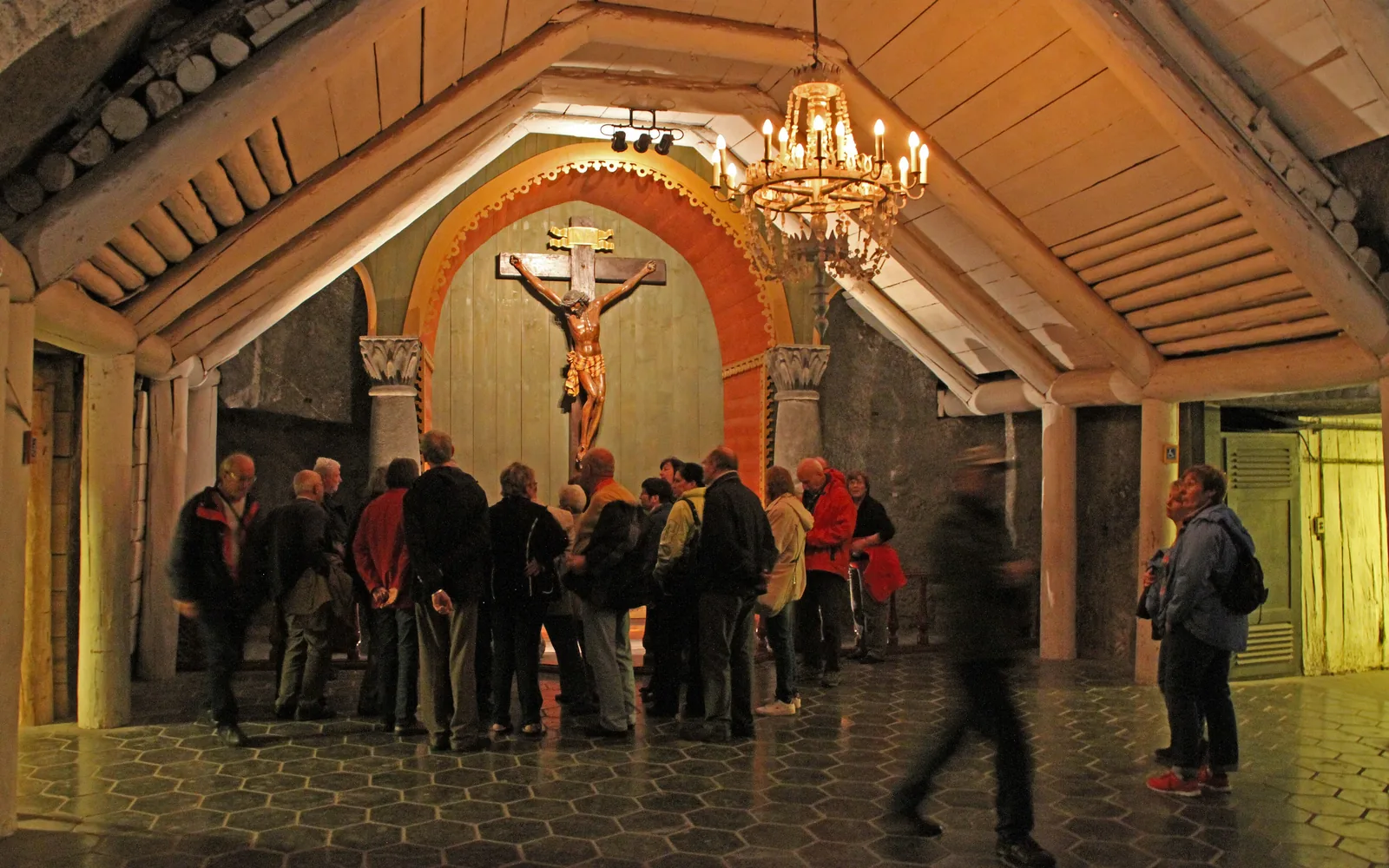
Wieliczka Salt Mine
Wieliczka is a guided underground route through historic chambers, salt carvings and mining structures, not an open-ended museum visit.
Best for: Heritage, History, ArchitectureParks and natural areas
Nature destinations
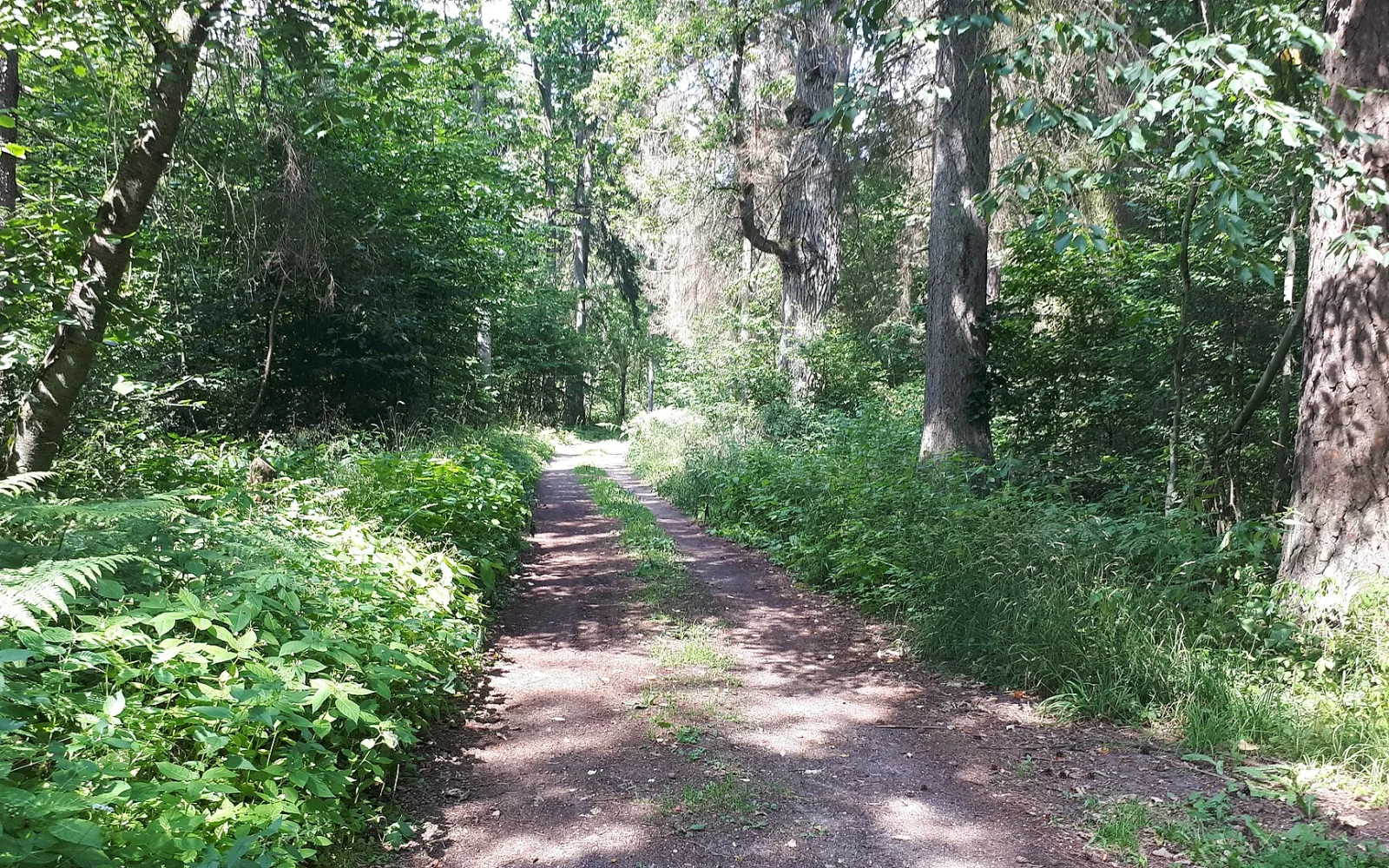
Białowieża Forest
A transboundary primeval-forest landscape where Białowieża village provides access to museums, trails and tightly protected zones.
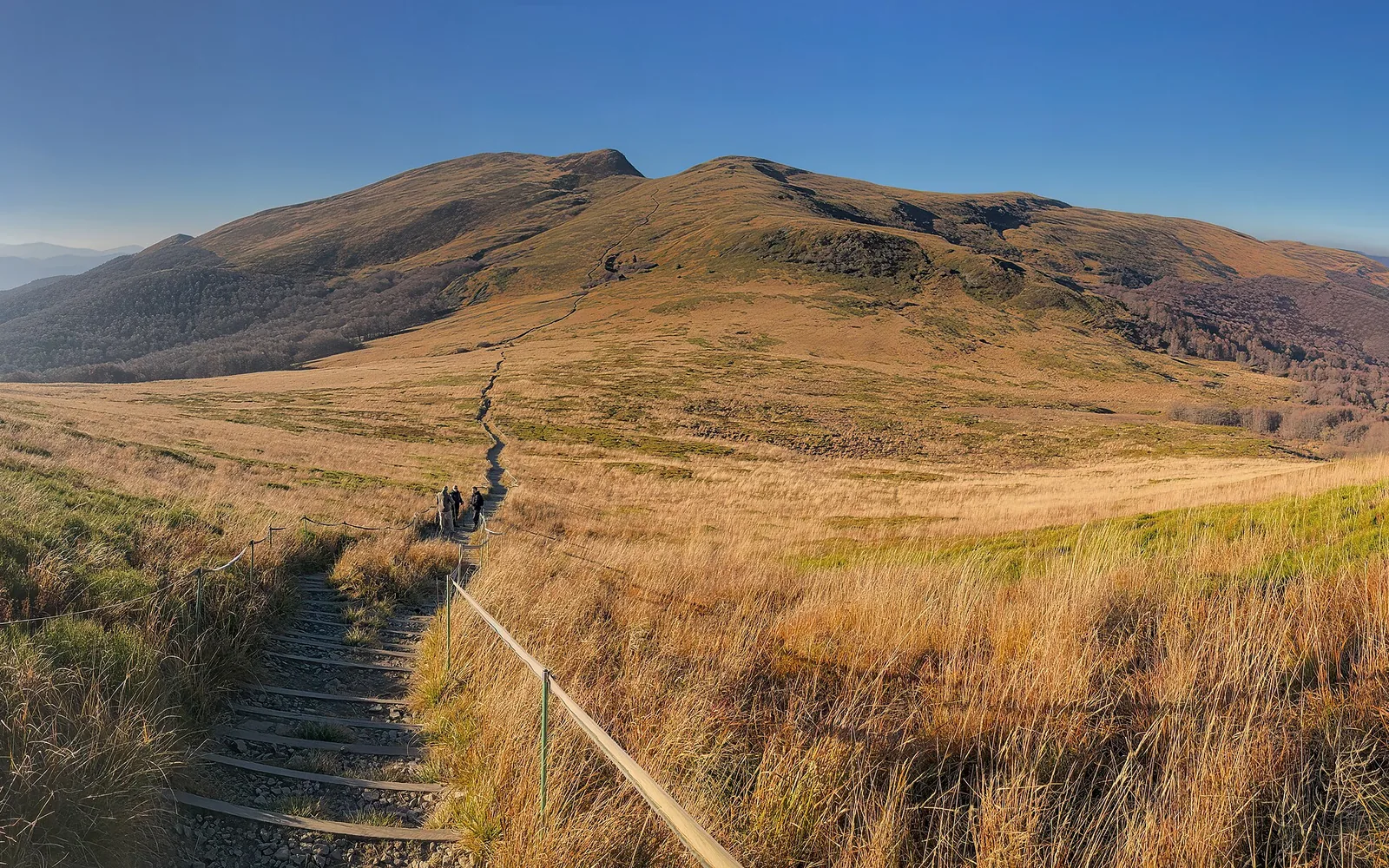
Bieszczady National Park
Bieszczady National Park is a remote Carpathian landscape of open high ridges, forest and long approaches, best planned around one trailhead and local base.
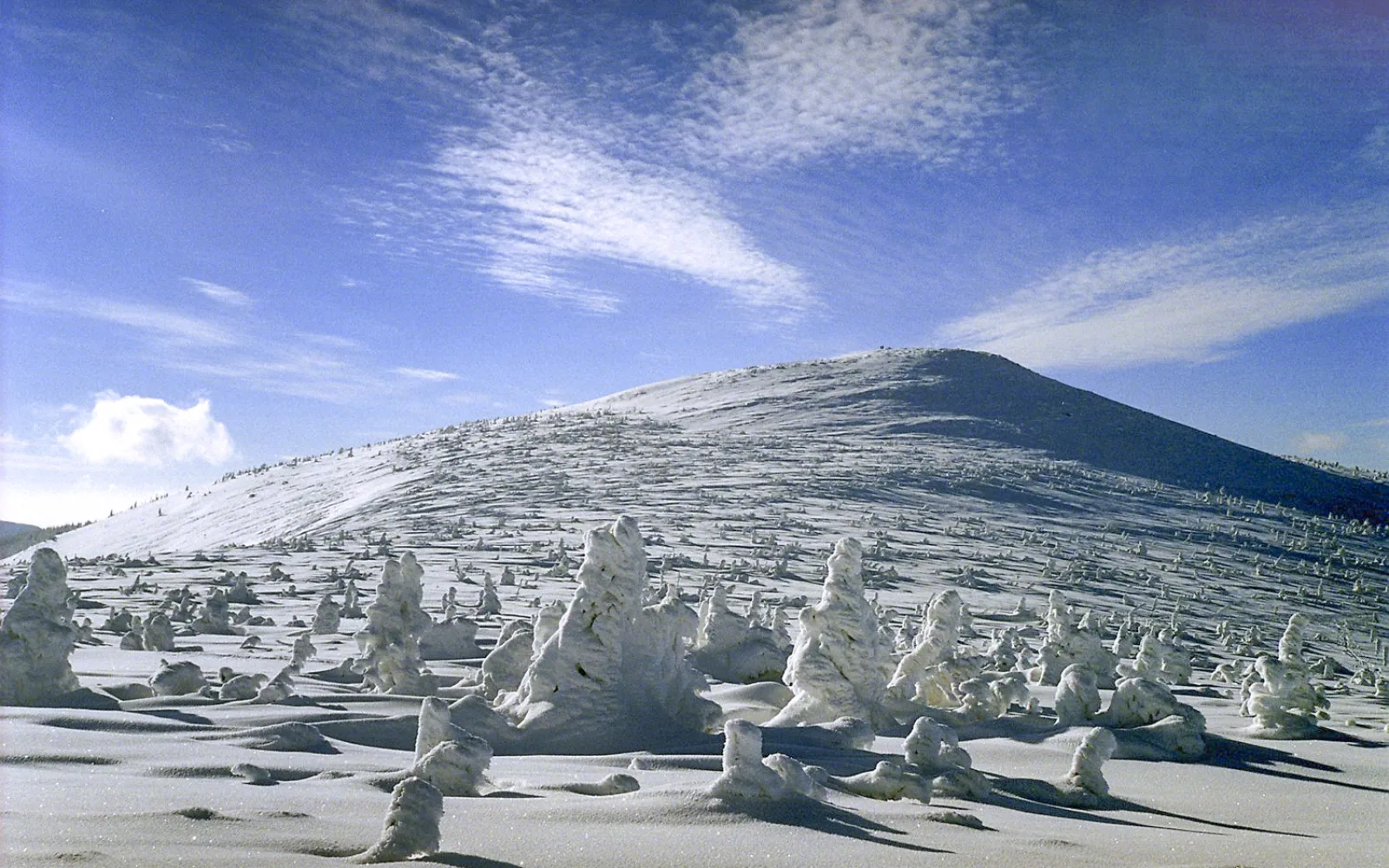
Karkonosze Mountains
A compact border mountain range with waterfalls, plateau routes and busy resort gateways such as Karpacz and Szklarska Poręba.
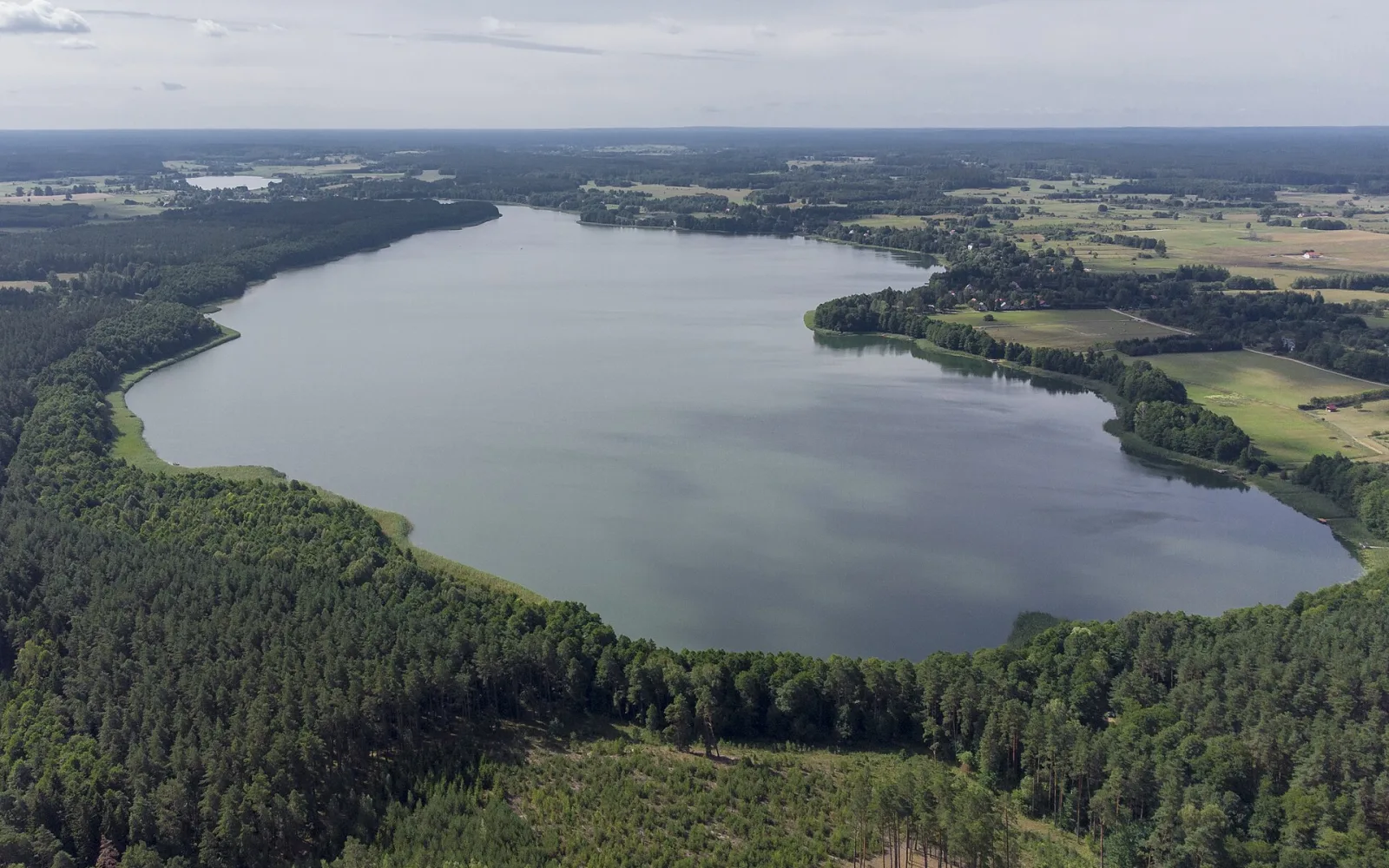
Masurian Lake District
A dispersed northeast region of large lakes, sailing towns, forests and long rural road links.
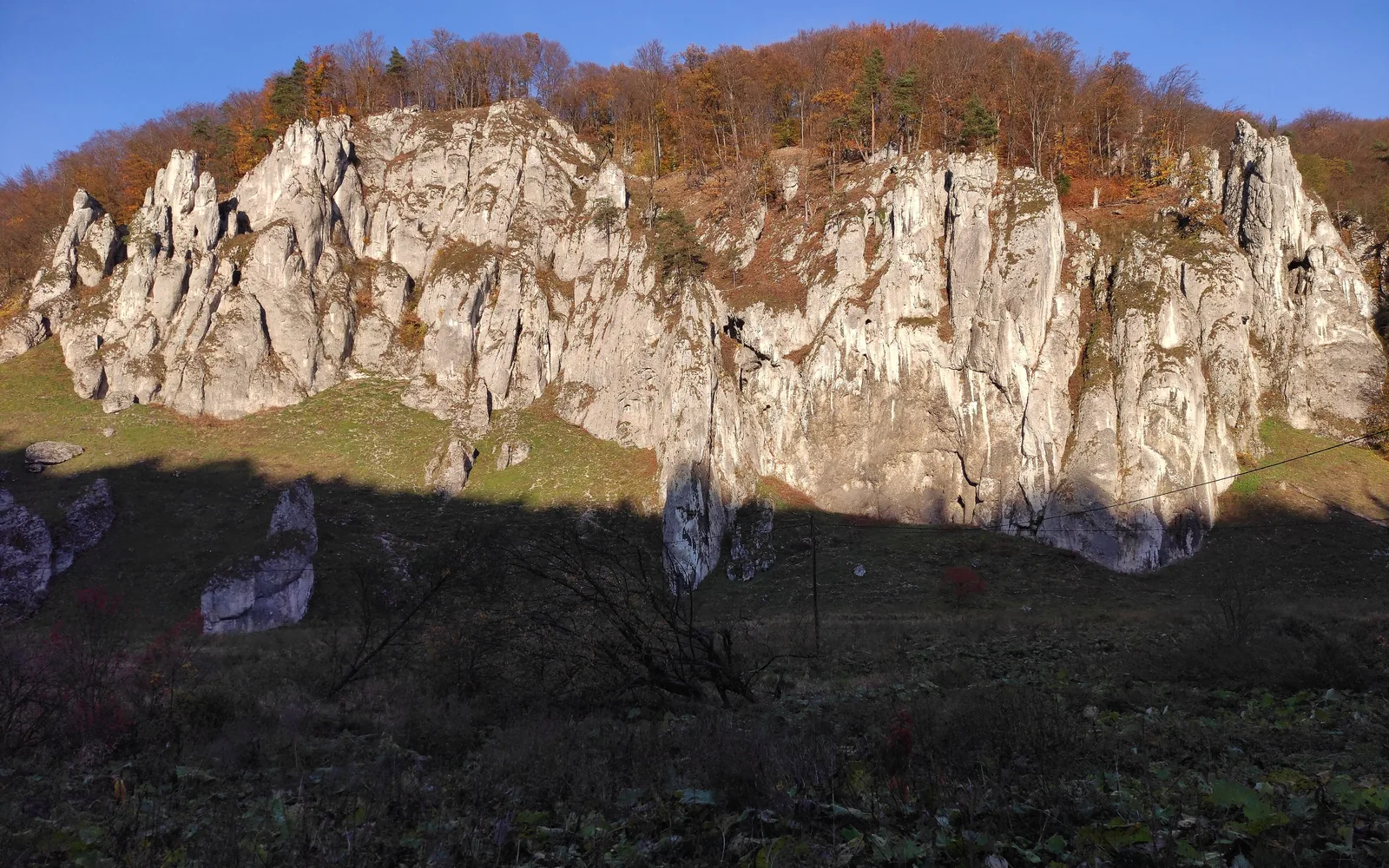
Ojców National Park
Ojców combines a compact limestone valley, forest paths, rock formations and historic buildings within practical reach of Kraków.
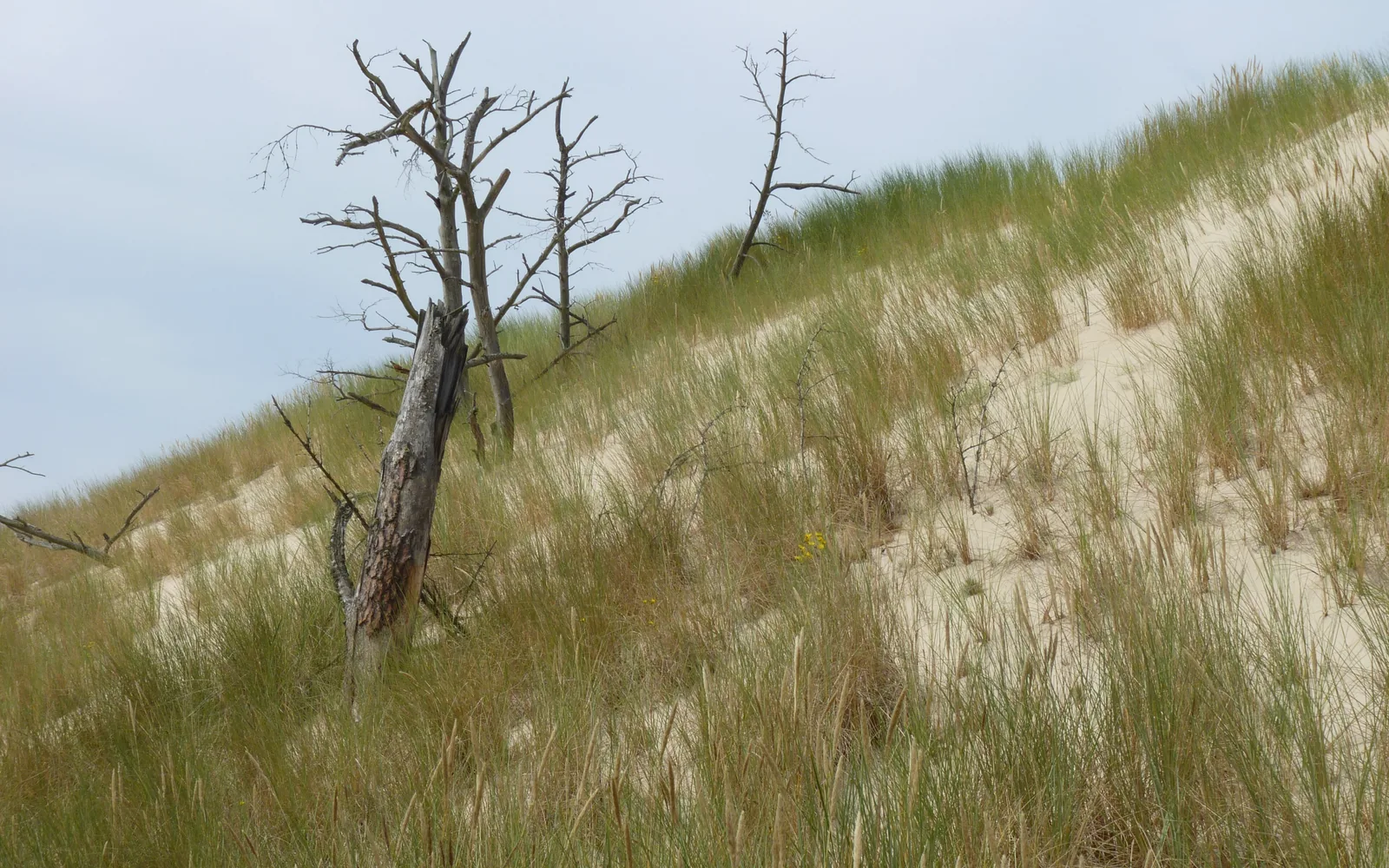
Słowiński National Park
Słowiński National Park protects moving dunes, coastal lakes, forest and Baltic shore, with Łeba and Czołpino serving different approaches.
Tatra Mountains
Poland’s highest mountains, protected by Tatra National Park and served through specific trailheads around Zakopane.
Find places by area
Browse places by region
Baltic Coast and Pomerania Gdańsk, Gdynia, Malbork, Sopot, Słowiński National Park
Lesser Poland Auschwitz-Birkenau Memorial, Kraków, Ojców National Park, Tatra Mountains, Wieliczka Salt Mine, Zakopane
Lower Silesia Karkonosze Mountains, Wrocław
Plan a day out
Day trips and experiences
Malbork from Gdańsk
Malbork is a strong rail day from Gdańsk, provided the castle route and train are both timed before departure.
Sopot from Gdańsk
Sopot is an easy SKM day from Gdańsk for beach, villas and the pier.
Tatra Mountains from Zakopane
A Tatra day from Zakopane must begin with a named trailhead, current park notice and route matched to ability.
Wieliczka Salt Mine from Kraków
Wieliczka’s Tourist Route is a reserved guided underground visit reached easily by regional train from Kraków.
Auschwitz-Birkenau visitor planning from Kraków
Auschwitz-Birkenau is a solemn full-day educational visit requiring official reservation, security time and transport between the two sites.
Białowieża Forest access
Białowieża Forest is best approached from Białowieża village, with a licensed guide required for the strict protection area.
Match the route to your time
Choose a trip length
One focused region
Use one principal base and add only places with reliable local connections.
A first connected route
Link two compatible bases and protect the day containing the longest transfer.
Cities and one landscape
Add a coast, mountain, lake or rural section without cutting every city stay short.
Ready-made routes
Suggested itineraries
Warsaw, Kraków and Wrocław by rail
Ten days give Warsaw, Kraków and Wrocław three nights each on Poland’s main intercity rail network.
- Main stops
- Warsaw, Kraków, Wrocław
- Transport
- Train, Local Transport, Bus, Walking
- Best suited to
- First-time visitors who want three distinct city stays without driving.
- Main trade-off
- Three major cities create a full urban itinerary with little room for additional regional day trips.
Gdańsk, Sopot and Malbork
Seven days combine three Gdańsk nights, a Sopot resort night and two nights beside Malbork Castle.
- Main stops
- Gdańsk, Sopot, Malbork
- Transport
- Train, Local Transport, Walking
- Best suited to
- Travellers who want Baltic city history, a short resort pause and an unhurried castle visit.
- Main trade-off
- Moving accommodation to nearby Sopot adds a check-in for a short rail distance.
Kraków and the Polish Tatras
Seven days balance three Kraków nights with three in Zakopane for one or two weather-selected Tatra routes.
- Main stops
- Kraków, Zakopane
- Transport
- Train, Bus, Walking
- Best suited to
- City-and-mountain travellers who will match hikes to current park conditions and ability.
- Main trade-off
- Mountain weather can remove the itinerary’s main outdoor day, so Zakopane needs a real fallback plan.
Poznań, Toruń and Łódź
Seven days link Poznań, Toruń and Łódź with two nights in each city using Polish rail.
- Main stops
- Poznań, Toruń, Łódź
- Transport
- Train, Local Transport, Bus, Walking
- Best suited to
- Repeat visitors who want architecture and urban history beyond Poland’s most famous stops.
- Main trade-off
- The two-night rhythm gives only one full day per city and the Toruń to Łódź leg may require a change.
Masuria and Białowieża
Nine days give four nights in the Masurian lakes around Giżycko and four in Białowieża village, joined by road.
- Main stops
- Masurian Lake District, Białowieża Forest
- Transport
- Car, Boat, Bicycle, Walking
- Best suited to
- Nature travellers willing to drive and prebook licensed forest guiding.
- Main trade-off
- The cross-regional road day is long and there is no simple public connection between the two rural bases.
Warsaw, Kraków and Prague
Ten days link Warsaw and Kraków to Prague with three nights in each city and reserved international rail.
- Main stops
- Warsaw, Kraków, Prague
- Transport
- Train, Local Transport, Walking
- Best suited to
- Travellers who want a two-country capital-and-heritage route without flying between stops.
- Main trade-off
- Kraków to Prague is a long international rail day whose exact through service and border timetable must be reconfirmed.
Transport choices
Getting around Poland
A large rail network links major cities; lakes, forests and mountains often require buses or a car..
Between main cities
Use the principal rail corridor when it protects useful time in each base.
Rural and protected areas
Confirm the last bus, boat, road or trailhead rather than planning from distance alone.
Selective driving
Compare a car with local transport for the exact rural section, not for the entire country.
Month-by-month planning
When to visit
Poland spans Baltic, lowland, lake and mountain climates, so city comfort does not prove coast or trail readiness.
Plan fewer hotel changes
Where to base your trip
Warsaw
A large, rebuilt capital whose old town, riverfront and substantial museums require more than a brief transit stop.
Suggested stay: 4 to 5 days.Kraków
Poland’s best-known historic city, with a dense old town, Wawel, Kazimierz and strong regional day-trip demand.
Suggested stay: 4 to 6 days.Gdańsk
A major Baltic city whose reconstructed Main Town, shipyard history and waterfront support a substantial stay.
Suggested stay: 4 to 5 days.Wrocław
A large, lively city of bridges, islands, a colourful market square and strong cultural institutions.
Suggested stay: 4 to 5 days.Poznań
A western trade and university city with a rebuilt old market, museums and strong rail connections.
Suggested stay: 3 to 4 days.Before you travel
Practical facts
- Currency
- PLN
- Languages
- Polish
- Time zone
- Europe/Warsaw
- Plug type
- Type C and E
- Guide reviewed
- 3 September 2026
Avoid the common route problems
Planning checks
Fix the least frequent connection first
Long distances, mountain weather and advance tickets for major museums can constrain an overfilled itinerary.
Keep one part of the route flexible
Weather, engineering work or a changed service should not break every later booking.
Compare city corridors with landscape stays
Main travel bases in Poland
Loading the map…
Use the map to compare locations. It does not confirm a live route or timetable.
Choose between two places
A useful destination comparison
Gdańsk vs Sopot
Gdańsk is the clear cultural and transport base; Sopot deserves separate nights only when the resort itself is central to the trip.
Quick answers
Planning questions
How much time is useful for Poland?
Seven days supports one focused route. Ten to fourteen days allows another region without turning most days into transfers.
Can I travel around Poland without a car?
A large rail network links major cities; lakes, forests and mountains often require buses or a car.. A car is most useful for selected rural and nature routes outside the main network.
How should I choose the season?
Choose dates for the exact regions and activities in the route, then check current weather, opening information and seasonal transport.
How this guide is checked
Sources and review
Reviewed 3 September 2026, next review due 3 March 2027. Transport, access, prices and seasonal services can change, so check the official source before booking.
- Regions of Poland, Polish Tourism Organisation
- PKP Intercity, PKP Intercity
- Poland in the European Union, European Union
- Poland Travel, Polish Tourism Organisation
- Top attractions in Poland, Polish Tourism Organisation
- Cities in Poland, Polish Tourism Organisation
- Passenger Portal, PKP Polskie Linie Kolejowe
Continue planning
More places in Poland
Browse the full destination list when the curated starting points do not match your route.