
The Tatras and Karkonosze have different terrain, but both require current park notices rather than calendar confidence.
January to March in Poland’s mountains
January: Treat high routes as specialist winter objectives; ordinary visitors should use approved lower areas and current operators. Snow or ice can restrict roads, paths and outdoor sites. Check mountain or site notices.
February: Snow and avalanche conditions continue, with holiday crowding adding pressure at Zakopane and lift corridors. Snow or ice can restrict roads, paths and outdoor sites. Check mountain or site notices.
March: Longer light does not remove deep snow, ice or avalanche risk, so general hiking remains unsuitable high up. Ice, thaw and wet surfaces can make outdoor routes unreliable. Check mountain or site notices.
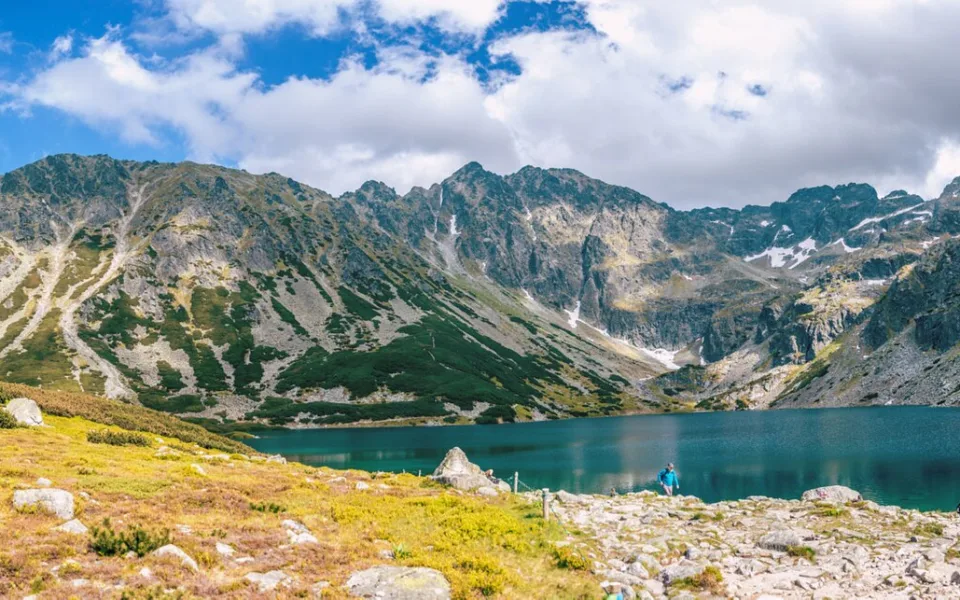
April to June in Poland’s mountains
April: Thaw creates unstable mixed conditions and seasonal protection closures; choose foothill walks only after checking. Ice, thaw and wet surfaces can make outdoor routes unreliable. Check mountain or site notices.
May: Lower routes may open, but lingering snow, wet paths and closures still exclude many famous high itineraries. Snow or ice can restrict roads, paths and outdoor sites. Check mountain or site notices.
June: General hiking improves later in the month, though snowfields, storms and route-specific closures can persist. Snow or ice can restrict roads, paths and outdoor sites. Check mountain or site notices.
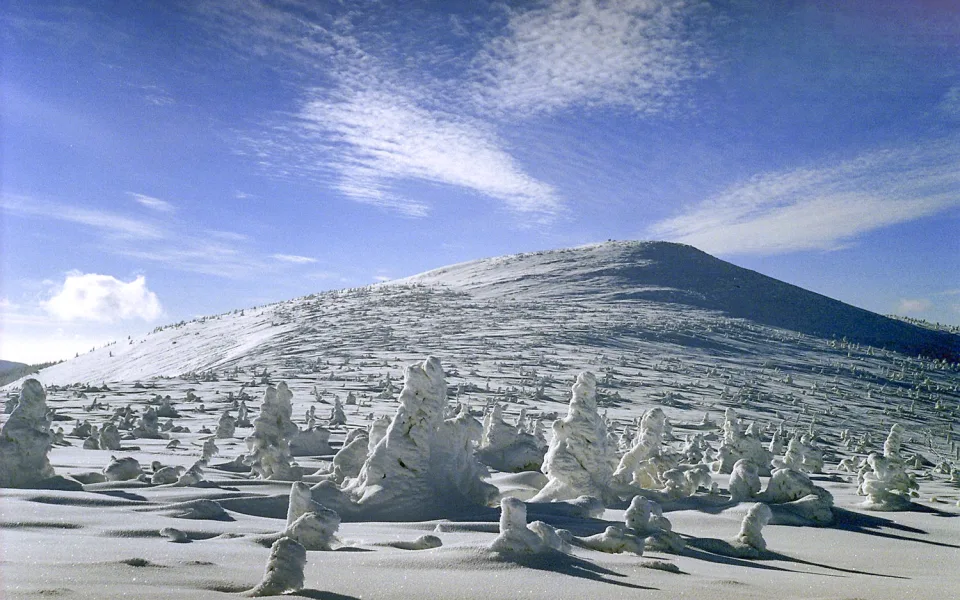
July to September in Poland’s mountains
July: This is peak hiking season, with very crowded famous trails and frequent afternoon thunderstorm risk. Popular trains, rooms and timed entries need earlier booking. Check mountain or site notices.
August: Broad hiking access continues, but heat, storms and queues require early starts and turn-back rules. Wind or rain can shorten exposed outdoor plans. Check mountain or site notices.
September: Often the best balance of clear conditions and fewer crowds, while cold snaps and early snow remain possible. Cold spells can disrupt exposed routes and local transport. Check mountain or site notices.
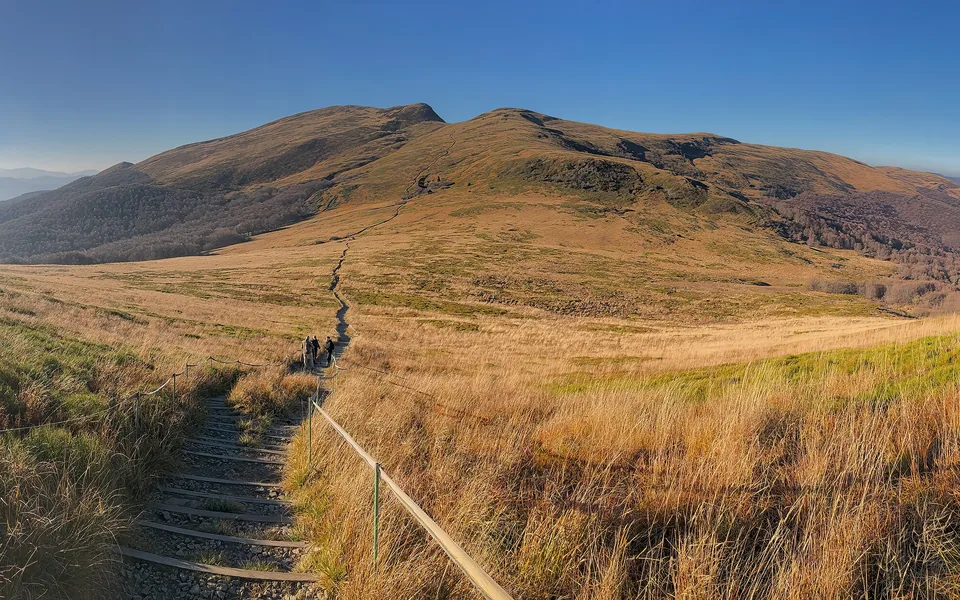
October to December in Poland’s mountains
October: Autumn colour suits lower routes, but short days, ice and early winter weather can close higher plans. Short daylight narrows realistic travel days. Check mountain or site notices.
November: General mountain hiking is a poor assumption as daylight contracts and winter conditions establish. Snow or ice can restrict roads, paths and outdoor sites. Check mountain or site notices.
December: Use specialist winter preparation or stay with town and lower-valley plans confirmed by the relevant park. Snow or ice can restrict roads, paths and outdoor sites. Check mountain or site notices.
Use the seasonal guide with a route
Month-by-month guide
| Month | Good for | Main limitations | Crowds | Transport or access |
|---|---|---|---|---|
| January | Treat high routes as specialist winter objectives; ordinary visitors should use approved lower areas and current operators. | Snow or ice can restrict roads, paths and outdoor sites. | Demand is usually manageable outside winter holidays and major events. | Check mountain or site notices. |
| February | Snow and avalanche conditions continue, with holiday crowding adding pressure at Zakopane and lift corridors. | Snow or ice can restrict roads, paths and outdoor sites. | Public holidays and major events can create short periods of heavy demand. | Check mountain or site notices. |
| March | Longer light does not remove deep snow, ice or avalanche risk, so general hiking remains unsuitable high up. | Ice, thaw and wet surfaces can make outdoor routes unreliable. | Demand is generally moderate, with local peaks around events and holiday weekends. | Check mountain or site notices. |
| April | Thaw creates unstable mixed conditions and seasonal protection closures; choose foothill walks only after checking. | Ice, thaw and wet surfaces can make outdoor routes unreliable. | Demand is generally moderate, with local peaks around events and holiday weekends. | Check mountain or site notices. |
| May | Lower routes may open, but lingering snow, wet paths and closures still exclude many famous high itineraries. | Snow or ice can restrict roads, paths and outdoor sites. | Demand is generally moderate, with local peaks around events and holiday weekends. | Check mountain or site notices. |
| June | General hiking improves later in the month, though snowfields, storms and route-specific closures can persist. | Snow or ice can restrict roads, paths and outdoor sites. | Demand often rises where the best weather and fullest transport schedules coincide. | Check mountain or site notices. |
| July | This is peak hiking season, with very crowded famous trails and frequent afternoon thunderstorm risk. | Popular trains, rooms and timed entries need earlier booking. | Demand is high in the busiest places, so book route-critical rooms and transport early. | Check mountain or site notices. |
| August | Broad hiking access continues, but heat, storms and queues require early starts and turn-back rules. | Wind or rain can shorten exposed outdoor plans. | Demand often rises where the best weather and fullest transport schedules coincide. | Check mountain or site notices. |
| September | Often the best balance of clear conditions and fewer crowds, while cold snaps and early snow remain possible. | Cold spells can disrupt exposed routes and local transport. | Demand is usually lighter outside local events and holiday weekends. | Check mountain or site notices. |
| October | Autumn colour suits lower routes, but short days, ice and early winter weather can close higher plans. | Short daylight narrows realistic travel days. | Demand is generally moderate, with local peaks around events and holiday weekends. | Check mountain or site notices. |
| November | General mountain hiking is a poor assumption as daylight contracts and winter conditions establish. | Snow or ice can restrict roads, paths and outdoor sites. | Demand is usually manageable outside winter holidays and major events. | Check mountain or site notices. |
| December | Use specialist winter preparation or stay with town and lower-valley plans confirmed by the relevant park. | Snow or ice can restrict roads, paths and outdoor sites. | Demand is usually manageable outside winter holidays and major events. | Check mountain or site notices. |