
Choose a route before adding more stops
For a first trip without a car, start with Lisbon and Porto. Add Coimbra if you want an overnight stop between them. Keep Sintra as a day out from Lisbon rather than another hotel change. Our seven-day route suits two city bases; the ten-day route adds Coimbra and the Douro Valley. These are different trips, so choose the one that fits your available nights before booking accommodation.
The Algarve, Alentejo and islands each need their own travel time. A flight into Lisbon does not make Madeira a nearby excursion, and a night in Faro does not put every Algarve beach within walking distance. If you want a coast break, compare Faro, Lagos and Tavira before adding one of them to the end of a city route.
Continue planning: Seven days with Lisbon and Porto as bases · Ten days through Coimbra and the Douro · Faro · Lagos · Tavira
Official information: Turismo de Portugal: Portugal by train
Start with the essentials
Plan Portugal at a glance
- First trip
- 8–12 days
- Best months
- Apr–Jun, Sep–Oct
- Main transport
- Train and coach
- Car
- Best for selected rural sections
- Currency
- Euro
About Portugal
Why visit Portugal
Portugal combines two strong city bases with Atlantic coast, historic towns and wine landscapes.
The Algarve, Douro, Alentejo and central towns compete for the same days. Madeira and the Azores are separate flight-based trips.
Plan Portugal by region
Lisbon and Porto anchor most mainland trips, with Coimbra, the Douro, Alentejo and Algarve adding distinct sections. Madeira and the Azores are separate island journeys rather than simple additions to a short mainland route.
Rail works well along the main north–south corridor, while coaches and local transport fill regional gaps. A car helps in rural wine areas and coast sections but is a burden in the largest city centres.
Choose a part of the country
Choose a region
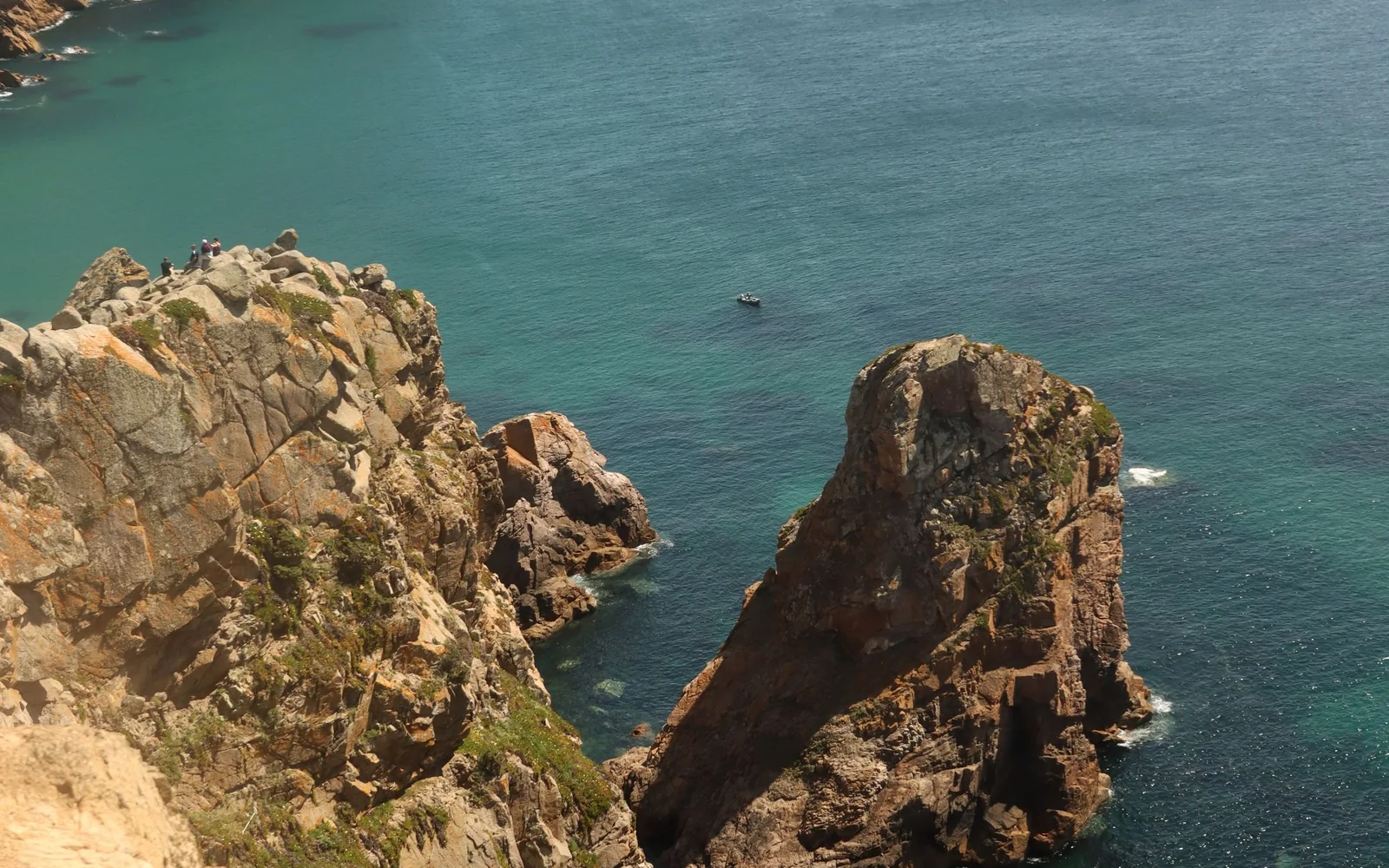
Lisbon Region
City neighbourhoods, Atlantic beaches, Sintra hills and easy rail trips around the Tagus estuary.
View region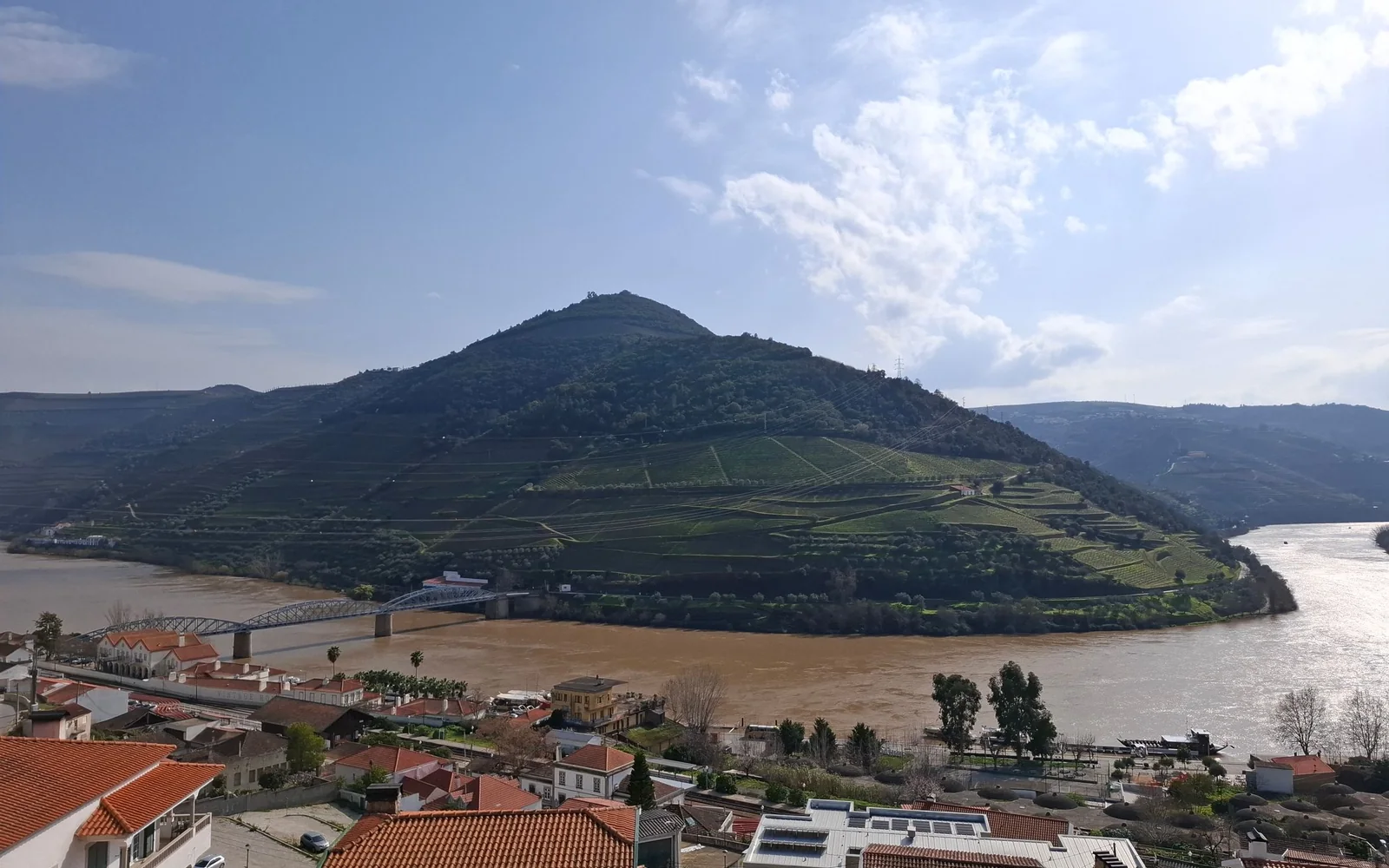
Porto and the North
Historic cities, river landscapes, religious heritage and strong rail links across northern Portugal.
View region
Central Portugal
University heritage, canals, Atlantic traditions and small walled towns between Lisbon and Porto.
View regionAlentejo
Walled towns, open countryside, Roman remains and a food culture shaped by the interior.
View regionAlgarve
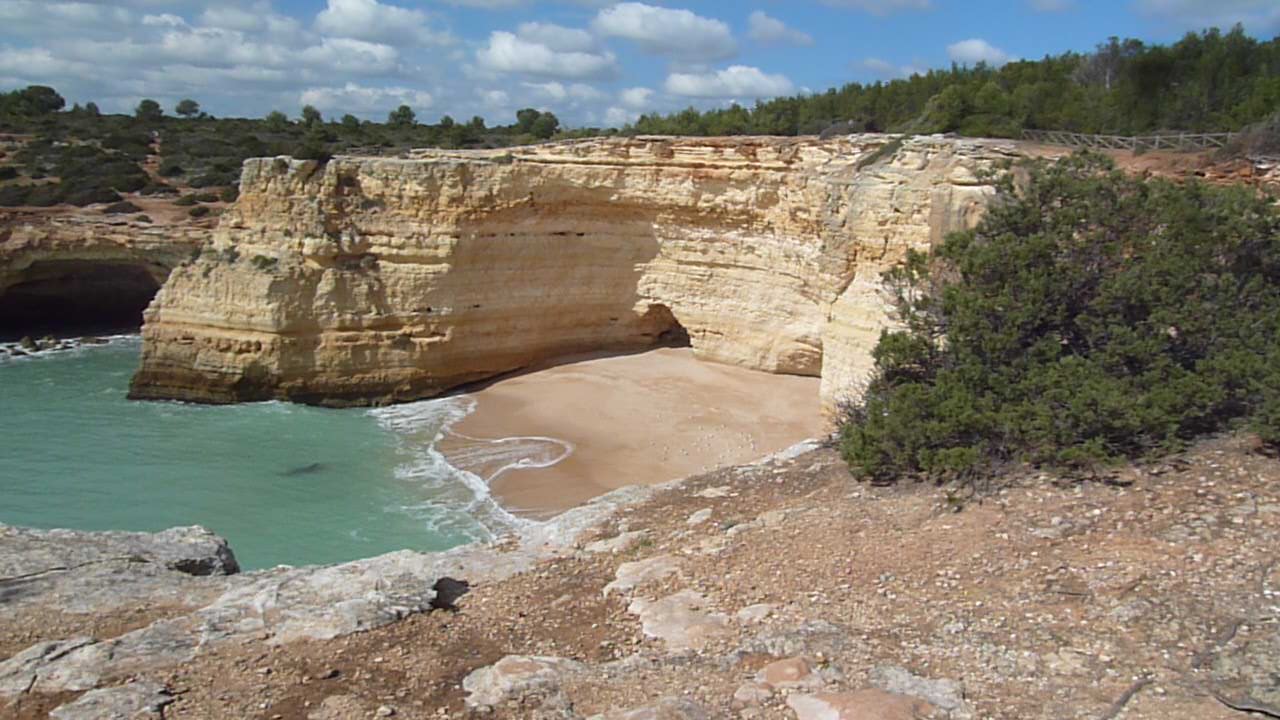
Cliff-backed beaches, island sands, historic centres and resorts with sharply different seasonal rhythms.
View regionMadeira
A mountainous Atlantic island with gardens, levada walks and Funchal as its main urban base.
View regionAzores
Nine volcanic Atlantic islands where weather, flights and inter-island planning shape each trip.
View regionGood places to start
Cities for a first trip
See all 24 cities and towns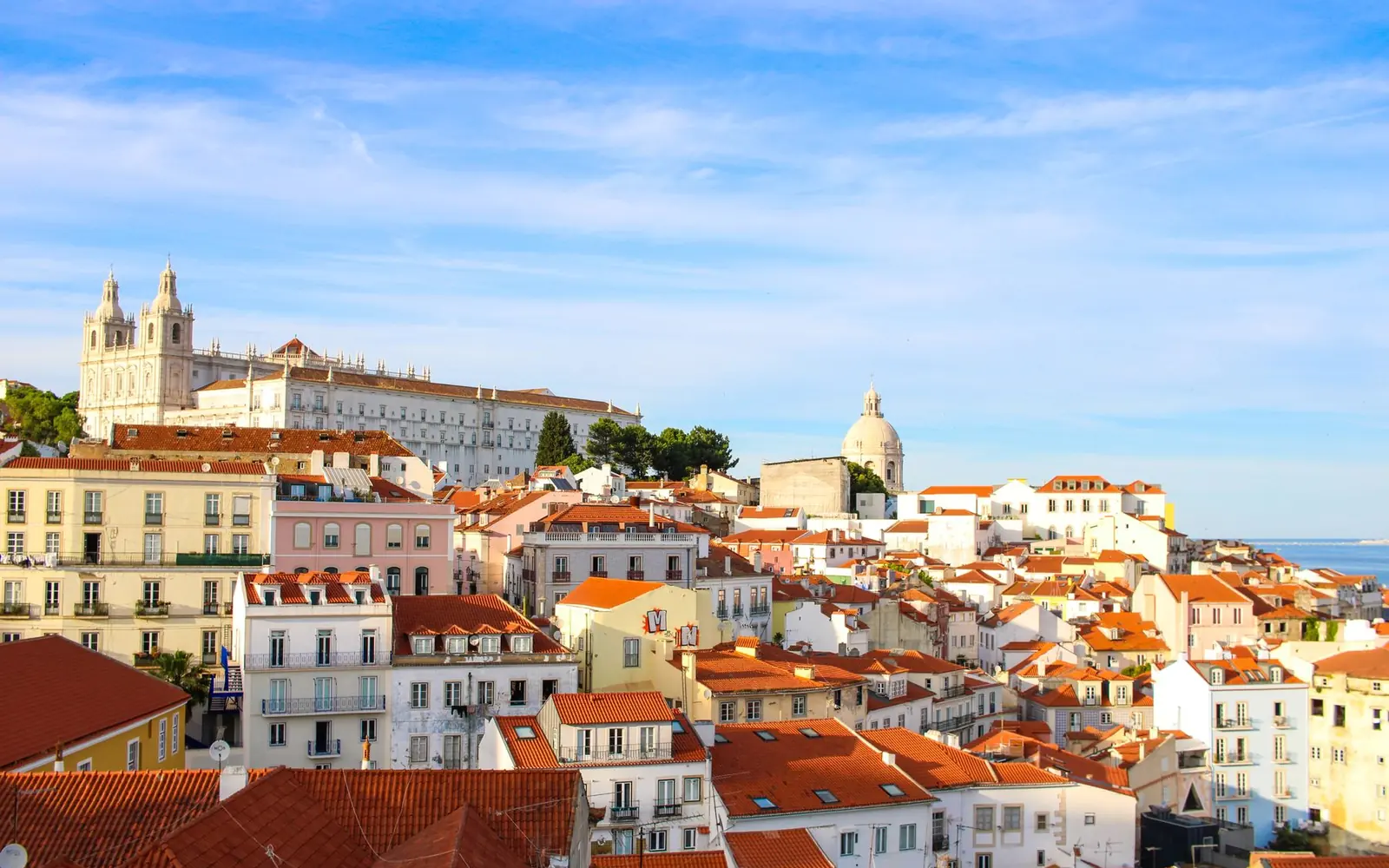
Lisbon
Historic neighbourhoods, viewpoints and riverside streets.
Suggested time: 3 to 4 days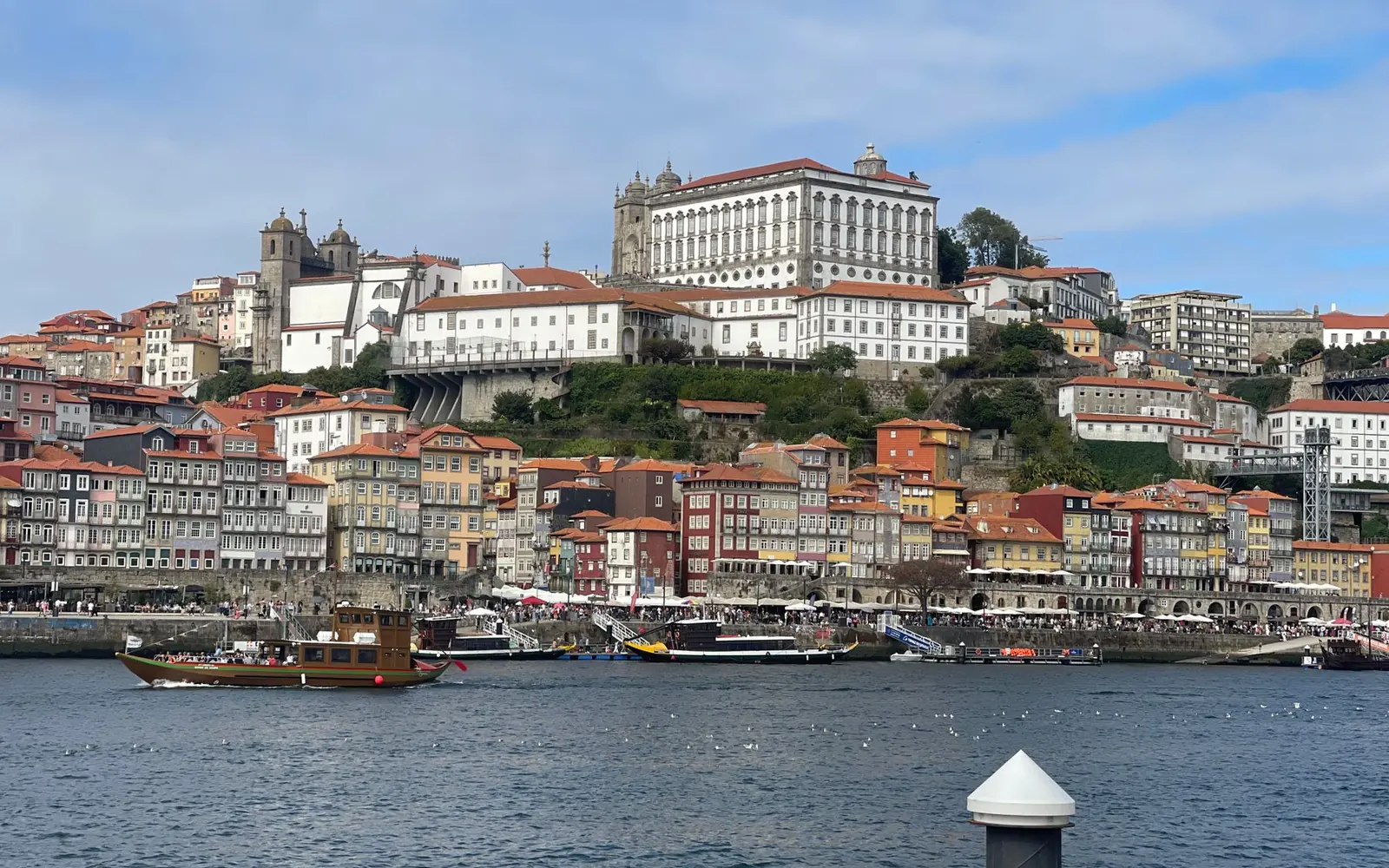
Porto
Riverside districts, tiled streets and northern food culture.
Suggested time: 2 to 3 days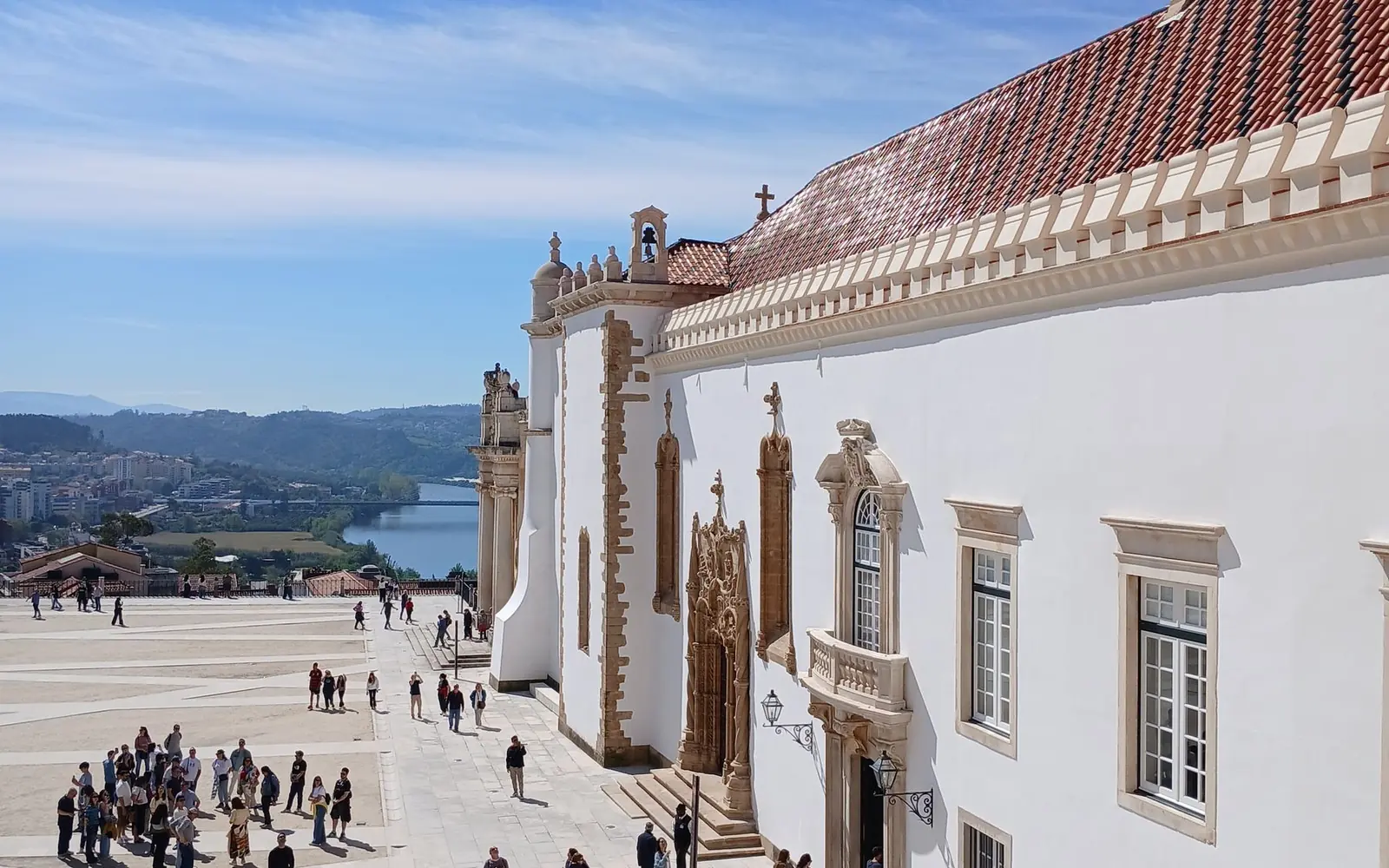
Coimbra
A university city with a compact historic centre.
Suggested time: 2 to 3 days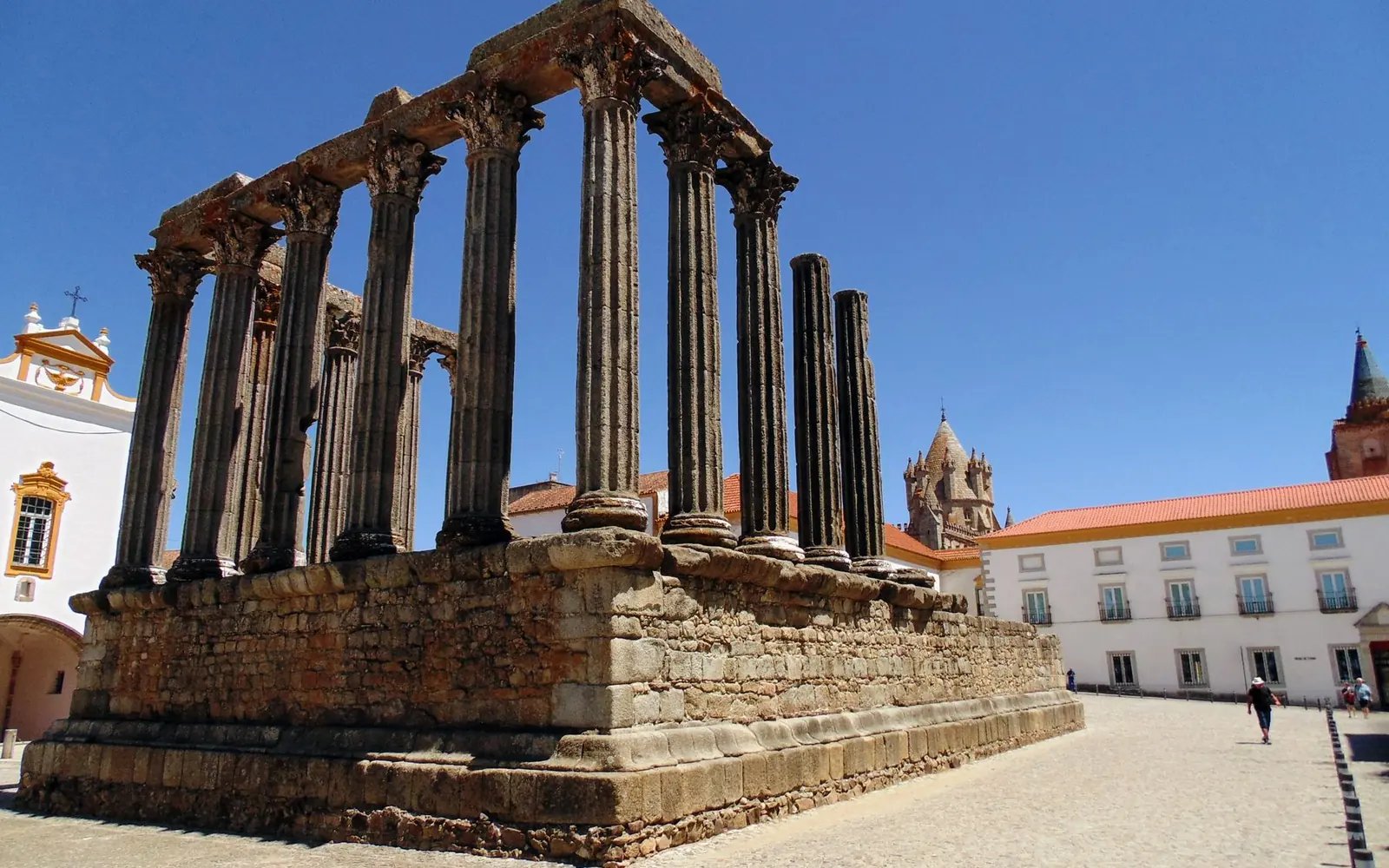
Évora
A walled Alentejo city of Roman remains, medieval streets and regional food, set in an open inland landscape.
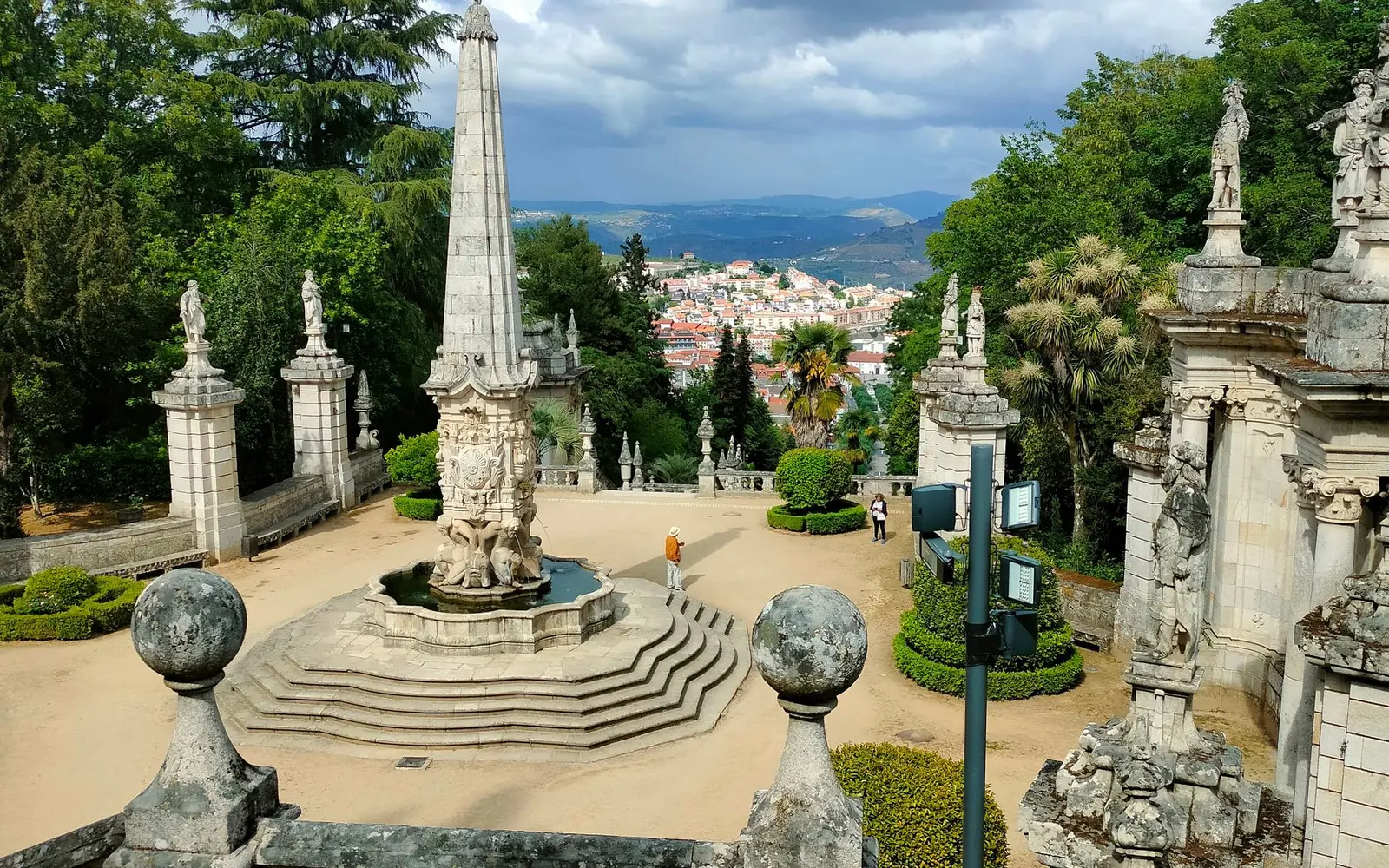
Braga
A northern city of churches, civic squares and Bom Jesus do Monte, with an active centre beyond its religious heritage.
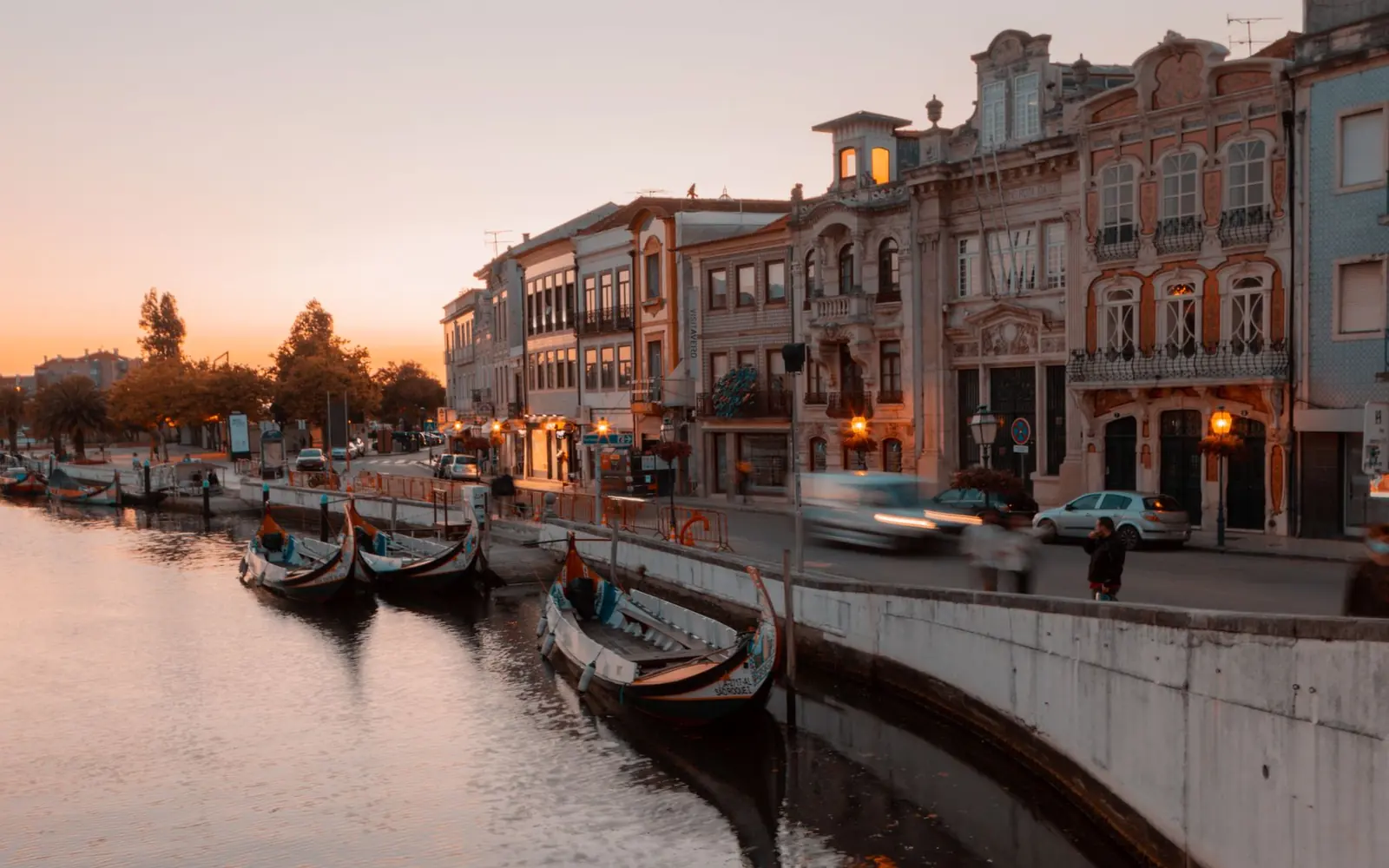
Aveiro
A small lagoon city known for canals, Art Nouveau façades, ovos moles and connections to Costa Nova.
Choose an island
Island guides
Azores
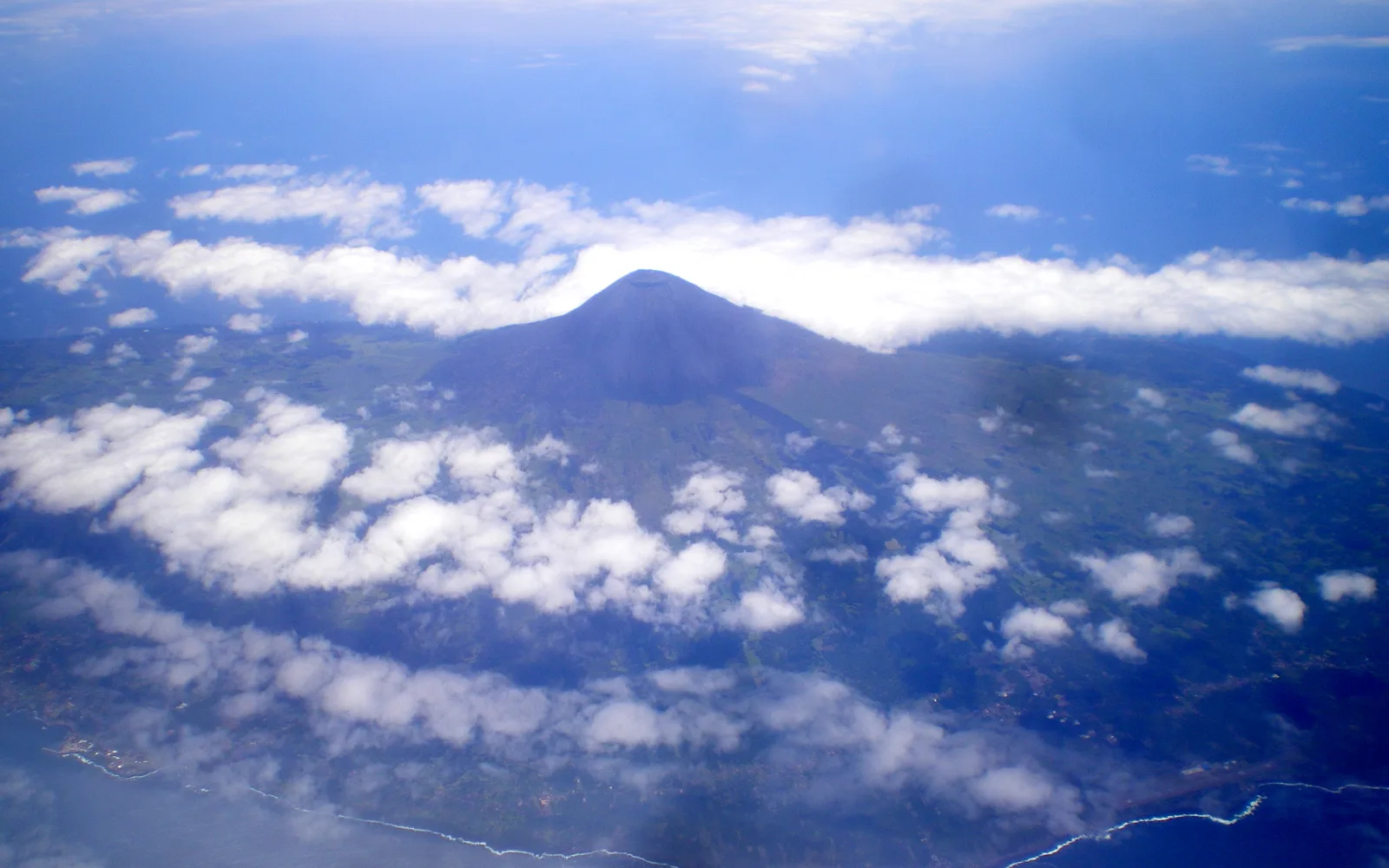
Pico Island
A long volcanic island shaped by Portugal’s highest mountain, black-stone vineyards, whaling history and ferry links across the central Azores.
Open island guide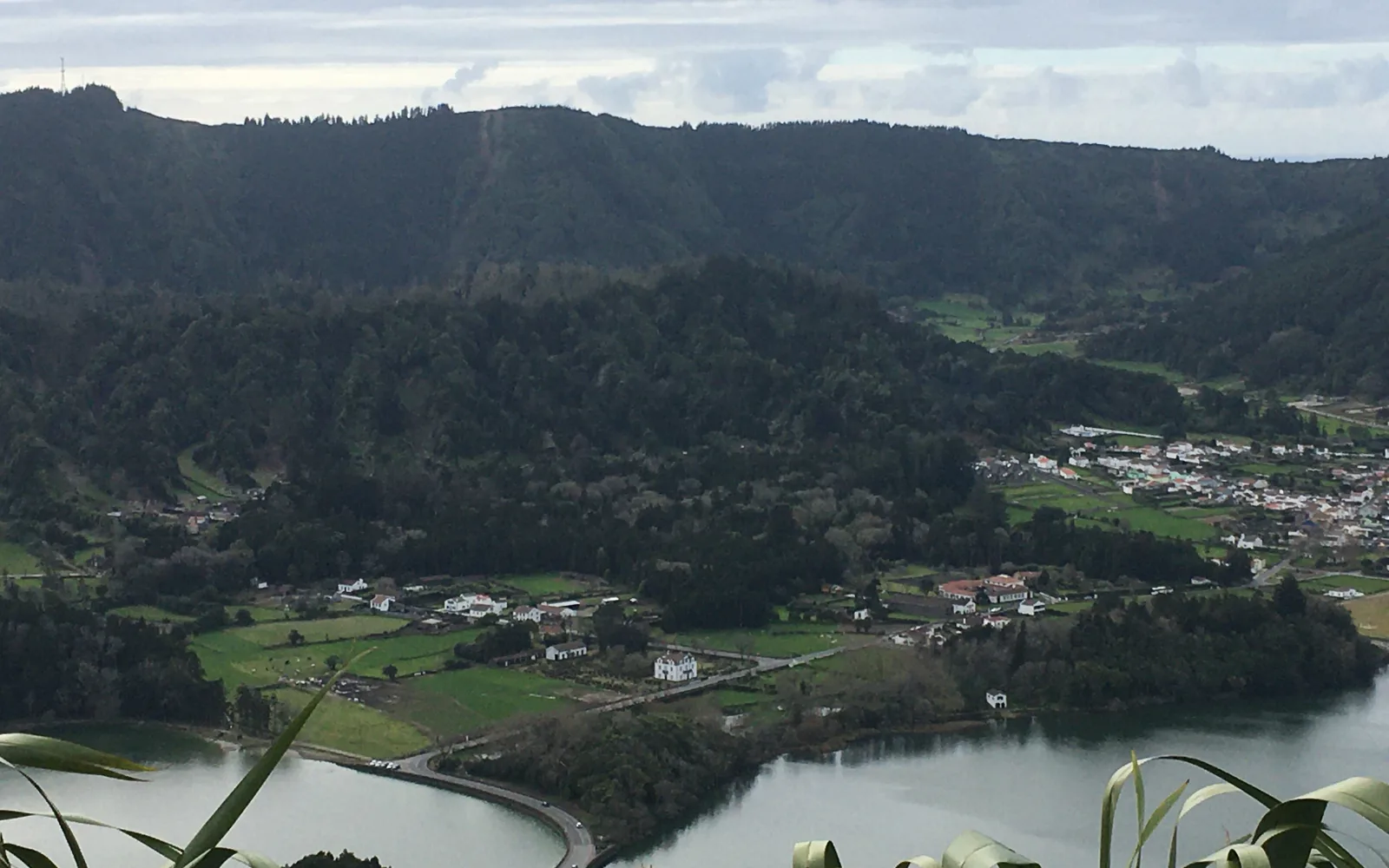
São Miguel Island
The largest Azorean island, with volcanic lakes, hot springs, coastal viewpoints and enough distance between areas to reward a planned road trip.
Open island guide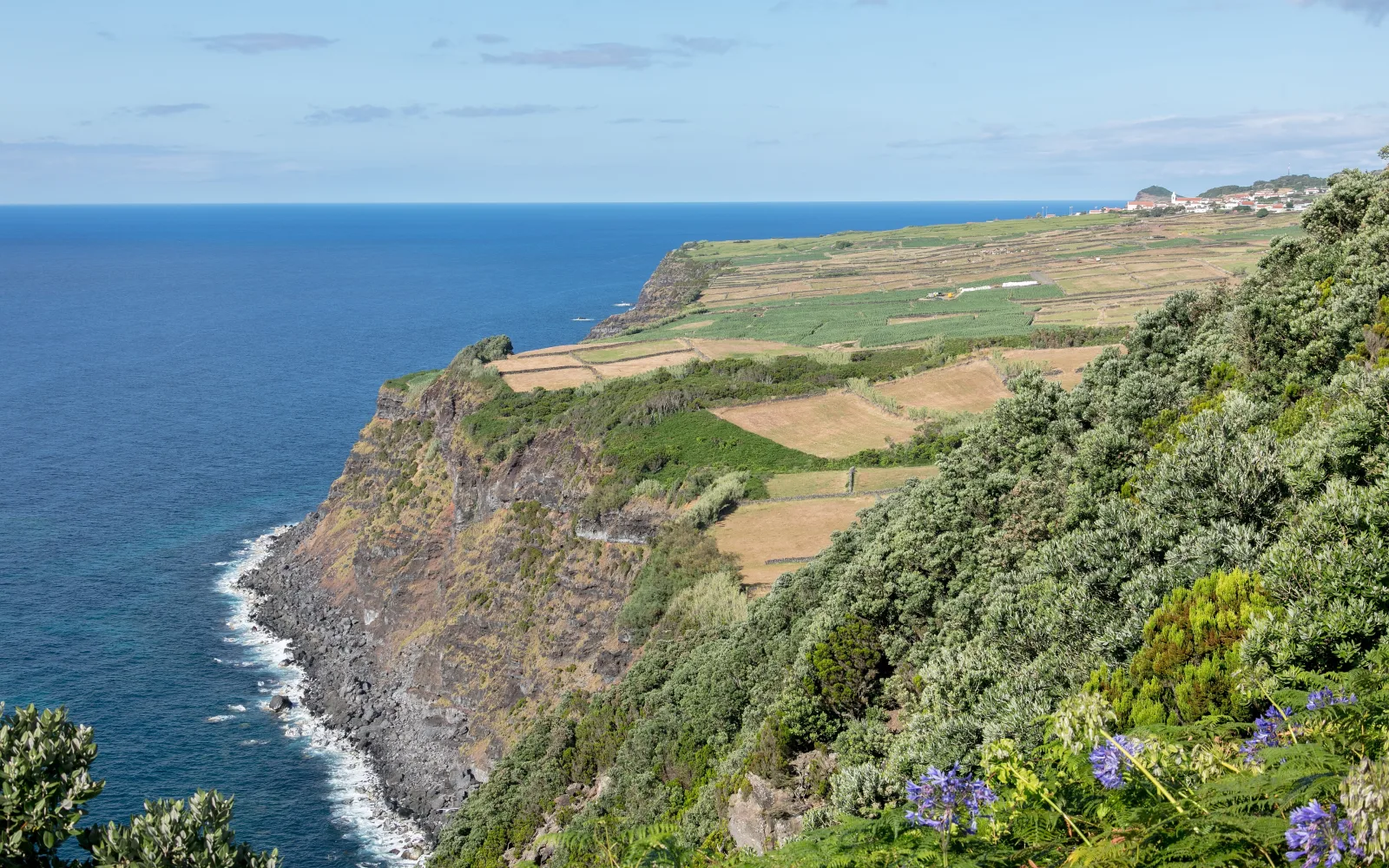
Terceira Island
An Azorean island that balances the World Heritage streets of Angra do Heroísmo with volcanic interiors, pastureland and natural pools.
Open island guideParks and natural areas
Nature destinations
Douro Valley
Terraced vineyards follow the Douro River east of Porto, with rail towns, rural estates and steep local roads shaping how the valley is explored.
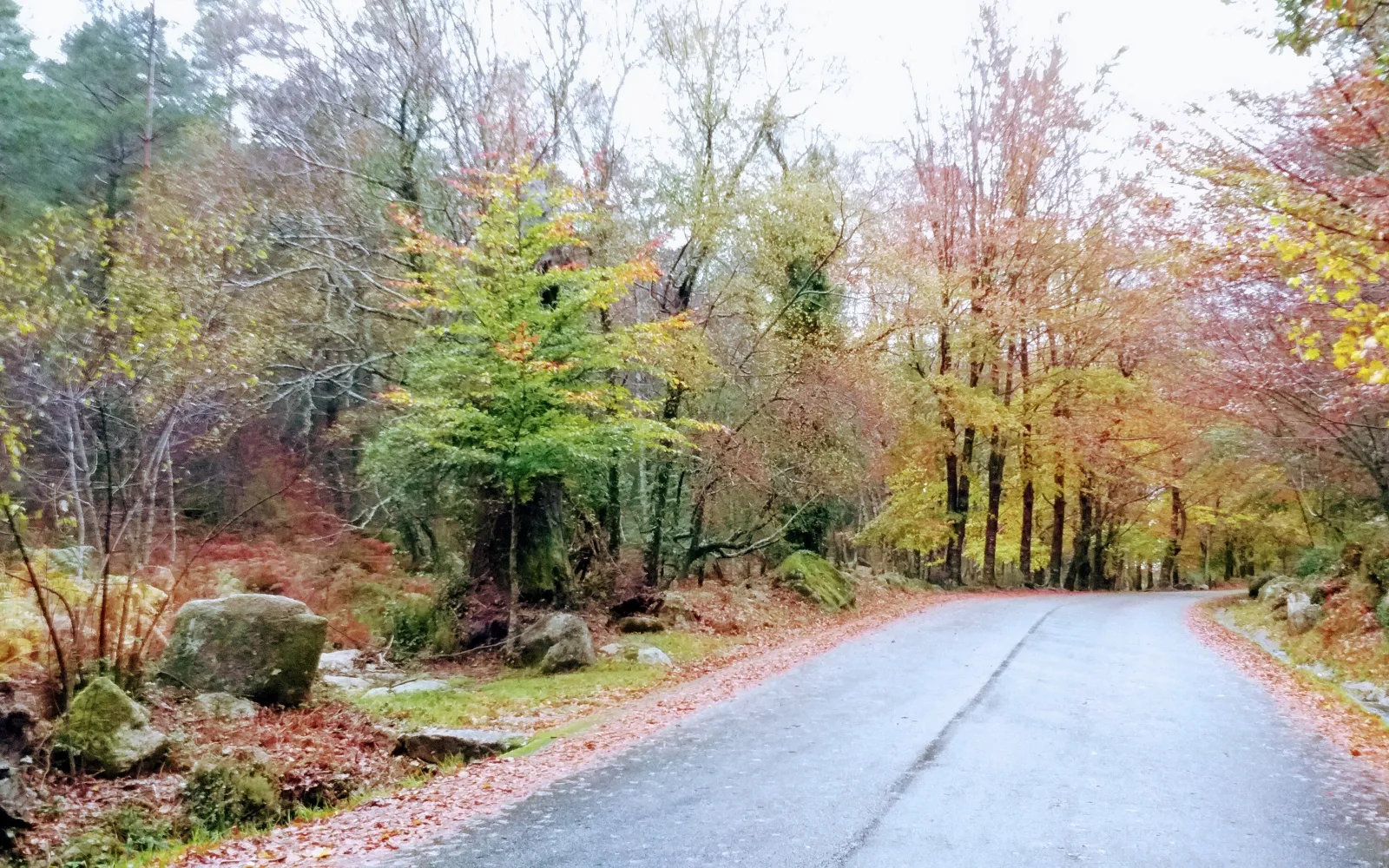
Peneda-Gerês National Park
Portugal’s only national park, spread across mountain ranges, reservoirs, old villages and several gateways that require a route chosen before arrival.
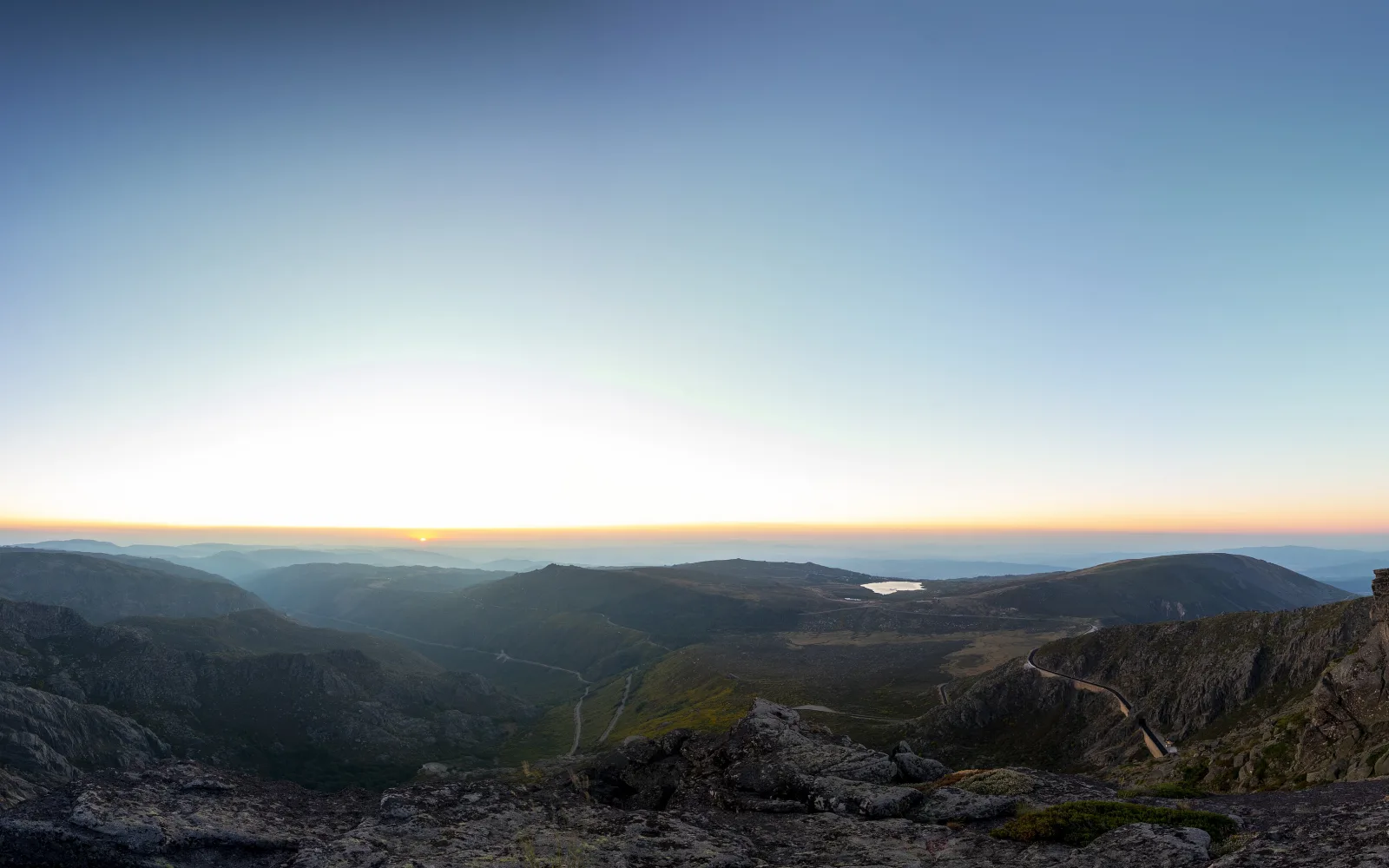
Serra da Estrela
Mainland Portugal’s highest mountain region, where the choice of Manteigas, Covilhã or Seia determines the roads, walks and villages that fit each stay.
Find places by area
Browse places by region
Azores Angra do Heroísmo, Pico Island, Ponta Delgada, São Miguel Island, Terceira Island
Central Portugal Aveiro, Coimbra, Nazaré, Serra da Estrela, Tomar, Óbidos
Madeira Funchal, Porto Moniz, Santana
Porto and the North Braga, Douro Valley, Guimarães, Peneda-Gerês National Park, Porto, Viana do Castelo
Plan a day out
Day trips and experiences
Sintra from Lisbon by train
A full Sintra day with one timed palace, a controlled hill route and enough margin for local transport and the return to Lisbon.
Braga from Porto by train
A full Braga day combining the historic centre with Bom Jesus do Monte, using rail and a clearly planned local connection.
Match the route to your time
Choose a trip length
Lisbon and Porto
Give each city at least two full days and use the train between them. Choose Sintra from Lisbon or the Douro from Porto, not both, when arrival and departure already reduce the week. Keep the final day nearby.
The main mainland route
Link Lisbon, Coimbra and Porto, then add the Douro, Alentejo or Algarve as one focused region. Three bases usually provide more depth than a fast run through every headline stop. Give the added region three nights.
Mainland plus one slower region
Combine the two main cities with central Portugal and a longer stay in the Douro, Alentejo or Algarve. Keep Madeira or the Azores for a separate trip unless flights and weather justify the extra transfer.
Ready-made routes
Suggested itineraries
Lisbon, Coimbra, Porto and the Douro in 10 days
A 10-day northbound Portugal route with four bases, nine hotel nights and two complete days in the Douro Valley.
- Main stops
- Lisbon, Coimbra, Porto, Douro Valley
- Transport
- Train
- Best suited to
- Rail travellers who want two major cities, one historic stop and time to stay in the Douro Valley.
- Main trade-off
- Sintra and northern day trips are left out so Coimbra and the Douro do not become rushed transfers.
Lisbon, Sintra and Porto in 7 days
A seven-day first trip with three nights in Lisbon, a focused Sintra day and three nights in Porto, using one long-distance rail transfer.
- Main stops
- Lisbon, Porto
- Transport
- Train
- Best suited to
- First-time visitors who want Lisbon, Sintra and Porto with only one hotel change.
- Main trade-off
- The week leaves no complete Douro stay and only one flexible Porto day.
Transport choices
Getting around Portugal
Intercity and regional trains connect Lisbon, Coimbra, Porto and parts of the Algarve, with coaches serving many towns beyond the rail network. Urban metros, trams and buses handle local travel. A car is most valuable in rural Alentejo, the interior and selected coast routes. Island transport requires a separate plan, with flights, ferries and local services depending on the archipelago.
Intercity trains
Book longer journeys through the official rail operator and check the station name carefully. Lisbon and Porto each have more than one station, and the most useful one depends on the route.
Coaches and regional transport
Coaches reach towns and coast sections that rail misses. Confirm the operating company, stop location and final return, especially outside summer or when changing between regional networks.
Island travel
Madeira and the Azores need their own flight and local transport plan. Weather can affect inter-island links, so avoid tight same-day connections to an international departure.
Driving
Collect a car for rural landscapes, villages and less-connected beaches. Avoid keeping it through central Lisbon or Porto unless the accommodation provides practical parking and the onward route needs it.
Month-by-month planning
When to visit
Choose the month after choosing between Atlantic cities, inland landscapes, mainland coasts, Madeira and the Azores.
Current planning ranges
Trip costs by base
These per-person planning ranges are not live quotes. Open the destination guide for assumptions, exclusions and sources.
Lisbon
EUR 130 to 190- Accommodation
- €55 to €100
- Food
- €30 to €45
- Local transport
- €6 to €12
- Attractions and activities
- €15 to €35
Porto
EUR 115 to 175- Accommodation
- €50 to €90
- Food
- €28 to €42
- Local transport
- €6 to €12
- Attractions and activities
- €12 to €30
Plan fewer hotel changes
Where to base your trip
Before you travel
Practical facts
- Currency
- Euro
- Main transport
- Comboios de Portugal and regional transport
- Driving side
- Right
- Emergency number
- 112
- Main languages
- Portuguese
- Time zone
- Mainland and Madeira use Western European Time; the Azores are one hour behind
- Plug type
- Type C and F
- EU status
- EU member
- Schengen status
- Schengen member
Avoid the common route problems
Planning checks
Do not compress the whole mainland
Lisbon, Porto, the Douro, Alentejo and Algarve cannot all be experienced properly in one short week. Choose one regional contrast and leave enough time for the cities rather than building a daily transfer chain. Two or three bases are usually enough.
Check station and stop names
A ticket to a city may use a station outside the historic centre or require a local connection. Confirm the exact arrival point, especially for Lisbon, Porto, Coimbra and smaller Algarve destinations. Include that transfer when comparing journey times.
Treat islands as separate journeys
Madeira and the Azores add flights, weather exposure and local transport decisions. Give an island enough nights to justify the transfer, and protect the final international connection with a sensible buffer. Inter-island plans need another layer of checking.
Compare the mainland route with island journeys
See Portugal’s main travel bases
Loading the map…
Choose a group to compare the north, south and Atlantic islands.
Choose between two places
A useful destination comparison
Lisbon or Barcelona for a city break?
Choose Lisbon for viewpoints, older neighbourhoods and a less scheduled stay. Choose Barcelona for modernist architecture, major art and stronger high-speed onward travel.
Cross-border planning
Countries to combine carefully
Spain
Portugal and western Spain can work as one Iberian route when the border connection is chosen first.
- Likely transport
- Bus, flight or selected rail corridor
- Minimum sensible time
- At least 14 days across both countries
- Main limitation
- Cross-border rail is limited and a wide Iberian circuit quickly becomes transfer-heavy.
Quick answers
Planning questions
How many days suit a first trip?
Eight to ten days fit Lisbon, Coimbra, Porto and one northern extension.
Can I travel by train?
Yes for the main city corridor and selected Algarve stops.
Should I include Madeira or the Azores?
Treat either as a separate flight-based section.
What is a sensible first route through Portugal?
Lisbon, Coimbra, Porto and the Douro. Follow the classic Lisbon to Porto route.
What should I confirm before booking a trip to Portugal?
Do not treat Sintra as an unlimited palace list. Allow hill and local transport time in the cities.
How this guide is checked
Sources and review
Reviewed 4 September 2026, next review due 4 March 2027. Transport, access, prices and seasonal services can change, so check the official source before booking.
- Portugal tourism information, Turismo de Portugal
- CP train times and tickets, Comboios de Portugal
- Portugal airport information, ANA Aeroportos de Portugal
Continue planning
More places in Portugal
Browse the full destination list when the curated starting points do not match your route.