Porto is a compact city with a demanding landscape. Streets drop sharply from the upper centre to the Douro, then rise again in Vila Nova de Gaia. Two full days are enough for the main historic areas, while a third leaves room for Serralves, the Atlantic coast or a Douro excursion.
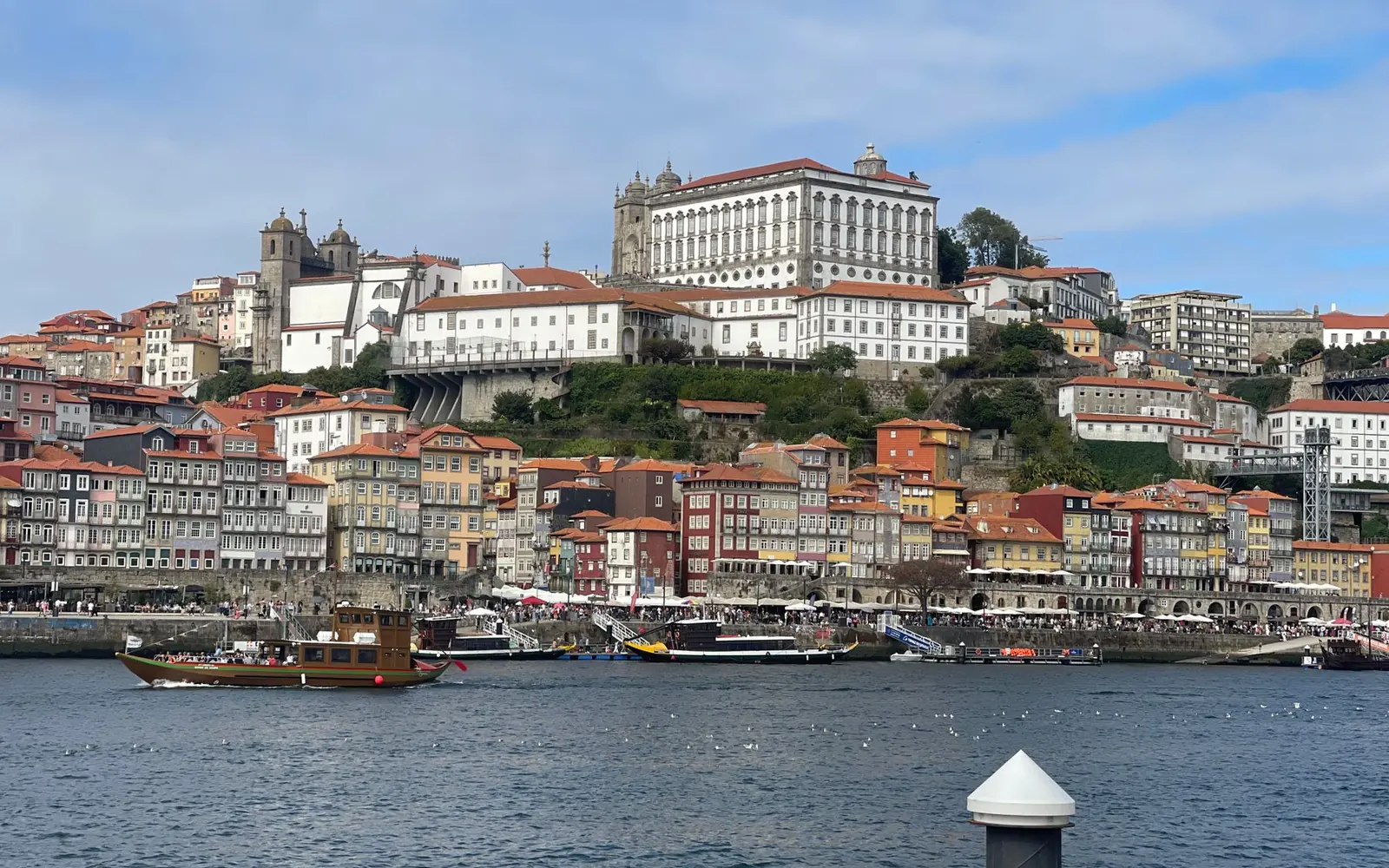
The city is known for Ribeira and port wine, but its character also comes from working neighbourhood streets, granite buildings, tiled churches and views that appear at the end of steep lanes. A route that moves downhill and uses public transport for the return climb is usually more comfortable.
Separate the centre walk from the northern day trip
For the first full day, group São Bento, the cathedral area and Ribeira into a connected walk. Put a booked interior into that sequence rather than crossing the centre repeatedly to meet admission times. The riverside and upper city involve different levels, so choose where to finish before adding an evening across the river in Gaia.
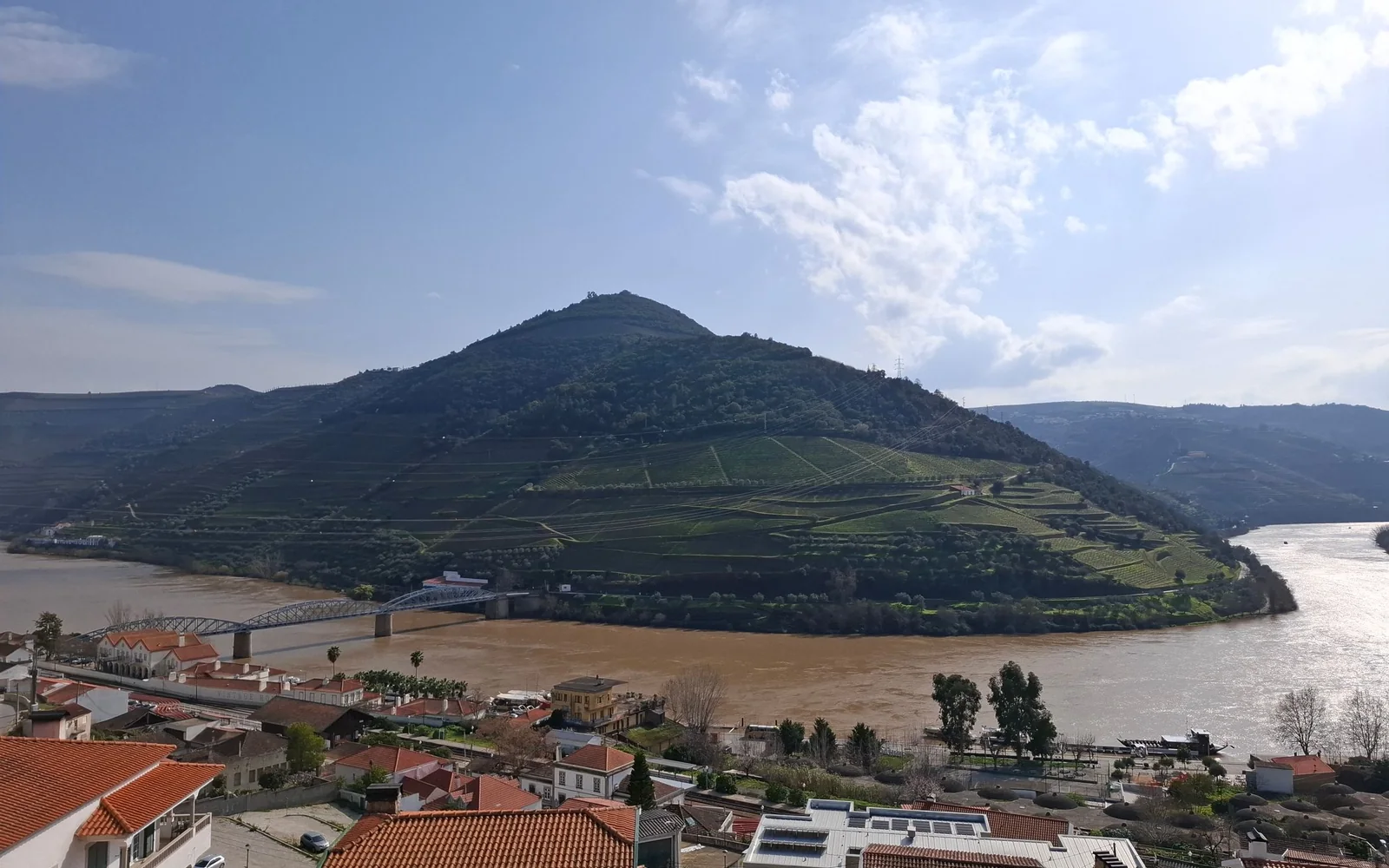
Keep a second day for another part of Porto or one northern outing. Braga and Guimarães are alternatives for a short stay; combining both leaves much less time in either city. If you choose the Douro instead, check the date-specific train or replacement-bus journey and the return before committing to an activity in the valley.
Continue planning: Braga day trip · Guimarães as an alternative · Choose a northern route.
Official information: Visit Porto: historic district.
Where to stay
Baixa, around Aliados, Bolhão and São Bento, is the most practical first base. It has metro access, restaurants and straightforward routes towards the river. Cedofeita feels more residential and has galleries, cafés and nightlife within walking distance of the centre.
Ribeira is atmospheric but busy, steep and less convenient with luggage. Across the river, Gaia places the wine lodges and waterfront close by. Check the exact elevation of a Gaia hotel, since some addresses sit well above the river.
Upper city and Ribeira
Begin near São Bento Station and Aliados, then connect the cathedral area, old lanes and upper deck of the Luís I Bridge. Crossing the top deck gives a broad view of both riverbanks and leads to Jardim do Morro.
Ribeira is better approached later in the route, walking downhill through the historic centre. The riverfront is busiest around restaurant terraces. Quieter lanes sit one or two streets behind it, though many include stairs.
Port wine and Gaia
Port wine is aged in the lodges of Vila Nova de Gaia. Tours explain blending, ageing and the different styles of wine. Book a time if a particular lodge matters to you, especially on weekends and in busy months. Tastings involve alcohol, so do not plan several in quick succession.
The lower bridge deck links Ribeira with the Gaia waterfront. The upper deck is useful for viewpoints and metro access. Treat the two levels as parts of a loop rather than repeatedly climbing the same bank.
A practical three-day plan
- Day one: Explore Bolhão, Aliados, São Bento and the cathedral area. Cross the upper bridge to Jardim do Morro, then descend in Gaia.
- Day two: Walk downhill through the historic centre to Ribeira. Visit one wine lodge and return by the lower bridge or public transport.
- Day three: Choose Serralves and Foz, a rail trip to Braga or Guimarães, or a properly planned Douro Valley excursion.
If you have one day, keep the route within Porto and Gaia. The Douro Valley deserves its own day and should not be added to a hurried city checklist.
Food and markets
Tripe dishes, francesinha, grilled fish and salt cod are part of the local food picture. Portions can be substantial, particularly with francesinha, so it is not a natural fit between several tastings. Matosinhos is known for fish restaurants and can be combined with an Atlantic walk.
Bolhão Market is central and easy to visit during a city route. Check current trading hours before making a special journey, and remember that a market visit works best when traders are active rather than near closing time.
Getting around
The metro links the airport, centre, Gaia and several outer districts. Local buses fill gaps, while suburban and regional trains connect Porto with northern cities and the Douro line. Check Comboios de Portugal for current rail schedules and Metro do Porto for network information.
Many old streets are steep, narrow or cobbled. The historic centre is difficult to make fully step-free, though a route based around metro stations, bridge levels and riverfront paths can reduce climbs. Confirm access directly with individual attractions.
When to visit
Late spring and early autumn are comfortable for walking and usually provide long enough days for river views. Summer is busy around Ribeira and Gaia. Porto is wetter than southern Portugal, and rain can make polished stone slippery at any time of year.
Winter trips work well for food, churches and museums, but Douro cruises and outdoor plans may have reduced schedules or poor weather. Use current operator information rather than assuming a summer service runs all year.
Useful day trips
Braga and Guimarães are direct historical destinations with manageable centres. Each can fill a day, and combining both often produces a shallow visit. The Douro Valley is a landscape journey where the transport method shapes the day. Aveiro is another rail option, especially if it fits a wider route through central Portugal.
Common planning mistakes
- Do not underestimate the climb from Ribeira to the upper city.
- Do not call the Gaia wine-lodge area Porto when planning addresses and transport.
- Do not schedule several wine tours without time for food and travel between them.
- Check river and rail services for the exact season and date.
Places to add to your map
- São Bento Station: Central station known for its tiled entrance hall.
- Ribeira Square: Lower riverside quarter on the Porto bank.
- Luís I Bridge: Two-level crossing between Porto and Gaia.
- Jardim do Morro: Gaia viewpoint beside the upper bridge deck.
- Serralves: Contemporary art museum and gardens west of the centre.
Open the route planner to place these stops in a wider Portugal trip.
Plan nearby destinations
- Portugal travel guide
- Porto and the North
- Braga travel guide
- Guimarães travel guide
- Lisbon vs Porto
- Portugal route planner
Questions about Porto
How many days are enough for Porto?
Two full days cover the historic centre, Ribeira and Gaia at a sensible pace. A third day allows a museum, the coast or a Douro excursion without rushing.
Is Porto easy to walk?
The main sights are close together, but the slopes between the river and upper city are steep. Metro, buses and funicular services help with longer climbs.
Should I stay in Porto or Vila Nova de Gaia?
Central Porto is more convenient for first-time sightseeing. Gaia suits travellers who prefer river views and easy access to wine lodges, provided they are comfortable crossing the bridge or using local transport.
Can I visit the Douro Valley as a day trip?
Yes, by rail, organised tour, boat or car. Each option reaches different places and follows a different timetable, so compare the official schedules before booking.
Daily planning ranges
Travel costs in Porto
These planning ranges are per person, per day and assume two people sharing a room. They are not live quotes.
Standard daily breakdown
- Accommodation
- €50 to €90
- Food
- €28 to €42
- Local transport
- €6 to €12
- Activities
- €12 to €30
What the range assumes: Per person, per day, based on two people sharing a sensible double or twin room. The standard range allows for ordinary paid sightseeing, local transport and a mix of casual and mid-range meals.
Seasonal note: Riverside and central stays rise most sharply during summer weekends and festival periods.
Not included: International travel, intercity travel, shopping, travel insurance and major special-event premiums are excluded.
Price basis 29 August 2026, reviewed 29 August 2026, next review due 28 February 2027.
Cost sources
- Metro do Porto fares, Metro do Porto
- Porto cost of living, Numbeo
Sources and updates
This guide was last reviewed on 28 August 2026. Transport, access and opening arrangements can change, so check the official source before travel.
- Porto, Turismo de Portugal
- Visit Porto, Porto City Council
- Metro do Porto, Metro do Porto
- CP passenger information, Comboios de Portugal
Related places to consider
These guides can help you place Porto within a wider route.