
Start with the essentials
Plan Slovenia at a glance
- First trip
- 7–10 days
- Best months
- May–Jun, Sep
- Main transport
- Bus, train and selected drives
- Car
- Useful for flexible regional routes
- Currency
- Euro
About Slovenia
Why visit Slovenia
Slovenia fits varied landscapes into short distances. Ljubljana, Alpine lakes, the Soča Valley, caves and a short Adriatic coast support a varied trip.
Compact does not mean instant. Mountain roads, seasonal buses, cave times and weather can make nearby places incompatible in one day.
Plan Slovenia by region
Ljubljana, Lake Bled, Bohinj, the Soča Valley, Karst caves and the short Adriatic coast fit within a compact country, but the mountains divide routes. A short distance can still involve a slow connection.
Buses are often more useful than trains for Alpine and coastal trips, while rail works on selected corridors. A car adds flexibility, although Ljubljana and the busiest lake settlements require a parking plan.
Choose a part of the country
Choose a region
Thermal Pannonian Slovenia
Eastern towns and a slower route.
View regionGood places to start
Cities for a first trip
See all 14 cities and towns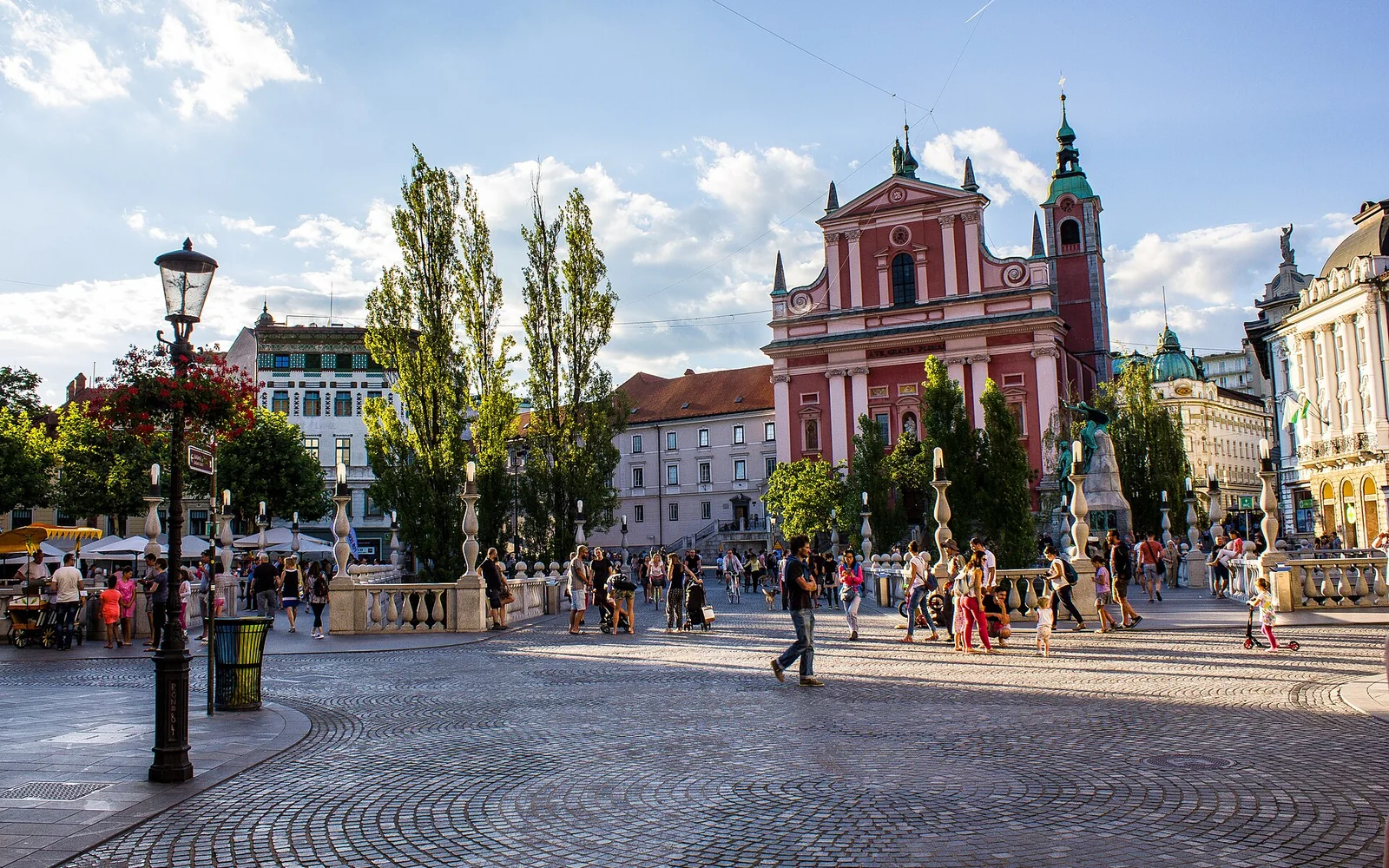
Ljubljana
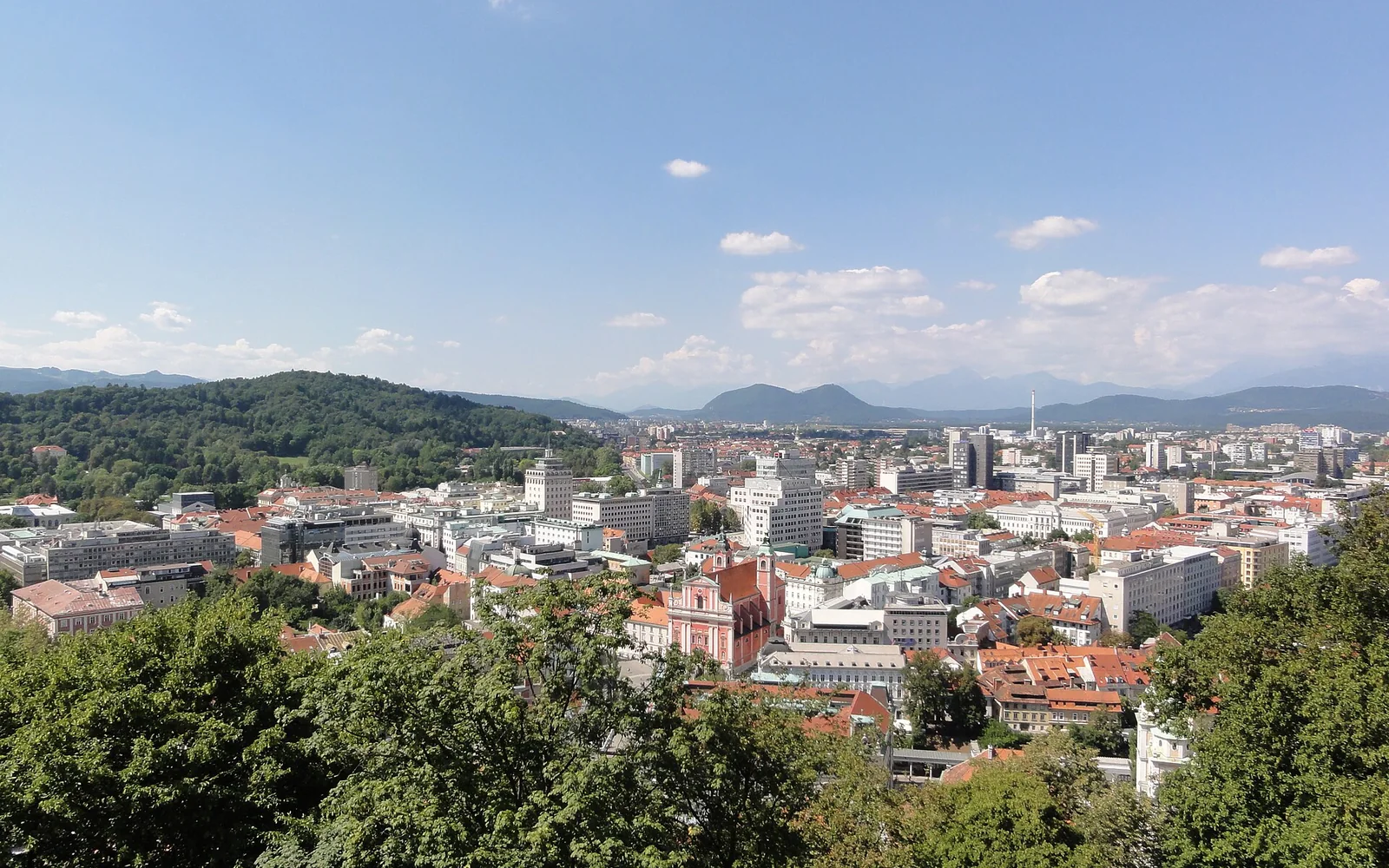
Slovenia’s compact capital mixes a pedestrian riverfront, castle views, markets and lively neighbourhoods within an easy walking area.
Best for: Culture, Museums, Food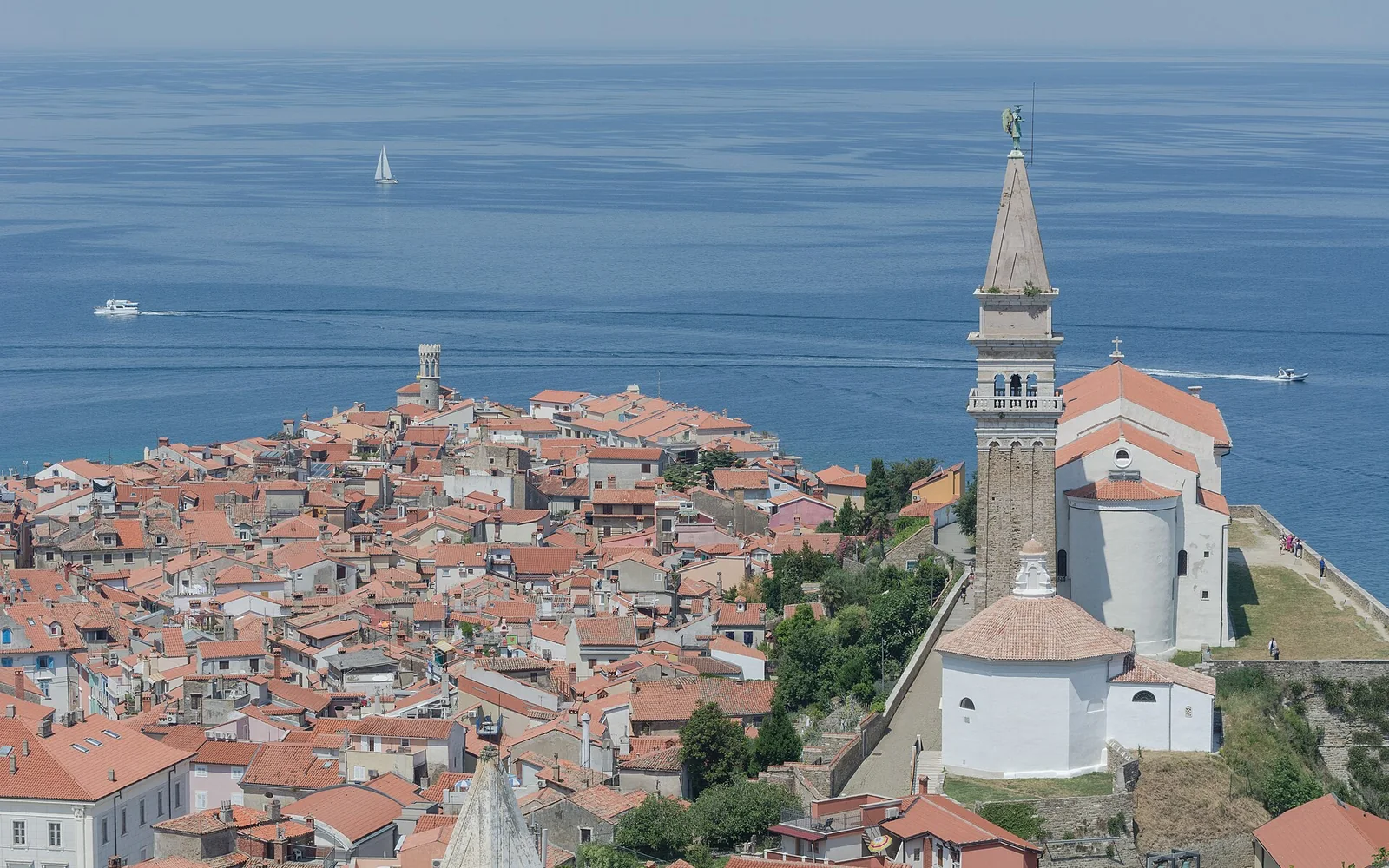
Piran
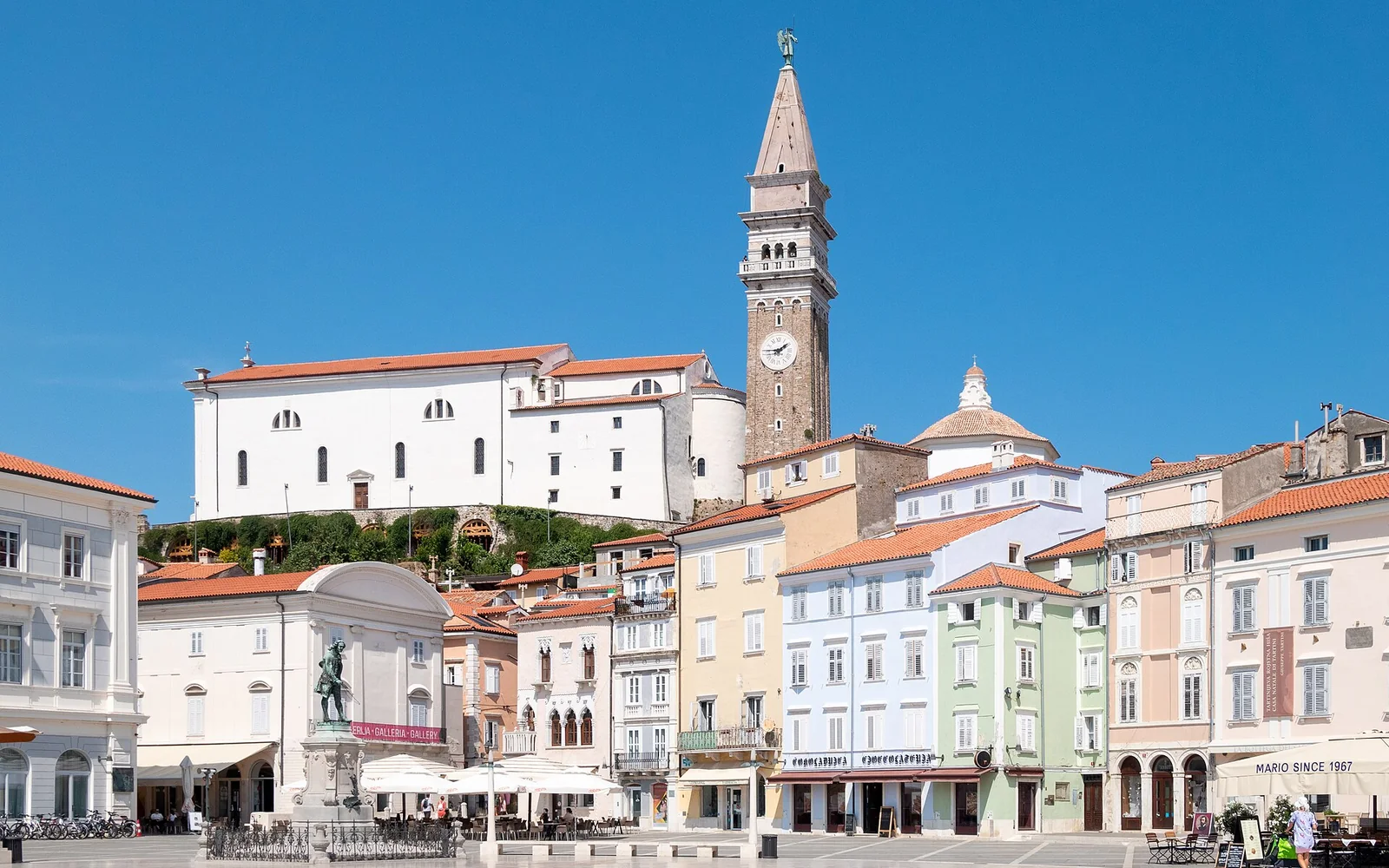
Piran is a dense Venetian-influenced old town on a narrow peninsula, shaped by salt, sea views and restricted vehicle access.
Best for: Heritage, Walking, Local Travel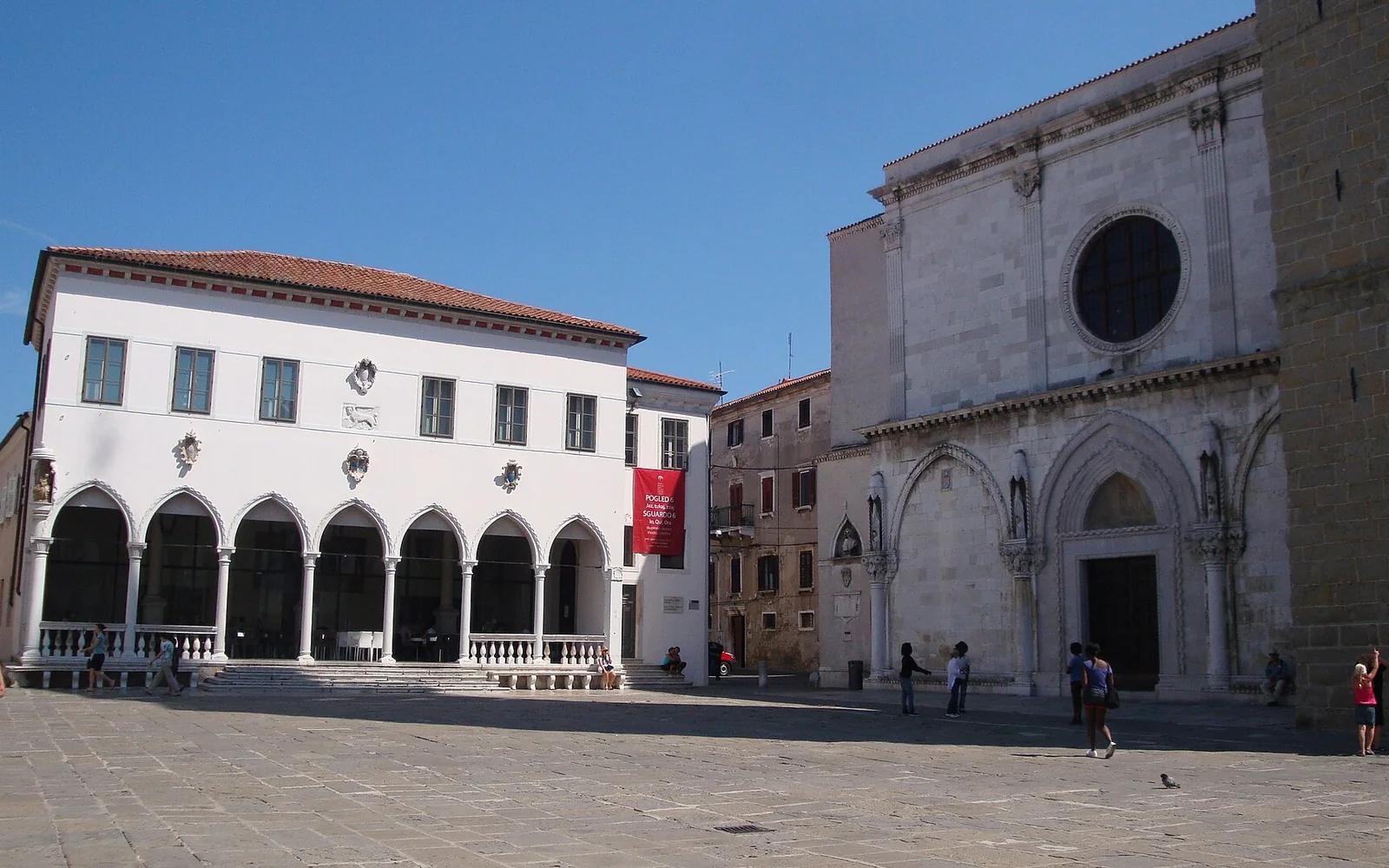
Koper
Koper is Slovenia’s main coastal city and port, with a compact Venetian old town and the coast’s most useful rail connection.
Best for: Culture, Museums, Food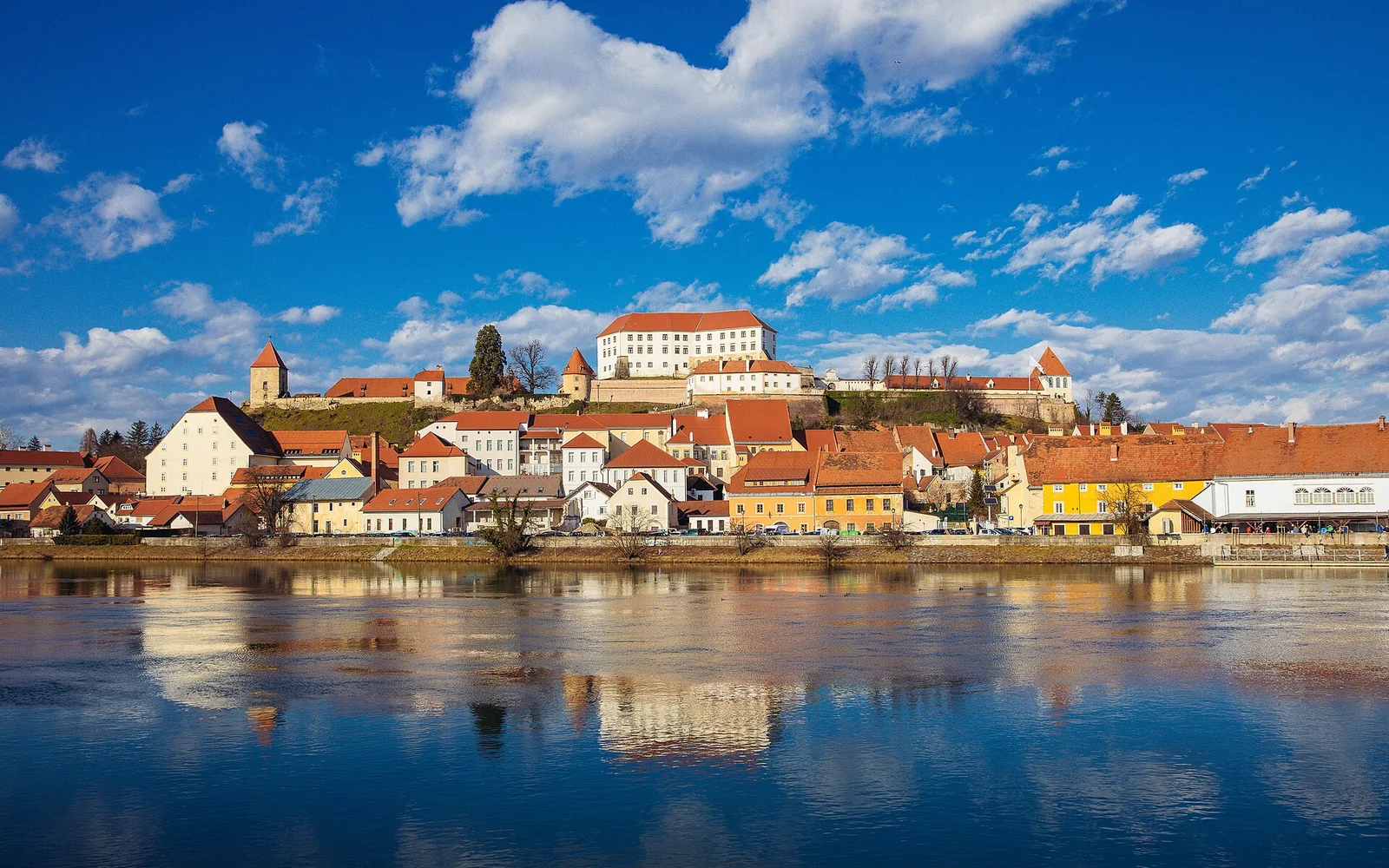
Ptuj
Ptuj is Slovenia’s oldest recorded town, with red-roofed streets beneath a castle overlooking the Drava.
Best for: Heritage, Walking, Local Travel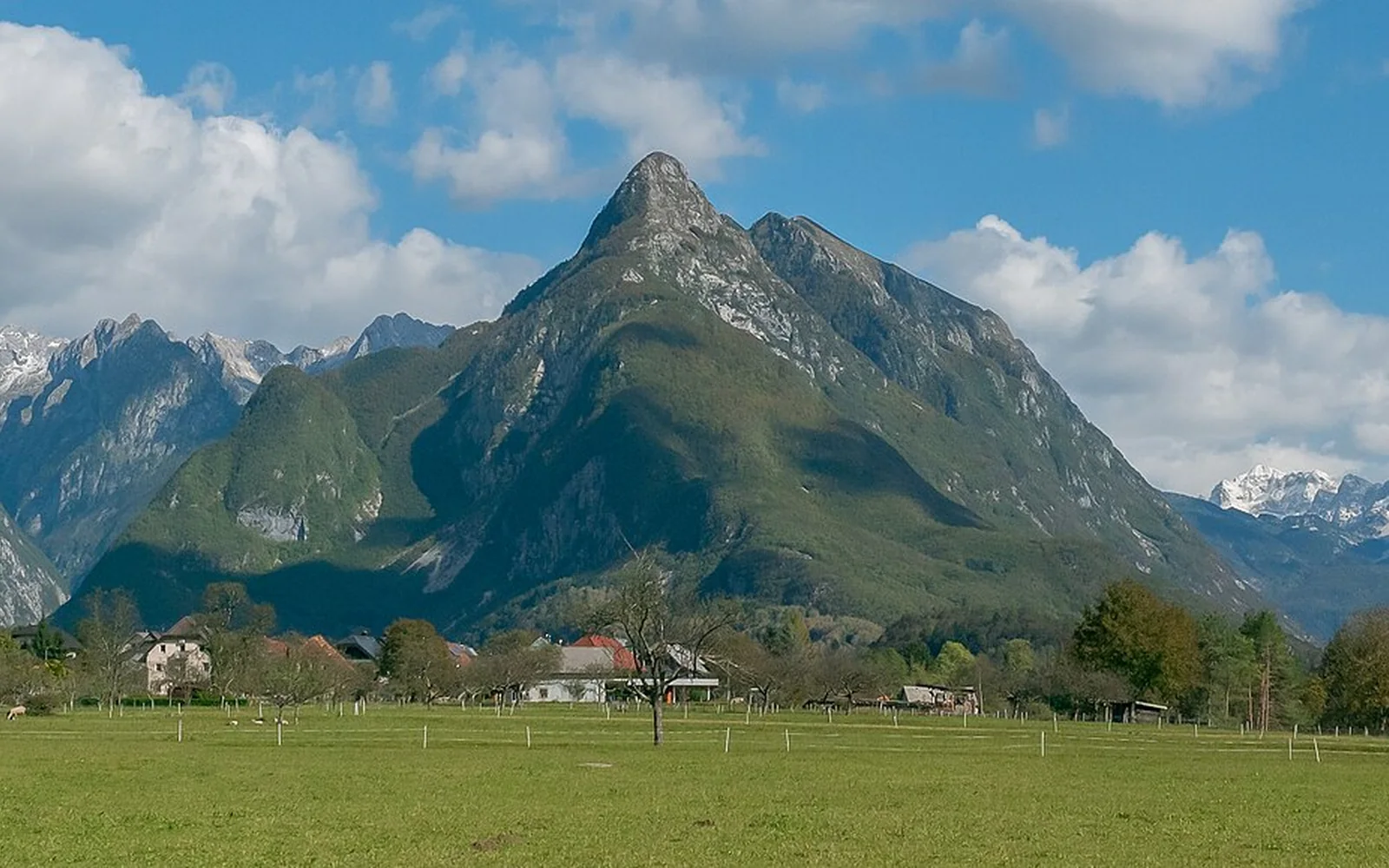
Bovec
Bovec is the main service and activity town in the upper Soča Valley, surrounded by waterfalls, gorges and high Julian Alpine roads.
Best for: Heritage, Walking, Local Travel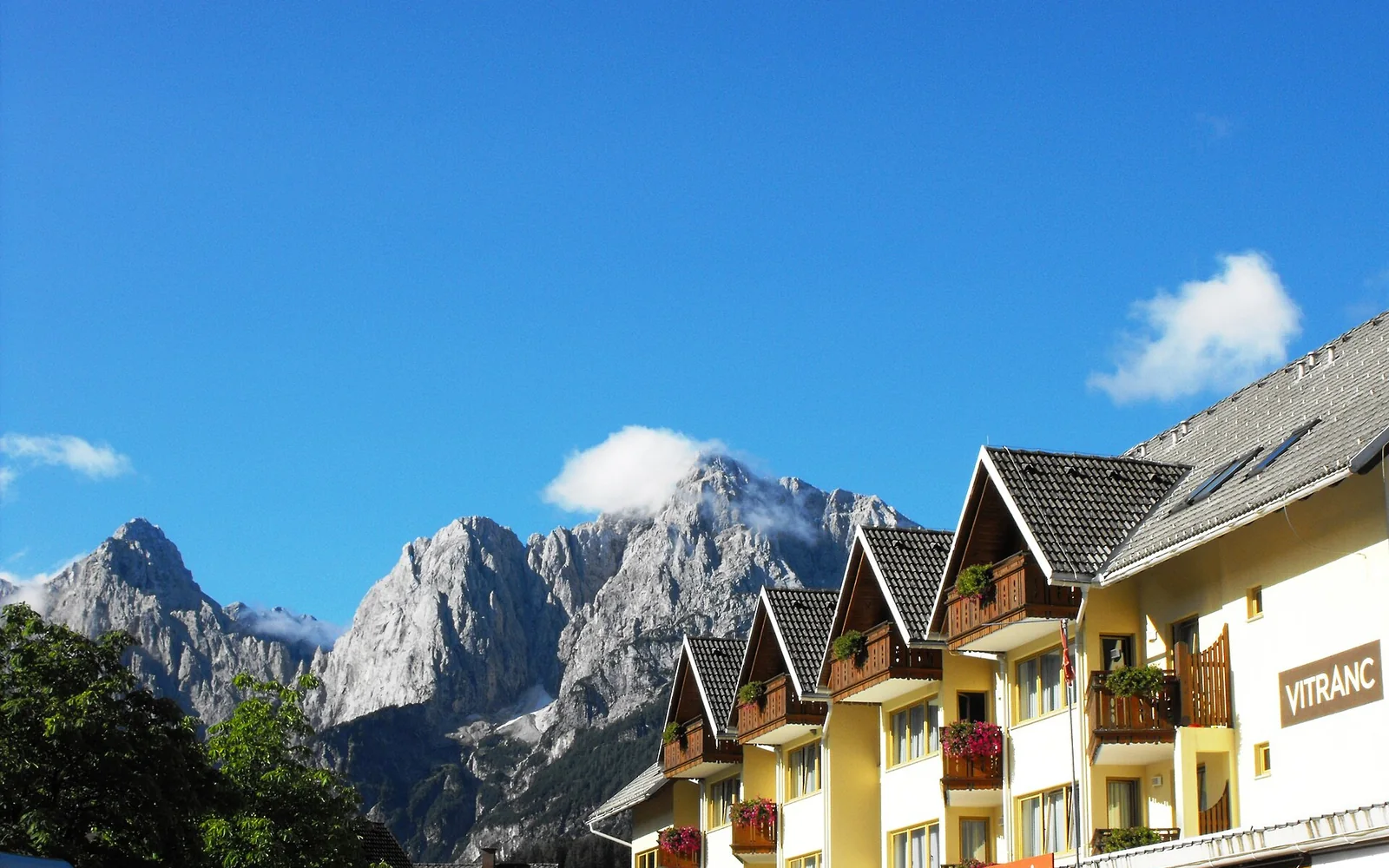
Kranjska Gora
Kranjska Gora is a year-round mountain town near Lake Jasna, Zelenci and the northern edge of Triglav National Park.
Best for: Heritage, Walking, Local TravelParks and natural areas
Nature destinations
Bled and Lake Bled
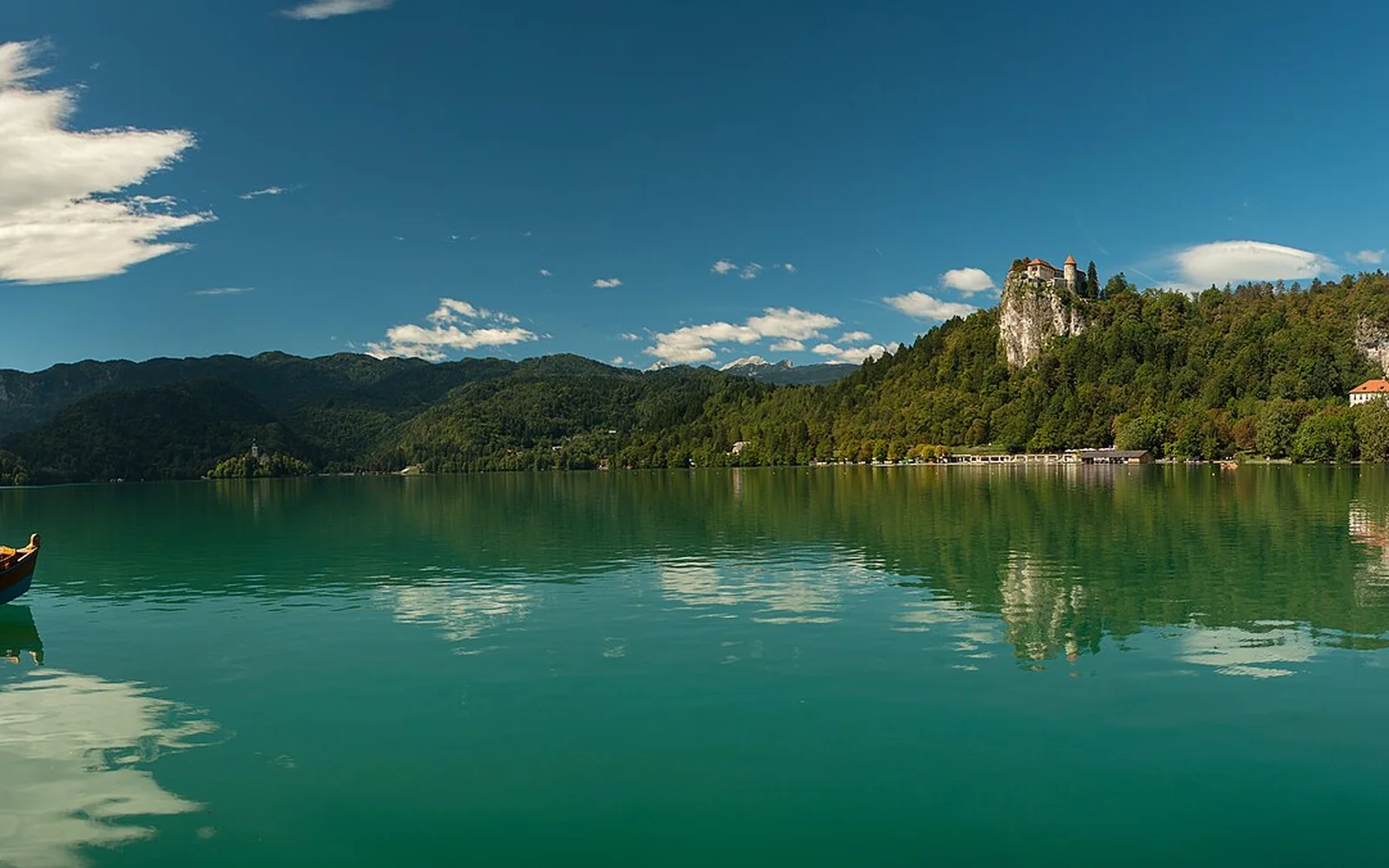
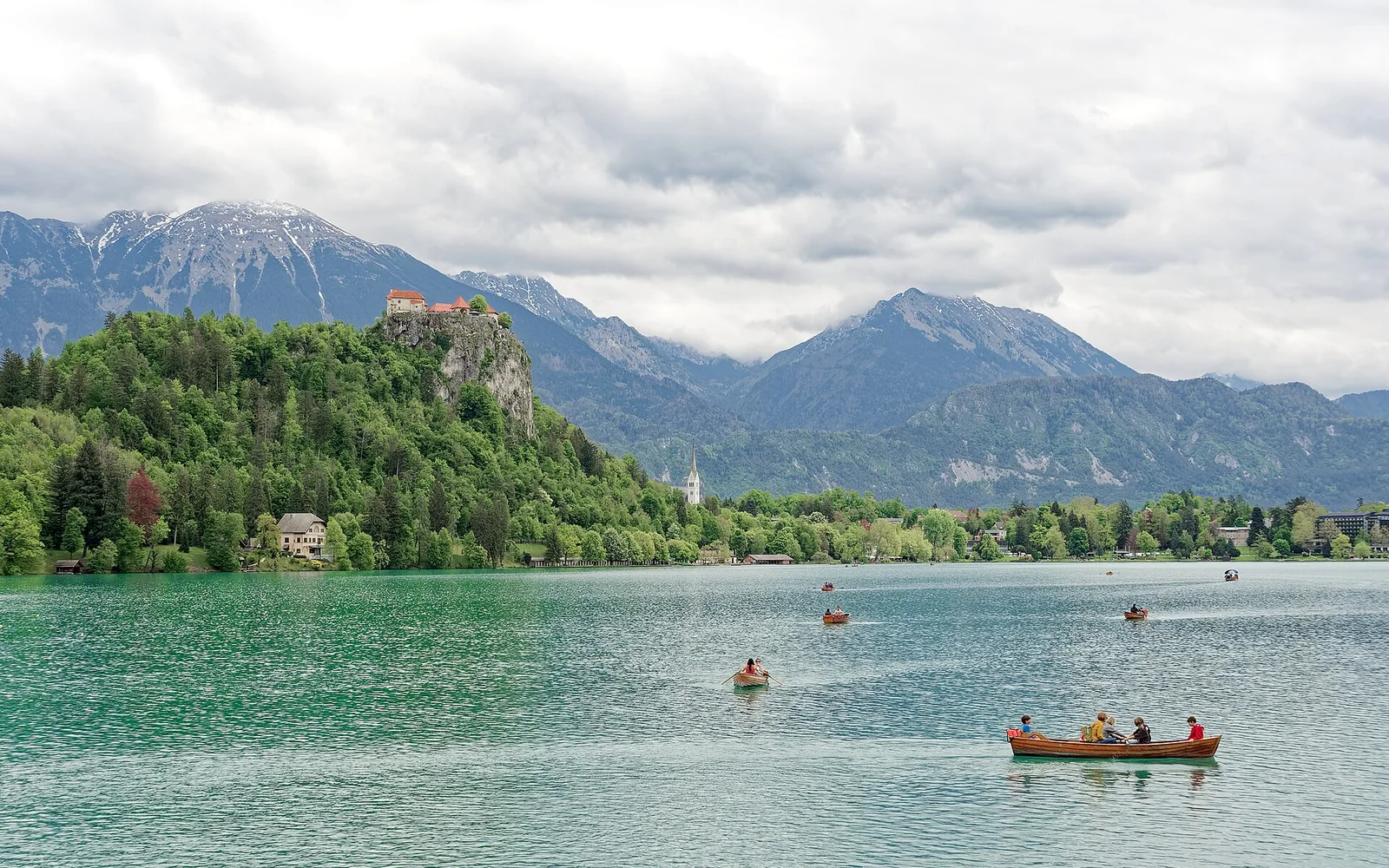
Lake Bled combines an island church, cliff-top castle and Alpine backdrop with a complete shore walk and busy visitor infrastructure.
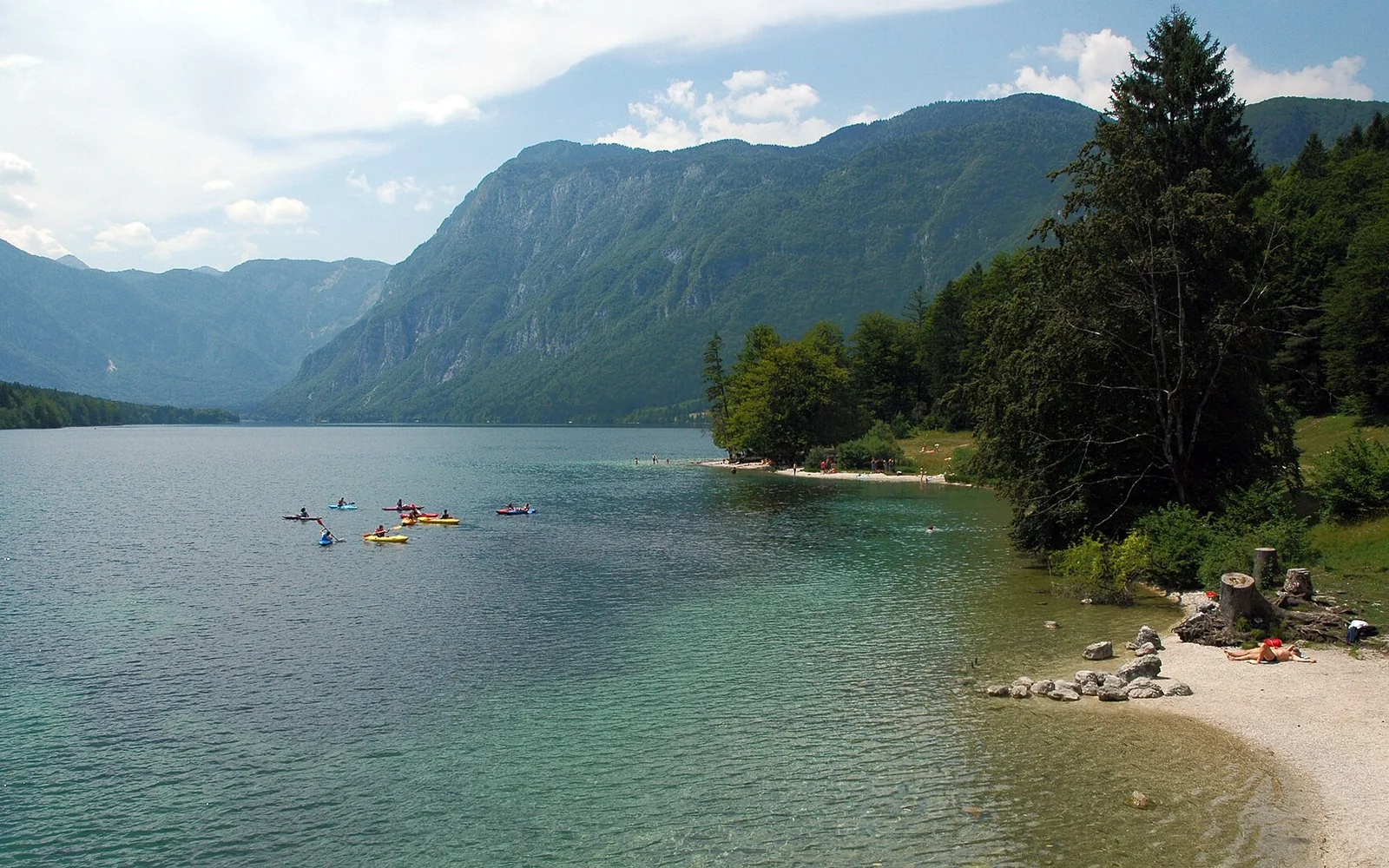
Bohinj and Lake Bohinj
Bohinj spreads around Slovenia’s largest natural lake and several villages at the edge of Triglav National Park.
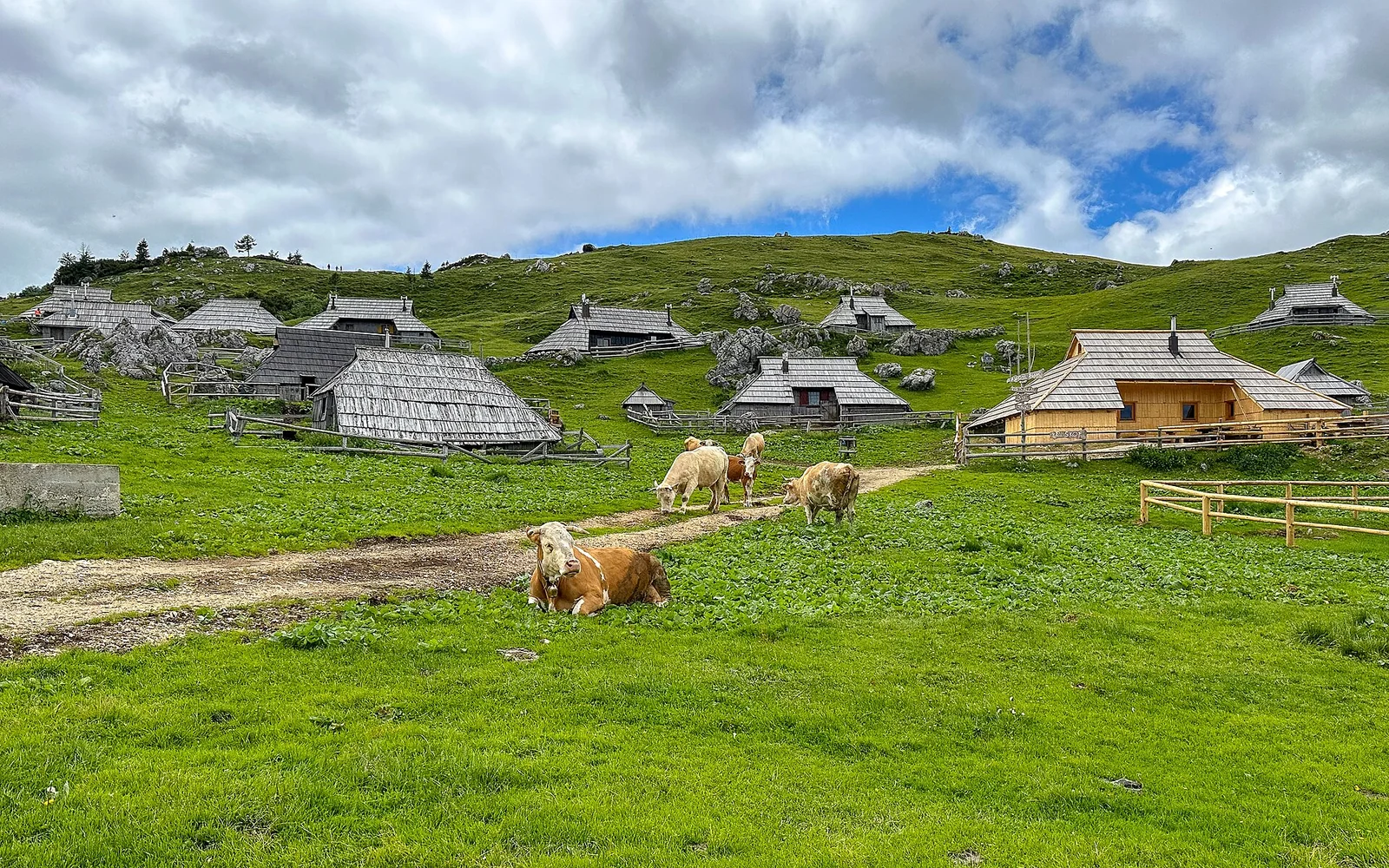
Kamnik and Velika Planina
Kamnik is a small historic town below the Kamnik-Savinja Alps, while Velika Planina is a high pastoral plateau reached by cableway and trails.
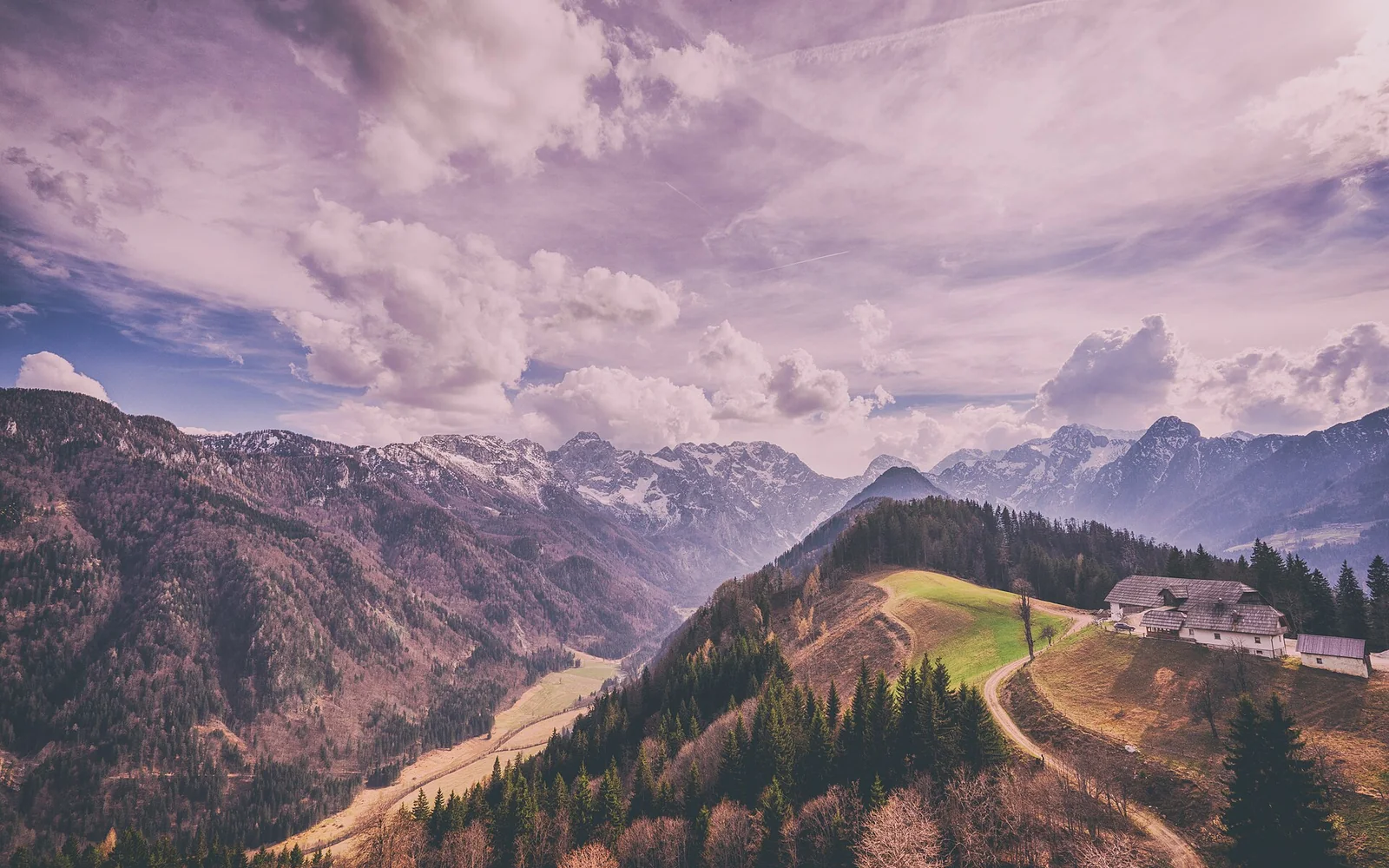
Logar Valley
Logar Valley is a protected glacial valley of farms, meadows and mountain walls in the Kamnik-Savinja Alps.
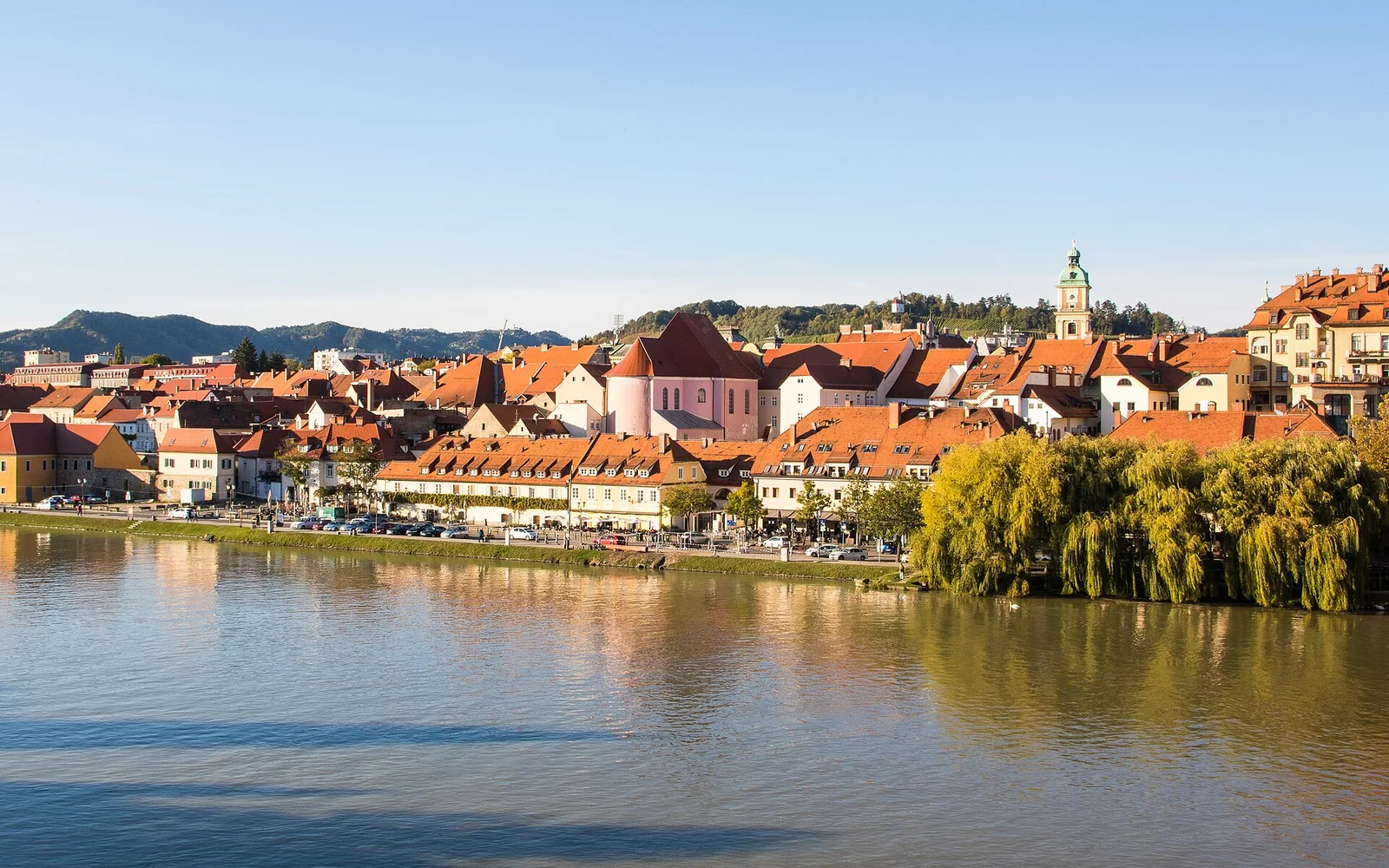
Maribor and Pohorje
Maribor pairs a Drava-side university city with the forested Pohorje hills, reached from the southern edge of town.
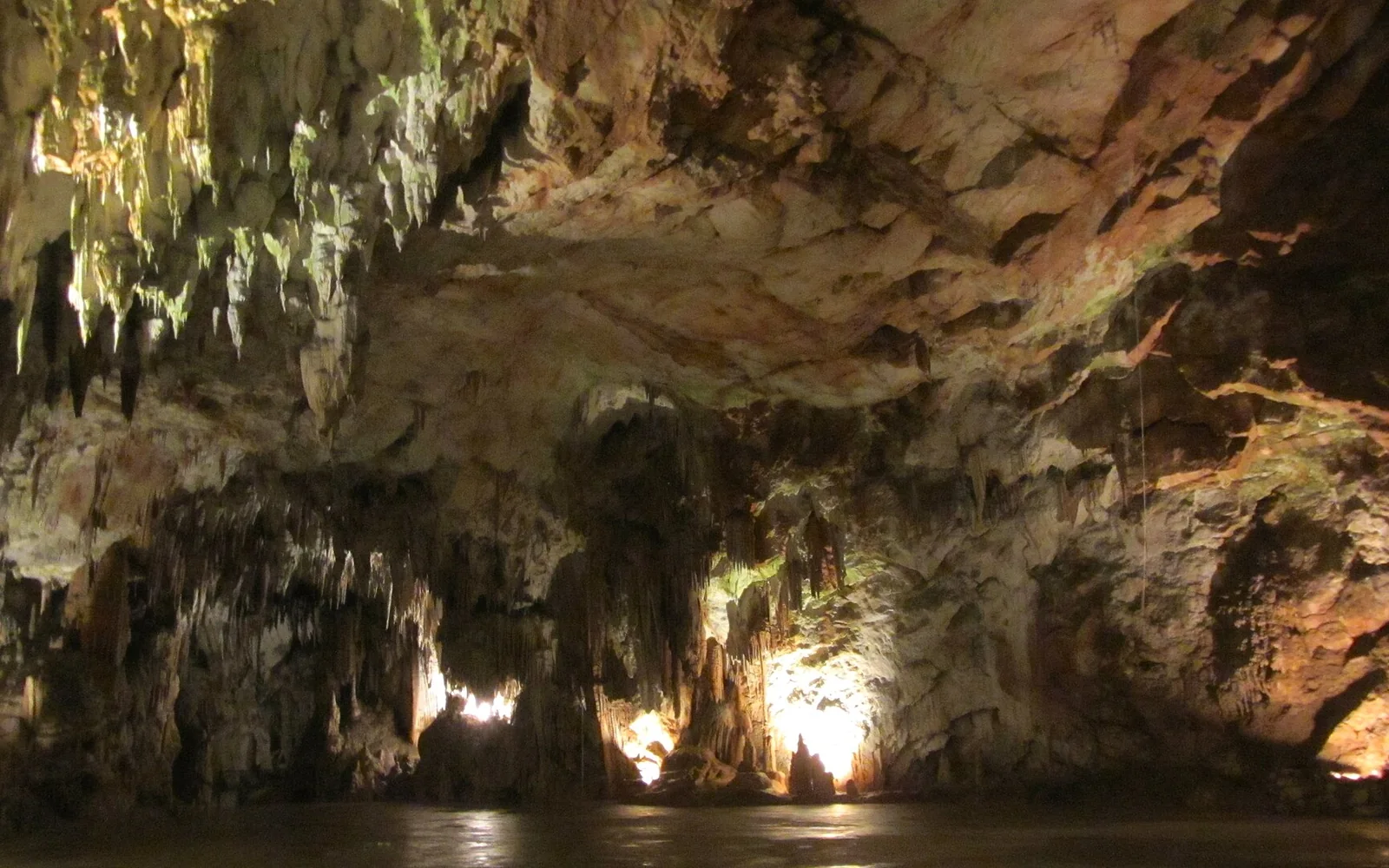
Postojna Cave and Predjama Castle
Postojna pairs a large managed cave tour with Predjama Castle, which stands in a cliff about nine kilometres away.
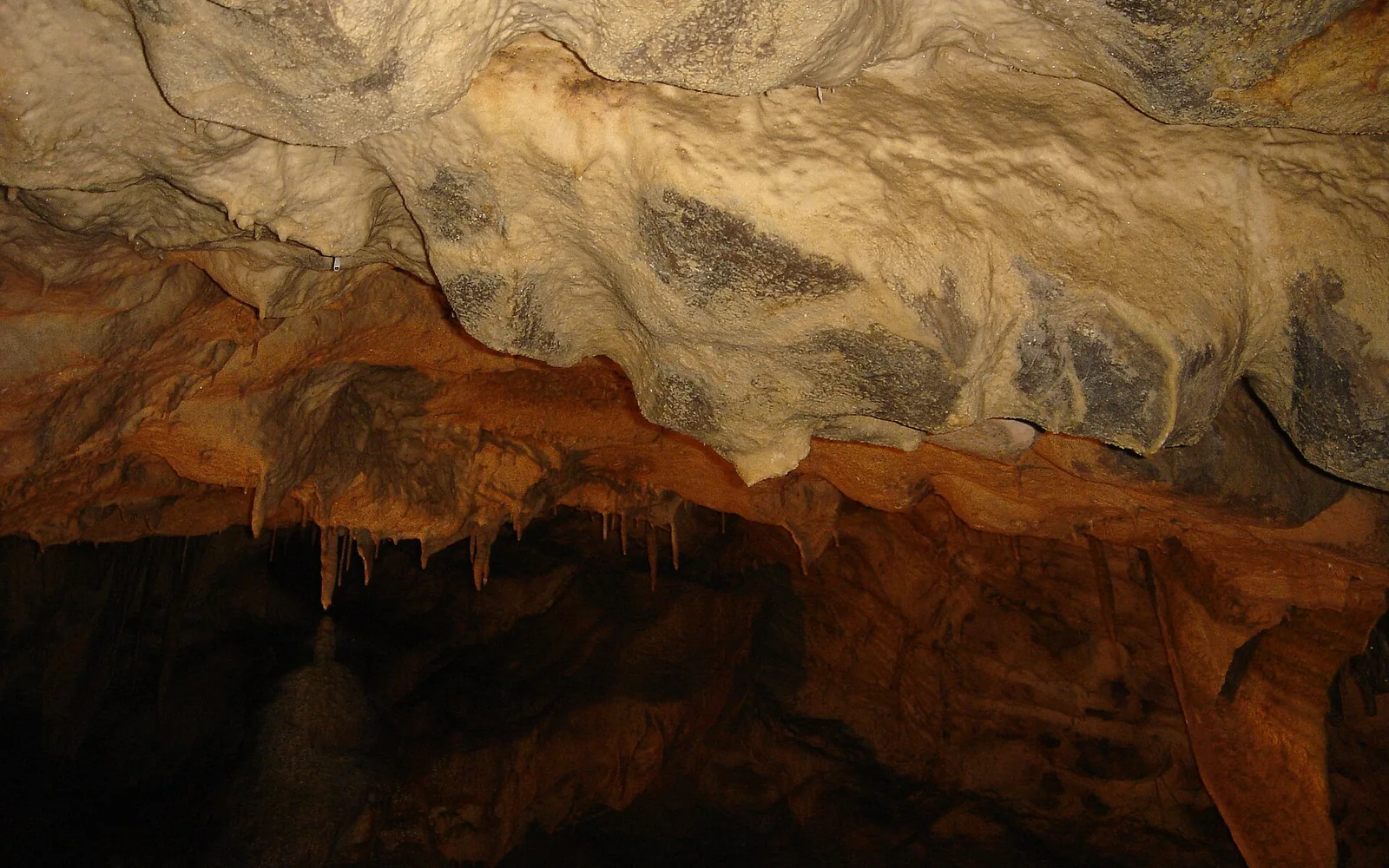
Škocjan Caves
Škocjan Caves protect a vast underground canyon and surrounding karst landscape on Slovenia’s UNESCO World Heritage list.
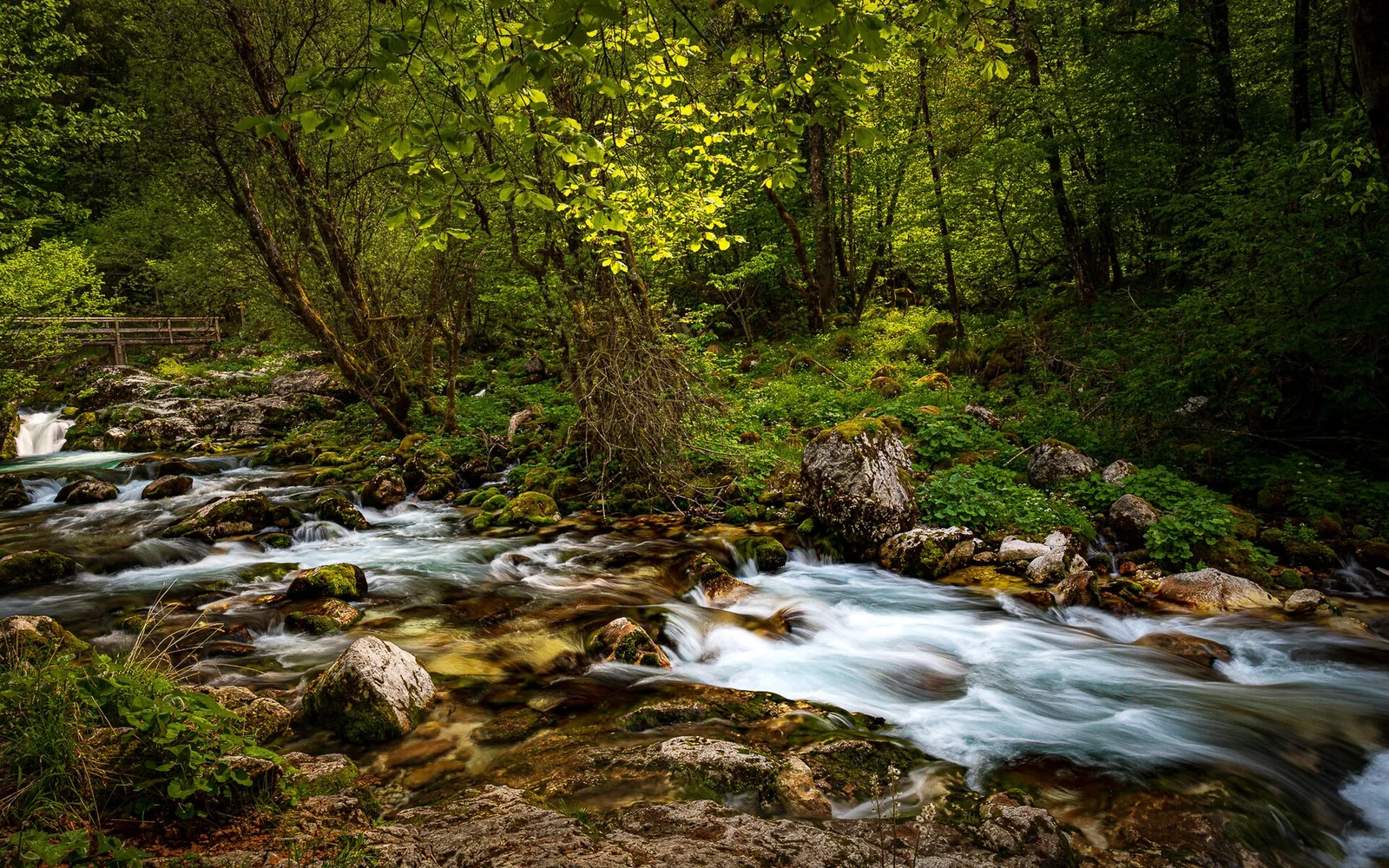
Soča Valley
The Soča Valley follows a clear turquoise river through the Julian Alps, linking Bovec, Kobarid and Tolmin with very different trip styles.
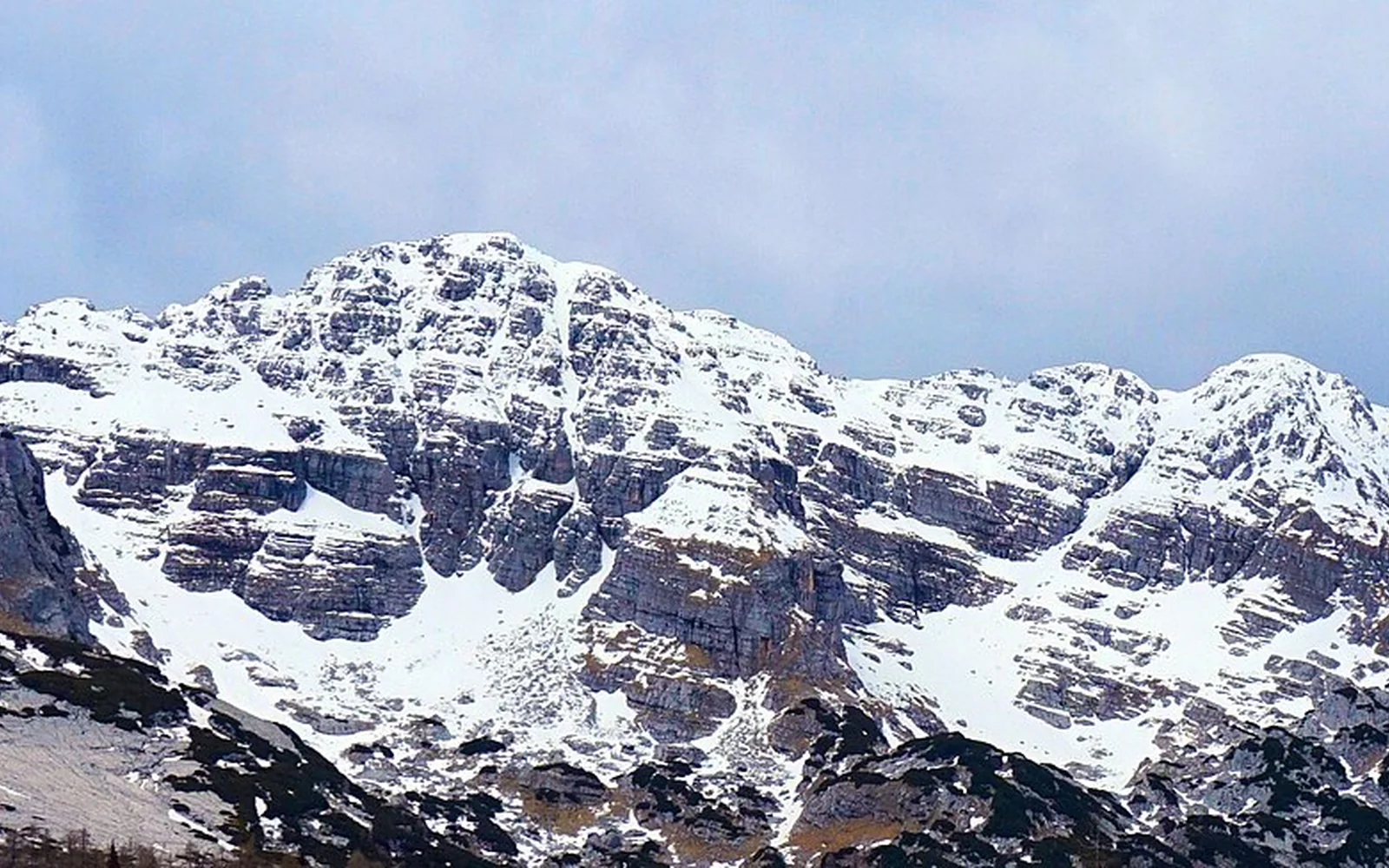
Triglav National Park
Slovenia’s only national park covers most of the eastern Julian Alps, including high peaks, settled valleys and major lake landscapes.
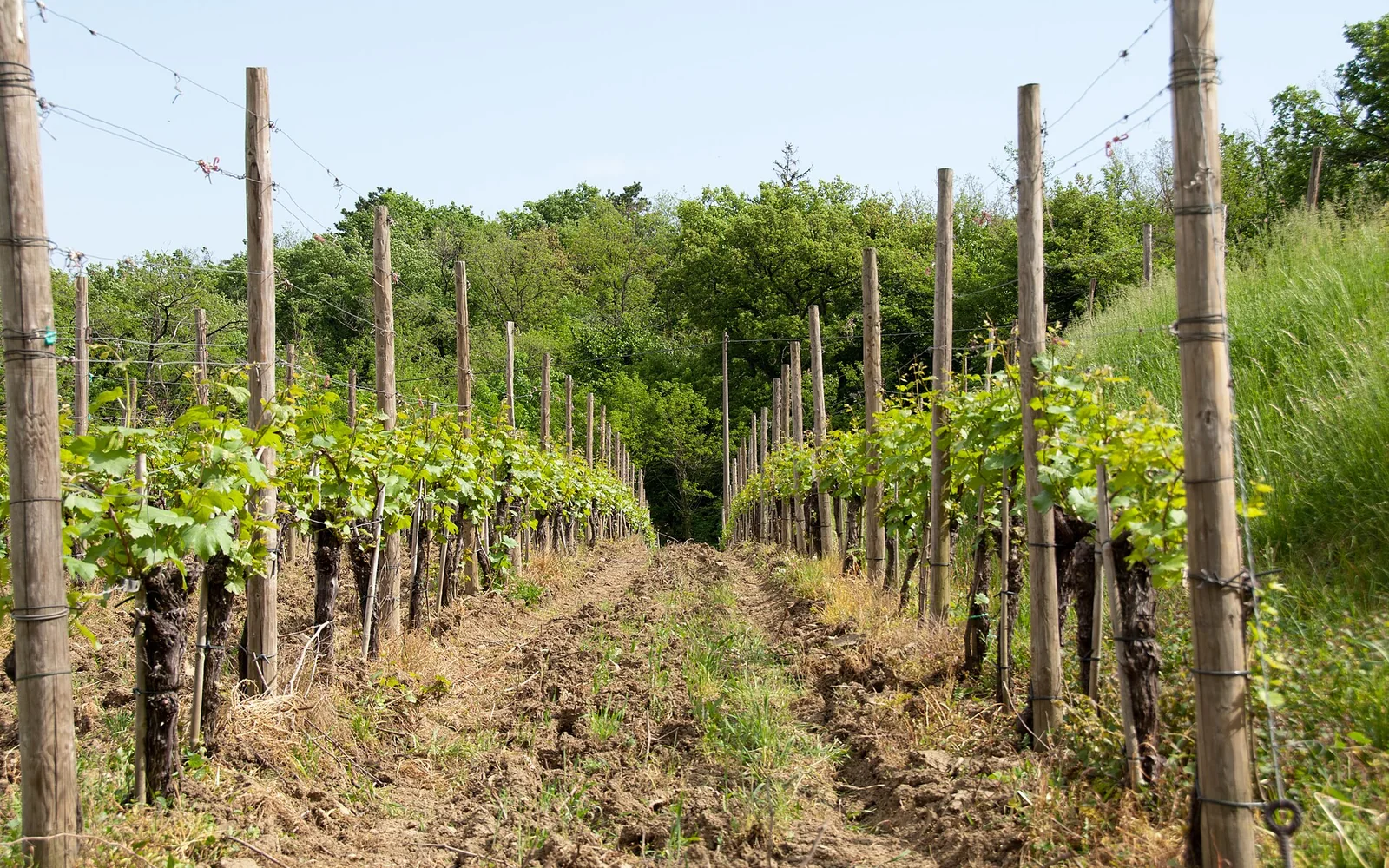
Vipava Valley
The Vipava Valley runs between karst plateaus and green hills, with small towns, vineyards, orchards and a strong seasonal food culture.
Find places by area
Browse places by region
Alpine Slovenia Bled and Lake Bled, Bohinj and Lake Bohinj, Bovec, Kranjska Gora, Logar Valley, Maribor and Pohorje, Radovljica, Soča Valley, Triglav National Park
Ljubljana and Central Slovenia Idrija, Kamnik and Velika Planina, Ljubljana, Novo Mesto, Škofja Loka
Mediterranean and Karst Slovenia Izola, Koper, Lipica, Piran, Portorož, Postojna Cave and Predjama Castle, Vipava Valley, Škocjan Caves
Thermal Pannonian Slovenia Celje, Podčetrtek and Olimia, Ptuj
Plan a day out
Day trips and experiences
Lake Bled day trip from Ljubljana
A complete Lake Bled day combines the shore circuit with either the castle or an island boat, not every nearby attraction.
Match the route to your time
Choose a trip length
Ljubljana and one landscape
Give Ljubljana a full day, then stay at Bled or Bohinj for two or three nights. A cave or coast excursion can replace, but should not be added to, an already full short route. Keep one rain option.
Capital, Alps and coast
Combine Ljubljana with Bled or Bohinj, then choose the Soča Valley or Piran. Three bases cover the main contrasts while leaving a weather alternative for the mountain section. Check the cross-mountain transfer carefully before booking.
A slower Slovenian circuit
Link the Julian Alps, Soča Valley, Karst and coast before returning through Ljubljana or the east. Keep cave tickets and mountain days flexible, and avoid changing bases for very short distances. Use one base for each wider region.
Ready-made routes
Suggested itineraries
Ljubljana, Bled, Bohinj and Piran in 9 days
A nine-day Slovenia route linking Ljubljana, Lake Bled, Lake Bohinj and Piran with realistic bus connections and weather choices.
- Main stops
- Ljubljana, Bled and Lake Bled, Bohinj and Lake Bohinj, Piran
- Transport
- Coach
- Best suited to
- Travellers who want a small capital, two distinct Alpine lake stays and a short Adriatic finish without driving.
- Main trade-off
- The Bohinj to Piran public-transport transfer is long for Slovenia and removes most of one sightseeing day.
Transport choices
Getting around Slovenia
Buses provide many of the useful links from Ljubljana to Bled, Bohinj, the coast and mountain gateways. Trains suit selected corridors but do not always follow the most direct tourist route. A car makes the Soča Valley, Karst and dispersed rural stays easier. Road vignettes, parking and seasonal mountain conditions need attention, and summer services should be checked for the exact date.
Buses
Use dated timetables for the exact stop and season. Popular Alpine services can be busy, while a route that appears direct in summer may require a change at another time.
Trains
Rail works well on several city corridors and can be part of a scenic route. Compare it with the bus before booking because stations may sit away from the intended lake or coast base.
Mountain and valley access
Choose the trail or activity first, then confirm the gateway and return. The Julian Alps and Soča Valley are close geographically but mountain roads and limited services can make transfers slow.
Driving
A car offers the easiest flexible circuit outside Ljubljana. Buy the correct motorway vignette, check parking at popular natural sites, and allow for seasonal restrictions on mountain roads.
Month-by-month planning
When to visit
Slovenia’s Alpine, continental and coastal areas can have different conditions on the same day, so each route needs a regional forecast.
Plan fewer hotel changes
Where to base your trip
Ljubljana
Best for arrival and central trips.
Bohinj and Lake Bohinj
Best for a slower Alpine stay.
Piran
Best for a short coast section.
Before you travel
Practical facts
- Currency
- Euro
- Main transport
- Bus, rail and selective driving
- Driving side
- Right
- Emergency number
- 112
- Main languages
- Slovenian, with protected Italian and Hungarian minority languages
- Time zone
- Central European Time, with summer time
- Plug type
- Type C and F
- EU status
- EU member
- Schengen status
- Schengen member
Avoid the common route problems
Planning checks
Do not judge journeys by distance alone
Mountains and indirect public transport make some short-looking routes slow. Check the actual timetable or driving route before placing Bohinj, the Soča Valley and the coast into consecutive day trips. A regional overnight may save several hours.
Reserve major caves officially
Postojna and Škocjan use organised access and can be busy. Check the official visit format and time, arrive with a margin, and do not assume every cave section is open independently. Bring clothing suitable for the cave temperature.
Keep one poor-weather option
Mountain visibility and trail conditions can change the value of an Alpine day. Hold Ljubljana, a museum, a cave or a lower valley route as a practical alternative instead of forcing a high plan. Recheck conditions early on the planned day.
Compare Alpine, Karst and coastal routes
See Slovenia travel bases by route
Loading the map…
Choose a group to compare useful bases. The map does not confirm a live route or timetable.
Choose between two places
A useful destination comparison
Austria or Slovenia for an Alpine trip?
Choose Austria for larger cities and a rail-led route. Choose Slovenia for compact distances and a trip centred more closely on lakes, mountains and coast.
Cross-border planning
Countries to combine carefully
Austria
Ljubljana and northern Slovenia can pair with Graz, Vienna or an Austrian Alpine base.
- Likely transport
- Rail, bus or car depending on the corridor
- Minimum sensible time
- At least 9 days across both countries
- Main limitation
- Mountain and cross-border services need date-specific checks.
Italy
The Karst, Trieste and Venice can form a compact east-to-west route.
- Likely transport
- Bus and rail
- Minimum sensible time
- At least 9 days across both countries
- Main limitation
- Protect the final connection and avoid adding central or southern Italy.
Croatia
Istria or Zagreb can follow Ljubljana without crossing the whole Adriatic coast.
- Likely transport
- Bus, rail or car
- Minimum sensible time
- At least 9 days across both countries
- Main limitation
- Dubrovnik is too distant for a short Slovenia extension.
Quick answers
Planning questions
Can I visit without a car?
Yes for Ljubljana, the lakes, major caves and coast with careful planning.
Should I stay at Bled or Bohinj?
Bled has more services. Bohinj suits a quieter nature stay.
How many days do I need?
Seven to nine days allow the capital, one Alpine base and a cave or coast section.
What is a sensible first route through Slovenia?
Ljubljana, one Alpine base and the Karst. Combine the capital, one Alpine base and the Karst or coast.
What should I confirm before booking a trip to Slovenia?
Check mountain weather and trail conditions. Do not combine Bled, Bohinj and a long hike casually.
How this guide is checked
Sources and review
Reviewed 3 September 2026, next review due 3 March 2027. Transport, access, prices and seasonal services can change, so check the official source before booking.
- Official Slovenia travel information, Slovenian Tourist Board
- Slovenian rail timetable and travel updates, Slovenian Railways
- Postojna Cave and Predjama Castle visitor information, Postojna Cave Park
- Triglav National Park visitor information, Triglav National Park
Continue planning
More places in Slovenia
Browse the full destination list when the curated starting points do not match your route.