
Late spring and September suit the broadest mix of cities, lakes and lower mountain routes. Summer opens more Alpine services but brings heavier demand, while winter requires a clear choice between urban, spa and snow plans.
January to March in Slovenia
January: Ljubljana, spa stays and established ski areas suit a winter trip. Daylight is short, and snow or ice closes many high routes. Check resort lifts, road conditions and the last local bus.
February: Snow sports and quiet city breaks remain practical. Lowland snow varies, while mountain hazards continue at altitude. Use official avalanche, weather and resort information.
March: Ljubljana, the coast and lower walks begin to open up. Mud, rain and lingering mountain snow make conditions uneven. Choose lower routes unless current reports support higher ground.
April to June in Slovenia
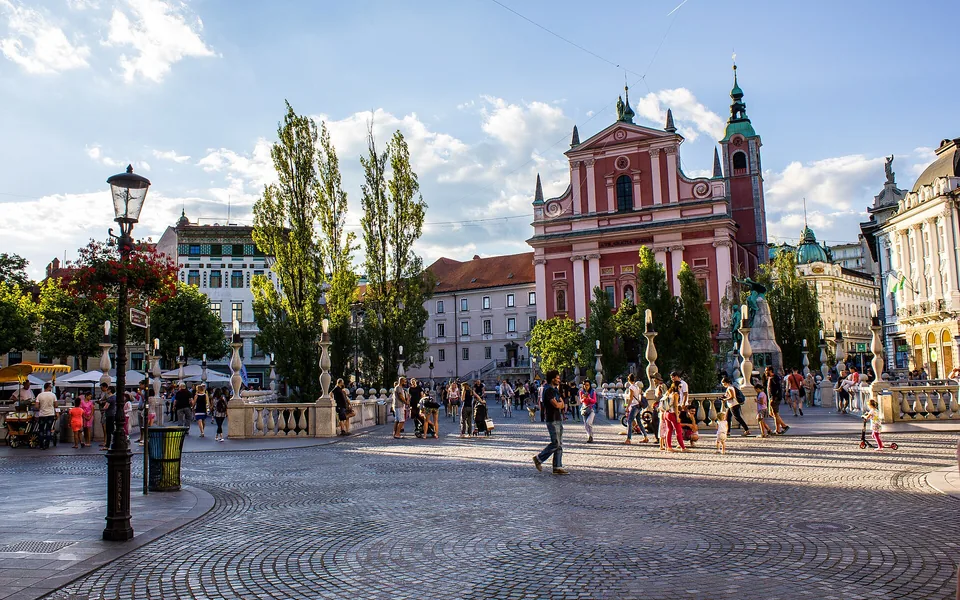
April: Spring cities, the Karst and valley touring are strong choices. Snowmelt and rain affect paths, gorges and rivers. Confirm gorge openings, trail conditions and holiday transport.
May: Lakes, the coast and lower mountain walks combine well. Higher trails can retain snow and thunderstorms are possible. Check the elevation and weather of every planned walk.
June: Long hiking days, lakes and the Soča Valley have broad appeal. Afternoon storms can interrupt mountain and water activities. Start exposed routes early and verify the final valley transport.
July to September in Slovenia
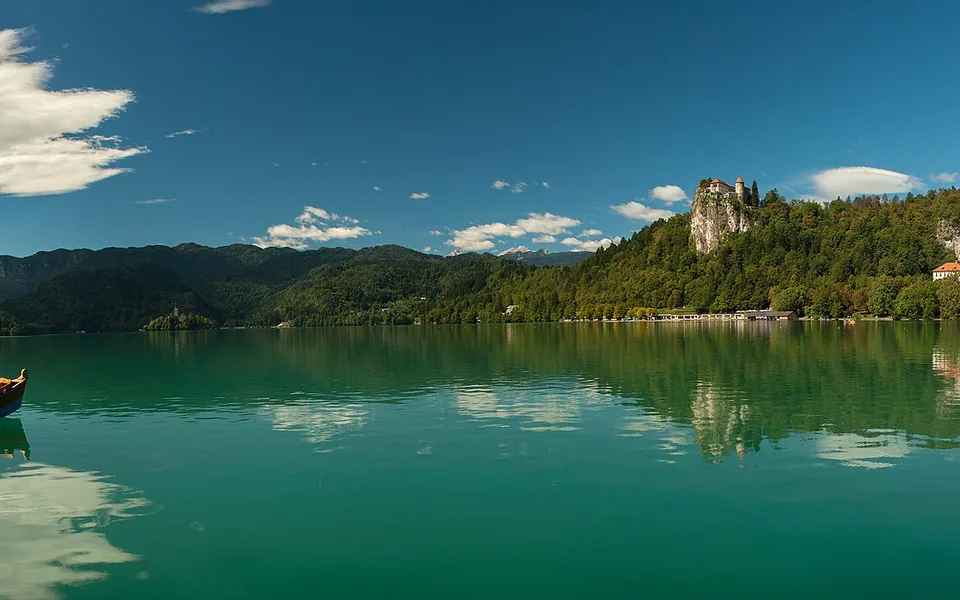
July: Alpine hiking, rivers and outdoor activities have their widest range. Heat, thunderstorms and crowded lakes reduce flexibility. Check trail, parking and shuttle information before departure.
August: Mountains, swimming areas and the coast support full outdoor trips. Storms, heat and busy trailheads can force shorter routes. Reserve route-critical transport and keep a lower-level alternative.
September: Lakes, hiking, vineyards and the coast still combine well. Nights cool quickly and some seasonal timetables begin to contract. Confirm lift, shuttle and hut closing dates.
October to December in Slovenia
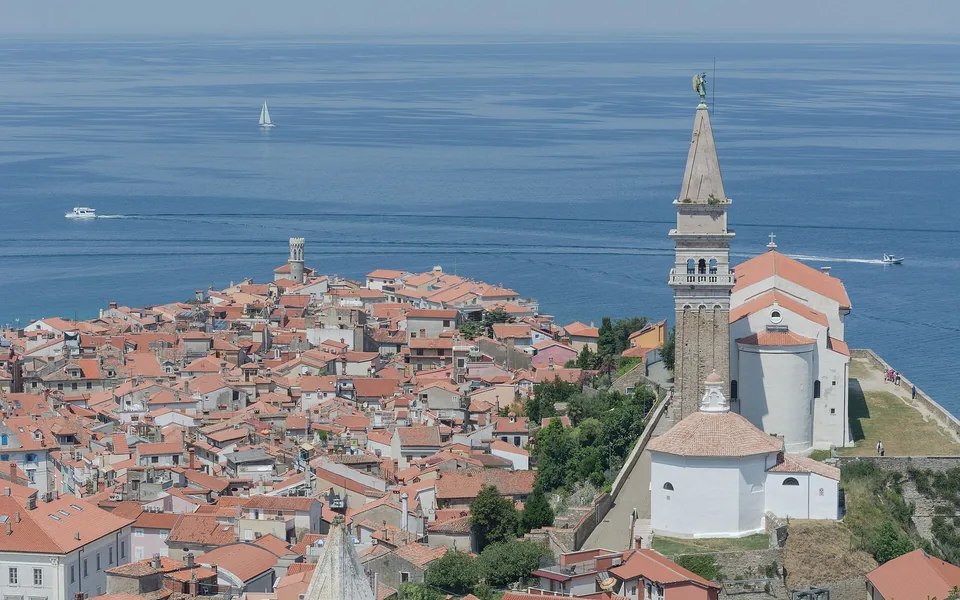
October: Autumn colour, Ljubljana, the Karst and wine areas suit slower travel. Early snow can reach high routes and daylight becomes limited. Use low routes unless the current mountain report is favourable.
November: Ljubljana, museums and spa towns remain dependable. Fog, rain and limited mountain access reduce outdoor range. Check reduced attraction hours and regional services.
December: Ljubljana lights, spa stays and winter resorts support separate trips. Short daylight and winter weather require more travel margin. Confirm festive dates, lift operation and holiday timetables.
Match the month to a Slovenia route
Month-by-month guide
| Month | Good for | Main limitations | Crowds | Transport or access |
|---|---|---|---|---|
| January | Ljubljana, spa stays and established ski areas suit a winter trip. | Daylight is short, and snow or ice closes many high routes. | Demand rises in snow resorts and around holidays. | Check resort lifts, road conditions and the last local bus. |
| February | Snow sports and quiet city breaks remain practical. | Lowland snow varies, while mountain hazards continue at altitude. | School holidays create busy periods in ski areas. | Use official avalanche, weather and resort information. |
| March | Ljubljana, the coast and lower walks begin to open up. | Mud, rain and lingering mountain snow make conditions uneven. | Most places remain calm outside holidays. | Choose lower routes unless current reports support higher ground. |
| April | Spring cities, the Karst and valley touring are strong choices. | Snowmelt and rain affect paths, gorges and rivers. | Easter can raise demand in Ljubljana and Bled. | Confirm gorge openings, trail conditions and holiday transport. |
| May | Lakes, the coast and lower mountain walks combine well. | Higher trails can retain snow and thunderstorms are possible. | Long weekends bring short peaks at Bled and the coast. | Check the elevation and weather of every planned walk. |
| June | Long hiking days, lakes and the Soča Valley have broad appeal. | Afternoon storms can interrupt mountain and water activities. | Demand grows at the main Alpine bases. | Start exposed routes early and verify the final valley transport. |
| July | Alpine hiking, rivers and outdoor activities have their widest range. | Heat, thunderstorms and crowded lakes reduce flexibility. | Bled, Bohinj and the coast are busy. | Check trail, parking and shuttle information before departure. |
| August | Mountains, swimming areas and the coast support full outdoor trips. | Storms, heat and busy trailheads can force shorter routes. | This is a peak month in the Alps and on the Adriatic. | Reserve route-critical transport and keep a lower-level alternative. |
| September | Lakes, hiking, vineyards and the coast still combine well. | Nights cool quickly and some seasonal timetables begin to contract. | Demand eases after the first part of the month. | Confirm lift, shuttle and hut closing dates. |
| October | Autumn colour, Ljubljana, the Karst and wine areas suit slower travel. | Early snow can reach high routes and daylight becomes limited. | Most areas are quieter outside weekends. | Use low routes unless the current mountain report is favourable. |
| November | Ljubljana, museums and spa towns remain dependable. | Fog, rain and limited mountain access reduce outdoor range. | Demand is generally low. | Check reduced attraction hours and regional services. |
| December | Ljubljana lights, spa stays and winter resorts support separate trips. | Short daylight and winter weather require more travel margin. | Holiday events and snow resorts become busy. | Confirm festive dates, lift operation and holiday timetables. |