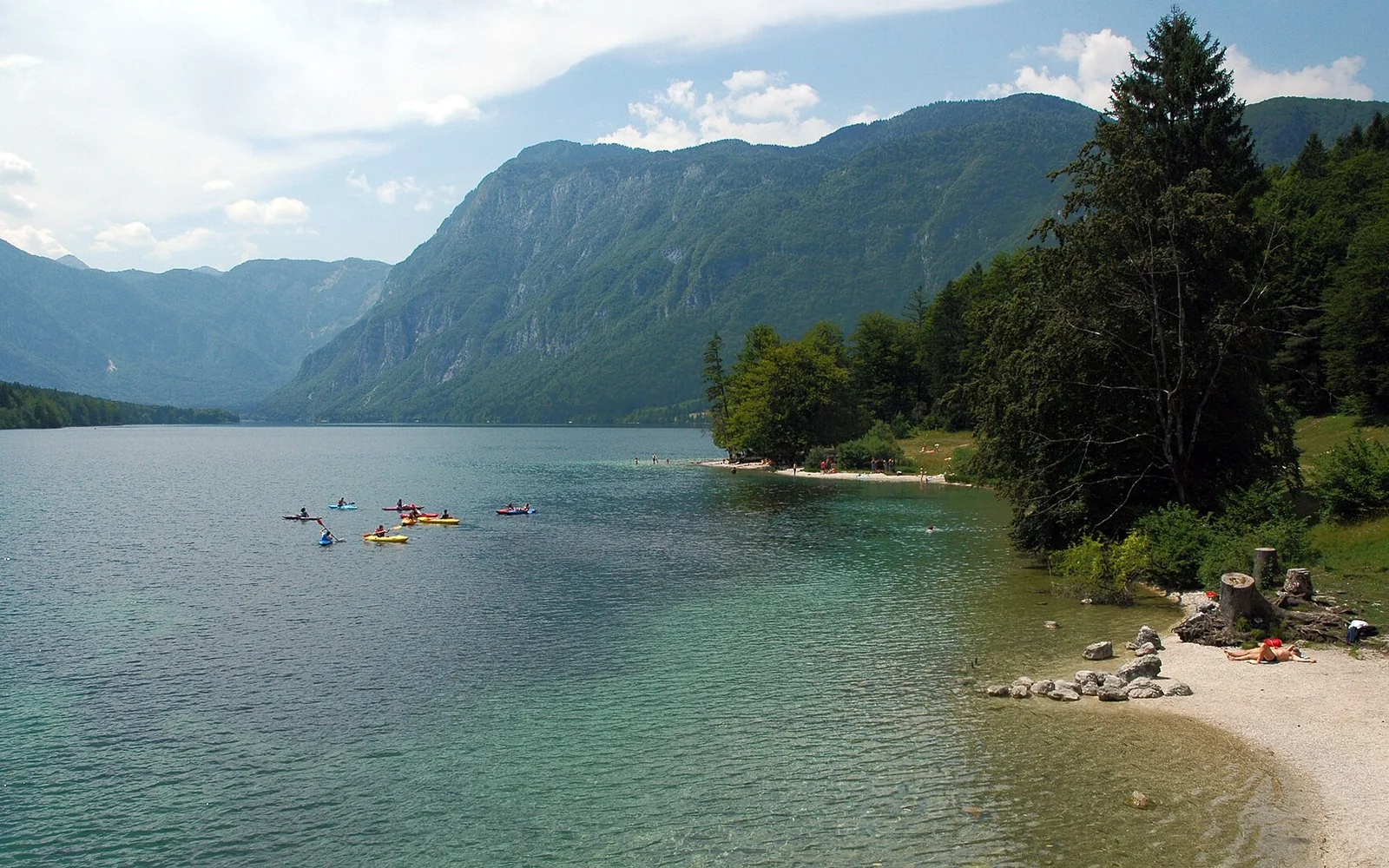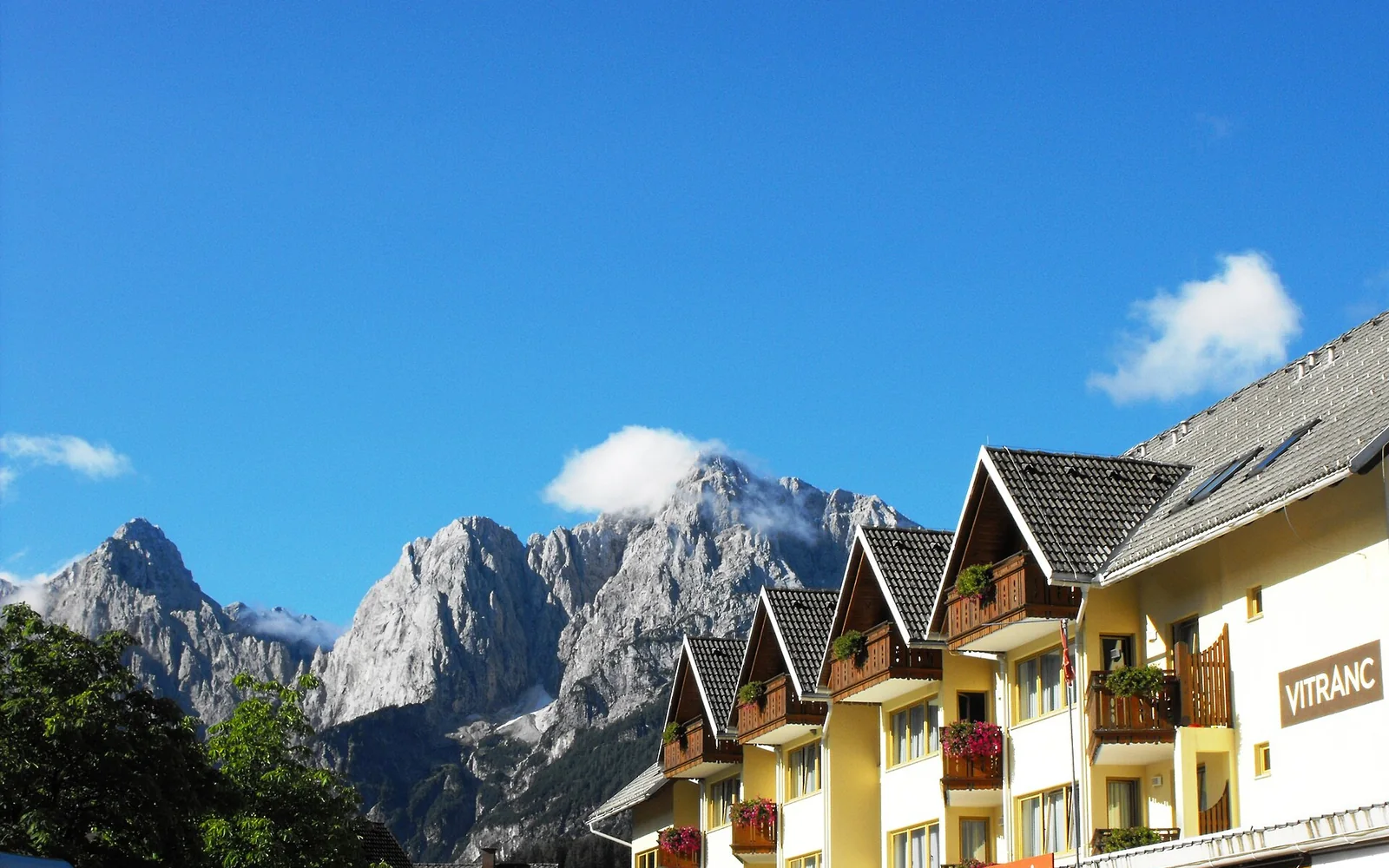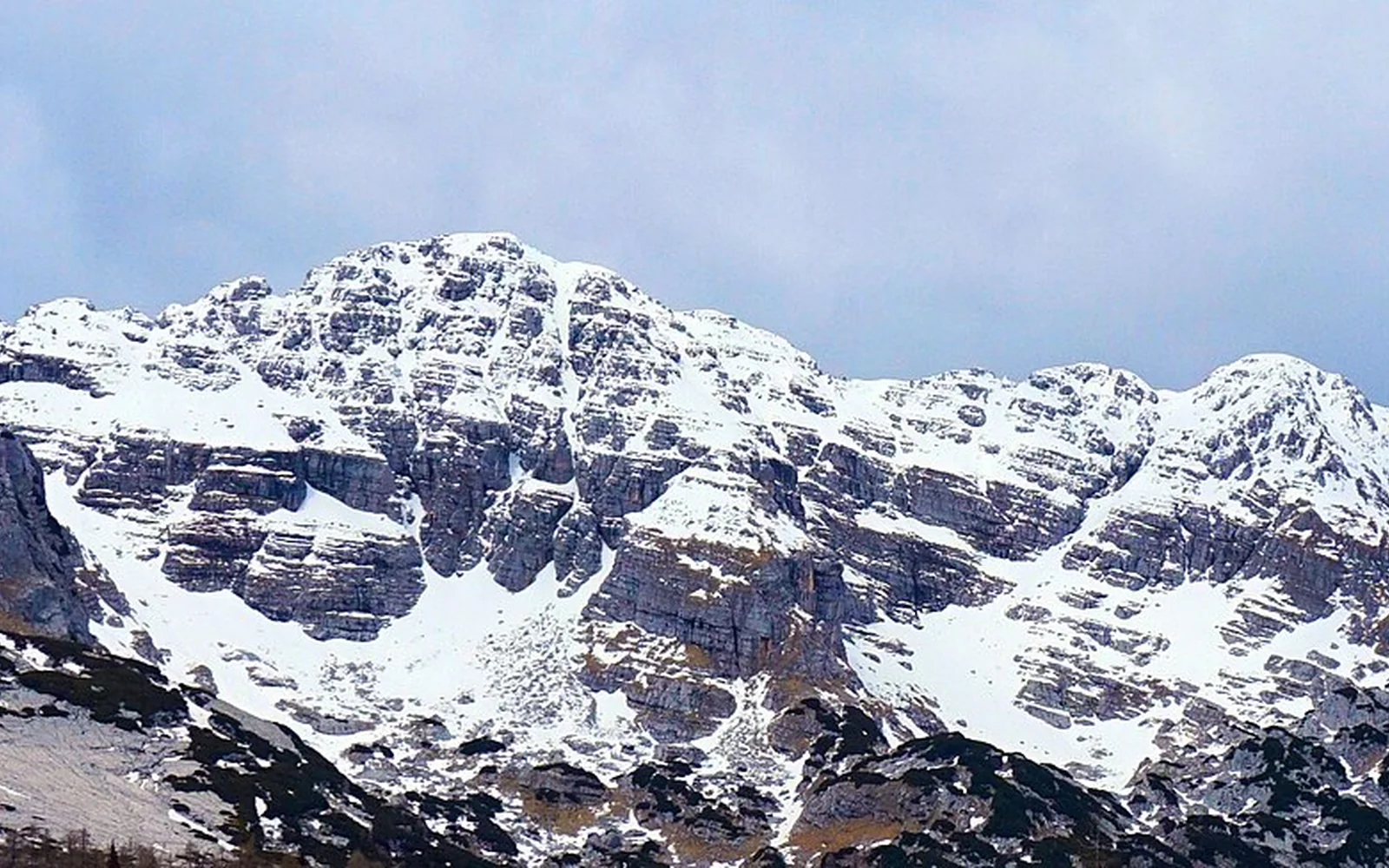
Triglav National Park is too large for a single base to cover well. Bohinj reaches its southern lake valleys, Kranjska Gora serves the north, and the Soča Valley approaches the western side.
Start with what makes Triglav National Park distinct
Triglav National Park is too large for a single base to cover well. Bohinj reaches its southern lake valleys, Kranjska Gora serves the north, and the Soča Valley approaches the western side.
Choose one gateway for a short stay. High routes need experience, equipment and current condition checks, while many visitors can enjoy lower valleys, lakes and interpretation centres.
Choose a gateway
Bohinj suits lake and waterfall days. Kranjska Gora works for northern valleys, and Bovec or Trenta gives access to the upper Soča landscape.
Check current conditions
Weather, damaged paths, snow and maintenance can change routes quickly. Use the park and Alpine Association notices shortly before departure.
Protect Triglav National Park
Stay on suitable paths, use official parking, carry waste out and respect quiet zones. Overnight stays and camping follow specific rules.
Build a realistic visit to Triglav National Park
Day 1: visit a park information centre and choose a lower-level route.
Day 2: explore a lake, gorge or valley suited to current conditions.
Day 3: take a longer marked walk only with the right forecast and equipment.
Day 4: keep as a weather buffer or transfer to a second gateway.
Arrive and move around Triglav National Park
There is no single park entrance. Buses and trains reach gateway towns, followed by local or seasonal services. Confirm the final return before starting a one-way walk.
Use gateway buses, summer shuttles, walking and cycling where suitable. Cars face parking controls and do not reach many protected routes.
Choose the right conditions for Triglav National Park
Summer offers the broadest access but afternoon storms and crowds. Autumn can be clear and cold. Winter and spring require snow and avalanche knowledge.
Some information centres, lakeside paths and valley viewpoints are accessible. Mountain trails vary widely. Ask the park for current low-barrier options.
Do not attempt Triglav or exposed routes as casual sightseeing. Huts can fill, mobile signal is unreliable and rescue does not replace preparation.
Continue from Triglav National Park
Bohinj, Bled, Kranjska Gora, Bovec and the Soča Valley are the main covered gateways. Each has a separate planning guide.
Continue planning
Questions about Triglav National Park
Do I need a ticket for Triglav National Park?
There is no general entry ticket, but parking, attractions, transport and individual sites can charge fees.
Can beginners visit the park?
Yes on suitable lake, valley and lower-level routes. High mountain paths need greater experience and equipment.
Can I camp anywhere in the park?
No. Camping and overnight stays follow park rules. Use designated accommodation and official guidance.
Sources and updates
This guide was last reviewed on 3 September 2026. Transport, access and opening arrangements can change, so check the official source before travel.
- Official Slovenia travel information, Slovenian Tourist Board
- Slovenian rail timetable and travel updates, Slovenian Railways
- Official Bohinj visitor information, Tourism Bohinj
- Official Soča Valley visitor information, Soča Valley Tourism
- Triglav National Park visitor information, Triglav National Park
Related places to consider
These guides can help you place Triglav National Park within a wider route.