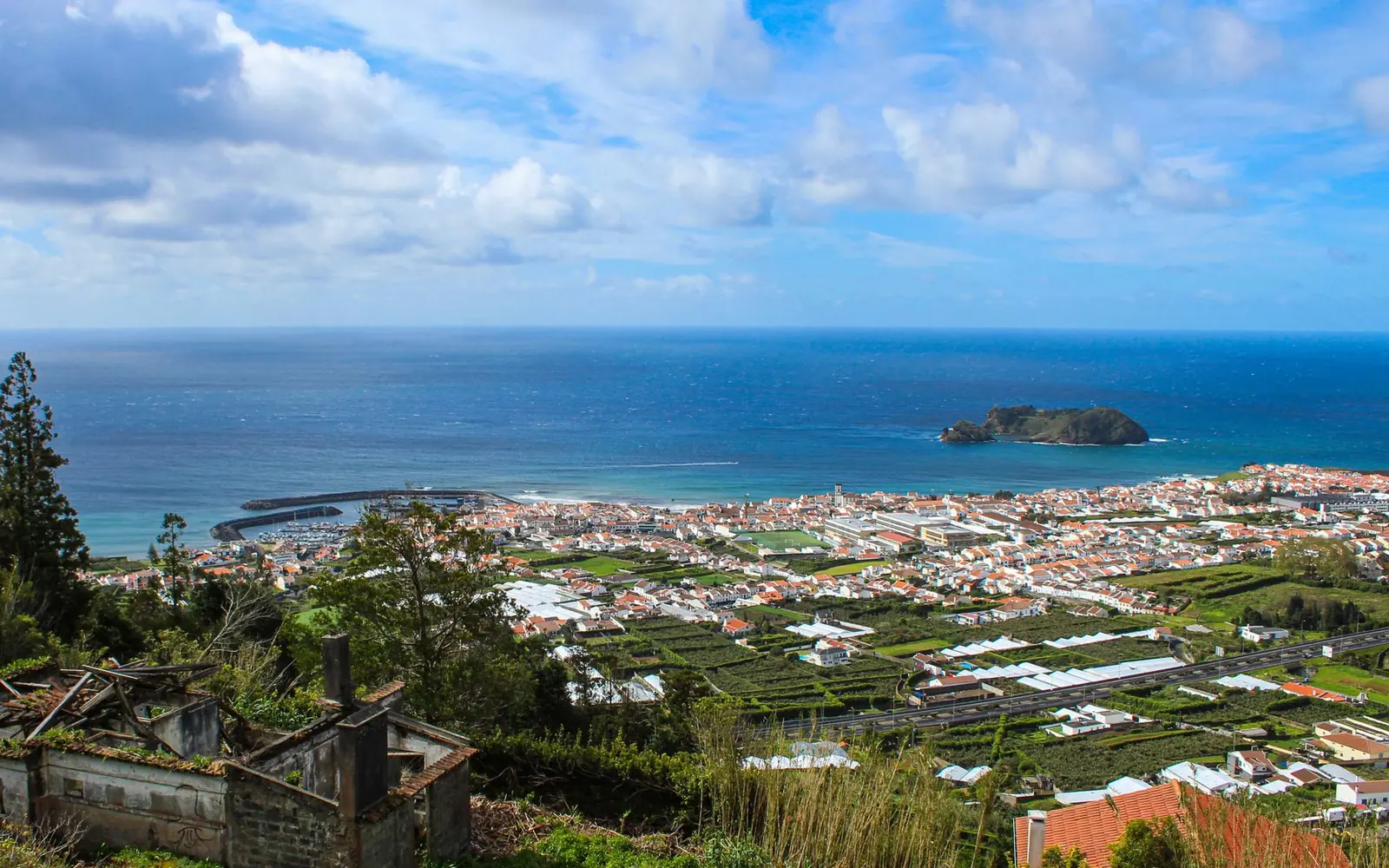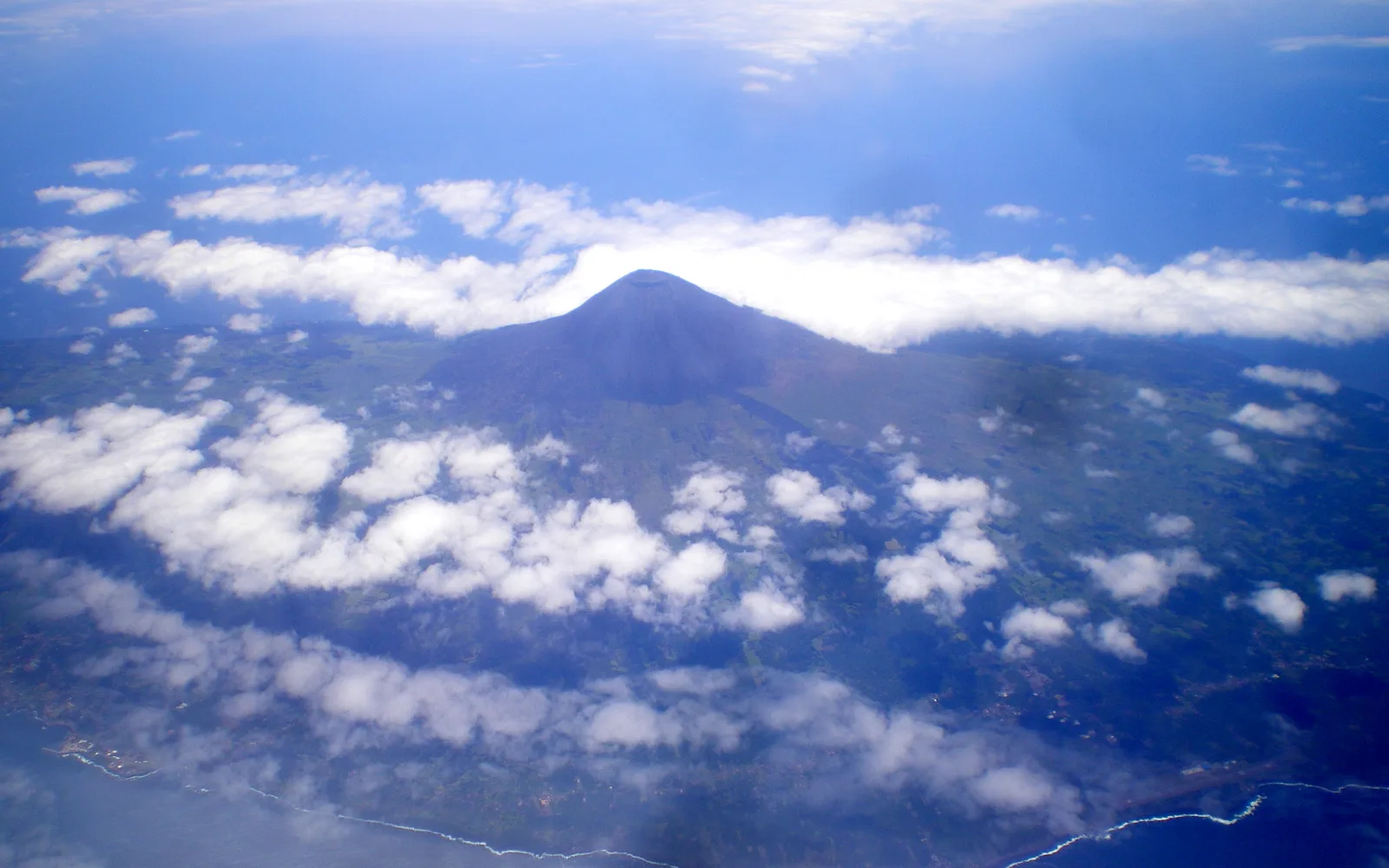
Pico is often reduced to its mountain, yet the island also holds a World Heritage vineyard landscape, lava fields, coastal villages and a strong maritime history around Lajes. The distances are substantial enough to require a route, while any mountain ascent must remain separate from an ordinary sightseeing day.
Decide whether to climb
Climbing Mount Pico is a demanding mountain activity, not a casual extension to an island drive. Registration, capacity controls, equipment, weather and current rules must be checked through official information. A guide may be appropriate even when it is not compulsory for a particular visit.
Keep the ascent day free of ferry connections, whale watching or a fixed flight. If conditions prevent the climb, use the time for the vineyard landscape or eastern coast rather than taking unsafe chances.
Read the vineyard landscape
West of the mountain, black lava walls divide small vineyard plots and protect vines from wind and salt. This cultural landscape is recognised by UNESCO and is best understood through selected walking areas, interpretation and nearby wine communities rather than a drive-by view alone.
Stay on public routes and marked paths. Working plots and stone structures are not general access land, and careless climbing can damage the walls.
Choose between island bases
Madalena is the ferry hub and the easiest base for links to Faial. Lajes do Pico is useful for the south coast and the island’s whaling history, while São Roque serves northern ferry and road connections. One base works for a shorter stay, but two can reduce repeated driving over four to six days.
Accommodation, vehicle supply and inter-island transport can tighten in summer. Reserve the elements that determine the route before filling in smaller stops.
Explore beyond the mountain
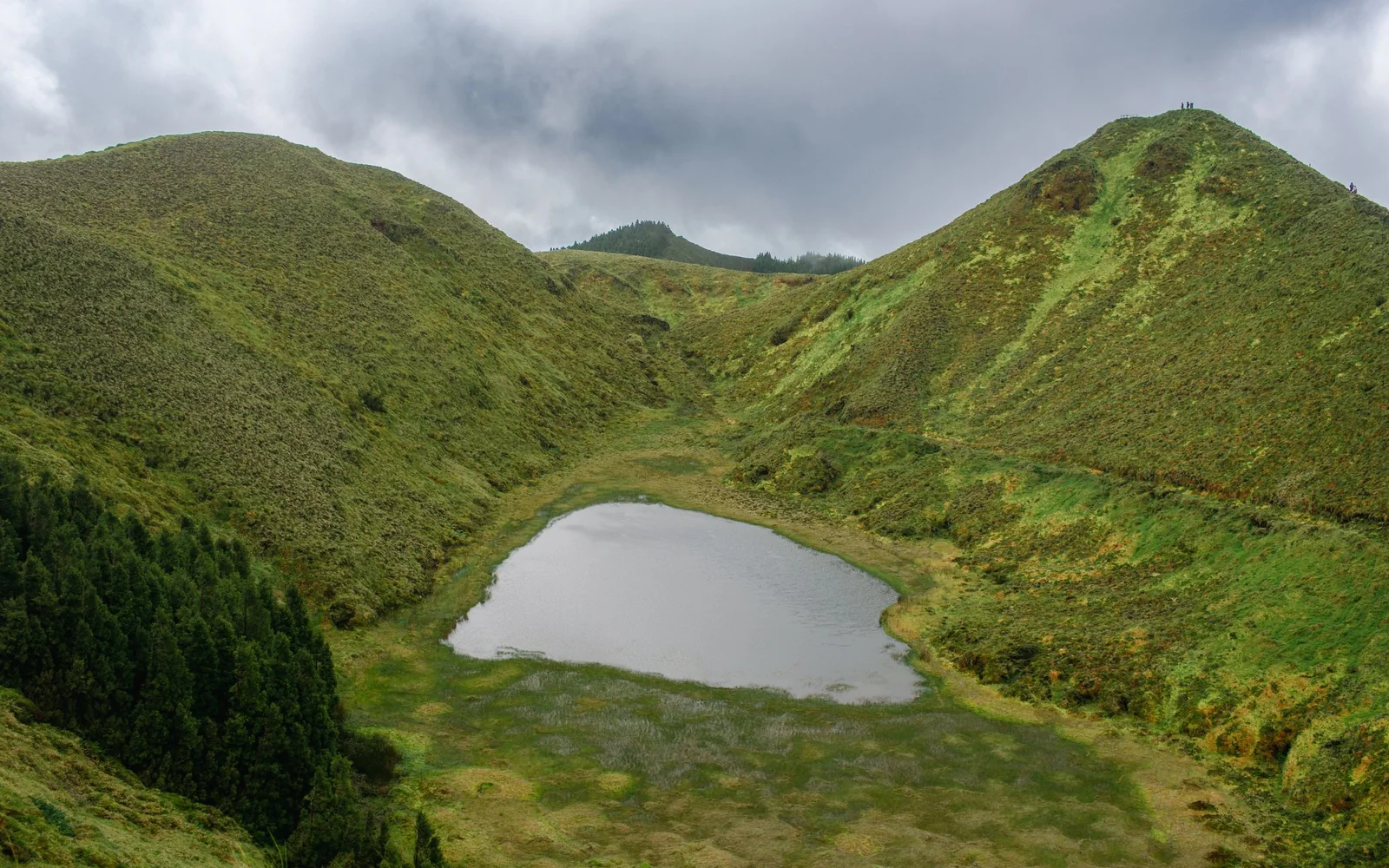
Lajes, coastal pools, lava formations and highland roads provide alternatives when the summit is hidden. Whale-watching trips depend on sea conditions and operator decisions, so allow another available window if the activity matters to you.
The high interior can be foggy even when the coast is clear. Drive at a speed that allows for cattle, sudden visibility changes and water across the road.
Use ferries without overloading the plan
Regular ferry links make Faial a practical day trip in the appropriate season, while other central-group connections vary by route and time of year. Read the current Atlânticoline schedule and arrive with the required check-in time. Weather can still alter a planned crossing.
A rental car normally stays on its booked island unless the supplier and ferry operator explicitly allow otherwise. It is often simpler to travel as a foot passenger and arrange transport after arrival.
Give Pico four to six days
Four days fit a weather-dependent mountain attempt or alternative, the vineyard area and an island circuit. Six days support slower coastal stops, whale watching and a ferry day. Avoid treating Pico as a one-night summit stop because weather and transport can both disrupt that plan.
Continue planning
Questions about Pico Island
How many days do I need on Pico?
Allow four to six days for the mountain or an alternative day, vineyards, coast and possible ferry travel.
Can anyone climb Mount Pico?
The climb requires suitable fitness, equipment and current registration. Weather or official controls can prevent an ascent.
Where should I stay on Pico?
Madalena suits ferry links and vineyards. Lajes is useful for the south coast and maritime activities.
Can I take a rental car on the ferry?
Do not assume so. Check both the rental agreement and ferry conditions before planning to move a vehicle between islands.
Sources and updates
This guide was last reviewed on 2 September 2026. Transport, access and opening arrangements can change, so check the official source before travel.
- Pico, Azores Tourism Board
- Pico Mountain, Azores Tourism Board
- Landscape of the Pico Island Vineyard Culture, UNESCO World Heritage Centre
- Azores inter-island ferries, Atlânticoline
Related places to consider
These guides can help you place Pico Island within a wider route.