
Portugal’s useful season changes with the route. Lisbon, Porto and the north follow different rain patterns, inland areas become much hotter in summer, and Madeira and the Azores cannot be reduced to mainland averages.
Separate mainland, Madeira and the Azores
Mainland Portugal stretches from a wetter Atlantic north to a warmer and drier south, with distinct conditions inland. The two island groups follow their own exposed ocean patterns.
Let the least flexible part of the trip control the timing. A mountain walk, island connection or long outdoor heritage day needs more care than a museum-led city break.
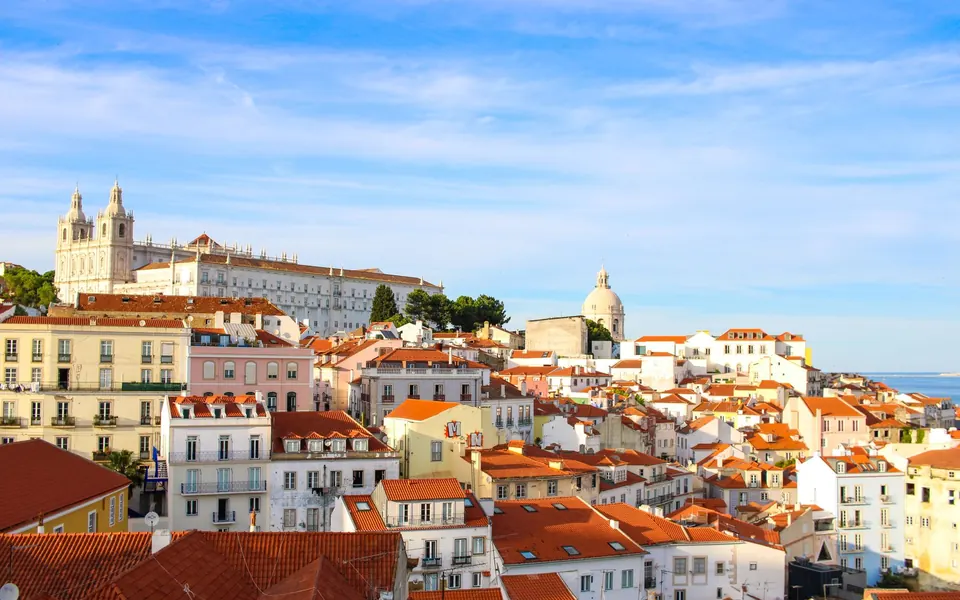
Use spring for broad mainland routes
April and May often suit rail journeys, city walking and lower countryside. Rain remains possible, and Easter can alter opening, transport and demand.
March is less dependable for high ground and the north. Keep an indoor or lower-level alternative instead of assuming uniform spring weather.
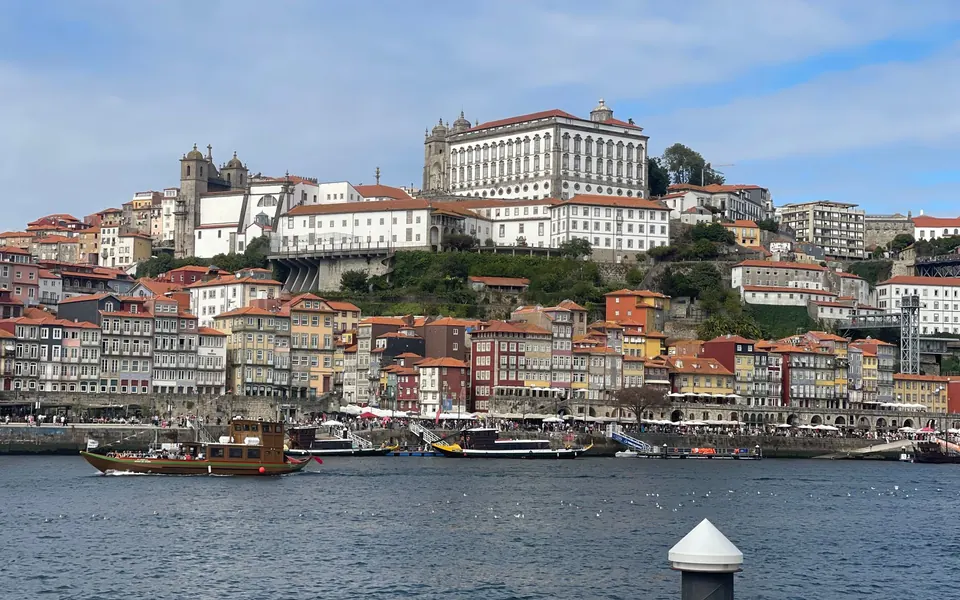
Shift summer towards coast and north
June can support wide-ranging routes with early starts. July and August make long outdoor days difficult in inland regions, especially during official heat or fire warnings.
Atlantic beaches and islands are not automatically quiet alternatives. Use a small number of bases and confirm every exposed or limited-capacity connection.
Treat autumn by region
September can retain useful summer conditions with less pressure in some coastal areas. October remains good for many city and food-led routes, but northern rain becomes more likely.
The Douro harvest period attracts interest but should not be treated as one fixed national date. Check the selected accommodation and activity directly.
Build winter around year-round bases
Lisbon and Porto support museum and food-led trips, while Madeira offers a separate winter option. Short daylight and Atlantic storms still affect day trips and island transport.
Christmas, New Year and Carnival create local peaks. Verify official dates, festive opening and current forecasts before describing winter as uniformly quiet.
Choose a Portuguese route after choosing the season
Month-by-month guide
| Month | Good for | Main limitations | Crowds | Transport or access |
|---|---|---|---|---|
| January | Lisbon, Porto museums, Alentejo towns and Madeira stays. | Short daylight, Atlantic rain and occasional mountain snow reduce long outdoor routes. | Most mainland destinations are quieter after the holiday period. | Check reduced attraction hours, mountain roads and island weather. |
| February | City breaks, southern heritage routes and Madeira. | Rain and wind remain possible, especially in the north and along exposed coasts. | Carnival creates local peaks while many cities remain manageable. | Confirm event dates and current ferry or mountain information. |
| March | Lisbon, Alentejo and lower-level walking before warmer months. | Weather stays changeable and high ground can remain wintry. | Easter timing can sharply change demand. | Check holiday opening and dated rail before fixing a multi-city route. |
| April | Mainland rail trips, cities, gardens and countryside. | Rain remains possible and Atlantic water stays cool. | Easter and spring holidays affect major destinations. | Reserve important admissions and retain wet-weather alternatives. |
| May | Cities, the Douro, Alentejo and many walking routes. | Warm spells can develop inland while exposed coasts remain breezy. | Lisbon, Porto and Sintra become steadily busier. | Book route-critical trains and timed monuments. |
| June | Northern Portugal, islands, coasts and early city starts. | Inland heat builds and festival dates can disrupt normal movement. | Popular districts and beaches enter the main season. | Check local festival changes, fire information and island transport. |
| July | Atlantic beaches, islands and northern bases. | Heat and wildfire danger can make inland plans unsafe. | Coastal areas and major attractions face heavy demand. | Follow IPMA forecasts and official emergency guidance. |
| August | Settled beach stays, islands and routes with early starts. | Heat, holiday traffic and busy transport make rapid circuits tiring. | Domestic and international holiday demand is high. | Confirm every fixed journey and keep exposed walking out of the hottest hours. |
| September | Cities, the Douro, islands and coastal stays after midsummer. | Heat can persist inland and Atlantic systems still affect exposed plans. | Headline cities remain busy while some resort pressure eases. | Check late-season boat and rural transport details. |
| October | Lisbon, Porto, Alentejo and food-led regional routes. | Rain risk rises in the north and daylight shortens. | City demand is often moderate outside holidays. | Verify rural, island and mountain services for the actual week. |
| November | Museums, compact city breaks and southern cultural stays. | Rain, wind and short days reduce the value of transfer-heavy routes. | Many mainland destinations are calmer. | Use year-round bases and check weather warnings before exposed travel. |
| December | City museums, seasonal events and Madeira. | Holiday closures, storms and short daylight need extra margin. | Christmas and New Year create concentrated demand. | Verify festive opening and every island or long-distance connection. |