Lisbon suits travellers who want historic streets, good food and several distinct neighbourhoods within one city break. The centre is compact on a map, but the hills, cobbles and riverfront distances make a realistic plan more useful than a long checklist. Allow three or four full days if this is your first visit.
Baixa and Chiado form the easiest central base. Alfama and Mouraria climb east towards the castle, while Bairro Alto and Príncipe Real rise to the west. Belém is a separate riverside district and deserves its own half day. The city works well without a car.
Choose the first outing around your arrival time
After an afternoon arrival, keep the first walk around Baixa and Praça do Comércio. Leave the castle hill and Belém for days when you have more time. If your accommodation is uphill in Alfama or Bairro Alto, settle in before sightseeing rather than carrying bags through a long walk between districts.
Give a full Lisbon day one main area: Baixa and the Alfama side, or Belém and the western riverfront. This leaves room to stop for a meal and return by public transport. If your stay is only two days, keep both for Lisbon. Add the Sintra outing when you have a separate day and can plan its palace access without cutting the city visit short.
Continue planning: Compare outings around Lisbon · Sintra as a separate day · Continue from Lisbon to Porto.
Official information: Visit Lisboa: city districts.
Choose the right area
Baixa puts the main squares, Rossio station and the lower part of Alfama within easy reach. Chiado is livelier in the evening and sits between the centre and Bairro Alto. Both involve some slopes, but they are practical for a short first stay.
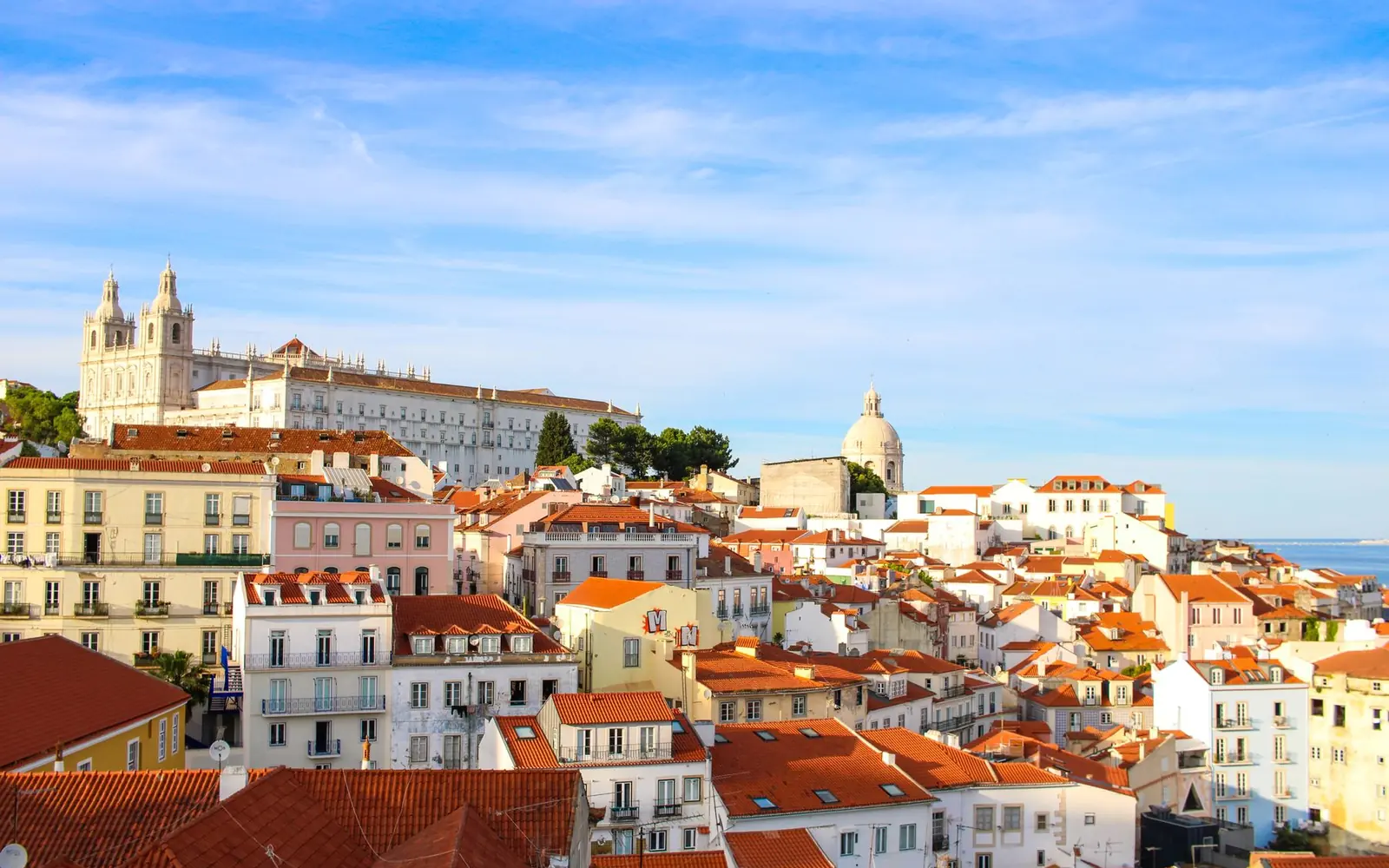
Alfama has narrow lanes, small squares and close views of the river. It is a rewarding place to explore, though steep approaches and uneven paving can be difficult with heavy luggage or limited mobility. Avenida da Liberdade, Marquês de Pombal and Saldanha offer wider streets, metro access and a more level route to many hotels.
Historic centre and viewpoints
Start around Praça do Comércio and walk through Baixa before climbing into Alfama. São Jorge Castle is the main hilltop landmark. The cathedral, small churches and viewpoints can be grouped into the same part of the day, which avoids repeated climbs.
Miradouro de Santa Luzia and Portas do Sol are easy to combine with Alfama. Senhora do Monte has a wider view but requires a steeper approach. Viewpoints are public spaces rather than timed attractions, so they work well before breakfast or near sunset when the light is softer.
Belém without rushing
Belém lies west of the centre and should not be squeezed between unrelated city sights. The Jerónimos Monastery, riverfront, Belém Tower area and modern museums can fill half a day or longer. Entry arrangements for the major monuments can change, so check official pages before choosing a date and book ahead when timed tickets are offered.
The riverside paths are mostly level, but distances between stops are longer than they first appear. A tram, bus or suburban train can return you to central Lisbon.
A realistic four-day plan
- Day one: Walk Baixa and Chiado, then finish beside the Tagus or in Príncipe Real.
- Day two: Explore Alfama, the cathedral, castle area and nearby viewpoints. Keep the evening local rather than crossing the city again.
- Day three: Spend the morning or afternoon in Belém. Add LX Factory or a riverside walk if energy and weather allow.
- Day four: Choose a museum, Estrela and Campo de Ourique, or a full day trip to Sintra or Cascais.
With only two days, keep Lisbon itself as the priority. Trying to add Sintra usually means losing the time needed to understand the capital's neighbourhoods.
Transport and walking
The metro is useful for airport connections and longer city journeys. Trams, buses and funiculars cover areas the metro misses. Buy or validate the correct ticket before travel and check the operator websites for current rules. Historic trams are part of the public network, not sightseeing rides with guaranteed seats.
Walking remains the best way to see the old quarters, but smooth-soled shoes are a poor match for polished cobbles. Build downhill sections into the day. Travellers who need step-free routes should check individual stations and attractions, as old streets, tram vehicles and hilltop sites vary considerably.
Food and local stops
Lisbon's everyday food is easier to understand in neighbourhood restaurants and markets than through a single famous dish. Look for grilled fish, cod dishes, bifanas and seasonal seafood. Pastéis de nata are found across the city, while Belém has its own well-known custard tart tradition.
Time Out Market is central and convenient, but it is designed for visitors and gets busy. Campo de Ourique Market and small traditional cafés provide a different setting. Check recent opening information before making a market the anchor of a day.
When to visit
Spring and autumn generally suit long days on foot. Summer brings stronger heat, brighter sun and heavier demand at famous sights. Winter is milder than many European capitals, although rain and wind can affect exposed viewpoints and riverfront plans.
June neighbourhood celebrations change street access and evening noise in parts of the historic city. Dates and programmes vary, so use the official local calendar when planning around an event.
Day trips that make sense
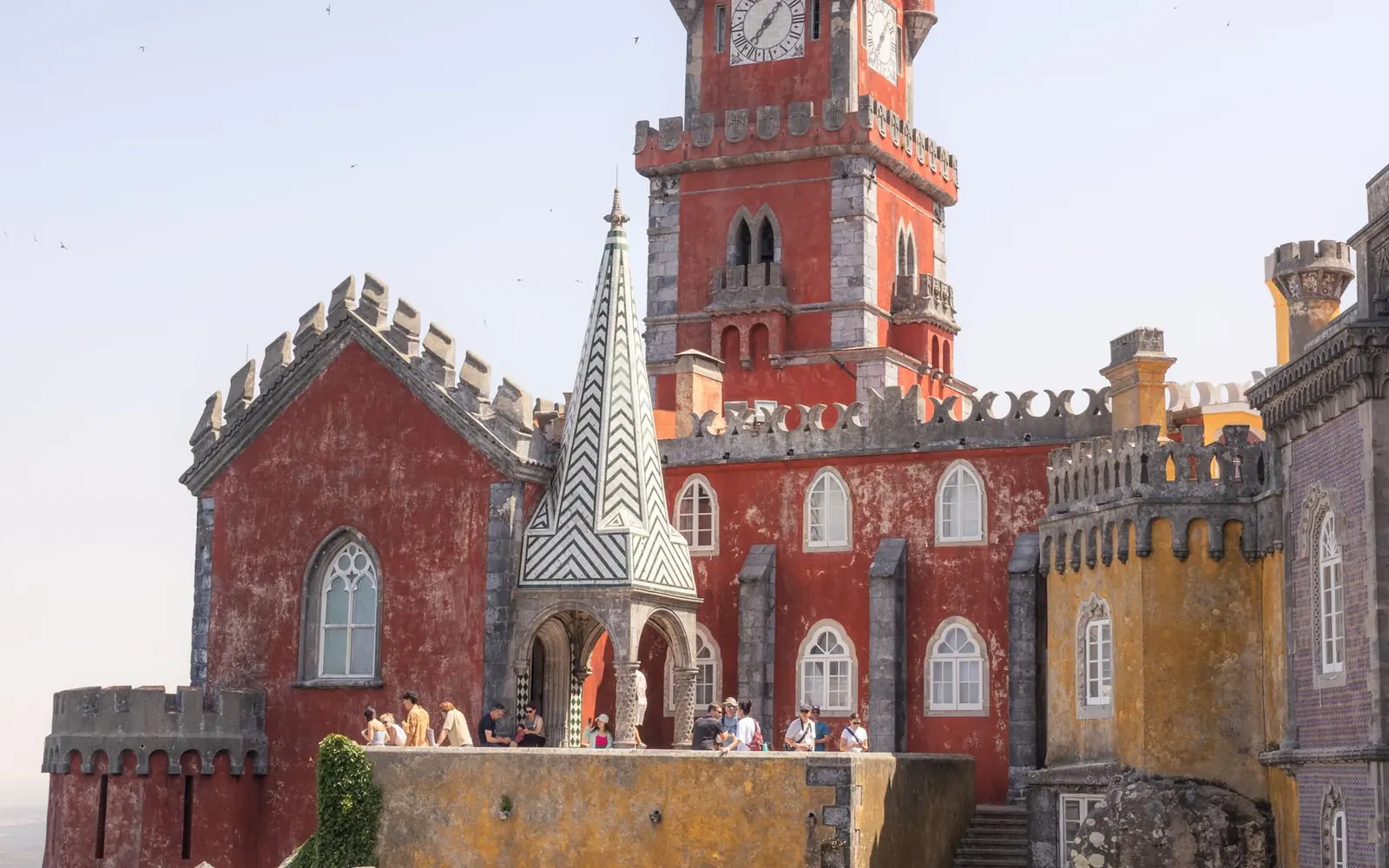
Sintra is the classic choice for palaces and wooded hills. It needs advance planning and should be treated as a full day. Cascais is easier for a relaxed coast day and is reached by suburban rail. Évora is possible by public transport but works better as an overnight stop if it forms part of a longer Portugal route.
Common planning mistakes
- Do not treat Belém as a quick stop beside Alfama. They are in different parts of the city.
- Do not rely on one crowded tram route for essential transport.
- Do not underestimate hills, heat and polished paving when setting a walking pace.
- Keep valuables secure in crowded vehicles and busy visitor areas.
Places to add to your map
- Praça do Comércio: A useful starting point for Baixa and the riverfront.
- São Jorge Castle: Hilltop landmark above Alfama.
- Jerónimos Monastery: The main historic monument in Belém.
- Gulbenkian Museum: A strong museum choice away from the historic centre.
- Miradouro da Senhora do Monte: A broad city viewpoint reached by a steep climb.
Open the route planner to place these stops in a wider Portugal trip.
Plan nearby destinations
- Portugal travel guide
- Lisbon Region
- Sintra travel guide
- Cascais travel guide
- Lisbon vs Porto
- Portugal route planner
Questions about Lisbon
How many days should I spend in Lisbon?
Three full days cover the historic centre, Belém and one quieter district or museum. Add a fourth day for a slower pace or a day trip without cutting the city short.
Do I need a car in Lisbon?
No. A car is inconvenient in the centre, where streets are narrow, parking is limited and public transport reaches the main visitor areas.
Where should a first-time visitor stay?
Baixa and Chiado are central and easy for sightseeing. Avenida and Saldanha have better level access and metro links. Alfama is atmospheric but steep and less convenient with luggage.
Is Tram 28 the only historic tram worth using?
No. It is famous but often crowded. Other routes and the funiculars can provide the same sense of the old network with less pressure on one service.
Daily planning ranges
Travel costs in Lisbon
These planning ranges are per person, per day and assume two people sharing a room. They are not live quotes.
Standard daily breakdown
- Accommodation
- €55 to €100
- Food
- €30 to €45
- Local transport
- €6 to €12
- Activities
- €15 to €35
What the range assumes: Per person, per day, based on two people sharing a sensible double or twin room. The standard range allows for ordinary paid sightseeing, local transport and a mix of casual and mid-range meals.
Seasonal note: Central accommodation is usually under the most pressure from late spring through early autumn and around major events.
Not included: International travel, intercity travel, shopping, travel insurance and major special-event premiums are excluded.
Price basis 29 August 2026, reviewed 29 August 2026, next review due 28 February 2027.
Cost sources
- Lisbon Metro fares, Metropolitano de Lisboa
- Lisbon cost of living, Numbeo
Sources and updates
This guide was last reviewed on 28 August 2026. Transport, access and opening arrangements can change, so check the official source before travel.
- Lisbon, Turismo de Portugal
- Official Lisbon visitor information, Turismo de Lisboa
- Lisbon Metro, Metropolitano de Lisboa
- Carris, Carris
Related places to consider
These guides can help you place Lisbon within a wider route.