
| Detail | Lisbon | Barcelona |
|---|---|---|
| Best fit | Viewpoints, food and older neighbourhoods | Modernist architecture, art and urban coast |
| Useful stay | Three to five days | Four to six days |
| City shape | Separated districts linked by steep streets | Large grid with historic and modernist clusters |
| Planning anchor | Belém, Alfama or a Sintra day | One major Gaudí interior each day |
| Local movement | Metro, tram, bus and suburban rail | Metro, bus, tram and suburban rail |
| Accessibility concern | Hills, cobbles and crowded historic vehicles | Station access and individual historic-building entrances |
| Straightforward day trip | Sintra with a restrained palace plan | Girona by dated direct train |
| Combining both | Use a flight and protect the transfer day | Allow at least eight days across both cities |
Lisbon and Barcelona both combine historic districts with strong food and coastal character, but the daily planning differs. Lisbon is shaped by hills and separated neighbourhood clusters. Barcelona is shaped by booked architecture and a broader urban transport grid.
Choose viewpoints or modernist architecture
Lisbon suits a trip built around older neighbourhoods, riverfront areas, viewpoints and food, with Belém as a separate cluster. Barcelona has denser major architecture and art, with several important visits requiring advance decisions.
Both cities need at least three full days. Lisbon’s hills slow movement between nearby-looking areas, while Barcelona’s headline sights are spread across a larger grid.
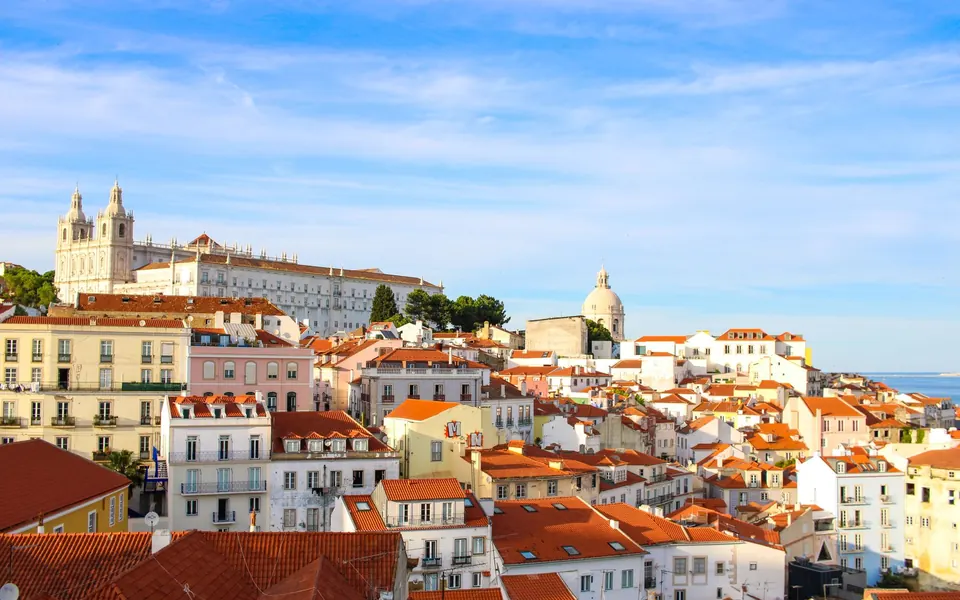
Organise Lisbon around its gradients
Use Baixa, Chiado and the river together, then give Belém its own half or full day. Alfama and hilltop viewpoints need extra walking or a deliberate public-transport approach.
Sintra is a substantial day with timed palaces and local hills. It should not compensate for giving Lisbon only an arrival afternoon and one central day.
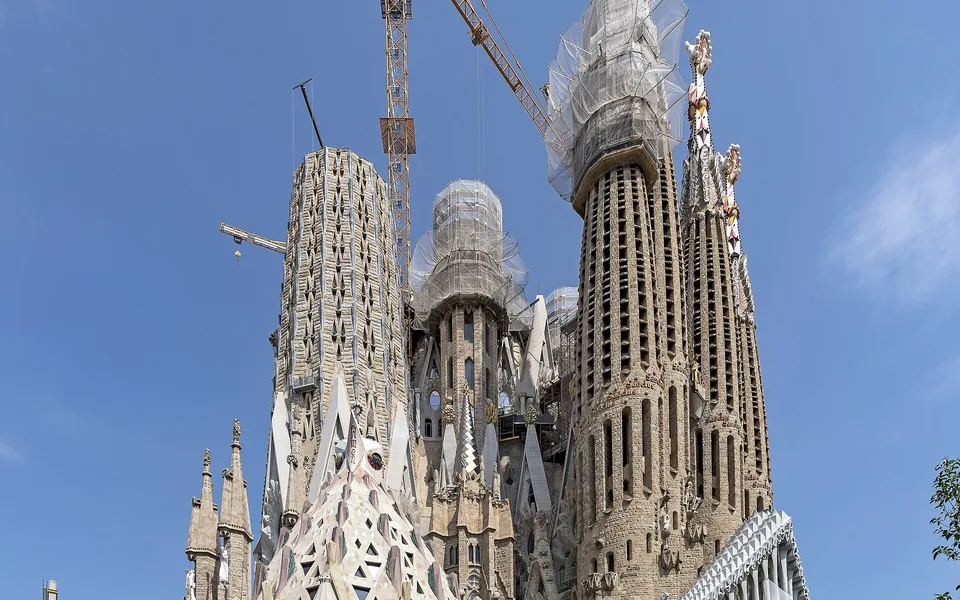
Organise Barcelona around reserved interiors
Let the Sagrada Família or another major Gaudí building anchor one day. Keep the Gothic Quarter, waterfront, Montjuïc and distant modernist sites in sensible geographic groups.
Girona works as a full rail day after Barcelona has enough time. A short Barcelona visit benefits more from another district than from removing a complete day for an excursion.
Compare local movement and access
Lisbon uses metro, tram, bus and suburban rail, but steep streets, cobbles and crowded historic vehicles remain important. Check the exact accommodation approach when luggage or limited mobility matters.
Barcelona has metro, bus, tram and suburban rail across a flatter central grid, though not every station route or historic building is step-free. Use current operator and attraction information for the chosen journey.
Treat Lisbon and Barcelona as a flight pair
The two cities do not form a practical short rail pair. A direct flight normally provides the workable connection, with airport travel and security consuming much of the transfer day.
Allow at least eight days for both cities and use different arrival and departure airports. Choose Lisbon for a looser sightseeing list and Atlantic character, or Barcelona for architecture, art and stronger onward high-speed rail.
Read the city guides and their wider routes
Planning sources
Transport, visitor information and attraction details can change. Check the official pages before booking.
- Portugal tourism information Turismo de Portugal, checked 2 September 2026
- Official Lisbon visitor information Turismo de Lisboa, checked 2 September 2026
- Lisbon Metro Metropolitano de Lisboa, checked 2 September 2026
- Barcelona public transport information Transports Metropolitans de Barcelona, checked 4 September 2026
- Official Barcelona visitor information Barcelona Turisme, checked 4 September 2026
- Accessible travel in Barcelona Barcelona Turisme, checked 4 September 2026
- Sagrada Família opening and arrival information Basílica de la Sagrada Família, checked 4 September 2026
Comparison reviewed 4 September 2026.