
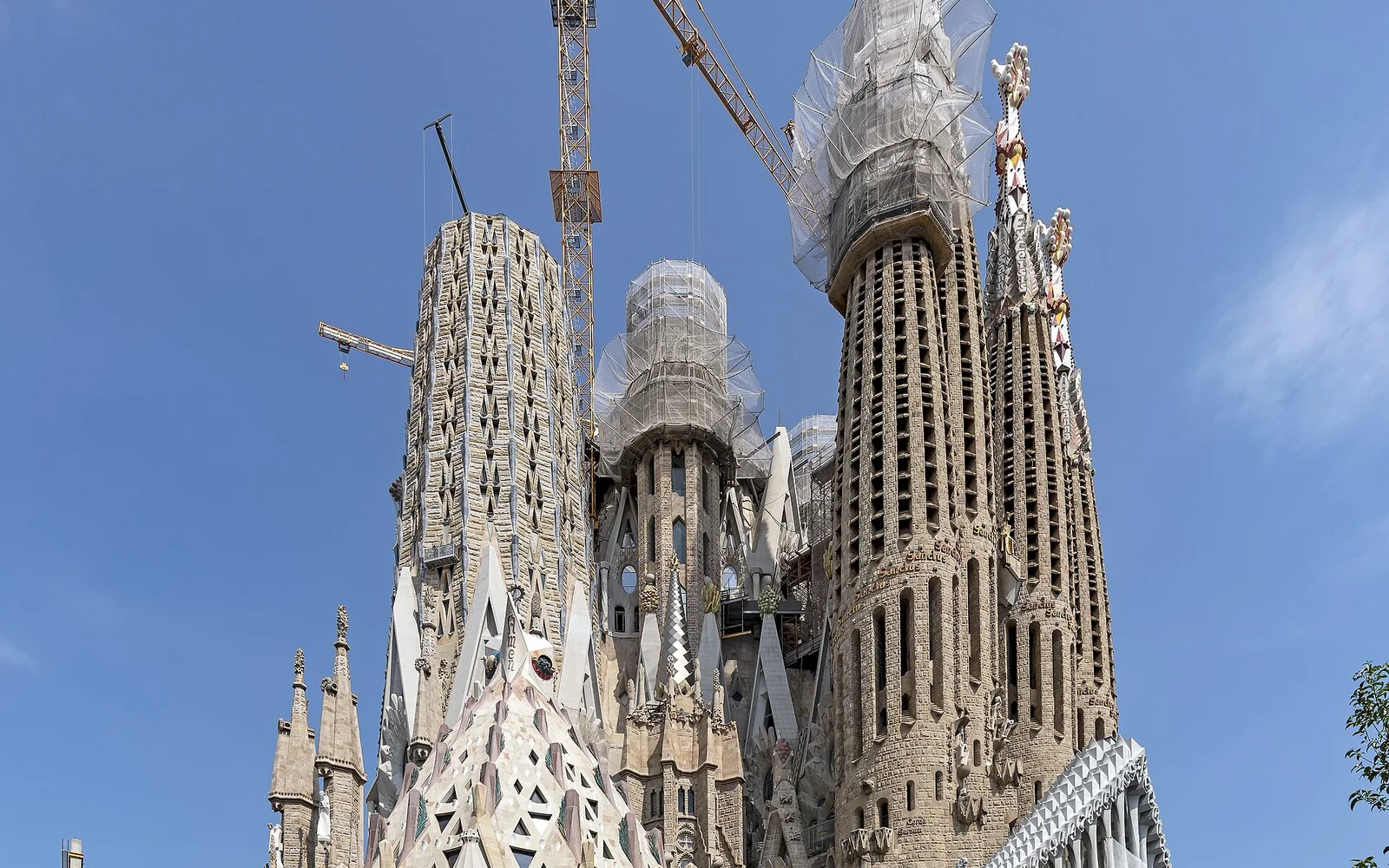
Barcelona is easiest to understand as a set of districts. Eixample contains the best-known modernist buildings, the Gothic Quarter and El Born hold the oldest streets, and Gràcia feels more local once day visitors leave.
Allow at least three full days. Four days provides a better balance between timed architecture visits, markets, the waterfront and time to explore without following the same crowded route as everyone else.
What to prioritise
Gaudí with a plan
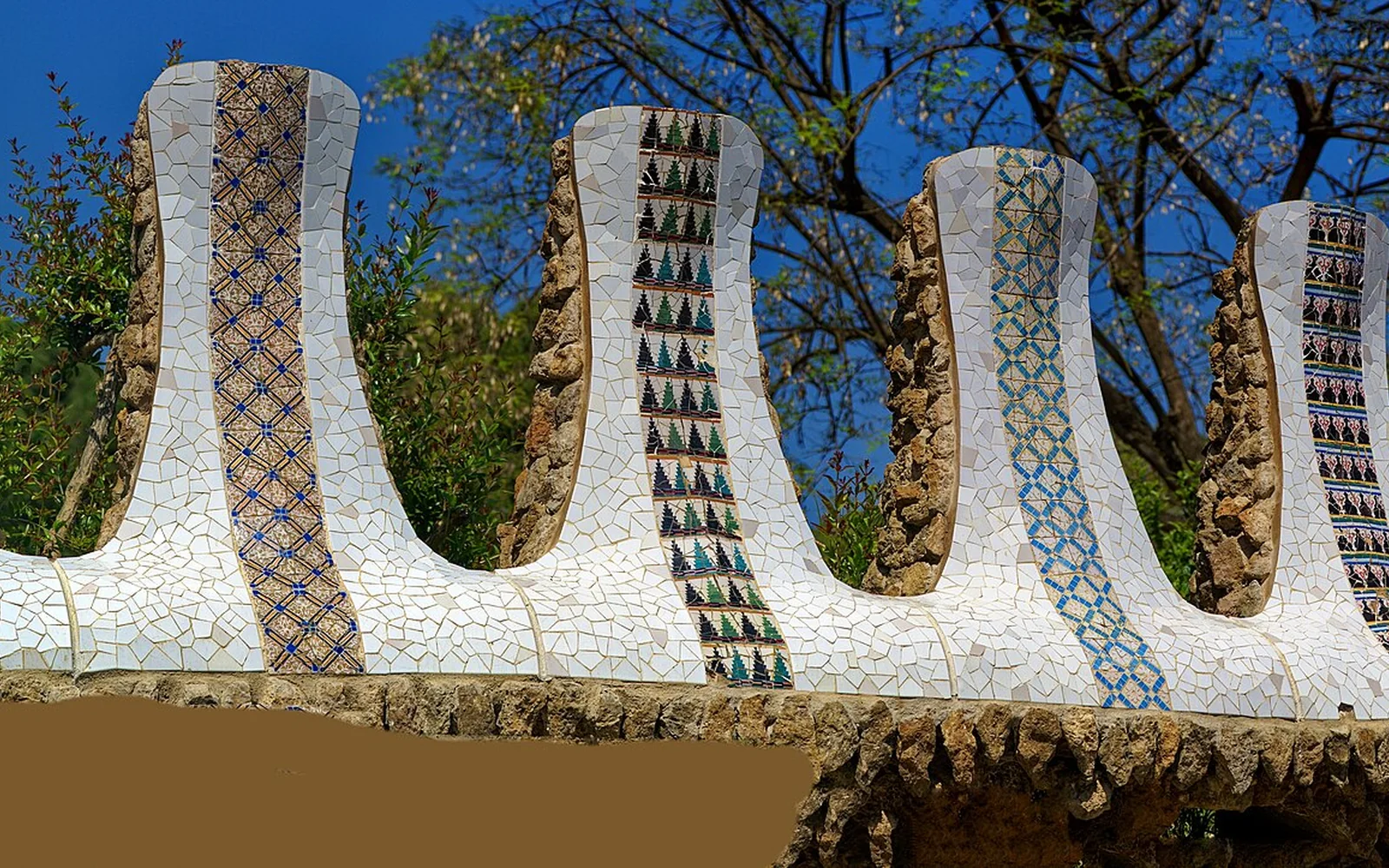
Sagrada Família, Park Güell, Casa Batlló and La Pedrera are spread across the city and use timed entry. Pair two nearby sites and keep one major interior as the focus of the day.
The old city
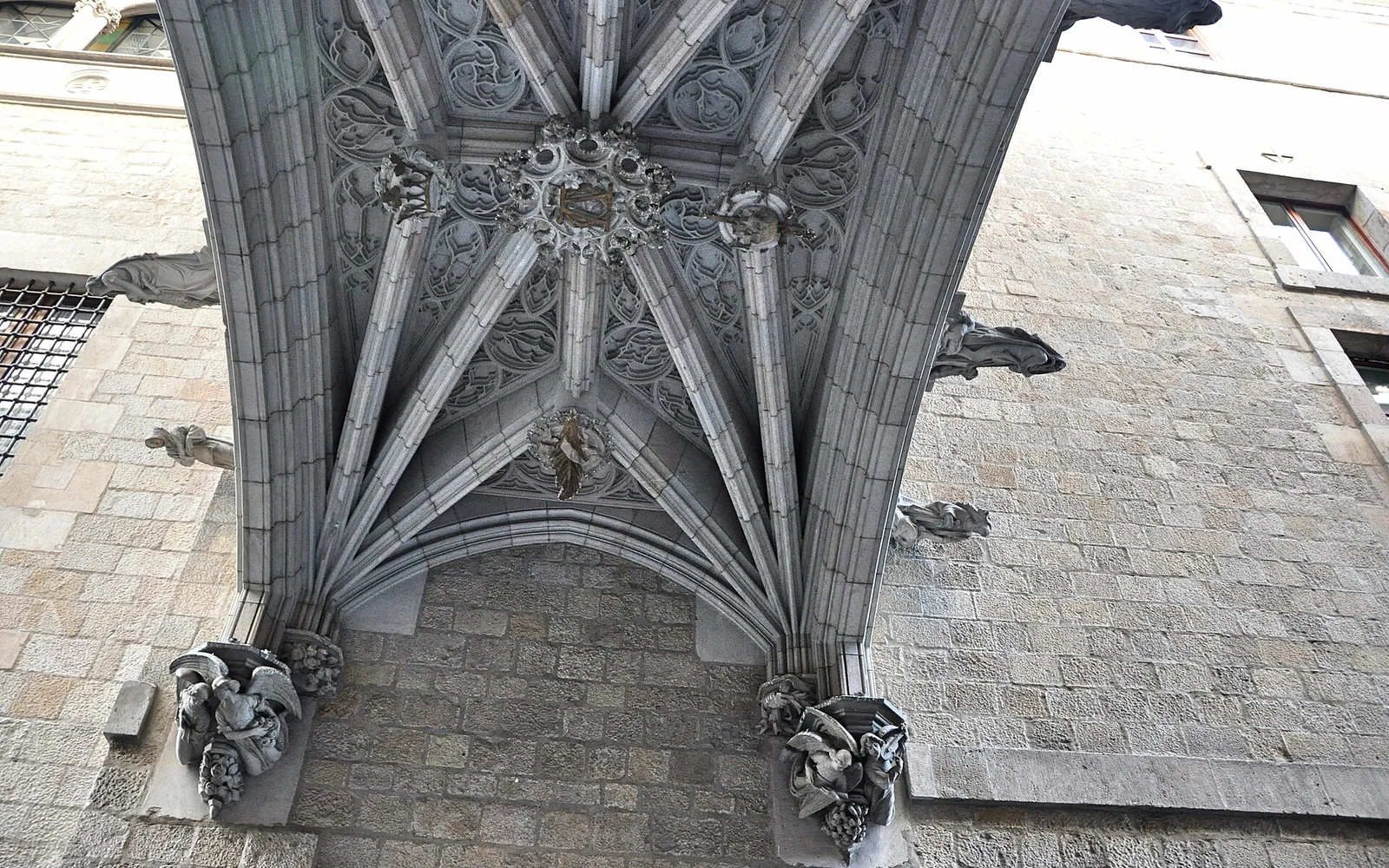
The Gothic Quarter, El Born and the lower end of La Rambla are close together, but the lanes are tiring when crowded. Visit early, then move toward the waterfront or Ciutadella Park.
Hills and coast
Montjuïc offers museums, gardens and broad views. Barceloneta provides the easiest central beach access, though quieter coastal time usually requires travelling farther from the centre.
Where to stay
Eixample gives the simplest transport and a broad choice of hotels. Gràcia has lively squares and a neighbourhood feel. El Born suits evening walks but can be noisy, while staying deep in the Gothic Quarter means narrow access and busy streets.
A practical itinerary
- Day 1: begin in the Gothic Quarter, continue through El Born and finish by the waterfront.
- Day 2: visit Sagrada Família at a booked time, then explore the Eixample modernist route.
- Day 3: combine Park Güell with Gràcia, leaving time for its squares and local streets.
- Day 4: choose Montjuïc, a beach day or a focused museum visit.
Getting there
Barcelona-El Prat Airport has rail, metro and bus links. High-speed trains arrive at Barcelona Sants. Girona and Reus airports are farther away and should not be treated as central Barcelona airports when comparing fares.
Getting around
Metro and buses handle most routes. Walking is best within each district, but the city’s grid can hide long distances. Use the funicular or cable transport only after checking current operation and accessibility.
Food to look for
Try pa amb tomàquet, escalivada, fideuà and crema catalana. Market halls are working food spaces as well as visitor attractions, so avoid blocking aisles and choose neighbourhood restaurants away from the busiest central strip.
When to visit
Late spring and early autumn balance warm weather with manageable walking. Summer is hot, humid and crowded. Winter is quieter, with shorter daylight and cooler evenings but few barriers to city sightseeing.
Accessibility
The broad Eixample pavements and much of the transport network are accessible. Old-city lanes, steep Park Güell approaches and some historic interiors require more preparation. Use official access information before booking timed visits.
Practical limits
Pickpocketing is a practical concern on busy transport and around major sights. Keep valuables controlled and do not leave a phone on an outdoor table. Timed tickets also make late arrival costly, so allow margin between districts.
Nearby places
Girona and Tarragona both work by rail but lie in opposite directions. Choose Girona for medieval streets and river views, or Tarragona for Roman heritage and the Mediterranean coast.
Places to add to your map
- Sagrada Família: Timed-entry anchor for an Eixample day.
- Park Güell: Hillside visit best paired with Gràcia.
- Gothic Quarter: Old-city walking area near El Born and the waterfront.
Open the route planner to place these stops in a wider Spain trip.
Continue planning
Questions about Barcelona
How many days should I spend in Barcelona?
Three days covers the main districts and two major attractions. Four or five days gives the city a better pace and leaves room for Montjuïc or the coast.
Where should I stay in Barcelona for the first time?
Eixample is the easiest all-round base. Gràcia is better for neighbourhood evenings, while the old city places you close to historic sights but brings more noise.
Do I need to book Barcelona attractions ahead?
Advance booking is sensible for Sagrada Família, Park Güell and popular Gaudí interiors. Always use the official attraction site for current entry arrangements.
Daily planning ranges
Travel costs in Barcelona
These planning ranges are per person, per day and assume two people sharing a room. They are not live quotes.
Standard daily breakdown
- Accommodation
- €70 to €120
- Food
- €34 to €52
- Local transport
- €7 to €14
- Activities
- €20 to €40
What the range assumes: Per person, per day, based on two people sharing a sensible double or twin room. The standard range allows for ordinary paid sightseeing, local transport and a mix of casual and mid-range meals.
Seasonal note: Beach season, trade fairs and major events can push room prices beyond these ranges.
Not included: International travel, intercity travel, shopping, travel insurance and major special-event premiums are excluded.
Price basis 29 August 2026, reviewed 29 August 2026, next review due 28 February 2027.
Cost sources
- Barcelona public transport fares, Transports Metropolitans de Barcelona
- Barcelona cost of living, Numbeo
Sources and updates
This guide was last reviewed on 28 August 2026. Transport, access and opening arrangements can change, so check the official source before travel.
- Renfe passenger information, Renfe
- Spanish airports, Aena
- Official Barcelona visitor information, Barcelona Turisme
- Official Catalonia tourism, Catalan Tourist Board