
Start with the essentials
Plan Catalonia at a glance
- Main base
- Barcelona
- Useful time
- 5 to 10 days
- Main transport
- Rail and regional buses
- Car use
- Useful beyond main corridors
- Route shape
- Choose north or south
About Catalonia
Why explore Catalonia
Catalonia supports several distinct trips. Barcelona can fill four days on its own, Girona adds a compact medieval centre, Tarragona brings Roman remains beside the sea, and Montserrat combines a monastery visit with mountain paths.
The distances are manageable, but the region is not one continuous sightseeing strip. A good plan groups each day by transport corridor and leaves the wider coast, Pyrenees and rural interior for a longer return journey.
Plan the region
Use Barcelona as the starting point, then decide whether the trip continues north toward Girona or south toward Tarragona. Montserrat is a separate inland excursion with its own mountain transport and walking choices.
Fast and regional trains cover the destinations in this guide. A car becomes useful for smaller coastal towns, rural landscapes and Pyrenean routes, but it creates unnecessary parking problems in Barcelona.
Choose where to spend your time
Places to explore
4 guidesBarcelona
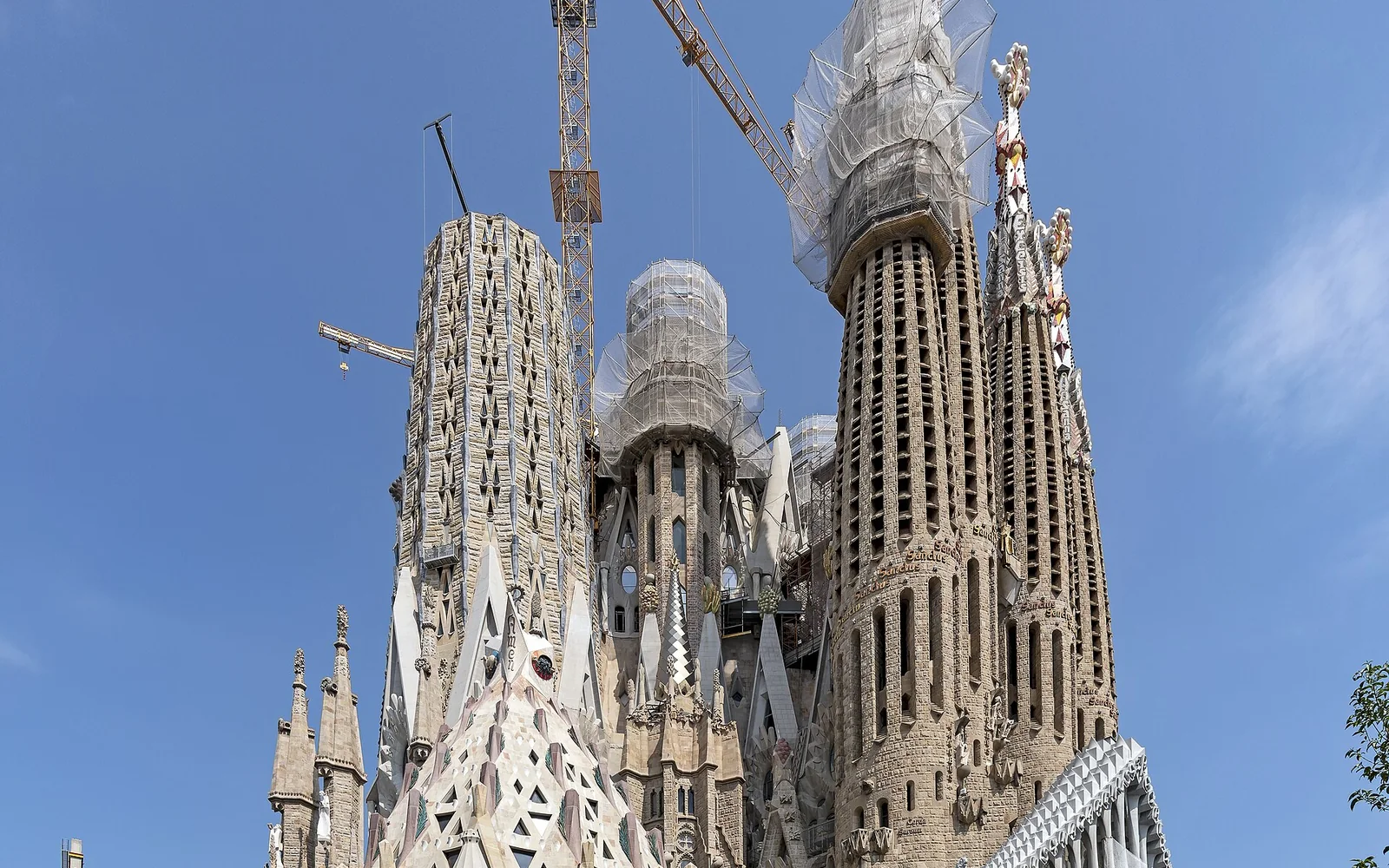
Barcelona mixes Gaudí architecture, dense old-city streets, neighbourhood food and an urban shoreline that needs careful timing in busy months.
Open guide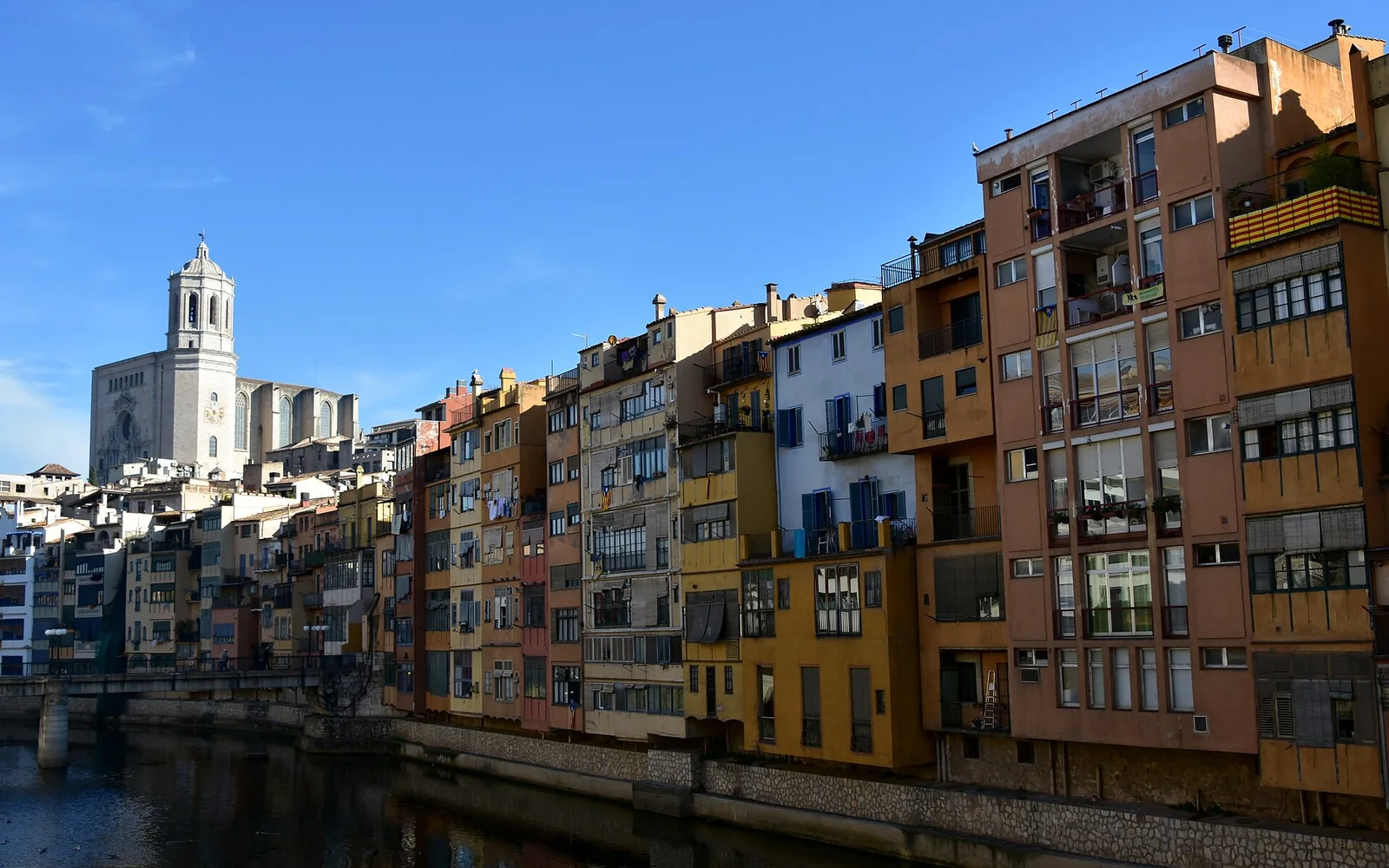
Girona
Girona layers a steep medieval old city, cathedral steps, former Jewish quarter and colourful Onyar houses beside a practical rail corridor.
Open guide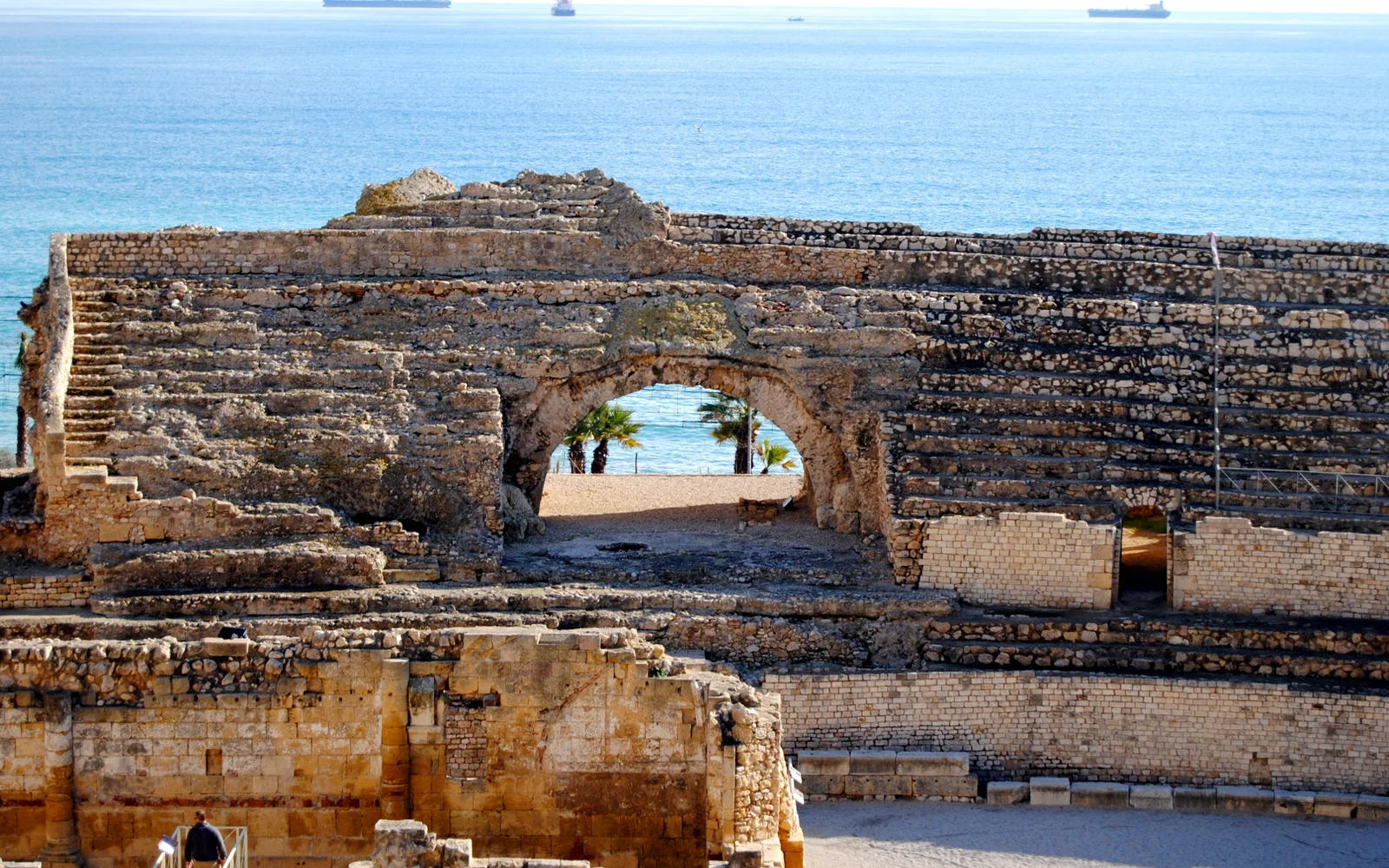
Tarragona
Tarragona places Roman ruins beside the Mediterranean, with an upper old town, cathedral and working modern city above the port.
Open guide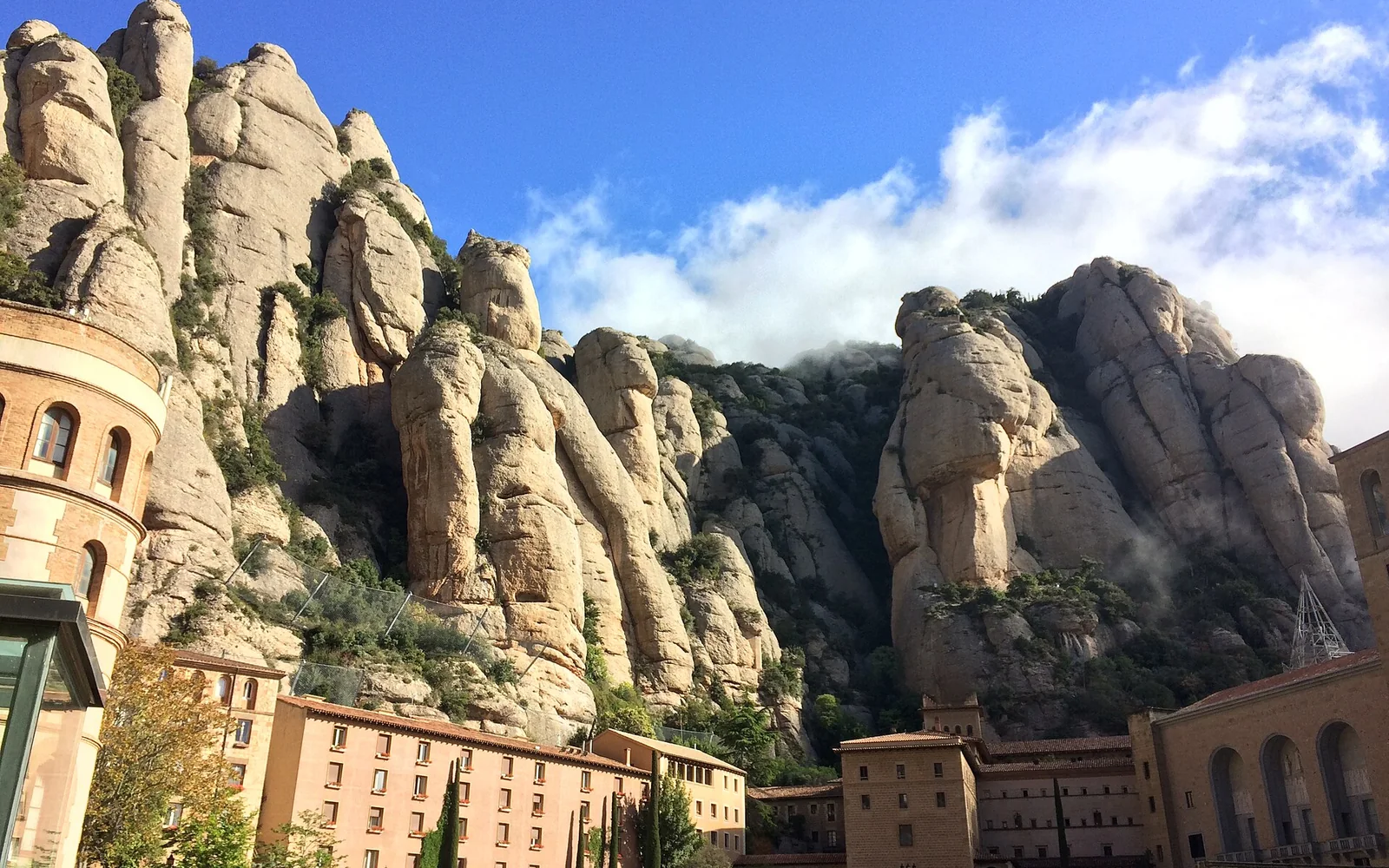
Montserrat
A serrated mountain landscape and Benedictine monastery reached from Barcelona by a coordinated rail and mountain transport journey.
Open guideBuild a coherent route
Plan by area
Barcelona and Montserrat
Give Barcelona several full days, then reserve a separate day for Montserrat. The mountain visit depends on the chosen rail, rack railway or cable-car connection and should not be squeezed around a city attraction booking.
Girona and the north
Girona works as a day trip or overnight base for its old town and riverside streets. Continuing to smaller Costa Brava towns requires more transport research than the direct Barcelona to Girona journey.
Tarragona and the south
Tarragona combines Roman sites, an old centre and the Mediterranean. It lies on the opposite side of Barcelona from Girona, so give it a different day or use it as the first stop on a southern route.
See the main travel bases
See Catalonia’s main travel bases
Loading the map…
The markers show the destinations covered by this guide. Girona, Montserrat and Tarragona sit on different routes from Barcelona, so check the correct station and service before travel.
Match the route to your time
What fits into your trip
Barcelona in depth
Keep all four days in Barcelona. This allows two major timed attractions, the old city, Montjuïc or the waterfront, and neighbourhood time without crossing the city repeatedly. Adding a regional excursion would leave the main city visit noticeably compressed.
City and two regional days
Spend four days in Barcelona, choose Montserrat for one full day, then add either Girona or Tarragona with an overnight if preferred. Keeping the final day flexible protects the plan from timed-entry changes, mountain weather and rail disruption.
A north or south route
Start with Barcelona, visit Montserrat, then build a short northern route around Girona or a southern route around Tarragona. Avoid adding both distant coastlines unless transport is already confirmed and you are willing to change base more than once.
Link the stops sensibly
Routes and day trips
Barcelona is the transport centre for the destinations covered here. Girona lies to the north, Tarragona to the south and Montserrat inland, which makes separate out-and-back days clearer than one rushed circuit.
Suggested regional routes
Montserrat by mountain railway
Leave Barcelona early, use one clearly booked connection and decide in advance whether the priority is the monastery, viewpoints or a longer walk. Weather and the final descent service should shape the day.
Open destination guideGirona’s old town
Use the direct rail corridor, then explore the cathedral area, walls and riverside streets on foot. An overnight gives the centre a quieter rhythm and avoids treating it as a short gap between trains.
Open destination guideRoman Tarragona
Build the visit around the archaeological circuit and old centre, then leave time for the seafront. Confirm which Tarragona-area station serves the train because high-speed and central services use different locations.
Open destination guideRegional day trips
Girona from Barcelona by train
A focused Girona day linking the Onyar, old quarter and cathedral area, with the city walls treated as an optional and physically demanding extension.
Wider itineraries
These routes include Catalonia but continue to other parts of Spain.
Barcelona, Madrid, Seville and Granada in 11 daysChoose transport by destination
Getting around Catalonia
Rail is the best starting point for the four destinations covered here. Barcelona has its own dense public transport network, while Montserrat requires a coordinated mountain connection. Driving is more valuable after leaving the main city and rail corridors.
Mainline and regional trains
Use rail for Barcelona, Girona and Tarragona, but check the exact station before booking. Not every fast train stops in the central station most convenient for a day visit.
Montserrat connections
Travel from Barcelona toward Monistrol or the cable-car station, then continue up the mountain. Buy the combination that matches the intended route rather than mixing incompatible tickets.
Driving
A car helps with rural Catalonia, smaller beaches and mountain areas. Collect it after Barcelona if possible, and confirm limited parking before driving to Montserrat or a historic centre.
Choose dates that suit the route
When to visit
Spring and autumn suit city walking and lower mountain paths. Summer brings heat, busy beaches and strong demand for Barcelona attractions, while winter offers quieter cities but shorter daylight and more variable mountain conditions.
Montserrat weather can differ from central Barcelona. Check visibility, wind and trail conditions before committing to a longer walk, and keep the monastery visit as a useful fallback when higher paths are unsuitable.
Read the seasonal guide for SpainAvoid common route problems
Planning checks
Book major Barcelona sights directly
Sagrada Família, Park Güell and popular Gaudí interiors use timed entry. Keep enough travel margin between districts and use the attraction’s official booking channel.
Check the station name
Barcelona and Tarragona have several relevant stations. Read the full departure and arrival details rather than assuming every fast service reaches the central visitor area.
Keep coast plans selective
Coastal towns may look close on a map but require slower buses, seasonal boats or a car. Choose one section of coast instead of collecting disconnected stops.
Quick answers
Questions about Catalonia
How many days do I need for Catalonia?
Seven days gives Barcelona four days plus Montserrat and one other regional city. Ten days supports a more coherent northern or southern route.
Can I visit Catalonia without a car?
Yes for Barcelona, Girona, Tarragona and Montserrat. A car becomes more useful for small coastal towns, rural areas and parts of the Pyrenees.
Should I choose Girona or Tarragona?
Choose Girona for medieval streets and a compact old town. Choose Tarragona for Roman archaeology and a Mediterranean setting.
Is Montserrat part of Barcelona?
No. It is a separate mountain destination outside the city and needs most of a day when travelling by public transport.
How this guide is checked
Sources and review
Reviewed 2 September 2026, next review due 2 March 2027. Services, access rules and opening arrangements can change, so check the official source before travel.
- Renfe passenger information, Renfe
- Official Barcelona visitor information, Barcelona Turisme
- Official Catalonia tourism, Catalan Tourist Board
- Visit Montserrat, Montserrat Visitor Information
- FGC tourist services, Ferrocarrils de la Generalitat de Catalunya
Continue through Spain
Regions that connect naturally
Aragón
Zaragoza’s riverfront monuments and a broad region stretching from dry plains to the Pyrenees.
Valencian Community
Mediterranean cities, urban beaches, rice dishes and a coast that changes character between Valencia and Alicante.
Continue planning
See more of Spain
Use the country guide to compare Catalonia with other regions and destinations in Spain.