
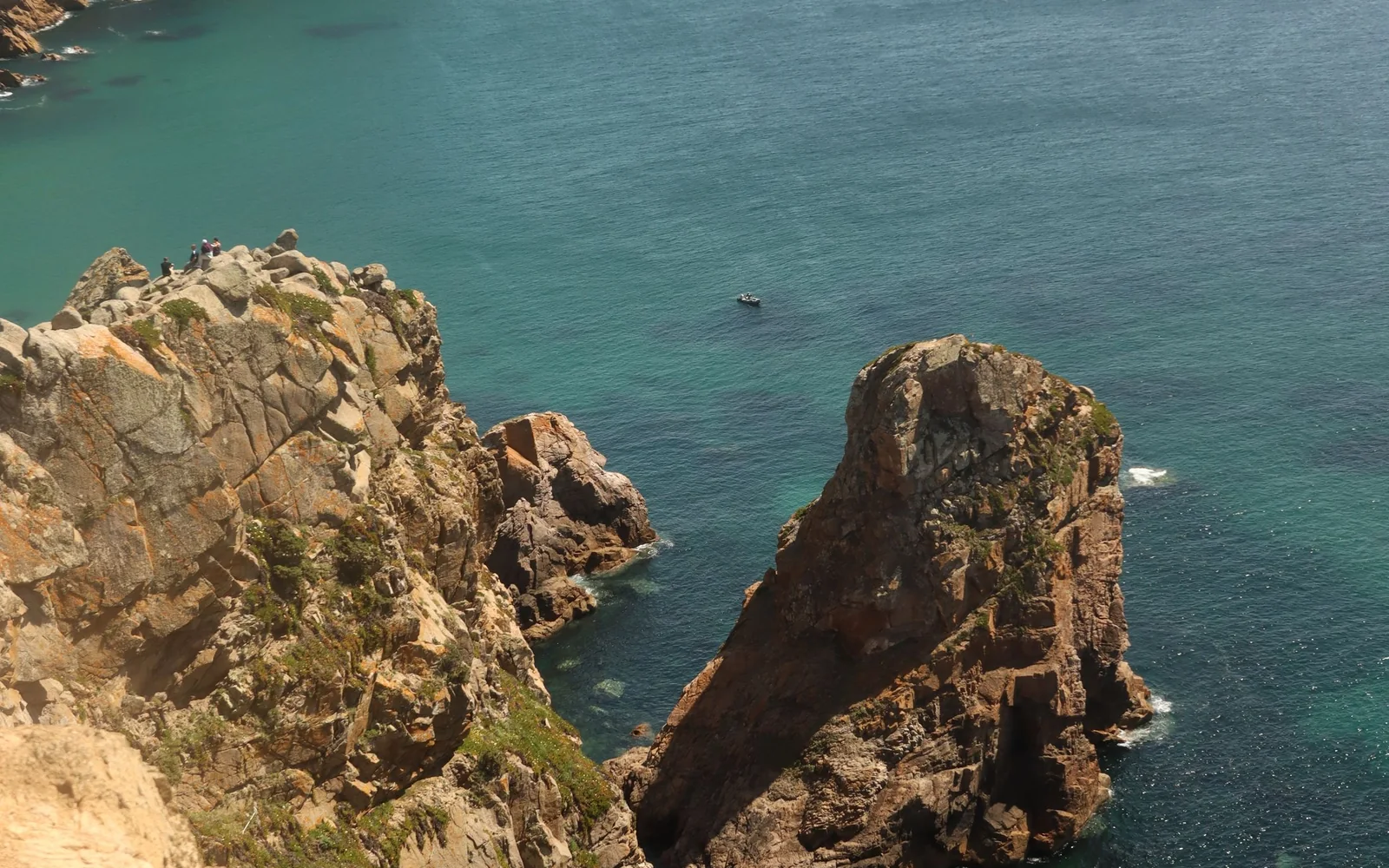
Three days out that need different plans
Sintra is a monument day: decide which palace matters most, then build the journey around its admission arrangements. Cascais is a coast day: a walk beside the bay can be shortened or extended without a sequence of timed interiors. Belém is a Lisbon district, so treat it as part of your city stay rather than a separate regional base.
With one spare day, choose Sintra or Cascais. Combining the two leaves less room for missed connections, a long palace approach or time by the sea. With two spare days, return to the same Lisbon accommodation each evening and give each outing its own day. Keep the first evening after a late arrival in Lisbon itself.
Continue planning: Choose a Lisbon base · Plan the Sintra day trip · Plan a Cascais coast day
Official information: Visit Lisboa: Lisbon areas
Start with the essentials
Plan Lisbon Region at a glance
- Main base
- Lisbon
- Useful time
- 5 to 7 days
- Main transport
- Metro, tram and rail
- Car use
- Usually unnecessary
- Best split
- City plus separate day trips
About Lisbon Region
Why explore Lisbon Region
The Lisbon Region places a major European capital beside palace country and an Atlantic shoreline. Lisbon carries the greatest depth, but Sintra and Cascais add landscapes and a change of pace that the central neighbourhoods cannot provide.
The rail links make all three practical without a car. The important choice is how much time to protect for Lisbon, because a short stay can quickly become a chain of day trips with too little time in the city itself.
Plan the region
Keep Lisbon as the main base on a first visit. Give Sintra a full day for one or two major sites, and use another day for Cascais, the waterfront or a coastal walk when weather and daylight suit the plan.
Staying overnight in Sintra or Cascais can be worthwhile for a slower trip. It reduces the pressure of peak-hour trains and gives each place quieter morning or evening time, but it is not required for the main regional route.
Choose where to spend your time
Places to explore
3 guides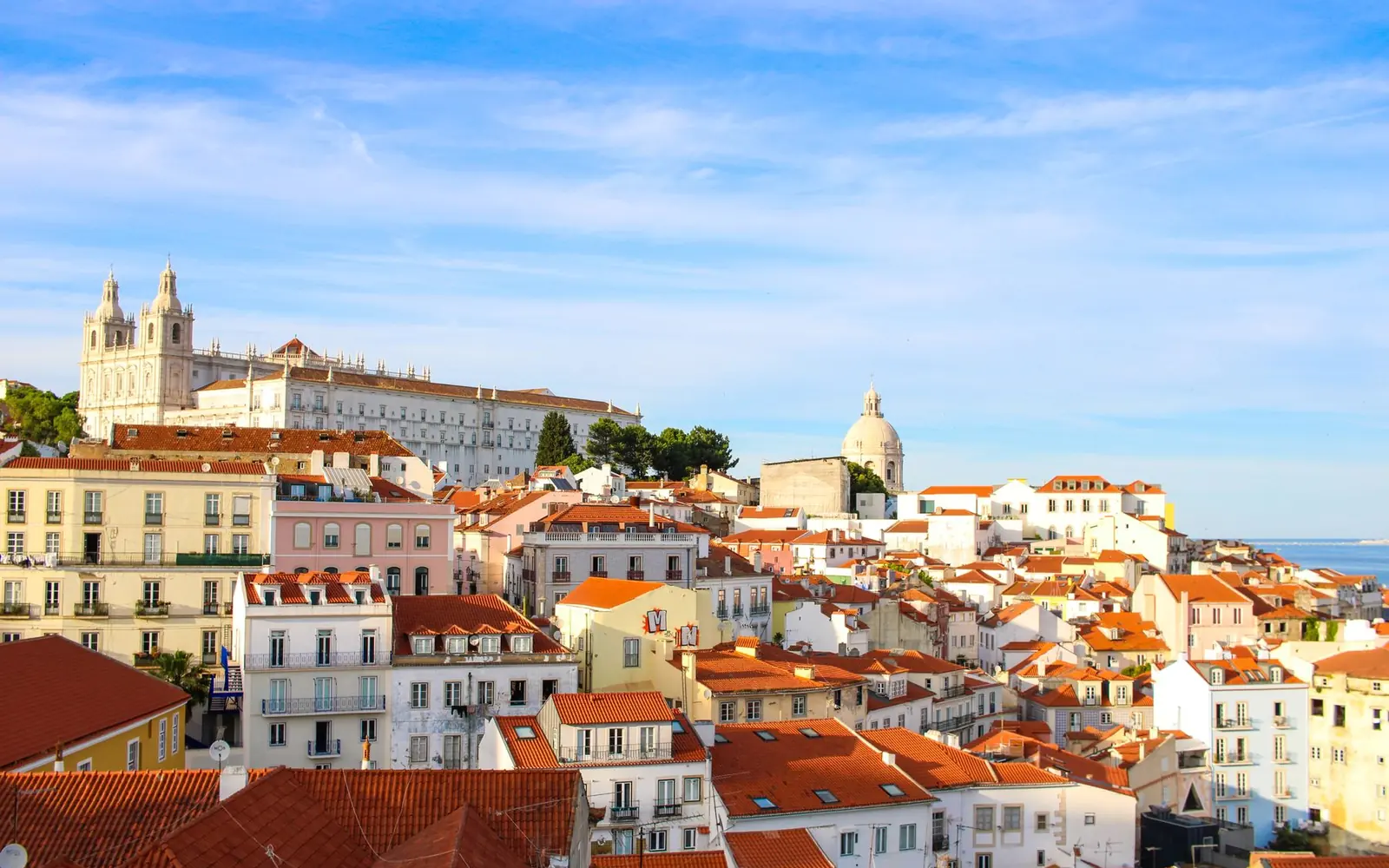
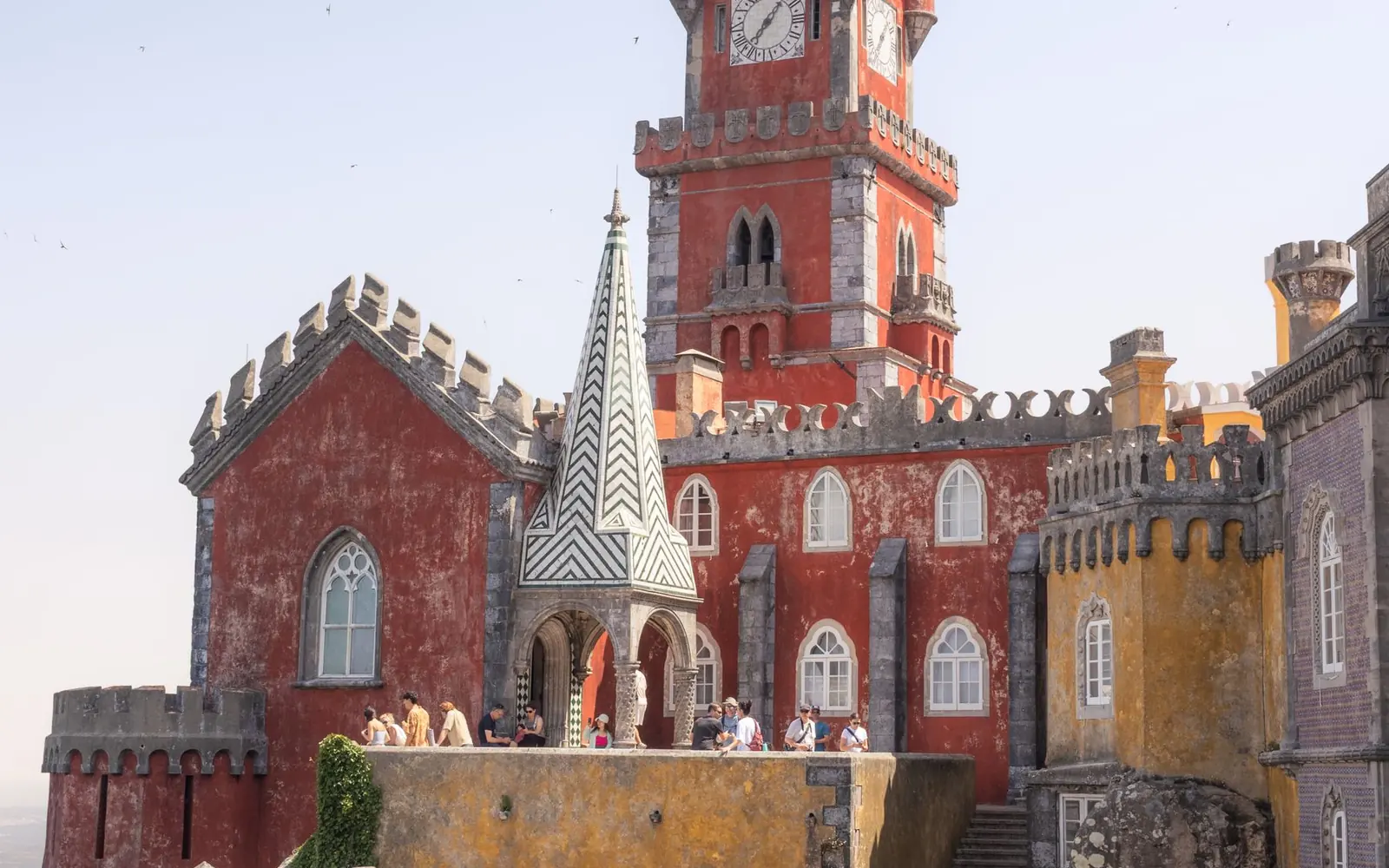
Sintra
A wooded hill town of royal palaces, gardens and demanding routes that need advance planning.
Open guide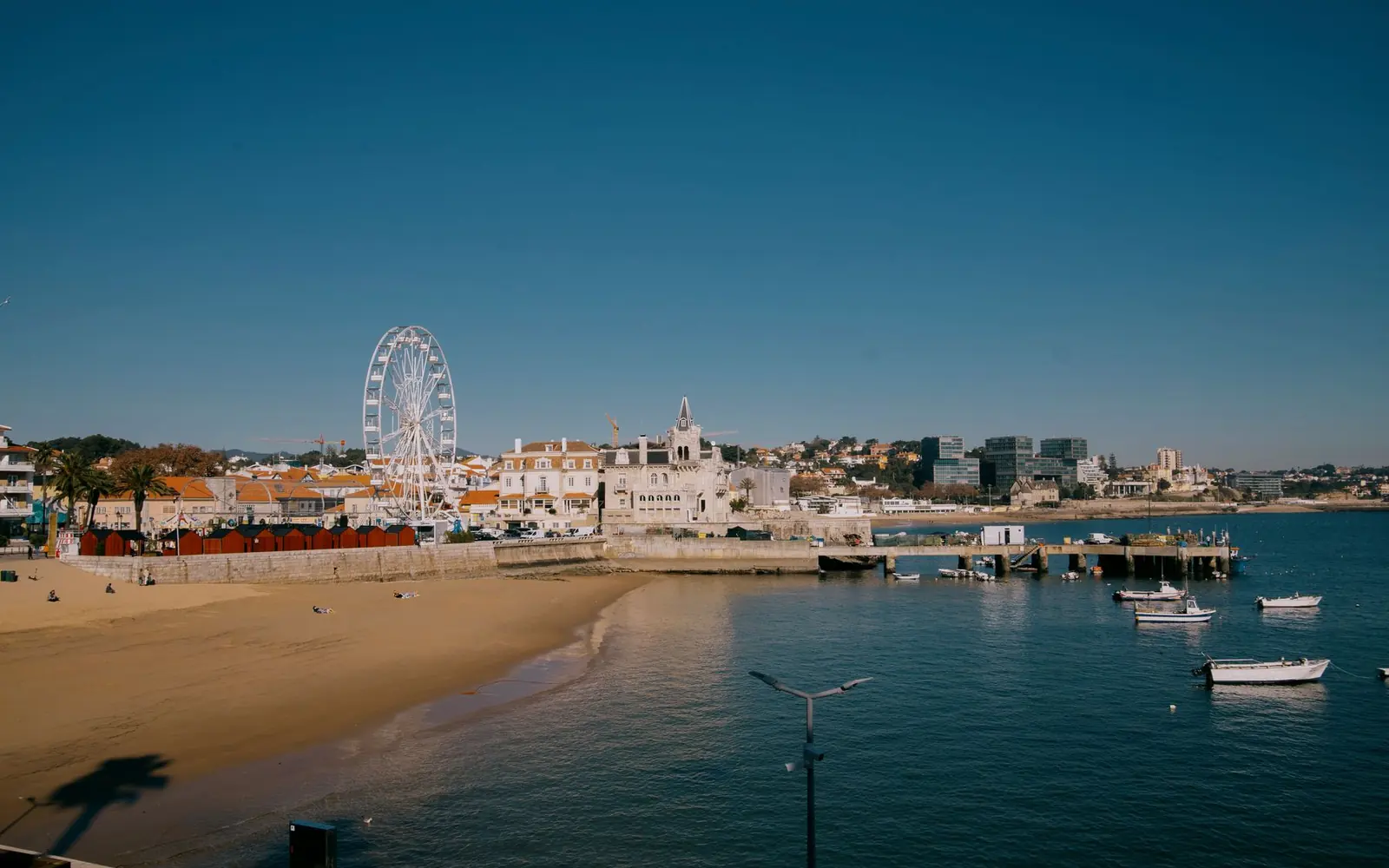
Cascais
A coastal town with small beaches, museums, rail access from Lisbon and a long promenade towards Estoril.
Open guideBuild a coherent route
Plan by area
Lisbon
The capital needs several days for Baixa, Alfama, Belém, museums and neighbourhood time. Group each day geographically because hills, queues and crowded public transport can make short distances take longer than expected.
Sintra hills
Sintra combines large monuments, gardens and steep local journeys. Choose the palace or estate that matters most, book its timed entry, then add one nearby visit instead of attempting every headline site.
Cascais and the coast
Cascais offers a walkable centre, beaches and a coastal change of pace. Use the rail line for a straightforward day, or stay overnight when the coast is a central part of the trip rather than an afternoon extra.
See the main travel bases
See the Lisbon Region’s main bases
Loading the map…
The three markers show distinct bases linked by suburban rail. Sintra lies inland in the hills, while Cascais follows the Tagus toward the Atlantic coast.
Match the route to your time
What fits into your trip
Lisbon only
Keep all three days in Lisbon and group the historic centre, Belém and one wider neighbourhood by area. Sintra would consume a full day and leave the capital too compressed, especially when arrival and departure reduce the available sightseeing time.
Capital and one day trip
Spend four days in Lisbon and choose either Sintra or Cascais for the remaining day. Sintra suits monuments and gardens, while Cascais gives the trip a coastal pause. Do not combine both when the city itself is new.
The complete regional route
Give Lisbon four full days, reserve one day for Sintra and another for Cascais, then keep the final day flexible. That spare time can absorb poor weather, a missed booking or a slower museum and neighbourhood day.
Link the stops sensibly
Routes and day trips
Lisbon sits between two separate suburban rail corridors. Sintra lies northwest in the hills and Cascais lies west along the coast, so each works better as its own day than as one hurried loop.
Suggested regional routes
Sintra with one main monument
Take an early train, follow the booked entry time and use local transport for the steep approach. Pair the main site with the old centre or one nearby estate, then return before the final useful connections become crowded.
Open destination guideCascais and the Atlantic edge
Use the coastal rail line for Cascais, then choose a town walk, beach time or a section toward the Atlantic. Wind and sea conditions matter more than fitting every viewpoint into the same afternoon.
Open destination guideLisbon beyond the central circuit
Use the extra day for one district, museum group or market area that did not fit earlier. Keeping this time open makes the regional plan more resilient when a tram queue, weather change or closure affects another day.
Open destination guideRegional day trips
Sintra from Lisbon by train
A full Sintra day with one timed palace, a controlled hill route and enough margin for local transport and the return to Lisbon.
Wider itineraries
These routes include Lisbon Region but continue to other parts of Portugal.
Lisbon, Sintra and Porto in 7 days Lisbon, Coimbra, Porto and the Douro in 10 daysChoose transport by destination
Getting around Lisbon Region
Metro, trams, buses and funiculars cover Lisbon, while suburban trains run separately to Sintra and Cascais. The region is easy without a car, but exact stations, crowded services and local hill transport still need attention.
Lisbon public transport
Use the metro for longer urban journeys and trams, buses or funiculars for routes that suit them. Historic trams can be crowded, so do not build a timed day around one specific departure.
Suburban trains
Sintra and Cascais use different rail corridors. Check the departure station and current service before leaving, then allow enough time to reach a booked attraction from the arrival station.
Driving
A car adds parking and traffic problems in Lisbon and central Sintra. It becomes useful only for remote beaches or countryside stops that sit beyond the simple rail route.
Choose dates that suit the route
When to visit
Spring and autumn suit city walking, palace gardens and the coast. Summer brings stronger heat and heavier demand, especially in Sintra, while winter is quieter but can bring rain, wind and shorter monument days.
Coastal weather can differ from central Lisbon, and Sintra’s hills may be cooler or cloudier. Check the forecast for the actual destination before deciding which day trip to place on a flexible date.
Read the seasonal guide for PortugalAvoid common route problems
Planning checks
Give Sintra a realistic plan
Large monuments use timed entry and sit on steep, busy routes. Choose one priority, add a compatible second stop and leave enough margin for local transport instead of treating the town as a quick palace checklist.
Protect time in Lisbon
Easy rail links can make every surrounding place look like a day trip. Keep enough full days for the capital before adding coast or countryside, particularly when this is the first visit.
Watch the final return
Check the current evening train and any engineering changes before staying late in Sintra or Cascais. Leave a margin rather than depending on the final possible service.
Quick answers
Questions about Lisbon Region
How many days do I need in the Lisbon Region?
Five days covers Lisbon and one day trip. Seven days gives both Sintra and Cascais enough space without cutting the capital short.
Can I visit Sintra and Cascais on the same day?
It is possible but not a good first plan. They use different corridors and each deserves a separate day.
Do I need a car?
No for Lisbon, central Sintra and Cascais. Public transport covers the main regional route.
Where should I stay?
Lisbon is the most practical first base. Stay in Sintra or Cascais only when quieter evenings, gardens or the coast are a main part of the trip.
How this guide is checked
Sources and review
Reviewed 2 September 2026, next review due 2 March 2027. Services, access rules and opening arrangements can change, so check the official source before travel.
- Lisbon, Turismo de Portugal
- Official Lisbon visitor information, Turismo de Lisboa
- Lisbon Metro, Metropolitano de Lisboa
- Carris, Carris
- CP passenger information, Comboios de Portugal
Continue through Portugal
Regions that connect naturally
Central Portugal
University heritage, canals, Atlantic traditions and small walled towns between Lisbon and Porto.
Alentejo
Walled towns, open countryside, Roman remains and a food culture shaped by the interior.
Continue planning
See more of Portugal
Use the country guide to compare Lisbon Region with other regions and destinations in Portugal.