
Start with the essentials
Plan Alentejo at a glance
- Main base
- Évora
- Useful time
- 4 to 7 days
- Main transport
- Car and coach
- Car use
- Strongly useful
- Main limit
- Heat and rural distances
About Alentejo
Why explore Alentejo
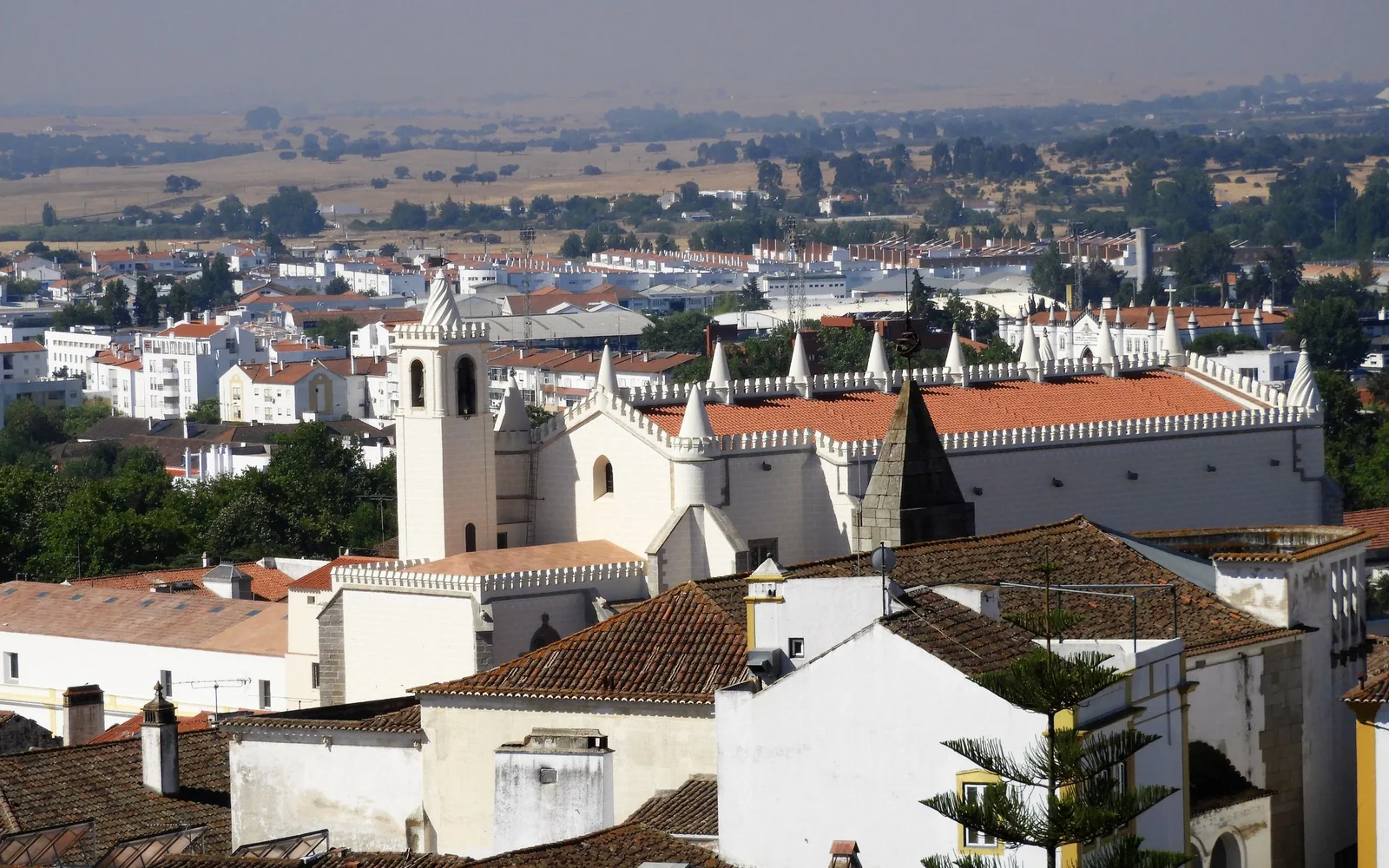
Alentejo offers a slower inland route built around historic towns, fortified landscapes, vineyards and open country. Évora carries the greatest concentration of monuments, while Monsaraz and Elvas show why the region should not be reduced to a single day from Lisbon.
The space between towns is part of the experience, but it changes the practical plan. A car provides the widest choice, accommodation is more dispersed, and summer heat can remove the middle of the day from active sightseeing.
Plan the region
Begin in Évora, then continue east to Monsaraz and Elvas if the trip has enough time for two additional bases. Monsaraz suits Lake Alqueva and evening skies, while Elvas centres on the fortified border landscape.
Travelling without a car is possible between the larger towns by coach or rail, but it limits rural stops and requires careful return planning. Do not assume a vineyard, megalithic site or lake access point has a useful local connection.
Choose where to spend your time
Places to explore
3 guides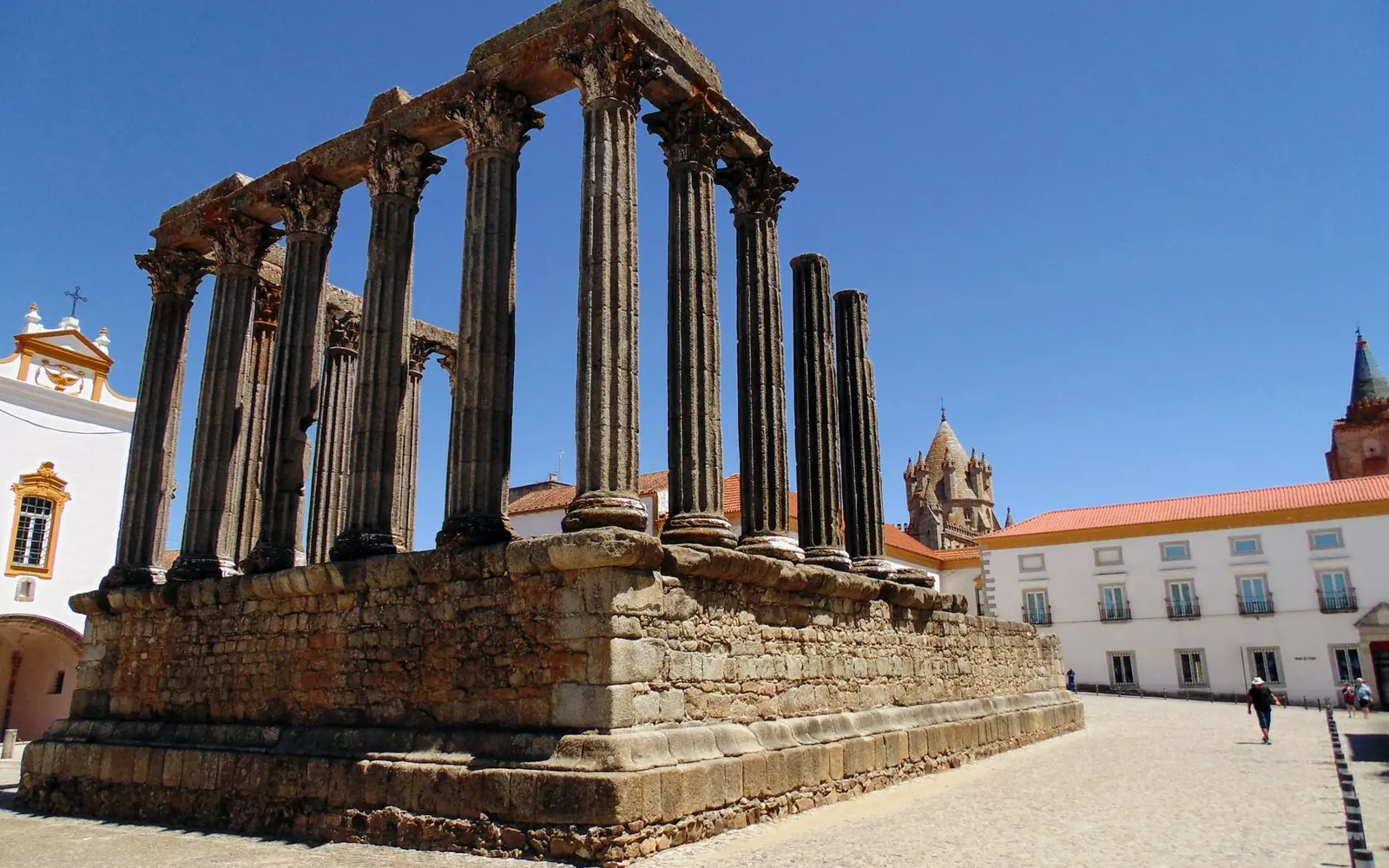
Évora
A walled Alentejo city of Roman remains, medieval streets and regional food, set in an open inland landscape.
Open guide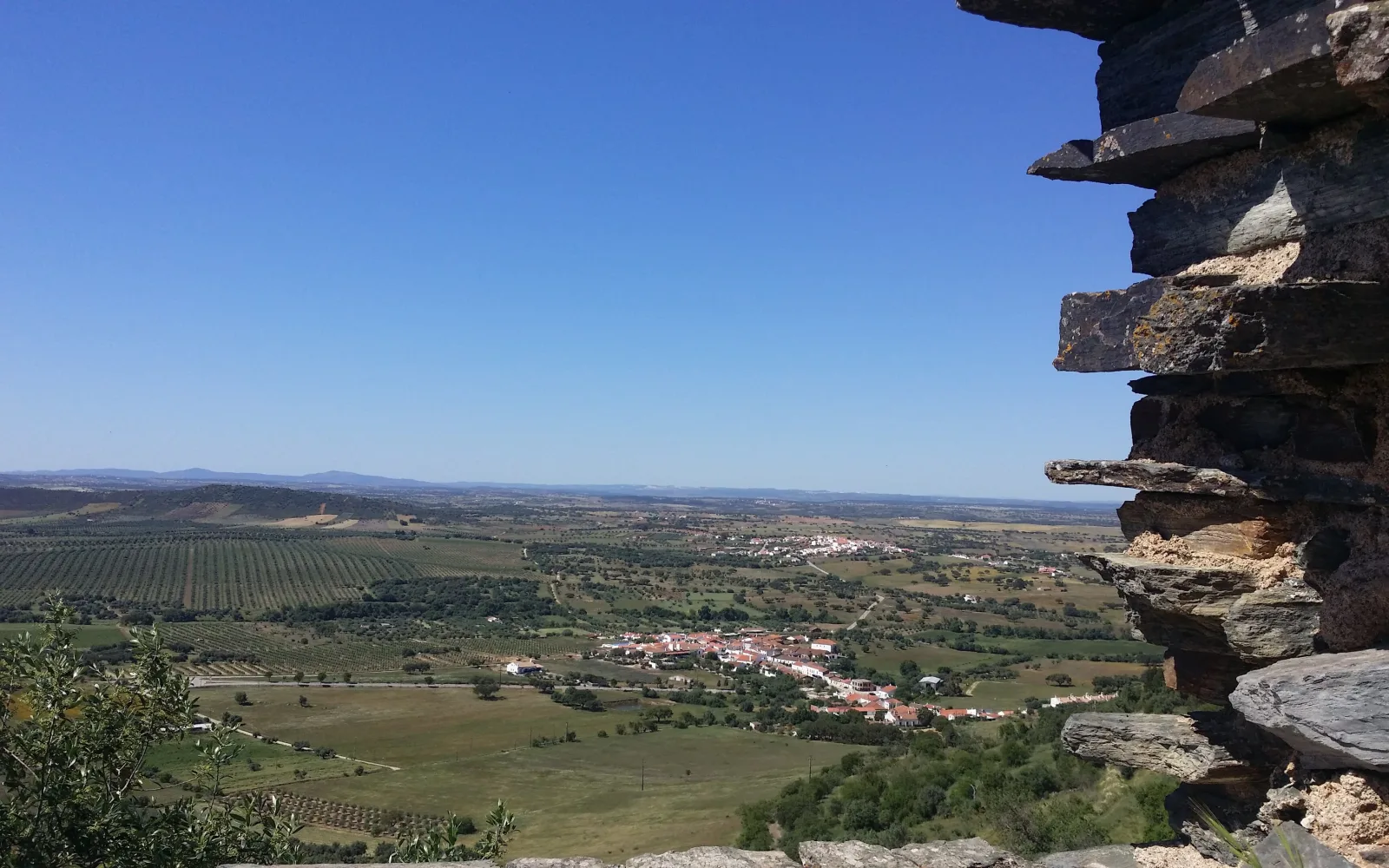
Monsaraz
A small walled hill town above Lake Alqueva, best paired with nearby megaliths, vineyards and an unhurried Alentejo route.
Open guide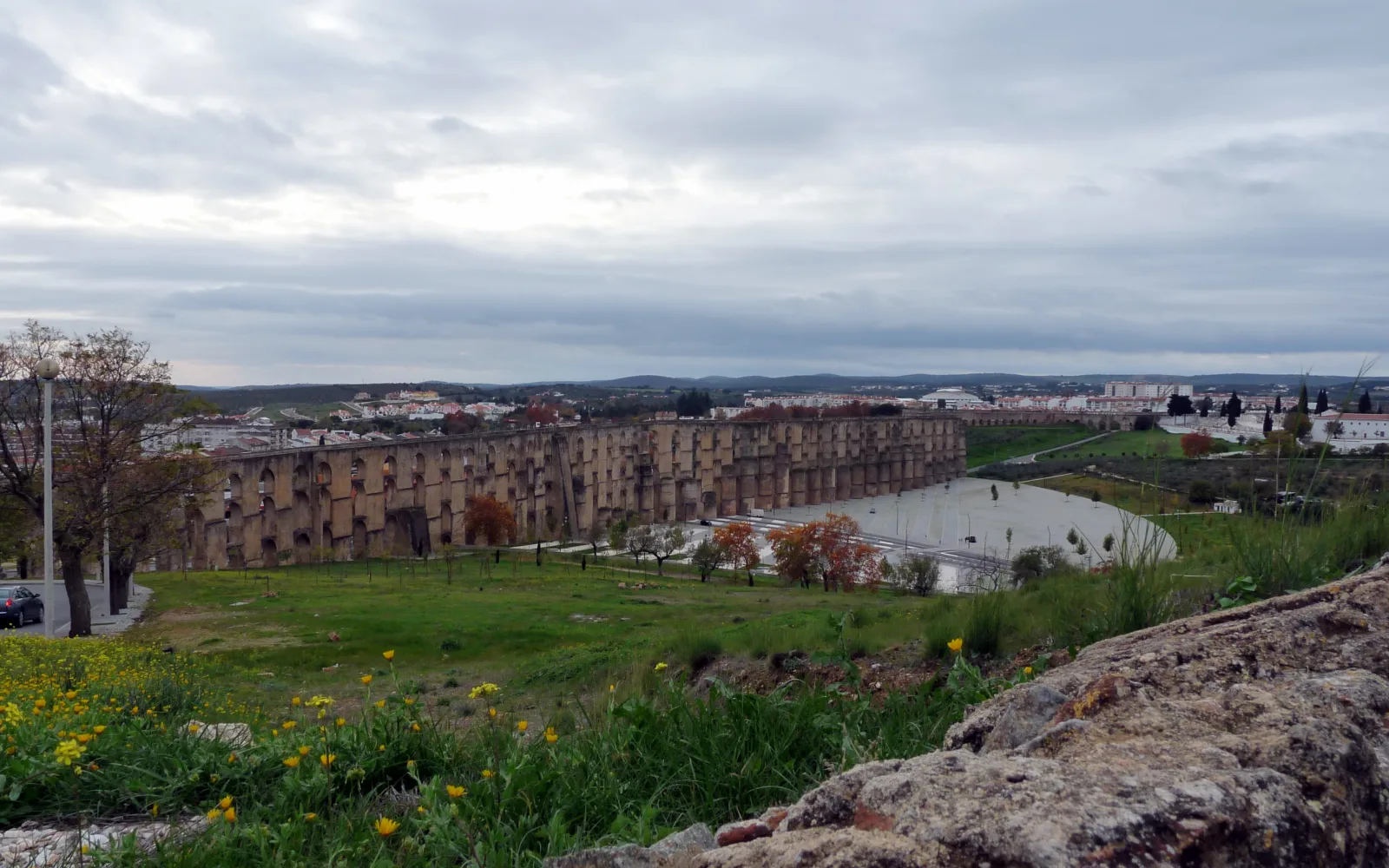
Elvas
A fortified border city where walls, outlying forts and the Amoreira Aqueduct explain centuries of defence between Portugal and Spain.
Open guideBuild a coherent route
Plan by area
Évora and central Alentejo
Use Évora for the Roman temple, cathedral area, historic streets and a first look at the region. Two nights give the centre a better pace and make room for one nearby rural visit.
Monsaraz and Lake Alqueva
Monsaraz is a small walled settlement with broad views over Lake Alqueva. Stay nearby for an evening visit, megalithic sites or dark-sky activity rather than treating it as a short photograph stop.
Elvas and the Spanish border
Elvas is defined by walls, forts and the Amoreira Aqueduct. The defensive system extends beyond the compact centre, so a complete visit needs more than a brief walk between the main squares.
See the main travel bases
See the Alentejo bases covered here
Loading the map…
Évora, Monsaraz and Elvas form an eastward route across central Alentejo. Distances are manageable by road, but public transport does not connect every rural stop directly.
Match the route to your time
What fits into your trip
Évora at a useful pace
Stay both nights in Évora and divide the historic centre across a full day and two quieter periods. Monsaraz or Elvas can be added only by cutting the city short, so keep them for a longer Alentejo route.
Évora and Monsaraz
Give Évora two nights, then stay near Monsaraz for the walled village, Lake Alqueva and an evening activity. A car makes the route practical and leaves room for a rural stop. Elvas would add another direction and deserves more time.
The eastern Alentejo route
Combine Évora, Monsaraz and Elvas with two or three bases. Leave one day open for a rural stop, heat or a slower monument visit. This route works best by car and should not be rushed before a fixed border crossing.
Link the stops sensibly
Routes and day trips
Évora, Monsaraz and Elvas form a logical eastward progression, but the region is not dense with continuous public transport. Fix the overnight towns first, then add rural stops that genuinely fit the road between them.
Suggested regional routes
Évora as the starting point
Use the first day for the historic centre and the second for a museum, market or nearby site. Collect a car only when leaving if central parking would add more trouble than value.
Open destination guideMonsaraz and Alqueva
Arrive after the strongest afternoon heat, explore the walls and viewpoints, then stay for dinner or a booked stargazing activity. Use the next morning for the lake or nearby megalithic landscape.
Open destination guideFortified Elvas
Walk the old centre, then use a car or taxi for the outlying forts when they are open. Continue toward Spain only after allowing enough time for the full defensive landscape.
Open destination guideChoose transport by destination
Getting around Alentejo
A car gives the strongest Alentejo route because towns, rural stays and historic sites are widely spaced. Rail and coaches cover selected city links, but local connections may be too limited for an efficient sightseeing circuit.
Driving
Use a car for Monsaraz, Lake Alqueva, rural accommodation and linked eastern towns. Fuel, shade and parking matter on hot days, and smaller roads should be given more time than a motorway estimate.
Rail and coach
Évora and Elvas have public transport links, but frequency and journey shape vary. Check the dated timetable and the distance from the arrival point to the accommodation.
Local transfers
Taxis or arranged transfers may be needed for vineyards, megalithic sites and lake activities. Confirm the return before leaving town because an on-demand service may not be available later.
Choose dates that suit the route
When to visit
Spring and autumn offer the most comfortable walking conditions. Summer can be extremely hot inland, so use early mornings and evenings for exposed sites and avoid scheduling long outdoor walks through the middle of the day.
Winter is quieter and can bring cold nights, rain and shorter opening hours. Dark-sky plans depend on cloud as well as light pollution, so book with a provider that explains weather changes and cancellation arrangements.
Read the seasonal guide for PortugalAvoid common route problems
Planning checks
Respect the summer heat
Exposed walls, squares and rural sites offer little shade. Carry water, protect the middle of the day and do not let a fixed checklist override current temperature warnings.
Confirm rural transport
A town-to-town coach does not solve the final journey to a vineyard, lake edge or isolated property. Arrange that transfer before booking a stay outside the main centres.
Allow time for Elvas’s forts
The World Heritage property includes more than the old-town walls. Check current access to the outlying forts and avoid promising a complete visit within a short border stop.
Quick answers
Questions about Alentejo
How many days do I need in Alentejo?
Four days covers Évora and Monsaraz. A week gives Elvas and rural stops enough room.
Do I need a car?
A car is not essential for Évora alone, but it is strongly useful for Monsaraz, Lake Alqueva and a wider regional route.
Is Alentejo suitable in summer?
Yes with an early and late daily rhythm, but high inland temperatures can make exposed midday sightseeing unsafe or unpleasant.
Can I visit Évora from Lisbon?
Yes, although an overnight gives the historic centre more time and makes a wider Alentejo route possible.
How this guide is checked
Sources and review
Reviewed 2 September 2026, next review due 2 March 2027. Services, access rules and opening arrangements can change, so check the official source before travel.
- Évora World Heritage, Turismo de Portugal
- Visit Portugal, Turismo de Portugal
- Alentejo, Turismo de Portugal
- Monsaraz, Turismo de Portugal
- Dark Sky Alqueva, Dark Sky Alqueva Association
- Elvas, Turismo de Portugal
- Garrison Border Town of Elvas and its Fortifications, UNESCO World Heritage Centre
Continue through Portugal
Regions that connect naturally
Lisbon Region
City neighbourhoods, Atlantic beaches, Sintra hills and easy rail trips around the Tagus estuary.
Central Portugal
University heritage, canals, Atlantic traditions and small walled towns between Lisbon and Porto.
Algarve
Cliff-backed beaches, island sands, historic centres and resorts with sharply different seasonal rhythms.
Continue planning
See more of Portugal
Use the country guide to compare Alentejo with other regions and destinations in Portugal.