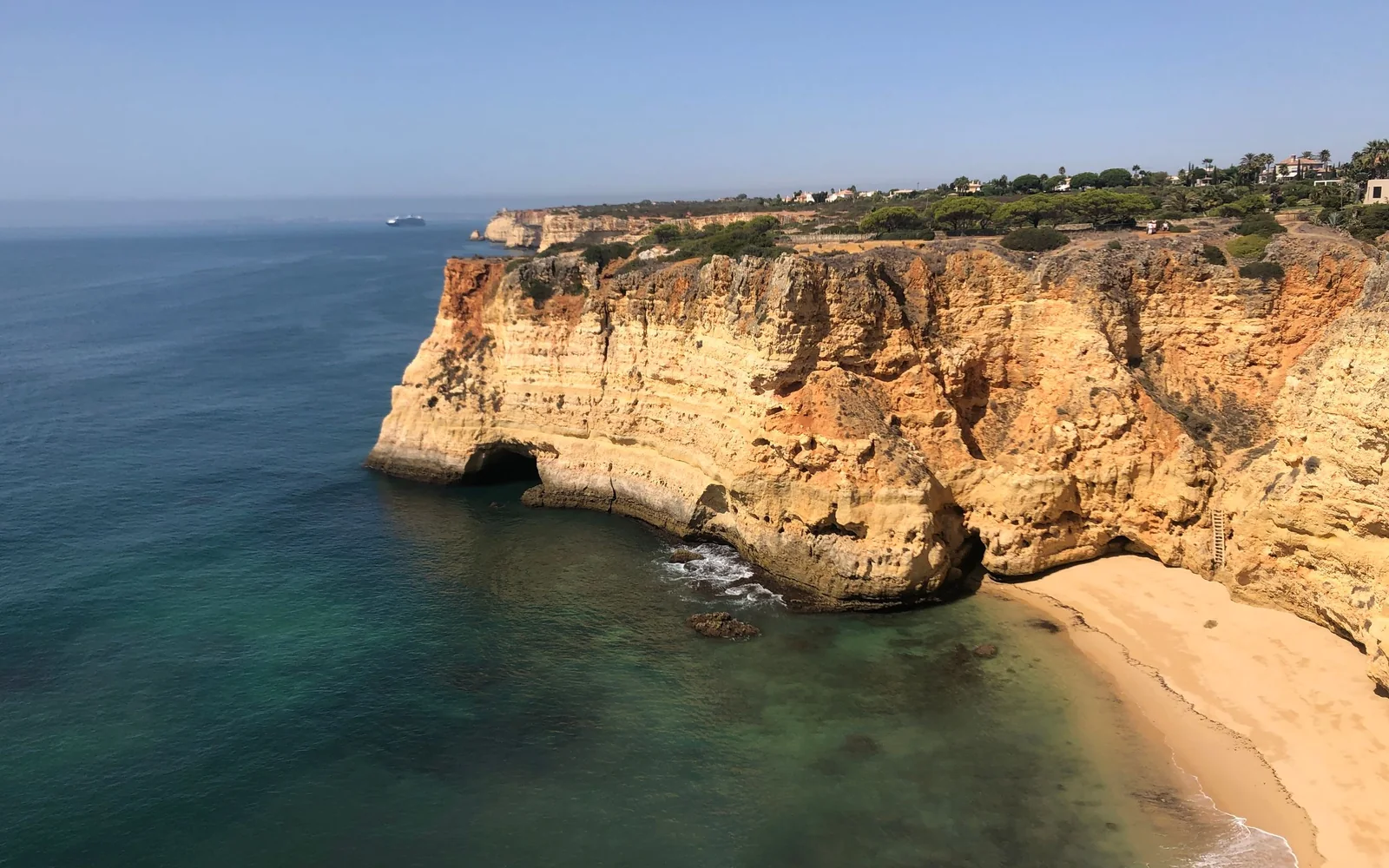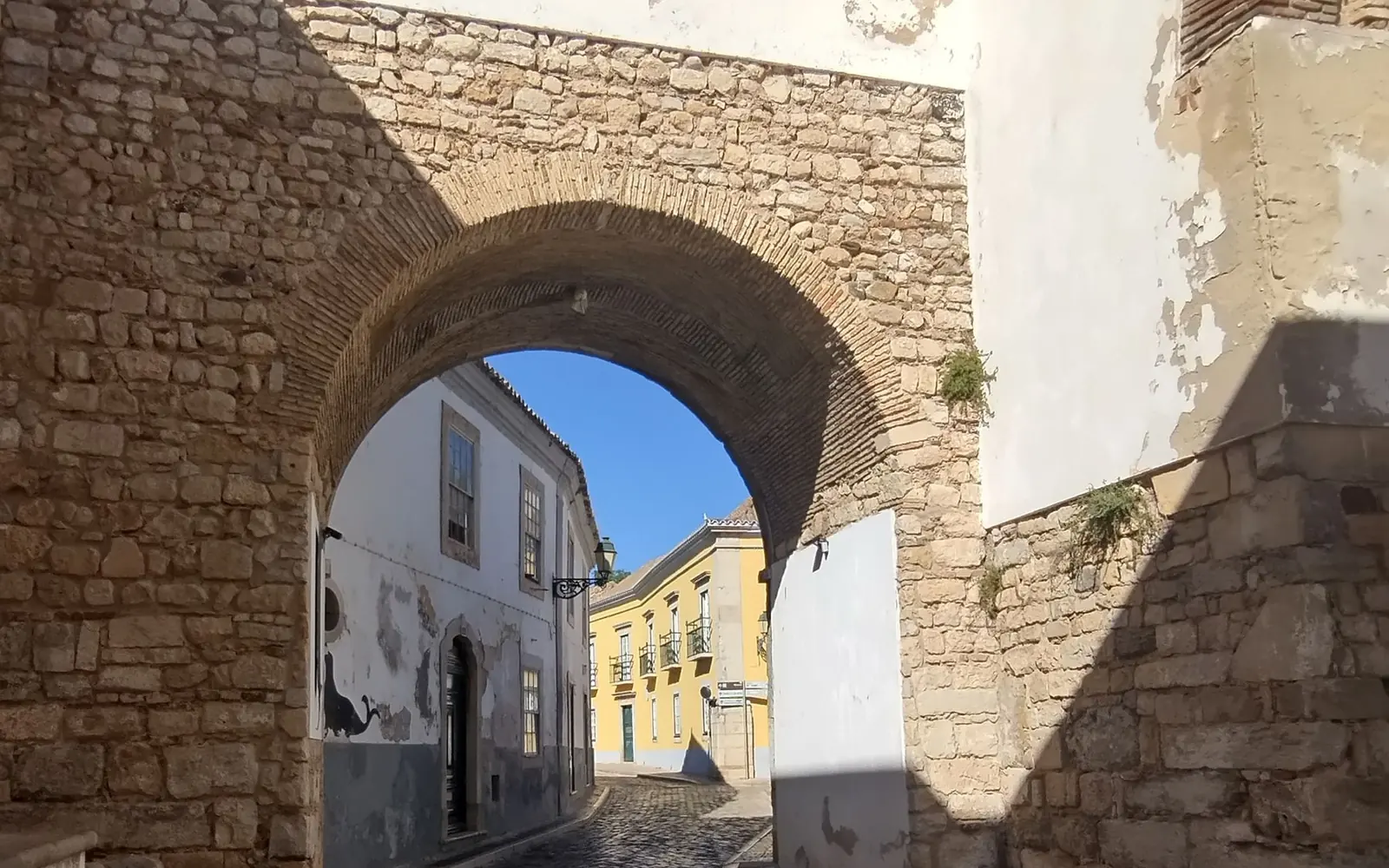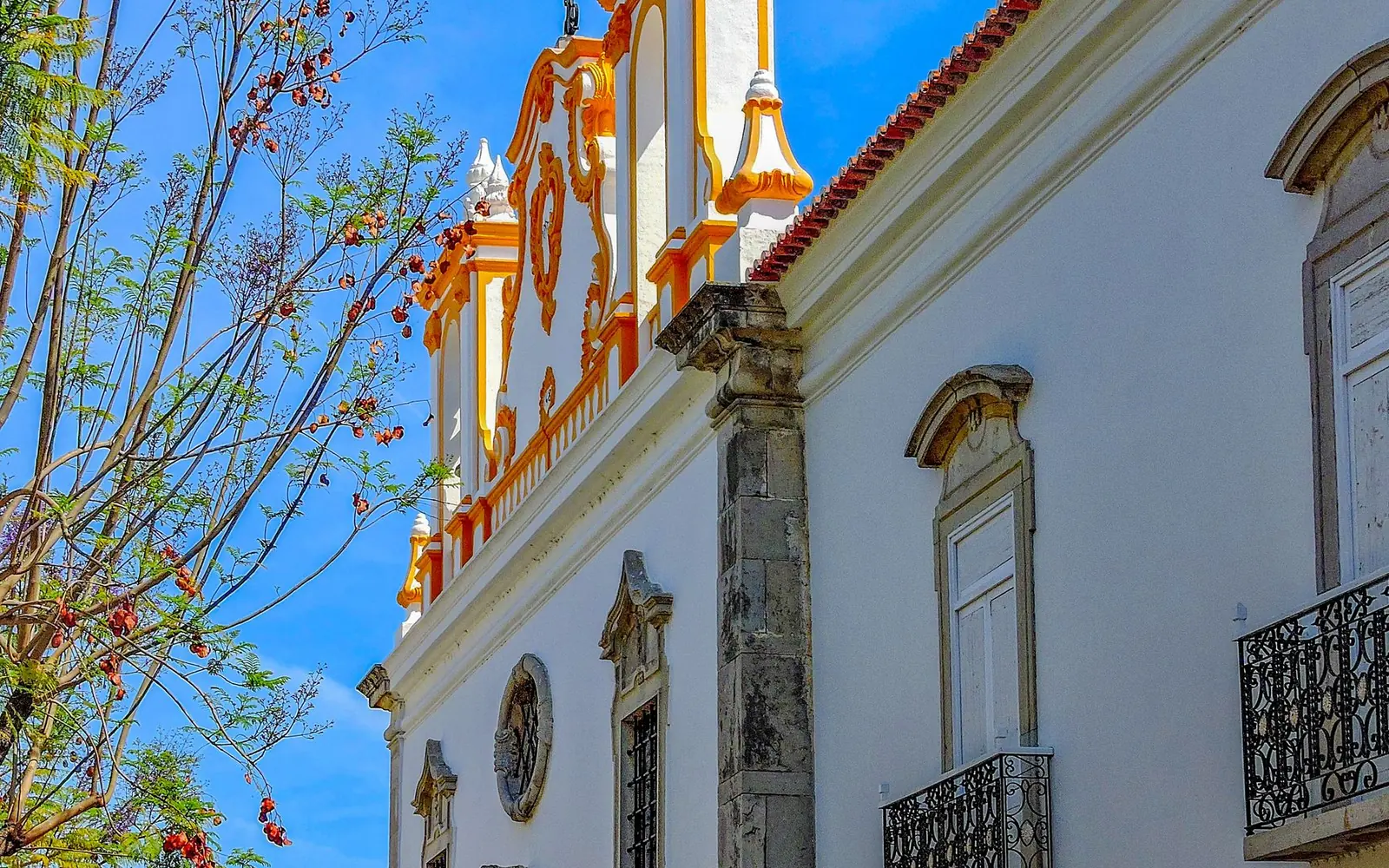
Tavira offers a different Algarve experience from the cliff resorts farther west. The Gilão River divides a compact historic centre of churches, traditional roofs and small squares. Beaches lie on barrier islands beyond the Ria Formosa, so town and sand should be planned as separate parts of the stay.
Two or three days suit travellers who prefer quiet evenings, local architecture and a car-free base. Tavira is still popular in summer, but its nightlife is less dominant than in Albufeira.
Separate the Gilão walk from the beach transfer
Begin beside the River Gilão and cross into the old streets, then use the castle area for a view over the roofs and river. Keep lunch and a return through the central streets in the same part of the day. That makes a complete short visit without needing an island departure.
Tavira Island and Barril are additional beach outings. Pick one and check its access and return before planning the rest of the day. If a late arrival leaves little daylight, keep the first evening in town and move the beach outing to the following day. Use Faro as a comparison if an airport connection and a different lagoon departure point matter more than staying in Tavira itself.
Continue planning: Compare Faro · Choose between Algarve bases · Fit the Algarve into a Portugal trip.
Official information: Turismo de Portugal: a walk around Tavira.
River and historic centre
The pedestrian bridge, often called the Roman Bridge, connects both sides of the centre. Its present structure reflects later rebuilding, so the name should not be read as proof that the visible bridge is wholly Roman.
Climb towards the castle garden and Santa Maria do Castelo, then return through the old streets. Tavira has many churches, but opening patterns vary and not all will be accessible on the same day. Choose a few rather than waiting outside closed doors.
Tavira Island
Ilha de Tavira is reached by boat services whose departure points and frequency change by season. Quatro Águas is one common route, while summer arrangements may differ. Check the current operator information and last return before leaving town.
The island beach is broad and sandy, but facilities reduce outside the main season. Bring water and sun protection. Boardwalks help across dunes, though boats and sand still create access limits.
Ria Formosa and nearby coast
The eastern Algarve is shaped by lagoons, salt pans and barrier islands rather than high cliffs. Birdlife and tidal landscapes are part of the visit. Boat tours vary between passenger transfers, nature trips and longer coastal journeys, so read the route carefully.
Cabanas and Santa Luzia are nearby communities with their own waterfronts and beach connections. They should be treated as separate outings rather than districts reached on a short central walk.
A three-day plan
- Day one: Walk both riverbanks, the bridge, castle area and selected churches.
- Day two: Take a checked boat service to Tavira Island and keep the evening relaxed.
- Day three: Visit Santa Luzia or Cabanas, take a nature trip, or follow a longer town walking route.
Where to stay
Central Tavira is best for restaurants, rail access and evening walks. Properties across the river remain close, though exact bridge routes matter. Rural and coastal accommodation can be peaceful but may require a car or taxi after dinner.
Food
Octopus is closely associated with Santa Luzia, while tuna, clams, grilled fish and rice dishes reflect the eastern Algarve coast. Tavira also has cafés and bakeries suited to a slower afternoon. Choose seafood by season and ask about current catch rather than relying on a fixed local menu.
Getting there and around
Regional trains connect Tavira with Faro and other towns on the eastern Algarve line. The centre is walkable from the station. Buses cover routes not served by rail, with reduced frequencies possible outside summer.
A car helps with inland villages and scattered beaches but is not needed for a town-and-island stay. Parking inside narrow central streets may be limited.
Best time to visit
Late spring and early autumn balance warm weather with easier walking. Summer has the most frequent visitor services and the greatest heat. Winter is calm, but ferry and restaurant schedules may reduce.
Access
The riverfront is mostly level, while the castle area involves a climb and historic paving. Island access depends on the boat, gangway and sand conditions. Ask the operator directly if step-free boarding is essential.
Common planning mistakes
- Do not describe Tavira Island as a central town beach.
- Do not rely on an old ferry timetable.
- Do not expect every historic church to be open throughout the day.
- Keep town sightseeing and the beach on separate parts of the schedule.
Places to add to your map
- Roman Bridge: Historic pedestrian crossing over the Gilão.
- Tavira Castle: Castle remains and garden above the centre.
- Igreja de Santa Maria do Castelo: Historic church beside the castle.
- Mercado da Ribeira: Riverfront market building near the centre.
- Quatro Águas: Seasonal departure area for Tavira Island.
Open the route planner to place these stops in a wider Portugal trip.
Plan nearby destinations
- Portugal travel guide
- Algarve
- Faro travel guide
- Albufeira travel guide
- Lagos travel guide
- Portugal route planner
Questions about Tavira
How many days should I spend in Tavira?
Two full days cover the historic centre and an island-beach trip. Add a third for a slower pace or another eastern Algarve outing.
Is Tavira Island in the town centre?
No. It is a barrier island in the Ria Formosa and requires a ferry or another transport combination depending on the beach and season.
Can I visit Tavira without a car?
Yes. The centre is walkable, and regional trains and buses connect nearby towns. Beach transfers need current timetable checks.
Is Tavira quieter than Albufeira?
Generally yes. Tavira has less concentrated nightlife and a more local evening atmosphere, though it is still busy in summer.
Sources and updates
This guide was last reviewed on 28 August 2026. Transport, access and opening arrangements can change, so check the official source before travel.
- CP passenger information, Comboios de Portugal
- Tavira walking routes, Câmara Municipal de Tavira
- Tavira, Turismo de Portugal
Related places to consider
These guides can help you place Tavira within a wider route.