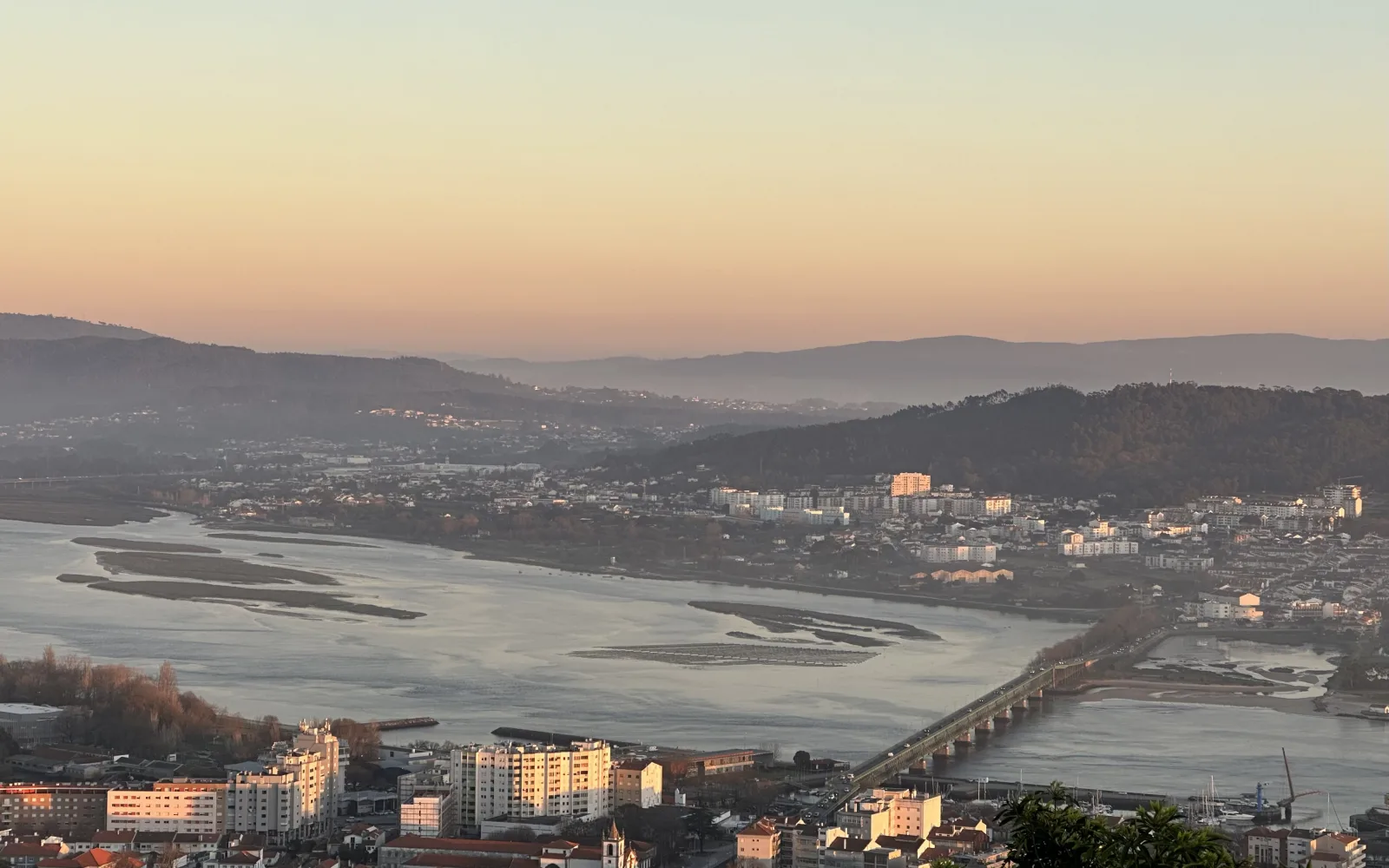
Viana do Castelo sits where the Lima River reaches the Atlantic, giving a small historic city an unusually varied setting. The centre, waterfront and decorative buildings are easy to explore on foot, while the Santa Luzia hill and nearby coast need separate time. It works as more than a station stop between Porto and Galicia.
Walk the historic centre
Start around Praça da República, where the old town hall, fountain and Misericórdia complex set the scale of the centre. Continue through the surrounding pedestrian streets rather than following a long monument list. The pleasure of the city comes from tiled fronts, shop signs, small squares and the changing mix of Manueline, Renaissance and later buildings.
Check the current opening hours of any church or museum that matters. Several interiors keep shorter visitor periods than the streets around them, and religious services can affect access. A free first afternoon works well because most central sights sit within an easy walk of one another.
Use the river and waterfront
The Lima waterfront opens the city toward the Eiffel bridge, marina and former maritime buildings. Walk this area separately from the old centre so there is time to understand Viana’s relationship with fishing, shipbuilding and Atlantic trade. The Gil Eannes museum ship is a substantial visit when maritime history is a priority, not a quick addition before a train.
Go up to Santa Luzia
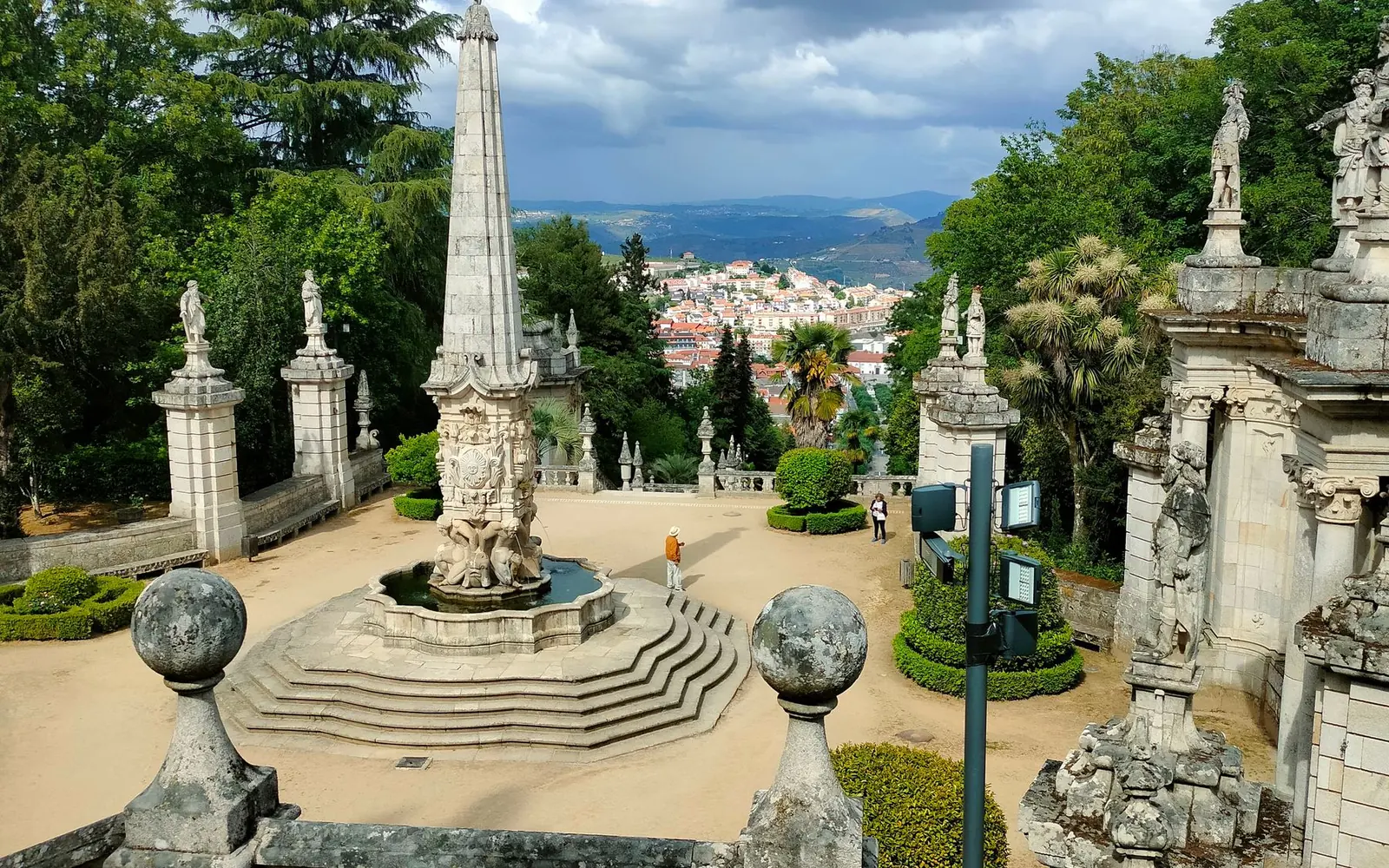
The sanctuary on Monte de Santa Luzia stands above the city and provides the clearest view of the river, coast and surrounding hills. Reach it by the operating transport available on the day, taxi, car or a demanding uphill walk. Check the funicular status and hours directly because seasonal or maintenance changes can alter the easiest approach.
Cloud can hide the wider view even when the centre is bright. Keep the hill visit flexible, and do not force it into poor visibility simply because it was placed on the first morning.
Choose a coast outing
Cabedelo and other nearby beaches add an Atlantic day without turning the trip into a long regional drive. Wind, waves and water conditions vary, so use local flags and choose the outing for walking, scenery or swimming according to the day. The coast is exposed and should not be treated like a guaranteed calm-water beach.
Arrive and move around
Rail connects Viana do Castelo with Porto and other towns on the Minho line. Check the dated journey because some routes require a change and service patterns differ. The station is useful for the central city, while Santa Luzia, remote beaches and Lima valley stops need local transport, a taxi or a car.
A car is unnecessary for the historic centre and can add parking work. Collect one only when the trip continues to Peneda-Gerês, smaller coastal settlements or the more rural Minho area.
Give the city an overnight stay
One long day covers the central streets, waterfront and Santa Luzia when conditions cooperate. Two days allow a museum, a coast outing and a slower evening without checking the return train throughout the afternoon. Viana also forms a useful northern base before moving inland toward Peneda-Gerês or continuing toward the Spanish border.
Continue planning
Questions about Viana do Castelo
Is Viana do Castelo a day trip from Porto?
Yes by rail, but one night gives the waterfront, Santa Luzia and a coast visit a much better pace.
Do I need a car in Viana do Castelo?
No for the centre and riverfront. A car helps only for wider coast, Lima valley or national-park plans.
How do I reach Santa Luzia?
Use the operating funicular, a taxi, car or the uphill walking route. Check current access before setting out.
Can Viana do Castelo connect with Peneda-Gerês?
Yes as part of a northern route, but the park needs its own base, road plan and several days.
Sources and updates
This guide was last reviewed on 2 September 2026. Transport, access and opening arrangements can change, so check the official source before travel.
- CP passenger information, Comboios de Portugal
- Porto and the North, Turismo de Portugal
- Viana do Castelo, Turismo de Portugal
Related places to consider
These guides can help you place Viana do Castelo within a wider route.