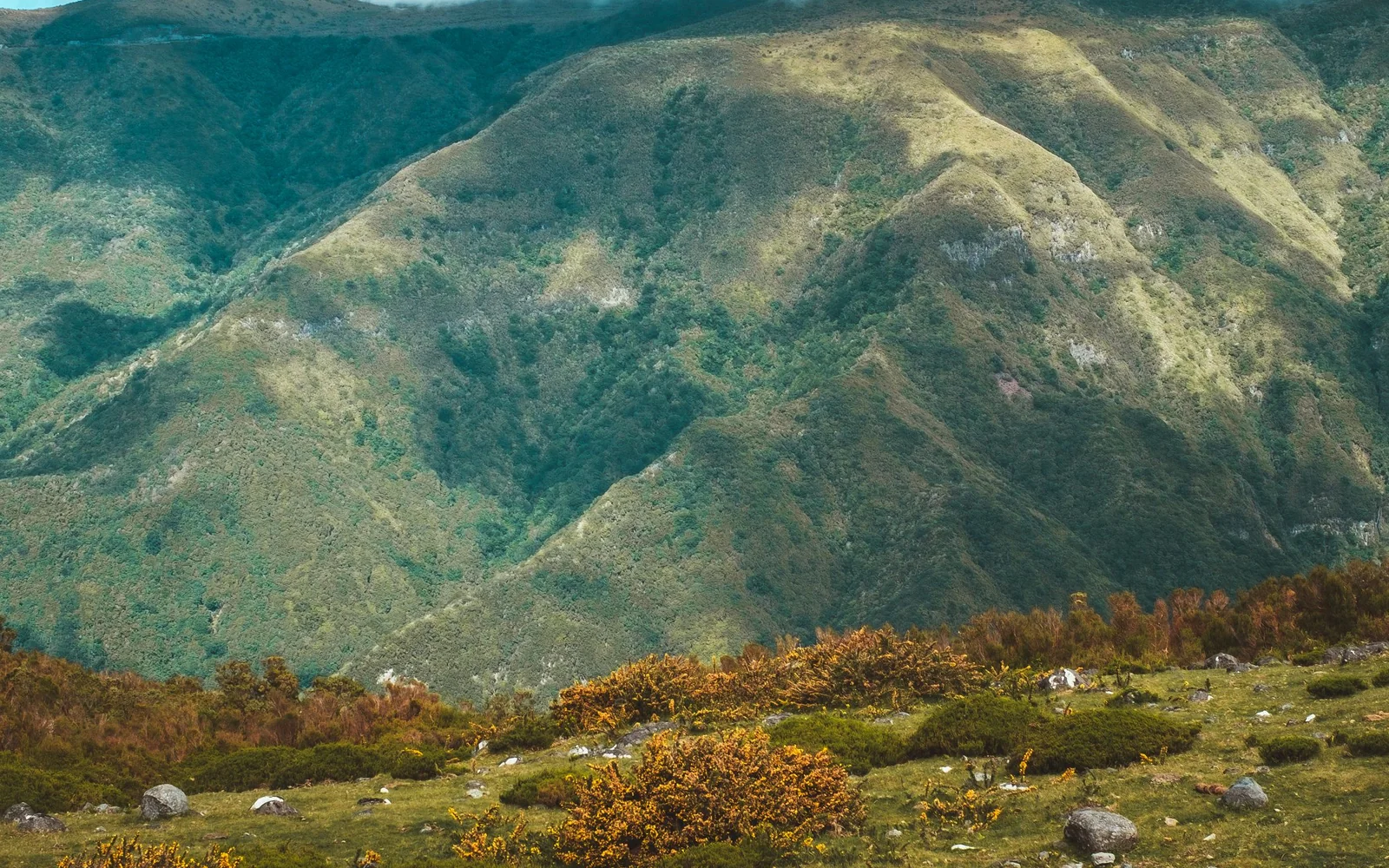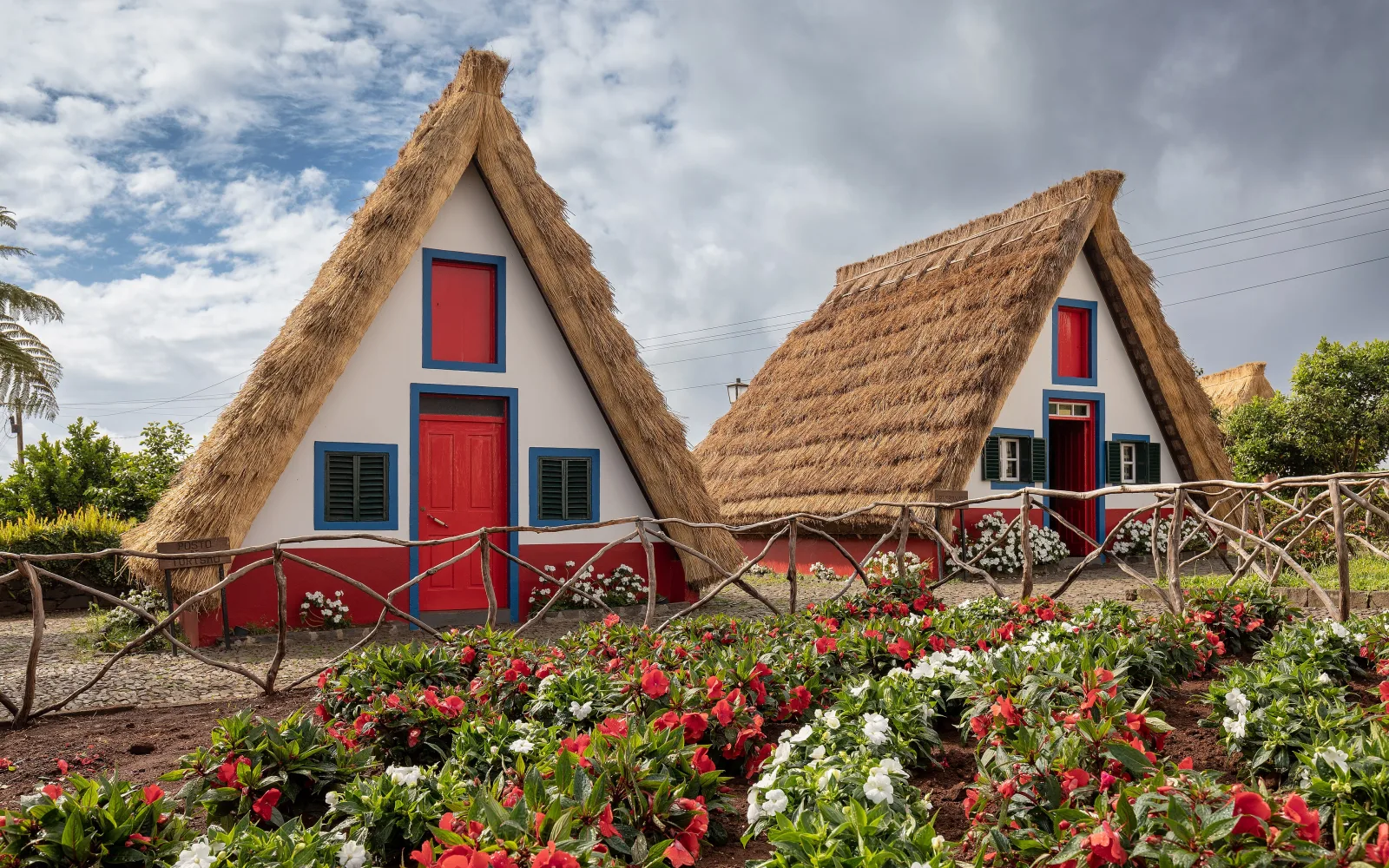
Santana is both a town and a larger municipality covering a broad part of northeastern Madeira. Its traditional thatched houses are the familiar image, but a worthwhile stay also uses Santana as a base for forest paths, mountain approaches and the changing landscapes between the north coast and the island interior.
See the town in context
The colourful thatched houses near the centre offer a brief introduction to local building traditions, but they should not fill the whole visit. Walk through the town, note which structures are visitor displays, and then use Santana to reach the rural and forested parts of the municipality.
Local events can make the centre busier and alter access. Check dates if a quiet stay or a particular festival is important to the trip.
Plan walks from the north side
Queimadas and nearby forest routes are among the most useful additions to a Santana stay. Ribeiro Frio and approaches towards the central mountains may also fit, depending on which trails and roads are open. Select walks by current status and ability, not by photographs alone.
Madeira paths can include wet surfaces, drops, tunnels and fast weather changes. Carry suitable footwear, water and a light source where required, and obey every closure even when other walkers continue.
Separate Santana from the mountain peak
Santana municipality includes access areas associated with Pico Ruivo, but the town centre is not the mountain trailhead. Driving times, parking controls and trail conditions need separate checks before a summit plan. Cloud, wind or maintenance can close or change a route without affecting the weather in town.
A guided walk or arranged transfer can remove the problem of returning to the same car after a one-way route. Confirm what the service includes and what happens if conditions cancel the walk.
Add the coast selectively
Faial and viewpoints along the north coast provide a useful contrast to the forest. Roads cross steep terrain, so short map distances can take longer than expected. One coastal circuit and one inland day make a better plan than repeatedly crossing the island.
Swimming conditions on the north coast depend on the sea and local facilities. Use designated areas and current safety advice rather than entering exposed water from an attractive viewpoint.
Compare car and bus travel
A car makes trailheads and scattered viewpoints much easier to reach, although narrow roads, gradients and limited parking demand patience. Start early for popular walking areas and never park across an access road.
Public buses connect Santana with other parts of Madeira, but they do not create a flexible sightseeing circuit. Read the current SIGA timetable in both directions and identify the exact stop before committing to a walk.
Stay long enough to adapt
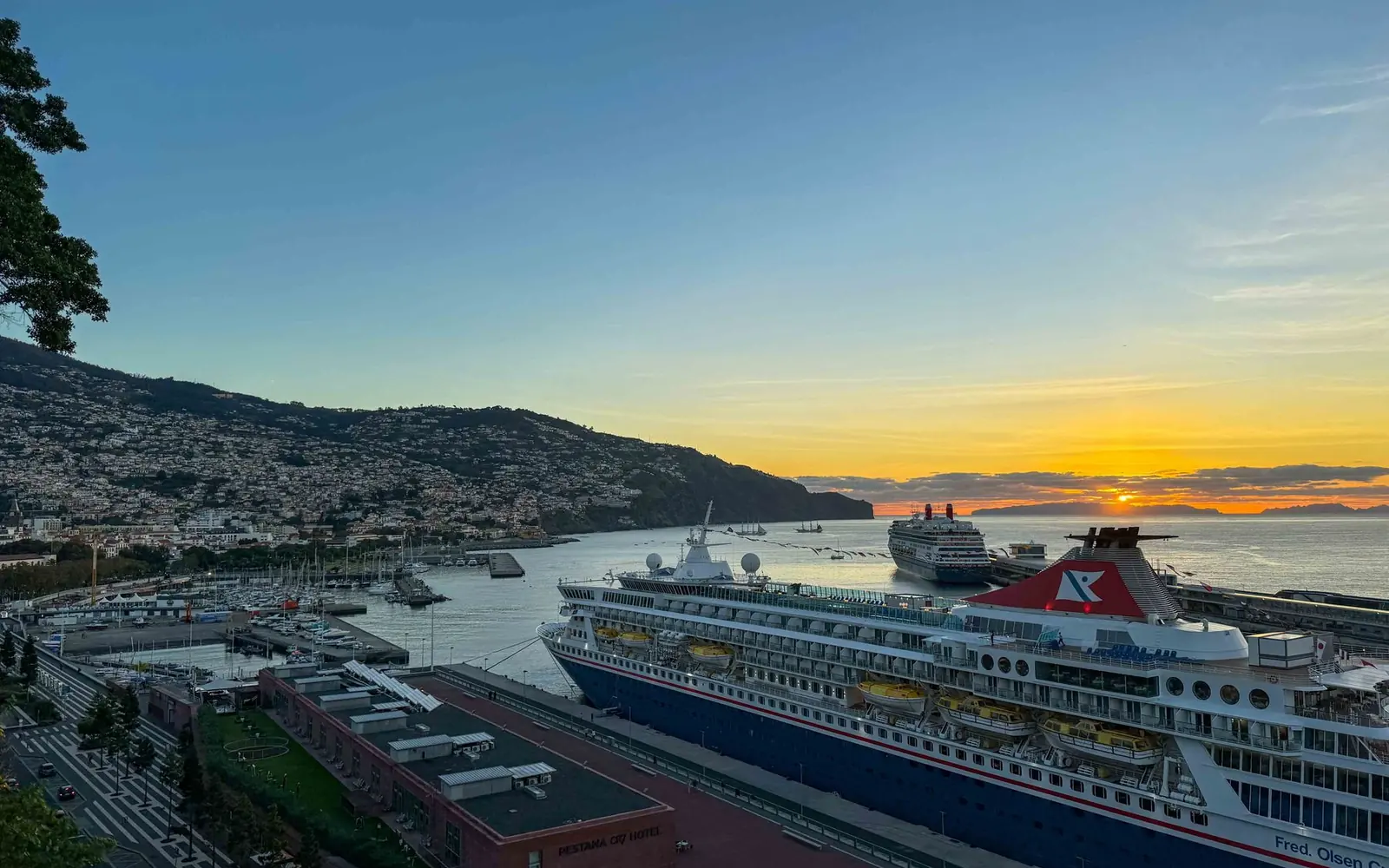
Two nights support one walking day and a look at the town and coast. Three nights give room to change plans when the high ground is cloudy or a path is closed. Santana can form the north-side part of a split Madeira stay with Funchal or the west.
Continue planning
Questions about Santana
Is Santana only known for the thatched houses?
No. The houses are a short central stop, while the wider area is useful for forest walks, mountain access and north-coast scenery.
How many days do I need in Santana?
Two to three days gives time for one major walk, the town and part of the nearby coast, with some weather flexibility.
Can I stay in Santana without a car?
Yes, but bus times will shape the trip. A car, transfer or organised walk is more practical for many trailheads.
Can I walk to Pico Ruivo from Santana town?
No. The relevant trailheads require a separate road journey, and current trail access must be checked before departure.
Sources and updates
This guide was last reviewed on 2 September 2026. Transport, access and opening arrangements can change, so check the official source before travel.
- Madeira public transport, SIGA Madeira
- Visit Madeira, Madeira Promotion Bureau
- What to visit in Santana, Madeira Promotion Bureau
Related places to consider
These guides can help you place Santana within a wider route.