Peneda-Gerês National Park covers a broad mountain area along Portugal’s northern border. It is not one entrance or a single waterfall walk. Gerês, Soajo, Lindoso, Castro Laboreiro and other gateways serve different valleys and routes, so the first planning decision is where to stay and which part of the park the trip will actually explore.
Choose a gateway before accommodation
The southern Gerês area is useful for roads, viewpoints and access from Braga. Soajo and Lindoso suit granaries, villages and the Lima side of the park, while Castro Laboreiro serves the northern plateau and its own walking routes. These places are not interchangeable bases, and driving between them can take much of a mountain day.
Choose the two or three activities that matter most, find their correct access points, then book nearby. A property labelled “Gerês” can still be far from the trail or village shown in an itinerary.
Match walks to the whole group
Official and locally managed routes vary from short village paths to demanding mountain walks. Distance alone does not describe exposed ground, ascent, river crossings or limited shade. Use current route information, carry water and layers, and turn back when weather, heat, visibility or time makes the intended objective unsafe.
Mobile coverage can be unreliable in valleys. Download the needed route information before departure, but follow closure signs and current instructions over any saved track.
Use villages as part of the route
Soajo and Lindoso are known for groups of stone granaries, while Castro Laboreiro has a highland setting and historic remains. These are living settlements, not outdoor museum sets. Park considerately, keep lanes clear and avoid entering private land for a photograph.
A village stop works best with one nearby walk, viewpoint or cultural site. Collecting distant villages in a single day usually creates more road time than understanding of the park.
Drive cautiously
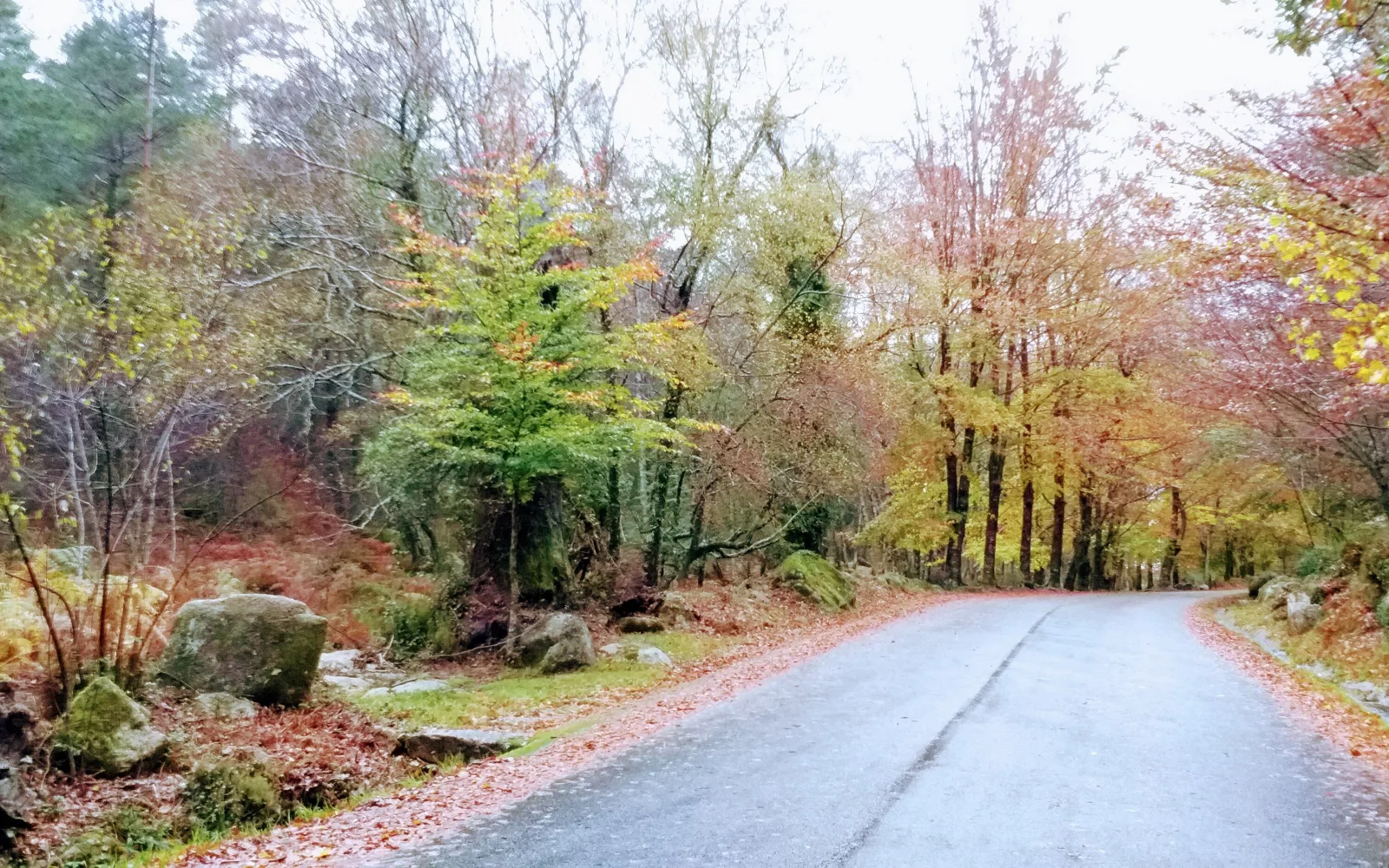
A car is the most practical way to connect most gateways, but narrow roads, animals, cyclists and changing visibility demand a slower pace. Use marked parking, never block emergency access and do not stop on a blind bend for a viewpoint. Rental terms still apply to unsealed roads.
Fuel and food options are uneven inside the park. Start longer days prepared, especially outside summer and away from the principal towns.
Check fire and weather conditions
Summer heat and wildfire risk can close routes or restrict access. Heavy rain, fog, ice and snow create different problems in cooler months. Read current notices from the park authority and civil protection, then change the day when conditions do not support the planned activity.
Swimming holes and waterfalls can also change with flow and weather. Never assume a place shown in a calm photograph is safe to enter on the day of the visit.
Allow several nights
Three nights give one sector two useful days and a weather alternative. Five nights allow a careful move between two gateways without turning every morning into a drive. Porto is a poor base for repeated park days, and a single organised day should be treated as an introduction rather than complete coverage.
Continue planning
Questions about Peneda-Gerês National Park
How many days do I need in Peneda-Gerês?
Allow at least three nights for one part of the park. Five nights supports two gateways and more weather flexibility.
Do I need a car?
A car is usually the most practical choice. Coaches reach some gateway towns, but they do not connect every village or trailhead.
Can I visit from Porto in one day?
An organised or carefully planned day is possible, but it only introduces one small part of the park.
Is every trail open all year?
No. Weather, fire risk, maintenance and local restrictions can change access, so check official information close to the visit.
Sources and updates
This guide was last reviewed on 2 September 2026. Transport, access and opening arrangements can change, so check the official source before travel.
- Porto and the North, Turismo de Portugal
- Peneda-Gerês National Park, Turismo de Portugal
- Peneda-Gerês National Park visitor information, Institute for Nature Conservation and Forests
Related places to consider
These guides can help you place Peneda-Gerês National Park within a wider route.