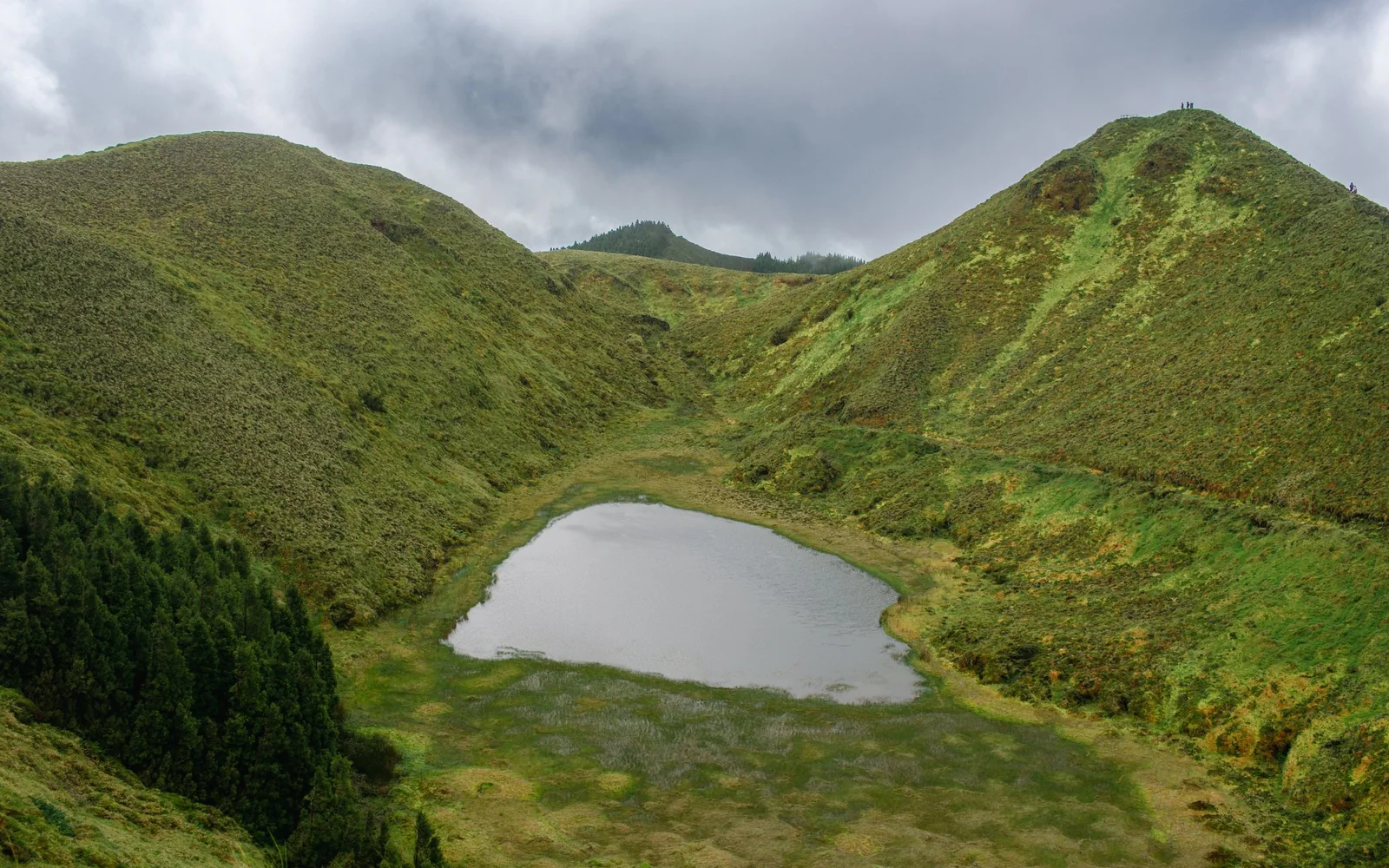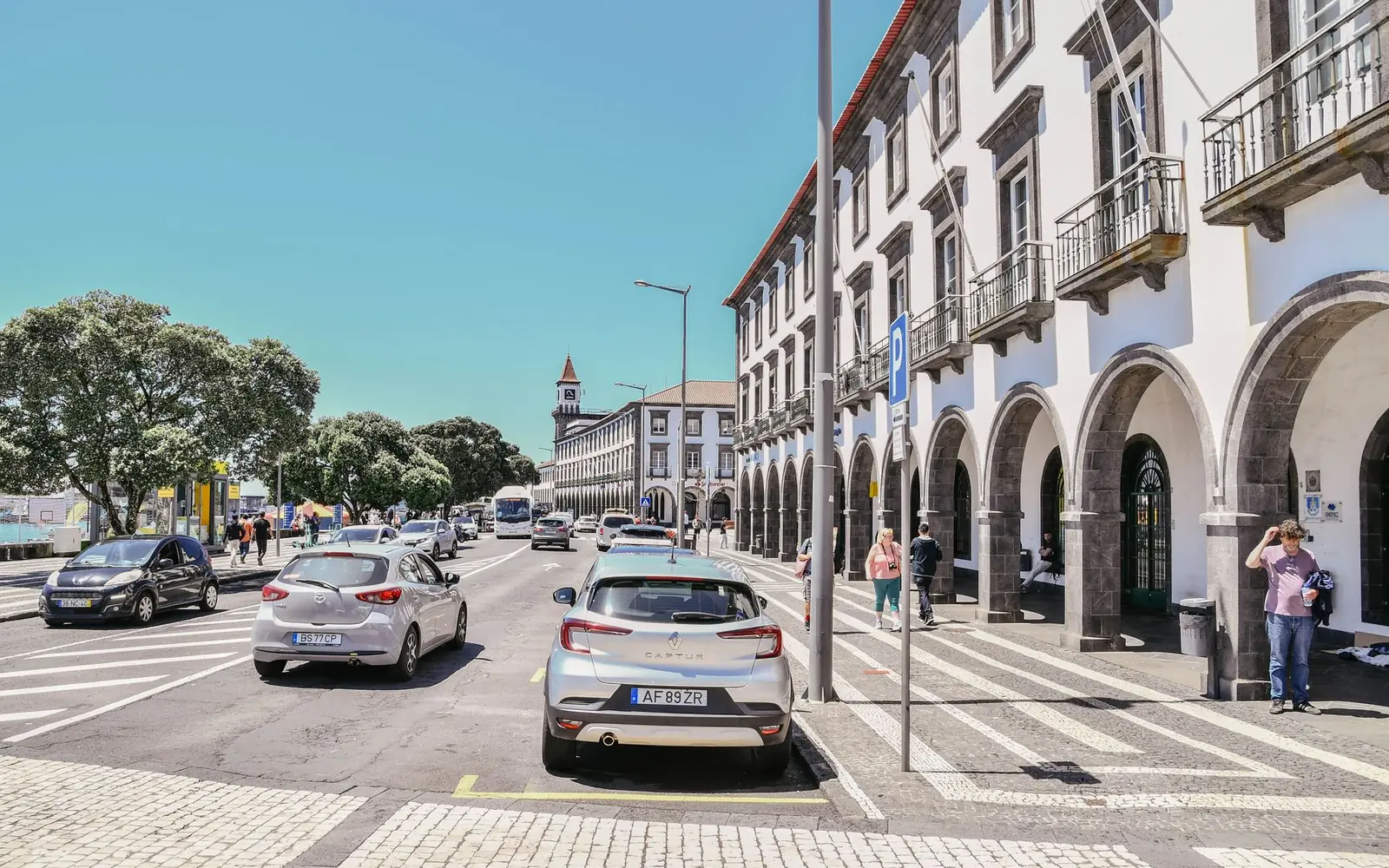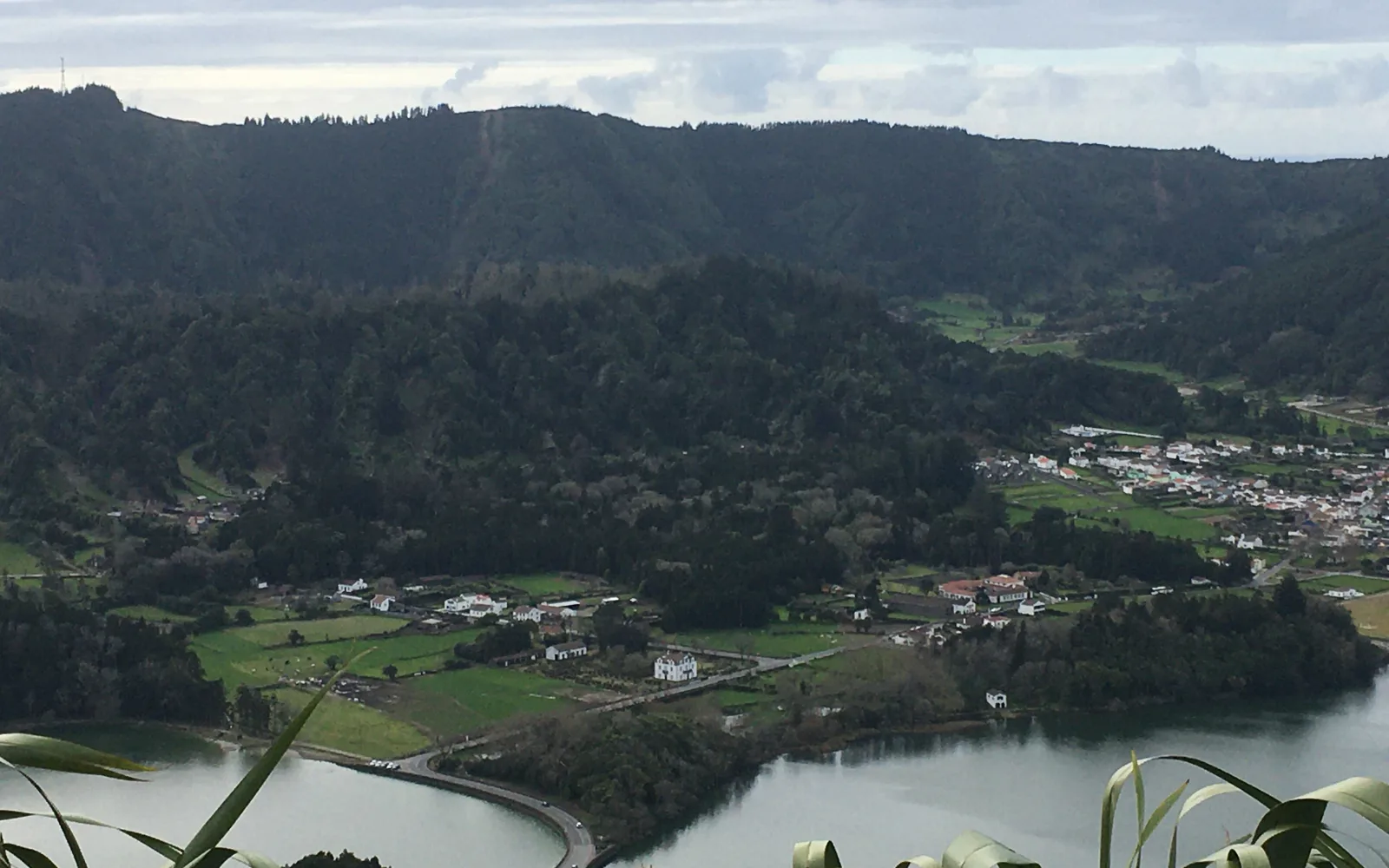
São Miguel brings together several distinct volcanic landscapes on one island. Sete Cidades, Lagoa do Fogo, Furnas and the quieter northeast do not fit comfortably into a rushed circuit, so the most useful plan divides the island into daily areas and keeps room for cloud, rain and changing visibility.
Divide the island into areas
Use one day for Sete Cidades and the west, another for Furnas and the east, and a separate window for Lagoa do Fogo or the north coast. This reduces repeated driving and makes it easier to respond when cloud hides a crater viewpoint. Ponta Delgada is the most convenient single base, but a split stay can shorten eastern journeys.
Viewpoints are part of the route, not a checklist. Stop only in designated places and move on when parking is full rather than obstructing a road.
Treat volcanic areas with care
Furnas combines hot springs, fumaroles and a lakeside landscape. Each bathing facility has its own hours, prices and rules, while geothermal ground can be unsafe outside marked areas. Follow barriers and local instructions even when steam appears harmless.
Lagoa do Fogo and Sete Cidades are exposed to fast-changing weather. Road access, shuttles or parking arrangements can change, so check current official information before setting out.
Make the northeast a real day
The Nordeste area has gardens, waterfalls, coastal viewpoints and quieter roads, but it lies well beyond a quick stop from Ponta Delgada. Give it a full day and avoid adding western sights to the same circuit. Narrow roads and frequent stops make driving times longer than the distance suggests.
A second base in Furnas or the east can help travellers who want more walking and less daily driving. It is less useful for a short trip focused on Ponta Delgada and the west.
Drive for island conditions
A hire car offers the greatest freedom, but drivers should expect steep streets, cattle, mist and changing road surfaces. Book the vehicle early for busy periods and choose a size that suits narrow parking. Keep fuel above the final reserve when crossing less populated parts of the island.
Bus services connect towns but are not designed as a complete sightseeing network. Travellers without a car can combine Ponta Delgada with organised day tours and targeted taxi journeys.
Leave room for weather
A cloudy morning at one crater does not mean the entire island has poor conditions. Use forecasts and webcams as guidance, then keep a lower-level garden, museum, thermal bath or town walk ready. Do not race across São Miguel after every break in the cloud.
Flights can also be affected by Atlantic weather. Avoid placing an essential international connection immediately after a separate island flight when the booking offers no protection.
Choose five to seven days
Five full days cover the principal areas at a sensible pace. Seven days add walks, coast time and resilience when visibility is poor. Three days can introduce the island, but it requires firm choices and should not be presented as complete coverage.
Continue planning
Questions about São Miguel Island
How many days do I need on São Miguel?
Five to seven days suits the main volcanic areas, coast and a few walks while leaving some flexibility for weather.
Do I need a car on São Miguel?
A car is the most flexible option. Organised tours can cover the main areas if you prefer not to drive.
Where should I stay?
Ponta Delgada is the easiest single base. A second stay in Furnas or the east can reduce driving on a longer trip.
Can I see São Miguel in three days?
You can see selected highlights, but not the whole island. Choose two areas and keep the third day flexible for weather.
Sources and updates
This guide was last reviewed on 2 September 2026. Transport, access and opening arrangements can change, so check the official source before travel.
- São Miguel, Visit Azores
- Visit Azores, Azores Tourism Board
- Azores tourism portal, Government of the Azores
Related places to consider
These guides can help you place São Miguel Island within a wider route.