Terceira combines one of the Azores’ strongest historic centres with an accessible volcanic interior. Angra do Heroísmo deserves more than an evening, while Algar do Carvão, Serra do Cume, Biscoitos and the eastern coast turn the island into a varied four to six-day journey rather than a single city break.
Give Angra enough time
Angra do Heroísmo is a World Heritage city shaped by Atlantic trade and its sheltered harbour. Allow at least a full day for its streets, churches, gardens and waterfront, then add Monte Brasil when weather and walking conditions suit. A rushed evening does not explain why the city is central to a Terceira trip.
Use official opening details for individual buildings. Religious services, maintenance and local events can limit access even when the surrounding centre remains open.
Explore the volcanic interior
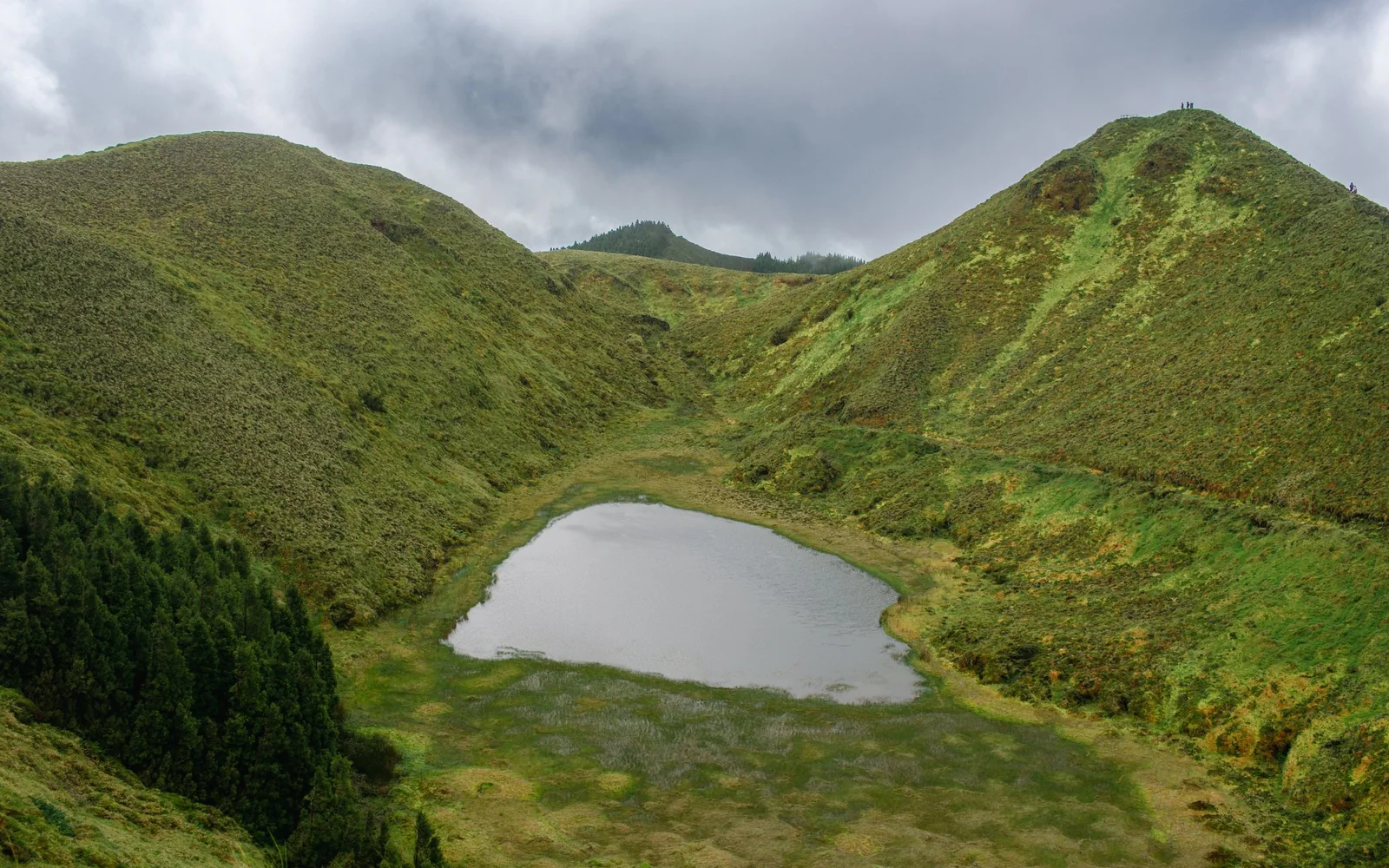
Algar do Carvão and other volcanic sites reveal an entirely different side of the island. Opening can be seasonal or timed, and access involves steps, damp surfaces and underground conditions. Confirm hours before driving into the interior and follow all site restrictions.
Serra do Cume provides a broad view over the island’s pasture pattern when cloud permits. Treat the viewpoint as one part of an interior circuit rather than crossing the island solely for a photograph.
Add coast and villages
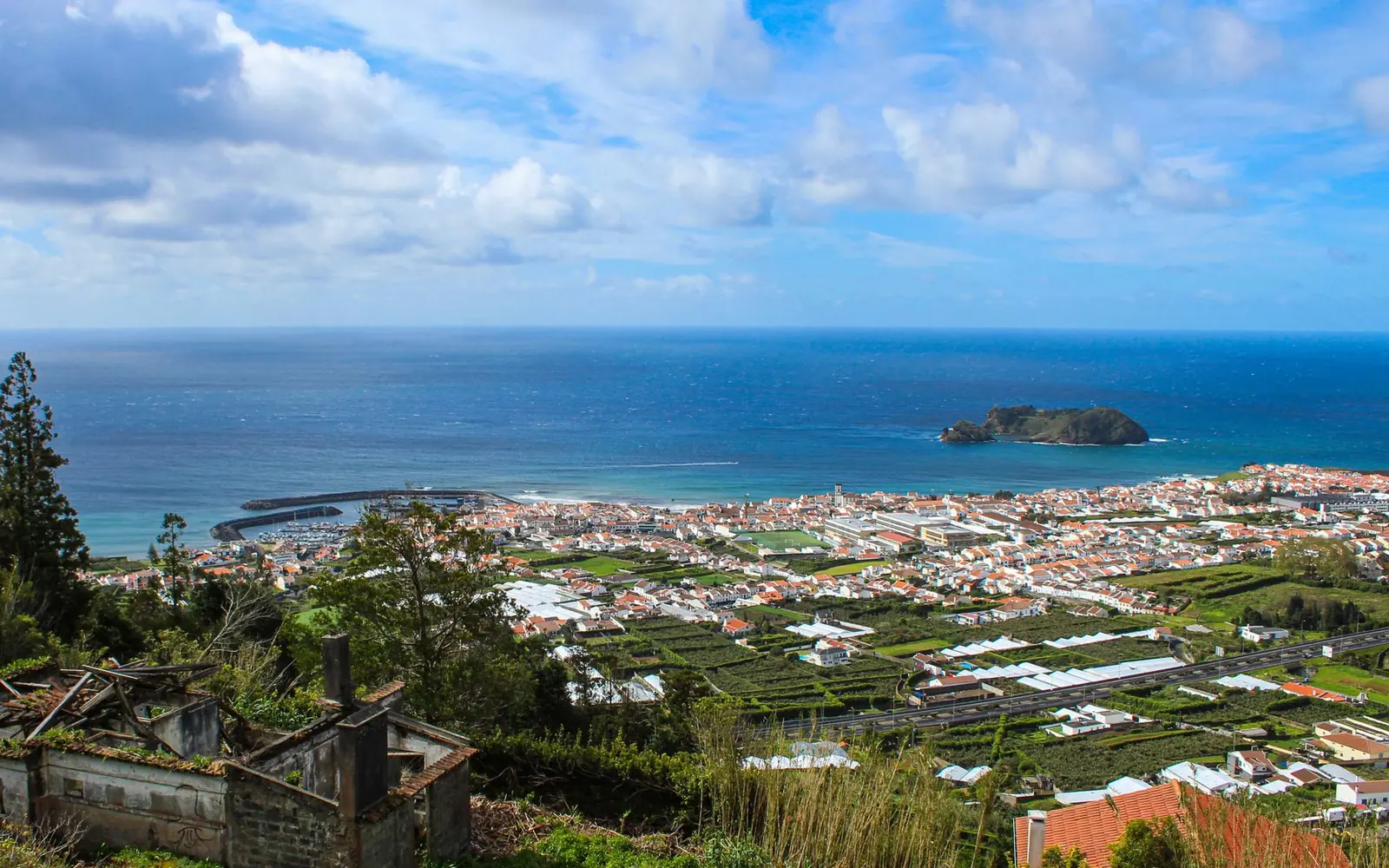
Biscoitos is known for volcanic-rock swimming areas, while Praia da Vitória provides a second urban base and an eastern coastline. Sea conditions decide whether bathing is sensible. Use managed access points and accept a dry visit when waves or local warnings make swimming unsafe.
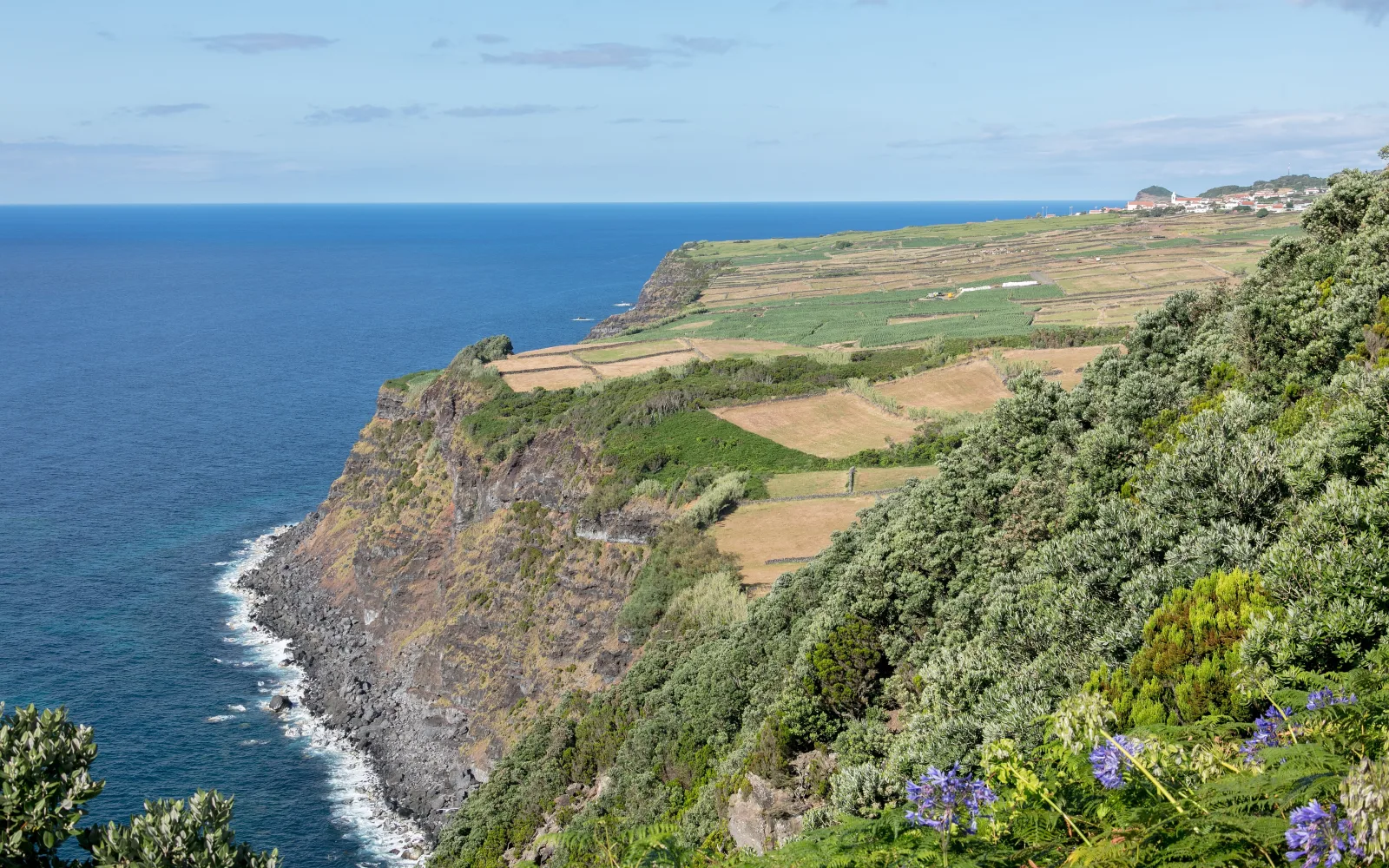
Small villages, pastureland and coastal stops fill the spaces between named attractions. Leave time for them instead of scheduling every hour around indoor entries.
Choose a base that fits the trip
Angra is best for history, restaurants and a first stay. Praia da Vitória can suit an early flight, the east or a split itinerary. Because Terceira is manageable by car, changing accommodation is optional rather than necessary for most visitors.
Festival periods can transform streets and accommodation demand. Check the local calendar early if a major celebration is either the purpose of the trip or something you would prefer to avoid.
Use transport realistically
A car simplifies volcanic sites, viewpoints and the north coast. Roads are generally manageable, but fog, cattle and narrow village streets require patient driving. Park only in marked areas and avoid stopping where farm or emergency access is needed.
Buses can connect the main towns, though they are less effective for a day linking several rural sights. A tour or taxi is a practical alternative for one interior circuit.
Plan four to six days
Four days give Angra, one interior circuit and part of the coast. Six days add walks, quieter villages and flexibility for Atlantic weather. Terceira also pairs naturally with Pico or São Jorge, but inter-island travel deserves its own day and a protected schedule.
Continue planning
Questions about Terceira Island
How long should I stay on Terceira?
Four to six days gives time for Angra, the volcanic interior and several coastal areas without rushing.
Is Angra do Heroísmo enough for a Terceira trip?
No. Angra is the main cultural base, but the volcanic sites, pasture viewpoints and coast are important parts of the island.
Do I need a car?
A car is useful for the interior and coast. Tours and taxis can cover a selected circuit if you do not drive.
Can I swim at Biscoitos?
The pools are used for bathing, but access and safety depend on current sea conditions and local guidance.
Sources and updates
This guide was last reviewed on 2 September 2026. Transport, access and opening arrangements can change, so check the official source before travel.
- Central Zone of Angra do Heroísmo, UNESCO World Heritage Centre
- Visit Azores, Azores Tourism Board
- Terceira, Azores Tourism Board
Related places to consider
These guides can help you place Terceira Island within a wider route.