

Paris is too large for one continuous sightseeing loop. The Louvre and central Seine form one route, the Eiffel Tower and western districts another, and Montmartre belongs to a separate north-city day.
Four full days provide a useful first visit. Add time for smaller museums, markets and ordinary neighbourhood streets instead of crossing the city repeatedly for individual landmarks.
Follow the Seine through the centre
Start with the Île de la Cité and walk west through the historic centre, choosing one major museum rather than filling the day with timed entries.
Give museums their own pace
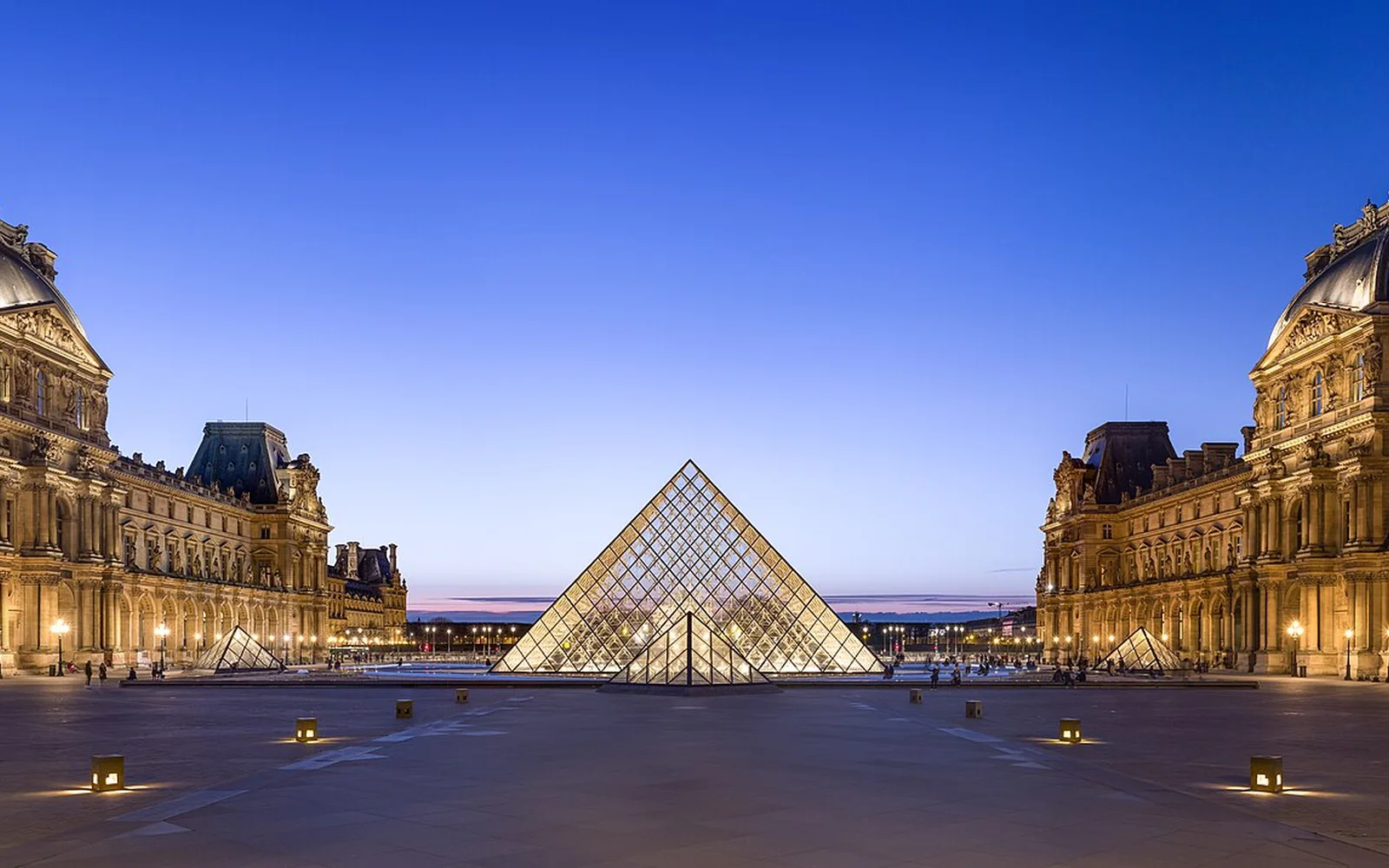
The Louvre, Musée d’Orsay and other large collections can each occupy several hours. Check the correct entrance and current reservation rules before arrival.
Spend time beyond the monuments
Canal Saint-Martin, the Marais, Montmartre and the Latin Quarter have different rhythms. Choose one or two neighbourhoods that fit the day’s geography.
A practical itinerary
- Day 1: walk the central Seine, Île de la Cité and the Marais.
- Day 2: visit the Louvre or Musée d’Orsay and continue through nearby gardens.
- Day 3: explore the Eiffel Tower area, Invalides or the western riverbank.
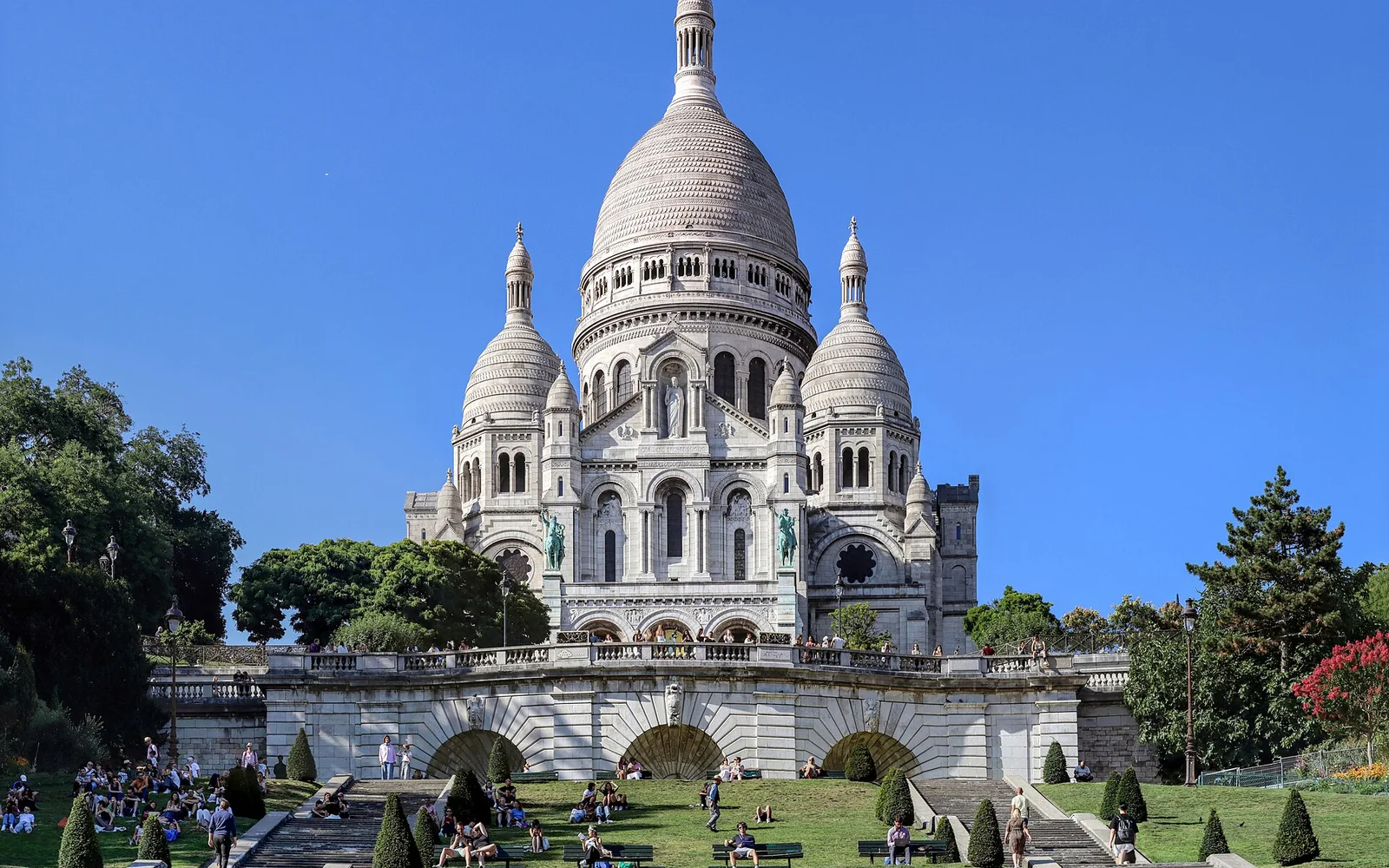
- Day 4: spend time in Montmartre and one northern or eastern neighbourhood.
Getting there
Paris has several long-distance stations, each serving different routes. Charles de Gaulle and Orly airports use different rail, metro, tram and bus connections. Choose the arrival plan by final neighbourhood and luggage needs.
Getting around
The Métro, RER, buses and trams cover the city and wider region. Walking works well within one area. Service changes and station accessibility vary, so use the official planner for the actual travel date.
Food to look for
Bakeries, market streets, neighbourhood bistros and specialist food shops are spread across the city. Build meals around the day’s route rather than travelling across Paris for every recommendation.
When to visit
Spring and autumn suit walking but remain popular. Summer brings long days, events and possible heat. Winter is calmer outside holidays, with shorter daylight and more indoor time.
Accessible travel
Paris je t’aime publishes disability-specific information for transport, accommodation and attractions. Step-free access differs across the Métro, RER and individual venues, so check every essential connection in advance.
Practical limits
Museum rules, security arrangements and transport work can change. Do not tie the whole day to several distant timed bookings, and allow extra time at major stations.
Nearby places
Versailles and Saint-Denis are regional outings. Normandy and the Loire Valley need longer transfers and work better as overnight stages rather than hurried day trips.
Places to add to your map
- Île de la Cité: Historic centre and useful river orientation point.
- Louvre: Major museum on the Right Bank.
- Eiffel Tower: Western landmark with timed access.
- Montmartre: Hill district in northern Paris.
Open the route planner to place these stops in a wider France trip.
Continue planning
Questions about Paris
How many days do I need in Paris?
Four full days cover the main central, western and northern areas at a sensible pace. Five or six days allow smaller museums and one regional outing.
Which Paris neighbourhood is best for a first stay?
Choose a place with a direct transport line to the areas that matter most. The Marais, Latin Quarter, Opéra area and districts near major stations offer different trade-offs.
Can I visit several major Paris museums in one day?
It is possible, but one large museum plus a nearby district usually makes a better day. Collections, queues and security take more time than the distance on the map suggests.
Daily planning ranges
Travel costs in Paris
These planning ranges are per person, per day and assume two people sharing a room. They are not live quotes.
Standard daily breakdown
- Accommodation
- €105 to €190
- Food
- €42 to €65
- Local transport
- €10 to €20
- Activities
- €28 to €55
What the range assumes: Per person, per day, based on two people sharing a sensible double or twin room. The standard range allows for ordinary paid sightseeing, local transport and a mix of casual and mid-range meals.
Seasonal note: Fashion weeks, trade fairs, public holidays and the main visitor season can move hotel prices well above the range.
Not included: International travel, intercity travel, shopping, travel insurance and major special-event premiums are excluded.
Price basis 29 August 2026, reviewed 29 August 2026, next review due 28 February 2027.
Cost sources
- Paris region public transport fares, Ile-de-France Mobilites
- Paris cost of living, Numbeo
Sources and updates
This guide was last reviewed on 28 August 2026. Transport, access and opening arrangements can change, so check the official source before travel.
- Official French rail journey planner, SNCF Connect
- Official Paris visitor information, Paris je t’aime
- Official Paris accessibility information, Paris je t’aime Tourist Office