
Start with the essentials
Plan Loire Valley at a glance
- Useful bases
- Tours, Amboise and Blois
- Useful time
- 4 to 7 days
- Main transport
- Rail plus local connections
- Car use
- Helpful for grouped estates
- Main limit
- Scattered châteaux and opening hours
About Loire Valley
Why explore Loire Valley
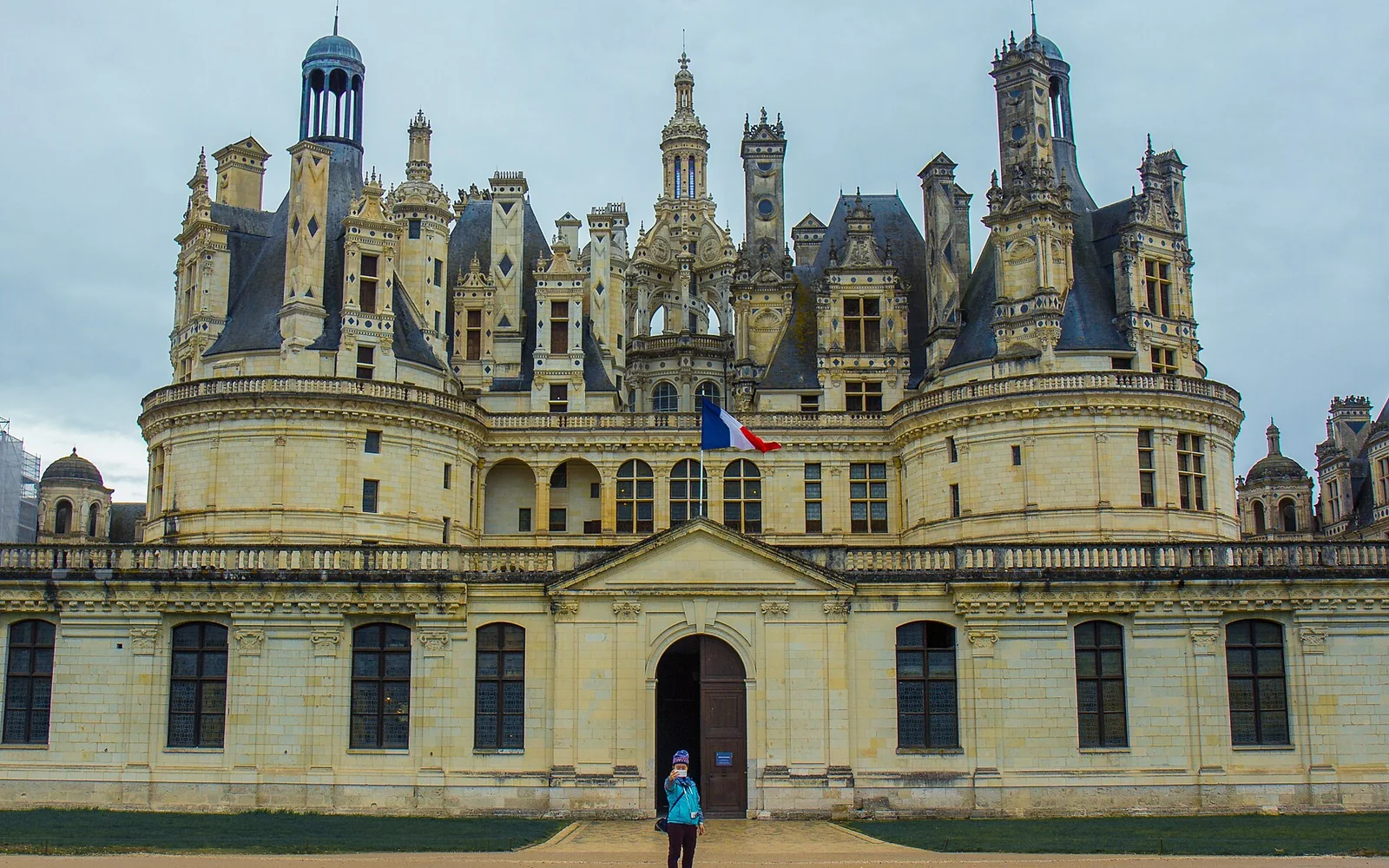
The Loire Valley places major royal residences beside working towns, gardens, vineyards and a broad river landscape. The value of a longer stay comes from comparing different estates rather than trying to see the highest possible number.
Tours provides services and transport, Amboise keeps a château and historic centre close together, and Blois anchors another useful section of the valley. Each base supports a different set of outward trips.
Plan the region
Choose one base for a short trip or two for a week. Group estates by geography and confirm the final connection before buying timed tickets, because a nearby rail station does not always mean a château is walkable.
One major estate and one smaller stop are usually enough for a day. Large interiors, gardens, shuttle waits and meals take longer than map distances suggest.
Choose where to spend your time
Places to explore
3 guides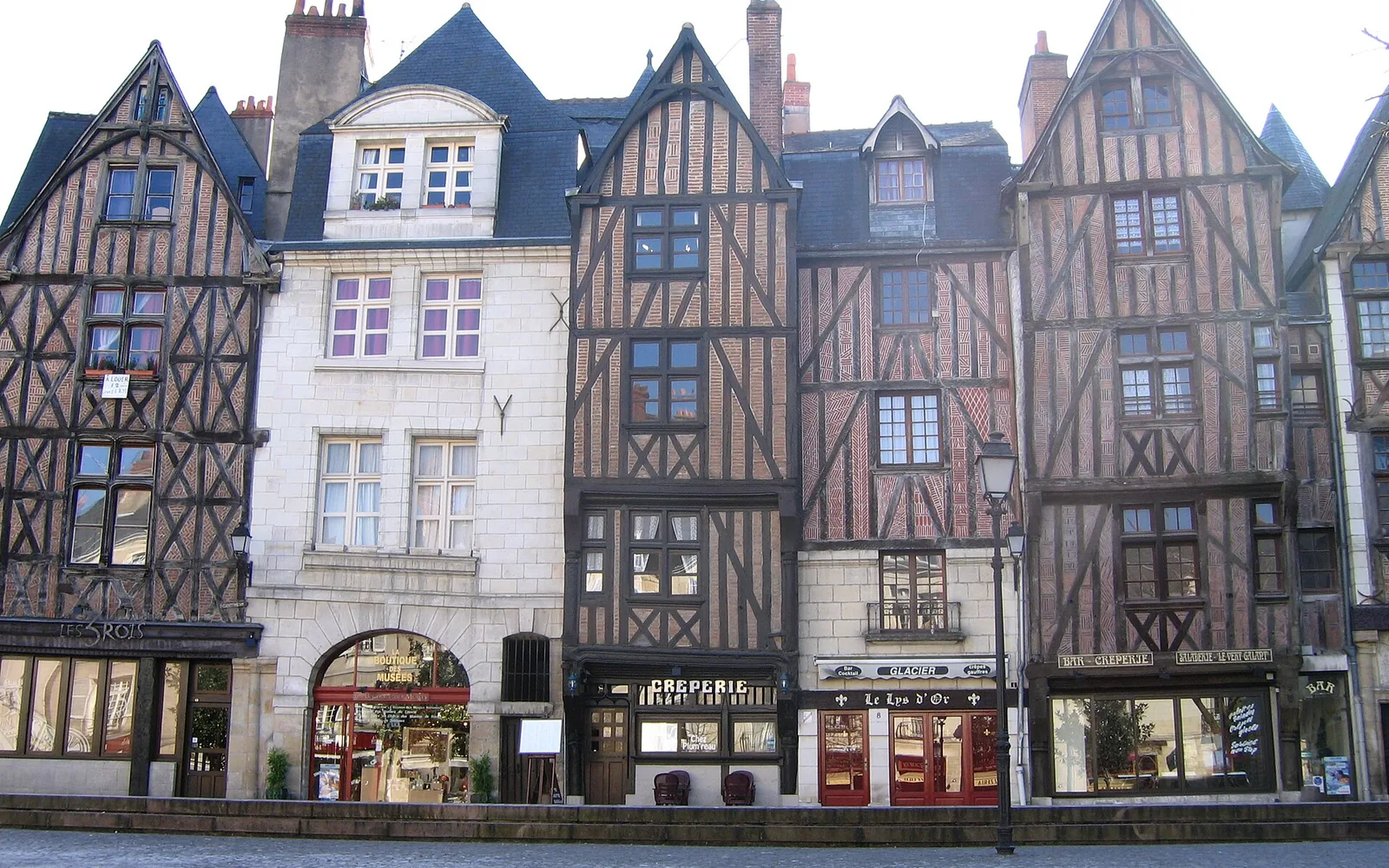
Tours
A lively Loire city with a historic centre, cathedral, markets and broad rail connections that make it a practical western base for château country.
Open guide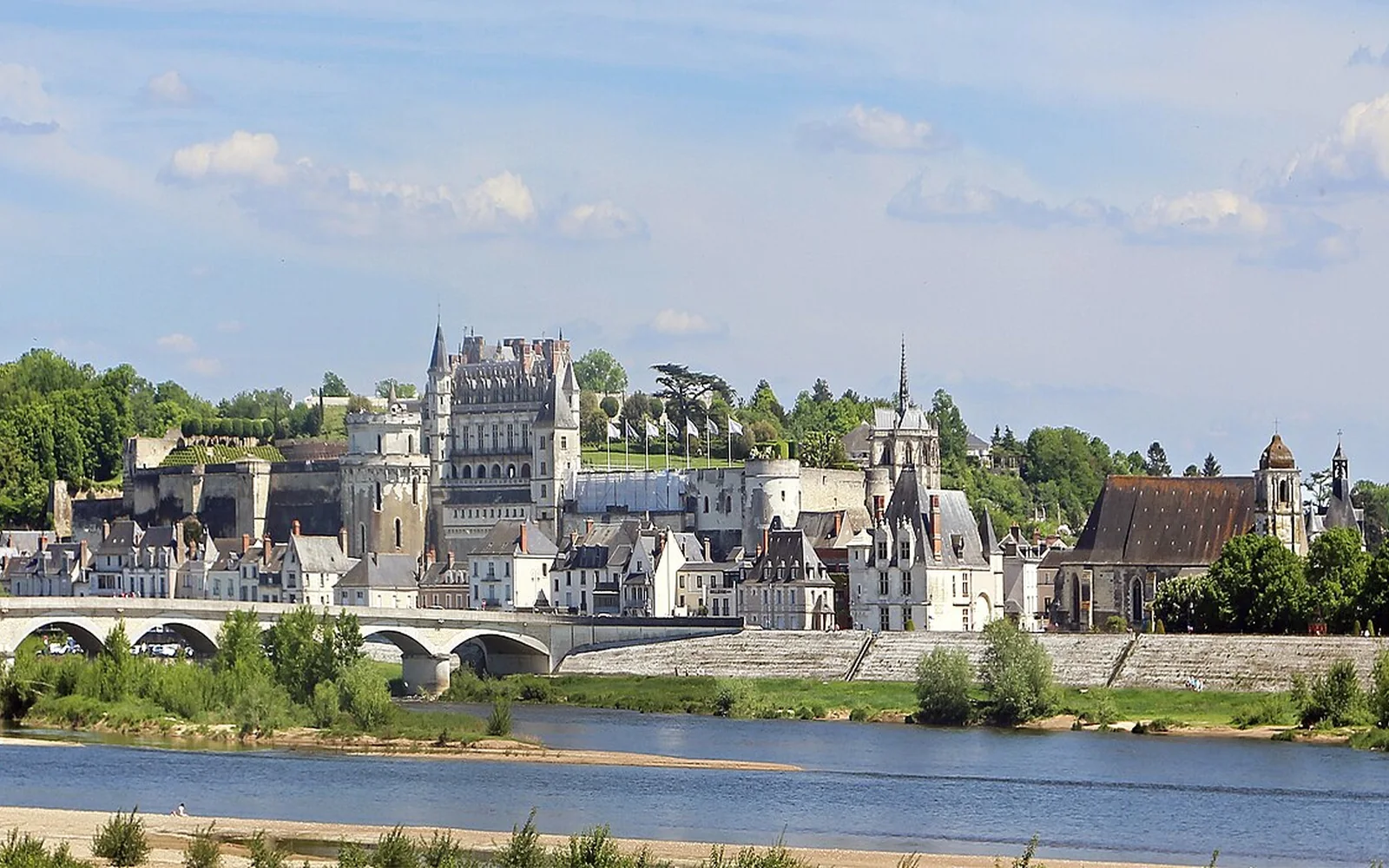
Amboise
A compact Loire town where a royal château, Clos Lucé and riverside views can support a full day or a slower two-night base.
Open guide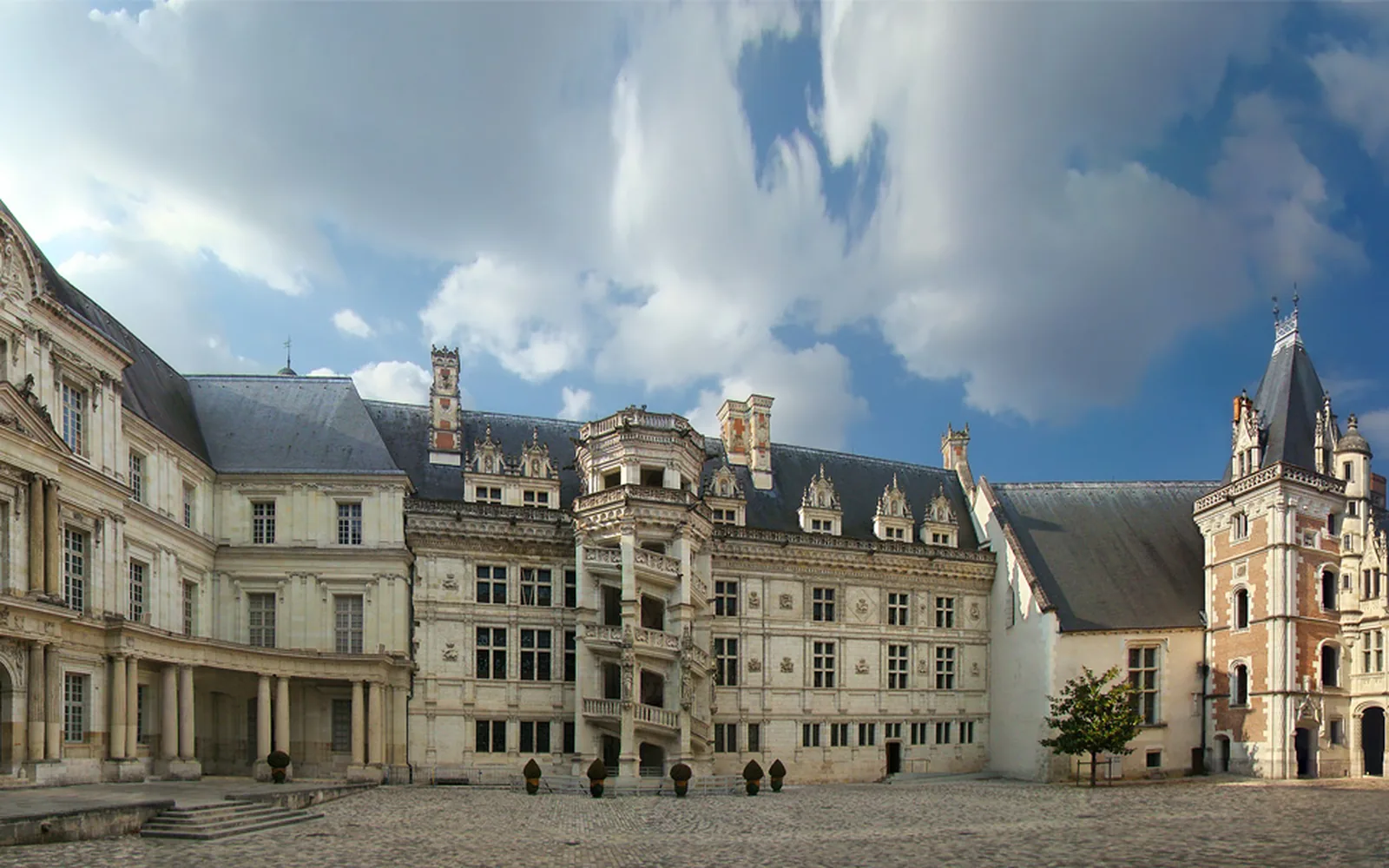
Blois
A hillside Loire city with a royal château, historic streets and a useful station for Chambord and the central château corridor.
Open guideBuild a coherent route
Plan by area
Tours and the central valley
Tours has the broadest services and works for organised outings, rail stops and selected cycling days.
Amboise and the eastern corridor
A walkable centre, royal château and Leonardo da Vinci connections make Amboise an easy town base.
Blois and nearby estates
Blois combines its own royal château with routes towards Chambord and other eastern-valley sites.
See the main travel bases
See the Loire Valley bases covered here
Loading the map…
Tours, Amboise and Blois sit along the Loire rail corridor, but many famous estates require a shuttle, bicycle, tour or car for the final section.
Match the route to your time
What fits into your trip
One base and two estate days
Stay in Tours, Amboise or Blois and give the town itself a proper half day. Select two château days that use simple connections, leaving enough time for gardens and interiors instead of adding a distant third stop.
Central and eastern Loire
Use one well-connected base or divide the stay between Tours and Blois or Amboise. Visit three or four varied estates, choosing different architecture and gardens rather than repeating similar long and tiring indoor touring days.
Two bases with slower travel
Combine Tours with an eastern-valley base and keep one flexible day for cycling, a market or a weather change. A week supports five major outings without turning every single day into another timed road transfer.
Link the stops sensibly
Routes and day trips
Follow the river corridor through chosen bases, then make short outward journeys to compatible estates. Do not zigzag across the whole valley each day.
Suggested regional routes
Tours as a transport base
Explore the old centre and market, then use one full day for a château route with a confirmed return.
Open destination guideAmboise on foot
Combine the town, royal château and one selected Leonardo da Vinci site without needing a road itinerary.
Open destination guideBlois and one nearby estate
Give Blois its own time, then choose a shuttle, bicycle or road day towards a single major estate.
Open destination guideChoose transport by destination
Getting around Loire Valley
Regional trains link the main river towns. The difficult part is the final journey to rural estates, which may use seasonal shuttles, cycling routes, organised tours or a car.
Rail
Use trains for Tours, Amboise and Blois, checking which Tours station serves the chosen regional connection.
Shuttles, tours and bicycles
These can link selected estates without a car, but routes and seasons vary. Confirm carriage and return rules before the day.
Car
Driving suits two estates in the same area. Avoid crossing the valley repeatedly and allow for parking at busy sites.
Choose dates that suit the route
When to visit
Spring and early autumn usually suit gardens and cycling. Summer brings long days but also heat, coach groups and stronger demand for central rooms.
Winter can provide quiet interiors, though garden interest, shuttles and opening hours reduce. Check every estate separately.
Read the seasonal guide for FranceAvoid common route problems
Planning checks
Check the final kilometre
A château may share a town name while still requiring a shuttle, bicycle or long road approach.
Limit each day
One large estate plus one small compatible stop gives more useful time than three rushed tickets.
Choose the right base
Tours offers services, while Amboise and Blois can reduce travel for specific eastern routes.
Quick answers
Questions about Loire Valley
Where should I stay in the Loire Valley?
Tours has the broadest transport. Amboise and Blois suit travellers focused on nearby eastern-valley sites.
Can I visit without a car?
Yes, if the chosen estates match rail, shuttle, tour or cycling routes. Not every château is practical this way.
How many châteaux should I see?
Three or four varied estates are enough for many first trips. Quality of time matters more than the count.
How many days do I need?
Four or five days suit one base. A week allows two bases and a slower garden or cycling day.
How this guide is checked
Sources and review
Reviewed 2 September 2026, next review due 2 March 2027. Services, access rules and opening arrangements can change, so check the official source before travel.
- Official French rail journey planner, SNCF Connect
- Official accessible travel guidance for France, Atout France
- Official Loire Valley visitor information, Val de Loire France
Continue through France
Regions that connect naturally
Centre-Val de Loire
The central Loire region combines château country, river landscapes and rail-linked cities around Tours, Blois and Orléans.
Île-de-France
Paris sits within a wider capital region of royal estates, forests, new towns and busy suburban rail routes.
Normandy
Normandy stretches from Seine towns to chalk cliffs, landing beaches and Mont-Saint-Michel, with major sites spread across a broad coast.
Continue planning
See more of France
Use the country guide to compare Loire Valley with other regions and destinations in France.