Tours works as a city break and as a transport base for the western Loire Valley. Place Plumereau, the cathedral quarter, markets and the river deserve their own time before any château outing. Rail reaches several towns, but many estates still require a shuttle, bicycle, tour or car from the nearest station.
Separate the two historic quarters
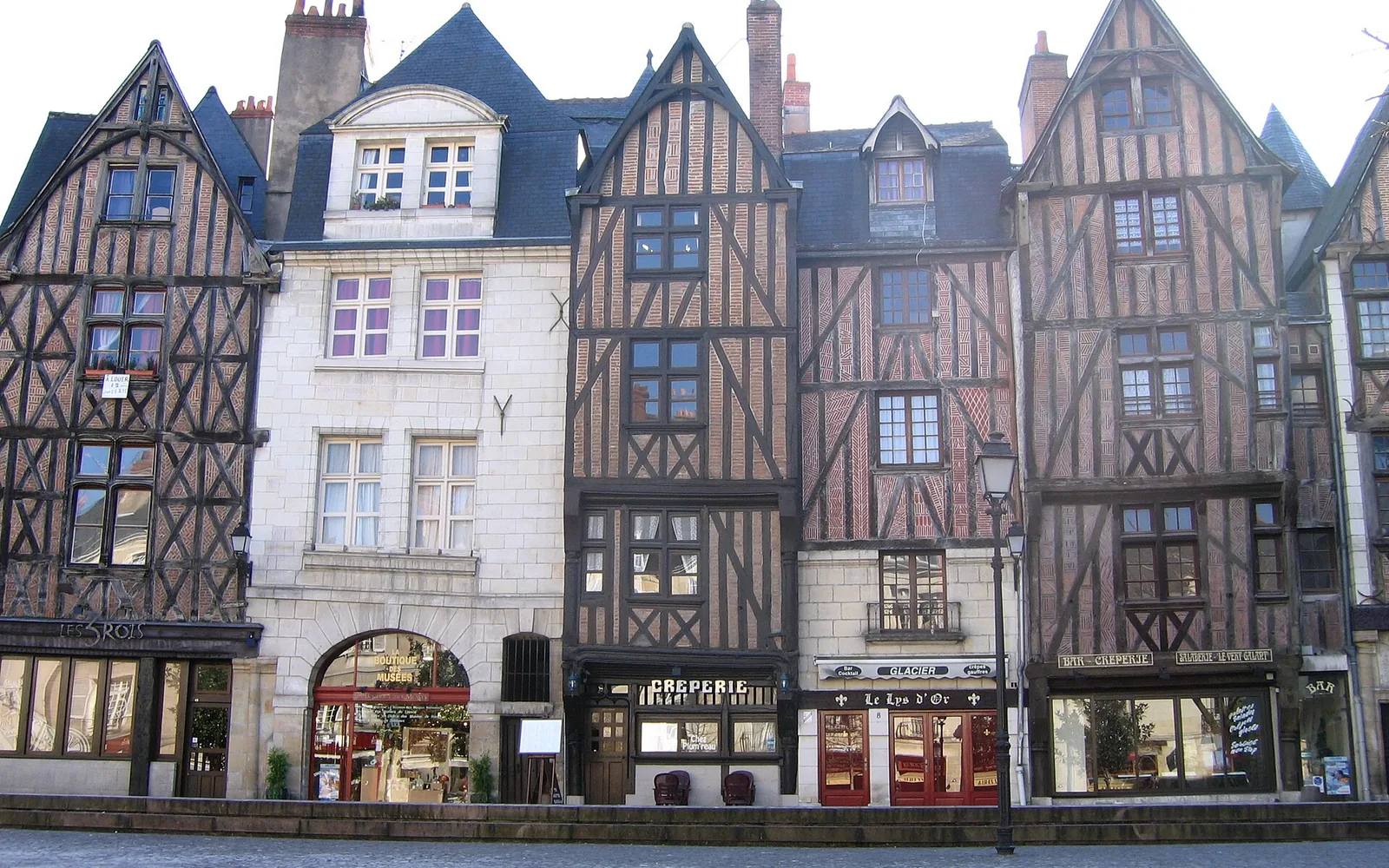
Old Tours around Place Plumereau has timbered façades, busy terraces and lanes that reward an unhurried walk. The cathedral and former archbishop’s palace sit farther east. Treat them as two connected areas, with the central streets and gardens between them, rather than expecting one compact monument square.
Spend time by the Loire
The river gives Tours a different scale from its medieval streets. Walk a suitable bank section, cross for a wider city view, or use a marked cycle route when conditions permit. River levels, weather and temporary works can affect paths, so follow local signs rather than a saved route alone.
Know which station you need
Tours station serves the centre, while Saint-Pierre-des-Corps handles many high-speed and long-distance trains outside the core. Local trains connect the two, but a tight itinerary must include that transfer. Read the ticket carefully before choosing accommodation or booking a château admission.
Choose château days before arrival
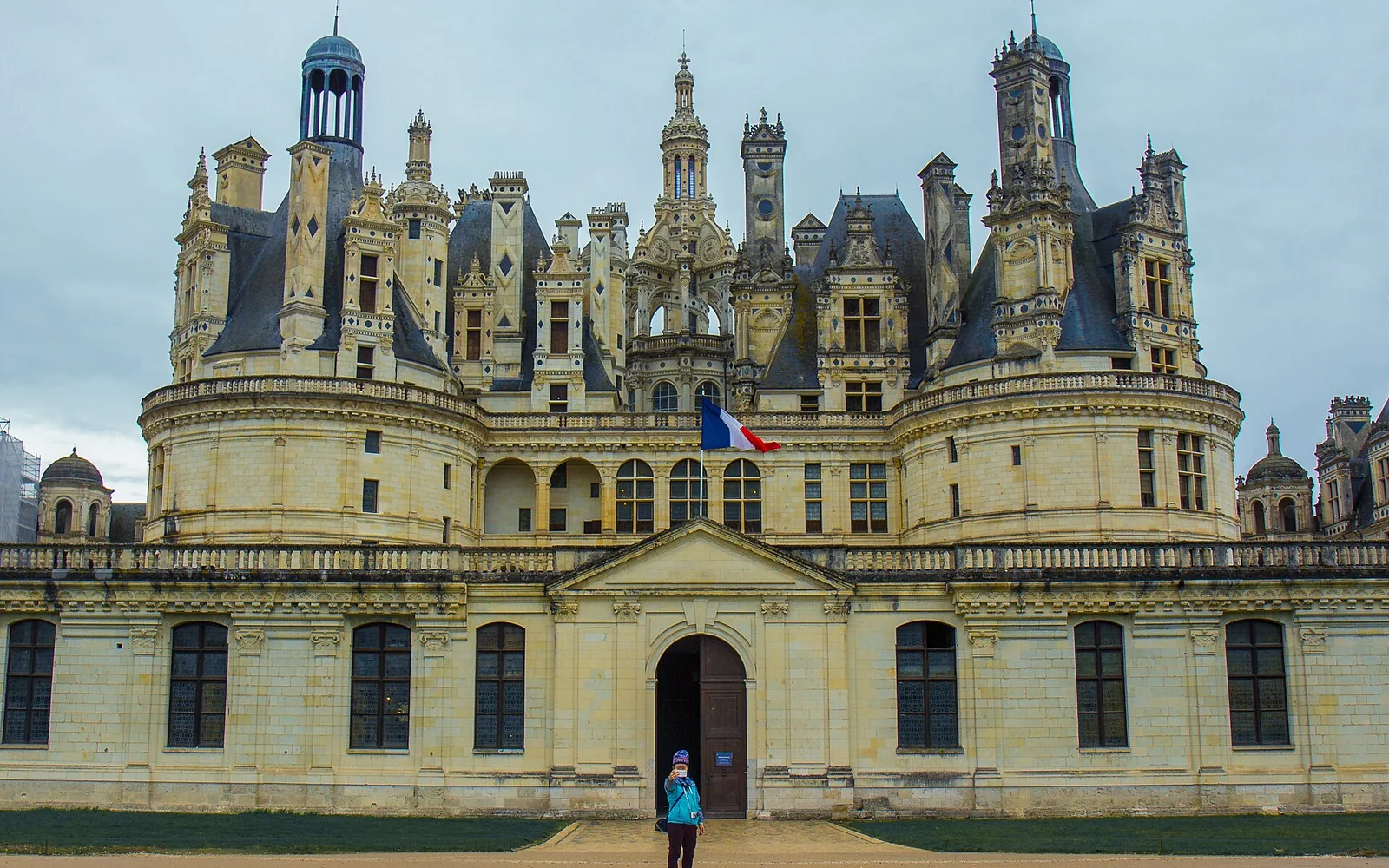
Amboise and Chenonceaux have useful rail approaches, while other estates need different shuttles, tours or road plans. One large château, or two close sites with a proven connection, is enough for a day. Gardens, security and timed entry add more time than a route map suggests.
Use the city between excursions
Tours has enough restaurants, markets and museums to prevent every day becoming an outward trip. Keep an arrival afternoon or weather day for the centre. This also gives the route flexibility when a garden visit, bicycle ride or seasonal shuttle does not work as expected.
Pick the stay by your route
Two nights suit the city and one selected outing. Four nights support two château days with a slower urban day between them. Travellers focused on Chambord may prefer Blois, while Amboise gives a smaller base near its own royal sites.
Continue planning
Questions about Tours
Is Tours a good base for Loire châteaux?
Yes, especially for travellers who value rail choice and evening restaurants, but each château still needs a specific connection.
What is the difference between Tours and Saint-Pierre-des-Corps stations?
Tours is central. Saint-Pierre-des-Corps is outside the centre and handles many high-speed services, with local links between them.
How many days do I need in Tours?
Allow two days for the city and one outing, or four nights for a broader Loire Valley base.
Do I need a car?
No for Tours and selected rail-linked sites. A car gives more freedom for rural estates that lack useful public connections.
Sources and updates
This guide was last reviewed on 2 September 2026. Transport, access and opening arrangements can change, so check the official source before travel.
- Official French rail journey planner, SNCF Connect
- Official Loire Valley visitor information, Val de Loire France
- Centre-Val de Loire visitor information, Centre-Val de Loire Tourism Board
- Tours and Loire Valley visitor information, Tours Loire Valley Tourist Office
Related places to consider
These guides can help you place Tours within a wider route.