
France has no single best travel month. Atlantic weather, Mediterranean heat, Alpine conditions and the school-holiday calendar can affect regions differently on the same dates.
Choose the region before the month
Paris and Lyon support year-round cultural trips, while Atlantic coasts, Provence, the Riviera and the Alps depend more heavily on weather and seasonal operations. National averages hide the conditions that decide each day.
Let the least flexible element control the timing. A high trail, beach stay or outdoor estate visit needs more care than a museum-led city route.
Fit spring around holidays and weather
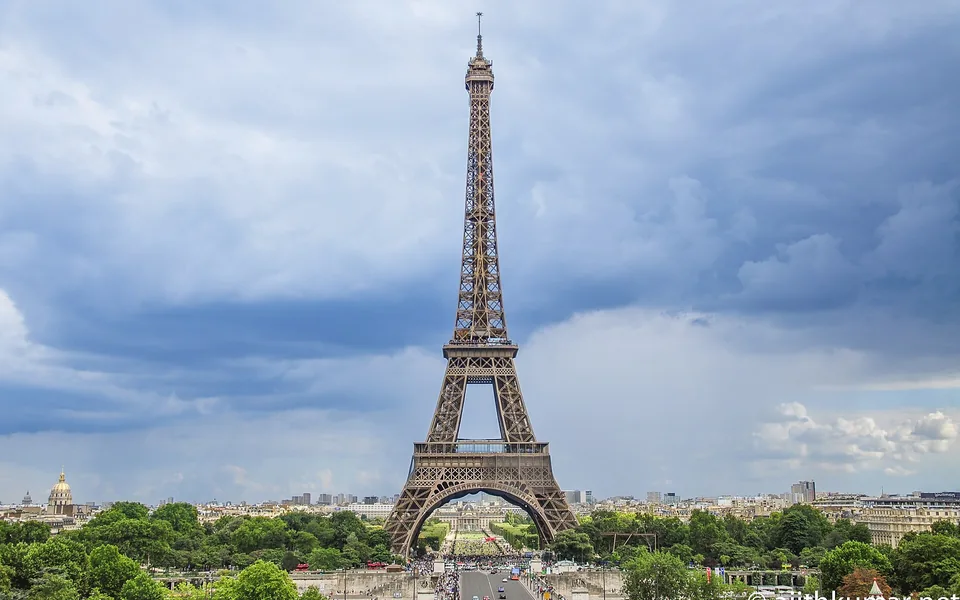
April and May can suit broad rail routes and southern heritage travel, but Easter, school holidays and May public holidays alter demand and opening. Check the actual dates for the selected region.
High mountain routes do not become summer walks simply because city gardens are in bloom. Use current local information before adding Alpine paths.
Move summer towards coast and altitude
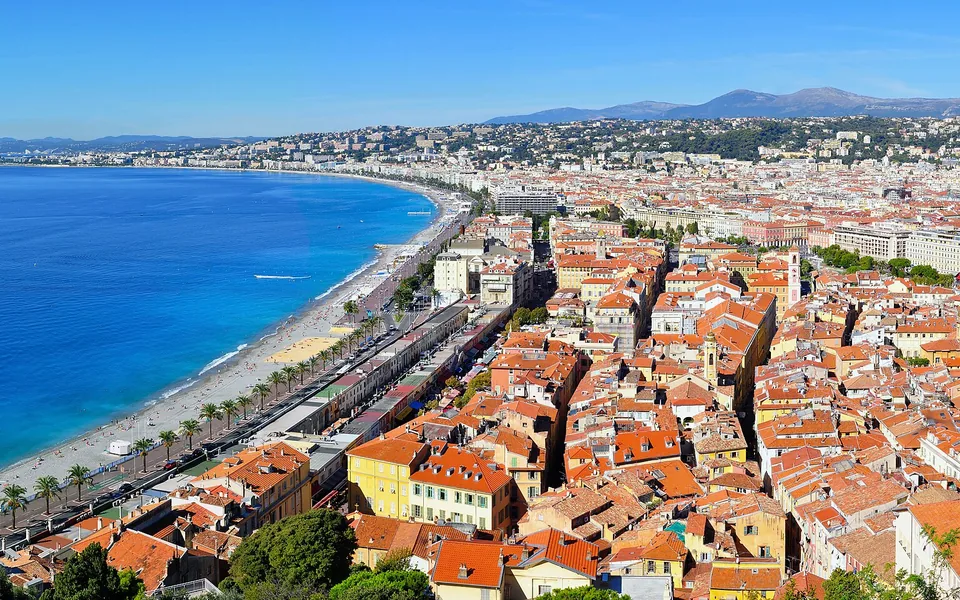
June supports many routes before the main holiday period, though heat can already affect southern cities. July and August favour coasts and mountains but bring strong demand and busy transport.
Official heat, storm and wildfire guidance should override a fixed itinerary. Keep the hottest urban hours flexible and avoid chaining several exposed outdoor visits.
Use autumn in two stages
September often suits cities, southern rail routes and mountain bases while many services still operate. Heat and Mediterranean storms can remain important.
October brings shorter days, wetter Atlantic conditions and possible early mountain snow. School holidays can also create demand that a simple shoulder-season label misses.
Make winter region-specific
Major cities remain useful for museums and food, while ski destinations depend on current snow and resort operations. Mediterranean cities can be mild but are not protected from rain or strong wind.
Christmas, New Year and winter school holidays create short busy periods. Confirm opening, rail service and local transport instead of assuming winter is uniformly quiet.
Choose a French route after choosing the season
- France travel guide
- Paris guide
- Provence guide
- French Riviera guide
- Chamonix guide
- Paris to Nice itinerary
Month-by-month guide
| Month | Good for | Main limitations | Crowds | Transport or access |
|---|---|---|---|---|
| January | Paris museums, Lyon food and Mediterranean city stays. | Short days, Alpine winter conditions and Atlantic rain restrict broad outdoor routes. | Most cities are calmer outside holiday and winter-sport periods. | Check attraction hours, mountain access and rail works. |
| February | Museum-led city breaks and established winter-sport bases. | Cold, snow and coastal wind create very different regional conditions. | School holidays affect mountain destinations by zone. | Verify the holiday calendar, snow information and dated trains. |
| March | Cities, the Riviera and lower-level heritage routes. | Weather remains changeable and high routes stay wintry. | Easter timing can alter an otherwise quieter month. | Keep a wet-weather option and check mountain access. |
| April | Rail routes, gardens, cities and southern cultural travel. | Rain and cool spells remain possible across much of the country. | Easter and school holidays create regional peaks. | Reserve major museums and check holiday opening. |
| May | Cities, Loire and Provence routes, coasts and countryside. | Public holidays can affect opening and transport. | Headline destinations become busy around long weekends. | Check every holiday date and book route-critical trains. |
| June | Broad rail journeys, northern regions, coasts and early Alpine walking. | Heat can build in cities and the south, while high trails still need local checks. | Demand rises before the main holiday period. | Confirm seasonal mountain, island and event arrangements. |
| July | Atlantic coasts, Alps and routes with early city starts. | Heat and wildfire danger can disrupt southern and inland plans. | Resorts, Paris and major attractions experience strong demand. | Follow Météo-France warnings and regional emergency guidance. |
| August | Settled resort stays, mountains and coastal bases. | Heat, holiday traffic and reduced urban business hours complicate fast routes. | Coasts and established holiday areas are extremely busy. | Confirm each fixed journey and local opening. |
| September | Cities, Provence, the Riviera, wine regions and mountain bases. | Heat can persist in the south and storms may affect exposed plans. | Major cities remain active while some resort pressure eases. | Check late-season transport and current weather. |
| October | Paris, Lyon, food-led routes and lower southern areas. | Shorter daylight, Atlantic rain and early mountain snow reduce long circuits. | School holidays create another regional peak. | Verify seasonal rural links and mountain conditions. |
| November | Museums, compact cities and selected Mediterranean stays. | Rain, wind and short daylight make transfer-heavy journeys fragile. | Many destinations are calmer outside events. | Use year-round bases and check weather warnings. |
| December | City museums, seasonal markets and established winter resorts. | Holiday closures, short days and winter transport conditions need margin. | Christmas, New Year and ski periods create concentrated demand. | Confirm festive opening, reservations and current snow reports. |