
Start with the essentials
Plan French Riviera at a glance
- Main gateway
- Nice
- Useful time
- 5 to 8 days
- Main transport
- Regional rail and bus
- Car use
- Usually unnecessary
- Main limit
- Crowds, heat and hill access
About French Riviera
Why explore French Riviera
The Riviera combines working cities, major art collections, old ports and a dense coast railway. Staying several nights reveals more than a sequence of famous waterfronts.
Nice is the broadest base, Antibes balances old town and peninsula, and Cannes adds Le Suquet and island boats. Èze requires a separate hill-village plan.
Plan the region
Choose one base for a short stay and two only for a week or more. Regional trains make hotel changes unnecessary between the principal coast towns.
Buses reach hill villages and local peninsulas, but traffic affects journey times. Read Èze village and Èze-sur-Mer as different destinations.
Choose where to spend your time
Places to explore
4 guides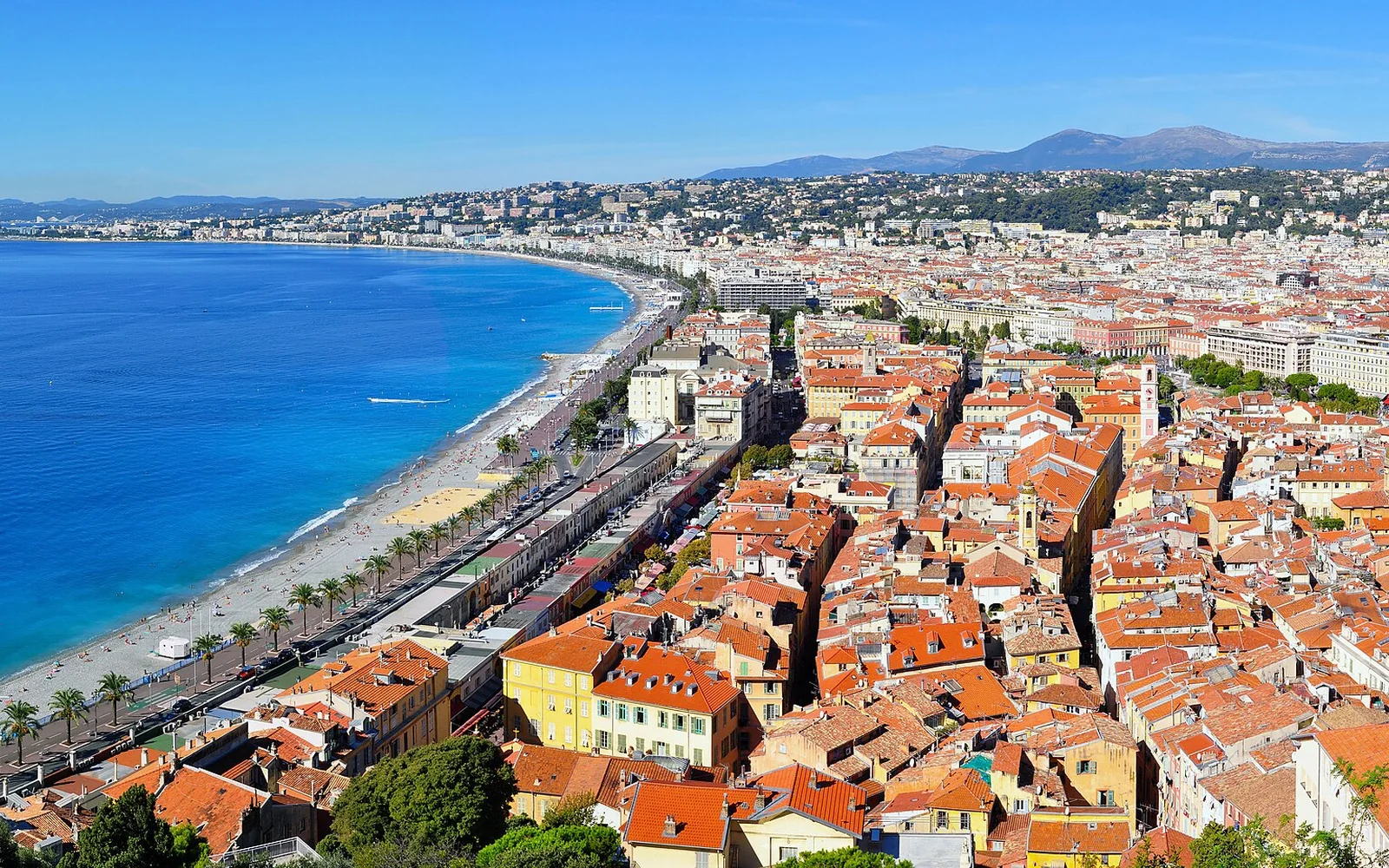
Nice
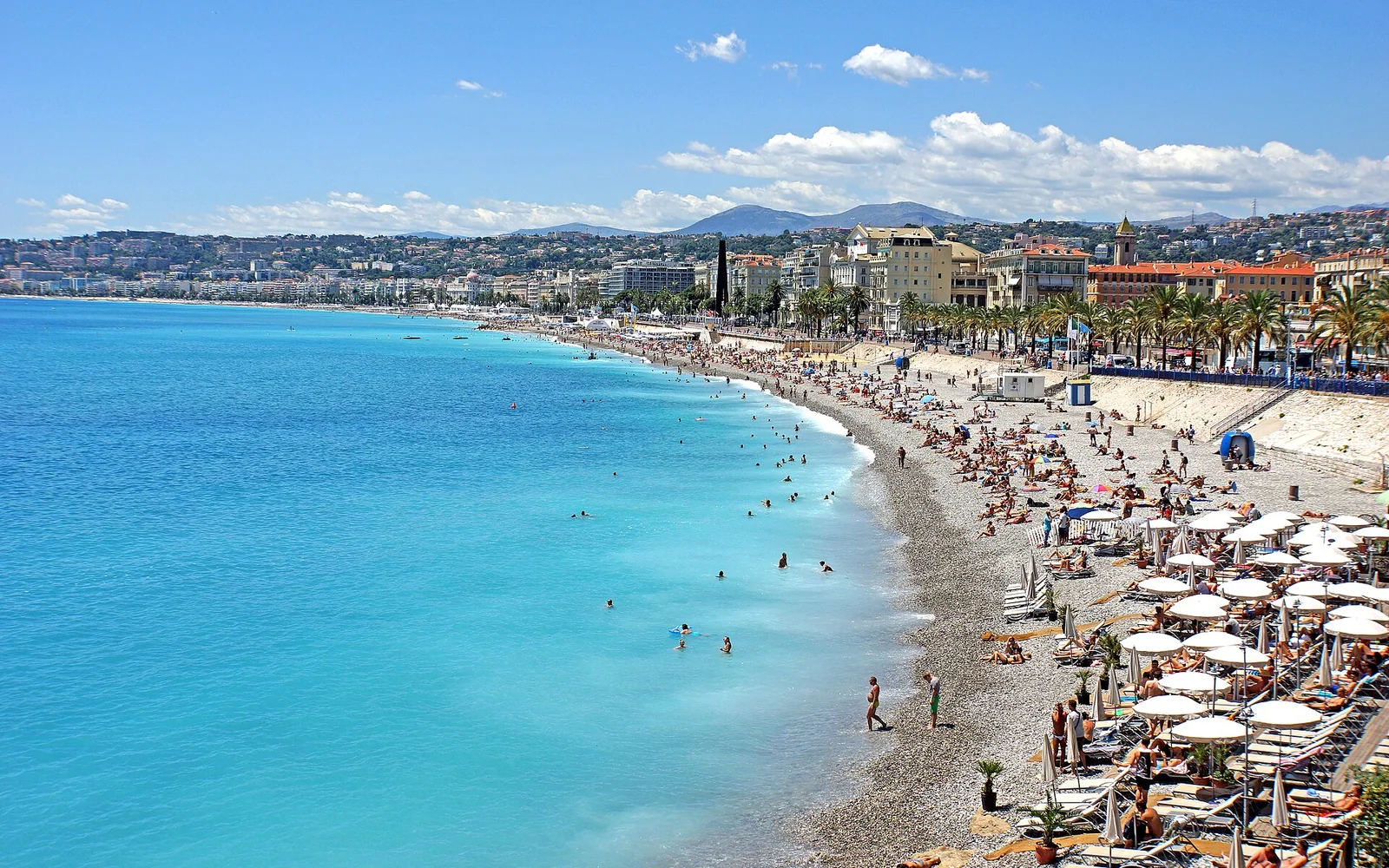
Nice combines a dense old town, a long Mediterranean waterfront and useful rail links along the French Riviera.
Open guide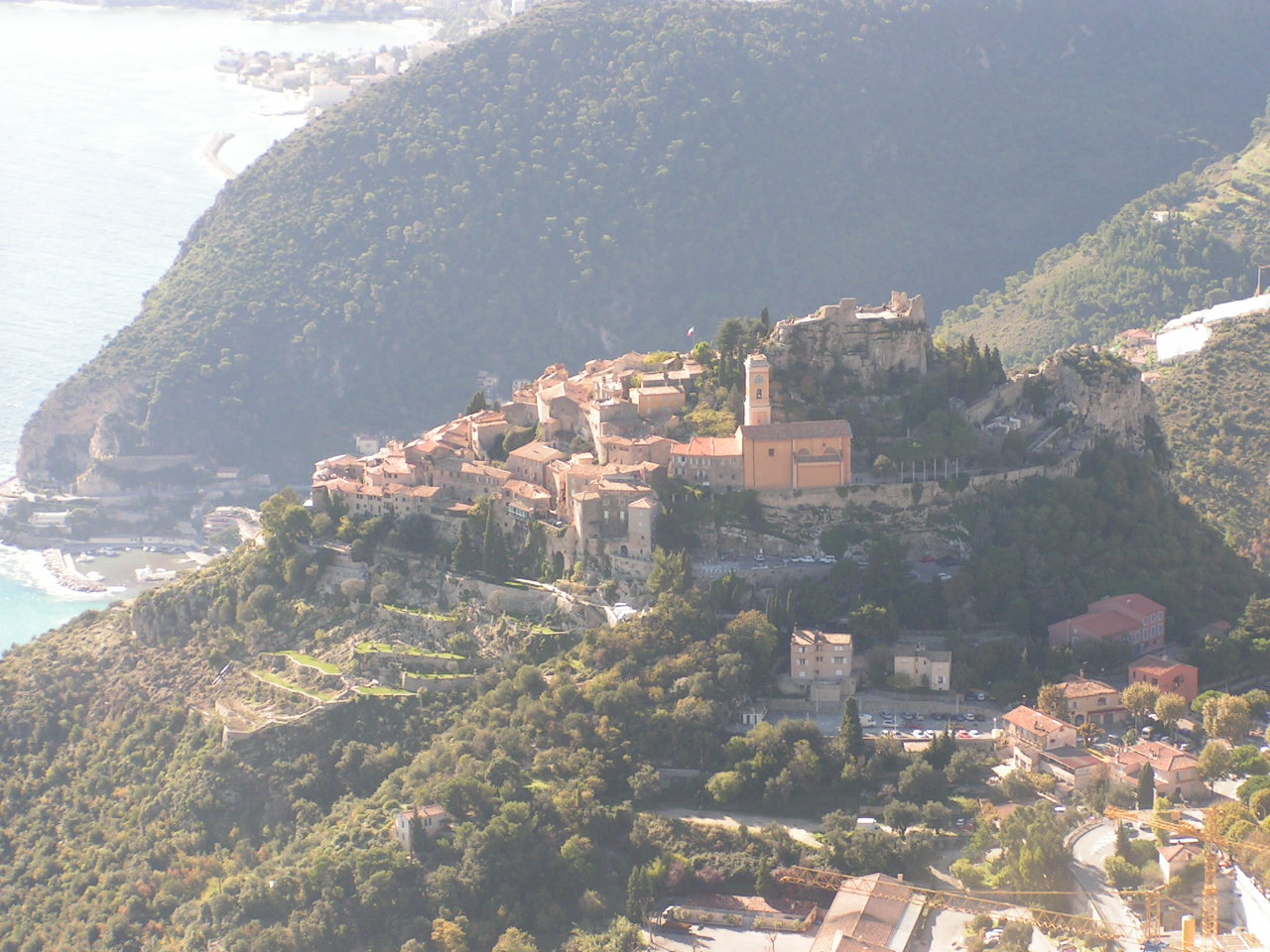
Èze
A steep medieval hill village above the French Riviera where the upper settlement, coast railway and Nietzsche path use different access points.
Open guide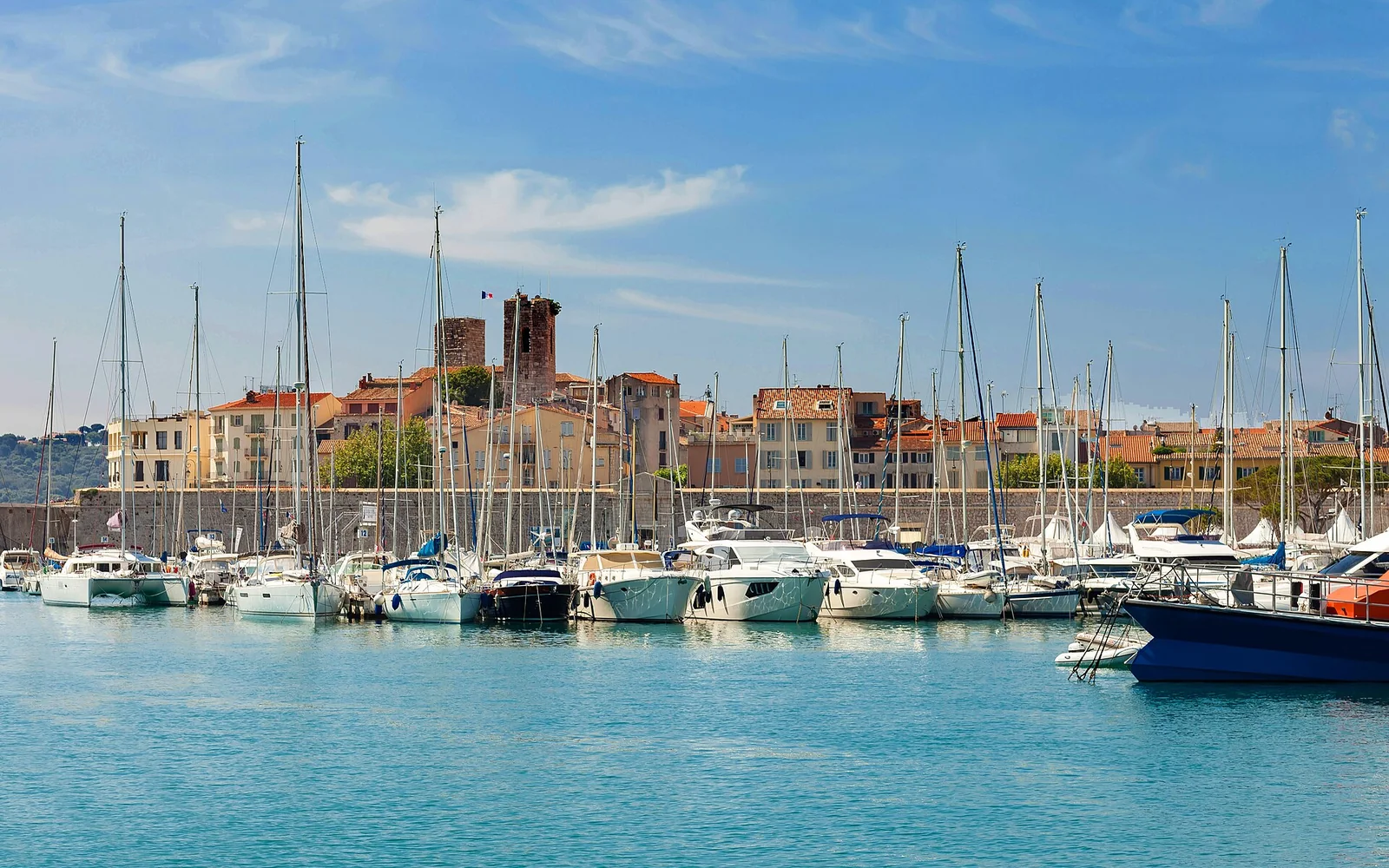
Antibes
A rail-linked Riviera town where old ramparts, the Picasso Museum, Port Vauban and Cap d’Antibes offer a quieter counterpoint to Nice and Cannes.
Open guide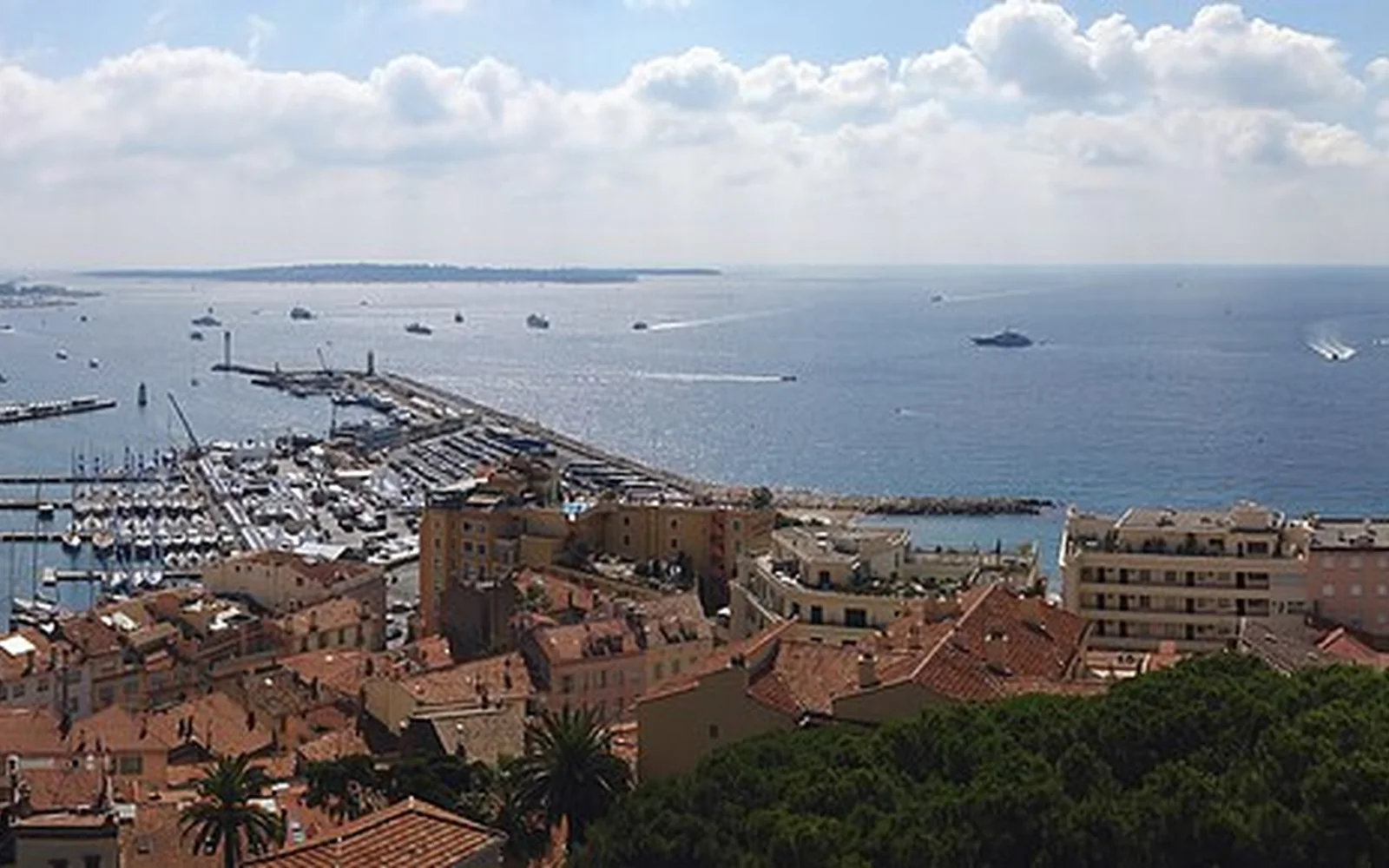
Cannes
Cannes combines the polished Croisette with a hilltop old town, public and private beaches, a working port and easy boat trips to the Lérins Islands.
Open guideBuild a coherent route
Plan by area
Nice and the eastern Riviera
Use Nice for city museums, Vieux Nice, the airport and rail or bus connections toward Èze and Menton.
Antibes and Cap d’Antibes
Antibes combines a compact old town, Picasso Museum, harbour and a larger peninsula with separate local transport.
Cannes and the Lérins Islands
Cannes offers Le Suquet, a walkable waterfront and scheduled boats to two very different islands.
See the main travel bases
See the Riviera bases and hill village covered here
Loading the map…
Nice, Antibes and Cannes sit on the coast railway. Èze village is high above Èze-sur-Mer station and needs a bus or planned steep path.
Match the route to your time
What fits into your trip
One Riviera base
Stay in Nice, Antibes or Cannes, give the base two proper days and choose one nearby outing. Three days is too short for repeated hotel changes or a chain of five separate busy coast towns.
City and coast variety
Use Nice as the main base, add Antibes or Èze on one day and keep another for a museum, beach or eastern coast trip. Cannes fits only if it replaces, rather than joins, a busy outing.
Two-base Riviera stay
Spend four nights in Nice and three or four in Antibes or Cannes. This supports eastern and western outings while leaving enough useful time for changing weather, sea conditions and quieter evenings in both bases.
Link the stops sensibly
Routes and day trips
The coast railway is the practical spine. Use buses for hill villages and local peninsulas, and boats only after confirming weather and return schedules.
Suggested regional routes
Nice as a full city base
Explore Vieux Nice, the port, waterfront and one museum before using the railway for an outward day.
Open destination guideÈze village and coast
Choose the upper-village bus, lower coast train or a one-way path plan according to fitness and conditions.
Open destination guideAntibes old town and peninsula
Combine the market, museum and harbour on one day, then select one Cap d’Antibes coast section.
Open destination guideRegional day trips
Èze Village from Nice
A full or substantial half day in hilltop Èze, with the direct village bus separated clearly from the coastal railway station.
Wider itineraries
These routes include French Riviera but continue to other parts of France.
Paris, Lyon, Provence and Nice in 12 daysChoose transport by destination
Getting around French Riviera
Regional trains are usually the fastest link between central coast towns. Buses reach hill villages and outer districts, while boats serve islands and seasonal coast trips.
Coast railway
Check the exact local station and late return. Trains become crowded around beaches, events and commuter periods.
Buses
Use them for Èze village and selected inland or peninsula routes, allowing for road traffic.
Boats
Cannes island services and coast excursions depend on operator, season and sea conditions.
Choose dates that suit the route
When to visit
April to June and September to October balance city walking and coast use. July and August bring heat, high prices and heavy demand.
Winter can suit city museums and walks, but boat services and some coastal businesses reduce operations.
Read the seasonal guide for FranceAvoid common route problems
Planning checks
Do not collect towns
Give one destination most of a day instead of stepping off at every station.
Separate upper and lower Èze
The coast station is far below the hill village and requires a bus or demanding path.
Keep a land alternative
Wind and sea conditions can cancel island and boat plans.
Quick answers
Questions about French Riviera
Where should I stay?
Nice has the broadest transport and museums. Antibes is quieter, while Cannes suits western coast and island trips.
Do I need a car?
No for the reviewed coast towns. Rail and buses are usually easier than parking.
How many days do I need?
Five days suit one base and several outings. Seven or eight allow two bases at a slower pace.
Can I visit Èze by train?
The train reaches Èze-sur-Mer below the village. Use a bus or planned steep path for the upper settlement.
How this guide is checked
Sources and review
Reviewed 2 September 2026, next review due 2 March 2027. Services, access rules and opening arrangements can change, so check the official source before travel.
- Official France visitor information, Atout France
- Official French rail journey planner, SNCF Connect
- Official Nice visitor information, Nice Côte d’Azur Metropolitan Convention and Visitors Bureau
- Official Côte d’Azur visitor information, Côte d’Azur France Tourism Board
- Official Cannes visitor information, Cannes Tourism
- Antibes Juan-les-Pins visitor information, Antibes Juan-les-Pins Tourist Office
Continue through France
Regions that connect naturally
Provence
Provence combines Roman cities, market towns, limestone hills and rural landscapes where the choice of base matters more than distance on a map.
Provence-Alpes-Côte d’Azur
Mediterranean cities, inland Provence, the Riviera and Alpine districts share one large region with very different travel patterns.
Auvergne-Rhône-Alpes
Lyon, Alpine lakes, Mont Blanc valleys and volcanic landscapes make this one of France’s most varied regions.
Continue planning
See more of France
Use the country guide to compare French Riviera with other regions and destinations in France.