
Start with the essentials
Plan Provence at a glance
- Useful bases
- Marseille, Aix or Avignon
- Useful time
- 5 to 9 days
- Main transport
- Rail between cities
- Car use
- Useful for selected rural days
- Main limit
- Heat, traffic and scattered villages
About Provence
Why explore Provence
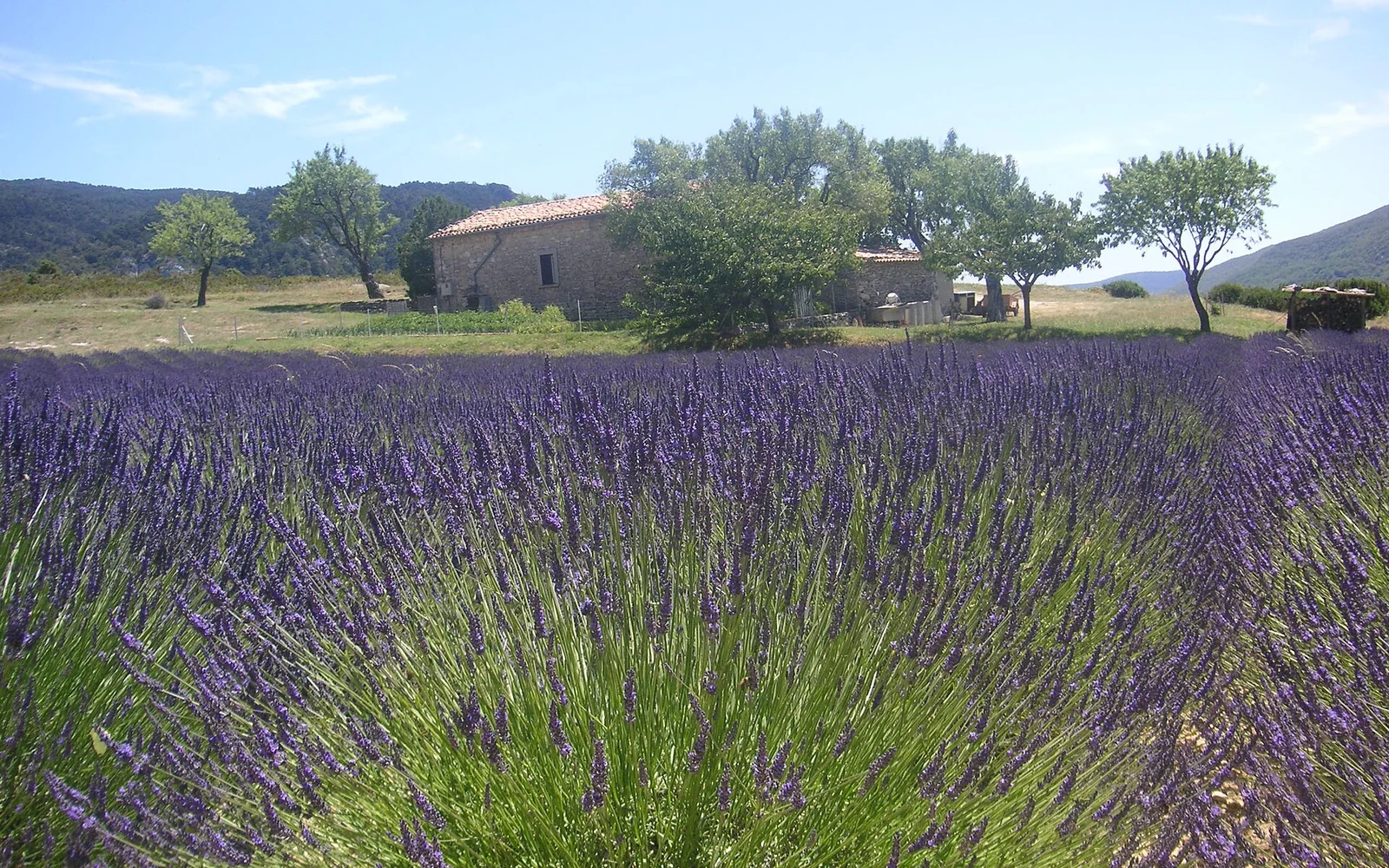
Provence offers several distinct trips rather than one continuous landscape. Marseille brings a working Mediterranean port, Avignon anchors the Rhône corridor, and Aix-en-Provence provides a compact historic base with strong market and museum days.
The villages, vineyards and limestone landscapes are rewarding when they fit the route, but collecting famous names can turn a holiday into repeated parking and transfer work. A smaller number of well-connected places gives each stop more purpose.
Plan the region
Use Marseille for the coast and major transport, Avignon for western Provence and Roman sites, or Aix for a slower city stay with selected inland outings. Two bases are enough for most first trips.
Keep city days on rail and group rural places by one road area. Summer requires earlier starts, water and realistic walking, while mistral winds can alter boat and exposed outdoor plans.
Choose where to spend your time
Places to explore
3 guides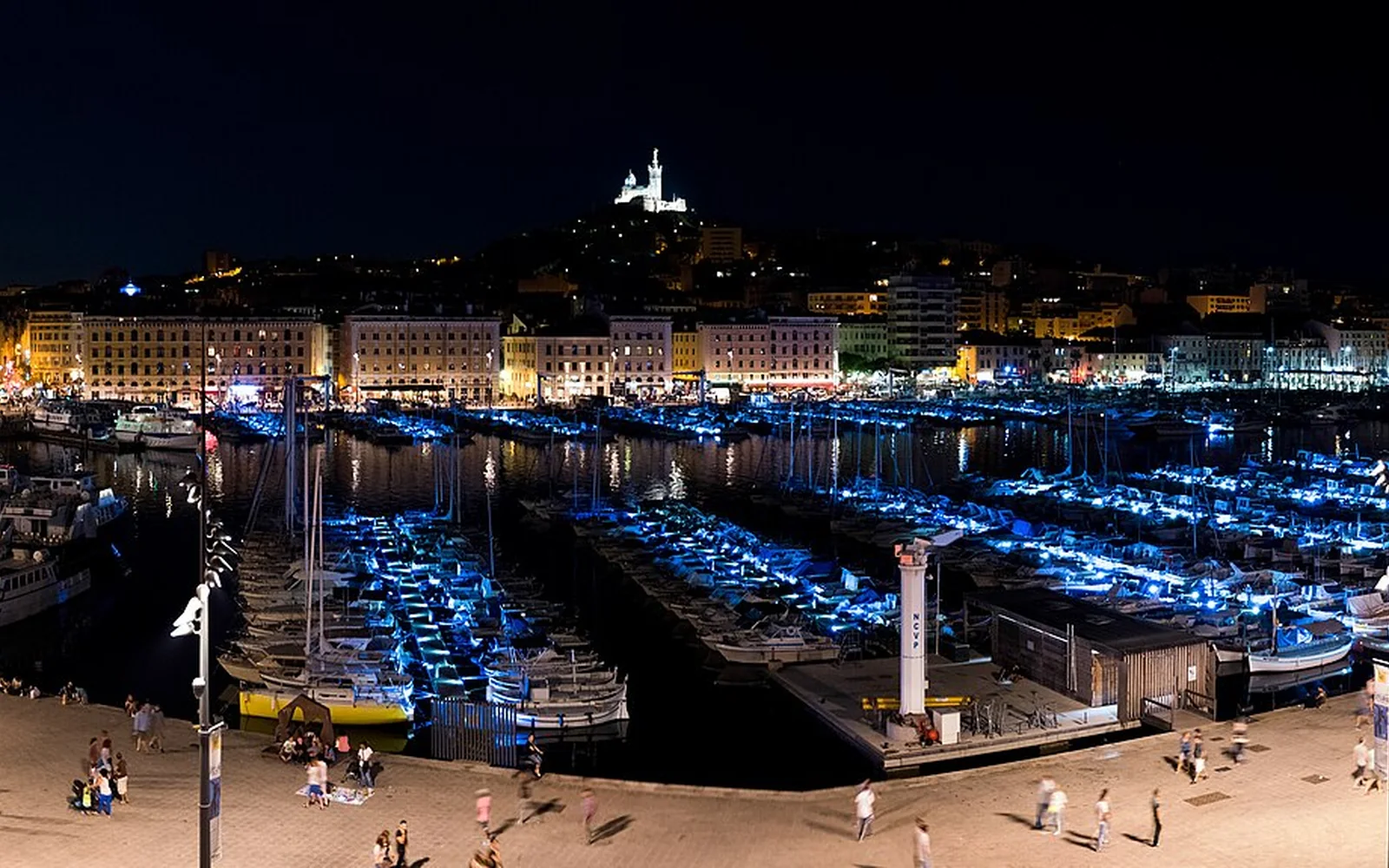
Marseille
Marseille is a working Mediterranean port of steep neighbourhoods, busy markets, island views and direct access to protected Calanques landscapes.
Open guide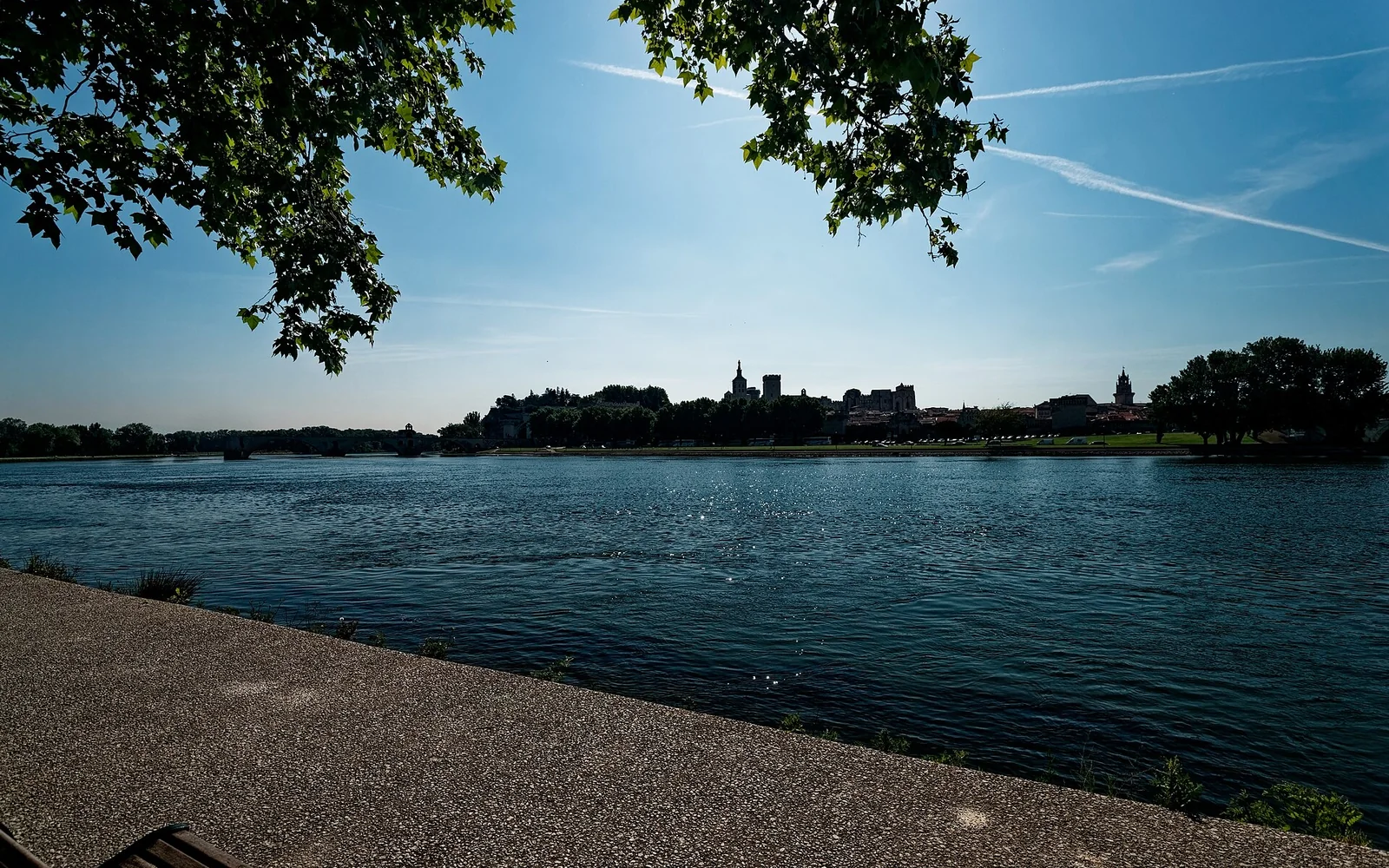
Avignon
Avignon is a walled Rhône city of papal monuments, shaded squares and strong rail links into western Provence.
Open guide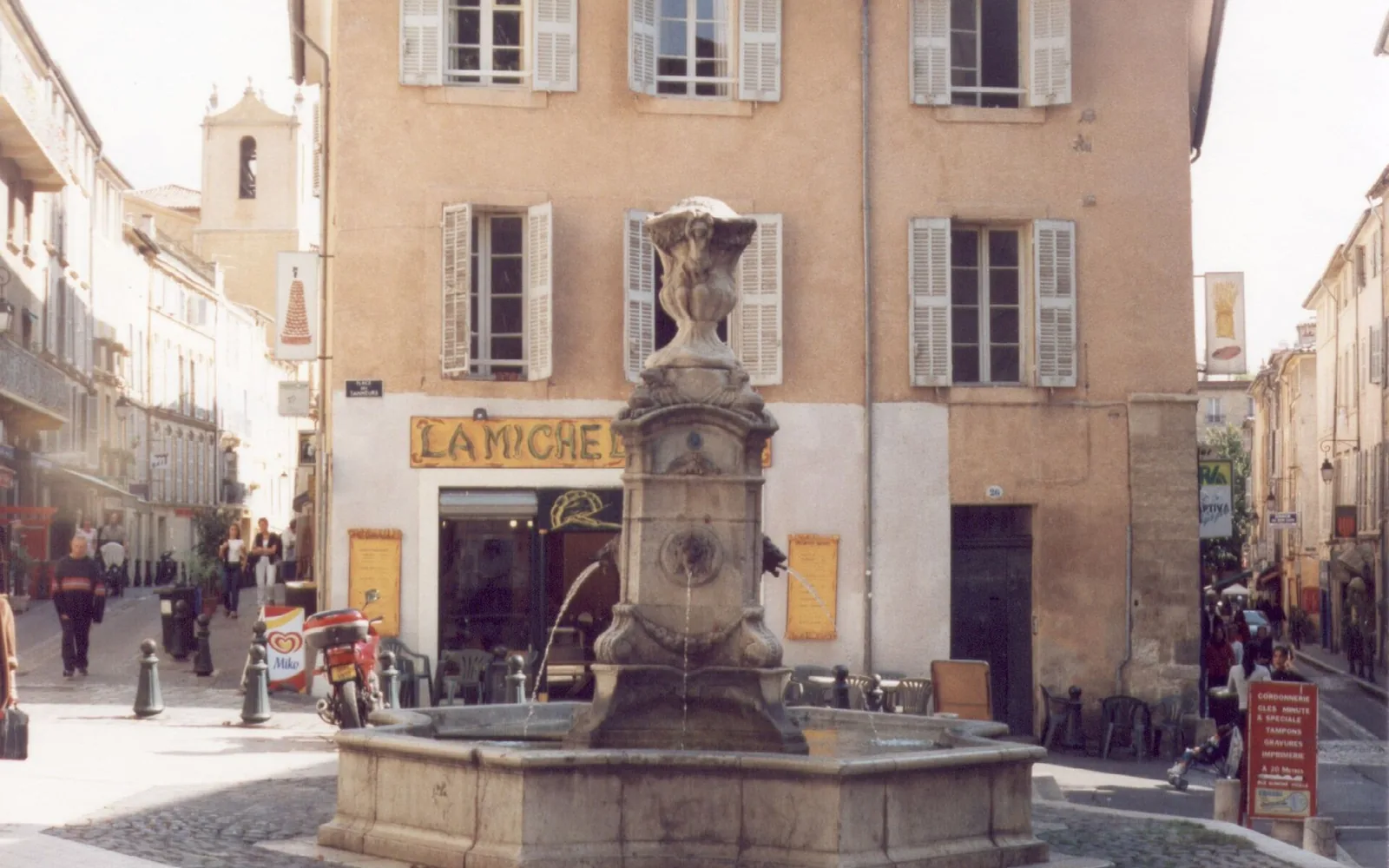
Aix-en-Provence
A refined Provençal city of fountains, markets, museums and shaded streets, with two rail stations and useful links across inland Provence.
Open guideBuild a coherent route
Plan by area
Marseille and the coast
Combine the Old Port, historic districts and one coast or island outing. Confirm boat operation before building the day around it.
Aix-en-Provence
A walkable historic centre, markets and art collections make Aix a strong base without requiring a car every day.
Avignon and the Rhône
The papal city connects well by rail and supports carefully chosen day trips towards Roman sites and western Provence.
See the main travel bases
See the main Provence bases covered here
Loading the map…
Marseille, Aix-en-Provence and Avignon form a useful city triangle. Smaller villages often need a bus, tour or car and should be chosen selectively.
Match the route to your time
What fits into your trip
One city and one outward day
Choose Marseille, Aix or Avignon as the only base and learn that city properly. Use one day for a nearby coast, Roman site or market town, selected for the actual transport connection rather than its reputation alone.
Two complementary bases
Combine Marseille with Aix for city and coast, or Avignon with Aix for western and central Provence. Three nights in each base keep transfers manageable and leave enough room for one flexible weather-dependent outdoor plan.
Cities with a rural section
Use two city bases and add two carefully grouped rural days by bus, tour or car. Avoid changing hotel for every village, and keep the longest road day away from the arrival and departure dates.
Link the stops sensibly
Routes and day trips
The rail triangle handles the main cities efficiently. Treat village country, the coast and Roman sites as separate outward routes rather than one long daily circuit.
Suggested regional routes
Marseille city and coast
Give the port city a full day, then choose a Calanques or island outing only after checking access, weather and seasonal rules.
Open destination guideAix at a slower pace
Use one day for the old centre, markets and Cezanne-related sites, then add one practical nearby excursion.
Open destination guideAvignon and one western outing
Visit the papal centre without rushing, then use the next day for one rail, bus or organised route in the Rhône corridor.
Open destination guideWider itineraries
These routes include Provence but continue to other parts of France.
Paris, Lyon, Provence and Nice in 12 daysChoose transport by destination
Getting around Provence
Rail works well between the principal cities, but station location matters. Regional buses cover some smaller places, while a car is most useful for one grouped rural section.
Regional rail
Use trains for Marseille, Aix connections and Avignon, checking whether the service uses a central or high-speed station.
Buses and tours
They can reach selected villages and natural areas without parking, but frequency and seasonal timetables limit the day.
Car
Reserve it for rural routes where the stops share one corridor. Do not keep it for central city days unless the wider itinerary requires it.
Choose dates that suit the route
When to visit
April to June and September to October usually suit markets, walking and mixed city days. July and August bring heat, crowds and pressure on coast access.
Winter is quieter in cities, though rural opening hours and transport reduce. Strong mistral winds can affect exposed walks and marine services in any season.
Read the seasonal guide for FranceAvoid common route problems
Planning checks
Choose villages by route
Two connected places are more useful than a checklist spread across different valleys.
Check the station
Aix and Avignon have central and high-speed rail arrangements that change the final transfer.
Keep outdoor plans flexible
Heat, wind, fire controls and sea conditions can change coast and countryside access.
Quick answers
Questions about Provence
Where should I stay in Provence?
Choose Marseille for coast and transport, Aix for a compact historic base, or Avignon for western Provence and the Rhône corridor.
Do I need a car?
No for the main cities. A car becomes useful for selected rural routes with several poorly connected stops.
How many days do I need?
Five or six days suit two bases. Eight or nine allow slower city time and a rural section.
Can I visit Provence from Nice?
Some journeys are possible, but repeated long returns waste time. Use a Provence base if the region is a main part of the trip.
How this guide is checked
Sources and review
Reviewed 2 September 2026, next review due 2 March 2027. Services, access rules and opening arrangements can change, so check the official source before travel.
- Official French rail journey planner, SNCF Connect
- Official Marseille visitor information, Marseille Tourism
- Official Provence visitor information, Provence-Alpes-Côte d’Azur Tourism Board
- Official Avignon visitor information, Avignon Tourisme
Continue through France
Regions that connect naturally
French Riviera
The French Riviera is a dense Mediterranean coast where rail-linked cities, old ports and hill towns need different transport plans.
Provence-Alpes-Côte d’Azur
Mediterranean cities, inland Provence, the Riviera and Alpine districts share one large region with very different travel patterns.
Auvergne-Rhône-Alpes
Lyon, Alpine lakes, Mont Blanc valleys and volcanic landscapes make this one of France’s most varied regions.
Continue planning
See more of France
Use the country guide to compare Provence with other regions and destinations in France.