
Start with the essentials
Plan Provence-Alpes-Côte d’Azur at a glance
- Useful bases
- Marseille, Avignon, Aix and Nice
- Useful time
- 7 to 14 days
- Main transport
- Rail, regional bus and selected car
- Car use
- Useful inland, awkward in cities
- Main limit
- Heat, distance and seasonal demand
About Provence-Alpes-Côte d’Azur
Why explore Provence-Alpes-Côte d’Azur
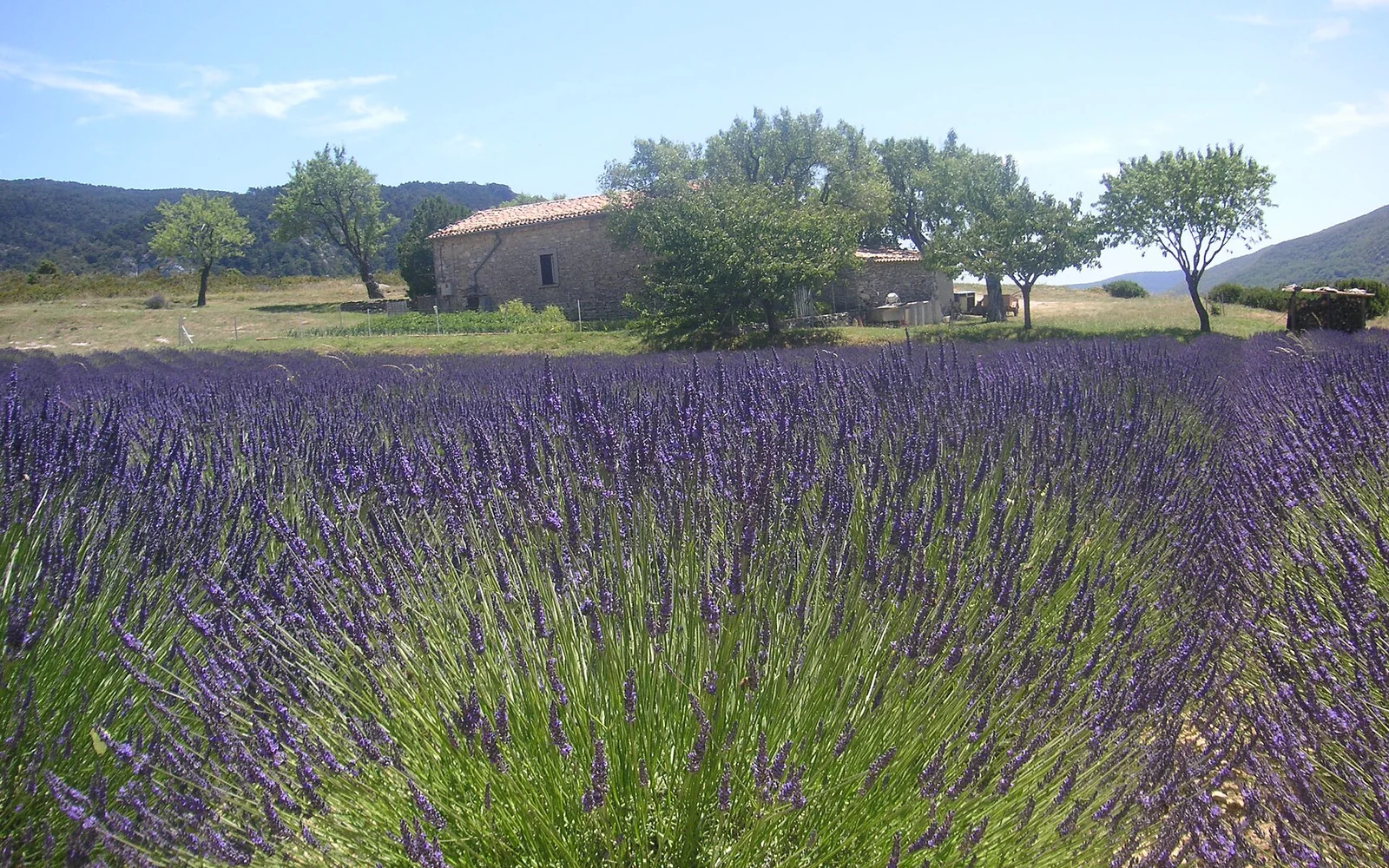
Few French regions combine major port cities, Roman and papal heritage, village landscapes and a coast railway with such variety. The reward comes from choosing a coherent section rather than trying to sample every landscape in one week.
Marseille, Avignon and Aix lead into Provence, while Nice, Antibes and Cannes form the strongest car-free Riviera corridor. Mountain districts belong to another weather and transport plan.
Plan the region
Use two bases for a broad trip: one around Marseille, Avignon or Aix, then one around Nice. Seven days should stay mainly on one side; ten to fourteen days can connect both by rail.
A car earns its place for rural days but becomes a burden in dense city centres and on the crowded coast. Collect it only for the section that needs it.
Choose where to spend your time
Places to explore
9 guides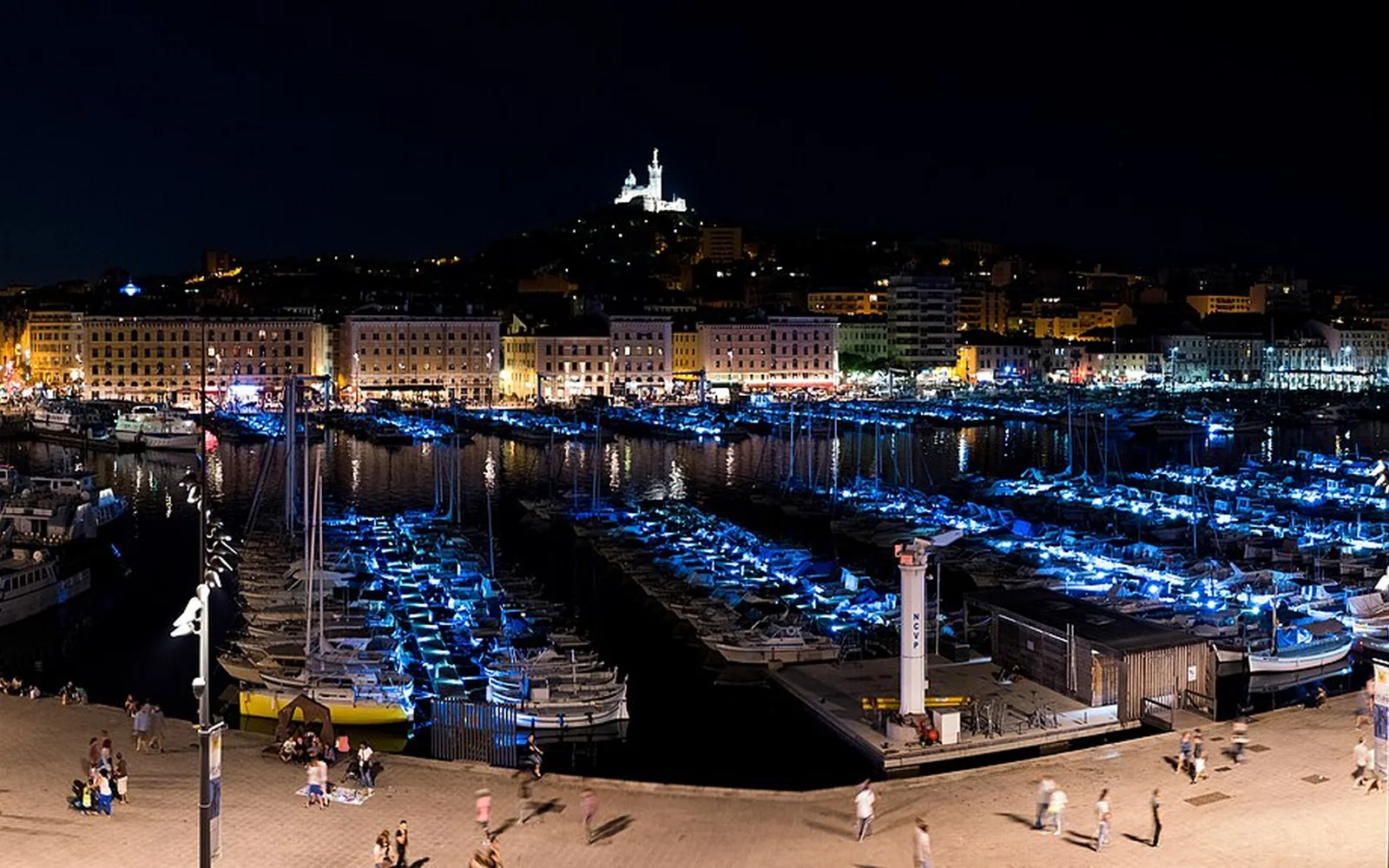
Marseille
Marseille is a working Mediterranean port of steep neighbourhoods, busy markets, island views and direct access to protected Calanques landscapes.
Open guide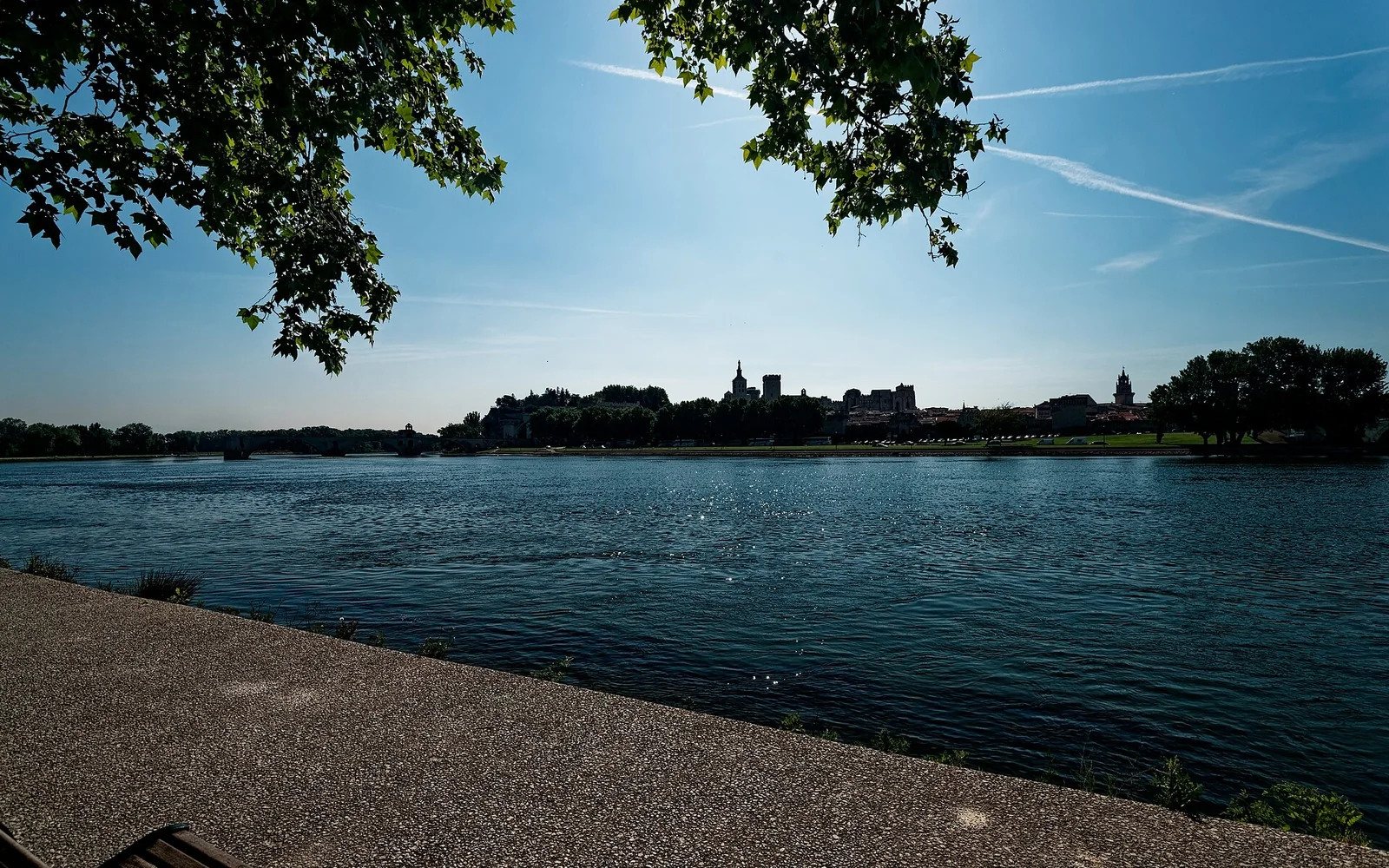
Avignon
Avignon is a walled Rhône city of papal monuments, shaded squares and strong rail links into western Provence.
Open guide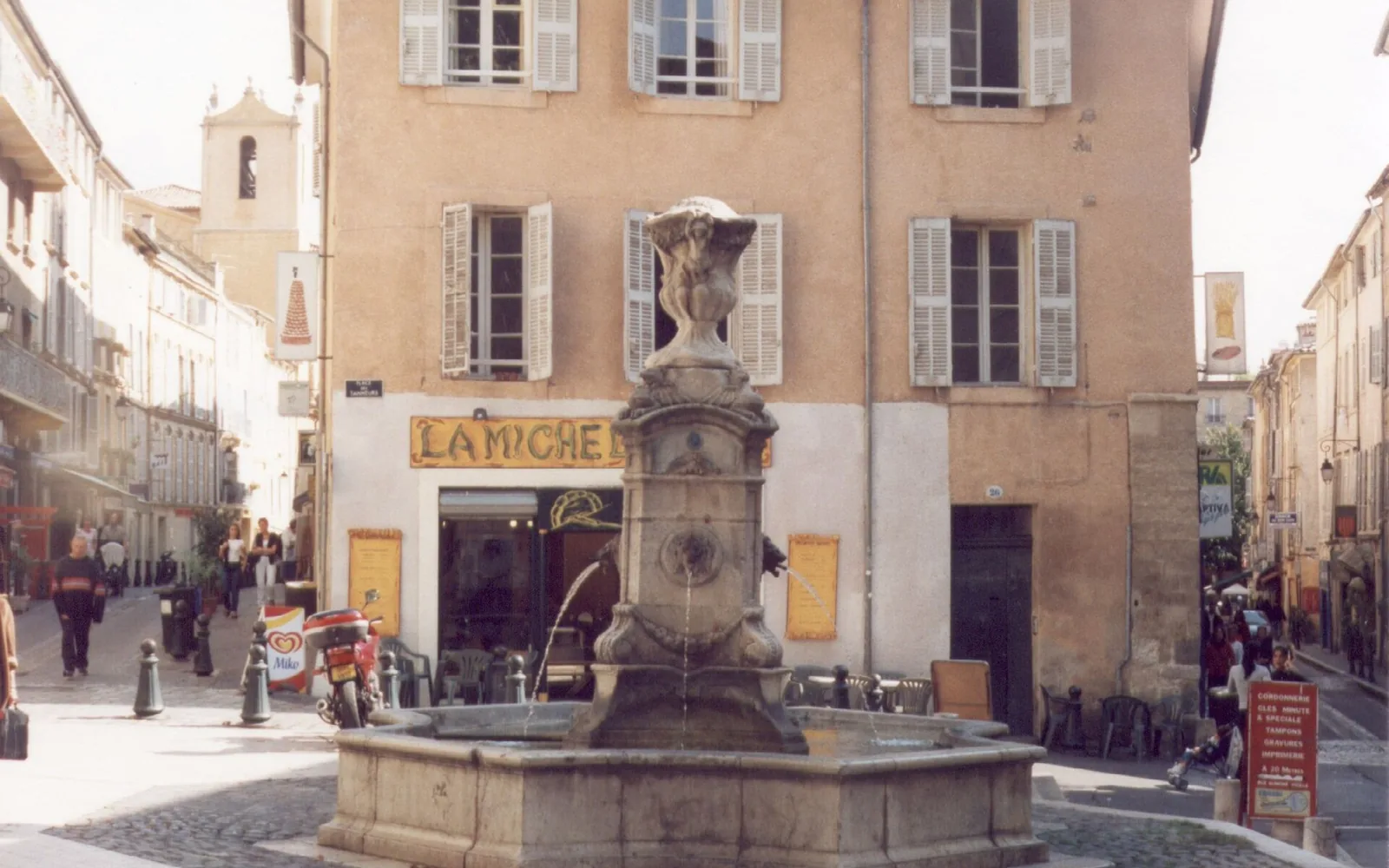
Aix-en-Provence
A refined Provençal city of fountains, markets, museums and shaded streets, with two rail stations and useful links across inland Provence.
Open guide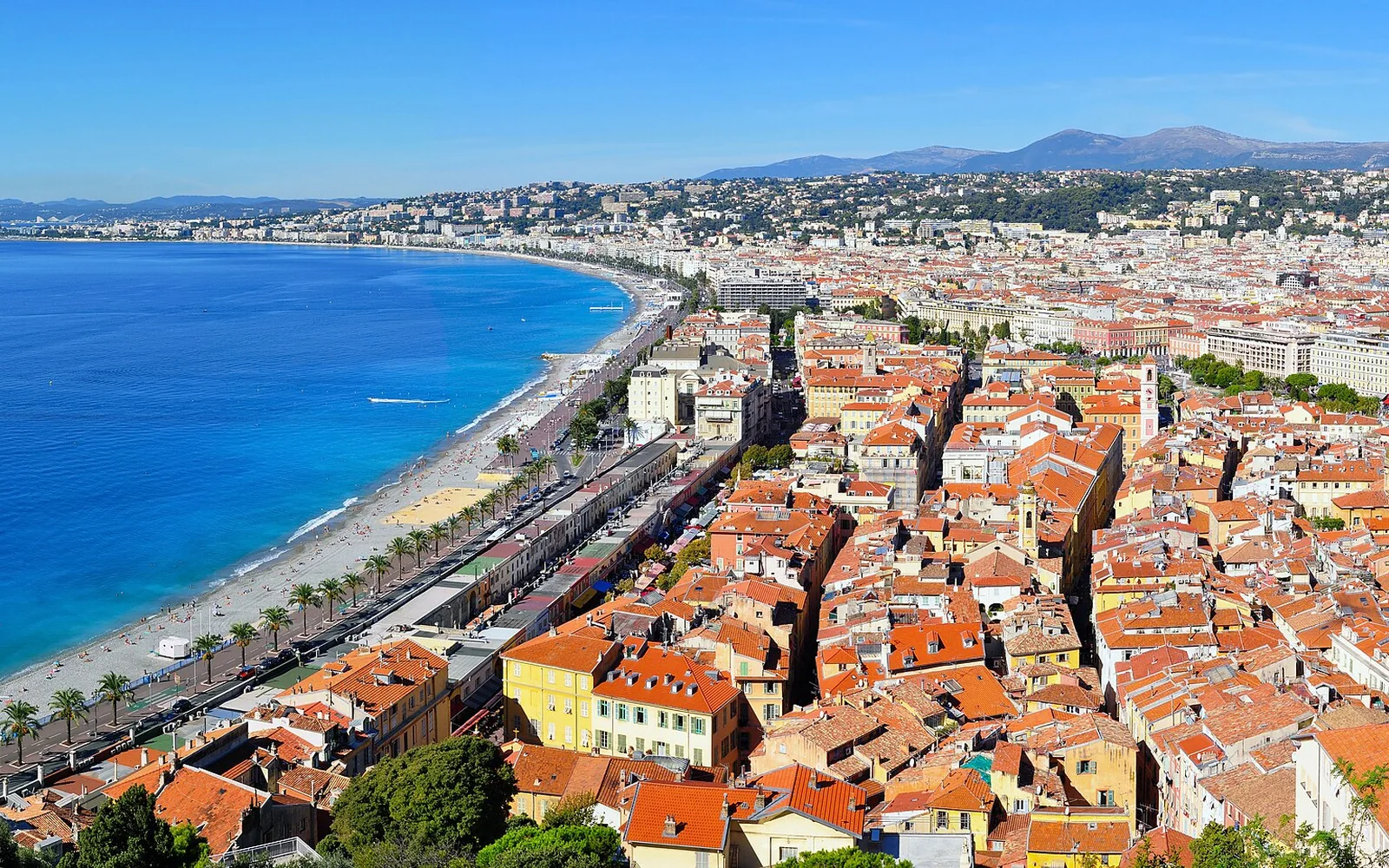
Nice
Nice combines a dense old town, a long Mediterranean waterfront and useful rail links along the French Riviera.
Open guide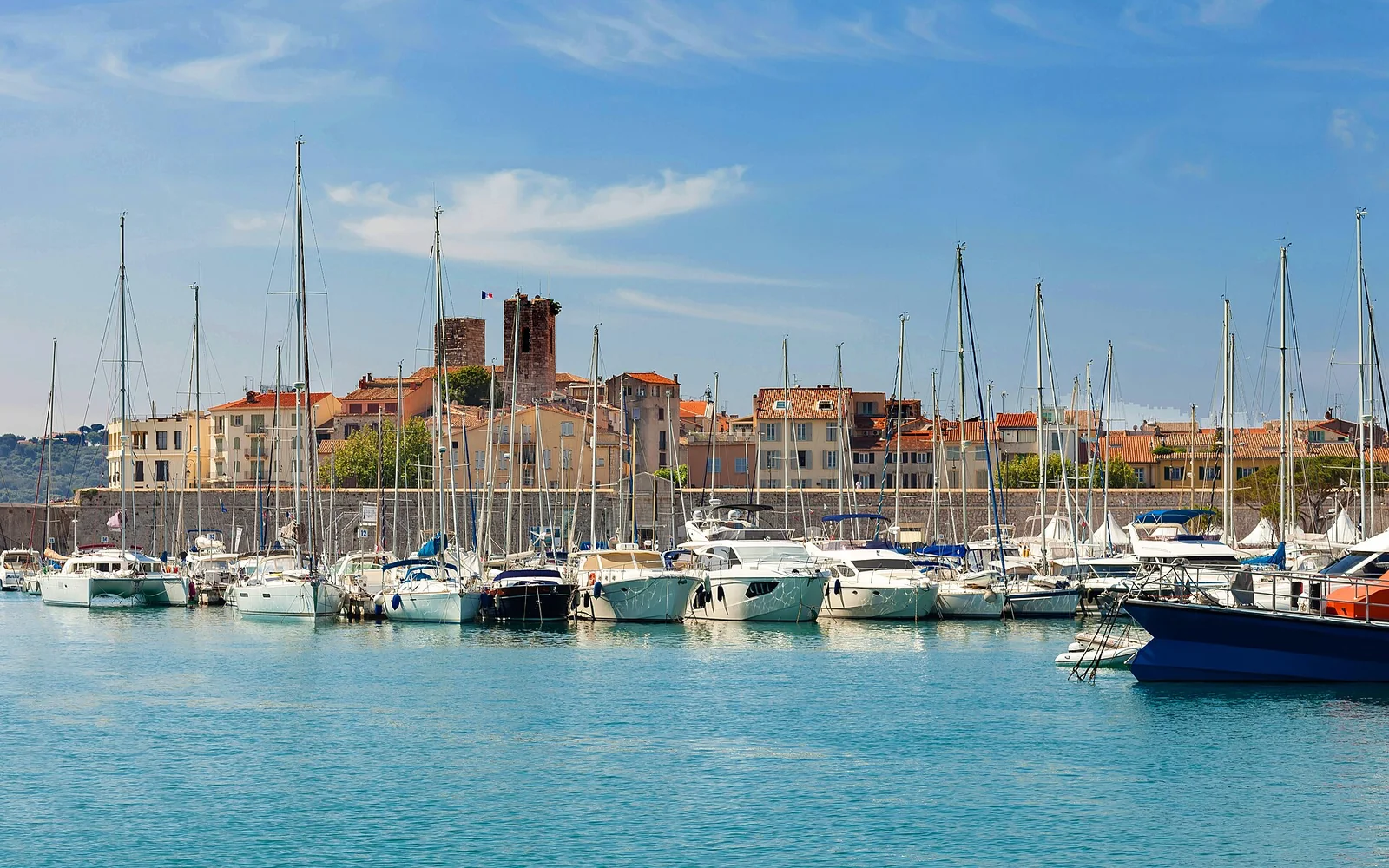
Antibes
A rail-linked Riviera town where old ramparts, the Picasso Museum, Port Vauban and Cap d’Antibes offer a quieter counterpoint to Nice and Cannes.
Open guide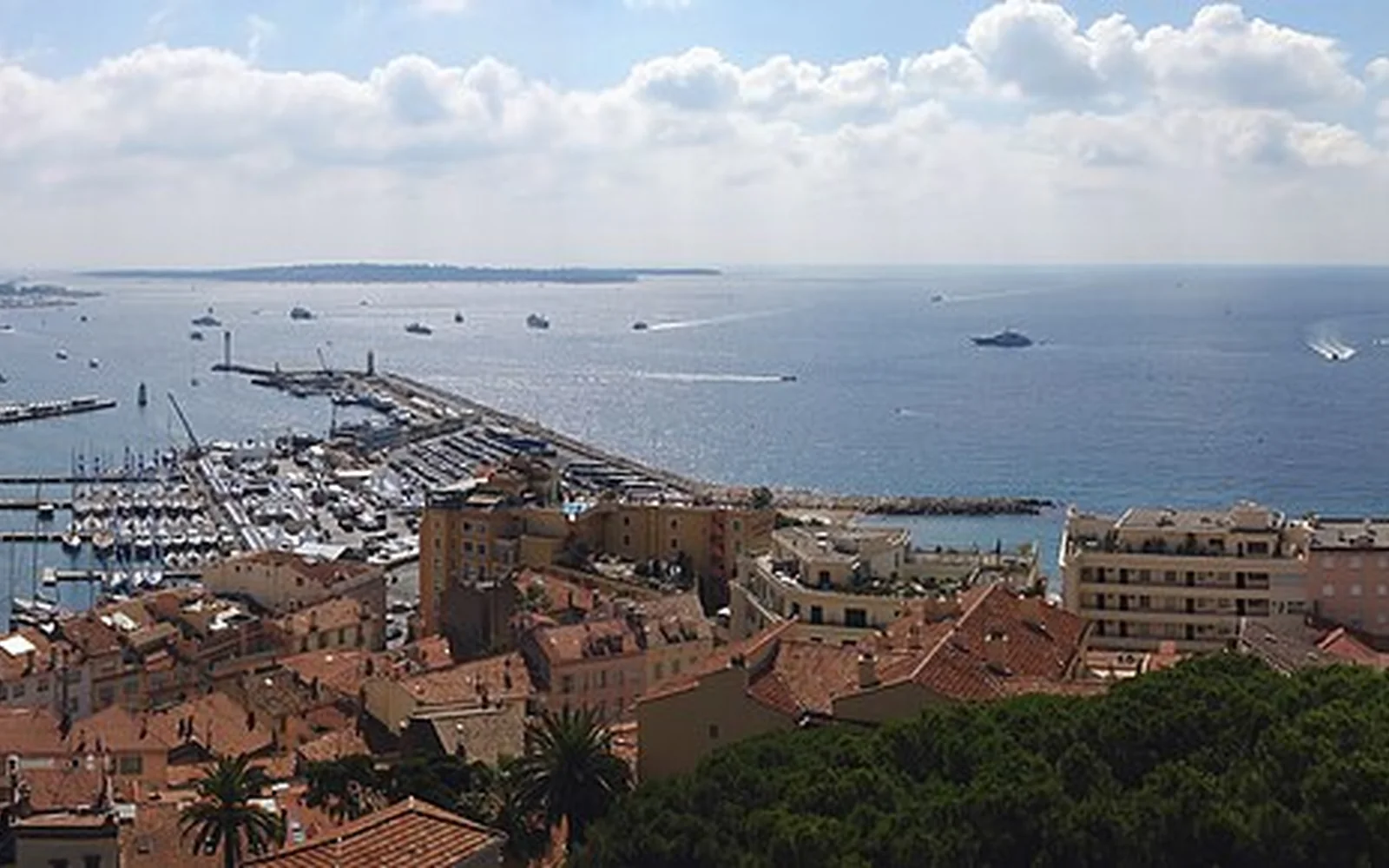
Cannes
Cannes combines the polished Croisette with a hilltop old town, public and private beaches, a working port and easy boat trips to the Lérins Islands.
Open guideFrench Riviera
The French Riviera is a dense Mediterranean coast where rail-linked cities, old ports and hill towns need different transport plans.
Open guideProvence
Provence combines Roman cities, market towns, limestone hills and rural landscapes where the choice of base matters more than distance on a map.
Open guide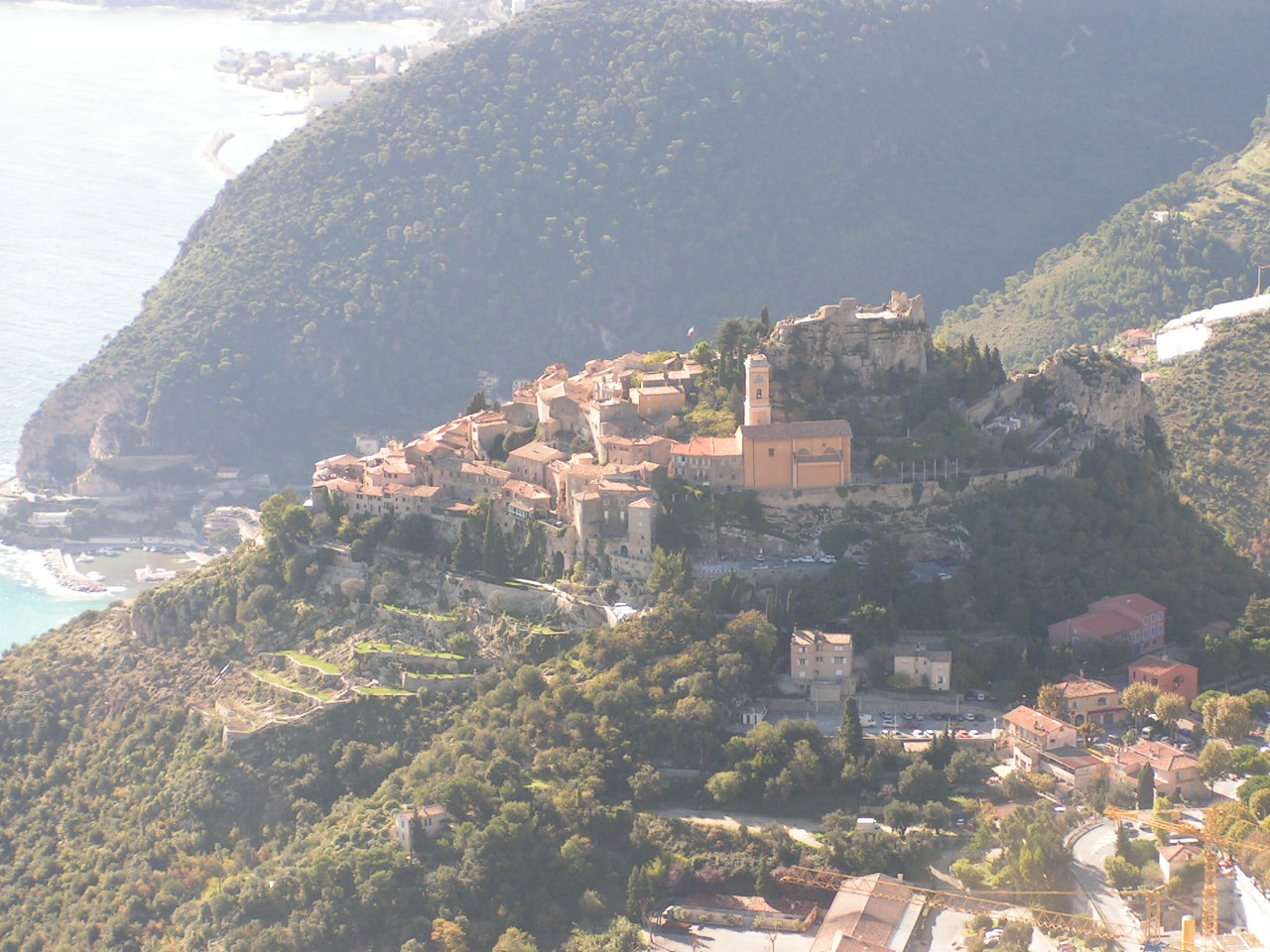
Èze
A steep medieval hill village above the French Riviera where the upper settlement, coast railway and Nietzsche path use different access points.
Open guideBuild a coherent route
Plan by area
Western Provence cities
Marseille, Avignon and Aix offer different urban bases for ports, papal history, markets and inland connections.
French Riviera rail coast
Nice, Antibes and Cannes connect by frequent regional rail and each supports a distinct city or beach stay.
Inland and Alpine routes
Villages, gorges and Southern Alpine valleys require their own base, current road conditions and more weather flexibility.
See the main travel bases
See the main south-eastern bases covered here
Loading the map…
The western Provence group and eastern Riviera group are linked by long-distance rail. Inland villages and Alpine routes need separate local planning.
Match the route to your time
What fits into your trip
One focused section
Choose western Provence or the Riviera, then use one main base and at most one nearby overnight. Five days is not enough for Marseille, village Provence, Nice and an Alpine route without turning most mornings into transfers.
Two complementary bases
Pair Marseille with Avignon or Nice with Antibes, keeping the route within one side of the region. This creates several city days and one rural, island or coast outing without requiring a car for the whole stay.
Provence and Riviera
Spend six nights around western Provence, travel east by rail, then use Nice or Antibes for the Riviera. Add inland driving only as a clearly defined middle section, returning the car before the dense coast.
Link the stops sensibly
Routes and day trips
The most reliable broad route follows the main rail corridor from Avignon, Aix or Marseille toward Nice. Rural Provence branches away from it and should be planned as a separate section.
Suggested regional routes
Marseille and the Calanques edge
Give Marseille two full city days, then attempt one permitted coast activity according to fire risk, heat and sea conditions. Do not attach a long village drive.
Open destination guideAvignon and Aix
Use rail or coach to divide papal Avignon from market-led Aix. Each city needs its own day, and rural additions require another transport plan.
Open destination guideNice, Antibes and Cannes
Base in one Riviera town, use regional trains for the others and reserve one day for a museum, peninsula or island rather than collecting stations.
Open destination guideRegional day trips
Èze Village from Nice
A full or substantial half day in hilltop Èze, with the direct village bus separated clearly from the coastal railway station.
Wider itineraries
These routes include Provence-Alpes-Côte d’Azur but continue to other parts of France.
Paris, Lyon, Provence and Nice in 12 daysChoose transport by destination
Getting around Provence-Alpes-Côte d’Azur
High-speed and regional trains connect the principal cities, while buses, tours and cars reach inland villages. Coast traffic and summer demand make rail especially useful on the Riviera.
Mainline rail
Use rail between Avignon, Aix TGV, Marseille, Cannes, Antibes and Nice, checking the actual station and any local transfer.
Regional buses
Buses reach selected inland towns and coast areas, but frequency can be seasonal and the final return must be confirmed.
Driving
Collect a car for a defined rural section. Avoid keeping it for central Marseille, Avignon, Aix or the main Riviera rail corridor.
Choose dates that suit the route
When to visit
Spring and early autumn suit mixed city, village and coast travel. Summer brings heat, fire restrictions, festival traffic and heavy demand beside the Mediterranean.
The Alps have a different season from the coast. Snow, lift schedules and mountain weather must be checked independently.
Read the seasonal guide for FranceAvoid common route problems
Planning checks
Do not use one base for everything
Nice is not a practical base for Avignon, and Marseille is not a useful daily base for the eastern Riviera.
Check fire restrictions
Calanques and inland outdoor access can close during high fire risk. Keep an urban alternative.
Read station names
Aix TGV and city-centre Aix are separate, and several coast towns have more than one local stop.
Quick answers
Questions about Provence-Alpes-Côte d’Azur
How many days do I need?
Use at least seven days for one broad section and ten to fourteen days to connect Provence with the Riviera.
Where should I base myself?
Choose Marseille, Avignon or Aix for western Provence, and Nice or Antibes for the eastern coast.
Do I need a car?
Not for the major cities or Riviera rail corridor. A car is useful for selected rural routes.
Can I add the Southern Alps?
Yes only as a separate section with enough days, a suitable base and current mountain conditions.
How this guide is checked
Sources and review
Reviewed 2 September 2026, next review due 2 March 2027. Services, access rules and opening arrangements can change, so check the official source before travel.
- Official French rail journey planner, SNCF Connect
- Official Nice visitor information, Nice Côte d’Azur Metropolitan Convention and Visitors Bureau
- Official Marseille visitor information, Marseille Tourism
- Official Provence visitor information, Provence-Alpes-Côte d’Azur Tourism Board
- Official Côte d’Azur visitor information, Côte d’Azur France Tourism Board
- Provence-Alpes-Côte d’Azur visitor information, Provence-Alpes-Côte d’Azur Tourism Board
- Aix-en-Provence visitor information, Aix-en-Provence Tourist Office
Continue through France
Regions that connect naturally
Provence
Provence combines Roman cities, market towns, limestone hills and rural landscapes where the choice of base matters more than distance on a map.
French Riviera
The French Riviera is a dense Mediterranean coast where rail-linked cities, old ports and hill towns need different transport plans.
Auvergne-Rhône-Alpes
Lyon, Alpine lakes, Mont Blanc valleys and volcanic landscapes make this one of France’s most varied regions.
Continue planning
See more of France
Use the country guide to compare Provence-Alpes-Côte d’Azur with other regions and destinations in France.